
REVIEW · AUSCHWITZ-BIRKENAU MEMORIAL TOURS
Auschwitz-Birkenau: Entrance Ticket and Live Tour Guide
Systemized evil is hard to forget. A tour like this matters because you’re not just walking the grounds—you’re doing it with a licensed guide and headphones that help you follow what you’re seeing. Two things I especially like are the focus on prisoner life and daily conditions, and the clear way the tour moves you from Auschwitz I to Auschwitz II.
One consideration: the museum controls the flow. Your start time is approximate, and the pace (including breaks) can’t be changed by your guide, so you’ll want to plan for a bit of waiting.
In This Review
- Key Things You’ll Notice on This Tour
- Ticket and Tour: What You’re Really Buying for $47
- Auschwitz I Entrance: Getting Oriented Fast
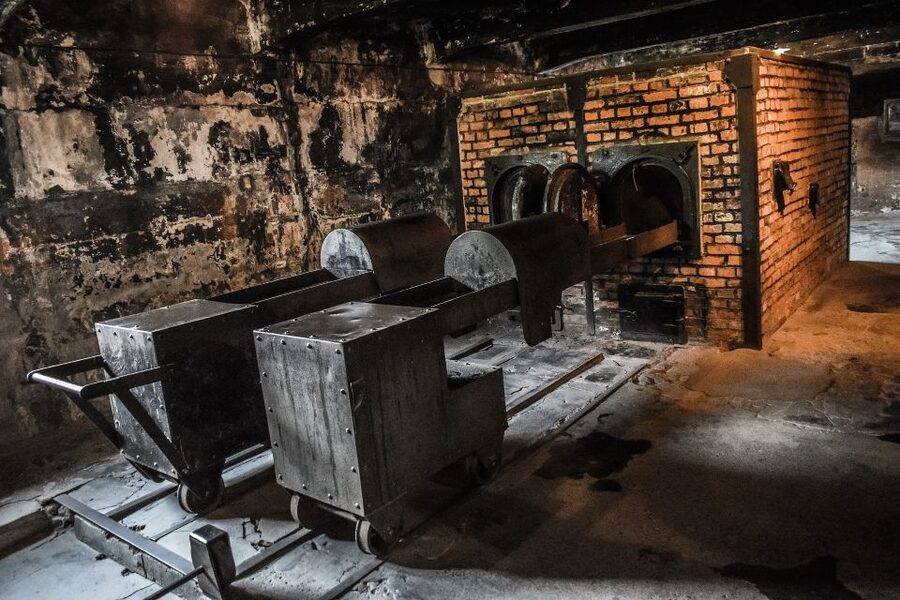
- Auschwitz I Tour Focus: Barracks, Watchtowers, and Crematoriums
- Headphones and Audio: Small Tech, Big Difference
- Between Camps: Managing the Changeover
- Auschwitz II Birkenau: Memorial Time and the Places That Explain Everything
- Time on Site: 3.5 Hours Is Real, but Not Fully Under Your Control
- What to Bring (and What to Leave Behind)
- Who This Tour Is Best For
- Price and Logistics: Is It Good Value?
- Should You Book This Auschwitz I + Birkenau Guided Visit?
- FAQ
- How long is the Auschwitz-Birkenau tour?
- What language is the guide?
- Where do I meet the tour representative?
- Is the ticket line skipped?
- What should I bring?
- Are there any restrictions on luggage?
- Do I need to match the name on my booking to my ID?
- How much of the tour is outdoors?
- Is it suitable for wheelchair users or people with mobility impairments?
- What is the cancellation policy?
Key Things You’ll Notice on This Tour
- Skip the ticket line for entry when you arrive at Auschwitz I
- Licensed English guide who explains what you’re seeing, not just what it was
- Headphones included so the story stays with you through both camps
- Auschwitz I + Auschwitz II in one connected visit
- Heavy outdoor time (up to 70%), especially around Birkenau
- Stricter entry rules: your name must match your ID
Other guided visits to the Auschwitz-Birkenau Memorial
- From Krakow: Auschwitz-Birkenau Guided Tour & Hotel Pickup
★ 4.5 · 33,358 reviews - From Krakow: Auschwitz-Birkenau Guided Tour & Hotel Pickup
★ 4.5 · 29,340 reviews - Krakow: Auschwitz Guided Tour with Optional Hotel Pickup
★ 4.5 · 15,280 reviews
Ticket and Tour: What You’re Really Buying for $47
The price is $47 per person, and I like that the cost is tied to real on-site components: an English-speaking live guide, entrance tickets, and headphones. That’s usually where guided Auschwitz visits start making sense—when you’re paying for interpretation, not just access to a museum.
That said, what can change your true total cost is transportation outside the site. If you’re coming from Krakow, transportation to and from Krakow is listed as not included, and hotel pickup/drop-off isn’t part of the package either. In other words: the $47 covers the museum experience itself, but it may not cover how you get there.
Also note a detail that matters more than it sounds: the museum only accepts visitors when names and documents match. If you book with one name and arrive with another (even a slightly different spelling), entry can be refused. It’s worth double-checking before you go, because Auschwitz is not the place to play “guess my ID” with staff.
Auschwitz I Entrance: Getting Oriented Fast
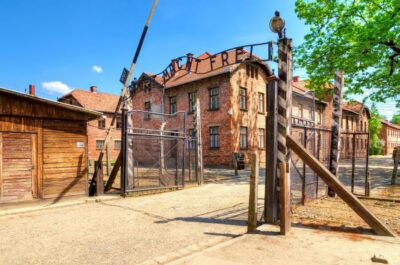
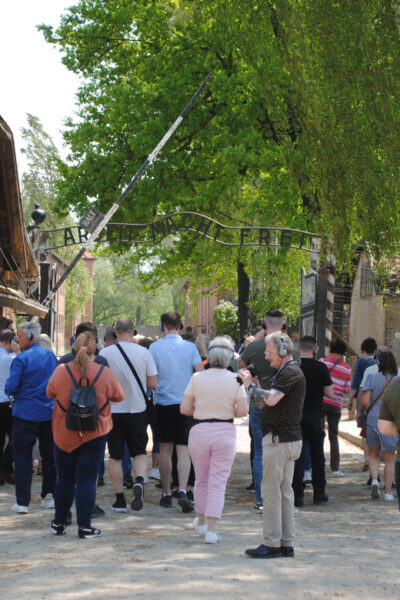
You start at the Auschwitz I area, at Więźniów Oświęcimia 20, 32-600 Oświęcim, Poland. Your meeting point is in front of a restaurant at Auschwitz I, with a representative holding a sign that says Gr8way Meeting Point. If you arrive early, that’s helpful—not for sightseeing, but for getting your bearings before the museum process kicks in.
At the entrance, you may be asked to confirm your identity. Visitor lists are sent in advance to the museum, and entry may be refused if your name on the booking doesn’t match the name on your ID exactly. Bring your passport or ID card and plan on taking a minute for checks.
One more timing reality: because it’s a high-occupancy site, the starting time is approximate. The exact time is confirmed the day before. I’d treat this as a “show up ready, then follow instructions” situation rather than a strict clock-based appointment.
Auschwitz I Tour Focus: Barracks, Watchtowers, and Crematoriums
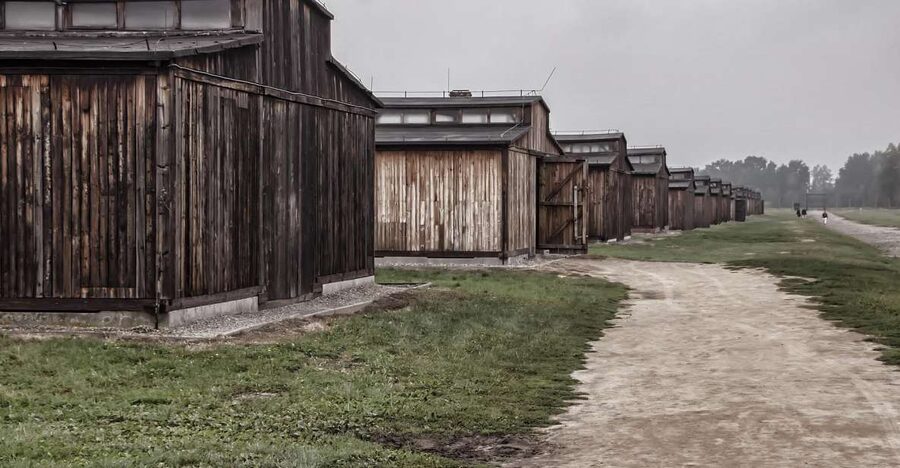
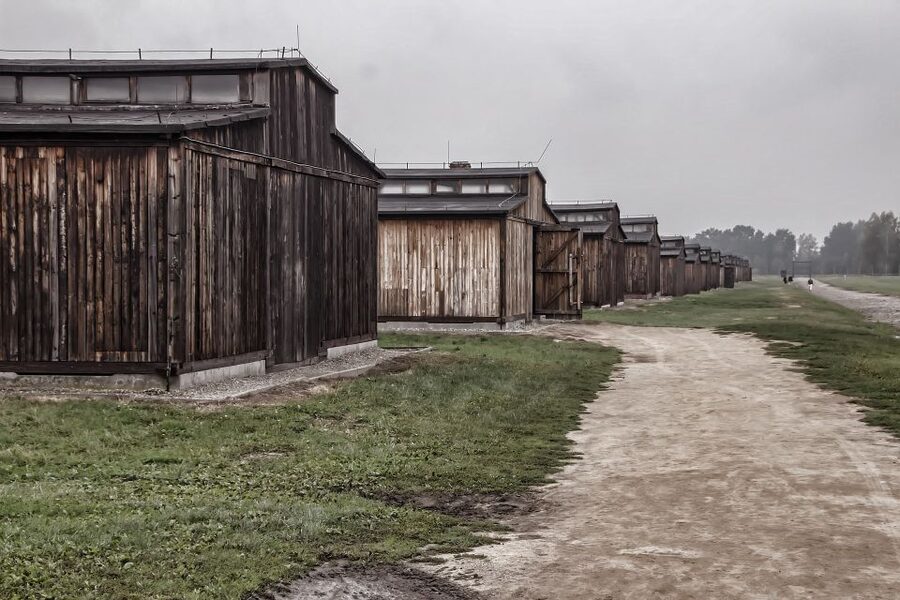
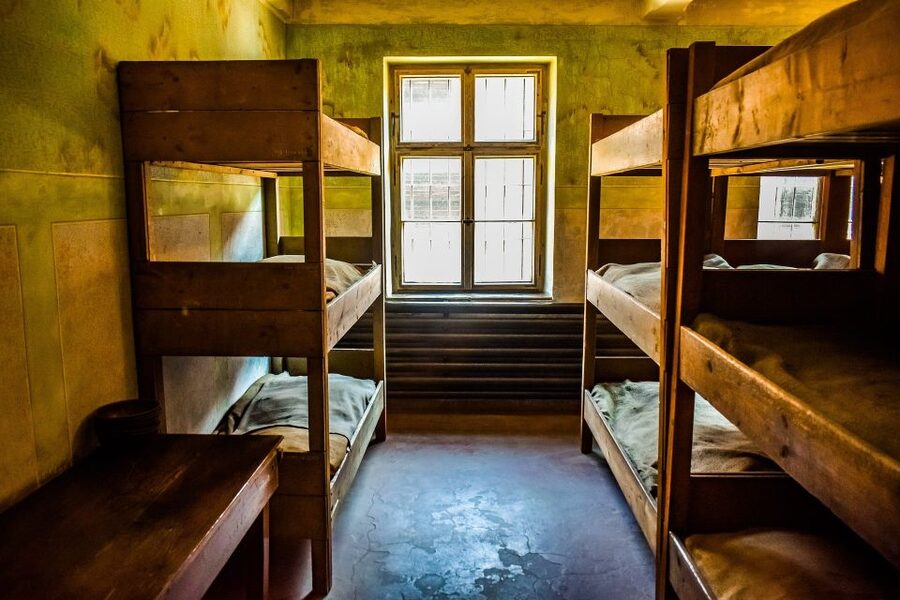
In Auschwitz I, you’ll spend time in the part of the camp that shows the machinery of Nazi control up close—barracks, watchtowers, and crematorium areas. This is one of those places where you’ll notice that the buildings are arranged like a system: surveillance, confinement, and processing in a single coordinated plan.
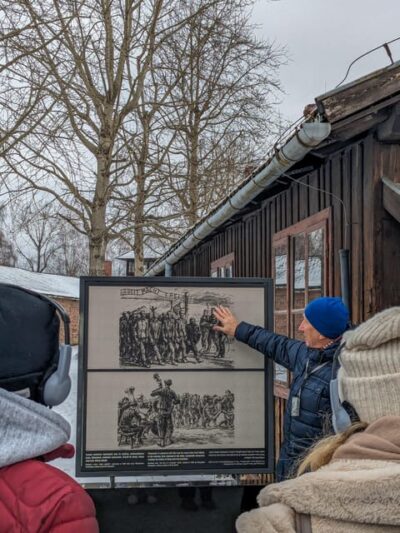
Your licensed guide’s job here isn’t just to describe locations. They connect those locations to prisoner life—what daily conditions were like and what prisoners faced as the camp operated. That’s what I’d look for in a guide: explanation that helps you read the site without turning it into a “checklist experience.”
If you’re worried about getting the most out of the tour, the headphones help. Since you’re walking outdoors and moving between points, hearing the guide clearly can be the difference between learning the story and simply passing by the structures.
A few more Krakow trips worth putting on the shortlist
- Krakow: Wieliczka Salt Mine Tour with Entry Ticket★ 4.6 · 10,927 reviews
- Krakow to Auschwitz Birkenau Guided Tour with Transfer and Ticket★ 5.0 · 8,197 reviews
- Krakow: Wieliczka Salt Mine Fast-Track Ticket & Guided Tour★ 4.5 · 5,872 reviews
- Auschwitz Birkenau Guided Tour with Ticket Hotel Pickup Small Van★ 5.0 · 4,769 reviews
Headphones and Audio: Small Tech, Big Difference
This tour includes headphones, which is a big practical benefit on a site where background noise and distance can swallow explanations. I’d still plan to arrive ready to troubleshoot quickly.
Here’s the issue to keep in mind: audio can be hit or miss. One real-world concern that pops up with these kinds of setups is that audio quality can sometimes be poor enough that you miss part of the explanation. The best defense is to check your volume immediately when you start, and if anything sounds off, raise it right away with the staff or guide rather than waiting and hoping it fixes itself later.
Even when audio works, don’t use it as an excuse to tune out. I found it helps to look at what’s directly in front of you first—then let the guide’s explanation “attach” to the exact spot you’re standing in.
Between Camps: Managing the Changeover
After Auschwitz I, you move to Auschwitz II Birkenau. The tour description is built around visiting both camps, and it’s common for guides to arrange the transport between sites as part of the overall experience.
But your purchase details include a warning: transportation between Auschwitz I and Auschwitz II is listed as not included. That doesn’t mean you won’t move between the two camps—it means you should confirm what your exact option covers before you rely on it.
I recommend doing one thing: before departure day, check your booking confirmation for whether the transfer between the camps is included. If it isn’t, you’ll need to handle it. Auschwitz visits are already structured tightly by on-site rules, so you don’t want to waste time figuring out transport on the day.
Auschwitz II Birkenau: Memorial Time and the Places That Explain Everything
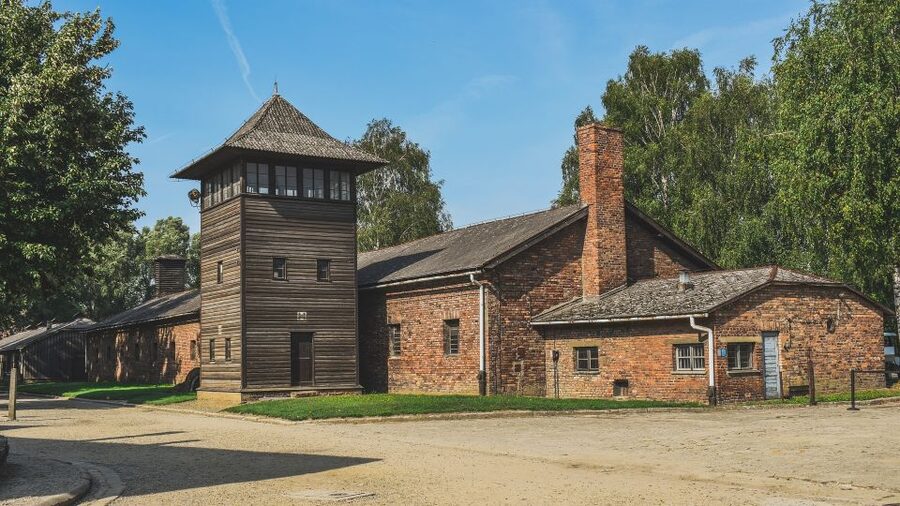
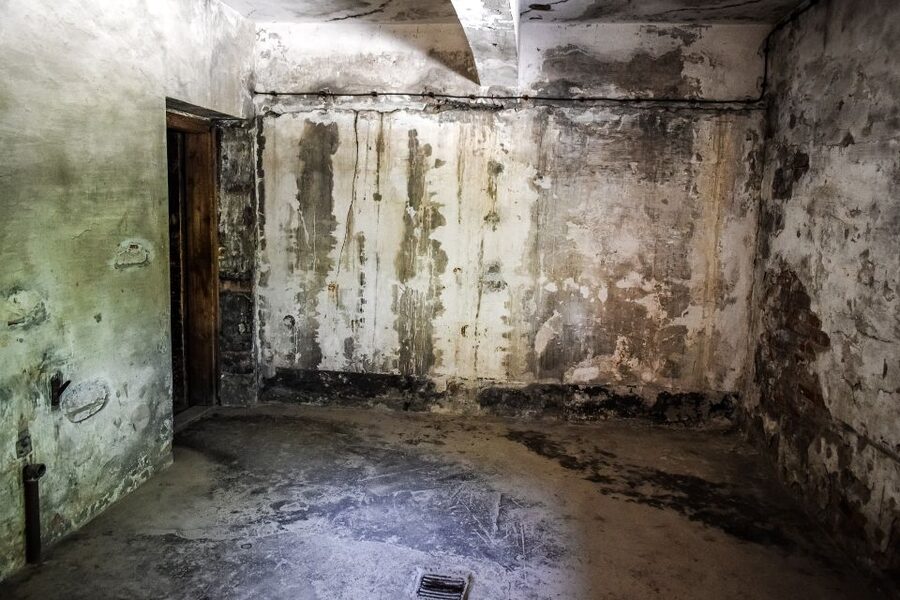
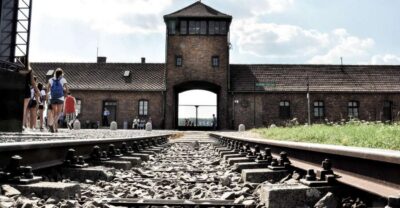
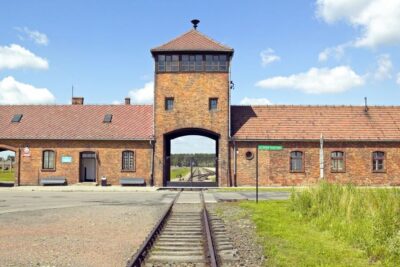
Birkenau is where the scale becomes impossible to ignore. You’ll have a guided visit through the memorial area, and the tour specifically highlights areas tied to Holocaust transportation and Nazi crimes—gas chambers and the remains of the railway used to bring prisoners to the camps.
This is also the part of the tour where being outdoors matters most. You can spend up to 70% of the time outdoors, especially during the second segment at Birkenau Memorial Place. That means you should dress like you’ll be outside for a long time, not like you’ll step out briefly and then warm up indoors.
One way to make Birkenau easier to process is to let the guide set a slow pace for your mind, not just your feet. The site is vast, and without context it can turn into “big and sad.” With a guide, it becomes structured understanding—how the system moved people, how it processed them, and how the machinery of genocide worked.
At the memorial, you’ll also pay your respects to victims of the Holocaust. It’s not just a photo stop. Treat it like a quiet turning point inside a heavy day.
Time on Site: 3.5 Hours Is Real, but Not Fully Under Your Control
The activity duration is listed as 3.5 hours, and starting times depend on availability. That makes this a reasonably compact Auschwitz experience—long enough for interpretation, but short enough that it can fit into a broader travel plan.
Still, the memorial controls the rhythm. The pace and duration of breaks are determined by the museum’s visitor service. Your guide can’t change that. In practice, this means your “3.5 hours” might feel like “about 3.5 hours,” depending on entry flow, waiting, and how the museum schedules groups.
One more practical detail: your total experience is structured so you can cover both Auschwitz I and Auschwitz II. If you’re trying to squeeze in other stops that day, don’t stack too much. After Birkenau, you may want a little time to decompress before anything else.
What to Bring (and What to Leave Behind)
This is one of those places where what you bring affects how smoothly things go.
Bring:
- Your passport or ID card
- Weather-appropriate clothing
- And plan for cold or heat, because you’ll be outside much of the time
Not allowed:
- Luggage or large bags
The museum’s rules are serious here. Keep your essentials light so you don’t end up stuck sorting bags or dealing with restrictions at entry. If you’re traveling with a larger pack, consider whether you can store it before arriving.
Also remember the identity matching rule: your full name and contact details are required as part of the booking. If your booking name doesn’t match the ID, entry may be refused. That’s another reason to double-check your travel documents carefully.
Who This Tour Is Best For
This tour is not for everyone. It’s described as not suitable for people with mobility impairments and not suitable for wheelchair users. If you have accessibility needs, you’ll need to look for an option that specifically addresses mobility and route constraints.
If you’re able to walk outdoors comfortably for extended stretches, you’ll probably appreciate the structure. A guided format helps a lot because Auschwitz isn’t built to be easily “self-interpreted.” You’re walking through evidence of Nazi crimes, and the guide helps you connect what you see to what happened—especially around prisoner life and daily conditions.
I’d also say it’s a good fit if you want a full two-camp visit without trying to manage complicated timing. You’ll still feel the emotional weight, but you won’t have to scramble for historical context in the middle of your walk.
Price and Logistics: Is It Good Value?
At $47, you’re paying for entry tickets, an English-speaking guide, and headphones. That’s usually strong value compared with “just tickets” when you consider how difficult it is to understand the site without interpretation.
Here’s where value can drop if you don’t plan ahead:
- Transportation to and from Krakow is not included (for the Krakow option)
- Hotel pickup/drop-off isn’t included
- Transportation between Auschwitz I and Auschwitz II is listed as not included, even though the experience is structured around seeing both camps
So the best way to judge value is to total your door-to-door costs. If you already have transport sorted, the $47 looks like a smart deal. If you still need to arrange multiple legs of travel, you might find the overall trip costs feel less tidy.
Should You Book This Auschwitz I + Birkenau Guided Visit?
If you want a guided two-camp visit with licensed interpretation, skip-the-line entry, headphones, and clear pacing across Auschwitz I and Auschwitz II, then yes, this is the kind of tour that usually makes sense. You’re not buying entertainment—you’re buying context and a guided path through evidence that demands understanding.
But book with eyes open. Confirm your exact entry details, especially your name matching your ID. Dress for long outdoor time, and plan your day so you’re not rushing to the next thing.
If you’re sensitive to the idea of uncontrolled timing, remember the museum sets the pace and breaks. It’s not the tour operator you’ll be waiting on—it’s the memorial’s visitor service schedule.
If you want, tell me your travel dates and whether you’re starting from Krakow or Oświęcim, and I can help you think through the best timing for this kind of half-day visit.
FAQ
How long is the Auschwitz-Birkenau tour?
The tour is listed as 3.5 hours. Starting times vary based on availability.
What language is the guide?
The guide is English-speaking, and headphones are included.
Where do I meet the tour representative?
You start at Więźniów Oświęcimia 20, 32-600 Oświęcim, Poland. The representative stands in front of the restaurant at Auschwitz I with a sign that says Gr8way Meeting Point.
Is the ticket line skipped?
Yes, the tour includes entrance tickets and the option to skip the ticket line.
What should I bring?
Bring a passport or ID card and wear weather-appropriate clothing, since a large part of the tour is outdoors.
Are there any restrictions on luggage?
Yes. Luggage or large bags are not allowed.
Do I need to match the name on my booking to my ID?
Yes. Entry may be refused if the name on your booking isn’t identical to the name on your ID when entering.
How much of the tour is outdoors?
You may spend up to 70% of the time outdoors, especially during the Auschwitz II (Birkenau) portion.
Is it suitable for wheelchair users or people with mobility impairments?
No, it is not suitable for people with mobility impairments and not suitable for wheelchair users.
What is the cancellation policy?
This activity is non-refundable.
More Tours in Krakow
More Tour Reviews in Krakow

Visiting the Auschwitz-Birkenau Memorial

Just added: fresh Krakow reviews


Auschwitz-Birkenau Memorial Tours, compared.
 ★ 4.5Auschwitz-Birkenau Guided Tour & Hotel PickupFrom $2133,358 reviews
★ 4.5Auschwitz-Birkenau Guided Tour & Hotel PickupFrom $2129,340 reviews
★ 4.5Auschwitz-Birkenau Guided Tour & Hotel PickupFrom $2133,358 reviews
★ 4.5Auschwitz-Birkenau Guided Tour & Hotel PickupFrom $2129,340 reviews
 ★ 4.5Auschwitz Guided Tour with Optional Hotel PickupFrom $6915,280 reviews
 ★ 4.5Auschwitz-Birkenau Guided Tour with Pickup & LunchFrom $219,800 reviews
 ★ 4.5Auschwitz-Birkenau Guided Tour Pickup/Lunch OptionsFrom $2009,057 reviews
 ★ 4.7Auschwitz-Birkenau and Salt Mine Guided TourFrom $549,020 reviews
 ★ 5.0Krakow to Auschwitz Birkenau Guided Tour with Transfer and TicketFrom $368,197 reviews
 ★ 4.0Auschwitz Birkenau Tour with TransferFrom $216,134 reviews
Browse the lists this tour appears in