
REVIEW · AUSCHWITZ-BIRKENAU MEMORIAL TOURS
Auschwitz Birkenau Guided tour with transport
Six hours of silence after you leave.
This Auschwitz-Birkenau tour is interesting because you’re not just looking at ruins; you’re walking the Auschwitz I and Auschwitz II grounds with a licensed guide and getting back to Kraków the same day. I also like the air-conditioned transportation—it keeps you human enough for the emotional weight of the site. One thing to think about: the tour is a group walk on uneven surfaces, so pace and mobility matter.
You start at Floriana Straszewskiego 14, and the whole day runs like a well-timed school trip where you don’t have to figure out trains, tickets, or meeting points. I like that the plan includes an English-speaking driver and a structured schedule with two main museum segments—so you spend less time guessing and more time absorbing what you’re seeing. If your guide is someone like Monica (listed in feedback for being helpful on the bus and on site), you’ll likely get extra clarity along the way.
My main caution is simple: this is not stroller-friendly and it’s not ideal for anyone who needs smooth, ramped paths. There’s gravel and many buildings with no lifts, and the tour is not recommended for kids aged 13 and under. Also, you’ll want to keep your baggage and your expectations in check, because the museum has size limits inside.
In This Review
- Key tour takeaways
- From Kraków to Oświęcim: the value of organized air-conditioned transport
- Auschwitz I museum first: how the morning shapes what you understand
- Birkenau scale and the former women’s camp: why the second stop feels bigger
- Pacing and group dynamics: when “a lot to see” means walking fast
- Tickets, name matching, luggage rules, and what can trip up entry
- Your snack plan: the 10-minute break isn’t a meal
- Language choices and the one thing to confirm before you go
- Who this Auschwitz-Birkenau tour fits best
- Should you book this Auschwitz-Birkenau guided tour with transport?
- FAQ
- How long is the Auschwitz-Birkenau guided tour with transport?
- Is admission to Auschwitz I and Auschwitz II included?
- Where do I meet the group in Kraków?
- Is food included, and do I need lunch?
- Is this tour suitable for children?
- Are baby carriages or large luggage allowed inside the museum?
- What name information is required for entry?
- Is the tour wheelchair accessible?
- Can I get a refund or change my booking?
Key tour takeaways
- Transport you don’t have to plan: return air-conditioned ride from Kraków with pickup at one set address.
- Two guided segments: Auschwitz I/Auschwitz II coverage, then Birkenau’s former women’s camp.
- Admission is handled: museum entry for both parts is included in the tour price.
- Time is tight: you get only a short break, so eat smart.
- Bring ID-matching details: your full name must match your ID at entry.
- Language is part of your booking: confirm your chosen guide language before you go.
Other guided visits to the Auschwitz-Birkenau Memorial
- From Krakow: Auschwitz-Birkenau Guided Tour & Hotel Pickup
★ 4.5 · 33,358 reviews - From Krakow: Auschwitz-Birkenau Guided Tour & Hotel Pickup
★ 4.5 · 29,340 reviews - Krakow: Auschwitz Guided Tour with Optional Hotel Pickup
★ 4.5 · 15,280 reviews
From Kraków to Oświęcim: the value of organized air-conditioned transport
The biggest practical win here is the one thing most first-timers dread: figuring out how to get to Auschwitz and back with enough time to get through entry without stress. You board an air-conditioned bus in Kraków, ride out to the museum complex in Oświęcim, and then return after the guided visit. Even if you’re comfortable with public transport, having this done for you buys mental energy for the day.
Pickup is at Floriana Straszewskiego 14 (33-332 Kraków), and drop-off is back at that same meeting point. That matters because the day is scheduled tightly, and you don’t want to hunt for a random stop after you’ve walked and processed a lot. The meeting point is also described as near public transportation, which is handy if you’re staying somewhere central and don’t want to fight with taxis.
You’ll be with a group—maximum size is set high (up to 999)—but what you experience in practice depends on how many people are in your slot. Expect a bus ride that’s organized rather than chaotic, and plan on being ready when the bus moves.
Auschwitz I museum first: how the morning shapes what you understand
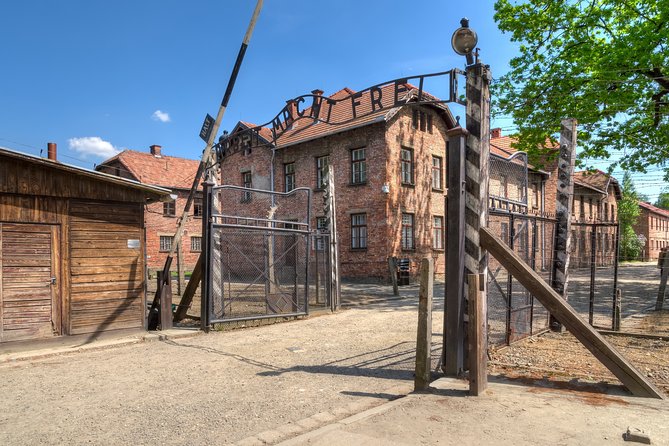
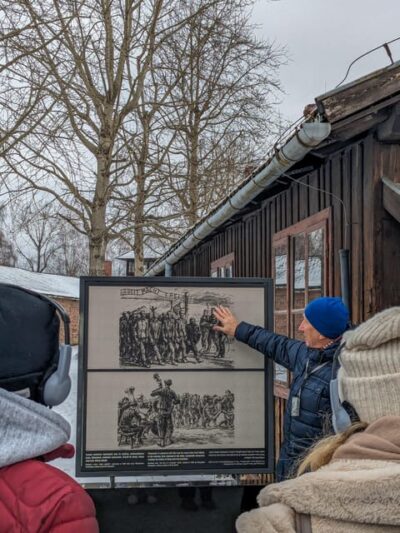
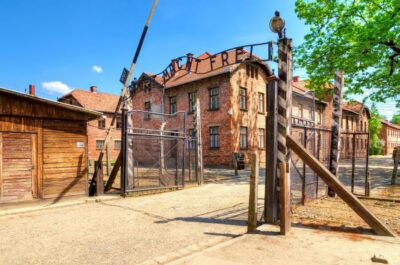
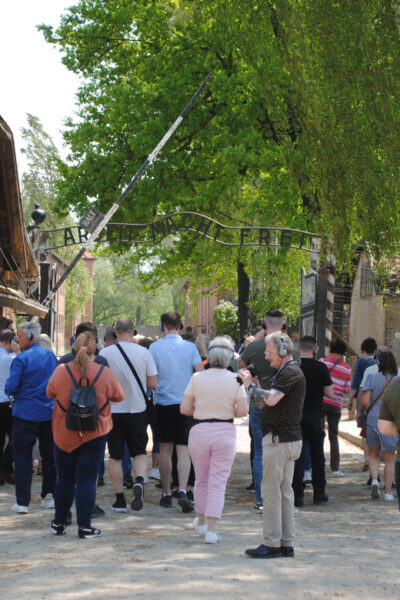
You start at the Panstwowe Muzeum Auschwitz-Birkenau and begin with what people usually think of as Auschwitz proper. This segment covers the Auschwitz Museum along with Auschwitz I and Auschwitz II camps. It’s where your guide helps you get oriented: what each area is, why the site was built the way it was, and how the camp system functioned.
This museum portion is scheduled for about 2 hours. That’s enough time to see key areas, but not enough time to wander slowly and read every sign cover to cover. If you like to absorb at your own pace, you may feel a little “kept moving,” because the group needs to stay on schedule for Birkenau afterward.
Also, the museum is inside and around buildings where sightlines and footing can vary. You’ll want sturdy shoes and a ready-to-walk attitude, because even indoors you’ll be moving through exhibition spaces and corridors. The day’s emotional impact hits differently once you see how the camp materials, documentation, and layout relate to real human lives.
The big value of a guided start is that you leave with a map in your head. Without help, it’s easy to get lost in names and dates. With a guide, you’re more likely to understand what you’re looking at and why the museum is arranged the way it is.
Birkenau scale and the former women’s camp: why the second stop feels bigger
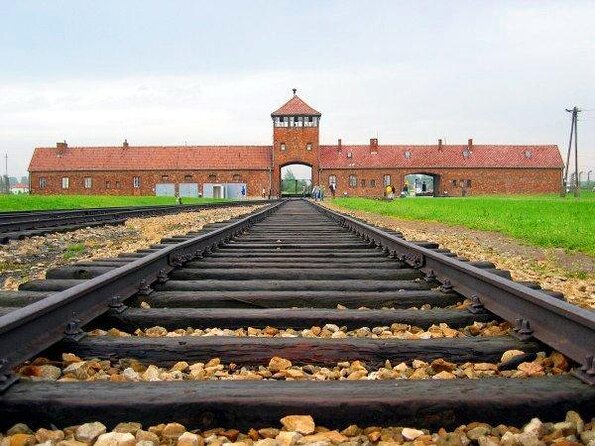
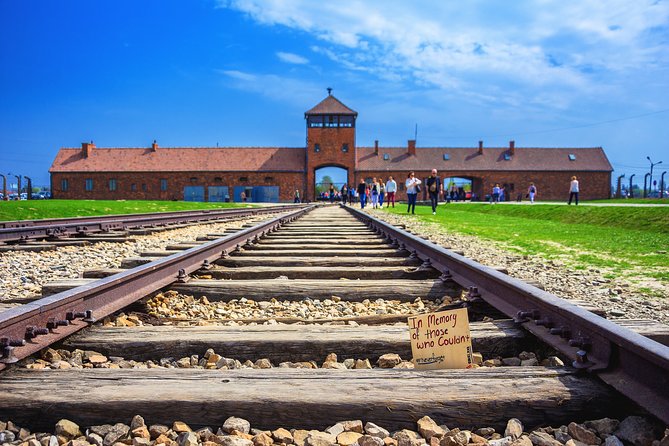
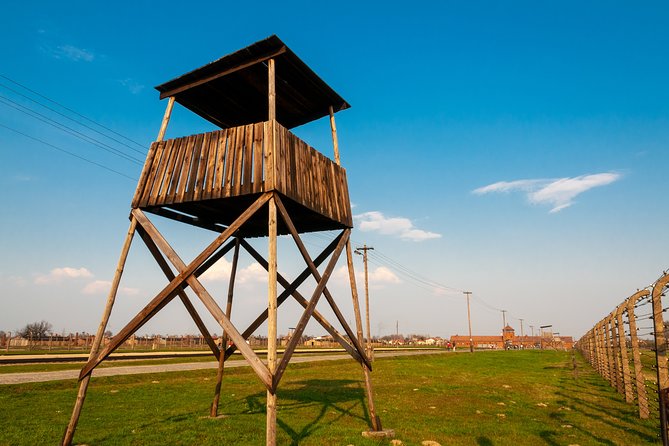
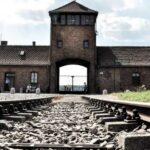
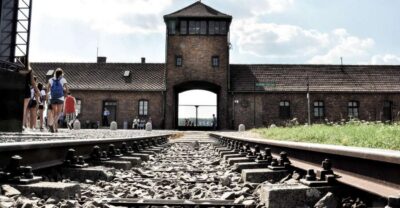
After the first museum segment, you go on to the former female camp area in Birkenau. This is scheduled for about 1 hour 30 minutes. The second stop is different by design: Birkenau is about scale and exposure—more open ground, more spatial context, and more stark reminders of how vast the camp system was.
This is where your guide’s role really matters, because it’s easy to misread the space if you’re just looking at ruins. A good guide helps you connect what you see to how the camp was used, how people were processed, and how the site evolved over time. Even if you’ve read about Auschwitz before, the geography of Birkenau can still shock you.
Birkenau also tends to feel like a slower walk even when time is tight, because the ground can be uneven and you might stop more often. This is not a place for rushed photos and quick stops. Treat this segment like the main event, not like an extra bonus after the museum building.
Admission is included for both parts, so you’re not juggling tickets or doing anything extra to enter. That keeps the day focused: you pay once, show up, and let the guided structure do its job.
A few more Krakow trips worth putting on the shortlist
- Krakow: Auschwitz-Birkenau Guided Tour with Pickup & Lunch★ 4.5 · 9,800 reviews
- Krakow: Auschwitz-Birkenau Guided Tour Pickup/Lunch Options★ 4.5 · 9,057 reviews
- Krakow: Auschwitz-Birkenau and Salt Mine Guided Tour★ 4.7 · 9,020 reviews
- Krakow to Auschwitz Birkenau Guided Tour with Transfer and Ticket★ 5.0 · 8,197 reviews
Pacing and group dynamics: when “a lot to see” means walking fast
This tour is designed as a full day experience in about 7 hours total. That time has to cover transport, museum time, walking between areas, and a short break. In practice, that means the group may move with a steady tempo.
One real consideration: pace can vary by guide and by your group’s energy. In past experiences with this kind of site visit, the main complaint tends to be simple—some groups feel like they’re moving faster than expected, especially on uneven paths. If you know you walk slowly, or you need frequent stops to process, you’ll want to manage that before the day starts.
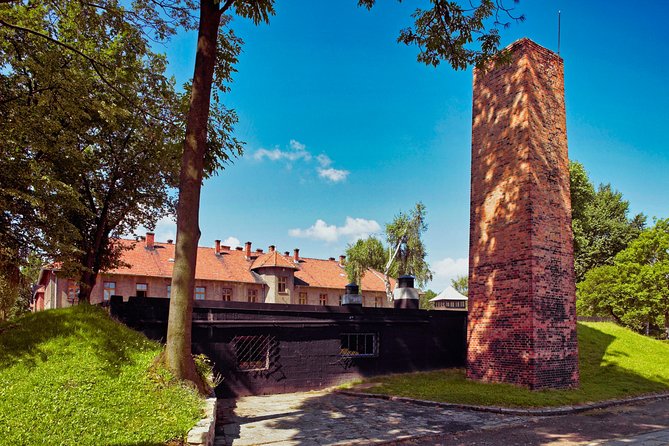
Comfort also matters because the terrain is described as gravel and uneven. That doesn’t mean it’s impossible—just that it’s not smooth-city walking. Bring shoes that grip, and avoid footwear that feels good only on flat sidewalks. If you’re prone to ankle issues, you’ll probably feel it here.
The tour also notes that accessibility is not recommended for people with disabilities due to gravel surfaces and many buildings without ramps or lifts. If you have mobility needs, plan ahead and consider whether you’ll be able to keep up for the full guided route.
Tickets, name matching, luggage rules, and what can trip up entry
Auschwitz has strict entry requirements, and this tour follows them. The most important one: you must provide your full name and contact details as part of booking, and your entrance can be refused if the name on your booking doesn’t match the name on your ID exactly. That means you should double-check your spelling and any middle names, especially if your passport uses a slightly different format than your booking.
You’ll receive a mobile ticket, which is convenient—no printed voucher searching. Still, keep a backup plan on your phone, like having the ticket accessible offline if your connection is spotty.
Inside the museum, there are also luggage and baby-stroller rules. Baby carriages aren’t permitted inside the museum, and luggage larger than 30 x 20 x 10 cm is not allowed inside. If you’re traveling light, you’ll have an easier time. If you’re the type who brings everything “just in case,” set a limit now so you’re not scrambling to restructure your bag at the last moment.
If you’re traveling with a baby, the tour advises you bring your own child seat or child sling. That’s a sign of how practical planning has to be for this specific site.
This is also a day where you should keep your essentials easy to reach: water, basic sun protection, tissues, and anything you need to function for several hours.
Your snack plan: the 10-minute break isn’t a meal
Food and drinks are not included. You’re also told the break is only up to 10 minutes, and you should bring your own lunch. That means you shouldn’t count on finding a proper sit-down meal nearby.
My advice is to eat before you feel hungry. Pack a lunch you can eat quickly and without a lot of mess—sandwiches, fruit, nuts, or something you can eat standing if needed. Since you’ll be walking and standing between parts of the tour, it’s better to have energy than to rely on waiting.
Also, because this is a memorial site, you’ll likely want to keep the day respectful and simple. Don’t plan on big culinary detours.
Language choices and the one thing to confirm before you go
You’ll travel with a licensed guide in your chosen language, and you’ll also have an English-speaking driver. That setup is usually helpful: the driver keeps the logistics clear, while the guide handles the hard history details in the language you selected.
Still, group tours sometimes run into a mismatch if the operator needs to swap guide assignments. The safest move is to confirm your chosen language in your booking details and keep that information in front of you on the day. If you need French or another language specifically, treat language accuracy as part of your planning, not an afterthought.
If you’re comfortable with basic English, you’ll still be fine. But if you need a specific language for comprehension, be strict about checking it.
Who this Auschwitz-Birkenau tour fits best
This is a strong pick if you want a structured, guided day with transport handled from Kraków. It works well for first-timers who want context, for people who prefer to read less on their own and hear a guide explain how to understand what you’re seeing, and for anyone who wants the day to feel organized rather than improvised.
It’s less ideal if you:
- need step-free, ramped routes throughout (the tour is not recommended for people with disabilities, and many buildings have no lifts)
- are bringing young kids (it’s not recommended for children aged 13 and under)
- rely on large luggage or strollers inside the museum area (both are restricted)
If you’re traveling with baby gear, plan to keep it within what’s allowed and use what the tour recommends (child seat or child sling).
Should you book this Auschwitz-Birkenau guided tour with transport?
If you want the easiest logistics and a guide-led day, I’d book this. The price is relatively modest for what you get—round-trip air-conditioned transport, a licensed guide, and admission included for both key areas. You’re buying time and reducing stress, which matters on a long day at a heavy site.
Book it if you can walk on uneven ground, can follow the name rules for entry, and are ready for a schedule that moves. Skip it (or plan carefully) if mobility limitations or language needs are hard requirements for you.
Most importantly: go with the right mindset. This isn’t a sightseeing day you “complete.” It’s a day you remember, because the site demands attention and reflection.
FAQ
How long is the Auschwitz-Birkenau guided tour with transport?
The tour lasts about 7 hours.
Is admission to Auschwitz I and Auschwitz II included?
Yes. Admission tickets for both museum segments are included.
Where do I meet the group in Kraków?
You pick up at Floriana Straszewskiego 14, 33-332 Kraków, Poland, and the tour ends back at the same meeting point.
Is food included, and do I need lunch?
Food and drinks are not included. You should bring your own lunch, and the break is only up to 10 minutes.
Is this tour suitable for children?
It is not recommended for children aged 13 and under.
Are baby carriages or large luggage allowed inside the museum?
Baby carriages are not permitted inside the museum. Luggage larger than 30 x 20 x 10 cm is also not permitted inside.
What name information is required for entry?
You must provide your full name and contact details as part of booking, and your name must match the name on your ID. Entrance may be refused if there is a mismatch.
Is the tour wheelchair accessible?
The tour is not recommended for people with a disability because of gravel surfaces and many buildings with no ramps or lifts. People with a disability must be accompanied.
Can I get a refund or change my booking?
This experience is non-refundable and cannot be changed for any reason.
More Tours in Krakow
More Tour Reviews in Krakow
Visiting the Auschwitz-Birkenau Memorial
Just added: fresh Krakow reviews
Auschwitz-Birkenau Memorial Tours, compared.
 ★ 4.5Auschwitz-Birkenau Guided Tour & Hotel PickupFrom $2133,358 reviews
★ 4.5Auschwitz-Birkenau Guided Tour & Hotel PickupFrom $2129,340 reviews
★ 4.5Auschwitz-Birkenau Guided Tour & Hotel PickupFrom $2133,358 reviews
★ 4.5Auschwitz-Birkenau Guided Tour & Hotel PickupFrom $2129,340 reviews
 ★ 4.5Auschwitz Guided Tour with Optional Hotel PickupFrom $6915,280 reviews
 ★ 4.5Auschwitz-Birkenau Guided Tour with Pickup & LunchFrom $219,800 reviews
 ★ 4.5Auschwitz-Birkenau Guided Tour Pickup/Lunch OptionsFrom $2009,057 reviews
 ★ 4.7Auschwitz-Birkenau and Salt Mine Guided TourFrom $549,020 reviews
 ★ 5.0Krakow to Auschwitz Birkenau Guided Tour with Transfer and TicketFrom $368,197 reviews
 ★ 4.0Auschwitz Birkenau Tour with TransferFrom $216,134 reviews
Browse the lists this tour appears in