
REVIEW · AUSCHWITZ-BIRKENAU MEMORIAL TOURS
Auschwitz Birkenau Guided Tour
One day, two camps, one unforgettable lesson. I love the skip-the-line admission and the official English museum guide that keeps the story clear from Auschwitz I to Birkenau; still, the pacing can feel tight, so plan to trade some slow reflection for covering both sites. This is built as a structured day—groups up to 30—with the driver handling the long Krakow transfers so you’re not stuck sorting trains and tickets. The main thing to keep in mind is that you’ll walk more than you expect, and the atmosphere asks for patience.
In This Review
- Key things that matter before you go
- Why This Krakow–Auschwitz Day Tour Feels Worth It
- Pickup in Krakow: Where You Start and How Smooth It Can Be
- The Drive and the Day Rhythm (7 to 8 Hours in Real Life)
- Auschwitz I: The Museum Portion You’ll Want to See Slowly
- Auschwitz II-Birkenau: When Scale Hits You Hard
- Timing, Crowds, and Why Some People Feel Rushed
- Lunch Options: Helpful Add-On, Not a Full Meal Plan
- What to Bring (and What the Museum Won’t Let You Carry)
- Price and Value: Is $79.81 a Good Deal?
- Who This Tour Is Best For
- Should You Book This Auschwitz-Birkenau Guided Day Trip?
- FAQ
- How long does the Auschwitz-Birkenau tour take?
- Is priority entry or skip-the-line access included?
- Do I get hotel pickup and drop-off in Krakow?
- What language is the tour in?
- What do I need to provide for tickets?
- Are there luggage restrictions?
- Is lunch included in the price?
- What happens if the tour is canceled due to weather, or if I cancel?
Key things that matter before you go
- Skip-the-ticket-line access so you spend less time queuing and more time listening and seeing.
- Two-part camp visit (Auschwitz I + Auschwitz II-Birkenau) with breaks that help you reset between areas.
- A small maximum group size (up to 30 travelers) which usually makes it easier to hear the guide and ask questions.
- Krakow hotel pickup and drop-off with options close to the city center.
- Strict bag rules (backpacks larger than 30x20x10 cm aren’t allowed, but luggage can be stored in the vehicle).
- Lunch is optional via an extra lunch-box you can order in advance.
Other guided visits to the Auschwitz-Birkenau Memorial
- From Krakow: Auschwitz-Birkenau Guided Tour & Hotel Pickup
★ 4.5 · 33,358 reviews - From Krakow: Auschwitz-Birkenau Guided Tour & Hotel Pickup
★ 4.5 · 29,340 reviews - Krakow: Auschwitz Guided Tour with Optional Hotel Pickup
★ 4.5 · 15,280 reviews
Why This Krakow–Auschwitz Day Tour Feels Worth It
Auschwitz-Birkenau isn’t a casual attraction. You’re going to see hard things—made harder when you’re rushing, distracted, or unsure what you’re looking at. This tour’s biggest win is how it handles the “how do I get there and what do I do once I’m there” part, so you can give the place your full attention.
You’re also not going in blind. The tour pairs a professional driver with an official museum guide who moves you through Auschwitz I and then on to Auschwitz II-Birkenau. Even in reviews that mention the schedule feeling fast, the same theme shows up: the guide’s tone and organization make a chaotic subject feel structured.
If you want extra time to stare at each exhibit, read slowly, and process without any pressure, you may feel the tour is moving you along. That doesn’t mean it’s wrong. It just means you should know what you’re signing up for.
Pickup in Krakow: Where You Start and How Smooth It Can Be
The tour meets at Kiss&Ride Zyblikiewicza (Mikołaja Zyblikiewicza 2). If you chose hotel pickup, you’ll be picked up from a list of hotels/apartments/hostels, and if your place is outside the pickup range, the company suggests coming to the central meeting point. The return drop-off is at Rynek Główny (Main Square) area, and they’ll drop you within about 2.5 km of the square if you’re inside their pickup zone.
One detail I really appreciate: you get the exact departure time in a message about 14–7 days before the activity. That reduces the usual guesswork. The driver will wait no longer than 15 minutes after the scheduled departure time, so don’t hang around downstairs like you’re on vacation. Be outside about 5 minutes early, ready to go.
Also, transport listings mention WiFi on board, but some people have reported that WiFi/water can be inconsistent depending on the vehicle segment. So I treat that as a bonus, not a plan. Bring water if you like, and download what you can before you leave your hotel.
The Drive and the Day Rhythm (7 to 8 Hours in Real Life)
The full day is typically 7 to 8 hours, depending on traffic and your pickup location. Getting to Auschwitz from Krakow takes about 1 hour 30 minutes. That travel time matters because it shapes the pacing once you arrive: you’ll be guided, you’ll have breaks, and you’ll still be moving through both sites.
Inside the museum complex, the structured time is about 4 hours with admission included. That doesn’t include the emotional weight of the content—it just reflects how the tour is designed to fit official routes and schedules. Once you arrive, you’ll go through a break before entering Auschwitz I, then you’ll spend around 2 hours in Auschwitz I. After a second 15-minute break, the tour continues to Auschwitz II-Birkenau for about 1 hour.
So the rhythm is basically: travel → orientation break → long museum portion → short reset → high-impact second site.
A few more Krakow trips worth putting on the shortlist
- Krakow: Auschwitz-Birkenau Guided Tour with Pickup & Lunch★ 4.5 · 9,800 reviews
- Krakow: Auschwitz-Birkenau Guided Tour Pickup/Lunch Options★ 4.5 · 9,057 reviews
- Krakow: Auschwitz-Birkenau and Salt Mine Guided Tour★ 4.7 · 9,020 reviews
- Krakow to Auschwitz Birkenau Guided Tour with Transfer and Ticket★ 5.0 · 8,197 reviews
Auschwitz I: The Museum Portion You’ll Want to See Slowly
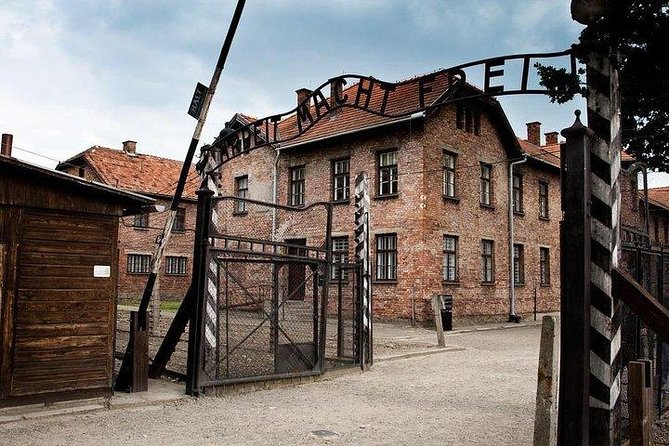
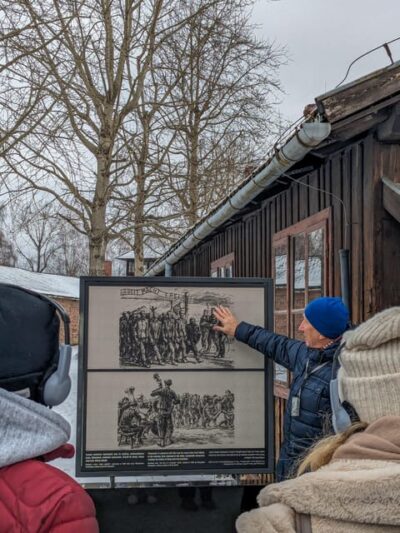
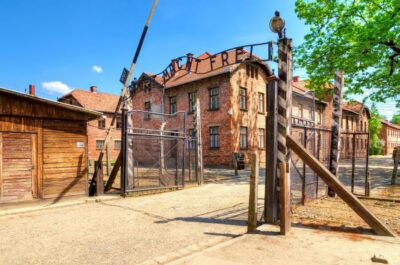
Auschwitz I is where you’ll get the most “museum” feeling: rooms, displays, documents, and the sense of an organized, bureaucratic system built to strip people of identity. In this tour, you’re guided through the Auschwitz I portion for about 2 hours after an initial break before entry.
This part is valuable because it sets the context. If you jump straight to Birkenau, you may see the scale but miss how the process worked and why the camp system was built the way it was. Auschwitz I helps you understand the machinery—how the site functioned and how records and artifacts communicate the story.
The official guide experience is important here. Several guides have come up in feedback—Anna and Kasia are mentioned for museum explanations, and people praise the respectful tone and clear delivery. You want that kind of guide because the exhibits can blur together if you’re not sure what you’re looking at.
Here’s the tradeoff: because the tour must cover both camps in one day, you might feel “kept moving.” If you’re the type who needs time to read every label, this may feel like a sprint in a place that demands slowness. Still, even rushed tours can be worthwhile—just go in with realistic expectations.
Auschwitz II-Birkenau: When Scale Hits You Hard
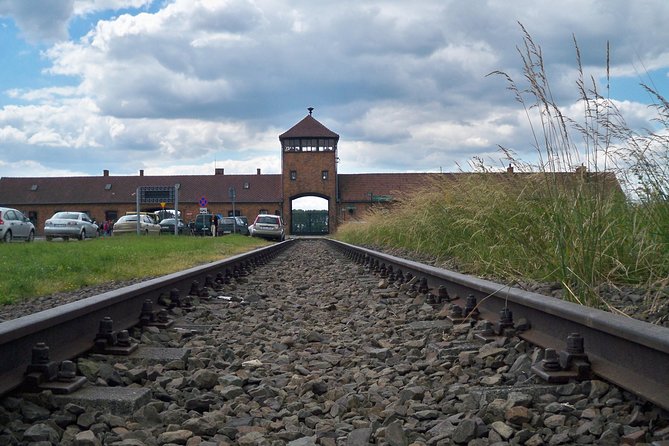
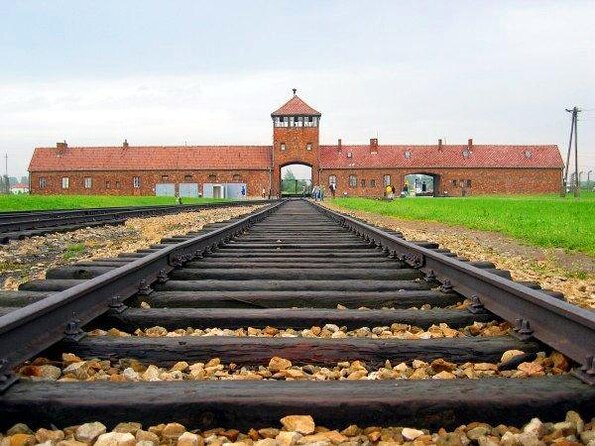
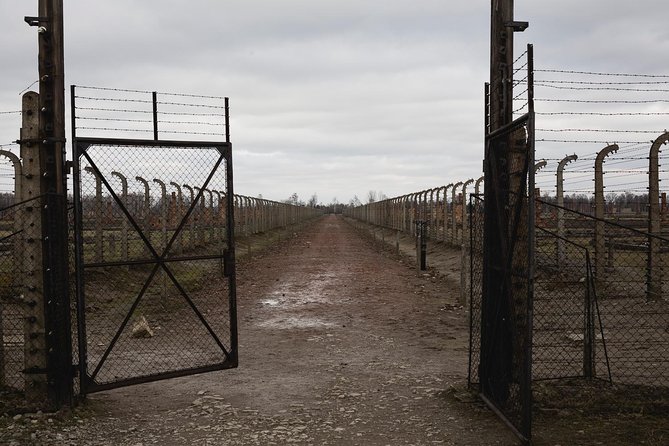
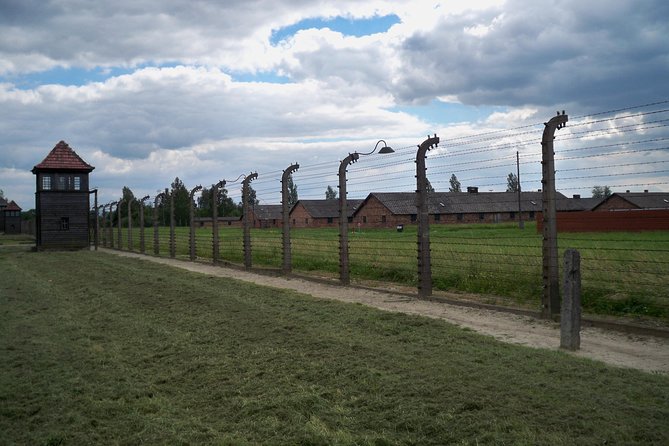
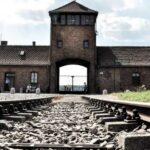
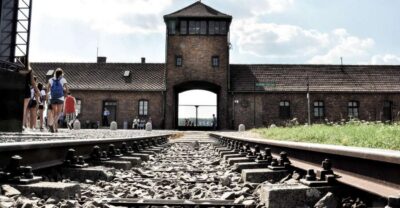
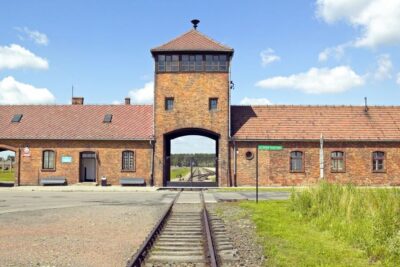
Birkenau (Auschwitz II) is where the place stops feeling like a museum and becomes a landscape you can barely comprehend. On this tour, Auschwitz II-Birkenau is guided for about 1 hour after a short break.
This is the emotional center for a lot of people. You’re seeing the scale of the camp system—how geography and distance played into how prisoners were processed and how the camp functioned in practice. A good guide matters here because the site can feel overwhelming, and you need someone to translate what you’re seeing without turning it into a spectacle.
In reviews tied to this operator, Andrew is specifically mentioned with an appropriate delivery for the setting. That’s exactly what you want: clear explanation, calm pacing, and respect that doesn’t flatten the tragedy into a narration. Even if you only get an hour, if the guide is doing their job well, you’ll come away with a sharper mental map of what you saw.
A practical note: Birkenau involves walking and open areas. Weather swings can change how bearable it feels, so wear layers you can handle fast.
Timing, Crowds, and Why Some People Feel Rushed
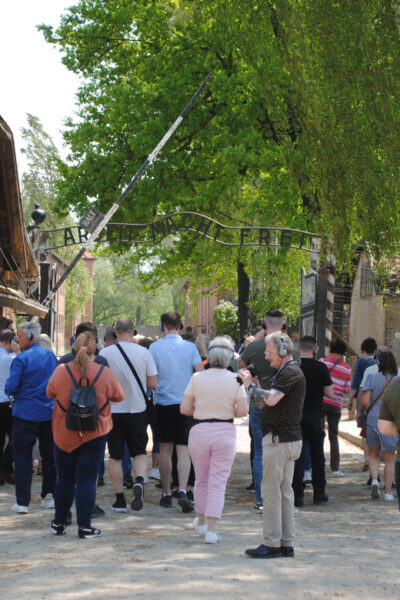
The tour caps at up to 30 travelers, which is a decent size for hearing the guide and staying together. It’s also why the route can stay efficient: they need a group size that can move through timed museum areas without turning into a parking lot of people.
But even with a small group, people have reported a rushed feel—especially in moments when they’d like a little quiet time to absorb what’s on the walls or in the barracks. Another related issue that can happen: sometimes the tour time can shift earlier or later, and if communication isn’t clear for your exact pickup, it can scramble your day.
In other words, the tour is built for coverage and structure, not unhurried wandering. If you’re the kind of traveler who likes a strict plan, you’ll probably be fine. If you want slow processing, consider pairing this with another day in Krakow where you can decompress and reflect later.
Lunch Options: Helpful Add-On, Not a Full Meal Plan
Lunch is not included. The tour offers a paid lunch-box you can order (people note ordering it a few days in advance). The idea is simple: avoid hunting for food while you’re in the middle of a schedule that doesn’t bend.
The catch is timing. Some people report there wasn’t enough gap between segments to eat it comfortably. That doesn’t mean the lunch-box is bad—it means you should treat it as a “grab and eat when there’s a moment” solution, not a sit-down lunch break.
If you care about a full meal, I’d plan to either bring snacks or accept that you may need to eat on the go. Also, keep in mind the day includes breaks, but they’re built to reset the group—not to create a long meal window.
What to Bring (and What the Museum Won’t Let You Carry)
This is where you can save yourself hassle. Auschwitz-Birkenau has a bag size limit: backpacks larger than 30x20x10 cm aren’t allowed on the museum grounds. The good news is you can store luggage in the vehicles free of charge.
I strongly recommend you travel light. Think small daypack, comfortable shoes, and layers. You’ll do a considerate amount of walking. Also, plan to keep your essentials easy to access because museum rules and security checks can mean quick movement from one area to another.
Names matter too. Tickets are personal, and they ask you to provide exact first and last names matching your passport or document. Youth between 18 and 26 need a valid student ID on the day. Children must be accompanied by an adult.
If you’re traveling with multiple people, double-check the spellings during booking. This is one of those small administrative steps that can prevent a big headache.
Price and Value: Is $79.81 a Good Deal?
At about $79.81 per person, you’re paying for three things that are hard to replicate smoothly as a DIY day trip: priority access (skip the ticket line), an official guide, and a transport plan that includes hotel pickup and drop-off.
If you try to do it alone, you’ll likely spend time coordinating tickets, transport, and timing across two sites with a lot of walking and strict rules. This tour compresses that work into one schedule, and you’re not stuck arguing with your own itinerary when the day gets emotionally heavy.
That said, your value equation depends on what you want. If you want lots of unscripted time, a guided tour may feel “expensive for the time you get.” If you want a clean structure and explanations that help you understand what you’re seeing, this is the kind of setup that tends to feel worth it—even when pacing is tight.
Also: the tour includes the official museum guide and all fees and taxes, plus a professional English-speaking driver. That reduces the usual extra costs and confusion.
Who This Tour Is Best For
This works best if you want a guided day trip from Krakow with minimal logistics stress. It’s a solid choice if you don’t want to wrestle with timing, ticket lines, and the “what am I supposed to be looking at” factor.
It also makes sense if you’re traveling solo or in a small group and you value clear English explanations. The tour is offered in English, and the maximum size (up to 30) keeps it from turning into a chaotic crowd.
You’ll need to consider walking if you have mobility concerns, since the day includes a considerate amount of walking between and within areas. And if you’re sensitive to being moved along quickly, go in mentally prepared for a structured schedule rather than open-ended time.
Should You Book This Auschwitz-Birkenau Guided Day Trip?
Yes, if you want a respectful, guided, low-stress way to see Auschwitz I and Auschwitz II in one day. The skip-the-line advantage and the official English guide are the core reasons to choose this format, especially when you’re starting from Krakow and you want the day handled for you.
Book it if you can handle a structured pace and you’re okay with some moments feeling rushed. If you need ultra-slow time for reading and reflection, you might prefer a different style of visit that leaves more room between stops. Either way, plan for walking, travel light, and make sure the names on your ticket match your passport.
If you get nothing else from this tour besides clear context and a sense of how the two sites connect, you’ll still be getting your money’s worth.
FAQ
How long does the Auschwitz-Birkenau tour take?
The tour typically runs 7 to 8 hours total, including transfer time. The guided time inside the museum complex is about 4 hours.
Is priority entry or skip-the-line access included?
Yes. The tour includes skip the tickets line access and an official museum guide.
Do I get hotel pickup and drop-off in Krakow?
Yes. Hotel pickup & hotel drop-off are included. The meeting point is Kiss&Ride Zyblikiewicza, and you’re dropped off at Rynek Główny or within the company’s pickup area zone (up to about 2.5 km from the main square).
What language is the tour in?
The tour is offered with an English-speaking driver and an official museum guide.
What do I need to provide for tickets?
You must provide the exact name and surname as on your passport or documents, because the tickets are personal. You should bring documentation confirming the name and surname for each participant.
Are there luggage restrictions?
Yes. Backpacks larger than 30x20x10 cm are not allowed on the museum grounds. You can store luggage in the vehicles free of charge.
Is lunch included in the price?
Lunch is not included. You can order an extra paid lunch-box from the driver.
What happens if the tour is canceled due to weather, or if I cancel?
If the tour is canceled due to poor weather, you’ll be offered a different date or a full refund. For your own cancellation, it’s free up to 24 hours before the experience start time for a full refund.
More Tours in Krakow
More Tour Reviews in Krakow
Visiting the Auschwitz-Birkenau Memorial
Just added: fresh Krakow reviews
Auschwitz-Birkenau Memorial Tours, compared.
 ★ 4.5Auschwitz-Birkenau Guided Tour & Hotel PickupFrom $2133,358 reviews
★ 4.5Auschwitz-Birkenau Guided Tour & Hotel PickupFrom $2129,340 reviews
★ 4.5Auschwitz-Birkenau Guided Tour & Hotel PickupFrom $2133,358 reviews
★ 4.5Auschwitz-Birkenau Guided Tour & Hotel PickupFrom $2129,340 reviews
 ★ 4.5Auschwitz Guided Tour with Optional Hotel PickupFrom $6915,280 reviews
 ★ 4.5Auschwitz-Birkenau Guided Tour with Pickup & LunchFrom $219,800 reviews
 ★ 4.5Auschwitz-Birkenau Guided Tour Pickup/Lunch OptionsFrom $2009,057 reviews
 ★ 4.7Auschwitz-Birkenau and Salt Mine Guided TourFrom $549,020 reviews
 ★ 5.0Krakow to Auschwitz Birkenau Guided Tour with Transfer and TicketFrom $368,197 reviews
 ★ 4.0Auschwitz Birkenau Tour with TransferFrom $216,134 reviews
Browse the lists this tour appears in