
REVIEW · AUSCHWITZ-BIRKENAU MEMORIAL TOURS
Auschwitz-Birkenau Memorial Entrance Ticket and Guided Tour
One of the hardest days you’ll plan is also one of the most important. This Krakow excursion takes you to Auschwitz-Birkenau, where you’ll walk with a professional guide through Auschwitz I and then out to Birkenau (Auschwitz II), with the scale and meaning made clear block by block. I like that the tour is structured for understanding, not just sightseeing, and that you see the camp through the lens of history and remembrance rather than rushing past details.
Two specific wins: you get door-to-door pickup and drop-off in Krakow with air-conditioned transport, and you’re guided by museum-level expertise at the Auschwitz-Birkenau National Museum. The main drawback to plan for is practical as much as emotional: food and drinks aren’t included, and entry security requires you to bring an ID or passport.
In This Review
- Key things to know before you go
- Auschwitz-Birkenau is heavy. A guide makes it usable
- Auschwitz I: walking through the camp gate and original roads
- Brzezinka (Auschwitz II): the design for mass death
- What the $36 price gets you (and why it’s not just a ticket)
- Timing, pickup, and what to bring for smooth entry
- How long it lasts and how to pace your emotions
- Who this tour is best for (and who might consider alternatives)
- Should you book this Auschwitz-Birkenau guided tour?
- FAQ
- How long is the Auschwitz-Birkenau guided tour?
- Does the tour price include the museum entrance ticket?
- Is pickup and drop-off included in Krakow?
- What kind of transportation is used?
- Do I need to bring an ID or passport?
- Are food and drinks included?
- What is the group size limit?
- Can I change or cancel after booking?
Key things to know before you go
- Both Auschwitz I and Birkenau are covered in one day, with guided time in each area
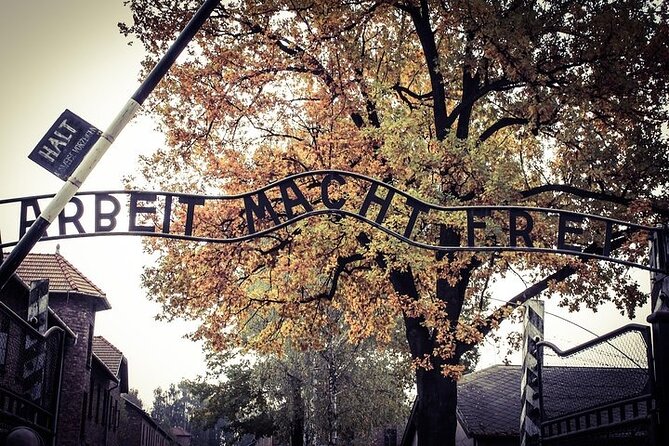
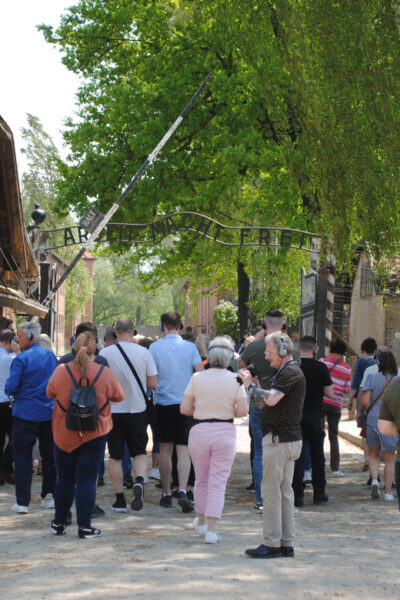
- Gate entry and the Arbeit Macht Frei inscription are part of the Auschwitz I experience
- The Birkenau portion focuses on Auschwitz II’s purpose and design, including the camp’s planned capacity
- The tour includes Krakow city-centre pickup/drop-off and all fees and taxes
- Groups are capped at 30 travelers, which helps keep the pace manageable
- You’ll want to dress for cold weather and bring layers, especially in winter
Other guided visits to the Auschwitz-Birkenau Memorial
- From Krakow: Auschwitz-Birkenau Guided Tour & Hotel Pickup
★ 4.5 · 33,358 reviews - From Krakow: Auschwitz-Birkenau Guided Tour & Hotel Pickup
★ 4.5 · 29,340 reviews - Krakow: Auschwitz Guided Tour with Optional Hotel Pickup
★ 4.5 · 15,280 reviews
Auschwitz-Birkenau is heavy. A guide makes it usable
This is not a “quick photo stop” kind of place. Auschwitz-Birkenau is a memorial and a museum, and the grounds are full of details that can be confusing if you’re going in alone. With a guide, you get help putting what you see into context: what this site was, how it worked, and why so much of the evidence is still preserved.
A big part of the value here is that your guide works with the Auschwitz-Birkenau National Museum setting itself. You don’t just hear generic descriptions. You get a walk through the original layout and surviving elements of the camps—roads, fences, and other physical reminders—so your brain can map the story while you’re standing in it.
I also appreciate that the tour covers both halves of the complex. Auschwitz I helps you understand the origin and function of the camp system, while Birkenau (Auschwitz II) shows the terrifying scale built for extermination. One without the other can leave gaps.
Auschwitz I: walking through the camp gate and original roads
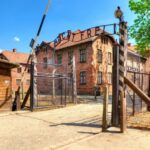
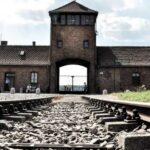
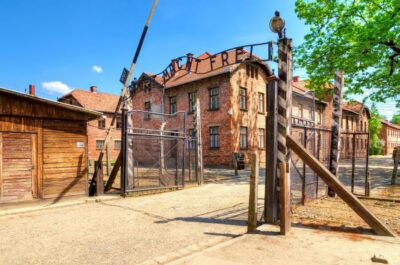
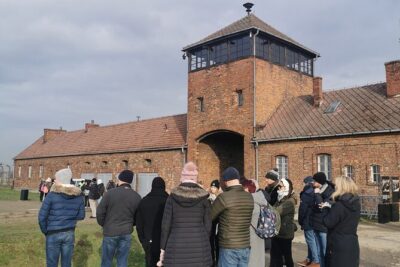
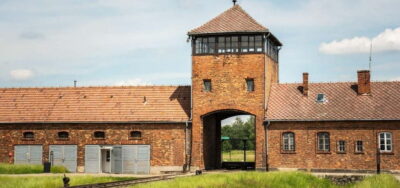
Your day starts at the Panstwowe Muzeum Auschwitz-Birkenau complex, entering Auschwitz I with a guide. You’ll go through the entrance gate with the inscription Arbeit Macht Frei (Work Sets You Free). That alone is a jolt—because the phrase is part of the cruel design of the camp’s message.
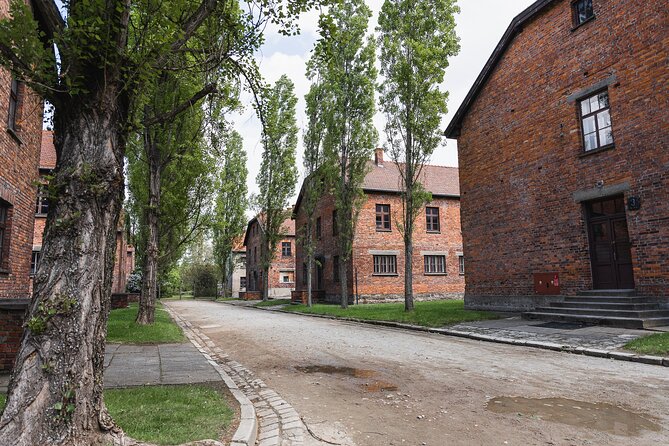
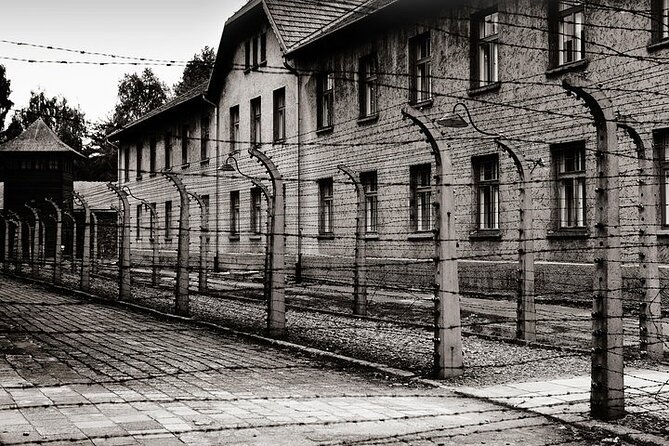
From there, you’ll follow the camp’s preserved footprint. Auschwitz I was established in 1940 in place of old Polish army barracks. It originally held Polish POWs and political prisoners, and it operated until liberation by advancing Soviets in 1945. In practice, that means you’re seeing a site that began under one kind of confinement and then became part of a larger, escalating machinery of persecution.
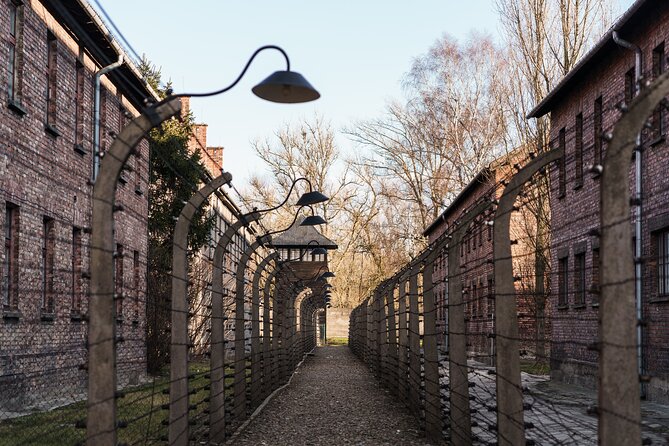
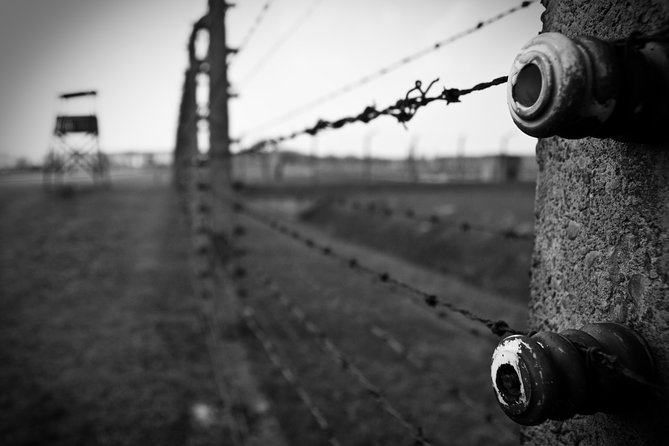
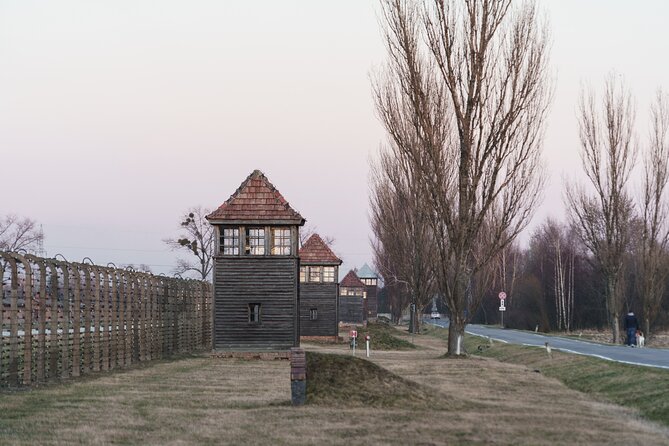
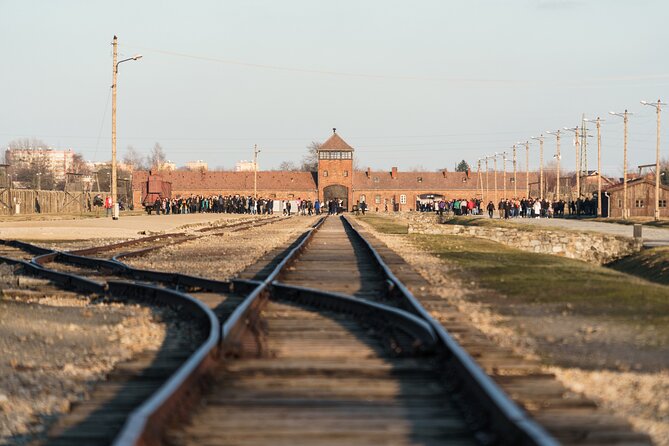
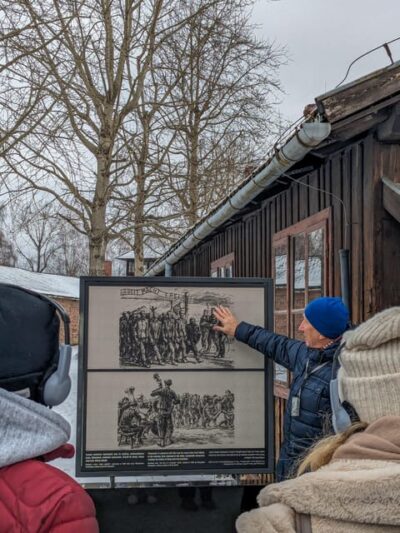
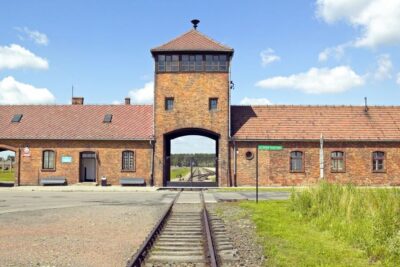
The tour focuses on what still exists: original buildings and the camp’s layout, including roads, fences, watchtowers, and railway access (rail-related infrastructure is part of what you’ll be shown). These aren’t just set pieces for effect. They help you understand how movement, control, and segregation were built into the physical space.
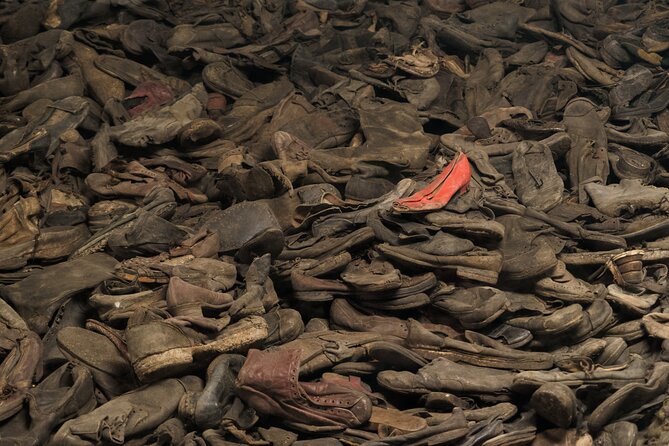
You’ll also hear the scale of the human tragedy with numbers the tour provides: more than 1.5 million prisoners were brought here, and about 1.1 million were exterminated, including Jewish people as well as Polish, Italian, and French prisoners. The point isn’t to overwhelm you with statistics. It’s to anchor the visit in reality, with the guide linking evidence on the ground to the historical record.
Practical tip: plan for quiet moments. Even with a guide, you’ll need time to process what you’re seeing. This part lasts about 1 hour 45 minutes, which is long enough to feel grounded—but not so long that you’re forced to keep moving every second.
Brzezinka (Auschwitz II): the design for mass death
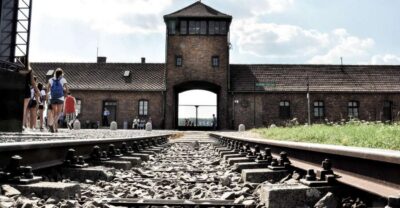
The second half takes you to Brzezinka, better known as Auschwitz II. This is the largest camp within the wider Auschwitz complex, and it’s the one many people picture before they arrive. The tour helps you understand why that picture is so hard to shake.
Auschwitz II began as a planned camp for Soviet prisoners of war, and it shifted into a concentration camp for prisoners of multiple nationalities and a center of extermination for Jews. Construction began in October 1941, with slave laborers working in a place where the village of Brzezinka had been displaced and mostly demolished. You’ll also hear it’s about three kilometers from Auschwitz I, which matters because it explains how the system operated across distances rather than as one single site.
One detail that the guide is likely to connect to what you see: the camp was designed to hold 125,000 prisoners at one time. The reality, as explained during the visit, was that people were from the start positioned for death through cold, hunger, disease, and exhaustion. The tour frames prisoners not as laborers with a future, but as people treated as redundant and easily replaceable.
Expect the Birkenau segment to focus less on individual buildings and more on the camp’s overall shape and intended capacity. That’s where a guide really helps: it’s easy for the space to feel like an abstract “big area,” but with explanation it becomes a system you can recognize.
This part runs about 1 hour 30 minutes. In cold weather, that can feel even longer because so much time is spent outside. Dress in layers, and wear shoes that you don’t mind walking in for a while.
A few more Krakow trips worth putting on the shortlist
- Krakow: Wieliczka Salt Mine Tour with Entry Ticket★ 4.6 · 10,927 reviews
- Krakow to Auschwitz Birkenau Guided Tour with Transfer and Ticket★ 5.0 · 8,197 reviews
- Krakow: Wieliczka Salt Mine Fast-Track Ticket & Guided Tour★ 4.5 · 5,872 reviews
- Auschwitz Birkenau Guided Tour with Ticket Hotel Pickup Small Van★ 5.0 · 4,769 reviews
What the $36 price gets you (and why it’s not just a ticket)
This tour runs about $36 and lasts roughly 4 to 8 hours. At that price, you’re not only paying for museum access. You’re also paying for the structure that makes the experience sink in: a guide at the Auschwitz-Birkenau National Museum, plus logistics from Krakow.
Here’s what’s included:
- Pickup and drop-off to the city centre in Krakow
- Transport by air-conditioned vehicle
- Professional guide at Auschwitz-Birkenau National Museum
- All fees and taxes
- A guided visit through Auschwitz I and Birkenau
Food and drinks are not included, so you’ll either need to bring something or plan for a stop later on your own (depending on your day’s timing). The tour’s value is strongest if you want a no-stress day that gets you into the right place at the right time with expert context.
One thing to keep in mind: departure time may change based on guide availability at the museum. That’s not unusual for high-demand museum operations, but it matters for your schedule—especially if you have dinner reservations or a train later.
Timing, pickup, and what to bring for smooth entry
This experience is set up for a comfortable start in Krakow: you’re met and picked up, then transported to the site. The group size is capped at 30 travelers, which generally helps keep the tour organized and the guide’s attention more evenly spread.
You’ll need ID or a passport. Before entry security, staff will ask for it. If you’ve ever had to deal with “we can’t scan anything unless your document is valid,” you already know why this matters.
Also plan for real-world timing. The tour says the time of departure can change due to availability of guides at the museum, and that time change doesn’t come with a refund. So build a little slack into your plans for that day.
What should you pack?
- Your ID/passport
- Warm layers and a jacket you don’t mind wearing outdoors for a long stretch
- Comfortable walking shoes
- A practical mindset: this day will ask more from you than a normal city tour
The emotional weight is obvious, but the physical side is also real: you’re walking, standing, and moving through a preserved memorial landscape. Go easier on yourself than you think you need to.
How long it lasts and how to pace your emotions
The stated duration is 4 to 8 hours. That range is your clue that your day will vary a bit depending on timing and operations at the museum. Some days will feel more efficient; others will have more waiting or slower movement through security and on-site logistics.
The tour breaks the experience into two main guided parts:
- Auschwitz I: about 1 hour 45 minutes
- Birkenau: about 1 hour 30 minutes
Those blocks are built to let you see the essential parts without turning it into a lecture sprint. Still, the day can feel longer because you’re carrying the weight of what you’re learning. I like tours like this because they balance “enough time to understand” with “enough structure to avoid getting lost.”
If you’re traveling with someone who gets overwhelmed easily, decide ahead of time how you’ll handle breaks. You might want to step aside for a minute, rejoin the group, and keep the rhythm.
Who this tour is best for (and who might consider alternatives)
This tour is a strong fit if:
- you want Auschwitz I and Auschwitz II in one day
- you prefer a guided explanation while you walk the grounds
- you appreciate the value of museum-level interpretation rather than self-guided guesswork
- you like the comfort of pickup/drop-off and transportation from central Krakow
It may be a harder fit if:
- you know you’ll struggle with long periods outdoors in cold or harsh weather
- you’re not prepared for the emotional intensity
- you need a tight schedule for the rest of the day, because departure time can shift
Also, since food and drinks aren’t included, people who don’t want to think about lunch should plan their own simple solution before the tour starts.
Should you book this Auschwitz-Birkenau guided tour?
If you’re in Krakow and you only have one shot at Auschwitz-Birkenau, I think this is a practical way to do it. For the price, you get far more than an entrance ticket: you get transport, city-centre pickup, and guided time in both Auschwitz I and Birkenau, with the camp’s meaning explained as you walk through it.
Book it if you want a day that helps you understand what you’re seeing and doesn’t leave you stuck figuring out timing on your own. Skip or reconsider if you know you can’t handle long outdoor time, or if you hate schedule uncertainty—since departure timing can change.
Most importantly: treat this day with respect. Plan ahead, bring the right documents, dress for weather, and let the guide’s explanations slow you down in a good way.
FAQ
How long is the Auschwitz-Birkenau guided tour?
The experience runs about 4 to 8 hours, with guided time split between Auschwitz I and Birkenau.
Does the tour price include the museum entrance ticket?
Yes. The Auschwitz-Birkenau National Museum admission ticket is included for the Auschwitz I portion, and the Birkenau portion is listed as ticket-free within this tour format.
Is pickup and drop-off included in Krakow?
Yes. Pickup and drop-off to the city centre in Krakow are included.
What kind of transportation is used?
You travel by air-conditioned vehicle.
Do I need to bring an ID or passport?
Yes. Before entrance security, staff will ask for your ID or passport.
Are food and drinks included?
No. Food and drinks are not included.
What is the group size limit?
This tour has a maximum of 30 travelers.
Can I change or cancel after booking?
This experience is non-refundable and cannot be changed for any reason.
More Tours in Krakow
More Tour Reviews in Krakow
Visiting the Auschwitz-Birkenau Memorial
Just added: fresh Krakow reviews
Auschwitz-Birkenau Memorial Tours, compared.
 ★ 4.5Auschwitz-Birkenau Guided Tour & Hotel PickupFrom $2133,358 reviews
★ 4.5Auschwitz-Birkenau Guided Tour & Hotel PickupFrom $2129,340 reviews
★ 4.5Auschwitz-Birkenau Guided Tour & Hotel PickupFrom $2133,358 reviews
★ 4.5Auschwitz-Birkenau Guided Tour & Hotel PickupFrom $2129,340 reviews
 ★ 4.5Auschwitz Guided Tour with Optional Hotel PickupFrom $6915,280 reviews
 ★ 4.5Auschwitz-Birkenau Guided Tour with Pickup & LunchFrom $219,800 reviews
 ★ 4.5Auschwitz-Birkenau Guided Tour Pickup/Lunch OptionsFrom $2009,057 reviews
 ★ 4.7Auschwitz-Birkenau and Salt Mine Guided TourFrom $549,020 reviews
 ★ 5.0Krakow to Auschwitz Birkenau Guided Tour with Transfer and TicketFrom $368,197 reviews
 ★ 4.0Auschwitz Birkenau Tour with TransferFrom $216,134 reviews
Browse the lists this tour appears in