
REVIEW · AUSCHWITZ-BIRKENAU MEMORIAL TOURS
Auschwitz-Birkenau Museum Tour from Krakow
Auschwitz hits harder when you know where to look. This 7-hour day trip from Krakow pairs round-trip transport with audio headsets, so you’re not stuck figuring out routes and timing on your own. One practical catch: large bags can’t be brought inside, so pack light.
I especially like that you get led into Auschwitz I and then continue on to Birkenau with a guide doing the heavy lifting: explaining what you’re seeing, keeping the group together, and helping you follow the story instead of getting lost in the scale. Still, you’ll want to plan for a faster pace than a slow museum visit, because the day is built around moving through two sites.
In This Review
- Key highlights at a glance
- From Krakow pickup to the gate: why the start matters
- Auschwitz I: walking in order, not just sightseeing
- Birkenau Auschwitz II: scale, distance, and why the day feels longer
- Headphones and group pace: how to get more from a hard day
- Timing: making 7 hours feel like real value
- What’s included (and how to plan around what isn’t)
- The real point: context you miss on your own
- Who should book this Auschwitz-Birkenau day trip from Krakow
- Should you book? My practical verdict
- FAQ
- How long is the Auschwitz-Birkenau tour from Krakow?
- What’s the price per person?
- Do I get picked up in Krakow?
- Where is the main meeting point?
- Is the tour offered in English?
- Are admission tickets included?
- Are headphones included?
- What should I bring or prepare for?
- Are food and drinks included?
- Is there free cancellation?
Key highlights at a glance
- Krakow pickup and drop-off to keep logistics simple
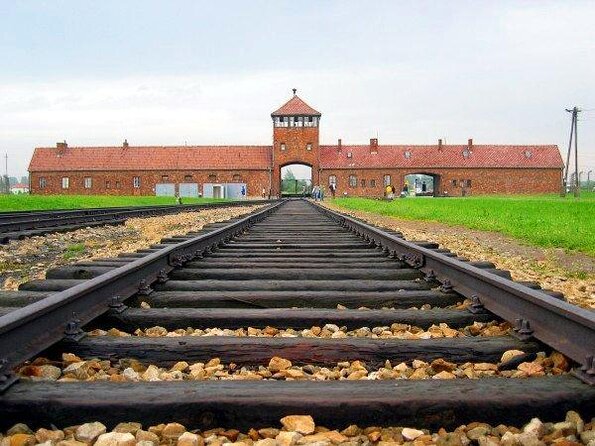
- Auschwitz I gate entrance and guided route that mirrors how prisoners were brought in
- Birkenau Auschwitz II overview including fences, barracks, and crematoria remains
- Admission ticket included so you’re not scrambling for entry
- Headphones for clear commentary, especially useful when you can’t see the guide
Other guided visits to the Auschwitz-Birkenau Memorial
- From Krakow: Auschwitz-Birkenau Guided Tour & Hotel Pickup
★ 4.5 · 33,358 reviews - From Krakow: Auschwitz-Birkenau Guided Tour & Hotel Pickup
★ 4.5 · 29,340 reviews - Krakow: Auschwitz Guided Tour with Optional Hotel Pickup
★ 4.5 · 15,280 reviews
From Krakow pickup to the gate: why the start matters
This tour is set up to remove the most stressful part of the day: getting to Oświęcim without fuss. You can either meet at the Kiss&Ride stop at Wielopole 2 or choose pickup at your Krakow accommodation, then travel by air-conditioned van for about 1.5 hours each way.
That travel time does more than get you there. It gives you a chance to get oriented before you step through the iconic Auschwitz I entrance. When you arrive with the right context already in your head, the place feels less like random ruins and more like a mapped, documented system.
You should also know the tour is capped at a maximum of 30 travelers, which usually helps the guide keep control of the pace. Still, this is not a wandering stroll. You’ll need to stay with your group.
Auschwitz I: walking in order, not just sightseeing
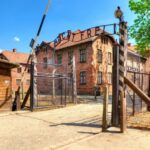
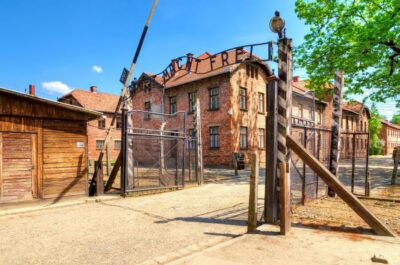
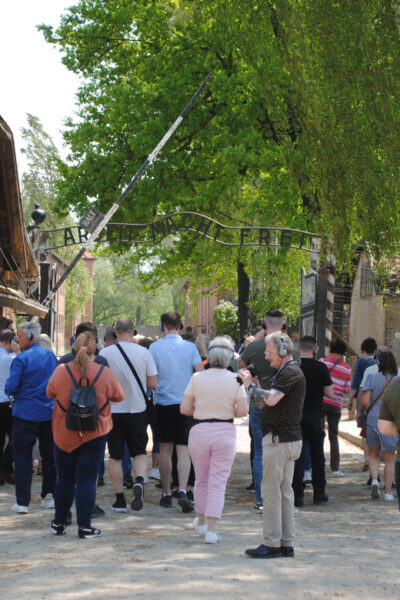
At Auschwitz I, you enter under the famous gate with the inscription Arbeit macht frei (work sets one free). The key difference here is the way the route is explained: you’re guided through the same general path taken by people brought into the camp during the Nazi Holocaust.
I like that the tour focuses on what you can actually understand in the space in front of you. Instead of treating Auschwitz like a checklist of points of interest, a good guide turns each building and exhibit into a piece of the larger picture, including what happened there and why certain features exist.
Many guides also make a point of balancing facts with the human reality. For example, I’ve seen guides described as respectful and extremely serious about how they present the material, and others specifically called out the ability to cover major areas while keeping the group moving at a workable pace.
Practical note: entry and navigation can be physically demanding, and you should have moderate fitness for uneven ground and long periods on your feet. Also plan to keep space in your bag for what you’ll need outside—large bags can’t be taken into the museum.
Birkenau Auschwitz II: scale, distance, and why the day feels longer
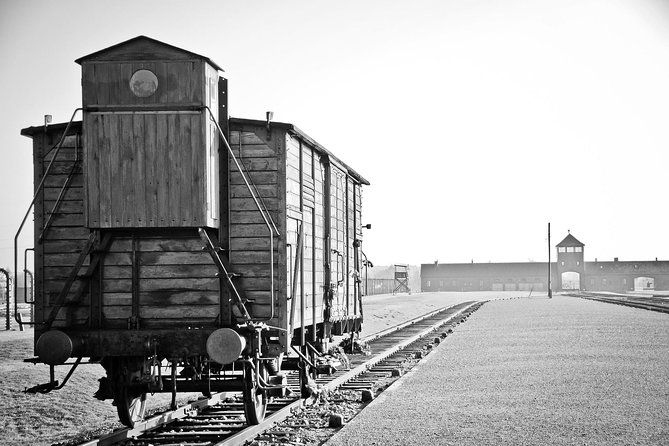
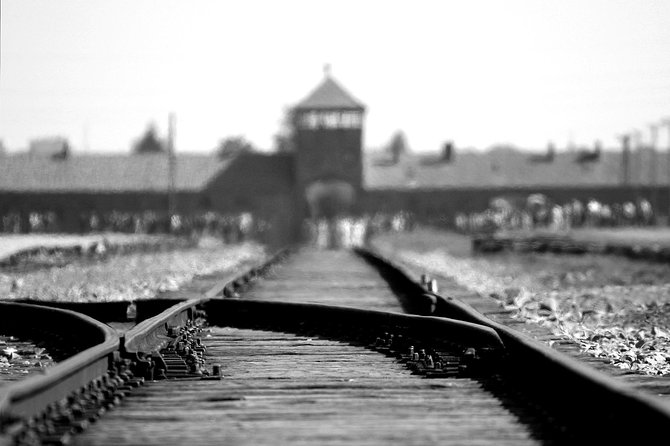
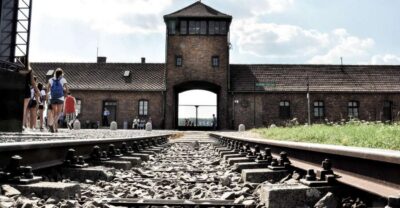
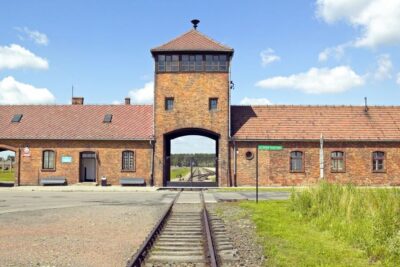
After Auschwitz I, you rejoin the group and take a short bus ride to Birkenau (Auschwitz II). This is where the landscape changes the whole experience. At Birkenau, you’re looking at the scale of an operation designed for mass imprisonment and extermination, not just a single complex of buildings.
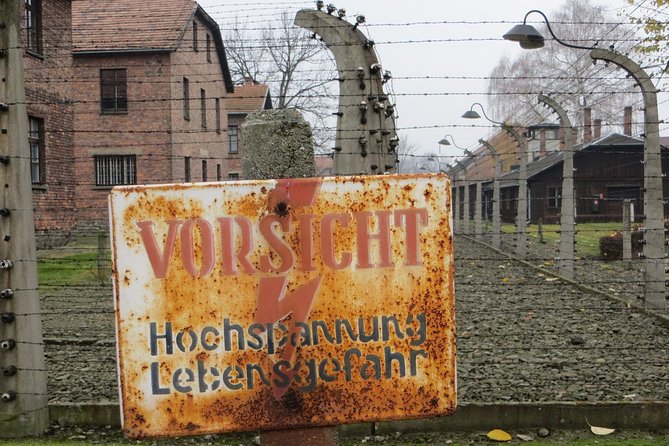
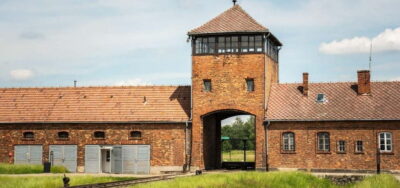
The tour includes key visual anchors: the original fences, barracks remains, and the crematoriums, including what’s left of the colossal gas chambers. Even when you know the history in advance, the geometry of the place can be hard to grasp until you stand there and see how far apart things really are.
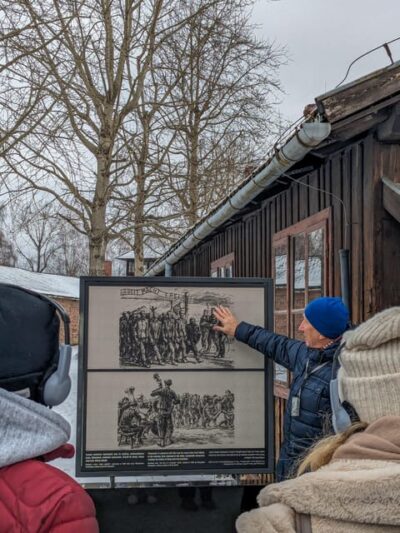
A strong practical feature here is the guide’s structure and the use of headphones. Several people have noted that the headsets make it much easier to hear commentary clearly, even when you can’t always see the guide in a crowded area. That matters in Birkenau because groups often spread out and wind or weather can interfere.
A few more Krakow trips worth putting on the shortlist
- Auschwitz-Birkenau Museum and Memorial Guided Tour from Krakow★ 4.5 · 1,510 reviews
- Krakow: Rynek Underground Museum Guided Tour★ 4.6 · 1,122 reviews
- Krakow: City Card with Public Transport and Museums★ 3.9 · 675 reviews
- Krakow Schindler’s Factory Museum Guided Tour in English★ 4.5 · 650 reviews
Headphones and group pace: how to get more from a hard day
This tour includes headphones so you can hear the guide clearly throughout. In real terms, that’s what turns a guided visit into a coherent story. Without headsets, it’s easy to miss key details, especially when you’re trying to read plaques while also tracking where your guide is leading the group.
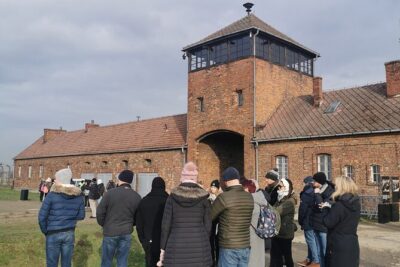
The group size is also a factor. With a maximum of 30 travelers, you’ll usually have fewer bottlenecks than on huge bus tours. That said, the day still runs to a schedule—so you’ll want to follow instructions about when to move, when to pause, and where to regroup.
One recurring theme from people who loved the experience: the guide’s delivery. Guides like Michal have been described as giving clear timing information, while Anya was praised for energetic, engaging explanations that brought history to life in a respectful way. Another example name you may see connected to this tour style is Wanda, recognized for compassionate context.
A fair consideration: guide style can vary, and sound can be affected by conditions like weather. If you’re sensitive to how content is delivered—tone, volume, pacing—keep your headphones secure, and don’t be afraid to focus on your own listening and note-taking rather than trying to do everything visually at once.
Timing: making 7 hours feel like real value
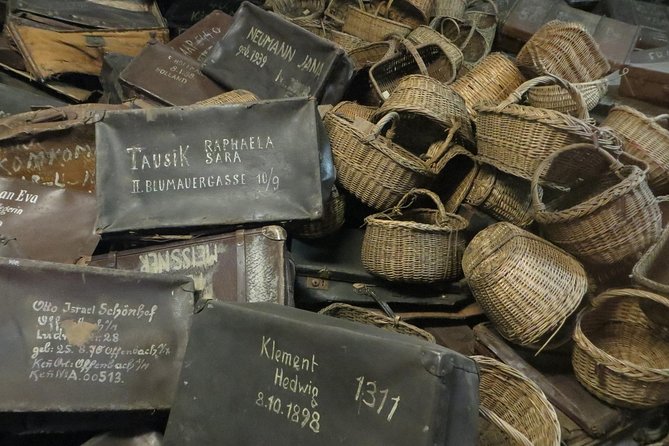
The tour is listed at about 7 hours, and Auschwitz I is roughly 3 hours with admission included. That’s a useful pace for most first-time visitors because it gives you time to see the essentials while still leaving room for the second site.
It’s also why round-trip transport is included. If you try to piece together independent logistics, you can burn hours on schedules, tickets, and transfers. Here, the schedule is built around staying together and moving between the two sites without losing the day.
Still, understand what this means for your expectations. This is not a slow, reflective museum crawl. You’ll get a guided route through the most important areas, but it can feel rushed if the day runs behind due to weather or crowds.
One helpful tip from how the day seems to work in practice: wear layers and plan for the outdoors. If weather turns, expect the pace to adjust at Birkenau. People have noted that harsh weather shortened the Birkenau portion and made hearing the guide harder—headsets help, but conditions still matter.
What’s included (and how to plan around what isn’t)
At $82.90 per person, the value mainly comes from bundling the essentials: admission ticket(s), transportation by air-conditioned van, local guiding, and headphones. You’re also getting a driver/guide setup designed to keep you on track.
What’s not included is food and drinks, plus optional gratuities. That matters because you can end up hungry during a long, emotionally heavy day. I recommend treating meals like part of your planning: eat well before pickup, and either bring a simple snack you can eat outside where permitted or plan where you’ll pick up food back in Krakow.
Also keep in mind the tour requires an ID/passport for this experience. That’s not the kind of detail you want to discover at the last minute.
The real point: context you miss on your own
It’s possible to visit Auschwitz-Birkenau independently. But the difference with a guided day is clarity. The guide helps you connect the dots between buildings, exhibits, and the camp’s function. Without that, you’re still seeing the evidence—but you’re doing the interpretation part alone, and that’s a heavy mental load.
This tour’s structure is built to do the interpretation for you, including walking through Auschwitz I’s camp entrance and continuing through to Birkenau with the right historical framing. It’s one of the reasons people strongly recommend the trip: it doesn’t just show you where things are, it helps you understand what they mean.
One more thing I appreciate: the tone is often described as respectful. Several people praised guides for staying sensitive to the subject while still covering the facts thoroughly. That combination is not automatic; it’s something you’re buying when you pay for a professional guide.
Who should book this Auschwitz-Birkenau day trip from Krakow
This tour fits you best if:
- You want a guided, structured visit through both Auschwitz I and Birkenau.
- You prefer not to manage transport and entry logistics on your own.
- You appreciate clear audio via headsets.
- You’re comfortable with moderate walking and standing.
It may feel like the wrong fit if:
- You need lots of free time to roam slowly at your own pace.
- You’re extremely dependent on quiet, because this is a group experience at an active, high-traffic site.
If you’ve visited other concentration camps before, you might still find value here, because Auschwitz has a distinct layout and its own narrative. One person compared the experience to camps in Germany and focused on how the guide’s delivery affected their ability to hear and process details—so the guide style really matters to your personal experience.
Should you book? My practical verdict
I’d book this tour if your goal is a first-rate guided route with transport and admission handled. At $82.90, you’re not just paying for a ride—you’re paying for the parts that commonly trip people up: timing, entry coordination, and getting the story right while you’re on site.
If you do book, do two things to make it go smoother:
- Pack light so you’re not stuck figuring out bags and storage.
- Bring your patience for pace and weather, because the day is structured and Birkenau is outdoors.
If you want an Auschwitz-Birkenau visit that feels organized, respectful, and easier to follow end to end, this is a strong option.
FAQ
How long is the Auschwitz-Birkenau tour from Krakow?
It runs about 7 hours (approx.), including travel time between Krakow and the Auschwitz-Birkenau sites.
What’s the price per person?
The price is $82.90 per person.
Do I get picked up in Krakow?
Pickup is available from your Krakow accommodation if you select that option. The pickup time depends on the day and is sent to you by message.
Where is the main meeting point?
The listed meeting point is Przystanek Turystyczny Kiss&Ride, Wielopole 2, 31-072 Kraków, Poland.
Is the tour offered in English?
Yes, the tour is offered in English.
Are admission tickets included?
Yes. Admission ticket(s) are included, including entry for Auschwitz I and the tour continuing to Birkenau.
Are headphones included?
Yes. You get headphones to hear the guide clearly.
What should I bring or prepare for?
You need your ID/passport for this tour. Also note that large bags cannot be brought inside the museum.
Are food and drinks included?
No. Food and drinks are not included.
Is there free cancellation?
Yes. You can cancel up to 24 hours in advance for a full refund.
More Tours in Krakow
More Tour Reviews in Krakow
Visiting the Auschwitz-Birkenau Memorial

Just added: fresh Krakow reviews

Auschwitz-Birkenau Memorial Tours, compared.
 ★ 4.5Auschwitz-Birkenau Guided Tour & Hotel PickupFrom $2133,358 reviews
★ 4.5Auschwitz-Birkenau Guided Tour & Hotel PickupFrom $2129,340 reviews
★ 4.5Auschwitz-Birkenau Guided Tour & Hotel PickupFrom $2133,358 reviews
★ 4.5Auschwitz-Birkenau Guided Tour & Hotel PickupFrom $2129,340 reviews
 ★ 4.5Auschwitz Guided Tour with Optional Hotel PickupFrom $6915,280 reviews
 ★ 4.5Auschwitz-Birkenau Guided Tour with Pickup & LunchFrom $219,800 reviews
 ★ 4.5Auschwitz-Birkenau Guided Tour Pickup/Lunch OptionsFrom $2009,057 reviews
 ★ 4.7Auschwitz-Birkenau and Salt Mine Guided TourFrom $549,020 reviews
 ★ 5.0Krakow to Auschwitz Birkenau Guided Tour with Transfer and TicketFrom $368,197 reviews
 ★ 4.0Auschwitz Birkenau Tour with TransferFrom $216,134 reviews
Browse the lists this tour appears in