
REVIEW · AUSCHWITZ-BIRKENAU MEMORIAL TOURS
Auschwitz-Birkenau: Skip-the-Line Entry Ticket & Guided Tour
Walking through Auschwitz and Birkenau changes your brain. This licensed guided route moves you through Auschwitz I and then on to Auschwitz II Birkenau with skip-the-line entry, so you spend your energy on the memorial instead of waiting.
What I like most is that the visit is organized like a lesson, not a free-for-all. You get a professional guide provided by the Auschwitz-Birkenau Museum, and the pacing keeps you together while still allowing you to absorb what you’re seeing. I also like that the tour uses a structure that handles the hardest parts with respect: Auschwitz I first, then a short break, then Birkenau.
One thing to plan for: this is intense, and the schedule is firm. The visit moves at a set pace, and you do not get much time to roam or linger on your own. In practice, that means you should come ready to focus.
In This Review
- Quick hits before you go
- Tickets, timings, and what skip-the-line really means
- Meeting point and security: how to keep your morning from turning into stress
- Auschwitz I: where the visit sets the terms
- The short lunch break: what you can do in 10 to 15 minutes
- Auschwitz II Birkenau: scale, emptiness, and the force of ruins
- The guide makes or breaks the meaning
- Price and value: $21 for a high-stakes experience
- Rules and restrictions that affect your day
- Who should book this tour, and who should reconsider
- Should you book this Auschwitz-Birkenau guided skip-the-line tour?
- FAQ
- How long is the Auschwitz-Birkenau skip-the-line guided tour?
- Which camps will I visit?
- Is food included during the tour?
- What’s included in the ticket price?
- Do I need a passport or ID?
- Are bags or backpacks allowed?
- What languages is the live guide available in?
- Is transportation to and from my hotel included?
- What access is the tour suitable for?
- What time does the tour run?
Quick hits before you go
- Skip-the-line entry helps you get past the busiest waiting and start your visit sooner
- A museum-licensed guide explains what you’re seeing with context tied to the WWII reality
- Expect two parts: about 1 hour 20 minutes to 1 hour 50 minutes at Auschwitz I, then about 1 hour at Birkenau
- There’s a short break for lunch, but you still need to follow the group timing
- Rules are strict about bags and clothing, so pack small and dress simply
- The entry area can feel chaotic before security, so arriving prepared helps
Tickets, timings, and what skip-the-line really means
This tour is built around a timed entry flow. You’re meeting at the museum entrance, then passing through security with your pre-booked ticket. In plain terms: the big win is that you’re not stuck in a long public line while the day gets busier.
The tour window runs between 7:00 AM and 3:30 PM. Your exact start time is sent to you the day before, so don’t plan tight connections right after. The total duration is 225 minutes (about 3 hours 45 minutes), and the structure is fairly set: Auschwitz I first, then a break, then Auschwitz II Birkenau.
Is it worth paying for “skip-the-line”? For this site, yes, mainly because time matters for two reasons: (1) you want your visit to feel intentional, and (2) weather and crowds can drain energy fast. Even with skip-the-line, security still exists. The difference is that you’re moving when your group is supposed to move, not when a random line clears.
Meeting point and security: how to keep your morning from turning into stress
Meeting point details can vary by option, so follow the instructions you receive. Then plan your arrival like this: treat the entry area like a place where lots of groups funnel through at once.
A few practical things that help:
- Bring a passport or ID card. You may need it at the check-in stage.
- Travel light. Large bags and backpacks are not allowed. If you’re bringing a bag, it has to be no bigger than 20 x 30 cm.
- Dress for rules. Short skirts and sleeveless shirts are not allowed.
Once you’re through security, the tone shifts fast. You move from normal-world chaos into a memorial setting where the details feel heavier. That transition is part of why skip-the-line matters: the faster you enter the right space, the sooner you can start processing what’s in front of you.
Auschwitz I: where the visit sets the terms
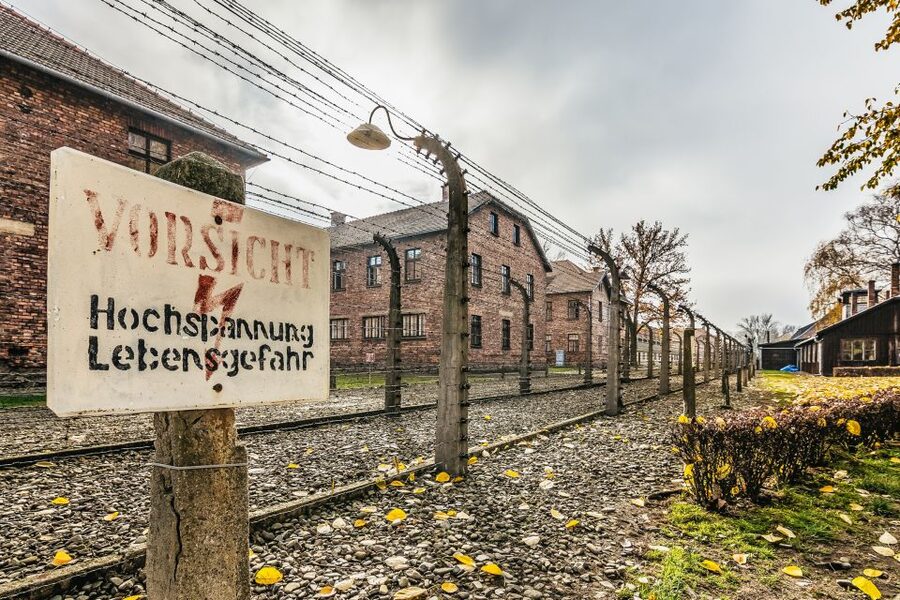
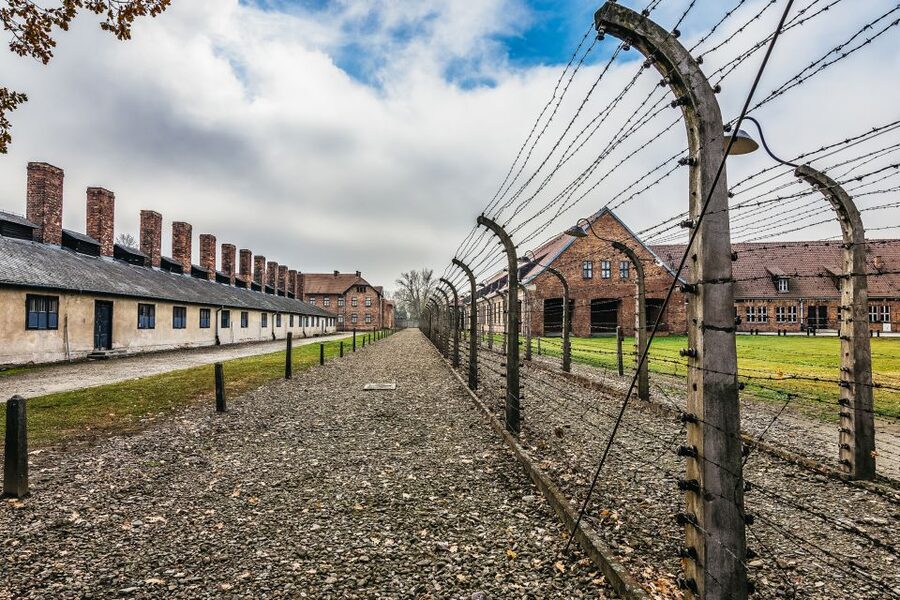
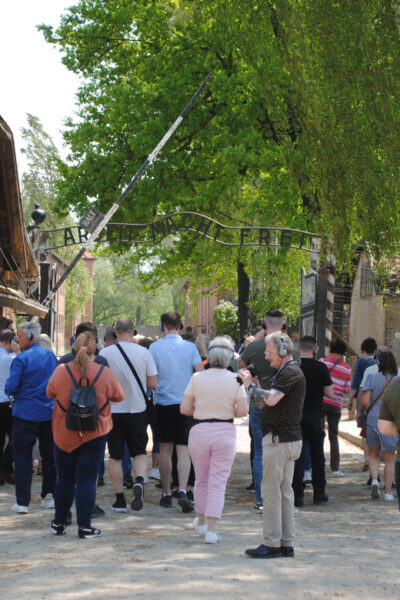
Auschwitz I is the first part and the one that many people feel most “framed” by. This is where you get a guided orientation to the system: why the camp existed, how it functioned, and what remains tell you about those realities.
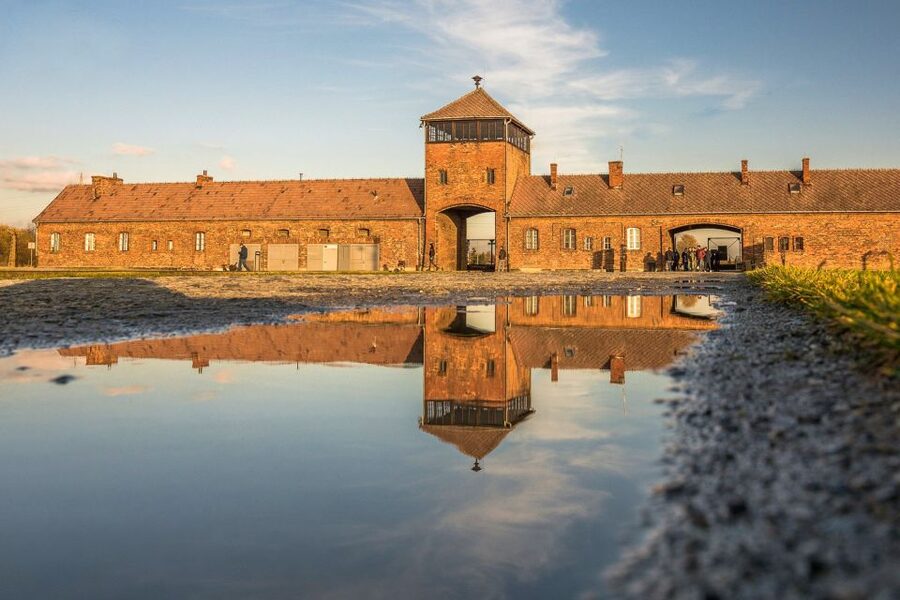
You’ll spend about 1 hour 20 minutes to 1 hour 50 minutes here with the same guide. The highlight list includes seeing the main gate and the original barracks plus the ruins of the gas chamber. Even if you know the basics, this is the point where a licensed guide’s context really matters. You’re not just looking at objects or structures; you’re tying them to the narrative the memorial wants visitors to understand.
This is also where the tour’s “respectful pace” shows. In many departures, the guide keeps the group moving enough that you don’t get lost, but you’re still given time to absorb key locations. Just don’t expect a museum-style wander. The tour is structured.
A common reality on site: once you’re surrounded by information, it can be hard to read everything on the walls or exhibits before the group shifts. If you want to absorb slowly, use your best “slow time” to focus on the major areas your guide points out, not every single display.
The short lunch break: what you can do in 10 to 15 minutes
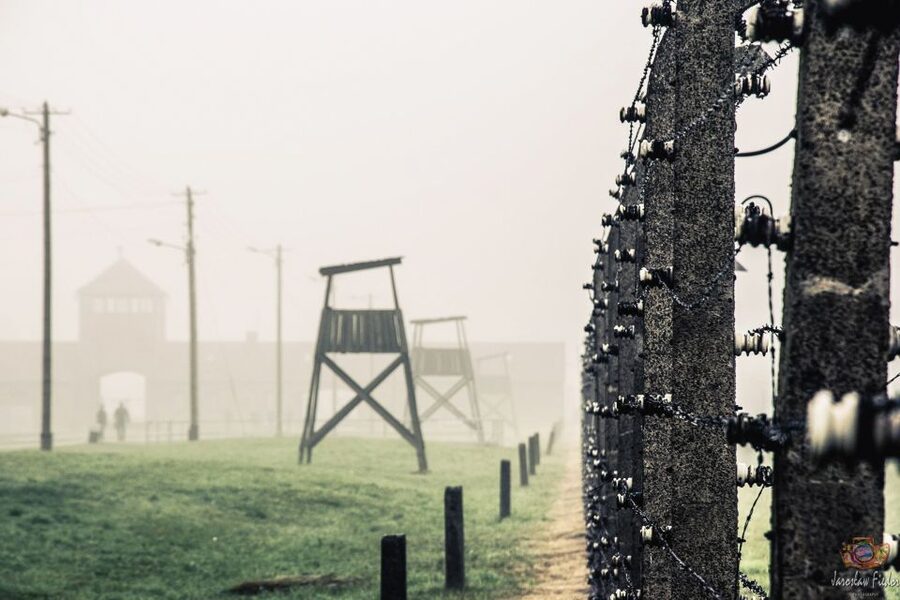
Between the two camp parts, there’s a break—listed as about 10 to 15 minutes. This is your window for lunch (and water).
If you can, bring food and drinks. Lunch and drinks aren’t included, and the memorial visit can feel so concentrated that grabbing something quickly helps you avoid getting irritable or distracted later. That’s not a moral judgment. It’s just human biology.
There’s also an important detail about regrouping and movement after Auschwitz I. After finishing Auschwitz I, there is a 15-minute break, and during that time you should go to the car parking area in Brzezinka by your own transport, described as 2 km. If you arrive to the museum via public transport, you’re told to inform your tour leader before the tour so you can reach Birkenau properly.
So here’s the takeaway: during the break, you’re not supposed to disappear into the wrong place. Follow the exact instructions you get, and think of the break as “reset and reposition,” not “free time.”
Auschwitz II Birkenau: scale, emptiness, and the force of ruins
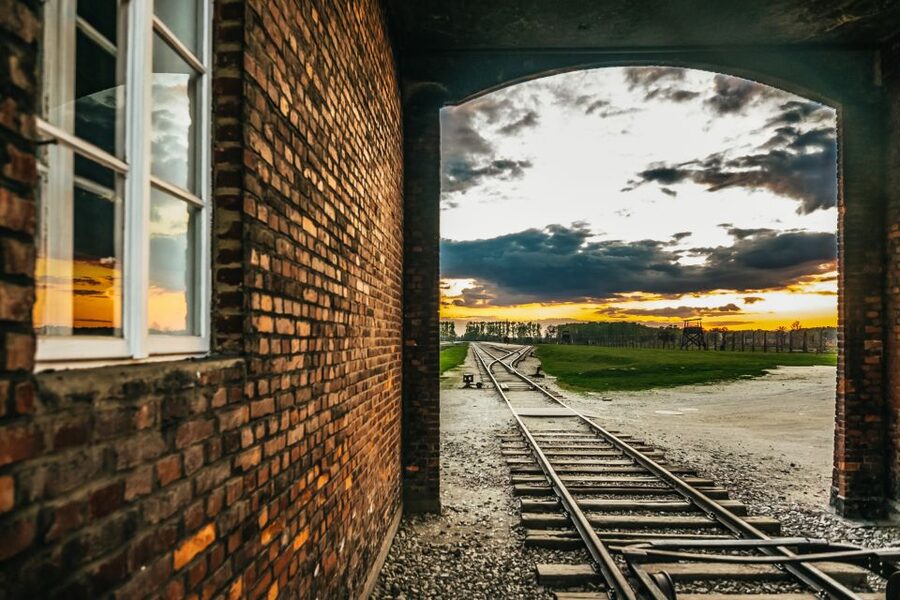
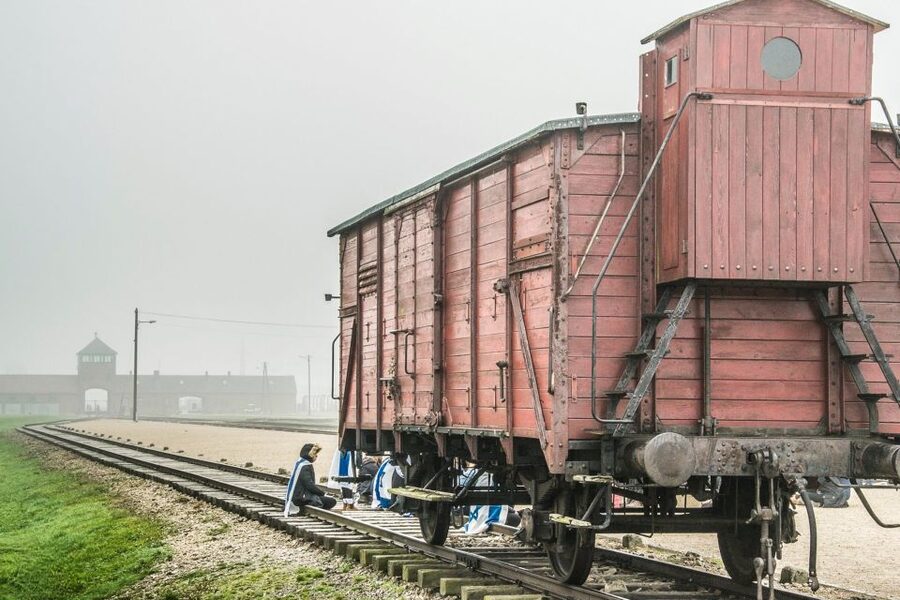
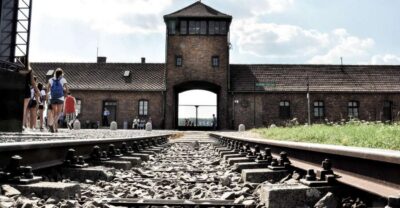
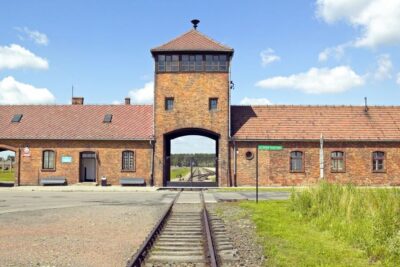
Then you switch gears. You board a bus for the second part, and the guide takes you through Auschwitz II Birkenau, spending around 1 hour with you here.
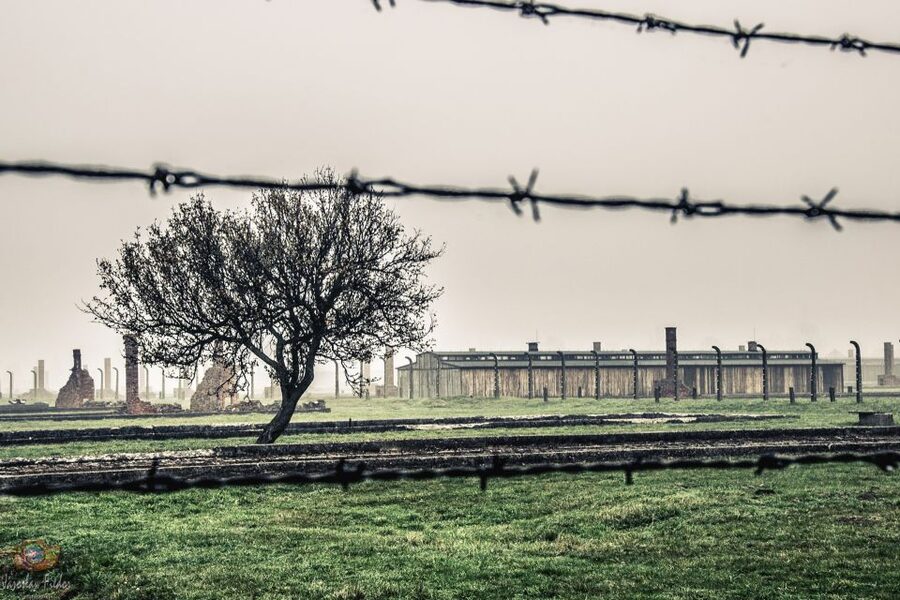
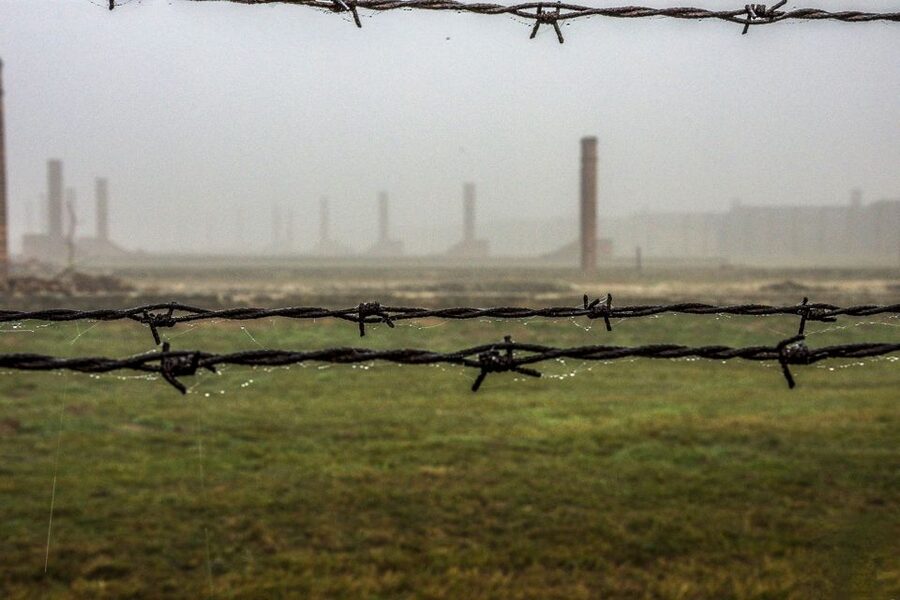
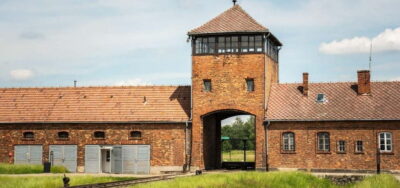
Birkenau is often described as the part that overwhelms people. That matches what the structure suggests: after Auschwitz I sets the system, Birkenau shows the scale. The tour focuses on the remains and key areas, including the gas chamber ruins.
What makes this section hit so hard is not just the structures. It’s the way the guide connects physical space to human suffering. The pace can feel fast because there’s so much ground and so many important points. But that speed is also why a guide matters. You’re not guessing what you’re looking at.
From the guided commentary style people have reported, you may hear stark examples from preserved material and discoveries. One commonly cited story includes estimates around 1.5 million victims (with uncertainty noted), and details like 40,000 shoes left behind, plus mention of seven tonnes of human hair found after liberation by the Red Army and used in various ways. I’m sharing these because they show the kind of concrete, specific facts guides bring into the experience. It makes the scale real in a different way than general statements.
If you’re prone to getting numb during intense tours, this is the moment to stay present. Look where your guide points. Let the emptiness and ruin do their job.
The guide makes or breaks the meaning
This is one of those tours where the guide is not a bonus. It’s the core.
The tour’s guide is licensed by the Auschwitz-Birkenau Museum. That matters because you get careful, accurate explanation tied to what you’re seeing at each stop, instead of generic storytelling.
You’ll also hear that guides work hard to keep things clear even when the subject is unbearable. Names that have come up include Anna, Mario, Suzanna, and Teresa, with people praising guides for professionalism, sensitivity, and strong English. Some guides also answer questions along the way, which helps if you’re trying to reconcile what you’ve read with what’s visible.
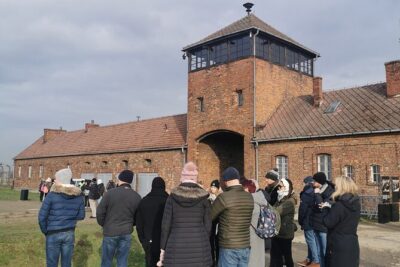
One practical point I’m glad people notice: clear audio. Some departures include headsets, which make a huge difference in crowded areas. If you’re standing in a group and the guide is talking, being able to hear without leaning or guessing lets you focus on the site instead of the logistics of sound.
The best guides also manage pace and tone. They don’t turn it into performance. They keep it respectful and structured, which lets you absorb without feeling like you’re being rushed past meaning.
Price and value: $21 for a high-stakes experience
At $21 per person, the value is mainly about what you’re actually getting.
You get:
- Entrance ticket to Auschwitz-Birkenau Museum
- A licensed guide (English, German, French, Italian, or Spanish)
- Booking fees included
You do not get:
- Transportation to/from your accommodation
- Transportation between Auschwitz and Birkenau (your plan should account for the on-site movement instructions)
- Parking fees
- Food and drinks
When you do the math on what costs money here, the structure is doing the heavy lifting. A licensed guide with a timed museum entry is not a typical low-price thing. So yes, $21 can feel like a deal, especially compared to how much you’re paying in time, emotion, and focus to be there.
What you should treat as your “real cost” is not the ticket. It’s that you’re signing up for a short, intense visit where you need to be mentally ready. If you come thinking you can casually multitask, this place will punish that mindset.
Rules and restrictions that affect your day
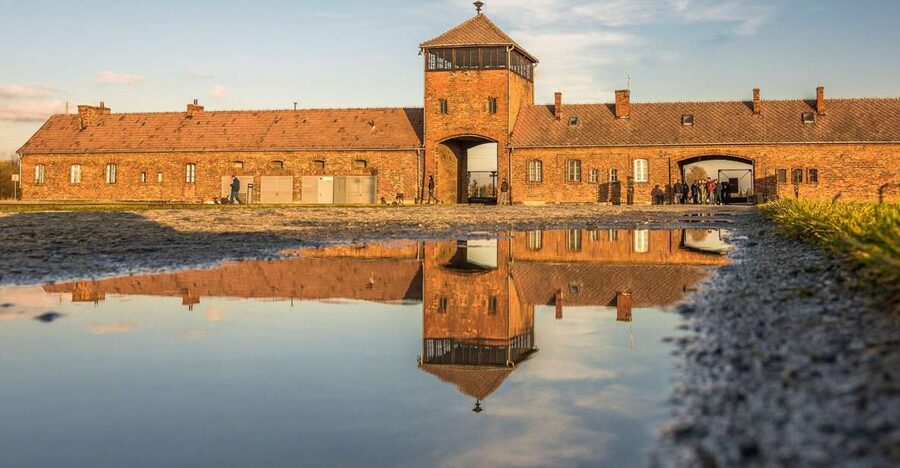
This tour has firm rules, and they’re not random. They keep the site safe and orderly.
Not allowed:
- Pets
- Smoking
- Luggage or large bags
- Short skirts and sleeveless shirts
- Backpacks
- Alcohol and drugs
Bag limit:
- Maximum permitted size is 20 x 30 cm
So plan your packing like you’re going to a government building with strict security. Bring the ID you need, bring a small day bag (within size limits), and consider a light layer for weather. The tour can run between morning and early afternoon, and winters can be brutally cold. One visitor specifically described late January with snow and minus temperatures, which is a reminder that comfort affects how well you can handle the visit.
Who should book this tour, and who should reconsider
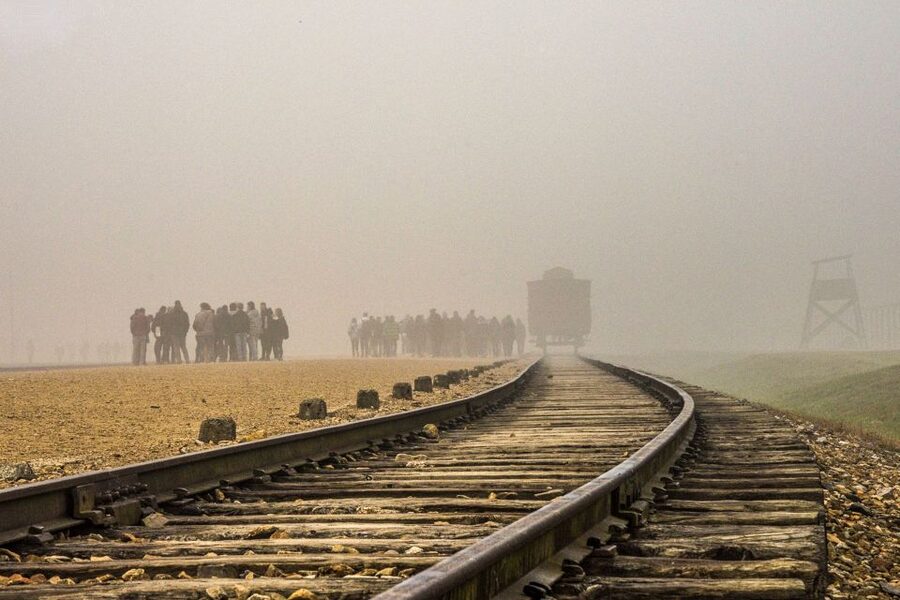
This tour is a strong fit if you want a guided, respectful, structured route through Auschwitz I and Auschwitz II Birkenau, with official context.
It’s not suitable for wheelchair users, according to the provided details. If you need accessibility support, you’ll want to look for an option designed specifically for mobility needs.
It can also be a tougher match if you strongly prefer unstructured time. The pacing is set by visitor service rules, and you’ll switch locations on a schedule with limited breaks. People who want to read every posted detail slowly may feel a pinch.
On the other hand, if you want the best chance of understanding what you’re seeing without getting overwhelmed by information overload on your own, the licensed guide and organized format do real work.
Should you book this Auschwitz-Birkenau guided skip-the-line tour?
Book it if:
- You want skip-the-line entry so you can start your visit sooner
- You value a museum-licensed guide who can explain what you’re seeing in context
- You’re okay with a structured visit and short breaks, not a self-paced wander
- You’re willing to follow the site rules on bags and clothing
Consider skipping this exact format if:
- You need wheelchair-accessible support
- You’re hoping for lots of personal free time inside the camps
- You’re very sensitive to cold and tight schedules and you haven’t planned for it
My practical advice: if you book, show up prepared and flexible. This isn’t a box to tick. It’s a place where organization helps you focus. Bring lunch if you can, pack small, and give yourself time to arrive without stress. Then follow the guide’s route and let the memorial do the teaching it’s meant to do.
FAQ
How long is the Auschwitz-Birkenau skip-the-line guided tour?
The duration is listed as 225 minutes, with Auschwitz I taking about 1 hour 20 minutes to 1 hour 50 minutes and Auschwitz II Birkenau taking around 1 hour.
Which camps will I visit?
You’ll visit Auschwitz I and Auschwitz II (Birkenau), including the main gate and original barracks at Auschwitz I, plus key remains at Birkenau.
Is food included during the tour?
No. Food and drinks are not included. There is a short break where you can eat lunch, and it’s recommended to bring your own lunch and drinks.
What’s included in the ticket price?
Included are the Auschwitz-Birkenau Museum entrance ticket, a licensed guide provided by the museum, and all booking fees.
Do I need a passport or ID?
Yes. You should bring a passport or ID card.
Are bags or backpacks allowed?
No backpacks and luggage are allowed. The maximum permitted bag size is 20 x 30 cm, and large bags and backpacks are not permitted.
What languages is the live guide available in?
The live tour guide is available in English, German, French, Italian, and Spanish.
Is transportation to and from my hotel included?
No. Transportation to/from your accommodation is not included.
What access is the tour suitable for?
The tour is not suitable for wheelchair users.
What time does the tour run?
The tour can take place between 7:00 AM and 3:30 PM, and the exact start time is sent to you the day before the tour.
Auschwitz-Birkenau Memorial Tours, compared.
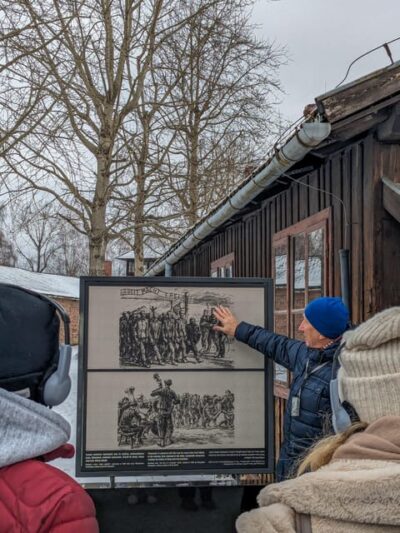 ★ 4.5Auschwitz-Birkenau Guided Tour & Hotel PickupFrom $2133,358 reviews
★ 4.5Auschwitz-Birkenau Guided Tour & Hotel PickupFrom $2129,340 reviews
★ 4.5Auschwitz-Birkenau Guided Tour & Hotel PickupFrom $2133,358 reviews
★ 4.5Auschwitz-Birkenau Guided Tour & Hotel PickupFrom $2129,340 reviews
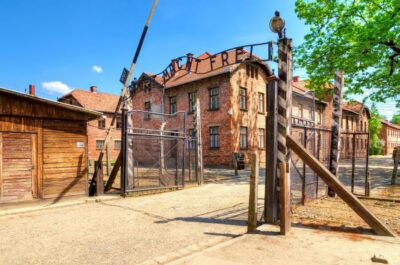 ★ 4.5Auschwitz Guided Tour with Optional Hotel PickupFrom $6915,280 reviews
 ★ 4.5Auschwitz-Birkenau Guided Tour with Pickup & LunchFrom $219,800 reviews
 ★ 4.5Auschwitz-Birkenau Guided Tour Pickup/Lunch OptionsFrom $2009,057 reviews
 ★ 4.7Auschwitz-Birkenau and Salt Mine Guided TourFrom $549,020 reviews
 ★ 5.0Krakow to Auschwitz Birkenau Guided Tour with Transfer and TicketFrom $368,197 reviews
 ★ 4.0Auschwitz Birkenau Tour with TransferFrom $216,134 reviews
Browse the lists this tour appears in