
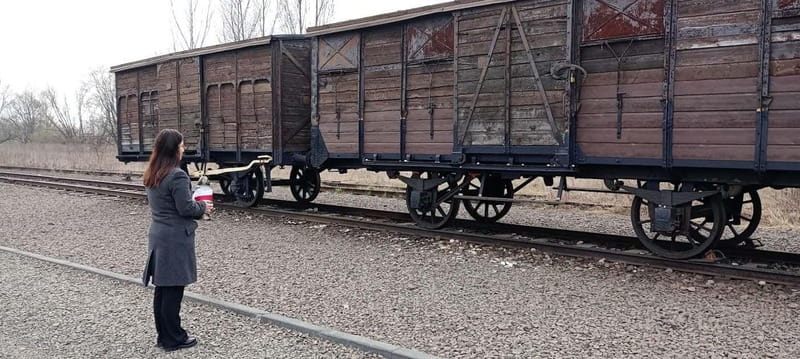
REVIEW · AUSCHWITZ-BIRKENAU MEMORIAL TOURS
From Kracow: Auschwitz Complex Alternative Tour
Auschwitz, but not the usual route. I like how this tour focuses on the Auschwitz-Monowitz (Auschwitz III) story and the surrounding sites that show how the camp system expanded and evolved. You’ll also spend time with the built evidence of the process itself, from the Zyklon B storage theater to the Polish Ramp and Old Jewish Ramp selection points. One drawback: if you came specifically for a standard Auschwitz I and Auschwitz II-Birkenau main-camp walkthrough, this route intentionally skips those core entries.
This is heavy history and you should plan for a lot of walking. Even with comfortable transport from Krakow and a skip-the-line entrance, you’ll be on your feet for hours in memorial areas, so wear sturdy shoes and bring water.
In This Review
- Key things to know before you go
- Auschwitz III and the camp extension: why this route matters
- Price and what you actually get for $55
- Getting there from Krakow: start point and time on your feet
- Pre-war theater to Zyklon B storage, plus Polish and Old Jewish Ramps
- Birkenau’s Death Gate and main SS barracks
- Bunker 1 Red House, Bunker 2 White House, and the extermination zone
- From sauna disinfection to piles of belongings processing
- Commandant’s villa, gravel pits, and the final public execution site
- Ending at Auschwitz-Monowitz: the memorial to final victims
- Who this alternative Auschwitz tour suits best
- The guide factor: what helps the day feel manageable
- Should you book this Auschwitz Complex Alternative Tour?
- FAQ
- What’s the duration of the tour from Krakow?
- Where do I meet the group?
- Is Auschwitz I included?
- Does the tour include Auschwitz II-Birkenau main camp?
- Is the tour guided and in English?
- What should I bring?
Key things to know before you go
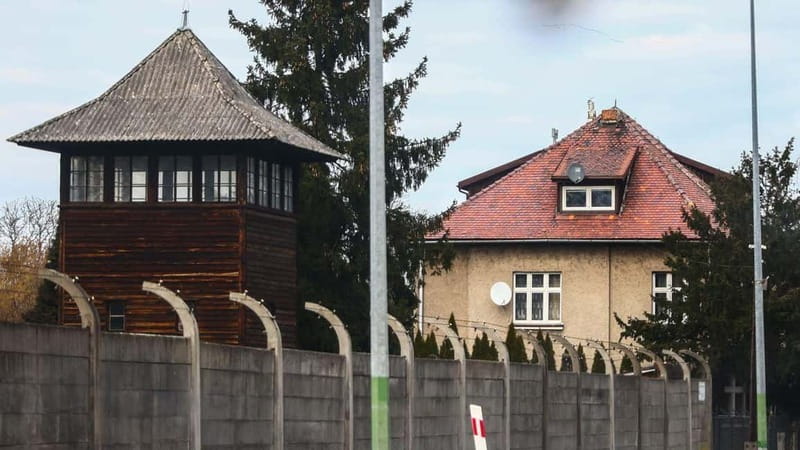
- Auschwitz III (Monowitz) gets the spotlight, including the memorial to the final victims and a mass grave of 700 prisoners shot in January 1945.
- You visit the pre-war theater tied to Zyklon B storage, not just the headline buildings.
- You see the Polish Ramp and Old Jewish Ramp, key points in the selection process for European Jews.
- Birkenau stops focus on the SS infrastructure, including the Death Gate and main SS barracks.
- The extermination zone includes specific sites, like Bunker 1 (Red House) and Bunker 2 (White House), plus remains of dressing rooms and a cemetery for Soviet POWs.
- The camp extension and executions are part of the walk, including SS barracks, the women’s camp area, the commandant’s villa, and gravel pits.
Other guided visits to the Auschwitz-Birkenau Memorial
- From Krakow: Auschwitz-Birkenau Guided Tour & Hotel Pickup
★ 4.5 · 33,358 reviews - From Krakow: Auschwitz-Birkenau Guided Tour & Hotel Pickup
★ 4.5 · 29,340 reviews - Krakow: Auschwitz Guided Tour with Optional Hotel Pickup
★ 4.5 · 15,280 reviews
Auschwitz III and the camp extension: why this route matters
Most Auschwitz tours race through what people expect to see. This one changes the angle. Instead of centering on Auschwitz I and the typical Auschwitz II-Birkenau main-camp route, it follows the connections between sites that made the system work.
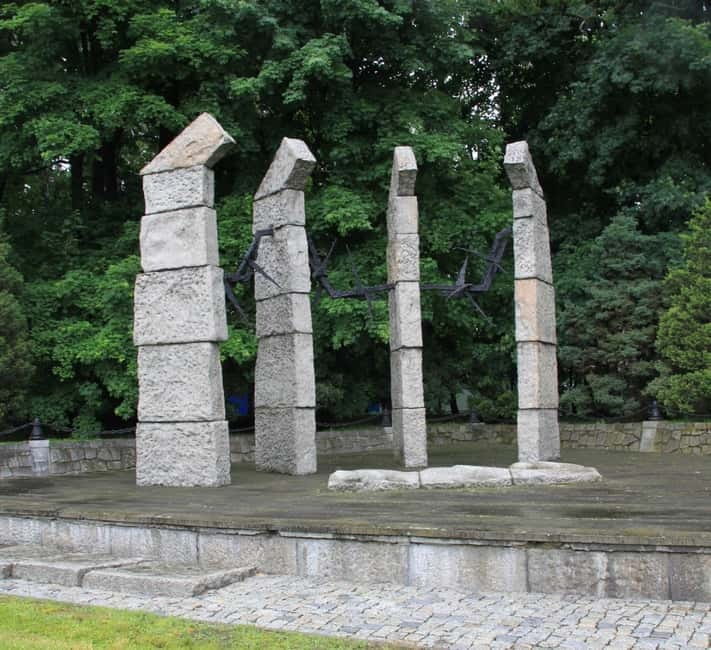
I like that it gives you Auschwitz-Monowitz (Auschwitz III) context instead of stopping at the best-known yards. You end at the memorial to the final victims and a mass grave of 700 prisoners shot during the camp evacuation in January 1945, which helps you understand what happened at the end—not just the mid-war machinery.
I also appreciate the “camp extension” focus. You’re shown SS barracks, the last women’s camp, and the site of the final public execution. That matters because it shows how the camp kept changing right up to the end, not as a single static place but as a complex that expanded and shifted roles.
Price and what you actually get for $55
At $55 per person for an 8-hour day, the value here is mostly in what’s bundled, not in any single photo-worthy spot. You get round-trip transport from Krakow, a live English guide, and guided access through a separate entrance to skip the line.
That matters because Auschwitz logistics can eat up time. When you start with transport already lined up and a guide managing the flow, you can spend more of your day on the sites themselves. You’re also not paying extra for each component as you move between key memorial areas.
Be realistic, though. This isn’t a “quick hit” tour. You’re paying for a long guided walk through sensitive, physically spread-out sites. The $55 only feels fair if you’re ready for the pace and the emotional weight.
Getting there from Krakow: start point and time on your feet
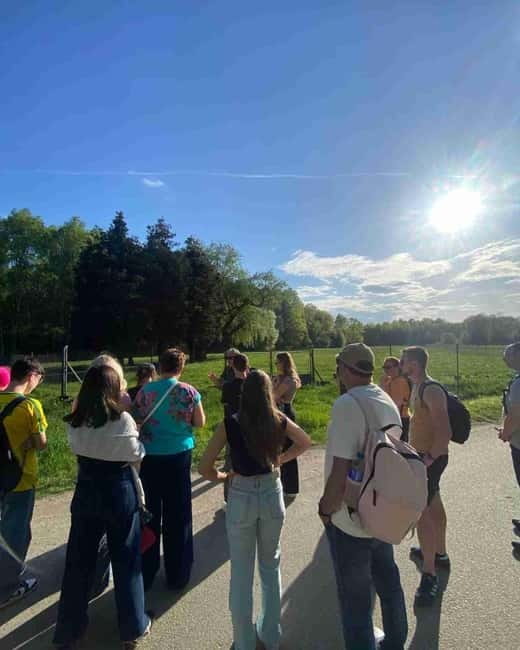
You meet at the K+R bus stop, and the day runs about 8 hours. Round-trip transportation is included, which is a big deal for Auschwitz day trips because it takes planning pressure off you—no figuring out trains, no guessing timetables.
Comfort tip: treat this like an all-day hike, not a museum sprint. The tour notes call for comfortable walking shoes and weather-appropriate clothing, and the sites themselves confirm why. Even when you’re standing still, you’ll likely spend time moving between buildings, ramps, and exterior areas where pacing depends on the guide and group.
Wheelchair access is listed, but the tour still involves significant walking. If you use mobility aids, consider bringing what you need for longer distances and asking the operator about the day’s exact movement patterns when you book.
- Krakow: Wieliczka Salt Mine Tour with Entry Ticket★ 4.6 · 10,927 reviews
- Krakow–Zakopane: Cable Car, Chocholow Baths, Cheese & Vodka★ 5.0 · 10,720 reviews
- Krakow: Auschwitz-Birkenau Guided Tour with Pickup & Lunch★ 4.5 · 9,800 reviews
- From Krakow: Wieliczka Salt Mine Tour★ 4.6 · 9,393 reviews
Pre-war theater to Zyklon B storage, plus Polish and Old Jewish Ramps
One of the most unsettling parts of this tour is how it connects everyday wartime logistics to mass murder. You stop at a pre-war theater that was later used to store Zyklon B. That detail helps you understand that these killings were not just “a moment”—they depended on storage, control, and supply chains.
Then comes the sequence of ramps. The tour includes both the Polish Ramp and the Old Jewish Ramp, with the Old Jewish Ramp described as the main selection site for European Jews. These stops are emotionally intense because the ramps weren’t just transport infrastructure; they were part of the sorting process. Seeing those points in context gives you a clearer picture of what “selection” meant on the ground.
A practical note: in ramp and selection areas, photos can feel intrusive. I’d keep your camera put away until you’re sure you can step back and pause. Let the guide’s explanation set the tone first—then decide if you want to document a specific structure.
Birkenau’s Death Gate and main SS barracks
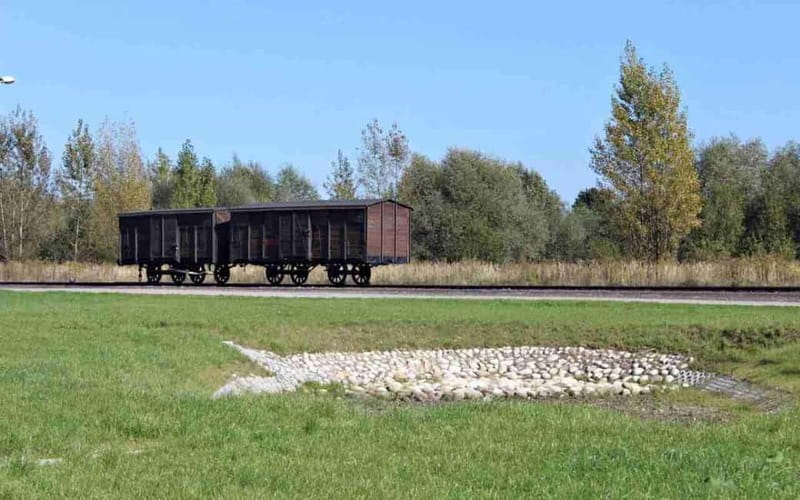
Birkenau is the part many people think they already know. This route still makes it different by focusing on key arrival and control structures.
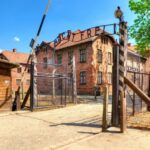
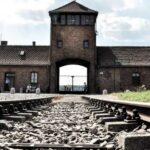
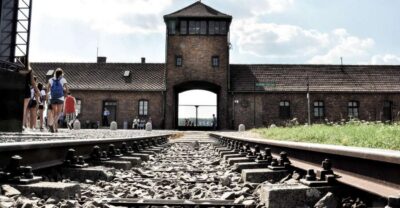
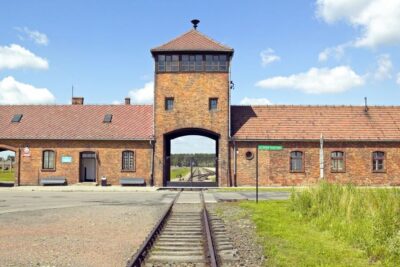
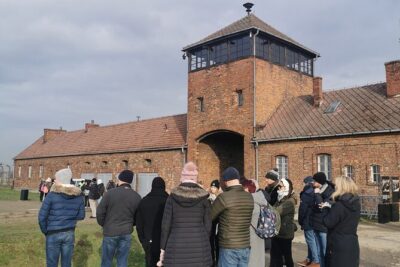
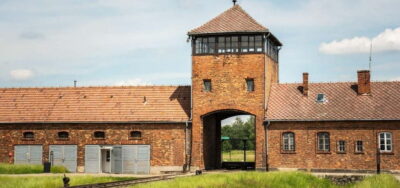
You’ll see the infamous Death Gate and the main SS barracks. Those aren’t random stops. They frame Birkenau as a system with gates, roles, and authority—where people were processed, controlled, and absorbed into a planned operation. If you’ve only seen Birkenau through broad overviews, these specific markers help you “read” the site.
The tour also includes the first crematorium and gas chamber. That is a critical stop for understanding how extermination infrastructure was laid out and used. Even if you’ve read about these places before, seeing the layout described by a live guide tends to make the scale feel more concrete.
Bunker 1 Red House, Bunker 2 White House, and the extermination zone
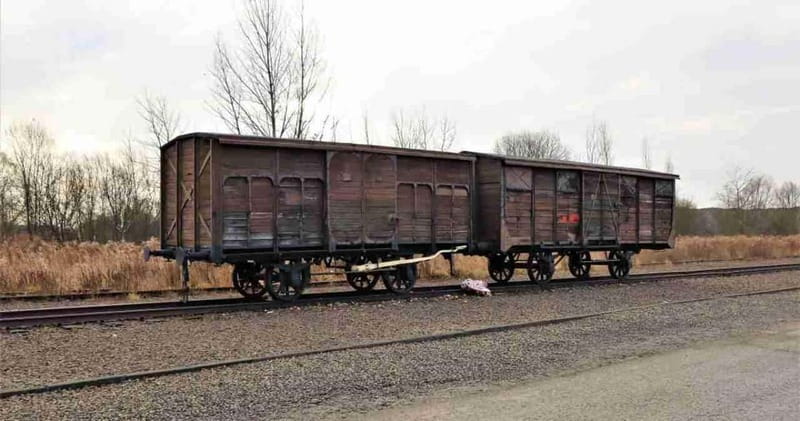
The extermination zone stops are where the tour leans hardest into operational details. You’ll visit Bunker 1 (Red House) and Bunker 2 (White House), plus remains of dressing rooms for victims and a cemetery of Soviet POWs.
I like that the tour doesn’t just point at one shocking location and move on. It keeps giving you “pieces of the process” so you can connect them: the transition spaces (like remains of dressing rooms), the sites used for killing, and the nearby burial context for Soviet POWs.
This is not “dark tourism trivia.” Expect the guide to handle the material with care, because these are sites of punishment and execution. If you’re sensitive to graphic subject matter, consider whether this format is right for you. The tour explicitly involves sensitive content and may not suit everyone.
If you’re traveling with older teens or younger kids, think hard before booking. This is not a casual educational outing.
From sauna disinfection to piles of belongings processing
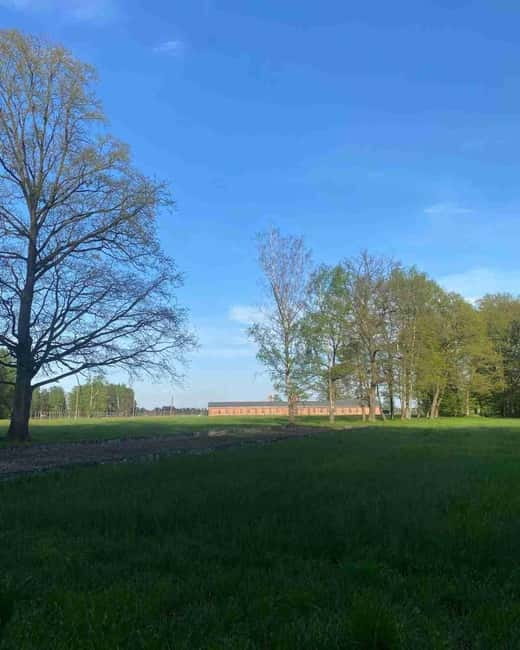
Another stop that’s useful for understanding how the camp worked is the Sauna building, described as a place used for prisoner disinfection and belongings processing.
Even when you’re not looking at a killing site directly, disinfection and belongings handling are part of the machinery. The camp system dealt with people, clothing, and movement like a controlled workflow. That’s part of what makes this tour’s selection of stops feel purposeful.
On a practical level, the Sauna building stop also reminds you that the day will include indoor or semi-enclosed spaces and exterior transitions. Dress for comfort and bring water, since you may feel overheated from walking and then cold if the weather turns while you’re still outside.
Commandant’s villa, gravel pits, and the final public execution site
You’ll also see sites connected to punishment and execution beyond the extermination infrastructure. The tour includes the former villa of the camp commandant and the gravel pits where executions took place.
The tour notes say these executions involved clergy and members of the Polish intelligentsia. That detail matters because it broadens the camp story from one victim group to multiple categories targeted by the occupiers. It also reinforces that persecution was not limited to the gas chambers.
Then there’s the camp extension area: SS barracks, the women’s camp, and the site of the final public execution. Seeing that last-public-execution reference is especially sobering because it ties the timeline to the final stretch of the camp’s existence.
If you want to get the most out of these stops, slow down mentally. Don’t treat the locations like checklist items. Let the guide connect why these places sat where they did and what roles they served.
Ending at Auschwitz-Monowitz: the memorial to final victims
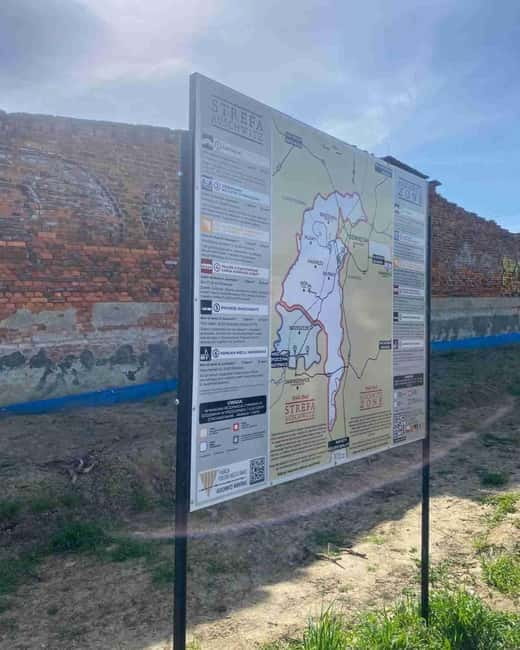
Auschwitz-Monowitz is often treated as a footnote compared with Auschwitz I and Birkenau. This tour corrects that by ending with the memorial to the final victims of Auschwitz-Monowitz (Auschwitz III).
You’ll be at the memorial for the final victims and a mass grave of 700 prisoners shot during the camp evacuation in January 1945. This ending point does two things well. First, it brings the story to the end instead of freezing it at the height of extermination. Second, it helps you understand that the camp system’s last days still included extreme violence and death.
If you’re the kind of traveler who wants closure, this won’t give you comfort. But it often gives something better: clarity about scale and sequence—how the complex kept operating and then kept killing even as the system broke down.
Who this alternative Auschwitz tour suits best
This is a strong match if you:
- want a broader view of the camp system, including Auschwitz III and the camp extension area
- care about understanding the machinery of control, like ramps, Zyklon B storage, and SS infrastructure
- appreciate a guided English walkthrough that prioritizes interpretation, not just snapshots
It may be a tougher fit if you:
- came mainly for the Auschwitz I and Auschwitz II-Birkenau main-camp entries, because this tour does not include those core visits
- struggle with long, physical memorial walks and very sensitive content
- expect a lighter pace or more space to process quietly on your own
On timing, the 8-hour schedule is the main commitment. If you plan other activities the same day, I’d keep them simple and low-energy. This site drains focus.
The guide factor: what helps the day feel manageable
Good tours turn confusion into understanding. This one relies on a live English guide, and that’s not a small detail. A clear guide helps you navigate why each structure matters and how the separate sites connect.
One departure detail in the available feedback points to a driver named Ollie who took care of comfort before leaving and kept the ride friendly yet professional, including a cool playlist. That’s not the content you came for, but it can help you arrive calmer and ready.
When you book, I’d mentally prepare for the guide to ask the group to move with purpose. It’s the kind of day where you benefit from following instructions and not wandering ahead.
Should you book this Auschwitz Complex Alternative Tour?
Book it if you want an Auschwitz day that’s more than postcard structures. The payoff here is the focus on Auschwitz-Monowitz and the camp extension, plus the operational stops that explain how the system worked: Zyklon B storage, selection ramps, the Death Gate and SS barracks, and specific extermination-zone buildings like the Red House and White House.
Skip it if you know you’ll be disappointed by the absence of Auschwitz I and Auschwitz II-Birkenau main-camp entrance visits. Also think twice if you’re not ready for long walking through very sensitive sites.
For most people who want value at $55 and prefer a structured, guided route with transport from Krakow, this alternative format is a solid choice—serious, focused, and built to help you understand the complex as a system, not just a single moment.
FAQ
What’s the duration of the tour from Krakow?
It runs for 8 hours.
Where do I meet the group?
The meeting point is the K+R bus stop.
Is Auschwitz I included?
No. The tour does not include entrance to Auschwitz I.
Does the tour include Auschwitz II-Birkenau main camp?
No. The tour does not include entrance to Auschwitz II-Birkenau main camps, but it does include specific Birkenau sites such as the Death Gate, main SS barracks, and parts of the extermination zone.
Is the tour guided and in English?
Yes. It includes a live tour guide in English.
What should I bring?
Bring comfortable shoes, water, a camera (if you want one), and weather-appropriate clothing.
More Tours in Krakow
More Tour Reviews in Krakow
Visiting the Auschwitz-Birkenau Memorial
Just added: fresh Krakow reviews
Auschwitz-Birkenau Memorial Tours, compared.
 ★ 4.5Auschwitz-Birkenau Guided Tour & Hotel PickupFrom $2133,358 reviews
★ 4.5Auschwitz-Birkenau Guided Tour & Hotel PickupFrom $2129,340 reviews
★ 4.5Auschwitz-Birkenau Guided Tour & Hotel PickupFrom $2133,358 reviews
★ 4.5Auschwitz-Birkenau Guided Tour & Hotel PickupFrom $2129,340 reviews
 ★ 4.5Auschwitz Guided Tour with Optional Hotel PickupFrom $6915,280 reviews
 ★ 4.5Auschwitz-Birkenau Guided Tour with Pickup & LunchFrom $219,800 reviews
 ★ 4.5Auschwitz-Birkenau Guided Tour Pickup/Lunch OptionsFrom $2009,057 reviews
 ★ 4.7Auschwitz-Birkenau and Salt Mine Guided TourFrom $549,020 reviews
 ★ 5.0Krakow to Auschwitz Birkenau Guided Tour with Transfer and TicketFrom $368,197 reviews
 ★ 4.0Auschwitz Birkenau Tour with TransferFrom $216,134 reviews
Browse the lists this tour appears in