
REVIEW · AUSCHWITZ-BIRKENAU MEMORIAL TOURS
From Krakow: Auschwitz-Birkenau Camp Complex Guided Day Trip
History hits hard in just one day. What makes this trip worth it is the way an Italian guide helps connect the camps to what they were used for, and then you’re standing in front of everyday belongings people left behind at Auschwitz-Birkenau. You’ll walk through the former camp areas with time to reflect, not just rush from photo spot to photo spot.
I also like the logistics. The day starts early, and the operator shares pickup details in advance (by WhatsApp the day before), including where to meet and the bus details, then checks everyone’s there before moving on. That kind of care matters on a long day with heavy emotions.
One consideration: food and drinks are not included, so plan your timing carefully. Even if you pack a small plan, the visit moves through a lot of walking and waiting, and you don’t want hunger to add stress.
In This Review
- Key points at a glance
- Why 7 hours from Krakow makes sense for Auschwitz-Birkenau
- Getting to the camps: early start, private transport, and clear pickup info
- Auschwitz I: from military barracks to an entry that stops you cold
- Inside the prisoner blocks: the everyday items that turn history personal
- Birkenau: gas chambers, crematoria, and a memorial walk that asks you to slow down
- Monowitz context: understanding day-to-day survival within the larger system
- What’s included (and what you’ll need to handle yourself)
- Rules and pacing: how to have a smoother day at a site with no flexibility
- Price and value: is $83 a good deal for this Auschwitz-Birkenau day trip?
- Who this tour is for, and who might want to rethink it
- Should you book this Auschwitz-Birkenau day trip from Krakow?
- FAQ
- What language is the live guide?
- How long is the Auschwitz-Birkenau day trip from Krakow?
- Is pickup from Krakow included?
- What’s included in the price?
- Are food and drinks included?
- What should I bring?
- Are large bags or oversize luggage allowed?
- Can I smoke or use flash photography?
- Is there free cancellation?
Key points at a glance
- An Italian-speaking guide who ties together the camps’ origins and changing roles
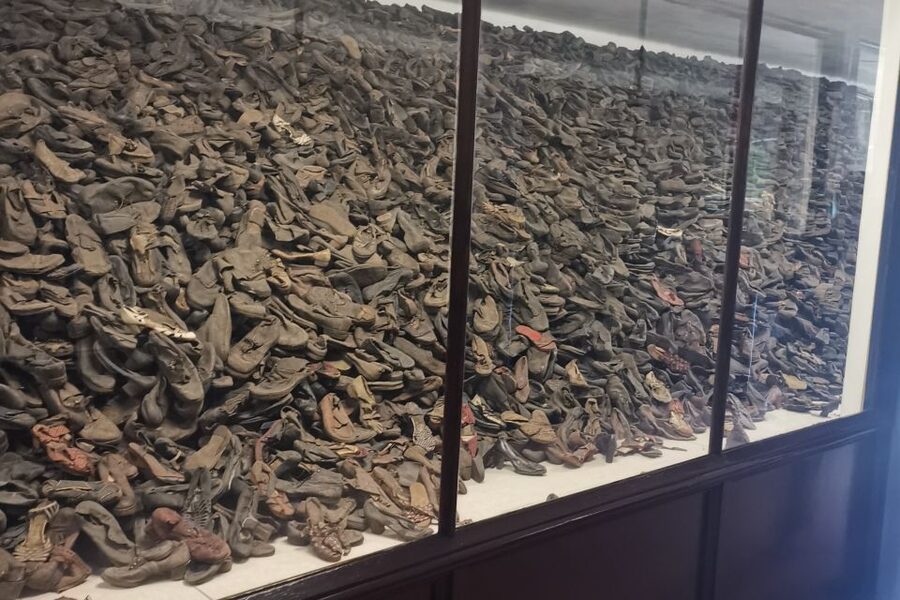
- Auschwitz I prisoner blocks with preserved personal items like shoes, suitcases, and glasses
- The Auschwitz gate wording you’ll see right at the entrance: Arbeit macht frei
- Birkenau’s gas chambers and crematoria plus memorial areas built around the complex
- Monowitz context: how day-to-day survival looked within the broader system
- Pickup coordination that feels organized, with WhatsApp details and a confirmation call before departure
Other guided visits to the Auschwitz-Birkenau Memorial
- From Krakow: Auschwitz-Birkenau Guided Tour & Hotel Pickup
★ 4.5 · 33,358 reviews - From Krakow: Auschwitz-Birkenau Guided Tour & Hotel Pickup
★ 4.5 · 29,340 reviews - Krakow: Auschwitz Guided Tour with Optional Hotel Pickup
★ 4.5 · 15,280 reviews
Why 7 hours from Krakow makes sense for Auschwitz-Birkenau
This is a long, focused day, designed to fit what you need to understand into a single visit: the history of the camp complex, what each main area was used for, and time for reflection. The route is direct, with pickup in Krakow and then a relatively short ride between Auschwitz and Birkenau. That matters because you don’t want your head spinning after hours of transit.
The biggest value here is the structure. You’re not left to guess what you’re looking at. The guided format helps you interpret what you’re seeing—especially in the prisoner blocks where the artifacts can feel like a wall of the past. And because the tour lasts about 7 hours, you get enough time to take it in without turning it into a marathon.
Getting to the camps: early start, private transport, and clear pickup info
You’ll begin with pickup in Krakow, then ride about 45 kilometers to the former main camp in Auschwitz. This tour uses private transportation, so you’re not mixing with random schedules the way you might with shared public options.
What really helps is how the pickup is handled. You’ll receive information about the vehicle in advance, and the exact departure time gets sent via WhatsApp by 6:30 pm the day before. On the day itself, the operator confirms who’s there and even follows up when someone is late. That’s a small thing until you’re standing outside in the morning cold, trying to figure out which group went where.
Also, starting early can make the entrance experience calmer. One booking noted that leaving around 6:00 am helped the group get in first and avoid a lot of waiting. You can’t control crowd flow at a site like this, but an early departure is usually your best friend.
Auschwitz I: from military barracks to an entry that stops you cold
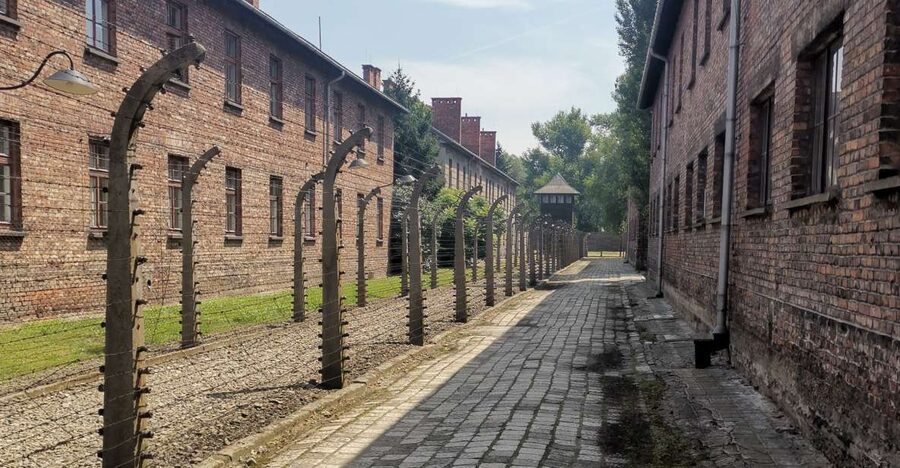
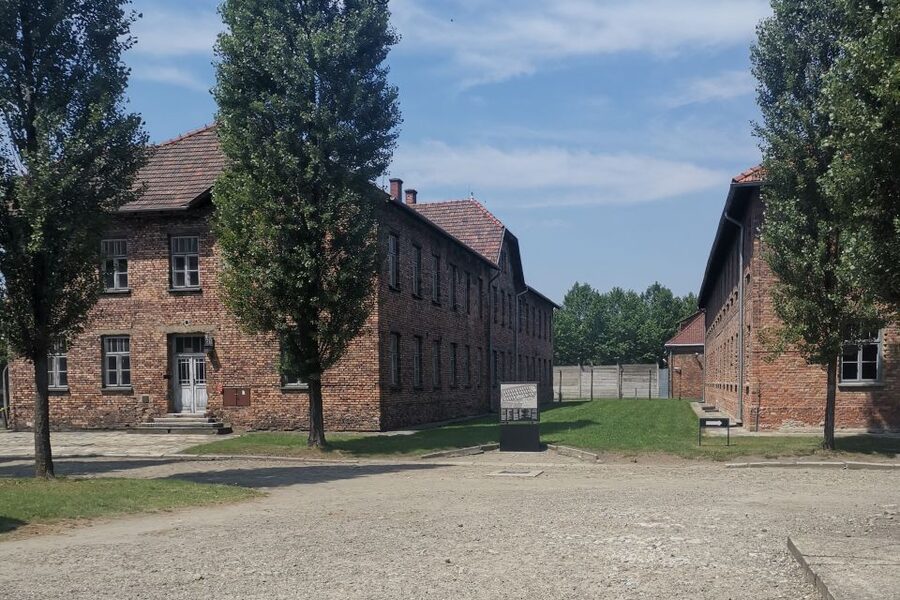
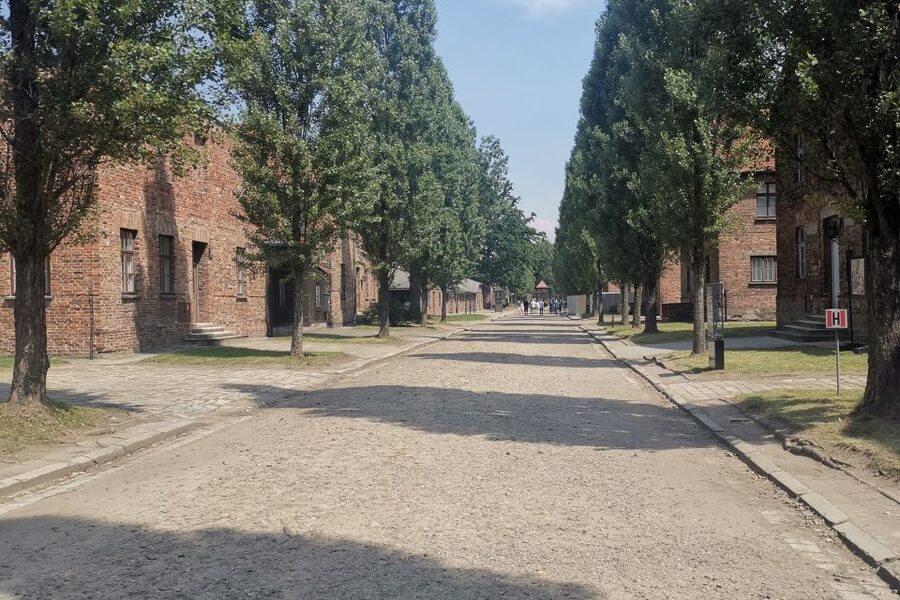
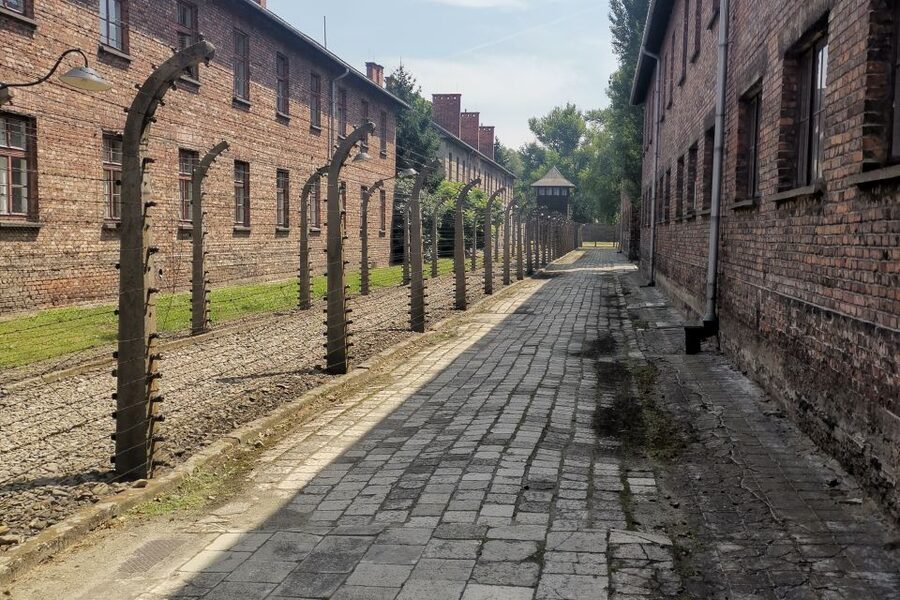
At Auschwitz, you’re taken to the former main camp area. The guide explains the origins and role of the camp complex, including how the camp began with use as barracks for the Polish military. That background is important because it changes the way you read the space—you’re not just looking at ruins. You’re watching the system form and harden.
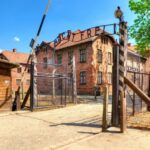
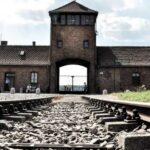
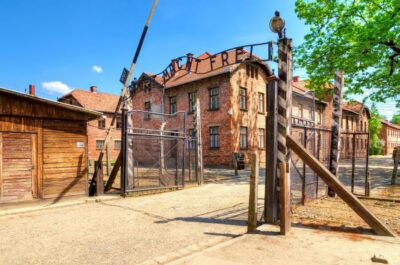
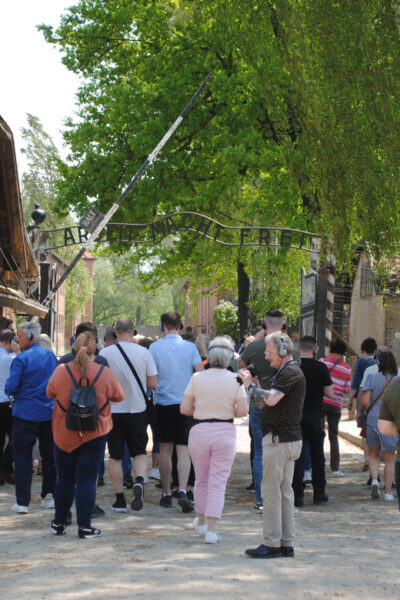
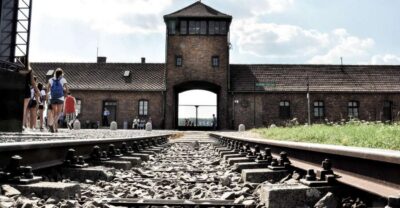
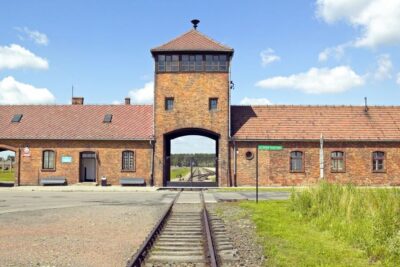
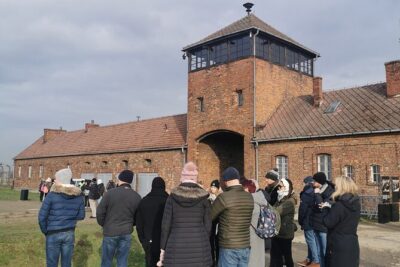
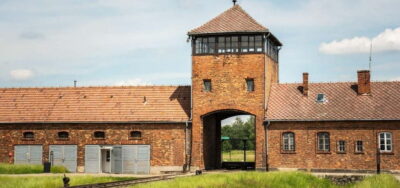
Then comes the part you can’t ignore: the entrance gate with Arbeit macht frei above it. Even if you’ve seen it online, seeing it in person has a different effect. It’s direct, physical, and it puts the rest of the visit in a darker context.
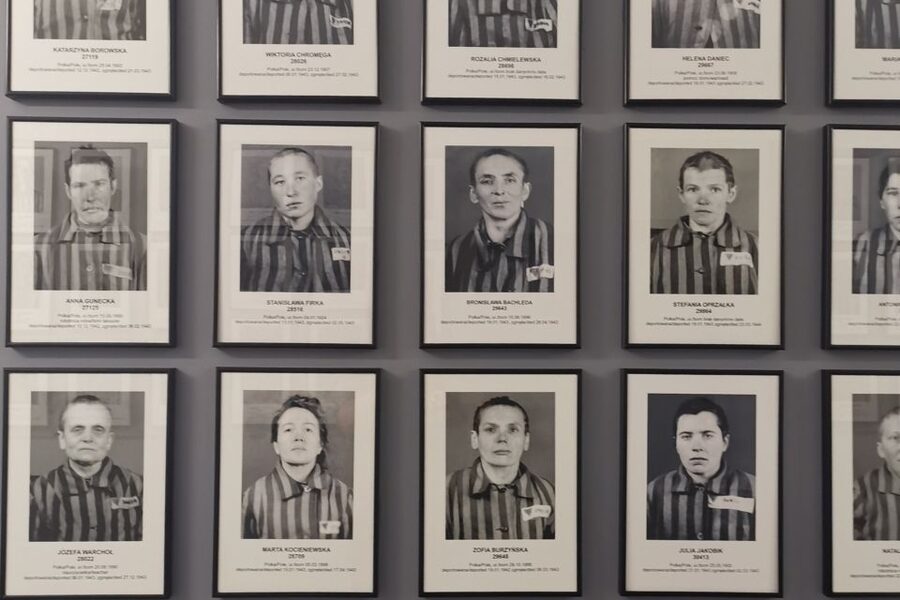
From there, you move into the prisoner blocks. This is where the tour’s guidance really pays off. Without context, you might just register items as objects. With context, you’re meant to connect those objects to human routines, human losses, and human choices that were forced under impossible conditions.
A few more Krakow trips worth putting on the shortlist
- Krakow: Auschwitz-Birkenau Guided Tour with Pickup & Lunch★ 4.5 · 9,800 reviews
- Krakow: Auschwitz-Birkenau Guided Tour Pickup/Lunch Options★ 4.5 · 9,057 reviews
- Krakow: Auschwitz-Birkenau and Salt Mine Guided Tour★ 4.7 · 9,020 reviews
- Krakow to Auschwitz Birkenau Guided Tour with Transfer and Ticket★ 5.0 · 8,197 reviews
Inside the prisoner blocks: the everyday items that turn history personal
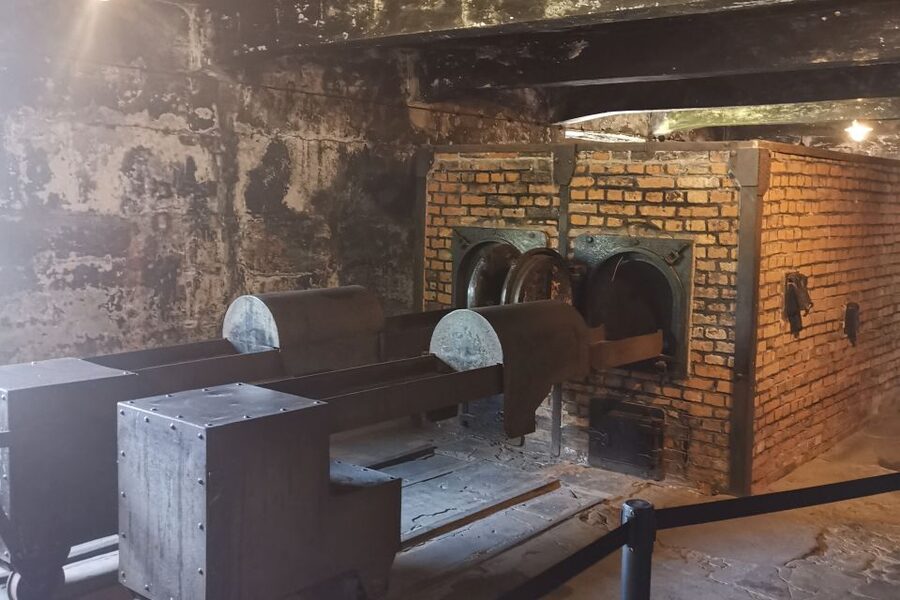
The Auschwitz prisoner blocks now house artifacts and belongings left behind as people entered the camp. You’ll see items like shoes, suitcases, and glasses, along with other personal effects. These aren’t abstract reminders. They’re the kind of objects you’d recognize from real life—things tied to getting dressed, working, traveling, surviving the day.
This is also where you’ll want to take your time. The guide helps frame what you’re looking at and why the camp kept and displayed these traces. The point isn’t shock for shock’s sake. It’s recognition: what’s left behind tells you what was taken, what was stripped away, and what it means to be reduced to possessions.
A good tour doesn’t rush you past this. Instead, it builds pacing so you can absorb the scale and still keep your bearings. Even with guidance, you’ll likely feel your thoughts changing as you go from one room to the next. That’s not a failure to understand. It’s the site doing what sites like this do.
Birkenau: gas chambers, crematoria, and a memorial walk that asks you to slow down
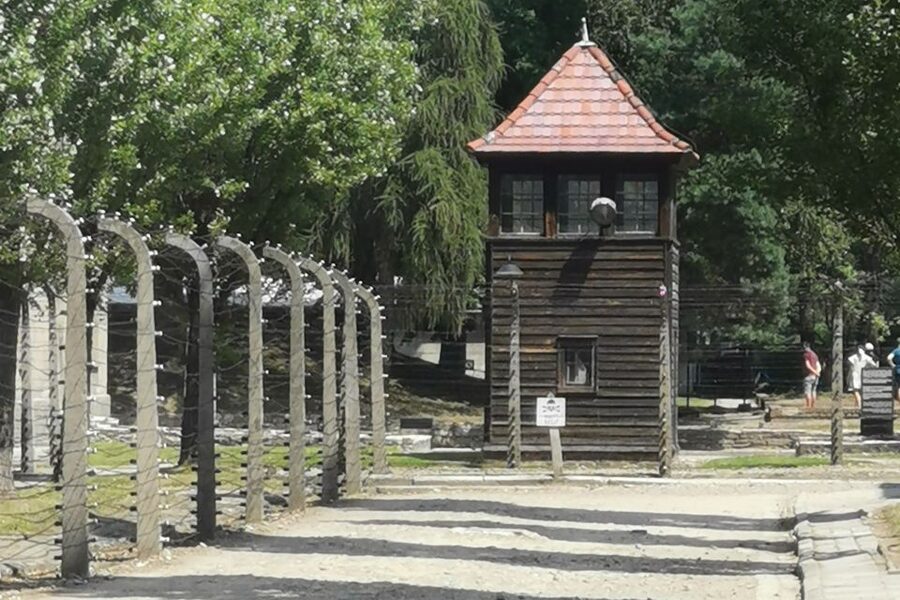
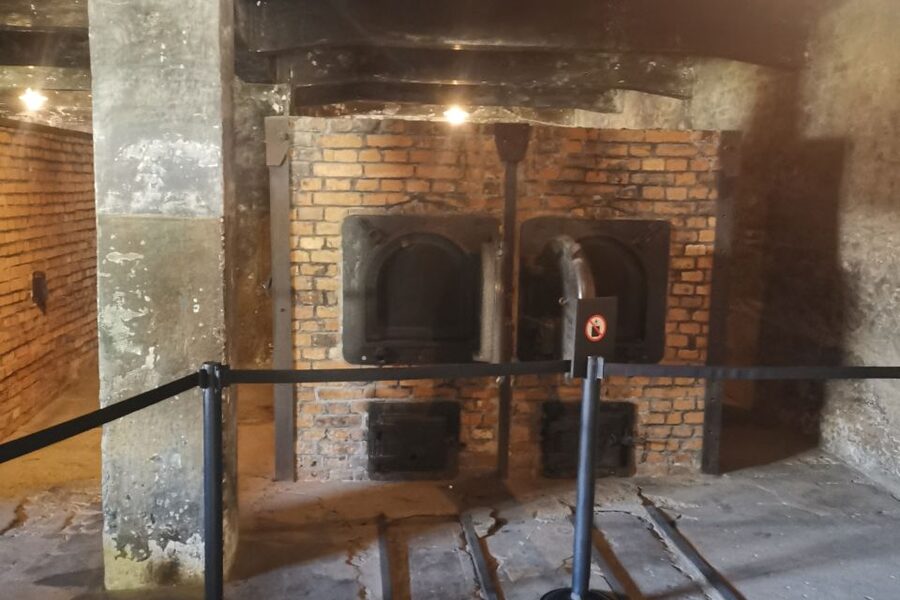
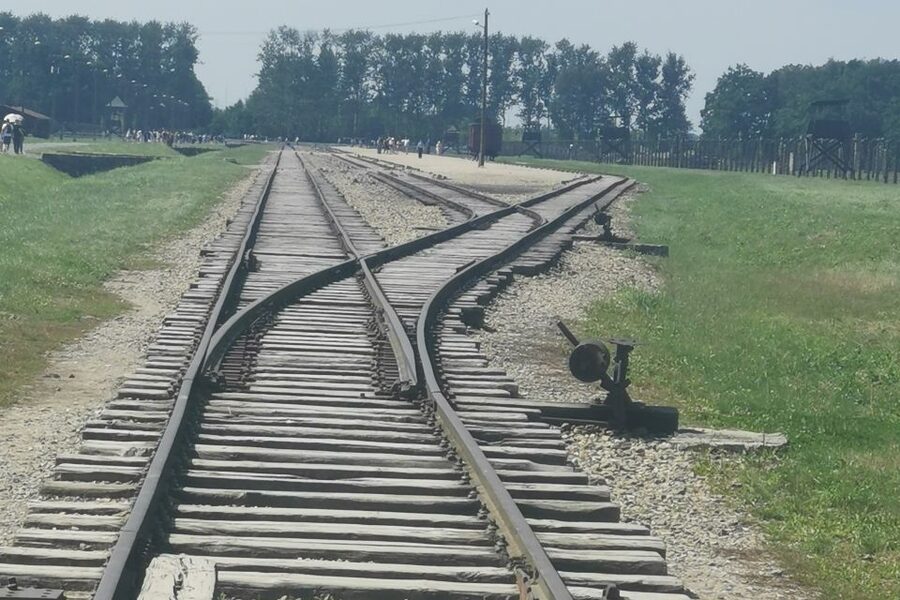
After Auschwitz, you’ll travel a short distance to Birkenau, the other key part of the complex. Here, the tour focuses on the places tied to the camp’s most brutal machinery: gas chambers and crematoria.
It’s heavy, and it’s not meant to be “touristy.” This is why the itinerary includes reflection. You’ll make your way through memorials built around the complex, and the guide encourages you to keep the victims in mind as you move through the grounds.
What makes Birkenau especially difficult is the open space. The main Auschwitz area can feel like a set of built structures you can organize in your head. Birkenau is wider, more exposed, and often harder to process quickly. That’s why the memorial walk matters. It gives you a chance to stop treating the site like a checklist and start treating it like a place of remembrance.
If you’re the kind of person who struggles with long, quiet spaces, consider wearing something comfortable enough that you can focus on the walk—not on your feet. You’ll do a lot of it.
Monowitz context: understanding day-to-day survival within the larger system
One highlight of this tour is the insight it gives about day-to-day survival at Monowitz. Even if you’re not expecting to see Monowitz as a separate stop on the map, the guide’s explanation helps you understand that Auschwitz-Birkenau wasn’t one static thing. It was a system with different areas serving different functions.
Monowitz is the place where the story shifts from camp entry and preserved artifacts to the grind of living under control. The guide’s job here is to help you understand what survival looked like in daily terms—what people faced, what routine became, and how survival was shaped by the system itself.
This matters for your worldview. It doesn’t just leave you with a sense of horror. It also shows you how ordinary life was broken apart and replaced with forced schedules. You come away with a sharper understanding of how persecution operated not only through dramatic events, but through grinding control every day.
What’s included (and what you’ll need to handle yourself)
Here’s the practical breakdown:
Included:
- Entry tickets
- Private transportation
- Guided tour
- On-site assistance
Not included:
- Food and drinks
The “no food/drinks” part is the main thing to plan. The tour is about 7 hours total, and the visit takes time. Even if you’re emotionally prepared, your body still needs energy. Bring a practical pre-visit plan (or eat before you go) so you’re not scrambling or tempted to skip meals later.
Also watch the rules. You must bring passport or an ID card and wear comfortable shoes. Large bags are not allowed, and there’s no oversize luggage. That means you should travel light. The tour also bans smoking, flash photography, and alcohol/drugs. Pets aren’t allowed either (assistance dogs are the exception).
Rules and pacing: how to have a smoother day at a site with no flexibility
A site like Auschwitz-Birkenau doesn’t run on your schedule. Opening hours can change, and you’ll want to treat that as part of the real-world plan.
The tour itself is built around clear timing. If you’re worried about being late, don’t wing it. Use the WhatsApp message the day before, confirm the pickup time, and get there early. One booking praised how the operator called and waited when someone was late, but the best outcome is always: don’t test that.
For photos, remember: no flash photography. You can still take pictures where allowed, but plan on using your normal camera settings. And for clothing, consider the weather—especially if you’re visiting in winter cold.
Price and value: is $83 a good deal for this Auschwitz-Birkenau day trip?
At $83 per person, the value comes less from a bargain and more from what you’re buying: guided interpretation plus the major logistical headache removed.
You get entry tickets, private transportation, and a live guide (plus an optional Italian audio guide). In other words, your money isn’t paying for transport alone. It’s paying for someone to help you understand what you’re seeing as you move between Auschwitz and Birkenau.
Could you do it cheaper independently? Possibly, depending on transport and ticket planning. But this day trip saves time and mental effort, and that matters on a day that’s already emotionally intense. When you’re walking through prisoner blocks full of personal artifacts, you don’t want your attention split between directions and explanations.
For a guided, structured visit with private transport, $83 feels reasonable—especially if you count the cost of tickets and the stress you avoid.
Who this tour is for, and who might want to rethink it
This tour is a strong fit if you want:
- a guided explanation in Italian
- a structured day with enough time to visit Auschwitz and Birkenau
- help understanding the camps’ origins and roles, plus Monowitz context
- less planning than DIY transport from Krakow
It might be less ideal if you:
- want to control the schedule minute by minute (this is a fixed guided format)
- expect a casual, light day (this is heavy history)
- prefer food included on trips (you’ll need to plan it yourself)
And if Italian is a deal-breaker, check whether the optional audio guide is workable for you. The provided details say the live tour guide is Italian, with an optional audio guide also in Italian.
Should you book this Auschwitz-Birkenau day trip from Krakow?
If you’re weighing whether to go with a guided day trip, I’d say yes—assuming you can handle a serious, reflective day and you’re willing to plan food. The combination of guided context, entry tickets, and private transportation makes it one of the more practical ways to do Auschwitz-Birkenau without turning the day into logistics.
Book it if you want your questions answered while you’re in front of the evidence, not after you’ve already walked away. Skip it only if you strongly dislike group pacing or you’re not ready for the emotional weight of what you’ll see.
If you do book, your best preparation is simple: travel light for bag restrictions, wear comfortable shoes, and plan a meal so your day doesn’t get derailed by hunger.
FAQ
What language is the live guide?
The live tour guide is Italian. There’s also an optional audio guide in Italian.
How long is the Auschwitz-Birkenau day trip from Krakow?
The duration is about 7 hours.
Is pickup from Krakow included?
Yes, pickup is included. You’ll receive a photo of the vehicle picking you up the day before the tour, and the exact departure time is sent via WhatsApp by 6:30 pm one day before.
What’s included in the price?
The price includes entry tickets, private transportation, a guided tour, and on-site assistance.
Are food and drinks included?
No. Food and drinks are not included.
What should I bring?
Bring your passport or ID card and wear comfortable shoes.
Are large bags or oversize luggage allowed?
No. Oversize luggage and luggage/large bags are not allowed.
Can I smoke or use flash photography?
Smoking isn’t allowed, and flash photography is not allowed.
Is there free cancellation?
Yes. You can cancel up to 24 hours in advance for a full refund.
More Guided in Krakow
More Tour Reviews in Krakow
Visiting the Auschwitz-Birkenau Memorial
Just added: fresh Krakow reviews
Auschwitz-Birkenau Memorial Tours, compared.
 ★ 4.5Auschwitz-Birkenau Guided Tour & Hotel PickupFrom $2133,358 reviews
★ 4.5Auschwitz-Birkenau Guided Tour & Hotel PickupFrom $2129,340 reviews
★ 4.5Auschwitz-Birkenau Guided Tour & Hotel PickupFrom $2133,358 reviews
★ 4.5Auschwitz-Birkenau Guided Tour & Hotel PickupFrom $2129,340 reviews
 ★ 4.5Auschwitz Guided Tour with Optional Hotel PickupFrom $6915,280 reviews
 ★ 4.5Auschwitz-Birkenau Guided Tour with Pickup & LunchFrom $219,800 reviews
 ★ 4.5Auschwitz-Birkenau Guided Tour Pickup/Lunch OptionsFrom $2009,057 reviews
 ★ 4.7Auschwitz-Birkenau and Salt Mine Guided TourFrom $549,020 reviews
 ★ 5.0Krakow to Auschwitz Birkenau Guided Tour with Transfer and TicketFrom $368,197 reviews
 ★ 4.0Auschwitz Birkenau Tour with TransferFrom $216,134 reviews
Browse the lists this tour appears in