
REVIEW · AUSCHWITZ-BIRKENAU MEMORIAL TOURS
From Krakow: Auschwitz-Birkenau Guided Tour, Several Options
This day hits hard, fast. I love the way headsets keep the story clear as you enter Auschwitz I through the Arbeit macht frei gate, and I love the small-group pacing that helps you actually look. The main drawback is that the experience is emotionally heavy and logistically tight—there’s not much time to linger or eat.
The round-trip ride from Krakow is straightforward: multiple pickup options, an air-conditioned vehicle, and about 1.5 hours to get to the museum. Do note that some pickup points may be adjusted if your hotel sits in a restricted or renovation area.
You’ll move from Auschwitz I to Auschwitz II-Birkenau quickly, with a short break in between. And you’ll need your passport or ID—airport-style security checks happen before entry, and no ID means no admission.
Key highlights at a glance
- Auschwitz I gate + focused circuit: You’ll see the main entrance and key areas inside the original camp layout
- Headset support in Auschwitz I: Your group can hear the live English guide clearly during the first site
- Short, timed transfer to Birkenau: The day flows with a brief break and then a quick ride
- Birkenau overview of daily life and deportation systems: You’ll walk the parts of Auschwitz II covered by the guided route
- Real-world pacing: It’s a long day (about 7–8 hours) with walking, standing, and limited meal time
In This Review
- Auschwitz-Birkenau From Krakow: A 7–8 Hour Day You’ll Remember
- The Pickup Plan: Multiple Krakow Stops, Then Straight to Auschwitz
- Auschwitz I: Arbeit Macht Frei and the Original Camp Walk
- Quick Reset, Then Off to Birkenau
- Birkenau (Auschwitz II): Where Scale Hits Hardest
- What This Tour Actually Feels Like: A Respectful Pace, Not a Wandering Day
- Price and Value: How $27 Makes Sense (and When It Doesn’t)
- Bring These Basics: ID, Shoes, Food, and Weather
- Your Guide Makes the Difference: Communication, Tone, and Clarity
- Who Should Book This Auschwitz-Birkenau Tour From Krakow?
- Should You Book This Tour?
- FAQ
- How long is the Auschwitz-Birkenau tour from Krakow?
- What’s included in the price?
- Do I need a passport or ID?
- Is lunch included?
- Is the tour wheelchair accessible?
- What languages are available for the live guide?
Auschwitz-Birkenau From Krakow: A 7–8 Hour Day You’ll Remember
This isn’t the kind of tour where you want to rush. At the same time, Auschwitz isn’t a museum you can wander casually either. What you’re buying with this Krakow day trip is structure: transportation, timed entry, and a licensed guide who keeps the story coherent across two different camp areas.
I especially like the flow. You don’t waste time negotiating transfers. You get on the coach, arrive with your group, and get straight into Auschwitz I. Then you shift to Birkenau with a clear transition and a guided route that fits the museum’s scheduling.
One more thing I appreciate: the tour isn’t pretending you’ll see everything. The camps are massive. You’re seeing the most meaningful parts included in the circuit—enough to understand how Auschwitz worked and why the scale is so hard to grasp.
Other guided visits to the Auschwitz-Birkenau Memorial
- From Krakow: Auschwitz-Birkenau Guided Tour & Hotel Pickup
★ 4.5 · 33,358 reviews - From Krakow: Auschwitz-Birkenau Guided Tour & Hotel Pickup
★ 4.5 · 29,340 reviews - Krakow: Auschwitz Guided Tour with Optional Hotel Pickup
★ 4.5 · 15,280 reviews
The Pickup Plan: Multiple Krakow Stops, Then Straight to Auschwitz
From Krakow, the day starts with pickup at several centrally listed locations (like Józefa Dietla 91 and Pawia 18a). The goal is simple: meet up fast, reduce hassle, and get you heading out.
You should plan for the real-life version of “hotel pickup,” too. Some hotels are in restricted or renovation zones. If that’s the case, you’ll be told where to meet instead—usually a nearby accessible point. That’s not a deal-breaker, but it’s worth treating as part of the experience.
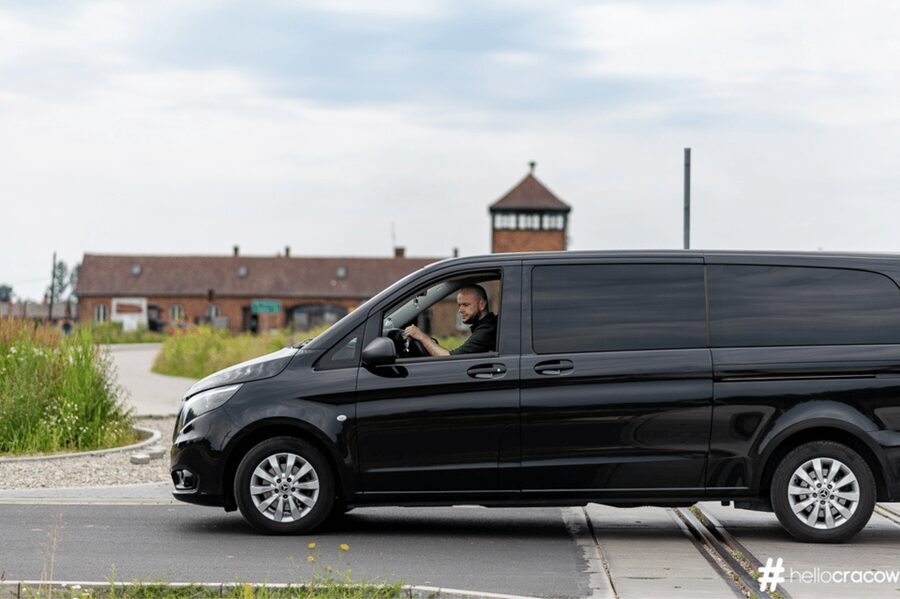
Once everyone’s aboard, you’re looking at about a 1.5-hour coach ride to the museum. Bring a layer. Even when it’s not freezing, coaches can feel cool, and you’ll want to be comfortable once you’re outside.
Auschwitz I: Arbeit Macht Frei and the Original Camp Walk
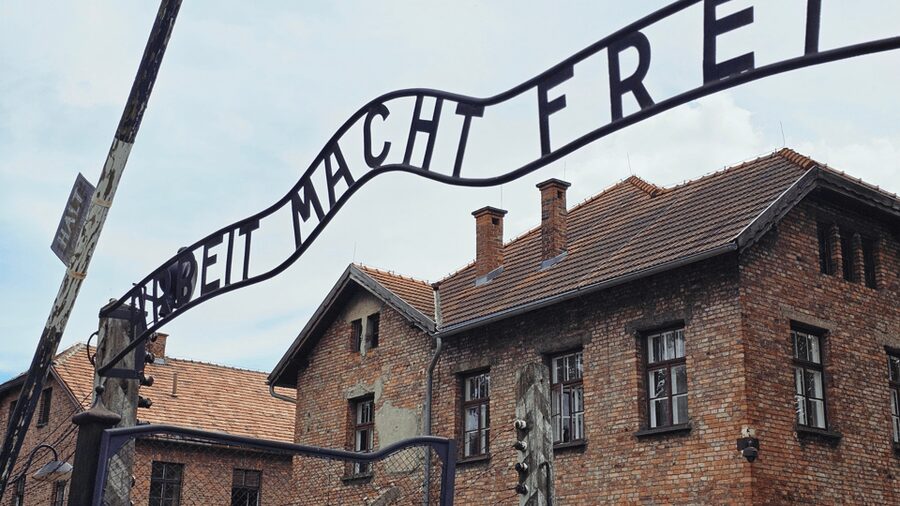
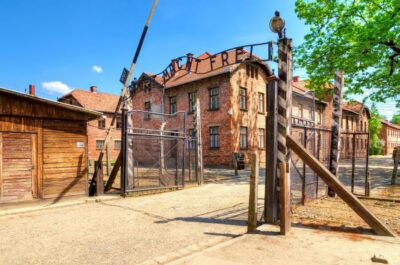
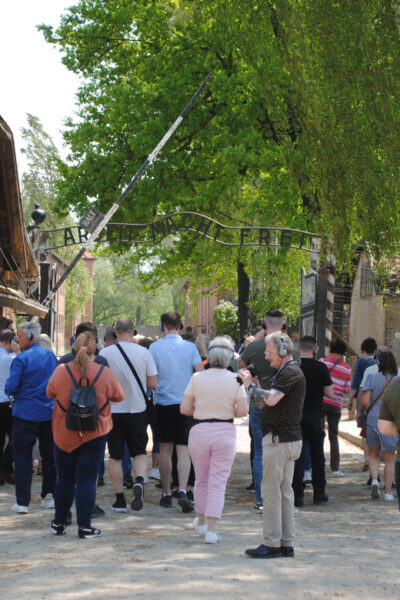
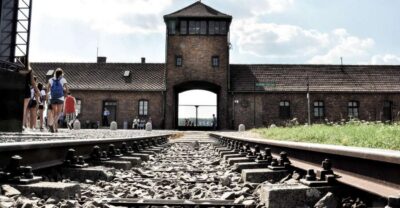
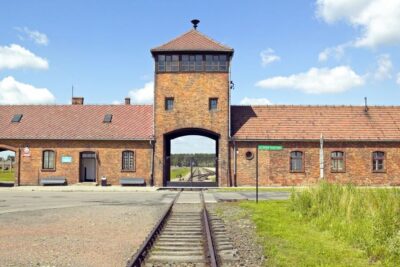
Auschwitz I is where the story locks into place. The tour enters the memorial through the main gate, Arbeit macht frei. That single landmark sets a chilling tone: this was built to function like an instrument of control, not just a place of suffering.
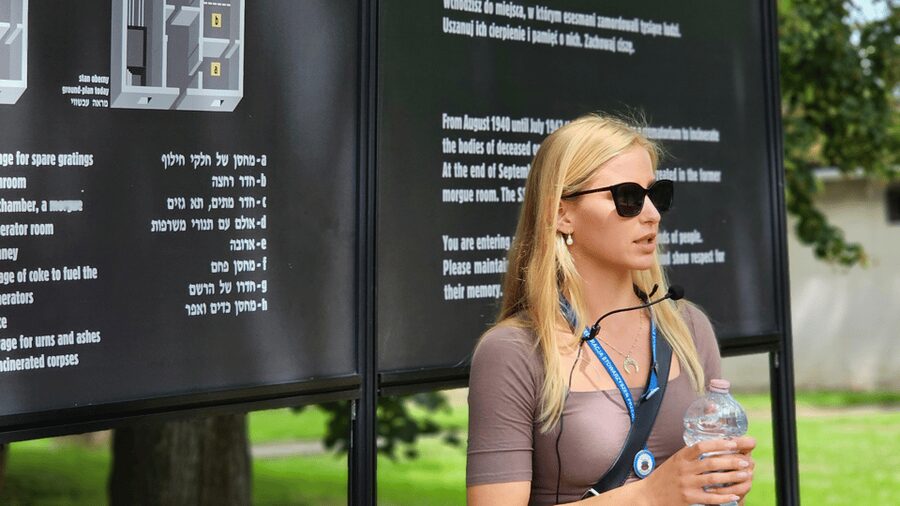
Here’s one practical advantage: your first camp segment includes headsets so you can hear the live English guide clearly. That matters because the pacing is fixed by the site and you don’t want to keep straining to understand details.
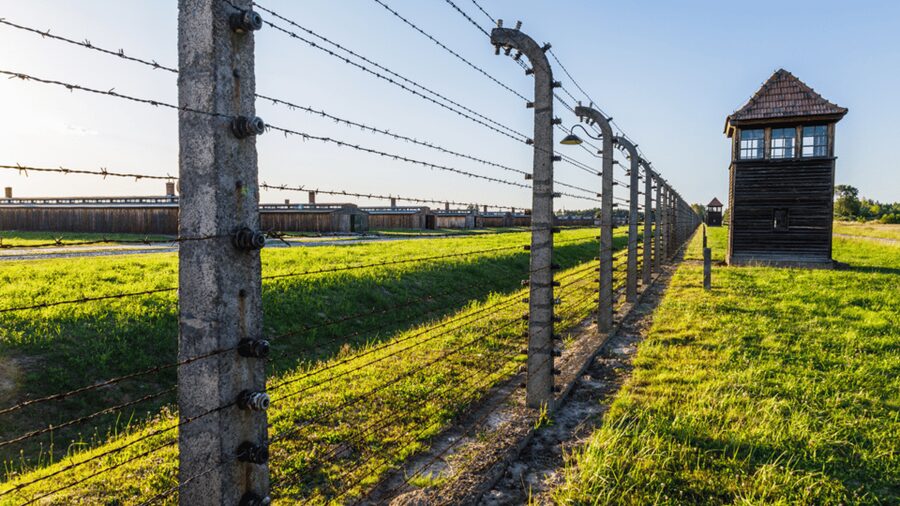
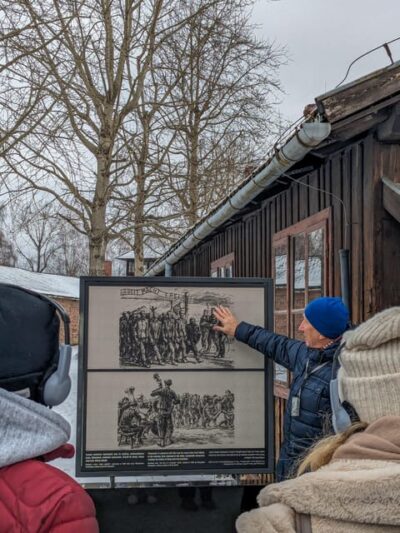
The guided walk in Auschwitz I is about 2 hours. You’ll see original barracks and key elements of the camp’s physical setup—fortified walls, barbed-wire fencing, and areas connected to the camp’s system of killing, including gas chambers as part of the interpretive route. The point isn’t shock for shock’s sake. It’s to help you connect what you’re seeing to how the machinery of persecution worked.
You should also know the emotional tone here is intentionally measured. This is why the guide’s role matters. One guide might emphasize specific personal stories of those imprisoned, while another might focus on how the camp operated day to day. Either way, the goal is the same: give you facts without turning the place into a spectacle.
A heads-up from the on-the-ground style of past groups: some guides—names that have been mentioned include Patricia, Anna, and Kamil—are praised for maintaining a calm, respectful tone while still making the history land.
Quick Reset, Then Off to Birkenau
After Auschwitz I, you get a short break—about 10 minutes on the schedule, and the day is often described as a brief stop around the 10–15 minute range. Use it for the basics: water, bathroom, and a quick snack if you brought one. Don’t assume you’ll have time for a proper lunch.
Then it’s a simple transfer. Birkenau (Auschwitz II) is only a short drive away—about 3 minutes. That close distance is part of what makes the whole system feel horrifyingly deliberate. The camps weren’t isolated from each other. They were linked, with one purpose feeding into the next.
Your guide continues the story with the transition to Auschwitz II: prisoner experiences, living conditions, and the deportation machinery that brought people into the camp system.
A few more Krakow trips worth putting on the shortlist
- Krakow: Auschwitz-Birkenau Guided Tour with Pickup & Lunch★ 4.5 · 9,800 reviews
- Krakow: Auschwitz-Birkenau Guided Tour Pickup/Lunch Options★ 4.5 · 9,057 reviews
- Krakow: Auschwitz-Birkenau and Salt Mine Guided Tour★ 4.7 · 9,020 reviews
- Krakow to Auschwitz Birkenau Guided Tour with Transfer and Ticket★ 5.0 · 8,197 reviews
Birkenau (Auschwitz II): Where Scale Hits Hardest
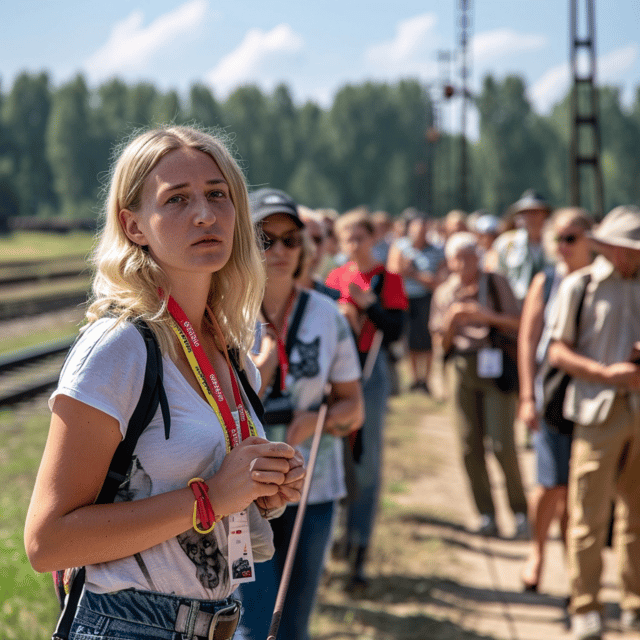
Birkenau is where the sheer scope becomes impossible to ignore. Even if you’ve seen photos, nothing matches standing in the area and understanding how many people were processed and confined there.
The guided Birkenau segment lasts about 1 hour. That’s not a lot of time for such a massive site, which is exactly why a guided route helps. The guide points you to the most important areas included in the circuit, instead of leaving you to guess where the story is best told on your own.
This is also where you’ll hear about liberation in 1945 and why remembering matters. The tour isn’t just a historical walkthrough. It’s built around meaning—how this happened, how survivors and liberators changed the world’s awareness, and why it must not fade from view.
If you want a specific type of guiding style to look for in this kind of experience, you’ll likely appreciate guides described as careful and compassionate in how they deliver the information. Names that have come up include Szymon and Micheal, highlighted for delivering the facts with care rather than theatrics.
What This Tour Actually Feels Like: A Respectful Pace, Not a Wandering Day
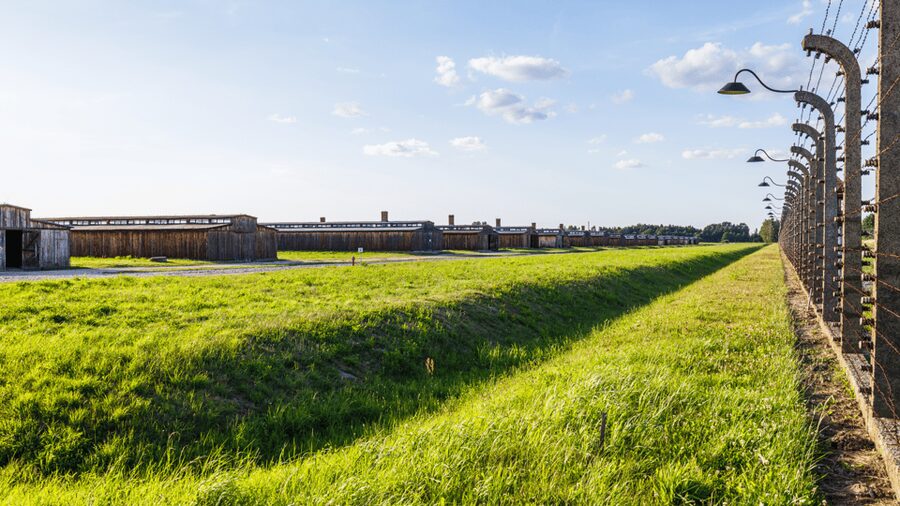
You’re on a timeline. That’s true of Auschwitz tours everywhere, but this one is especially clear about how it runs: you get timed entry, guided circuits, and a structured day that fits transportation back to Krakow.
It’s also a walking day. Some parts are outdoors, and you should plan for uneven ground and long periods on your feet. Comfortable shoes aren’t optional. If you show up in anything restrictive, you’ll feel it by the time you reach Birkenau.
The “small group” component helps. Groups are limited—either up to 30 or smaller options limited to 15. Smaller groups typically mean fewer voices competing, better movement through security and entrances, and a better chance your guide can keep the group aligned.
That matters because individual pacing isn’t part of this format. This tour is guided, so you follow the route and the timing.
Price and Value: How $27 Makes Sense (and When It Doesn’t)
At about $27 per person, the pricing is surprisingly accessible for a day that includes:
- round-trip transportation from Krakow in an air-conditioned vehicle
- entry fees for both Auschwitz I and Auschwitz II Birkenau
- a licensed local guide
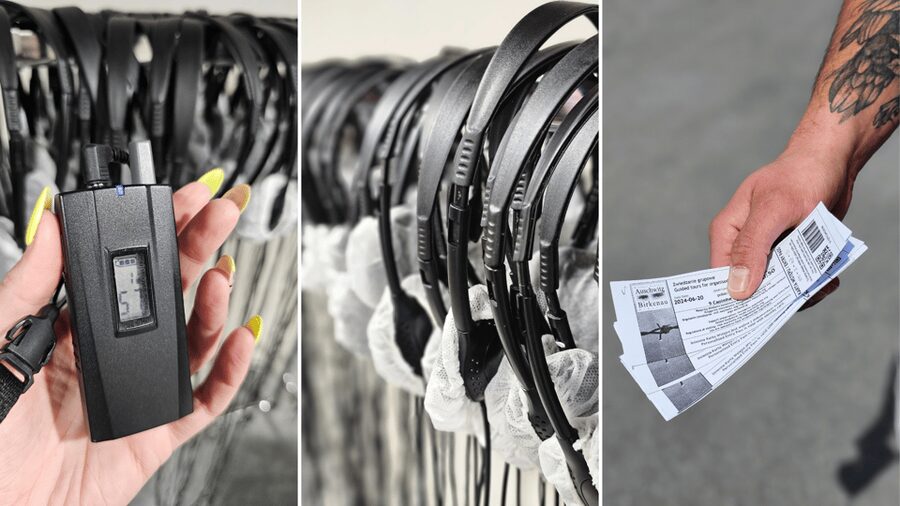
- headset support during the first camp visit
- a limited group experience (where that option is selected)
Where value really shows is that you’re not juggling ticket lines or assembling transfers yourself. Auschwitz day trips can turn into admin-heavy chaos if you’re not careful. Here, the logistics are handled so you can focus on the sites.
When the value might feel lower is if you end up needing to purchase extra food because you didn’t plan. The tour doesn’t include meals, and there’s no time for a full lunch. The best “value move” is packing a simple packed lunch so you’re not stressed later.
Also consider language fit. English is offered, plus other options (Italian, French, Dutch). If you don’t speak English well, make sure you select the language that gives you the clearest understanding.
Bring These Basics: ID, Shoes, Food, and Weather
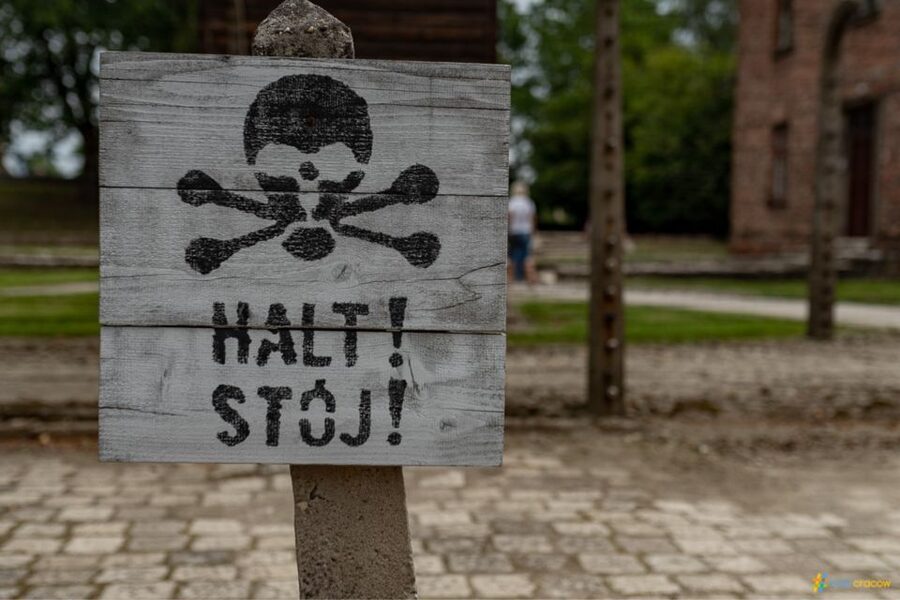
This tour has clear rules, and most are common-sense for a memorial site. Here’s what you should take seriously so your day doesn’t get interrupted.
- Passport or ID is mandatory. Full names must match your booking exactly as on your document. Airport-style security checks happen before entry. If you show up without ID, you simply won’t be admitted.
- Comfortable walking shoes. You’ll do a lot of standing and walking across both sites.
- Food. Lunch isn’t included and on-site food facilities aren’t part of the plan. Pack something you can eat quickly in a short break.
- Weather clothing + water. Up to 70% of the day is outdoors, so dress for cold or wet conditions if needed.
For clothing and rules, keep it respectful and simple:
- no short skirts or sleeveless shirts
- no smoking
- no large bags or luggage
- pets aren’t allowed
Photography is allowed in many areas, but not everywhere. Follow the marked restrictions, and no flash inside buildings.
Your Guide Makes the Difference: Communication, Tone, and Clarity
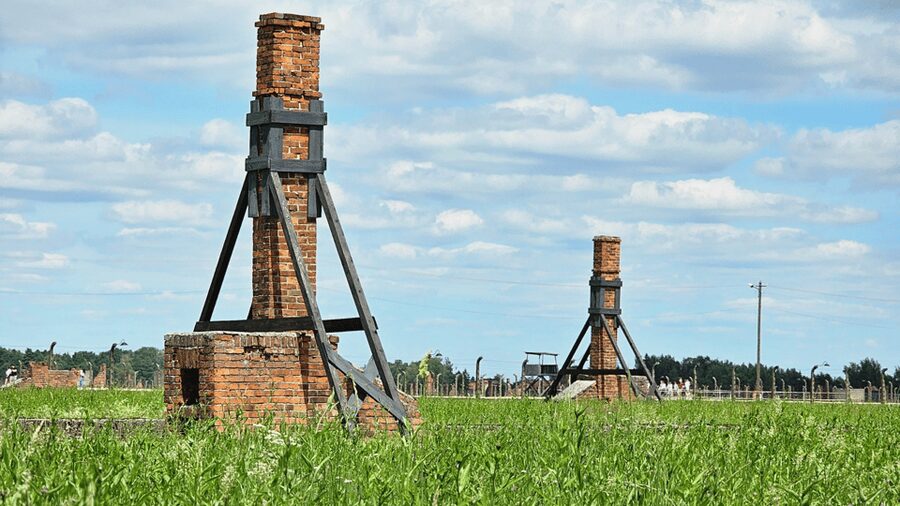
This kind of tour lives or dies on how the story is delivered. The best guiding isn’t loud or showy. It’s organized, factual, and sensitive—so you can listen without feeling like you’re being pushed past your own limits.
You’ll hear about guides who are praised for professionalism and calm explanation, including people named Patricia, Philip, Richard, Anna, Martha, Artur, Kamil, and Szymon. There’s a common theme in how these guides are described: they keep the pace workable, explain what you’re seeing, and maintain a respectful tone.
One small caution: accents and clarity can matter when you’re wearing a headset sometimes, and not always. You might find it easier in the first camp if the headset coverage is in place, and harder if you’re outside that segment. If you’re sensitive to audio clarity, try to sit where your group can hear best.
Who Should Book This Auschwitz-Birkenau Tour From Krakow?
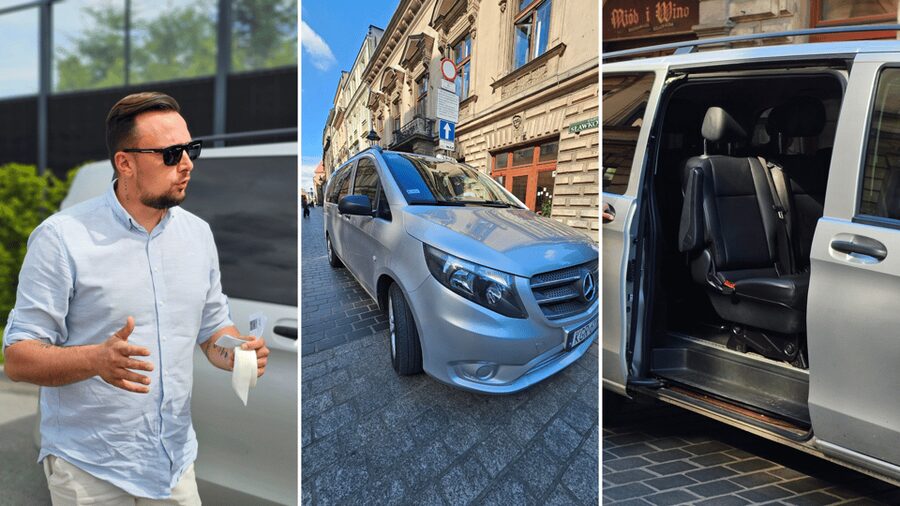
This is a strong fit if you:
- want a guided, structured Auschwitz day without the hassle of planning transportation
- prefer a small-group experience with timed entry and a licensed local guide
- can handle emotional material with a respectful, attentive mindset
It’s not a good fit if you:
- need wheelchair access (the tour isn’t wheelchair accessible)
- want a flexible, self-paced tour where you can stop and linger for as long as you want
- dislike long walking days
The recommended age mentioned is 13+, and children must be with an adult. That’s helpful if you’re planning a family visit and want expectations set early.
Should You Book This Tour?
Yes—if you want a well-organized Auschwitz day that reduces the admin and maximizes your time with a guided route. The biggest reason to book is the built-in structure: transportation from Krakow, entry fees included, and headset support in Auschwitz I.
If you’re unsure, make the decision based on one simple test: can you handle a heavy, fast-paced day with lots of walking and short breaks? If that sounds manageable, you’ll likely feel grateful you chose a tour format that keeps you oriented and supported.
Just show up prepared: ID in hand, good shoes on your feet, and a packed lunch ready.
FAQ
How long is the Auschwitz-Birkenau tour from Krakow?
The tour runs about 7–8 hours, including the round-trip coach ride, guided time at Auschwitz I and Auschwitz II-Birkenau, and a short break between the two sites.
What’s included in the price?
It includes round-trip transportation from Krakow, entry fees for Auschwitz I and Auschwitz II Birkenau, a licensed local guide, headset support in the first camp segment, and professional assistance if any issue comes up. It also includes hotel pickup and drop-off depending on the selected option.
Do I need a passport or ID?
Yes. Passport or ID card is mandatory, and full names must match your booking exactly as on your document. Airport-style security checks happen before entry.
Is lunch included?
No. Food is not included, and there’s no time for a full meal on-site. Bring a packed lunch or snack for the short break.
Is the tour wheelchair accessible?
No. The tour is not wheelchair accessible.
What languages are available for the live guide?
The live guide is available in English, Italian, French, and Dutch.
More Tours in Krakow
More Tour Reviews in Krakow
Visiting the Auschwitz-Birkenau Memorial
Just added: fresh Krakow reviews
Auschwitz-Birkenau Memorial Tours, compared.
 ★ 4.5Auschwitz-Birkenau Guided Tour & Hotel PickupFrom $2133,358 reviews
★ 4.5Auschwitz-Birkenau Guided Tour & Hotel PickupFrom $2129,340 reviews
★ 4.5Auschwitz-Birkenau Guided Tour & Hotel PickupFrom $2133,358 reviews
★ 4.5Auschwitz-Birkenau Guided Tour & Hotel PickupFrom $2129,340 reviews
 ★ 4.5Auschwitz Guided Tour with Optional Hotel PickupFrom $6915,280 reviews
 ★ 4.5Auschwitz-Birkenau Guided Tour with Pickup & LunchFrom $219,800 reviews
 ★ 4.5Auschwitz-Birkenau Guided Tour Pickup/Lunch OptionsFrom $2009,057 reviews
 ★ 4.7Auschwitz-Birkenau and Salt Mine Guided TourFrom $549,020 reviews
 ★ 5.0Krakow to Auschwitz Birkenau Guided Tour with Transfer and TicketFrom $368,197 reviews
 ★ 4.0Auschwitz Birkenau Tour with TransferFrom $216,134 reviews
Browse the lists this tour appears in