
REVIEW · AUSCHWITZ-BIRKENAU MEMORIAL TOURS
From Krakow: Auschwitz-Birkenau Trip with Transport
One day, two camps, no shortcuts. This trip is interesting because it pairs air-conditioned Krakow transport with an English-speaking guide, plus a documentary on the way, so you spend less time wrestling logistics and more time understanding what happened. I love the headset-guided visit at Auschwitz I (so you can actually follow the story), and I love that the day is structured as two distinct experiences: Auschwitz I first, then the larger Birkenau. The big drawback to consider is ticketing: museum entry tickets aren’t included, and the guided start can be delayed by lines or later time slots.
You’ll be picked up at the Radisson Blu Hotel in Krakow and brought back to the same spot. The group is capped at 35, and the full day typically runs about 7 to 10 hours depending on museum flow and your specific entry time.
In This Review
- Key things to know before you go
- Krakow-to-Auschwitz transport: what it saves (and what it costs you)
- The ticket setup: why “no skip-the-line” can turn into hours
- Auschwitz I: walking in through the gate and hearing the story clearly
- Birkenau (Auschwitz II): the larger camp and the narrative you don’t want to miss
- The English guide experience: where it helps most
- Comfort on a long day: plan like it’s a marathon
- Price and value: what you’re really paying for
- Who this Auschwitz-Birkenau trip suits best
- A realistic way to manage expectations (so the day doesn’t feel wasted)
- Should you book this KrakowDirect Auschwitz trip?
- FAQ
- How long is the Auschwitz-Birkenau trip from Krakow?
- Where is the meeting point in Krakow?
- Do I need to pay for Auschwitz-Birkenau tickets separately?
- How much are the museum entrance tickets?
- Is the tour guided in English?
- Do I need to bring my passport or ID?
- Is there a headset for the guide during the Auschwitz I visit?
- How large is the group?
- Is food included?
- What if the tour is canceled due to weather or I need to cancel?
Key things to know before you go
- Round-trip convenience from one Krakow meeting point keeps the day simple
- English-speaking guidance across both Auschwitz I and Auschwitz II-Birkenau
- Onboard documentary helps set the context before you enter the memorial sites
- Tickets are extra (PLN130 per person), and you’ll still line up on-site
- Personal ID is required because your details must be confirmed at the museum entrance
Other guided visits to the Auschwitz-Birkenau Memorial
- From Krakow: Auschwitz-Birkenau Guided Tour & Hotel Pickup
★ 4.5 · 33,358 reviews - From Krakow: Auschwitz-Birkenau Guided Tour & Hotel Pickup
★ 4.5 · 29,340 reviews - Krakow: Auschwitz Guided Tour with Optional Hotel Pickup
★ 4.5 · 15,280 reviews
Krakow-to-Auschwitz transport: what it saves (and what it costs you)
This is a classic “time-saver” format: you leave Krakow with organized pickup and return, rather than trying to coordinate buses or trains with your own timing. The vehicle is modern and air-conditioned, and there’s a documentary film on the ride that focuses on the liberation of Auschwitz-Birkenau.
That said, your day isn’t only about driving time. The museum controls when you can enter, and your tour pace follows their regulations. Plan for a long day, and don’t assume the schedule on the page will feel tight or punctual once you arrive.
Your pickup point is the Radisson Blu Hotel, Krakow (Floriana Straszewskiego 17). The tour ends back at that same meeting point, which is great for stress-free logistics in a city where it’s easy to lose track of time once the day starts running behind.
The ticket setup: why “no skip-the-line” can turn into hours
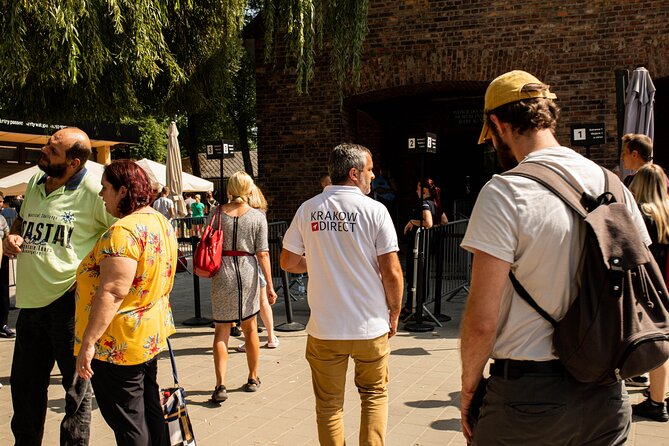
Here’s the part that can make or break your expectations: entrance tickets are not included. You’ll pay PLN130 per person on-site, and waiting in line is required because there’s no skip-the-line access.
The museum also requires you to confirm your personal details, so you must bring your passport or ID. If you forget it, you may simply be refused entry, which would be devastating on a day like this. I’d treat your ID as the most important “ticket” you carry.
Even when things go smoothly, museum entry involves individual tickets and time slots. One practical reality you should plan around: your group may not start at the exact same moment as others, and the guided portion can begin later than you hoped if the line and ticket issue take time.
So while this tour is marketed as a guided experience, the “guided experience” depends on how quickly you’re processed at Auschwitz. If you hate waiting, you’re taking a chance by booking any option that routes you through on-site ticketing.
Auschwitz I: walking in through the gate and hearing the story clearly
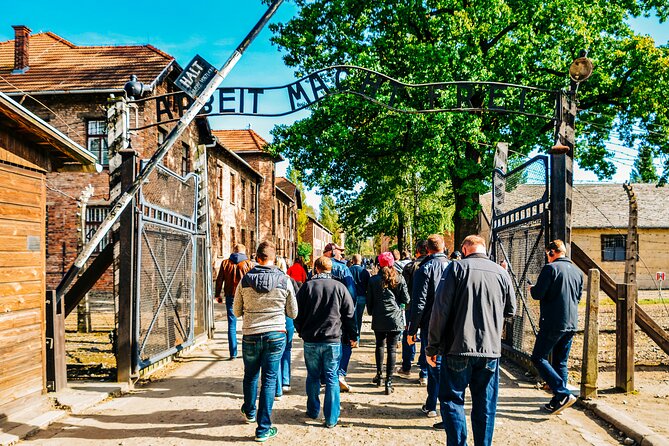
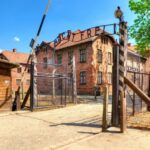
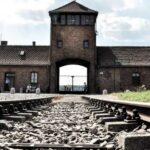
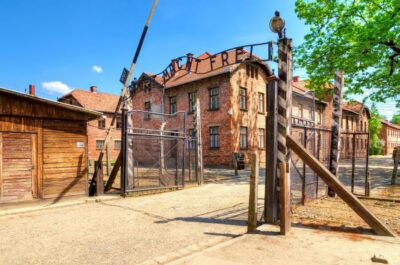
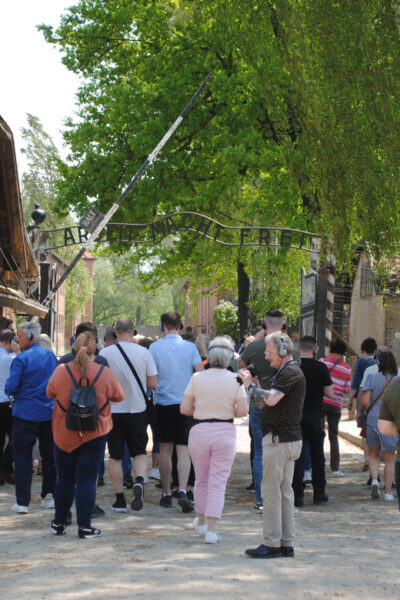
Auschwitz I is the first stop, and it’s structured as a walk through the camp gate. You’ll pass under the infamous sign Arbeit Macht Frei as your guide sets the historical context for what you’re about to see.
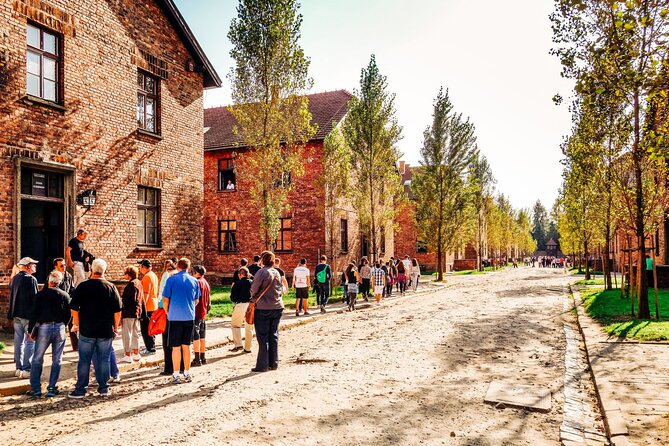
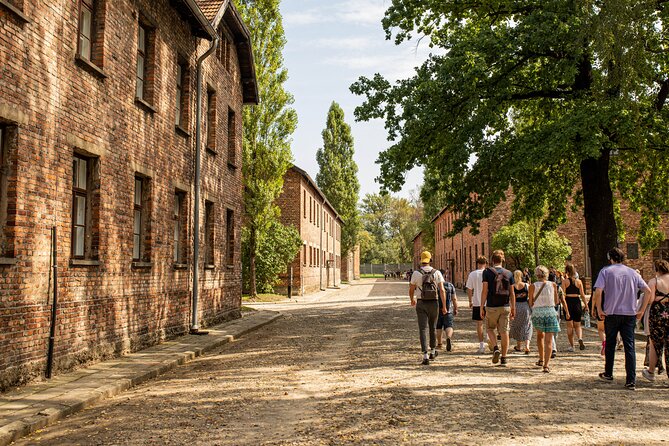
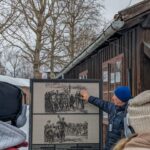
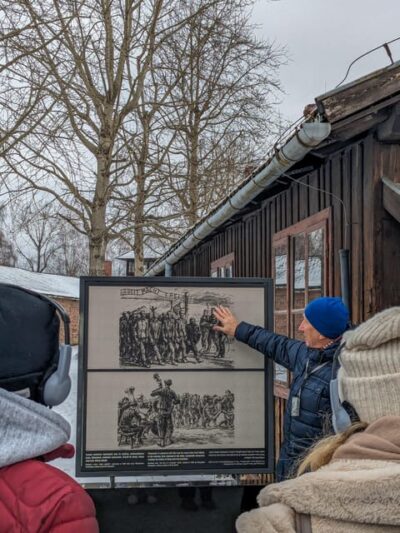
The visit focuses on the original concentration camp structures and key features that visitors often struggle to understand without help. You’ll see original wooden barracks, fortified walls, barbed wire fences, and areas associated with gas chambers and crematoria. The scale is stark, but the guide’s narrative is what turns “objects on a map” into something you can actually process.
Timing matters here. The Auschwitz I portion is typically about 2 hours, and you’ll use a headset to hear your guide clearly. That’s a real advantage in a place where people speak over each other, sound carries oddly, and it’s easy to miss the one detail that makes a scene click.
Group size also helps. The museum limits group size to keep things manageable, and the tour caps the group at 35 travelers, which generally makes it easier to keep track of your place and hear the guide without constant jostling.
- Krakow: Wieliczka Salt Mine Tour with Entry Ticket★ 4.6 · 10,927 reviews
- Krakow–Zakopane: Cable Car, Chocholow Baths, Cheese & Vodka★ 5.0 · 10,720 reviews
- Krakow: Auschwitz-Birkenau Guided Tour with Pickup & Lunch★ 4.5 · 9,800 reviews
- From Krakow: Wieliczka Salt Mine Tour★ 4.6 · 9,393 reviews
Birkenau (Auschwitz II): the larger camp and the narrative you don’t want to miss
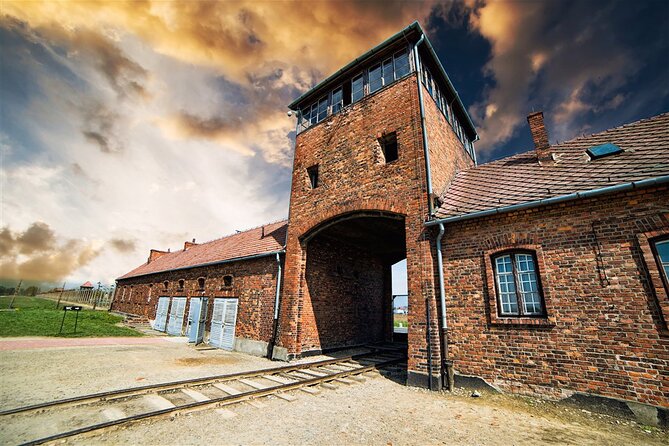
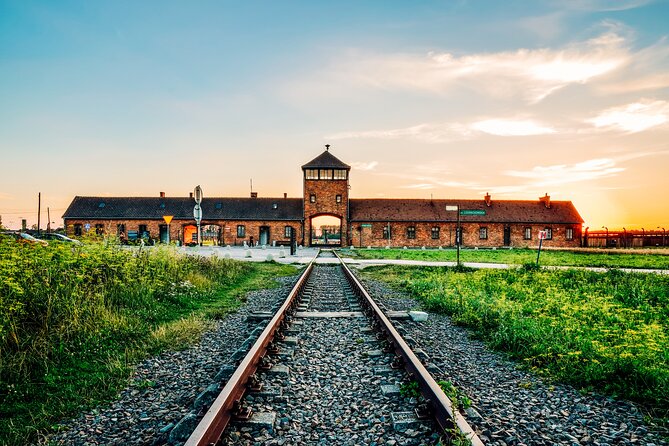
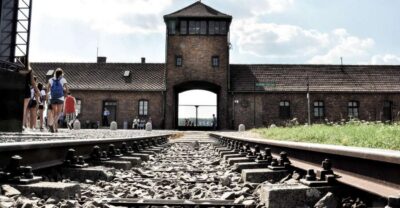
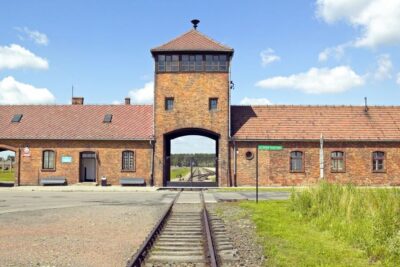
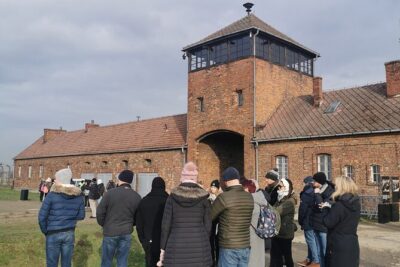
After Auschwitz I, you move to Birkenau (Auschwitz II), the larger camp located just a few minutes away. This part of the tour is where the history shifts from one horrifying camp into an even broader, more systematic machine of terror.
Birkenau was built and operated with the purpose of making Europe Judenrein (free of Jews). The story you’ll hear covers brutal living conditions, the selection process, and pseudo-scientific medical experiments performed by Nazi doctors, including Josef Mengele.
This stop includes hard numbers and the sense of manufacturing cruelty. Birkenau was constructed in 1941 under orders of SS commander Heinrich Himmler, and it could hold around 90,000 prisoners. Hearing that while you’re standing in the space helps you understand why Birkenau feels so much larger than Auschwitz I, even though they’re linked.
The Birkenau portion is typically around 2 hours, and the day ends with the story of liberation on January 27, 1945, when soldiers from the 60th Army of the First Ukrainian Front opened the gates.
If Auschwitz I is about learning the foundation, Birkenau is about absorbing the scale. It can be emotionally heavy, and the guide’s structure matters because it gives you a timeline to hold onto when your brain wants to wander.
The English guide experience: where it helps most
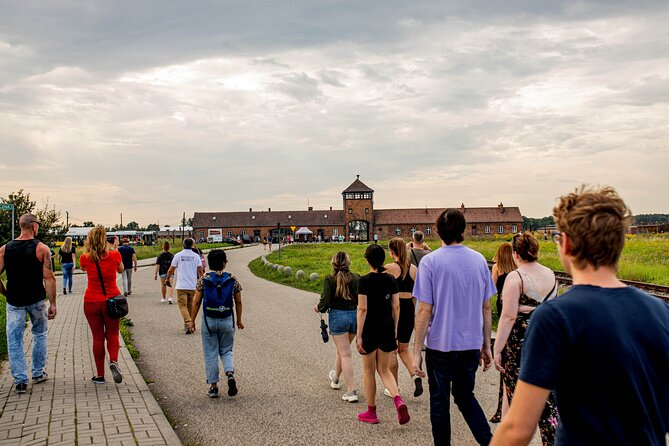
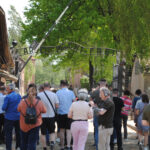
This tour is offered with an English-speaking tour leader, and that matters more than many people expect. In Auschwitz-Birkenau, there’s a lot of background you can’t guess just by reading signs. You’ll learn what you’re looking at, why it mattered, and how the pieces connect.
The headset at Auschwitz I is one of the best practical features in the entire day. It reduces the chance you spend your time craning your neck, following half a sentence, or translating on the fly. In a memorial space, clarity isn’t a luxury. It’s respect.
There’s also an onboard documentary film on the way that covers the liberation of Auschwitz-Birkenau. That’s not a substitute for the visit, but it can put you in the right mental frame before you reach the gates.
Finally, the tour includes insurance, which is a small but real comfort on an all-day excursion. It won’t change what you see, but it can reduce worry if something unexpected happens on your travel day.
Comfort on a long day: plan like it’s a marathon
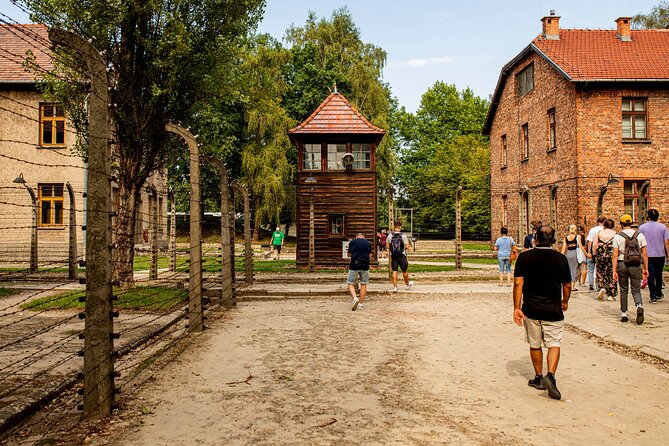
A full Auschwitz day is tiring even when everything runs on time. Add on early pickup and on-site ticket waiting, and you need to show up prepared for long stretches standing and walking.
Food and drinks aren’t included. The tour also doesn’t promise a long break in a restaurant, so bring the mindset that you’ll need to manage hunger during a fixed schedule. Also, the pace and duration follow the memorial’s regulations, so you can’t squeeze extra stops or change the flow.
The tour is weather-dependent. It notes that it requires good weather, and if it’s canceled due to poor weather, you’ll be offered a different date or receive a full refund.
I’d also pack for temperature swings. Early morning at the memorial area can feel colder than you expect, especially if you’re waiting in line or holding your position until your entry time.
If you want this day to feel controlled, think in terms of “ready body, ready documents, ready mind.” The biggest stress reducers are the boring ones: ID in your pocket, comfortable shoes, and layers for waiting.
Price and value: what you’re really paying for
The advertised price is $62.31 per person, and admission tickets are PLN130 per person paid on-site. In other words, the headline price doesn’t end the cost. You should expect to add the museum ticket fee to your total.
So is this good value? It depends on what you want to buy with your money:
- You’re paying for round-trip transport from Krakow with a comfort-focused vehicle.
- You’re paying for an English-speaking guide and a guided visit that gives context you might miss alone.
- You’re paying for an organized day that reduces decision fatigue, especially if you don’t want to figure out public transit timing on a long, emotional day.
You’re not paying for museum tickets, and you’re not getting skip-the-line entry. If your priority is minimizing waiting and maximizing control over the exact timing, you may decide to compare against self-planned options.
But if you’d rather trade some control for reduced planning stress, the value can be strong—especially because the guide and headset structure make the visit easier to follow.
Who this Auschwitz-Birkenau trip suits best
This works best if you:
- Want guided context and are visiting for the first time (or need help connecting the timeline).
- Appreciate simple logistics: one pickup point, one return point, and transport handled for you.
- Are comfortable with a long day that’s partly driven by museum ticket processing.
It might not be ideal if you:
- Hate uncertainty and long waits, because tickets are handled on-site and can delay your start.
- Are very strict about protecting a specific afternoon plan in Krakow, since the museum schedule can shift your return timing.
If you’re traveling with limited flexibility, I’d consider your whole day buffer. Don’t book a tight dinner reservation that assumes you’ll be back at a precise time.
A realistic way to manage expectations (so the day doesn’t feel wasted)
This tour can feel like two separate experiences: a travel-and-ticket stretch, then a meaningful guided visit. If you go in expecting the entire day to be smooth, you’ll be disappointed by any delays.
A better mindset is: tickets first, guidance next. The waiting isn’t what makes the memorial powerful; it’s what you do before you get to the real reason you came.
Use the documentary and guide setup to settle your brain. When you’re finally inside, focus on hearing and seeing the story the guide ties together, not on how long it took to get there.
And if your tour start is later than expected, remind yourself that Auschwitz-Birkenau isn’t a check-the-box attraction. The visit itself is the core event.
Should you book this KrakowDirect Auschwitz trip?
Book it if you want a structured, English-guided Auschwitz I + Birkenau day with transport handled, and you’re okay with paying museum tickets separately and lining up on-site. The headset-guided Auschwitz I portion and the clear narrative across both camps are the strongest reasons to choose a guided option like this.
Consider alternatives if you strongly prefer to control entry timing yourself or you can’t tolerate the possibility of a delayed start due to ticket lines and time slots.
One last practical point: the tour offers free cancellation up to 24 hours in advance of the experience start time. That gives you some room to react if your schedule changes or if you decide you’d rather build your day another way.
FAQ
How long is the Auschwitz-Birkenau trip from Krakow?
It runs about 7 to 10 hours, though the exact timing can vary based on museum visitor service regulations.
Where is the meeting point in Krakow?
The meeting point is the Radisson Blu Hotel, Krakow, Floriana Straszewskiego 17.
Do I need to pay for Auschwitz-Birkenau tickets separately?
Yes. Entrance tickets are not included and must be paid on-site.
How much are the museum entrance tickets?
The ticket cost to be paid on-site is PLN130.00 per person (about 30€).
Is the tour guided in English?
Yes, the tour leader assistance is in English.
Do I need to bring my passport or ID?
Yes. Museum entry requires confirming your personal details, so you must bring your passport or ID for presentation at the entrance.
Is there a headset for the guide during the Auschwitz I visit?
Yes, during the Auschwitz I portion you will use a headset to hear the guide.
How large is the group?
The tour has a maximum of 35 travelers.
Is food included?
No. Food and drinks are not included.
What if the tour is canceled due to weather or I need to cancel?
The offer requires good weather. If canceled due to poor weather, you’ll be offered a different date or a full refund. You can also cancel for free up to 24 hours in advance for a full refund.
More Tour Reviews in Krakow
Visiting the Auschwitz-Birkenau Memorial
Just added: fresh Krakow reviews
Auschwitz-Birkenau Memorial Tours, compared.
 ★ 4.5Auschwitz-Birkenau Guided Tour & Hotel PickupFrom $2133,358 reviews
★ 4.5Auschwitz-Birkenau Guided Tour & Hotel PickupFrom $2129,340 reviews
★ 4.5Auschwitz-Birkenau Guided Tour & Hotel PickupFrom $2133,358 reviews
★ 4.5Auschwitz-Birkenau Guided Tour & Hotel PickupFrom $2129,340 reviews
 ★ 4.5Auschwitz Guided Tour with Optional Hotel PickupFrom $6915,280 reviews
 ★ 4.5Auschwitz-Birkenau Guided Tour with Pickup & LunchFrom $219,800 reviews
 ★ 4.5Auschwitz-Birkenau Guided Tour Pickup/Lunch OptionsFrom $2009,057 reviews
 ★ 4.7Auschwitz-Birkenau and Salt Mine Guided TourFrom $549,020 reviews
 ★ 5.0Krakow to Auschwitz Birkenau Guided Tour with Transfer and TicketFrom $368,197 reviews
 ★ 4.0Auschwitz Birkenau Tour with TransferFrom $216,134 reviews
Browse the lists this tour appears in