
REVIEW · AUSCHWITZ-BIRKENAU MEMORIAL TOURS
from Kraków: Auschwitz excursion with guaranteed Dutch guide
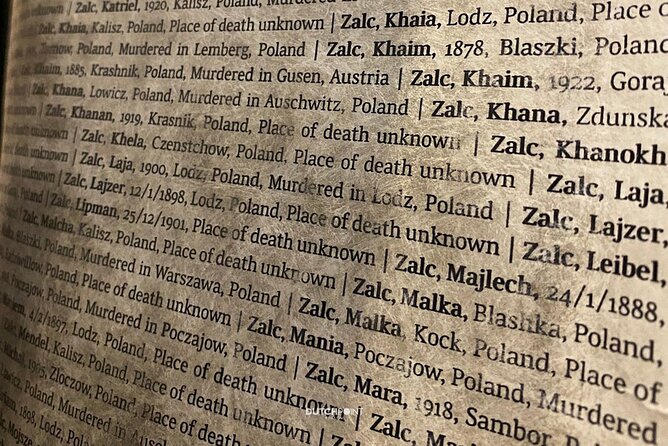
Morning departures make this tour hit hard. A guided day to Auschwitz-Birkenau with a guaranteed Dutch-speaking guide turns an overwhelming site into something you can actually process. Two things I like a lot: you get a structured route across Auschwitz I, Birkenau, and Monowitz, and you also get the special national lens with the Dutch barrack at Auschwitz I (and a Belgian barrack stop for Belgian guests). One thing to consider: it is a very early 6:00 am start, and the day is long and emotionally intense.
If you want the facts, context, and time to ask questions, this is a strong format. The small group size (max 29) and the tour guide system help you stay close to what matters, even when the experience feels surreal. Just be prepared for lots of walking, very little comfort, and the kind of silence that follows you back onto the bus.
In This Review
- Why a Dutch-Guide Tour in Krakow Makes a Difference
- The 6:00 am Start and Day Length: What to Expect
- Auschwitz I: Photos, Barracks, and the Dutch Connection
- From Auschwitz I to Birkenau: The Judenrampe Route
- Birkenau Time: Why You Feel the Scale
- Auschwitz III (Monowitz): Factories, Bunkers, and What’s Missing
- How the Guide System and Small Group Format Works
- Price and Value: Is $102 a Fair Deal?
- What to Bring (and What to Skip)
- Fit Check: Who This Tour Is For
- The Bottom Line: Should You Book DutchPoint’s Auschwitz Tour?
- FAQ
- Is this tour in Dutch?
- How early does the tour start?
- How long is the Auschwitz excursion?
- Which sites are included in the visit?
- Are official museum tickets included?
- Is Monowitz admission included?
- How are transfers handled between Kraków and the sites?
- What about restroom breaks?
- What kind of physical condition is required?
- Is there a refund if I cancel?
Why a Dutch-Guide Tour in Krakow Makes a Difference
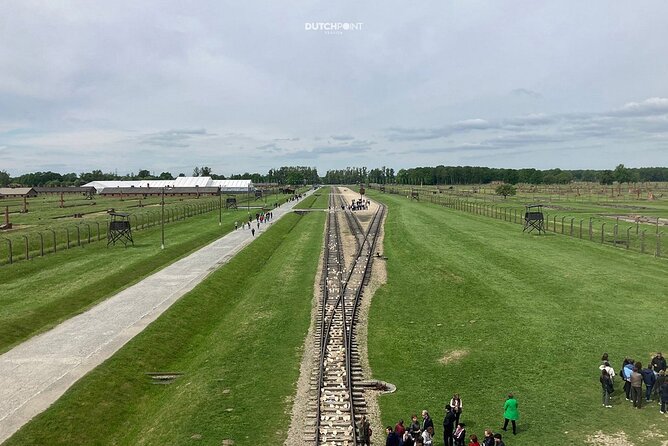
This isn’t just a bus-and-ticket trip. You’re going to Auschwitz and Birkenau, where details matter and the story is complex. A Dutch-speaking guide gives you a real chance to follow the timeline, understand what you’re looking at, and grasp how decisions were carried out on the ground.
DutchPoint Kraków runs the day with a clear study-tour approach. The plan includes official museum stops at Auschwitz I and Auschwitz II-Birkenau, plus a third stop at the Auschwitz III-Monowitz memorial area. You’re also given a tour guide system, which is a big deal in places where you’re standing outside, surrounded by noise, and trying to listen carefully.
A bonus detail that can feel surprisingly meaningful: the tour is designed with the Dutch and Belgian victim stories in mind. That national connection shows up directly in the Auschwitz I portion, and it makes the tour feel less like a generic checklist and more like a human story you can follow.
Other guided visits to the Auschwitz-Birkenau Memorial
- From Krakow: Auschwitz-Birkenau Guided Tour & Hotel Pickup
★ 4.5 · 33,358 reviews - From Krakow: Auschwitz-Birkenau Guided Tour & Hotel Pickup
★ 4.5 · 29,340 reviews - Krakow: Auschwitz Guided Tour with Optional Hotel Pickup
★ 4.5 · 15,280 reviews
The 6:00 am Start and Day Length: What to Expect
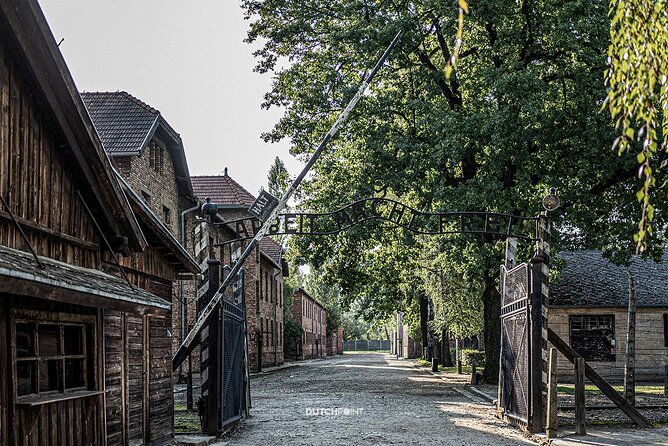
The day begins at 6:00 am at DutchPoint Kraków on Karmelicka 3. The total duration is listed as 8 to 9 hours including travel time. The guided “study tour” portion is about 6 hours once you reach the sites.
Why this matters: the early departure gives you a longer on-site schedule with fewer time pressures. It also means you should treat this like a full-day commitment, not a casual half-day excursion.
You’ll be moving between locations by (mini)bus, with multiple restroom stops built in (five stops total). There are also opportunities to visit bookstores along the way. The emotional weight of the day is real, so those breaks are not just convenience. They help you reset so you can keep absorbing what your guide is explaining.
Group size is capped at 29, which is usually enough for lively discussion but not so large that you get lost in the crowd.
Auschwitz I: Photos, Barracks, and the Dutch Connection
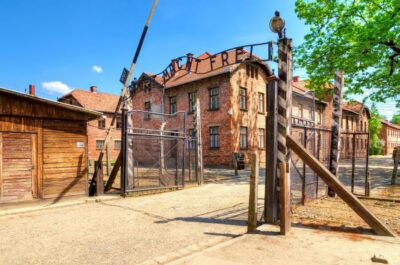
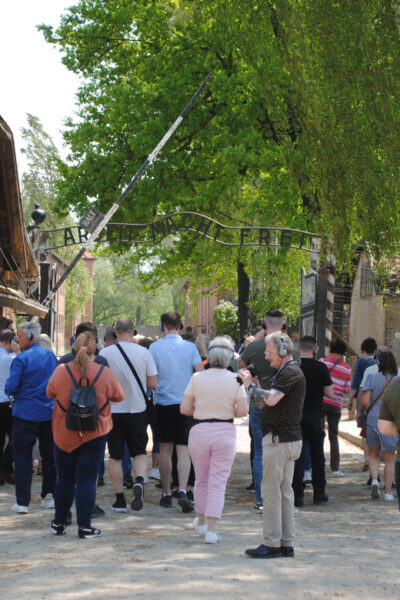
Auschwitz I is the starting point at the Auschwitz-Birkenau State Museum site, at Miejsce Pamięci i Muzeum Auschwitz I. This is where the history begins in the “original camp” area, and it’s the best place to get orientation.
The stop starts with an entry and short restroom break, then about 150 minutes for Auschwitz I itself. You’ll move through former camp areas now preserved and presented as a museum, using original barracks and photos as key teaching tools.
What makes this portion stand out on a guided tour is the way it sets the framework. A guide doesn’t just explain what you see. They explain how people were processed, how the system worked, and how the camp expanded over time until liberation on January 27, 1945.
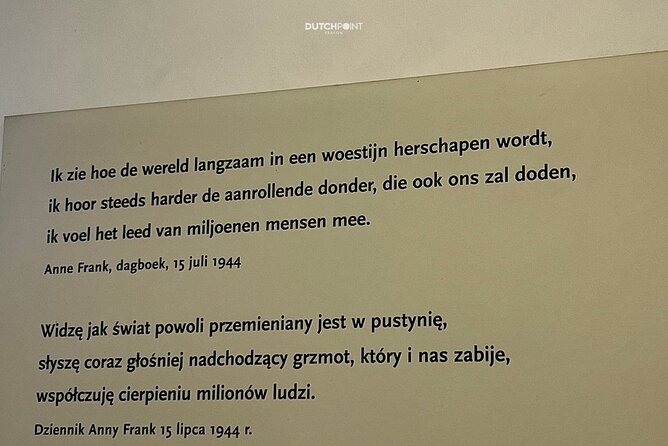
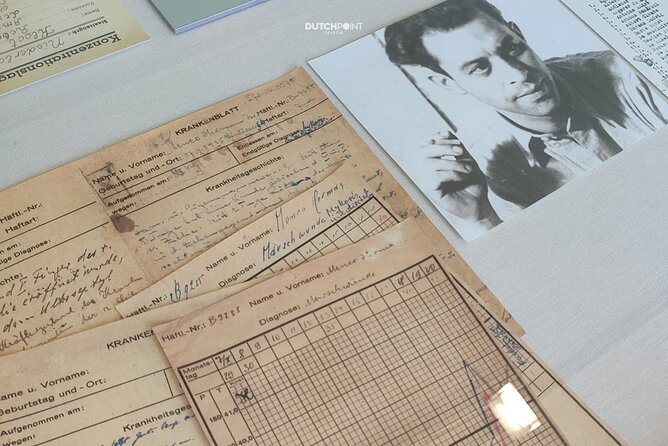
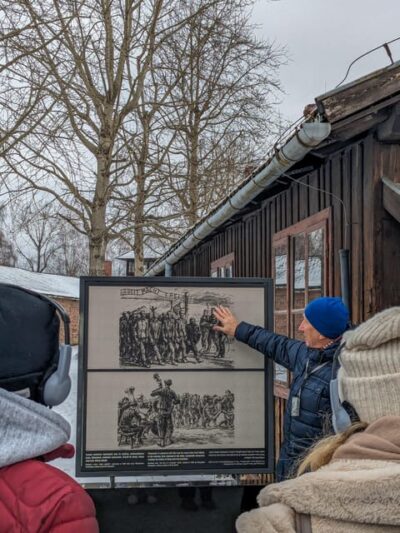
A specific detail I’d pay attention to: your tour includes a visit to the Dutch barrack. If you’re Dutch-speaking or you simply want a clear connection to the stories from the Netherlands, this is one of the strongest reasons to choose this operator. The tour is also designed so Belgian guests visit the Belgian barrack, which keeps the narrative personal and anchored to real national experience.
Some reviews mention guides who calmly handle tough questions and keep the tone respectful. That matters here. Auschwitz I can feel like information overload if no one helps you structure it.
Practical consideration: the museum layout can mean standing and walking for long stretches. The tour notes it’s suitable for people with moderate physical fitness, and it is not a good fit for mobility impairments.
From Auschwitz I to Birkenau: The Judenrampe Route
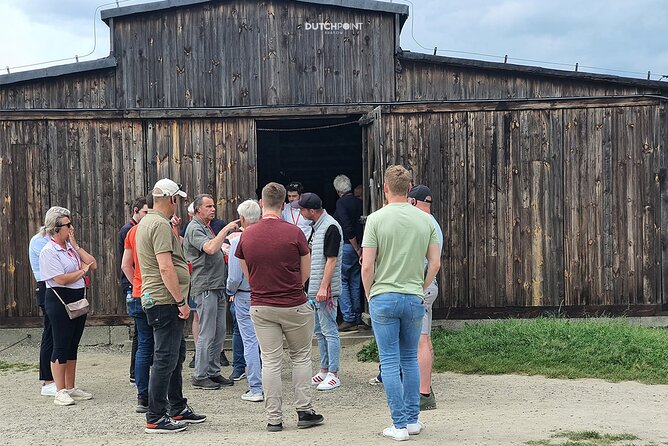
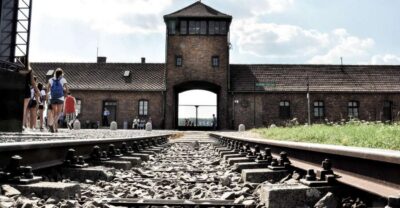
After a break, you take the bus toward Auschwitz II-Birkenau. The day’s pacing shifts here: Birkenau is larger, more open, and easier to feel small in.
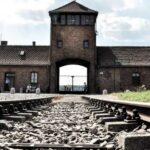
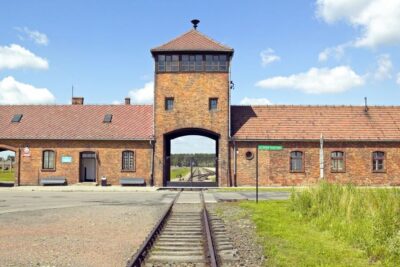
You’ll visit the Judenrampe area, the spot between Auschwitz I and Birkenau where trains arrived and selections were made. This is about 30 minutes at the Judenrampe stop, but it’s also one of the most important moments of the entire tour because it connects geography with the human process happening there.
Then you walk the route toward Birkenau. The guiding goal is not “scenery.” It’s comprehension. You’re meant to connect the physical path to what happened to people as they arrived, were sorted, and were taken deeper into the camp system.
This portion includes:
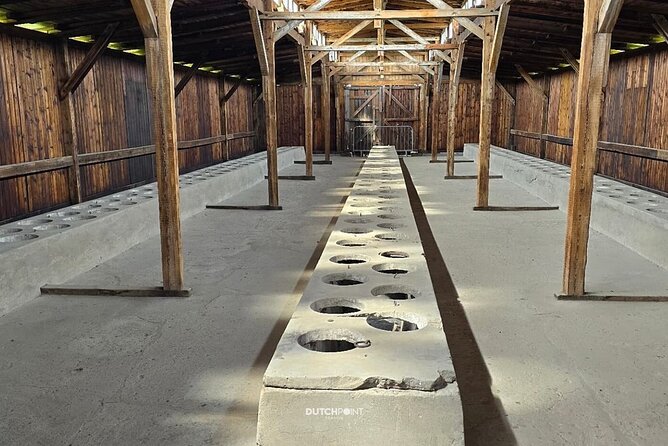
- Wooden barracks that help you grasp living conditions during the war years
- Passes near the remains of gas chambers II and III
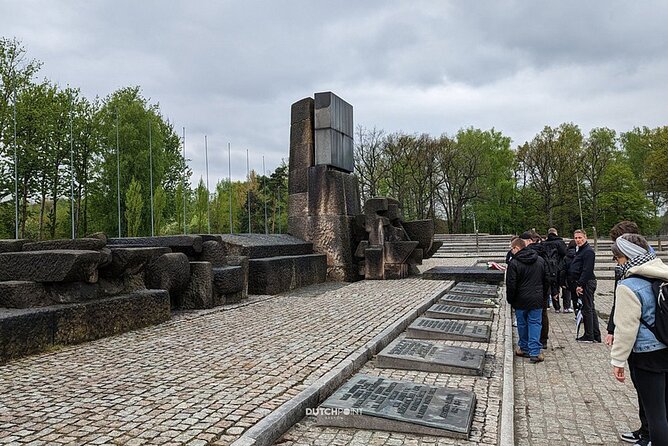
- A stop at the Dutch monument within the Birkenau experience
One reason this guided sequence works well: it prevents you from treating Birkenau like a set of random ruins. Instead, it becomes a logical walk-through of the camp’s structure and function.
If you’re someone who gets anxious about not understanding what you’re looking at, Birkenau is exactly where a Dutch guide earns their keep.
A few more Krakow trips worth putting on the shortlist
- Krakow: Auschwitz-Birkenau Guided Tour with Pickup & Lunch★ 4.5 · 9,800 reviews
- Krakow: Auschwitz-Birkenau Guided Tour Pickup/Lunch Options★ 4.5 · 9,057 reviews
- Krakow: Auschwitz-Birkenau and Salt Mine Guided Tour★ 4.7 · 9,020 reviews
- Krakow to Auschwitz Birkenau Guided Tour with Transfer and Ticket★ 5.0 · 8,197 reviews
Birkenau Time: Why You Feel the Scale
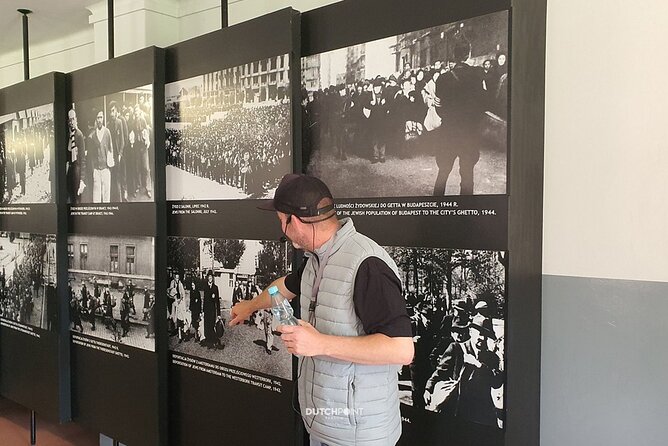
The Auschwitz II-Birkenau segment is about 90 minutes for the visit. That’s enough time to see what’s there without rushing, but it still requires mental stamina.
Birkenau’s scale is the main challenge. Even with guidance, it can be hard to hold onto details when the space feels endless and the past feels heavy. This is where a tour guide system helps; you’re less likely to lose the key explanations mid-walk.
There’s also a brief stop at the gate and time for a bookstore visit afterward. That bookstore moment can be useful if you want to keep reading once you’re away from the crowds and noise.
Auschwitz III (Monowitz): Factories, Bunkers, and What’s Missing
The final major stop is Auschwitz III-Monowitz, often associated with the Buna works and the broader industrial complex the Nazis set up. This part is handled with a bus ride to the memorial area, followed by guide-led interpretation.
The schedule includes about 45 minutes transfer and visit time, then time to conclude back at the monument. The Monowitz segment is roughly 2 hours 15 minutes in total for transfer and return to Kraków, with the Auschwitz III visit itself taking about 90 minutes to cover the key points.
Here’s what makes Monowitz different: you won’t see the barracks the same way you do at Auschwitz I or II. The day focuses on what remains—especially the factories and some remnants of bunkers—so you understand the role of forced labor and the industrial environment tied to the Nazi camp system.
Your guide explains the factory complex and the Monowitz camp, including how Monowitz was one of the most grueling places for forced labor and that it was located about 10 kilometers from Auschwitz I.
The tour ends at the Monowitz monument, which gives the day a closing point that feels designed for reflection rather than check-the-box sightseeing.
How the Guide System and Small Group Format Works
A tour like this can easily become passive if you don’t have a mechanism for communication. This experience uses a tour guide system, which helps you hear instructions and explanations even in outdoor spaces.
And because the group is limited to 29, you’re more likely to actually interact with your guide. Several guides mentioned in the provided feedback are praised for calm delivery, respect, and clarity. Names that come up include Wesley, Jeroen, Roland, and Marijke, and the common thread is how they combine facts with careful storytelling.
One particularly strong theme from guide-led approaches here: bringing individual stories into the larger system through objects, photos, and follow-up questions. That makes the history feel less abstract and more understandable.
For you, that means less time staring at labels and more time connecting what you see to why it matters.
Price and Value: Is $102 a Fair Deal?
At $102.14 per person, you’re paying for more than a ride and an entry stamp. The big value is that the tour includes:
- Official tickets for the Auschwitz-Birkenau State Museum (Auschwitz I and Auschwitz II-Birkenau)
- Transfer by (mini)bus from Kraków
- A guaranteed Dutch-speaking guide
- A guided study tour of about 6 hours (excluding travel time)
- A tour guide system
And Monowitz admission is listed as free within the experience, which matters because it reduces the “hidden cost” feeling many day trips create.
Is it expensive? Compared with doing it fully on your own with public transport, yes. But Auschwitz is one of the places where a guided framework is genuinely worth paying for. You’re not only buying transportation. You’re buying comprehension, structure, and someone to help you ask questions without feeling lost.
If you care about language access and you want a careful, respectful approach across all three areas, the price-to-value ratio is strong.
What to Bring (and What to Skip)
The tour information doesn’t list a specific packing list, so I’d plan based on the practical realities: long day, outdoor walks, and early start.
Bring:
- Layers: morning cold can be different from afternoon conditions
- Comfortable walking shoes (you’ll be on your feet)
- Water and snacks if you prefer, since lunch boxes are optional but not included
- Any needed medication, and plan your restroom timing around the scheduled breaks
Skipping decisions:
- Avoid assuming there will be an easy meal stop. Lunch is not included, though breakfast box or lunch box options can be available.
- Don’t plan a late-night activity the same day. This tour is exhausting in body and mind.
Because it’s not suitable for children under 14 and not recommended for mobility impairments, keep your own comfort and limitations realistic. This is not the day for testing your endurance.
Fit Check: Who This Tour Is For
This experience is best if you:
- Want a Dutch-speaking guide and prefer explanations in your language
- Appreciate a structured path through Auschwitz I, Birkenau, and Monowitz
- Like the idea of official museum tickets handled for you
- Can handle a long early start and emotionally heavy content
It’s less suitable if you:
- Have mobility limitations (the tour says it’s not suitable for people with mobility impairments)
- Are traveling with children under 14 (not suitable)
- Don’t cope well with long stretches of walking and standing
If you’re traveling solo or as a couple, the small group size can feel reassuring. If you’re a family group, the age restriction may force a different plan.
The Bottom Line: Should You Book DutchPoint’s Auschwitz Tour?
I think this is a smart choice if language is important to you and you want the day handled with care. The combination of official tickets, bus transfer, guide system, and a guaranteed Dutch guide keeps you from spending your energy on logistics and confusion.
Two final decision helpers:
- If you want a clear narrative across Auschwitz I, Birkenau, and Monowitz, this guided structure makes the biggest difference.
- If you’re sensitive to early mornings and long days, plan your sleep and expectations carefully.
If your goal is to understand what you’re seeing—and not just say you visited—I’d book this.
FAQ
Is this tour in Dutch?
Yes. The experience includes a guaranteed Dutch guide, so you’ll have Dutch-speaking commentary during the study tour.
How early does the tour start?
The start time is 6:00 am at DutchPoint Kraków (Karmelicka 3).
How long is the Auschwitz excursion?
The total duration is 8 to 9 hours (including travel time). The guided study tour part is about 6 hours excluding travel time.
Which sites are included in the visit?
You’ll visit Auschwitz I Museum, Auschwitz II-Birkenau, and the Auschwitz III-Monowitz memorial.
Are official museum tickets included?
Yes. Official tickets for the Auschwitz-Birkenau State Museum are included for Auschwitz I and Auschwitz II-Birkenau.
Is Monowitz admission included?
The Auschwitz III-Monowitz stop is listed as admission free within the experience.
How are transfers handled between Kraków and the sites?
Transfers are included by (mini)bus from Kraków to Auschwitz, and between Auschwitz locations during the day.
What about restroom breaks?
The tour includes five restroom stops during the day.
What kind of physical condition is required?
It lists a moderate physical fitness level as the requirement. It’s also not suitable for people with mobility impairments.
Is there a refund if I cancel?
No. The experience is non-refundable and cannot be changed for any reason.
More Tours in Krakow
More Tour Reviews in Krakow
Visiting the Auschwitz-Birkenau Memorial
Just added: fresh Krakow reviews
Auschwitz-Birkenau Memorial Tours, compared.
 ★ 4.5Auschwitz-Birkenau Guided Tour & Hotel PickupFrom $2133,358 reviews
★ 4.5Auschwitz-Birkenau Guided Tour & Hotel PickupFrom $2129,340 reviews
★ 4.5Auschwitz-Birkenau Guided Tour & Hotel PickupFrom $2133,358 reviews
★ 4.5Auschwitz-Birkenau Guided Tour & Hotel PickupFrom $2129,340 reviews
 ★ 4.5Auschwitz Guided Tour with Optional Hotel PickupFrom $6915,280 reviews
 ★ 4.5Auschwitz-Birkenau Guided Tour with Pickup & LunchFrom $219,800 reviews
 ★ 4.5Auschwitz-Birkenau Guided Tour Pickup/Lunch OptionsFrom $2009,057 reviews
 ★ 4.7Auschwitz-Birkenau and Salt Mine Guided TourFrom $549,020 reviews
 ★ 5.0Krakow to Auschwitz Birkenau Guided Tour with Transfer and TicketFrom $368,197 reviews
 ★ 4.0Auschwitz Birkenau Tour with TransferFrom $216,134 reviews
Browse the lists this tour appears in