
REVIEW · AUSCHWITZ-BIRKENAU MEMORIAL TOURS
From Krakow: Auschwitz Museum and Wieliczka Salt Mine Tour
Two hours in darkness, then salt ceilings. This is a long, serious Kraków day trip that pairs a live English visit to Auschwitz-Birkenau with time inside the Wieliczka Salt Mine. I like how it takes care of the heavy logistics—pickup, transport, and skip-the-line entry—and you get both guided tours plus an English audio guide, but it comes with a real drawback: tickets are non-refundable and your name must match your ID.
What makes it worth your attention is the pacing: you’re not just dropped off. You move by van between the two sites, you get guided time at each one, and there’s at least a breather mid-day. In one case, the driver (Kate) was notably helpful and even stayed longer when tours ran behind, which matters when you’re trying to keep your day smooth.
In This Review
- Key highlights you’ll feel all day
- How the Kraków pickup and van ride shape your day
- Auschwitz-Birkenau: the guided, split-site experience that makes it make sense
- The facts that hit harder once you’re there
- The 15-minute break isn’t random
- Wieliczka Salt Mine: the shift from human cruelty to human craft
- St. Kinga’s Chapel: why the salt cathedral is the emotional reset point
- Timing and energy: how to handle a 9-hour day without burning out
- Price and value: is $335 per person fair for what you get?
- Practical tips that protect your day (and your entry)
- Who this tour fits best
- Should you book this Auschwitz and Wieliczka combo?
- FAQ
- How long is the Auschwitz and Wieliczka Salt Mine day trip from Kraków?
- Are there different start times?
- Is the tour guided in English?
- Do I get skip-the-ticket-line entry?
- What’s included besides the tours?
- Where do you pick me up in Kraków?
- What should I bring?
- What items are not allowed?
- Do I need to provide my full name for Auschwitz?
- Can I bring my own food?
Key highlights you’ll feel all day
- Private pickup from Kraków: you start with less stress and more time on-site
- English live guides + audio support: better context at Auschwitz and the salt mine
- Split-site Auschwitz visit: guided time at Auschwitz I and Auschwitz II-Birkenau
- A 380-step descent into the Wieliczka mine: 210 feet (64 m) down to the first level
- St. Kinga’s Chapel: an underground cathedral carved entirely from rock salt
Other guided visits to the Auschwitz-Birkenau Memorial
- From Krakow: Auschwitz-Birkenau Guided Tour & Hotel Pickup
★ 4.5 · 33,358 reviews - From Krakow: Auschwitz-Birkenau Guided Tour & Hotel Pickup
★ 4.5 · 29,340 reviews - Krakow: Auschwitz Guided Tour with Optional Hotel Pickup
★ 4.5 · 15,280 reviews
How the Kraków pickup and van ride shape your day
This tour is built around one simple promise: you don’t have to wrestle with transport on your own. You’re picked up from your accommodation in Kraków and taken to the sites by private van, with drinking water included. That matters because this day is long—about 9 hours total—and you want your energy for the museums.
Plan for the fact that travel time is part of the experience. The ride to Auschwitz is about 1.5 hours, and the transfers between Auschwitz and Wieliczka are also significant. You’ll have windows of time where you can just settle in, check your notes, and mentally prepare for the two very different worlds you’re about to see.
I also like that the day is structured with breaks built in. There’s a short stop during the Auschwitz portion—enough time to reset, use restrooms, and grab your thoughts before the next guided section. On days like this, those small pauses help more than you’d expect.
One practical note: the tour doesn’t work well if you travel heavy. You’re not allowed luggage or large bags, so pack light and bring only what you truly need for a museum day.
Auschwitz-Birkenau: the guided, split-site experience that makes it make sense
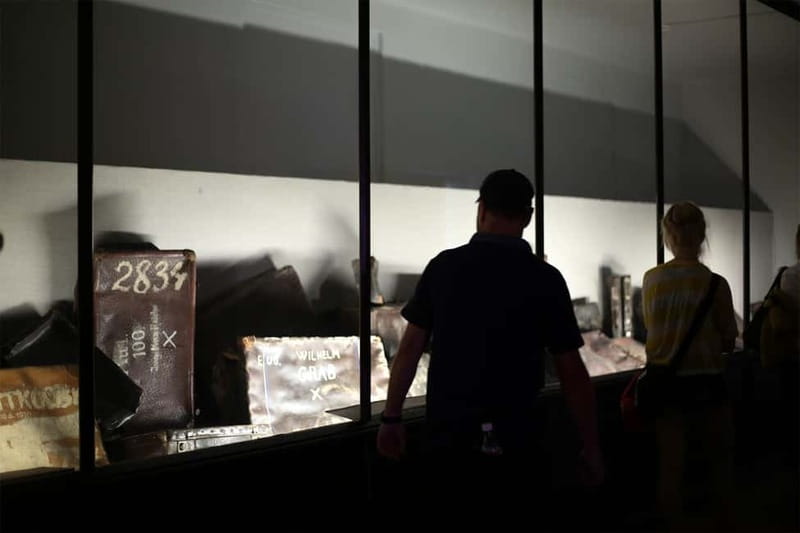
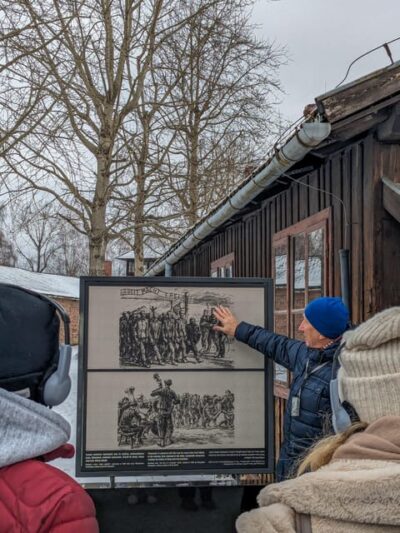
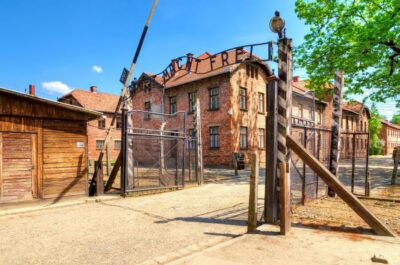
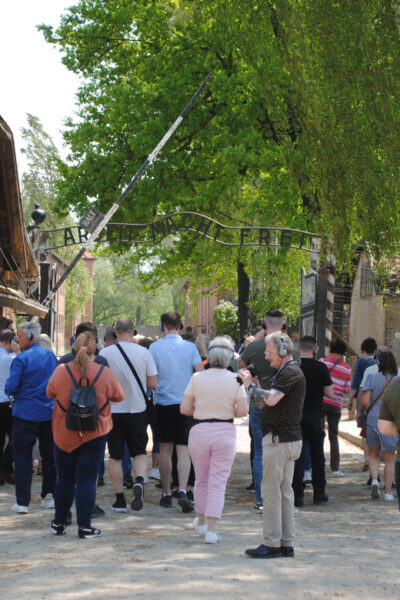
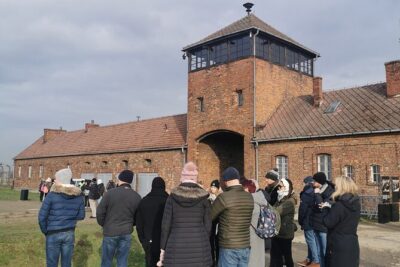
Auschwitz-Birkenau is not a place for wandering without context. This tour gives you guided time (in English) in the memorial and museum area, plus an audio guide in English. In practice, that combo helps you follow the story without feeling lost in the details.
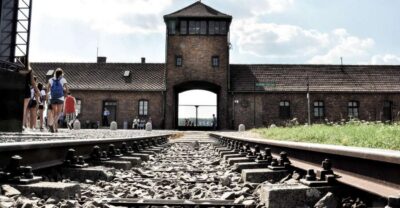
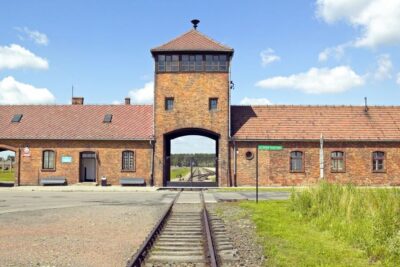
You’ll experience Auschwitz in two main parts. First, you get a guided visit that lasts about 2 hours, and after a short break you continue with another guided section at Auschwitz II-Birkenau for about 1.5 hours. It’s an intentional rhythm: you learn, you absorb, you regroup, then you continue.
The benefit of that split is clarity. Auschwitz is large and complicated, and the guide’s job is to help you connect what you’re seeing to the broader system of persecution and killing. The audio guide adds another layer so you can re-check points you might have missed during the live narration.
The main drawback is also obvious: you will be walking and standing for long stretches, and the subject is profoundly disturbing. If you’re the type who needs total emotional distance to function, this may be rough. If you’re willing to sit with uncomfortable facts and want the context a good guide provides, it’s the right kind of tour.
The facts that hit harder once you’re there
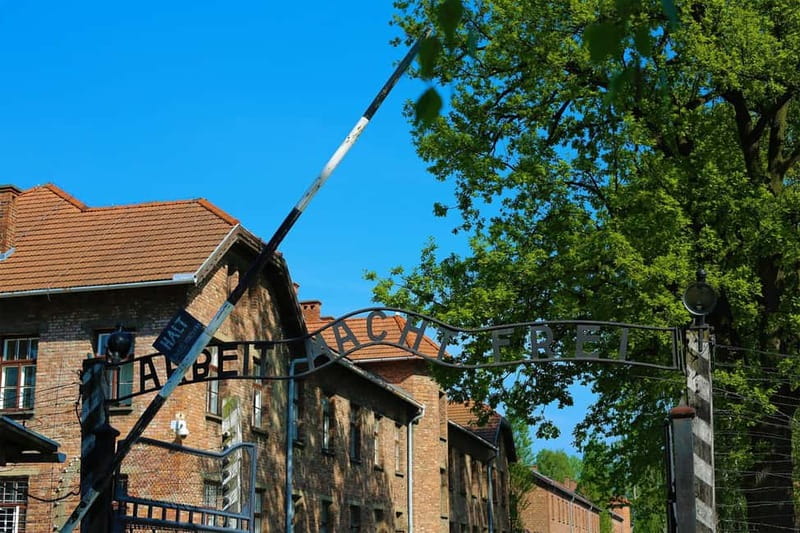
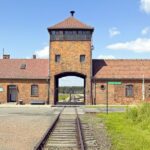
Before you go, it helps to know what you’re stepping into—because the place is historical, and history here is not abstract. The camp complex is described as the largest of the Nazi concentration camps, and it was founded on 27 April 1940. Over the course of World War II, it became the site of about 1.1 million deaths.
You’ll also see the site framed as a monument to the horrors of Adolf Hitler’s Third Reich. That wording matters. The goal isn’t shock value. It’s remembrance, documentation, and education.
That context is why the guided elements are so valuable. When your guide points out what a specific area represents, you stop treating the grounds like a set of scenery and start understanding them as evidence. And because you have live English interpretation plus audio support, you’re less likely to miss key meanings while you’re trying to keep track of directions.
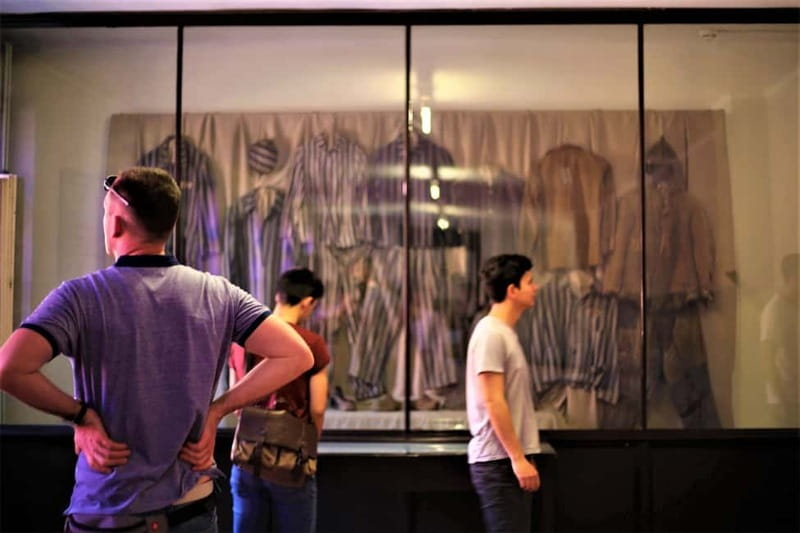
Also, keep your expectations realistic. This isn’t a “highlights” museum in the usual sense. You’re going to look at signs, structures, and exhibits, and you’ll spend time absorbing stories that are hard to process. Give yourself permission to go slowly where you need to.
More ways down into the Wieliczka salt mine
- Krakow: Wieliczka Salt Mine Tour with Entry Ticket★ 4.6 · 10,927 reviews
- From Krakow: Wieliczka Salt Mine Tour★ 4.6 · 9,393 reviews
- Krakow: Wieliczka Salt Mine Fast-Track Ticket & Guided Tour★ 4.5 · 5,872 reviews
- Day Trip: Auschwitz-Birkenau and Wieliczka Salt Mine from Krakow★ 4.5 · 4,282 reviews
The 15-minute break isn’t random

That short break in the Auschwitz portion may look minor on paper, but it’s a smart inclusion. When you’re dealing with a heavy subject, a quick reset helps you get through the second guided section without feeling overloaded.
Use it practically:
- If you need restrooms, use them then.
- If you want water, grab it.
- If you’re bringing your own snacks, this is the moment to plan your timing.
The tour does allow you to bring your own food. That can be useful because this day runs tight, and museum cafés may not match your schedule. Still, keep it simple—nothing bulky, and nothing that creates a mess.
Wieliczka Salt Mine: the shift from human cruelty to human craft
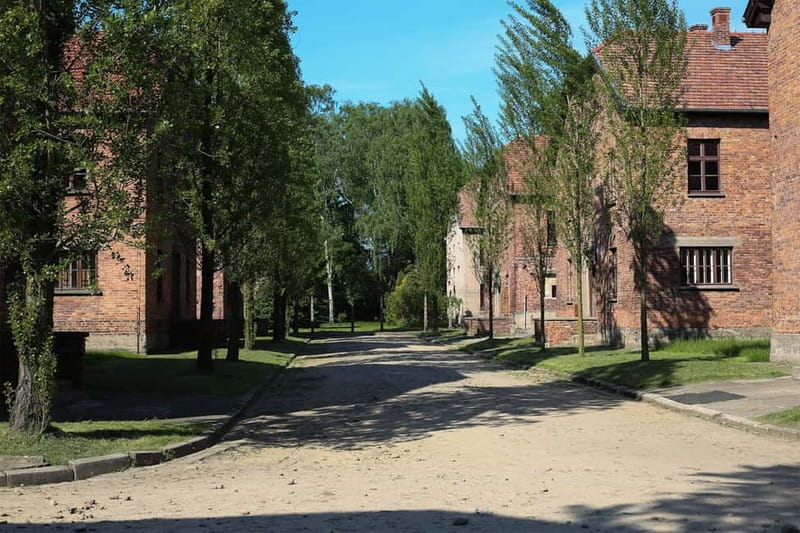
After Auschwitz, the Wieliczka Salt Mine can feel like someone changed the channel. That’s not a criticism. It’s simply what happens when you go from genocide to geology and human labor. The mine is one of the world’s oldest salt mines, operating from the 13th century and continuing until 2007.
This part of the day is guided for about 2.5 hours. You’ll descend 380 steps to the first level, which is about 210 feet (64 meters) below ground. The tour focuses on the mysteries of the mine, the stories of the people who worked there, and the forces of nature that have shaped it.
And yes, you’ll see a huge underground “city” feel. The mine is explored through about 20 chambers, and the variety of spaces is what makes the time fly. You’re not just walking corridors—you’re moving through rooms with different atmospheres and features.
One thing to be ready for: the descent is real. Comfortable shoes matter. If you’re sensitive to stairs or have mobility limitations, plan accordingly, because the steps are part of the main experience.
St. Kinga’s Chapel: why the salt cathedral is the emotional reset point
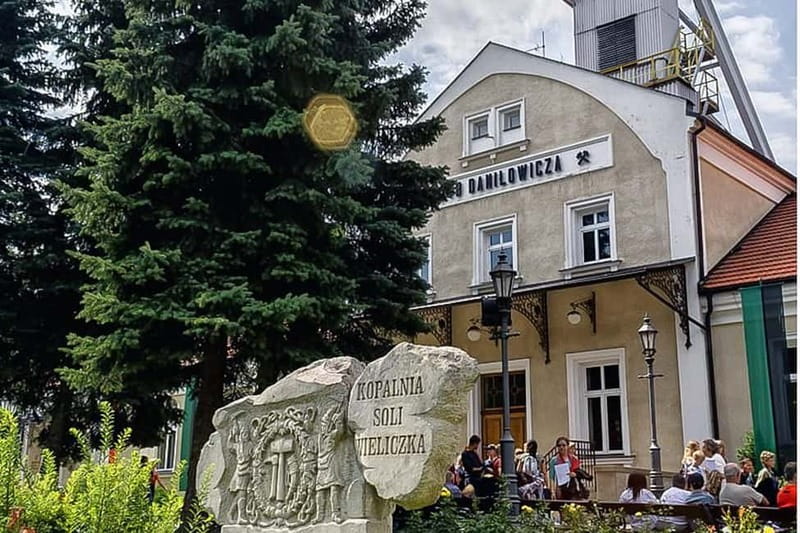
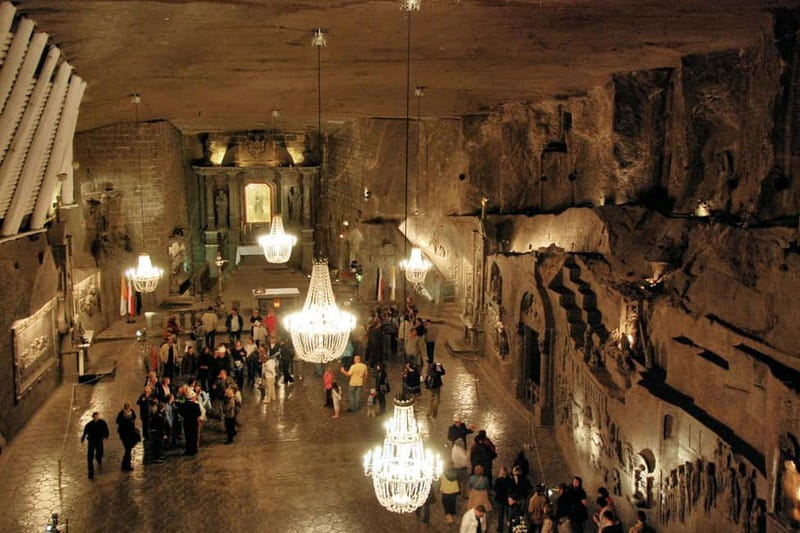
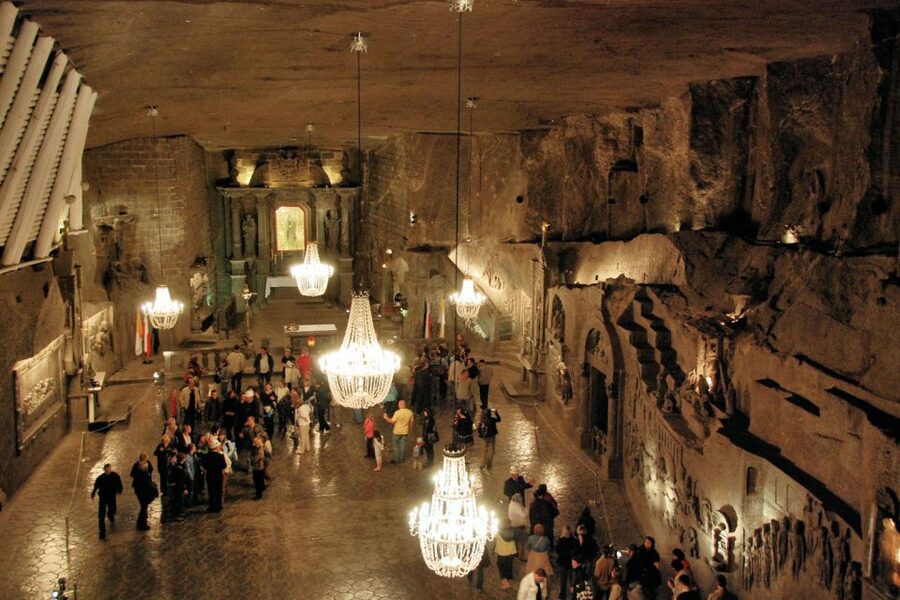
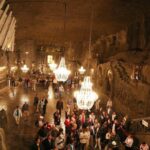
St. Kinga’s Chapel is the headline stop in Wieliczka, and it’s described as an enchanting underground cathedral carved entirely from rock salt. This is where the mine becomes more than a history site—it becomes a work of art and devotion shaped by material that shouldn’t be able to do this.
It’s a striking contrast after Auschwitz. Not because the subjects are equal, but because you’re reminded that humans can create meaning in very different ways. In one place, you’re learning about mass death and systemized cruelty. In the other, you’re seeing how people carved beauty out of a harsh environment.
The chapel also helps explain why Wieliczka is special in a “you have to see it” way. Photos rarely capture the texture and scale of saltwork. Being there in person gives your eyes something concrete to measure, and your brain something different to hold onto for a while.
Timing and energy: how to handle a 9-hour day without burning out
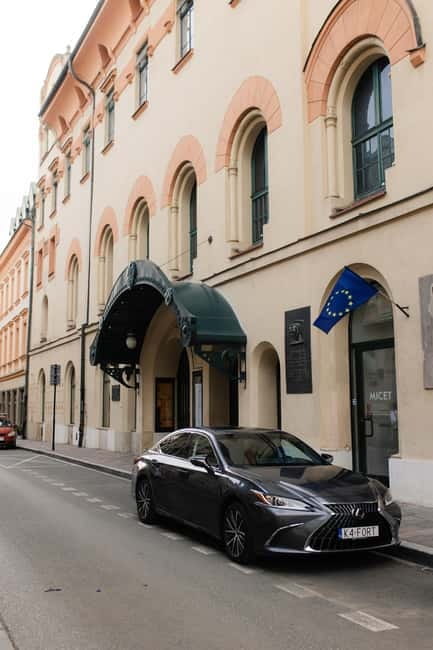
This tour runs for about 9 hours, and that’s not just sightseeing time. It includes:
- van time to and between sites
- guided tour blocks
- a short break at Auschwitz
- the return trip to Kraków
So treat the day like a marathon, not a stroll. Eat before you go if you can. Bring your own simple food for the break window, since you’re allowed to. Wear shoes that won’t punish your feet, because you’ll be on the move in both museums.
I also suggest you travel with a small, calm mindset. Auschwitz requires attention. Wieliczka rewards curiosity. If you keep your expectations flexible—heavy learning, then wonder—that shift becomes a feature rather than a burden.
Price and value: is $335 per person fair for what you get?
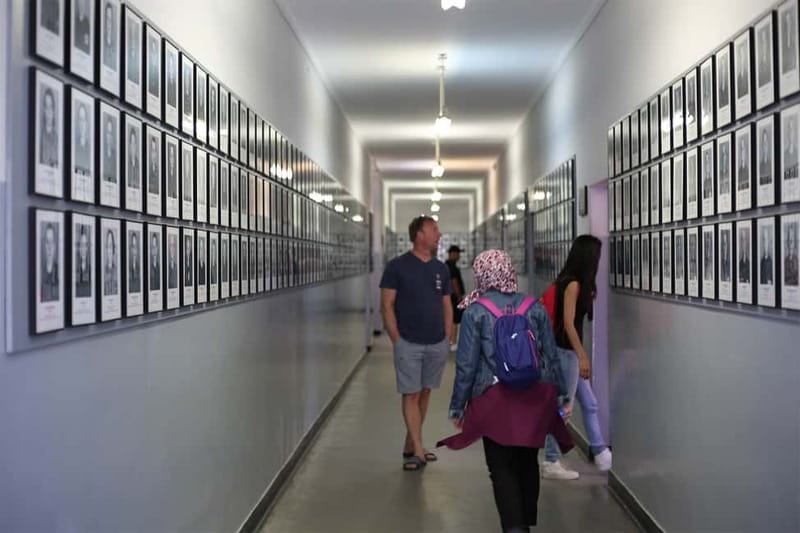
Let’s talk money in a grounded way. At $335 per person, this isn’t a budget outing. You’re paying for private transport from your Kraków hotel, entry tickets for guided tours at both sites in English, and extra help on the day: skip-the-line entry, a live English guide, plus an English audio guide, and drinking water.
For some people, that value is clear. If you don’t want to coordinate buses, buy tickets separately, or time transfers across two major attractions, paying for a package can be smart.
That said, it’s also worth knowing that the price can feel steep compared with booking the underlying operators directly. One traveler noted a much lower direct cost for a similar day, so if you’re price-sensitive, you may want to compare. In other words, this price buys convenience, language support, and one-door clarity—not just the museums themselves.
My practical take: if you value door-to-door pickup and English guidance, the package is easier and often worth the extra. If you’re happy to plan independently and manage ticket lines yourself, you might find cheaper options.
Practical tips that protect your day (and your entry)
This tour has a few rules you should take seriously because they affect whether you can get in smoothly.
- Bring your passport or ID card.
- Double-check your name. The museum requires full name and contact details as part of the booking, and entry may be refused if your booking name doesn’t match your ID exactly.
- Don’t bring luggage or large bags.
- Avoid alcohol and drugs. Smoking isn’t allowed.
- Wear comfortable shoes. There’s a 380-step descent at the mine, plus walking at Auschwitz.
You’ll also want to prepare for a day of rules and reminders. Sticking to the allowed items keeps you from last-minute stress.
Who this tour fits best
I think this tour works best if you:
- want English live guidance at both major sites
- prefer private, planned transport from Kraków rather than DIY logistics
- are comfortable with a long day (around 9 hours) and lots of walking
- want the Wieliczka “underground city” feel plus the St. Kinga’s Chapel highlight
It may be a tougher fit if you:
- dislike emotionally heavy historical sites
- have mobility limits that make stairs and long museum walks difficult
- need to bring larger luggage (since you won’t be allowed it)
Should you book this Auschwitz and Wieliczka combo?
Yes, with eyes open. If you want a guided, structured day that takes the stress out of logistics—pickup, transport, tickets, and English interpretation—this package makes the experience more manageable. The quality of the guided experience and the smooth handling by the driver (including a reported extra-long wait when tours ran late) are exactly the kind of details that help on a day like this.
If you’re watching costs closely, still compare. At $335 per person, it’s not the cheapest way to do two top attractions in one day. But convenience, skip-the-line entry, and the language support are real value—especially when you’re cramming two very different experiences into one schedule.
FAQ
How long is the Auschwitz and Wieliczka Salt Mine day trip from Kraków?
The total duration is about 9 hours, depending on starting times.
Are there different start times?
Yes. Starting times vary, so you should check availability for the schedule.
Is the tour guided in English?
Yes. There is a live tour guide in English at both Auschwitz-Birkenau and the Salt Mine, and the audio guide is also in English.
Do I get skip-the-ticket-line entry?
Yes. Skip the ticket line is included.
What’s included besides the tours?
You get private transport, drinking water, and entry tickets for guided tours in English at both locations.
Where do you pick me up in Kraków?
Pickup is included from your Kraków hotel or accommodation.
What should I bring?
Bring your passport or ID card and wear comfortable shoes.
What items are not allowed?
Smoking is not allowed. You also can’t bring luggage or large bags, and alcohol and drugs are not allowed.
Do I need to provide my full name for Auschwitz?
Yes. Auschwitz-Birkenau Memorial and Museum requires your full name and contact details as part of the booking, and entry may be refused if your booking name doesn’t match your ID.
Can I bring my own food?
Yes, you’re welcome to bring your own food on the tour.
More Tour Reviews in Krakow
More of the Wieliczka Salt Mine

Visiting the Auschwitz-Birkenau Memorial
Just added: fresh Krakow reviews
Auschwitz-Birkenau Memorial Tours, compared.
 ★ 4.5Auschwitz-Birkenau Guided Tour & Hotel PickupFrom $2133,358 reviews
★ 4.5Auschwitz-Birkenau Guided Tour & Hotel PickupFrom $2129,340 reviews
★ 4.5Auschwitz-Birkenau Guided Tour & Hotel PickupFrom $2133,358 reviews
★ 4.5Auschwitz-Birkenau Guided Tour & Hotel PickupFrom $2129,340 reviews
 ★ 4.5Auschwitz Guided Tour with Optional Hotel PickupFrom $6915,280 reviews
 ★ 4.5Auschwitz-Birkenau Guided Tour with Pickup & LunchFrom $219,800 reviews
 ★ 4.5Auschwitz-Birkenau Guided Tour Pickup/Lunch OptionsFrom $2009,057 reviews
 ★ 4.7Auschwitz-Birkenau and Salt Mine Guided TourFrom $549,020 reviews
 ★ 5.0Krakow to Auschwitz Birkenau Guided Tour with Transfer and TicketFrom $368,197 reviews
 ★ 4.0Auschwitz Birkenau Tour with TransferFrom $216,134 reviews
Browse the lists this tour appears in