
REVIEW · TOURS
From Krakow: Lagiewniki Sanctuary of The Divine Mercy Tour
Divine Mercy at Lagiewniki is one of those places where faith meets real-world history, and the tour helps you connect both fast. I like that it mixes big views from the Observation Tower with close-up meaning at the Museum of Saint Sister Faustina, so it doesn’t feel like a drive-by pilgrimage. The guide is with you the whole time, so you’re never stuck figuring things out alone.
One thing to consider: the schedule can stretch depending on traffic and how much time you choose for prayer or confession, so wear comfy shoes and plan for a slower pace where silence is expected.
In This Review
- Key highlights you’ll feel right away
- From Kraków pickup to sweeping views: the Observation Tower moment
- Saint Sister Faustina Museum: history you can actually connect to devotion
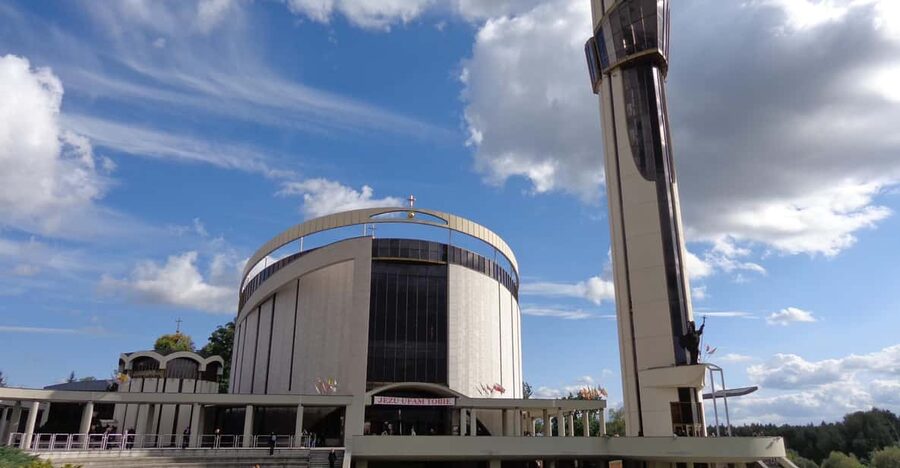
- Touring the Sanctuary of Divine Mercy at Lagiewniki
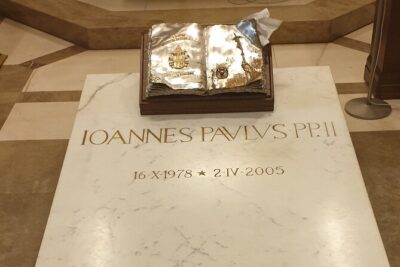
- The optional Sanctuary of Blessed John Paul II: add-on value if you have extra time
- Is $84 good value? What you really get for the money
- Languages, guide style, and what that means for your comfort
- What to expect from timing: the 3-hour label vs real-world pacing
- Who should book this tour, and who might skip it
- Tips to make your visit smoother (and more meaningful)
- Should you book the Lagiewniki Sanctuary of the Divine Mercy tour from Kraków?
Key highlights you’ll feel right away
- Panorama first: Start with the Observation Tower views so you get oriented before the sacred sites.
- Faustina’s story in context: See how Saint Sister Faustina’s life ties into the devotion you’ll experience at Lagiewniki.
- A guide who talks while you travel: The tour typically begins in the car with stories about Kraków and Christianity in Poland.
- Space for real reflection: You get time at the sanctuary to pray and pause, not just photos.
- Optional John Paul II stop: If you want more, you can add the nearby Sanctuary of Blessed John Paul II.
- Transportation included: You don’t have to worry about getting there and back; you’ll stay moving with a guide onboard.
Weighing this one up? Here is how it sits next to a few Krakow trips travellers book most.
- From Krakow: Auschwitz-Birkenau Guided Tour & Hotel Pickup
★ 4.5 · 33,358 reviews - From Krakow: Auschwitz-Birkenau Guided Tour & Hotel Pickup
★ 4.5 · 29,340 reviews - Krakow: Auschwitz Guided Tour with Optional Hotel Pickup
★ 4.5 · 15,280 reviews
From Kraków pickup to sweeping views: the Observation Tower moment
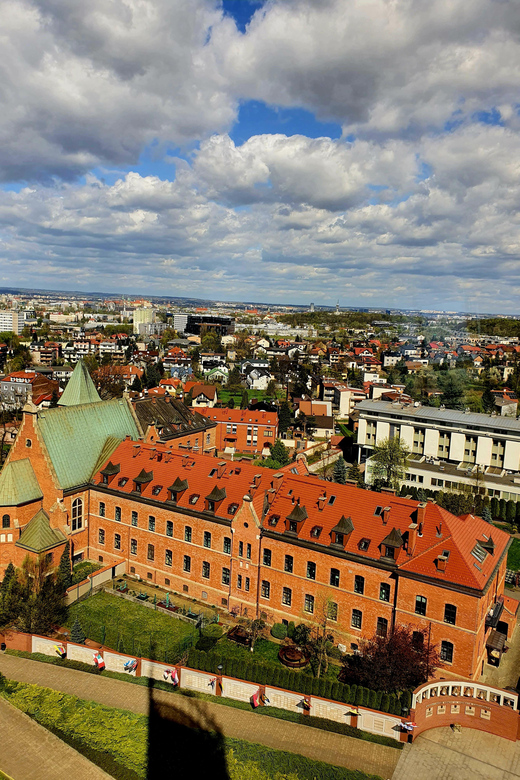
The day has a smart flow. The tour starts right when you’re picked up in Kraków, and transportation is continuous, meaning you’re not juggling buses or trying to map your own route. The guide stays with you for safety and context, and the tone is usually lively—expect talk from the moment you sit down.
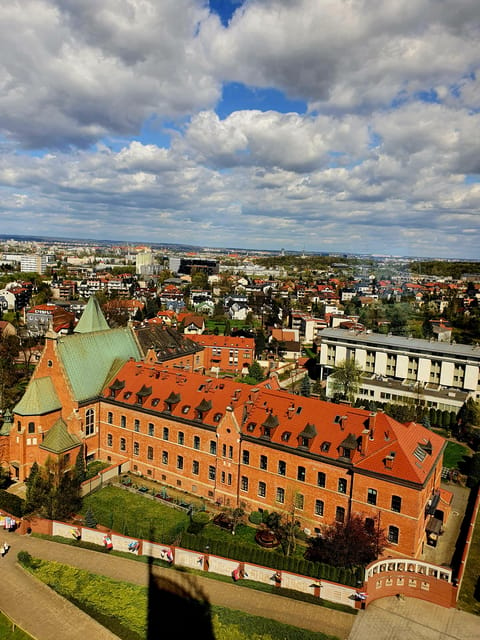
What I really like about beginning at the Observation Tower is how it changes your mindset. Before you hit the church sites, you get a sense of where you are in the area. As you ascend and look out, you’ll see why this region draws pilgrims and why people often describe the sanctuary experience as calm and grounded rather than chaotic. It’s also a great chance to ask quick questions before you go quiet.
Practical note: the tower visit still means stairs and walking. Wear shoes you can trust, because later you’ll likely want comfortable footing for sacred-site routes.
Saint Sister Faustina Museum: history you can actually connect to devotion
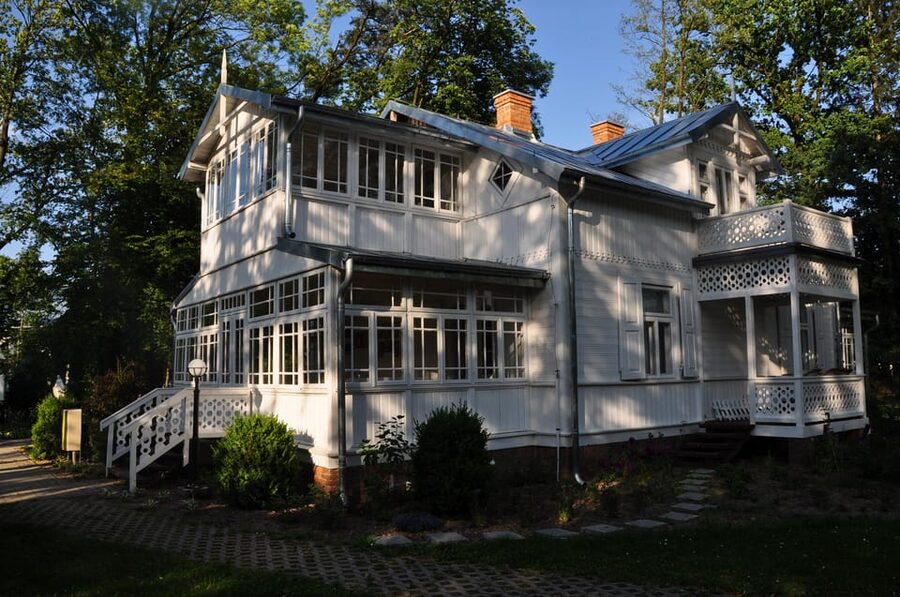
Next comes the Museum of Saint Sister Faustina, and this stop is key because it gives you the human scale of what you’re about to experience. You’re not just being told where to stand or which part to photograph. You learn about her life and legacy, and your guide shares stories that connect religious meaning with social and everyday impact.
This matters because the devotion at Lagiewniki can feel big and familiar from afar, but it becomes more personal once you understand who Faustina was and how her message traveled. Even if you’re visiting for cultural reasons, you’ll probably appreciate how the museum frames faith as something lived—not only something recited.
Also, the guide can help you make sense of terms and themes you might hear elsewhere in Kraków. If you’re the type who likes to connect dots—how churches, practices, and communities developed over time—this museum stop is built for that.
Touring the Sanctuary of Divine Mercy at Lagiewniki
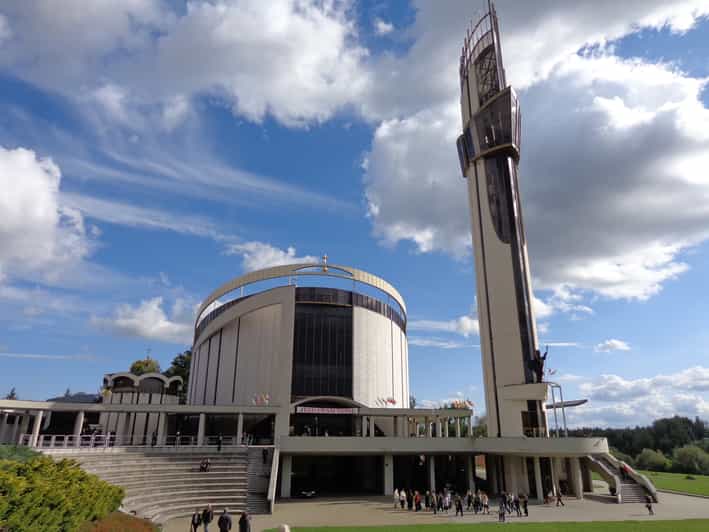
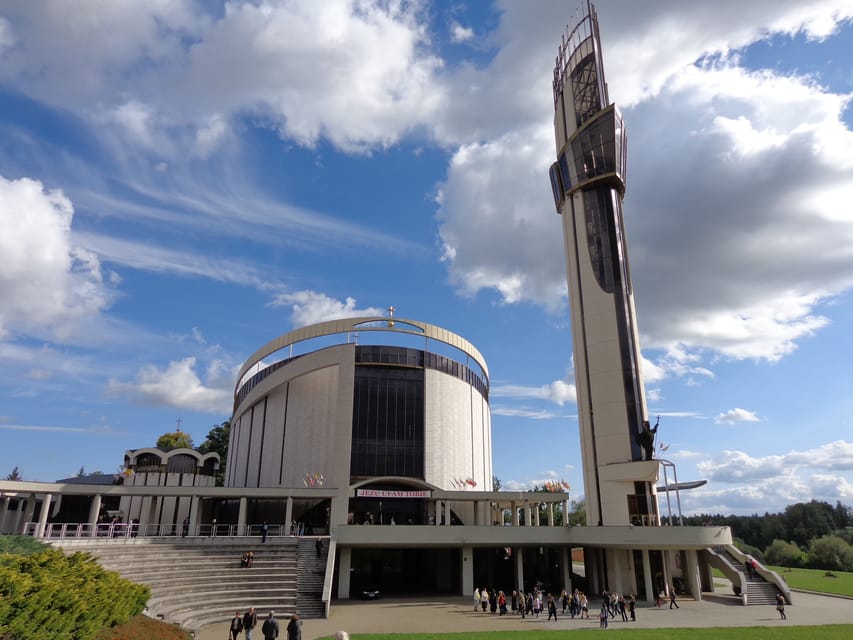
Now the heart of the day: the Sanctuary of Divine Mercy. This is the part most people hope will feel peaceful, and the tour is designed to support that. You’ll get a guided visit through the sanctuary experience, with time set aside for prayer and reflection.
What makes the sanctuary visit work well with a tour format is that you get both structure and space. The guide offers explanations so you’re not just walking around reading plaques, and then you’re given room to slow down. The atmosphere can naturally prompt silence, and the guide will help you understand what to focus on while you’re there.
Your timing can vary here. The total tour length can stretch based on where you’re picked up, traffic, and how much time you spend in prayer or confession. If you know you’ll want extra quiet, plan for the longer end of the range and don’t schedule a tight connection right after.
Tip: treat this segment as your main event. Save your biggest questions for the moments when the guide is giving context, then use your quiet time for your own thoughts.
- Krakow: Wieliczka Salt Mine Tour with Entry Ticket★ 4.6 · 10,927 reviews
- Krakow–Zakopane: Cable Car, Chocholow Baths, Cheese & Vodka★ 5.0 · 10,720 reviews
- Krakow: Auschwitz-Birkenau Guided Tour with Pickup & Lunch★ 4.5 · 9,800 reviews
- From Krakow: Wieliczka Salt Mine Tour★ 4.6 · 9,393 reviews
The optional Sanctuary of Blessed John Paul II: add-on value if you have extra time
There’s a nearby add-on that many people choose: the Sanctuary of Blessed John Paul II. If you go with the extended option, you’ll typically spend longer overall—often moving into a 4–6 hour window rather than a shorter format.
This is a good choice if you want your visit to feel more like a broader day of Polish Catholic spirituality rather than a single-site pilgrimage. It also pairs naturally with the theme of mercy and message—because the devotion you’ll see at Lagiewniki doesn’t exist in a vacuum. Adding John Paul II’s sanctuary helps you feel the continuity of modern religious influence in Poland.
If your time is tight or you prefer a shorter, more focused visit, you can stick with the shorter version and still get the core experience: tower, Faustina museum, and Lagiewniki.
Is $84 good value? What you really get for the money
At $84 per person, this isn’t a budget snack-sized tour. But it’s also not trying to be a full-day, all-bus, all-meals production. The value comes from three things you can’t easily replicate solo without planning:
- Guide time throughout the day
You’re not paying just for entry points—you’re paying for interpretation. The guide’s role isn’t passive; they help you understand what you’re looking at, including broader context about Christianity in Poland and how Kraków’s church history connects to culture and past influences.
- Transportation throughout
Continuous transport reduces stress. You don’t need to figure out local logistics, and you can focus on the experience instead of route planning.
- Efficient pacing with meaningful stops
The order works: views to orient you, museum to give context, sanctuary for reflection. You’re not rushing through sacred places without understanding why they matter.
A small caution: food and drinks aren’t included, so your total “trip cost” at the end of the day depends on how you handle meals. If you’re the type to grab lunch near Kraków afterward, you’ll be fine. If you need everything covered up front, you’ll want to plan snacks or eat before you go.
Overall, if you want a guided day that respects the sacred pace while still fitting into a half-day schedule, $84 can feel fair—especially compared to the cost of piecing together transport and interpretation on your own.
Languages, guide style, and what that means for your comfort
You can get this tour with live guiding in English, Polish, Russian, and Ukrainian. That’s a real advantage because religious sites can include details that you’d rather understand clearly than guess at.
Guide style is another big factor. In the tour experience, you’ll hear stories during the drive—history of Kraków, Christianity in Poland, and connections between churches and even older pagan culture and conflict. That kind of talk can be surprisingly helpful because it turns the day from isolated monuments into one coherent story.
Two names come up in the guide experiences: Luca and Oleksandra. Luca is described as helpful and knowledgeable, with a friendly, talk-forward approach from the drive. Oleksandra is noted for picking up from a hotel and immediately starting the explanations in the car, then giving space for questions at the sanctuary and time to pray and reflect.
You don’t have to be a religious scholar to benefit. If you like learning while you move, and you want clarity without dryness, this format fits well.
What to expect from timing: the 3-hour label vs real-world pacing
You’ll see different time windows mentioned, and that’s normal for tours that include prayer. The tour operates everyday at 9:00 and 13:00. Standard versions are typically around 3–4 hours, while extended options often run 4–6 hours, especially if you add the John Paul II sanctuary.
Traffic and your pickup location in Kraków can change the timing. And the sanctuary portion takes as long as you need—especially if you choose prayer or confession time. In other words, don’t plan for a stressful stopwatch day right after the tour ends.
If you’re choosing between the shorter and extended versions, pick based on how you want to feel:
- Shorter = more focused, less wandering.
- Extended = more context and more time for reflection.
Who should book this tour, and who might skip it
This works especially well if you:
- want a guided introduction to Divine Mercy that includes context from Kraków and Christianity in Poland
- like structured visiting but still want quiet time at the sanctuary
- don’t want to manage transport on your own
- appreciate explanations in multiple languages (English, Polish, Russian, Ukrainian)
You might consider skipping or choosing a shorter version if you:
- hate guided talking during transit (the drive is often active and story-heavy)
- want strictly silent sightseeing with no background explanations
- are extremely time-constrained and can’t risk timing changes from prayer time or traffic
Tips to make your visit smoother (and more meaningful)
You don’t need special gear, but you do want comfort. Wear comfortable walking shoes and clothing suited for sacred places. The sanctuary is the emotional core of the day, so think about your body comfort as part of the spiritual experience—if your feet hurt, it’s hard to settle.
Also, plan your day around the sanctuary segment rather than around the museum or tower. The guided explanations will help you focus, but the time to pray and reflect is the part that tends to linger after you leave Lagiewniki.
Should you book the Lagiewniki Sanctuary of the Divine Mercy tour from Kraków?
Yes—if you want a guided, half-day pilgrimage that balances stories with reflection. The best reason to book is the combination of transport + live guide + meaningful context: you start with panoramic orientation, learn Faustina’s story, and then you get time to experience the sanctuary in your own way.
If you’re on the fence, choose the version that matches your style. Go shorter for a tight, focused visit. Add the Sanctuary of Blessed John Paul II if you want more time and more spiritual context without turning it into a full-day production.
If you value explanations and want to avoid logistics stress in Kraków, this tour is a very solid bet.
More Tours in Krakow
More Tour Reviews in Krakow
Just added: fresh Krakow reviews
Tours, compared.
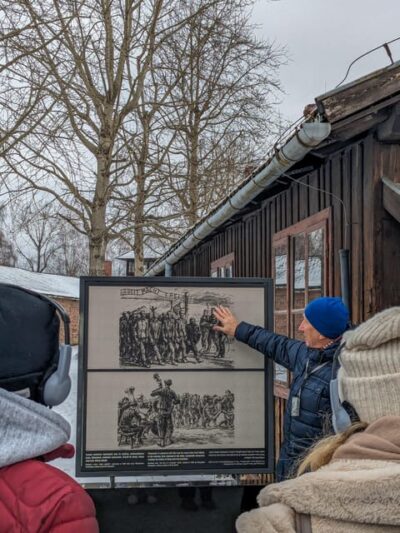 ★ 4.5Auschwitz-Birkenau Guided Tour & Hotel PickupFrom $2133,358 reviews
★ 4.5Auschwitz-Birkenau Guided Tour & Hotel PickupFrom $2129,340 reviews
★ 4.5Auschwitz-Birkenau Guided Tour & Hotel PickupFrom $2133,358 reviews
★ 4.5Auschwitz-Birkenau Guided Tour & Hotel PickupFrom $2129,340 reviews
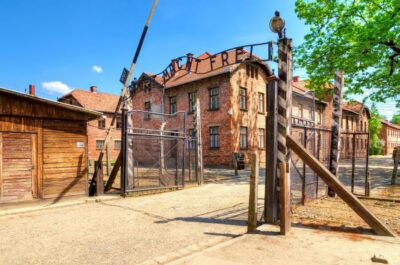 ★ 4.5Auschwitz Guided Tour with Optional Hotel PickupFrom $6915,280 reviews
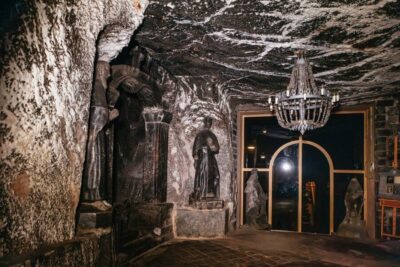 ★ 4.6Wieliczka Salt Mine Tour with Entry TicketFrom $3310,927 reviews
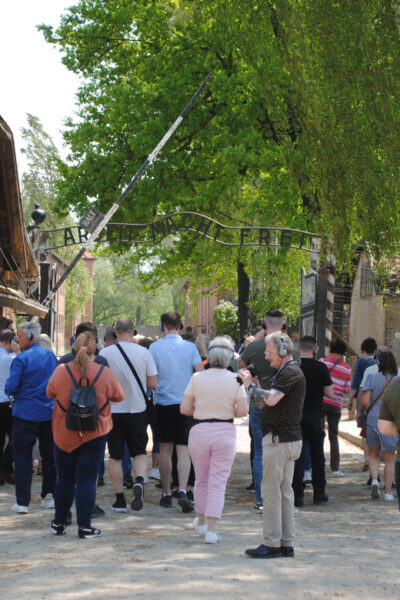 ★ 4.5Auschwitz-Birkenau Guided Tour with Pickup & LunchFrom $219,800 reviews
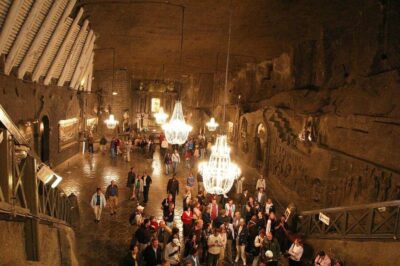 ★ 4.6Wieliczka Salt Mine TourFrom $339,393 reviews
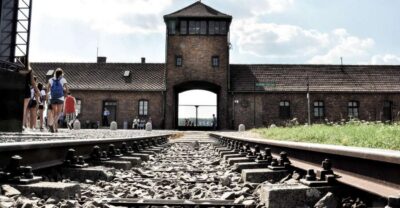 ★ 4.5Auschwitz-Birkenau Guided Tour Pickup/Lunch OptionsFrom $2009,057 reviews
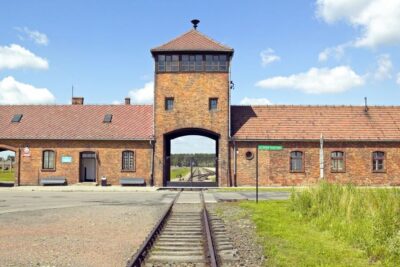 ★ 4.7Auschwitz-Birkenau and Salt Mine Guided TourFrom $549,020 reviews