
REVIEW · ZALIPIE PAINTED VILLAGE TOURS
From Krakow: Zalipie Village Day-Tour
Painted flowers turn this village into a living museum. On this 6-hour Zalipie day tour from Kraków, Zalipie’s floral motifs bring folk art to life on walls you can walk right up to.
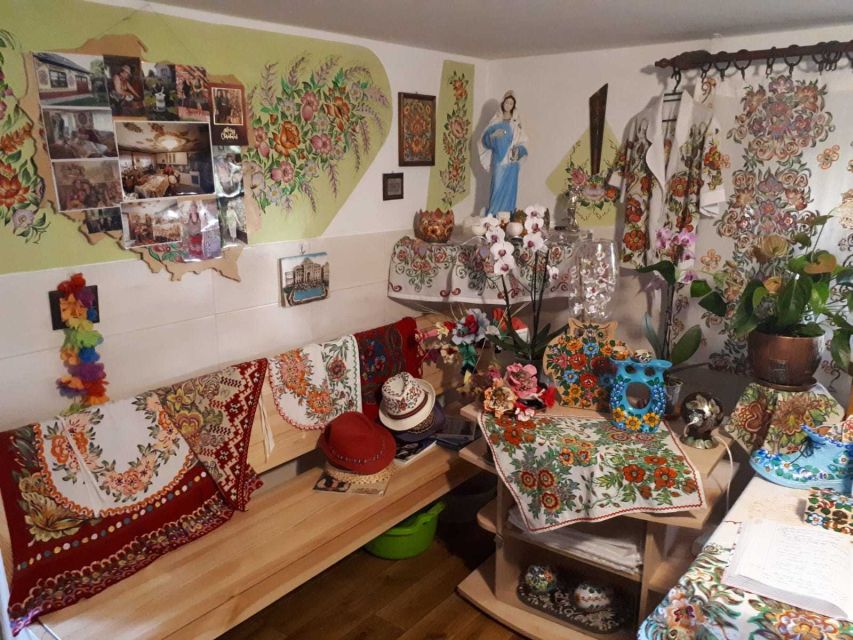
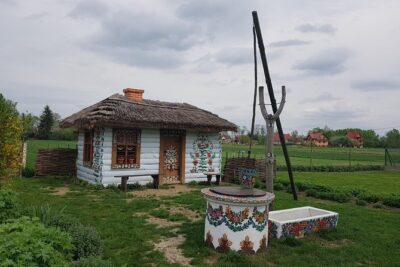
I especially like seeing the tradition the practical way: painted fences, wells, stables, and house exteriors all tell you how people turned everyday farm life into a canvas. I also love the two anchor stops, Dom Malarek (House of the Female Painters) and the Felicja Curyłowa Cottage, because you see both the community and the artist behind the look.
One thing to plan for: food isn’t included, and in quieter seasons the village itself may have limited options. Bring water and a few snacks just in case, so you are not stuck hunting for a café.
In This Review
- Key things that make this day tour worth your time
- From Kraków pickup to Lesser Poland countryside
- Zalipie’s floral painting: what you’re actually looking at
- Dom Malarek: the House of the Female Painters
- Felicja Curyłowa Cottage and the artist behind the fame
- Painted church stop: St. Joseph the Betrothed
- A guide who connects you to people, not just objects
- Timing in the village: how the 3 hours usually feel
- Food and comfort: what to do so the day stays easy
- Price and value: what your $61 buys you
- Who this tour suits best
- Should you book the Zalipie Village Day Tour?
- FAQ
- How long is the Zalipie day tour from Kraków?
- What’s included in the price?
- Is food included?
- What can I see in Zalipie?
- What language is the tour?
- Is this tour private?
- What should I wear or bring?
- Can I get a refund if my plans change?
Key things that make this day tour worth your time
- Private-group comfort with hotel pickup and drop-off from Kraków
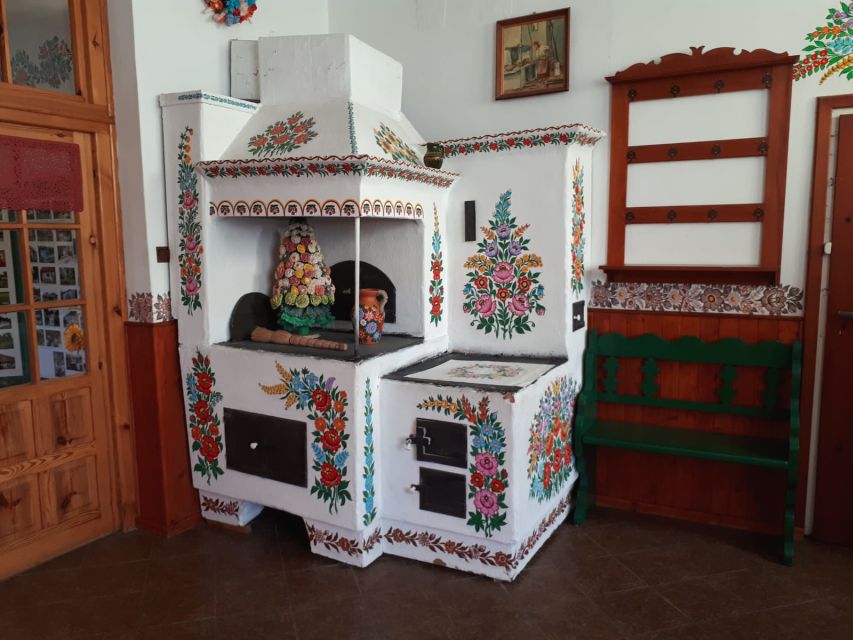
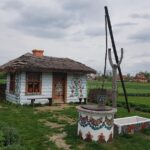
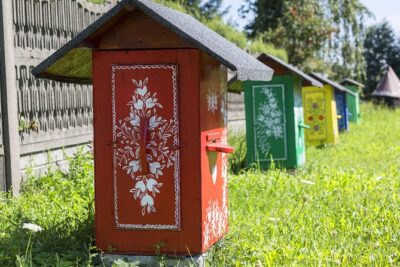
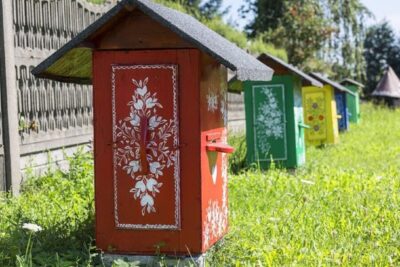
- Real folk-art details on painted fences, wells, chicken coops, and stables
- Dom Malarek for context on the tradition and how it’s preserved
- Felicja Curyłowa Cottage to understand who helped popularize Zalipie’s style
- St. Joseph’s church with interior floral motifs that match the village outside
- Photo-friendly pacing and frequent chances to stop and shoot
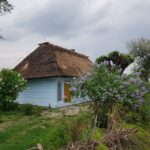
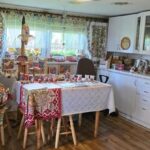
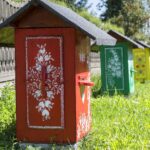
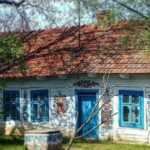
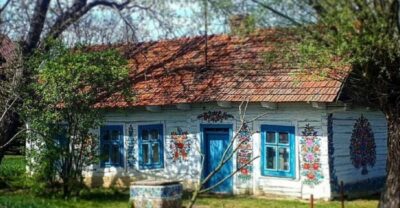
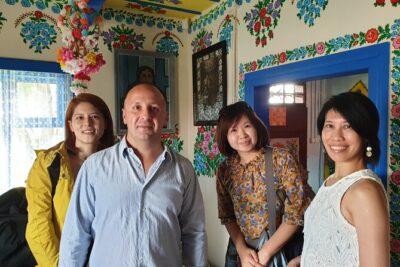
More of the painted cottages at Zalipie
- From Krakow: Guided Tour of Zalipie
★ 4.6 · 30 reviews - ZALIPIE – painted village, unique PRIVATE tour from Krakow
★ 5.0 · 20 reviews - Krakow: Zalipie Village Tour
★ 4.6 · 8 reviews
From Kraków pickup to Lesser Poland countryside
Most day trips out of Kraków feel like a rush: you get in the car, you hit a site, you get back out. This one starts smoother because you’re picked up directly, then driven east to Lesser Poland in an air-conditioned vehicle with an English-speaking driver and a licensed English-speaking guide.
What I like about this setup for Zalipie is simple: the village is best experienced slowly, and the guide keeps you moving in the right order without you having to figure out directions or parking. The drive itself also matters. You’re not just going somewhere pretty; you’re heading into the countryside context that makes all those painted farm details make sense.
Typical tour time is about 6 hours total, with around 3 hours spent sightseeing in the village. That ratio works. You get enough time to see the major painted spots without feeling like you’re staring at the same street corner for an hour trying to stretch the day.
Zalipie’s floral painting: what you’re actually looking at
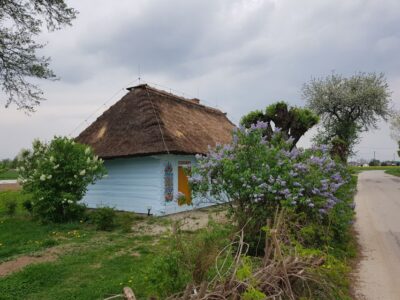
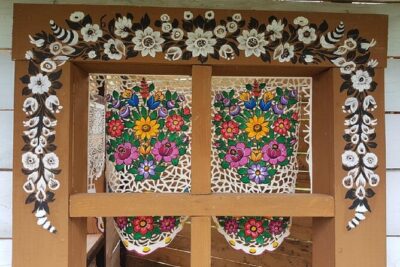
Zalipie isn’t decorated in a one-time festival way. The village is known for a tradition that’s been going for over 100 years, tracing back to the late 19th century. The key idea: local people painted flower motifs onto their homes and farm structures, turning the outside of daily life into something joyful and personal.
When you walk around, the first surprise is how consistent the theme is while the details vary by house and by maker. A fence might look like background texture until you see the specific flower shapes and patterns—then it starts reading like folk design language. Wells and stables make the tradition feel even more grounded because these are practical structures. Painting them doesn’t replace their function. It adds identity.
A guide helps here. If you only view it like a photo backdrop, you’ll miss the why. With a good guide, you start noticing how motifs are used as a visual signature—like a local dialect you can see, not just hear.
Also, you’re likely to encounter painted surfaces beyond the obvious house facades: the tour format emphasizes the painted village elements such as fences, wells, and outbuildings. That’s where Zalipie becomes more than a scenic stop. It becomes a working example of folk art in a real community.
Dom Malarek: the House of the Female Painters
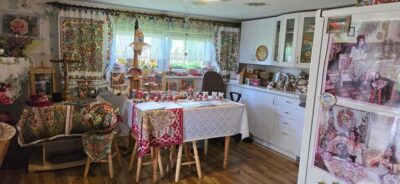
This is one of the best reasons to book a guided tour instead of trying to self-navigate. Dom Malarek (House of the Female Painters) isn’t just a museum object. It’s presented as a center dedicated to preserving the tradition—so you understand how the village’s style survived and spread.
In practical terms, this stop gives you context before you go back out and see more painted exteriors. You learn what kinds of floral motifs were important, how the practice became established, and why it developed into something community-wide rather than a one-person craft.
What I like most is that it turns your mindset from scenery to craft. You start looking at the paintings as work with techniques and choices, not just decoration. Then the village outside hits harder—because you recognize patterns you didn’t have words for five minutes earlier.
- Krakow: Wieliczka Salt Mine Tour with Entry Ticket★ 4.6 · 10,927 reviews
- Krakow–Zakopane: Cable Car, Chocholow Baths, Cheese & Vodka★ 5.0 · 10,720 reviews
- Krakow: Auschwitz-Birkenau Guided Tour with Pickup & Lunch★ 4.5 · 9,800 reviews
- From Krakow: Wieliczka Salt Mine Tour★ 4.6 · 9,393 reviews
Felicja Curyłowa Cottage and the artist behind the fame
If Dom Malarek helps explain the tradition’s preservation, the Felicja Curyłowa Cottage helps explain its popularity. You’ll learn about Felicja Curyłowa’s role in popularizing Zalipie’s floral painting, which is a big part of why the village is known not only in Poland but internationally.
This stop is valuable for two reasons:
1) It connects the style to a person, not just a community habit.
2) It shows how art can travel beyond its original place when someone helps it get noticed.
If you care about culture that has a specific origin story, this is where you feel it. Zalipie isn’t generic “folk art” packaging. It has names, influence, and a recognizable creative push.
Painted church stop: St. Joseph the Betrothed
Another major highlight is the church: the Church of St. Joseph the Betrothed. What’s special here is that the floral motif theme doesn’t stop at village fences and house corners. You can see traces of the local painting tradition inside the church.
This is a quick stop compared with the full village walking time, but it’s a smart one. It shows how the aesthetic belongs to more than just homes—it connects to spiritual life and local identity. For visitors who only associate religious spaces with austerity, this is a refreshing shift: the church interior fits the village’s “flowers everywhere” feel.
It also gives you a pause from the outdoors. If you’re photographing, it’s a nice change of background. If you’re just absorbing, it’s a calmer environment where details stand out more.
A guide who connects you to people, not just objects
The most praised part of this tour is often the guide relationship with the village. Multiple English-speaking guides referenced in recent experiences—like Wojtek, Bart, Simon, Damian, and Mateusz—have a knack for explaining not only Zalipie’s art but also Poland in general. That matters because you’re not only looking at painted walls; you’re visiting a real community.
Several guided tours also include opportunities to see more than the publicly obvious exteriors—such as meeting locals or getting a look at private houses when access is possible. Sometimes you even get conversations that turn the paintings from a curiosity into a story of family life and craft handed down.
There’s a practical benefit too: when you’re in the right spot at the right moment, you get better photographs. You also avoid the common problem of tourists wandering and missing the best painted details because they didn’t know where to aim their camera.
Timing in the village: how the 3 hours usually feel
With about 3 hours of sightseeing in Zalipie, the experience works best if you go with the flow. You’ll typically bounce between:
- painted house exteriors and village structures
- the female painters center (Dom Malarek)
- the Felicja Curyłowa Cottage
- the church
- optional photo moments and additional local art spaces, depending on the guide’s plan
Those who want to do lots of close-up photography will find the pace helpful because the tour is built around stopping. People also report that guides are patient with photo time—so you’re not being herded down a path every 30 seconds.
The main limitation is that 3 hours can feel short if you’re the type who reads every informational panel and wants to sketch or linger. If that’s you, plan to focus on the patterns and key buildings rather than trying to capture every paint stroke.
Food and comfort: what to do so the day stays easy
Food is not included. That’s the big planning detail. In busier seasons, you may find time for a café stop or something like coffee and ice cream, and some guides make room for a simple lunch at a cultural center.
In early October conditions described in recent experiences, food options in the village were limited, so one guide offered to stop at a rest area for snacks or coffee. Bottom line: don’t rely on finding a full meal on-site. Bring your own water, and consider a snack bar or two.
Comfort-wise, wear shoes you can walk in. Even though Zalipie is small, the charm is in the details, and you’ll be moving. Dress for the weather; rural visits can feel cooler in shade.
Price and value: what your $61 buys you
At about $61 per person for a half-day format, this tour is not trying to be a budget bus ride. You’re paying for several things that add up:
- hotel pickup and drop-off from Kraków
- air-conditioned private transport
- entrance tickets
- a licensed English-speaking guide
- an English-speaking driver who keeps the day running smoothly
The value is strongest if you want a guided focus on art history plus practical help (where to go, what to look for, how to read the motifs). If you already speak Polish and love solo wandering, you could technically visit independently—but you’d be giving up the “what to notice” layer and the access advantages that guides can sometimes arrange.
One trade-off: private group pricing can feel steep if you’re traveling alone or expecting a cheaper per-person shared van. If you can travel with another couple or you don’t mind a small group, you may find the per-person cost feels more balanced.
Who this tour suits best
I think this is a top choice for:
- couples and small groups who want one memorable countryside day without logistical stress
- travelers who like folk art, textiles/crafts, and everyday history
- anyone planning a Kraków trip who wants something more personal than the usual big landmarks
- photographers who want clean, iconic subjects with lots of variety (houses, fences, wells, church interiors)
It may be less ideal if you want a long, slow “stay and explore” countryside day with multiple meals and plenty of free time. Here, the emphasis is on seeing the key painted sites efficiently and learning them in context.
Should you book the Zalipie Village Day Tour?
If you’re in Kraków and you want one day that feels truly different, I’d book this. The big reason is that Zalipie isn’t just pretty houses—it’s a real tradition with names, preservation, and community meaning. A good English-speaking guide turns it from background scenery into something you understand while you’re looking.
Also, you get a comfortable, timed visit with pickup and tickets handled. That removes the biggest friction point for small villages: getting there, getting around, and knowing what matters.
My cautious note: if you’re sensitive to food limitations and you’re traveling in quieter months, plan ahead with snacks and water. Then the experience stays effortless.
In short: if folk art and “see it with meaning” days are your thing, this is one of the best value uses of a half-day near Kraków.
FAQ
How long is the Zalipie day tour from Kraków?
The tour lasts about 6 hours total, with around 3 hours spent sightseeing in Zalipie.
What’s included in the price?
You get hotel pickup and drop-off, transport by air-conditioned car, entrance tickets, and a licensed English-speaking guide plus an English-speaking driver.
Is food included?
No. Food and drinks are not included. It’s smart to bring water and snacks, especially if you’re traveling in a quieter season.
What can I see in Zalipie?
You’ll see painted houses and village structures, including painted fences, wells, stables and other farm buildings. Key indoor stops can include Dom Malarek (House of the Female Painters) and the Felicja Curyłowa Cottage, plus the Church of St. Joseph the Betrothed.
What language is the tour?
The guide and tour are in English.
Is this tour private?
Yes, it’s listed as a private group.
What should I wear or bring?
Wear comfortable shoes and comfortable clothes. Bringing water and a small snack can make the day easier since food is not included.
Can I get a refund if my plans change?
The activity offers free cancellation up to 24 hours in advance for a full refund.
More Tours in Krakow
More Tour Reviews in Krakow

More of Painted Zalipie
Just added: fresh Krakow reviews

Zalipie Painted Village Tours, compared.
 ★ 4.6Guided Tour of ZalipieFrom $12530 reviews
 ★ 5.0ZALIPIE – painted village, unique PRIVATE tour from KrakowFrom $17420 reviews
 ★ 4.6Zalipie Village TourFrom $1288 reviews
 ★ 5.0ZALIPIE – painted village, unique small group tour from KrakowFrom $1237 reviews
 ★ 4.7Guided Day Tour of Zalipie Village & Museum EntryFrom $1226 reviews
 ★ 5.0Zalipie Private Tour from Krakow The Painted VillageFrom $1624 reviews
 ★ 4.0Zalipie and Painted Village Guided TourFrom $1324 reviews
 ★ 4.0Full-Day Zalipie Painted Village Guided TourFrom $1253 reviews
Browse the lists this tour appears in