
A hard day, carefully organized. This one-day Auschwitz-Birkenau and Wieliczka Salt Mine trip pairs Auschwitz-Birkenau with a completely different kind of underground wonder in the same long day. I like how the schedule gives you time to take it in without feeling totally rushed, even when the subject matter is heavy.
I also like the small group size (up to 8) and the fact that you’ll have a live English guide leading both experiences. From the way the guides frame what you’re seeing to the practical tips along the way, it makes a major difference for first-timers.
The main drawback to plan around is timing. Even with a skip-the-line setup, you can still end up waiting if ticket reservations aren’t available, and the day starts early with an exact pickup time that’s only confirmed the day before.
In This Review
- Key takeaways before you go
- Two worlds in one 12-hour day: Auschwitz-Birkenau first
- Auschwitz I: learning the system, not just seeing buildings
- Auschwitz II–Birkenau: scale hits you differently
- Wieliczka Salt Mine: the underground temperature shock and the steps
- The “Chapel of St. Kinga” is the reason people remember the mine
- 800 steps: take this seriously, even if you’re fit
- The pacing that matters: transport, lunch time, and when you’ll feel tired
- Lunch: it’s planned, but don’t assume it’s guaranteed
- Expect the day to feel like two different stories
- Value for $196: what you pay for, and what could still go wrong
- Guide quality can make or break the day
- A note on weather and waiting
- What you should bring (and what to skip)
- How to plan your body for this day
- Should you book this Auschwitz-Birkenau and Wieliczka day trip?
- FAQ
- How long is the Krakow Auschwitz-Birkenau and Wieliczka Salt Mine day trip?
- Where does the tour start in Krakow?
- What’s included in the price?
- Is the Auschwitz ticket line skipped?
- What language is the tour guide?
- How big is the group?
- What time does the tour start?
- What should I bring for the tour?
- What are the conditions in the salt mine?
- Is this tour suitable for people with mobility impairments or claustrophobia?
- Is free cancellation available?
Key takeaways before you go
- Small-group size (up to 8) keeps things calmer on a day that can feel overwhelming
- English live guide helps you make sense of what you’re seeing at both sites
- Underground reality check: the salt mine runs around 14–16°C and includes 800 steps
- One-day pacing mixes serious memorial time with a long underground tour and travel time
- Pickup timing can be early and exact times can shift, so plan your morning around flexibility
- Ticket availability matters: if advance reservations fail, waiting time can stretch
Other guided visits to the Auschwitz-Birkenau Memorial
- From Krakow: Auschwitz-Birkenau Guided Tour & Hotel Pickup
★ 4.5 · 33,358 reviews - From Krakow: Auschwitz-Birkenau Guided Tour & Hotel Pickup
★ 4.5 · 29,340 reviews - Krakow: Auschwitz Guided Tour with Optional Hotel Pickup
★ 4.5 · 15,280 reviews
Two worlds in one 12-hour day: Auschwitz-Birkenau first
Starting with Auschwitz-Birkenau sets the emotional tone immediately. You’ll ride out of Krakow in a van and then step into a place that forces you to focus on facts, scale, and human loss. It’s not light sightseeing, but the structure of a guided visit helps you stay grounded.
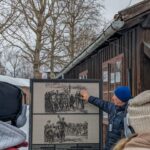
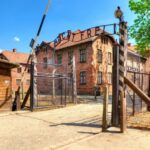
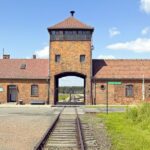
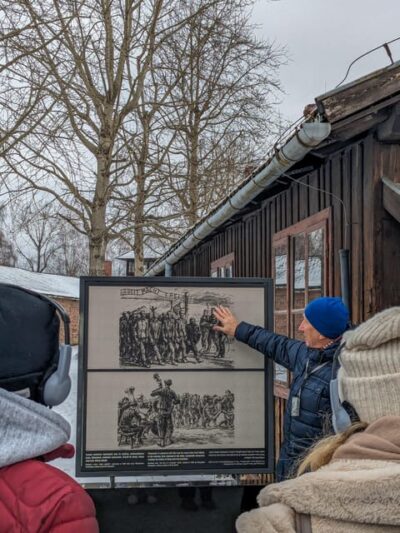
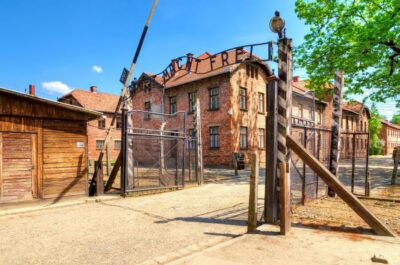
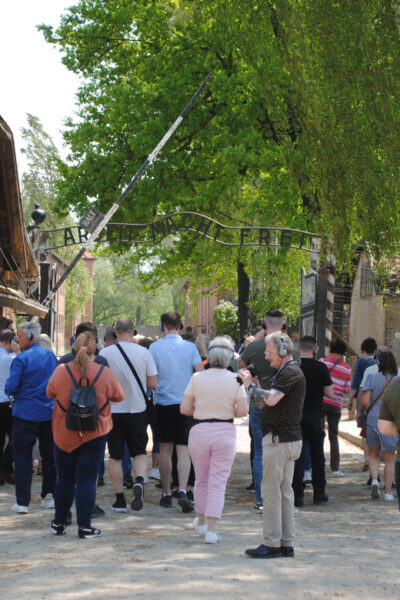
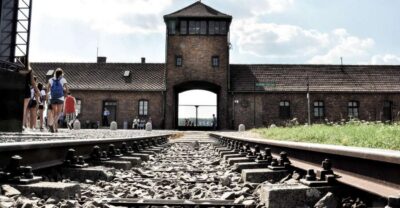
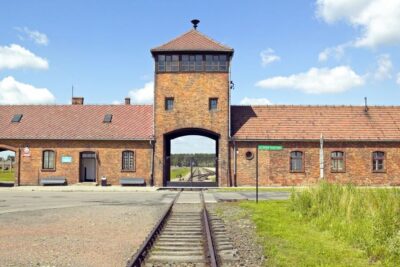
When you enter, you’ll see the gate with the inscription Arbeit macht frei. From there, your guide leads you through the areas that preserve what the camp was built to do, including original barracks, guard towers, and memorials honoring the victims. The camp is extensive, but the guided portions are designed to give you clear context without leaving you wandering.
There’s also a break built in during the Auschwitz-Birkenau visit (time is scheduled for a short pause). That matters because you’ll likely want a moment to reset your head, use facilities, and take a breath before continuing. I like that the tour doesn’t pretend the day is easy just because it’s organized.
A big practical point: the memorial controls part of the pace. Your visit timing and how long you spend in each zone are partly determined by the memorial’s own visitor service, so don’t expect total control over minute-by-minute timing. A good guide will help you stay with the flow instead of fighting it.
Auschwitz I: learning the system, not just seeing buildings
Auschwitz I is where you get the “foundation” version of the story. Your visit there is guided for about two hours, which is long enough to understand why the camp existed and how the machinery of persecution worked. You’ll see key structures and interpretive areas that connect the physical space to the historical events.
This is the part I’d treat as the mental anchor of the entire day. If you only remember one section later, make it this one—because Auschwitz II (Birkenau) is bigger and more visually haunting, but Auschwitz I helps you understand the logic behind it. A guide’s role is huge here, especially in keeping explanations respectful and clear.
Auschwitz II–Birkenau: scale hits you differently
After a short coach transfer (about 10 minutes), you’ll move on to Auschwitz II–Birkenau for a guided tour of about 75 minutes. This is where the sheer scale becomes impossible to ignore. The barracks and the layouts show how mass imprisonment and forced labor were organized.
Even if you’ve read about Auschwitz before, Birkenau can feel like a new level of reality. I like that the tour keeps you in guided time rather than asking you to make sense of everything alone. You’ll follow the route with someone explaining what you’re looking at and why it mattered.
One consideration: photography rules and behavior expectations are part of the memorial environment. You’ll want comfortable restraint—use your phone only if your guide tells you it’s allowed, and expect quiet places where you’ll naturally lower your voice.
More ways down into the Wieliczka salt mine
- Krakow: Wieliczka Salt Mine Tour with Entry Ticket★ 4.6 · 10,927 reviews
- From Krakow: Wieliczka Salt Mine Tour★ 4.6 · 9,393 reviews
- Krakow: Wieliczka Salt Mine Fast-Track Ticket & Guided Tour★ 4.5 · 5,872 reviews
- Day Trip: Auschwitz-Birkenau and Wieliczka Salt Mine from Krakow★ 4.5 · 4,282 reviews
Wieliczka Salt Mine: the underground temperature shock and the steps
Once Auschwitz is behind you, the move to the Wieliczka Salt Mine feels like stepping into another planet. The contrast is dramatic: dark, underground corridors and carved chambers instead of open air memorial space. Your van ride to the mine takes about 1.5 hours, with time for a scheduled break on arrival.
Before descending, plan for the fact that underground temperatures stay between 14° and 16° C. Even in summer, you’ll feel cooler down there, and in winter it’s even more noticeable when you step in after the cold outside. Bring a layer you’ll actually wear; thin jackets can feel pointless when you’re moving slowly underground.
The “Chapel of St. Kinga” is the reason people remember the mine
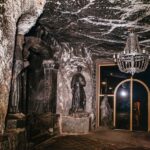
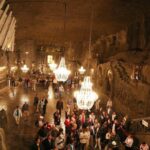
The mine tour is guided for about 2.5 hours. As you go deeper, you’ll see chambers carved out of salt and follow a route that leads to some of the most famous sights—especially the Chapel of St. Kinga, described as a majestic underground sanctuary sculpted from salt.
I like this stop because it’s not just sightseeing. It shows how people used the mine not only for survival and work, but also for meaning and craftsmanship. It’s still a working underground space, but the chapel turns it into a place where you can pause and reflect without needing to “perform” for your group.
800 steps: take this seriously, even if you’re fit
The salt mine includes 800 steps total, with about 350 steps at the beginning that take you down. That’s not a trivia detail—it affects how enjoyable the tour will be, because you’ll spend time moving slowly on stairs while damp air and cool temperatures do their job.
If you don’t love stair-heavy walking, you may feel the challenge even when you’re not exhausted. Good shoes are not optional here. If you have any mobility limitations, this is not a tour designed for you.
Also note: this experience isn’t suitable for people with claustrophobia. Underground corridors and enclosed spaces can feel tight, even though you’re on a guided route and the mine itself is well managed.
The pacing that matters: transport, lunch time, and when you’ll feel tired
This tour runs about 12 hours, and that length comes from two realities: travel time from Krakow and guided time at two very different sites. You’ll ride in a van for about 1.5 hours to reach Auschwitz, then additional travel between Auschwitz I and Auschwitz II, then another 1.5 hours to the salt mine. The return ride is about 45 minutes.
The question isn’t whether it’s “long.” It is. The question is whether it’s long in a way that still feels fair to your energy.
Lunch: it’s planned, but don’t assume it’s guaranteed
You’re told you’ll have time for lunch before descending into the salt mine, and there’s a short break scheduled. That’s good, but one of the real-world risks of any tightly structured day is that lunch depends on how the memorial pacing works out and how your group moves through each segment.
If you’re picky about meal timing, I’d bring a simple backup snack plan just in case. Even if you sit down to eat as scheduled, you’ll likely be grateful for something small later.
Expect the day to feel like two different stories
Auschwitz asks for seriousness and attention. Wieliczka asks for stamina and a willingness to look at details up close. When the schedule flows well, the switch feels strangely clarifying—like your mind gets a chance to change channels without pretending what you saw wasn’t real.
If the day gets delayed, it can feel heavier. That’s why I like tours that limit group size and use guides who keep everyone moving and informed.
Value for $196: what you pay for, and what could still go wrong
At $196 per person, you’re paying for a lot more than a bus ticket. You’re covering guided visits to both Auschwitz-Birkenau and Wieliczka, plus professional English guiding and transportation from Krakow. For many people, the value is the stress reduction: you’re not coordinating two separate day trips, ticket timing, and local navigation.
There’s also a stated benefit: skip the ticket line. In real life, “skip the line” can depend on whether reservations are available ahead of time. If Auschwitz online reservation isn’t available, you may have to wait in line, and waiting time can last up to a few hours during last-minute situations.
So how do you judge value? I’d frame it like this: the tour is worth it if you want guided interpretation and door-to-door transportation. If you’re the type who enjoys doing everything independently and you’re comfortable managing ticketing and complicated timing, you might choose other options. But if you’d rather have someone handle the heavy logistics, this one tends to justify its price.
Guide quality can make or break the day
You’ll want a guide who can handle tone and pace at Auschwitz while also guiding you through a long walking route at the mine. The experience descriptions and guide feedback show this varies by person, but when it’s done well, it’s excellent.
I saw names pop up that signal strong performance, like Bohdan being praised for early arrival strategy and clear direction during transitions. I also saw Barbara praised for explanations that stayed respectful and clear in tough material. And drivers like Ilona and Gabriel were highlighted for being thoughtful and well organized.
If you’re choosing the tour, I’d treat guide style as a key factor. The sites are fixed; what changes is how the day feels for you.
A note on weather and waiting
This is Poland, and early starts can mean cold mornings. One experience described a late arrival, a bus with cigarette smell, and heaters not working in around -8°C weather—plus a long ticket wait. That’s not the usual pitch, but it’s a reminder to expect that conditions can affect comfort, especially if delays happen.
Bring patience, and dress for waiting even if the plan is smooth. If it’s freezing out, your comfort depends on layers and a good attitude.
What you should bring (and what to skip)
You’ll get a short list of basics, and I’d follow it closely. Bring passport or ID, comfortable shoes, and clothing for the weather. At Auschwitz, comfort matters because you may stand and walk more than you expect.
At Wieliczka, you also want a warm layer because the mine stays around 14–16°C. Your feet will work hardest on the stairs, so shoes with grip are the real win.
How to plan your body for this day
This isn’t a gentle outing. You’ll do guided walking at Auschwitz and then a staircase-heavy mine tour. If you’re an occasional walker, build in extra time to rest your legs between stops. If you’re fit, you’ll still feel the day in your calves after 800 steps and cool air.
And remember: it isn’t suitable if you have mobility impairments or claustrophobia. The tour style is fixed; there’s no easy workaround built in.
Should you book this Auschwitz-Birkenau and Wieliczka day trip?
I’d book it if you want guided, small-group structure and you’re okay with an emotionally intense morning followed by a physically active underground afternoon. The value is strongest when you appreciate interpretation and smooth transportation from Krakow, instead of trying to manage tickets and routes yourself.
I wouldn’t book it if stairs or enclosed spaces are a problem for you, or if you know you’ll struggle with a very early start plus a long day. Also consider your own tolerance for waiting if ticket availability forces a queue.
If you do go, go in with a plan: wear grippy shoes, pack layers, and keep a flexible mindset about timing. When the tour runs well, it gives you something hard to replicate on your own: context, coordination, and a guided path through two places that couldn’t be more different.
FAQ
How long is the Krakow Auschwitz-Birkenau and Wieliczka Salt Mine day trip?
The tour lasts about 12 hours.
Where does the tour start in Krakow?
Pickup depends on the selected option, and drop-off happens at 2 locations in Kraków at Kiss&Ride. If your lodging is in the Old Town or Kazimierz restricted traffic zones, they’ll contact you to confirm the nearest possible pickup point.
What’s included in the price?
Included are visits to Auschwitz-Birkenau and the Wieliczka Salt Mine, a professional guide, and transportation from Krakow.
Is the Auschwitz ticket line skipped?
The tour is described as skipping the ticket line. However, if online Auschwitz reservations aren’t available, you may have to wait in line for tickets, and the waiting time can be up to a few hours on last-minute tours.
What language is the tour guide?
The live tour guide is in English.
How big is the group?
The group is limited to 8 participants.
What time does the tour start?
The possible start window is between 5:00 AM and 1:30 PM, or even earlier in rare cases. You choose a preferred time, but the exact pickup time is communicated the day before.
What should I bring for the tour?
Bring a passport or ID card, comfortable shoes, and weather-appropriate clothing.
What are the conditions in the salt mine?
The underground temperature is about 14° to 16° C. The mine tour includes 800 steps total, with about 350 at the beginning going down.
Is this tour suitable for people with mobility impairments or claustrophobia?
No. It is not suitable for people with mobility impairments or for people with claustrophobia.
Is free cancellation available?
Yes. You can cancel up to 24 hours in advance for a full refund.
More Tour Reviews in Krakow
More of the Wieliczka Salt Mine

Visiting the Auschwitz-Birkenau Memorial

Just added: fresh Krakow reviews
Auschwitz-Birkenau Memorial Tours, compared.
 ★ 4.5Auschwitz-Birkenau Guided Tour & Hotel PickupFrom $2133,358 reviews
★ 4.5Auschwitz-Birkenau Guided Tour & Hotel PickupFrom $2129,340 reviews
★ 4.5Auschwitz-Birkenau Guided Tour & Hotel PickupFrom $2133,358 reviews
★ 4.5Auschwitz-Birkenau Guided Tour & Hotel PickupFrom $2129,340 reviews
 ★ 4.5Auschwitz Guided Tour with Optional Hotel PickupFrom $6915,280 reviews
 ★ 4.5Auschwitz-Birkenau Guided Tour with Pickup & LunchFrom $219,800 reviews
 ★ 4.5Auschwitz-Birkenau Guided Tour Pickup/Lunch OptionsFrom $2009,057 reviews
 ★ 4.7Auschwitz-Birkenau and Salt Mine Guided TourFrom $549,020 reviews
 ★ 5.0Krakow to Auschwitz Birkenau Guided Tour with Transfer and TicketFrom $368,197 reviews
 ★ 4.0Auschwitz Birkenau Tour with TransferFrom $216,134 reviews
Browse the lists this tour appears in