
Winter makes Auschwitz feel even colder. On this Kraków day trip, you’ll move through Auschwitz I and Auschwitz II–Birkenau with a licensed English guide who turns preserved ruins into clear, human-scale history. The focus stays on remembrance, with time for questions and quiet moments when you need them.
What I like most is the way you’re shown original barracks, prison blocks, and camp infrastructure rather than vague explanations. You’ll also see personal items, photographs, and documents tied to former prisoners, which makes the story harder to dismiss as just dates and numbers. One drawback to plan for: this can be brutally cold, and on a -9°C day the minibus still may not feel warm enough, even if your guide does everything possible to help.
In This Review
- Key takeaways before you go
- A 7-hour Auschwitz day trip: what the schedule really means
- Pickup to the gates: transport from Kraków and how to stay comfortable
- Auschwitz I: original barracks, prison blocks, and the system behind the horror
- What you’ll focus on at Auschwitz I
- The main consideration at Auschwitz I
- The short transfer: a pause between two parts of the story
- Auschwitz II–Birkenau: walking the railway ramp and seeing the scale
- What makes Birkenau hit harder
- The main consideration at Birkenau
- Why the licensed English guide changes everything
- What’s included (and what you should plan for yourself)
- Value check: is $82 per person worth it?
- Who this tour suits best
- Should you book this Auschwitz Birkenau guided tour from Kraków?
- FAQ
- Is this Auschwitz-Birkenau tour located near Kraków?
- How long is the tour?
- Do I get to see both Auschwitz I and Auschwitz II–Birkenau?
- Is the tour guided in English?
- Is lunch included?
- Is pickup from Kraków included?
- Will I wait in line for tickets?
- What are the cancellation rules?
Key takeaways before you go
- Two camps in one day: Auschwitz I (about daily mechanics of the system) then Auschwitz II–Birkenau (scale and extermination).
- Skip-the-ticket-line: less waiting, more time on-site with your guide.
- Artifacts that add context: personal belongings, photographs, and documents help you connect what you see to real people.
- Birkenau’s railway ramp: walking the iconic tracks helps you grasp how deportations unfolded.
- A licensed English guide: factual explanations and respectful storytelling keep the visit coherent.
- Cold-weather reality: bring proper layers and expect long, exposed stretches outside.
Other guided visits to the Auschwitz-Birkenau Memorial
- From Krakow: Auschwitz-Birkenau Guided Tour & Hotel Pickup
★ 4.5 · 33,358 reviews - From Krakow: Auschwitz-Birkenau Guided Tour & Hotel Pickup
★ 4.5 · 29,340 reviews - Krakow: Auschwitz Guided Tour with Optional Hotel Pickup
★ 4.5 · 15,280 reviews
A 7-hour Auschwitz day trip: what the schedule really means
This is a 7-hour outing that starts in Kraków with pickup from your address (pickup is optional). You’ll spend about 1.5 hours traveling each way by van, plus short transfers between the two camps.
That timing matters. It means you’re committing a full day, not a quick stop. You also get enough time inside each site to follow the guide’s story without feeling constantly rushed, even though the subject matter itself will slow you down.
Pickup to the gates: transport from Kraków and how to stay comfortable
You’ll ride out to the camp area by van, and the day runs on a fixed rhythm. The practical upside is that you don’t have to coordinate public transport or parking—your guide handles the logistics and you focus on the visit.
The practical downside is weather. The site is outdoors and exposed in winter, and one cold spell I saw noted was -9°C, where even a caring guide couldn’t fully fix how chilly the minibus felt. If you’re going in cold months, dress for the van ride too: warm base layers, hat, gloves, and a coat that blocks wind.
Also consider time to breathe between stops. The van transfers give you a small reset before you face the next section of the camp.
Auschwitz I: original barracks, prison blocks, and the system behind the horror
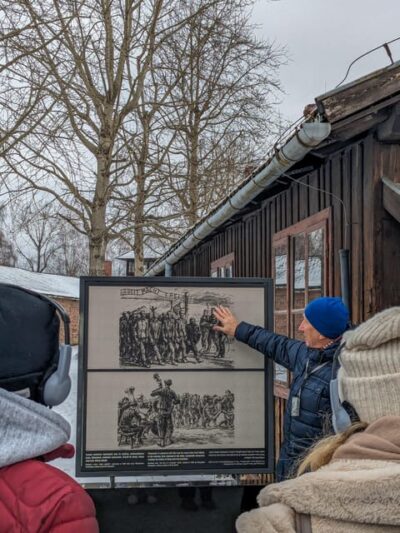
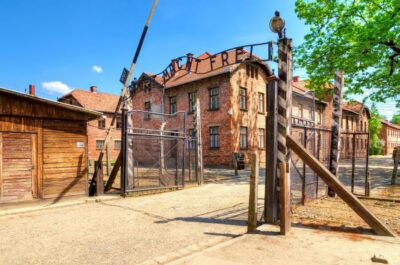
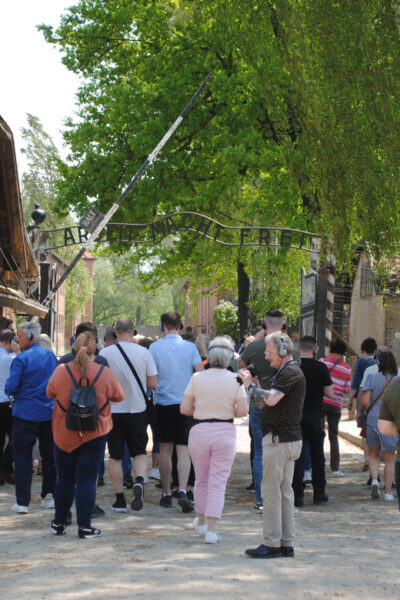
Auschwitz I is where the day becomes structured. You’ll start with a guided tour (about 2 hours) through preserved barracks and prison blocks, plus exhibitions that show photographs, documents, and personal belongings.
I like this first camp approach because it sets the groundwork. You learn how the Nazi camp system functioned, not just what happened in the later extermination site. When you then move to Birkenau, the history makes more sense in your head, not just your eyes.
A few more Krakow trips worth putting on the shortlist
- Krakow: Auschwitz-Birkenau Guided Tour with Pickup & Lunch★ 4.5 · 9,800 reviews
- Krakow: Auschwitz-Birkenau Guided Tour Pickup/Lunch Options★ 4.5 · 9,057 reviews
- Krakow: Auschwitz-Birkenau and Salt Mine Guided Tour★ 4.7 · 9,020 reviews
- Krakow to Auschwitz Birkenau Guided Tour with Transfer and Ticket★ 5.0 · 8,197 reviews
What you’ll focus on at Auschwitz I
Inside Auschwitz I, expect to see:
- preserved camp structures and boundaries
- prison blocks and barracks
- exhibitions tied to former prisoners
Even with no added drama, these objects do something powerful: they make the system feel real. You can look at details and connect them to what the guide explains.
The main consideration at Auschwitz I
This is emotionally intense, and you’ll be walking and standing more than you expect. If you know you struggle with long indoor/outdoor transitions, plan for slower pacing and allow yourself to pause when you need to.
The short transfer: a pause between two parts of the story
After Auschwitz I, there’s a brief van ride of around 20 minutes to the second site. It might feel like a small break, but it’s also a mental boundary: you’re moving from the first camp’s preserved framework to the vastness of Birkenau.
Use the transfer time for basics. Stretch your legs a bit, check that you’ve got what you need for cold wind (gloves, water, a warm layer), and be ready for more outdoor walking.
Auschwitz II–Birkenau: walking the railway ramp and seeing the scale
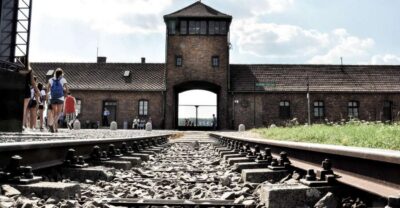
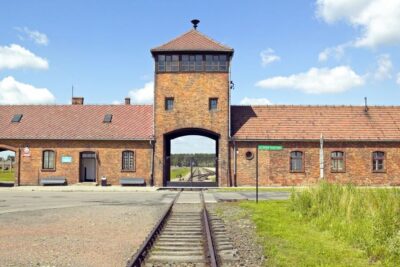
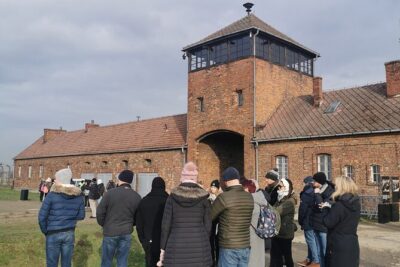
Birkenau is the big one. Your guided portion there runs about 80 minutes, and this is where you’ll notice the sheer size and layout of the extermination camp.
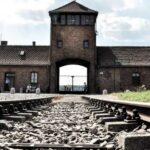
You’ll walk along the iconic railway tracks and the ramp—a detail that’s hard to forget because it gives your brain a physical sense of deportation. Then you’ll see wooden barracks, plus ruins associated with gas chambers and crematoria.
What makes Birkenau hit harder
This part of the tour isn’t just another set of buildings. It’s a lesson in scale. When the guide connects what you see—boundaries, infrastructure remnants, memorial spaces—to the story of mass murder, the geography becomes part of the history.
The guide also helps keep the explanations factual and respectful, which matters here. This site can turn chaotic in the wrong hands, but a solid guide gives you a path so you can understand what you’re looking at.
The main consideration at Birkenau
Expect more open air. Wind can cut through quickly, and surfaces can be uneven. Go slow, keep your footing, and don’t try to speed-run the experience.
Why the licensed English guide changes everything
This tour is led by a licensed, professional English guide. That’s not just a comfort perk—it shapes how you process the day.
A strong guide does three things:
- explains context so you understand what the camp layout means
- provides respectful historical framing and factual detail
- makes room for questions and pauses without turning it into a lecture marathon
I also appreciated that the storytelling stays grounded in what you see: original barracks, camp boundaries, and the exhibits that include photographs, documents, and personal belongings. It’s easier to remember details when they’re tied to specific locations.
On cold days, the guide’s role matters even more. In one recent group experience, the guide Matthew was noted for doing everything he could to make people comfortable, even though the minibus itself didn’t run warm enough.
What’s included (and what you should plan for yourself)
This tour includes:
- entrance tickets
- transportation
- guided tour in English
- historical context with eyewitness accounts
- key locations including former execution sites, camp boundaries, remnants of infrastructure, and memorials
What’s not included is lunch and souvenirs. That’s an important “plan ahead” item, because a long day plus an emotional visit can make you forget to eat until you feel weak.
My practical advice: bring a simple snack you can tolerate, plus water. You may not want a heavy meal before facing the exhibitions. A quiet, steady energy level helps you stay focused and walk safely.
Value check: is $82 per person worth it?
For $82 per person over 7 hours, the value comes from what’s bundled, not just the ticket price. You’re getting both camps, English guiding, and transportation from Kraków plus skip-the-line entry.
Could you do it cheaper on your own? Sometimes. But self-guided can mean long waits and a lot of confusion about what you’re seeing and why. Here, the paid guide turns the same preserved spaces into a coherent story, and that coherence is where the money really goes to work.
If you care about understanding the Holocaust and WWII context in a respectful way, this is a fair trade. If you’re the type who needs a strict schedule and hates wandering, guided structure also saves you stress.
Who this tour suits best
This experience is described as suitable for adults and older students, and it leans reflective rather than casual. If you’re comfortable with serious historical content and want an organized, respectful route through both sites, you’ll likely appreciate this format.
If you’re traveling with very young kids, or anyone sensitive to intense content, this might not be the best fit. On the other hand, if you’re a student, educator, or adult visitor seeking clarity and context, it’s exactly the right kind of tour.
Should you book this Auschwitz Birkenau guided tour from Kraków?
Yes, I think you should book it if you want the most effective way to see both camps in one day: Auschwitz I for grounding, Birkenau for scale, plus a licensed English guide to connect the dots.
I’d hesitate only if weather and cold comfort are a major issue for you, since you’ll be outdoors and the van ride might not feel warm in extreme cold. If you’re prepared—layers, gloves, warm footwear, and a snack—this tour offers strong value and a clear, respectful path through one of the most important historical sites in Europe.
FAQ
Is this Auschwitz-Birkenau tour located near Kraków?
Yes. It’s a day trip from Kraków in Lesser Poland, Poland.
How long is the tour?
The total experience is listed as 7 hours.
Do I get to see both Auschwitz I and Auschwitz II–Birkenau?
Yes. The tour includes a visit to Auschwitz I and Auschwitz II–Birkenau with guided time at both sites.
Is the tour guided in English?
Yes. The live tour guide is English.
Is lunch included?
No. Lunch and souvenirs are not included.
Is pickup from Kraków included?
Pickup is optional. If you choose pickup, passengers are collected from the specified address and the pickup time may vary, with the exact time sent the day before the trip.
Will I wait in line for tickets?
The tour states you can skip the ticket line.
What are the cancellation rules?
Free cancellation is available up to 24 hours in advance for a full refund.
More Tours in Krakow
More Tour Reviews in Krakow
Visiting the Auschwitz-Birkenau Memorial
Just added: fresh Krakow reviews
Auschwitz-Birkenau Memorial Tours, compared.
 ★ 4.5Auschwitz-Birkenau Guided Tour & Hotel PickupFrom $2133,358 reviews
★ 4.5Auschwitz-Birkenau Guided Tour & Hotel PickupFrom $2129,340 reviews
★ 4.5Auschwitz-Birkenau Guided Tour & Hotel PickupFrom $2133,358 reviews
★ 4.5Auschwitz-Birkenau Guided Tour & Hotel PickupFrom $2129,340 reviews
 ★ 4.5Auschwitz Guided Tour with Optional Hotel PickupFrom $6915,280 reviews
 ★ 4.5Auschwitz-Birkenau Guided Tour with Pickup & LunchFrom $219,800 reviews
 ★ 4.5Auschwitz-Birkenau Guided Tour Pickup/Lunch OptionsFrom $2009,057 reviews
 ★ 4.7Auschwitz-Birkenau and Salt Mine Guided TourFrom $549,020 reviews
 ★ 5.0Krakow to Auschwitz Birkenau Guided Tour with Transfer and TicketFrom $368,197 reviews
 ★ 4.0Auschwitz Birkenau Tour with TransferFrom $216,134 reviews
Browse the lists this tour appears in