
REVIEW · AUSCHWITZ-BIRKENAU MEMORIAL TOURS
Krakow: Auschwitz-Birkenau Tour & Museum Expert Guide
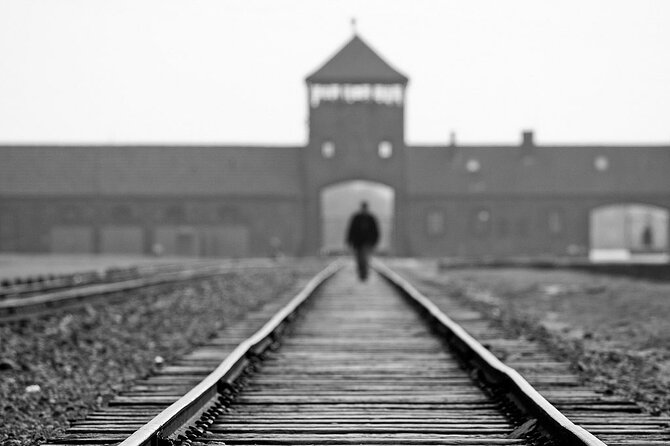
Auschwitz and Birkenau take a whole day. This Krakow trip combines easy coach pickup, museum-focused guiding, and time to see both camps—Auschwitz I and Birkenau (Brzezinka)—without you having to stitch the logistics together yourself.
I especially like the structure: you’re not just dropped at the gates. You travel with an English-speaking leader, use headsets so you can actually hear in a crowd, and then follow an officially approved guide through the sites with time for memorial stops and quiet moments.
One real consideration: your day may start extremely early. Departure times can shift due to Auschwitz-Birkenau policy, so you’ll want to confirm the exact pickup time the day before—and be ready for long lines that can feel like a lot before the tour even begins.
In This Review
- Key Things That Make This Tour Worth Your Time
- Krakow-to-Auschwitz: The Part You Actually Need to Plan
- The Most Important Detail: Early Departures and Real-World Queues
- Auschwitz I: What You See, What You’ll Feel, and How the Timing Works
- Brzezinka (Auschwitz II): The Larger Camp and the Worst-Case Scale
- Transportation Comfort vs. Long-Day Reality
- The Guide Factor: Why Names Like John, Norbert, and Paulina Matter
- Headsets and Group Size: Small Details That Change Everything
- Who This Tour Fits Best (and Who Might Want Another Option)
- Price and Value: Why $30.23 Can Be a Great Deal (and When It Can Hurt)
- Should You Book This Kraków Auschwitz Tour?
- FAQ
- What is the meeting point and where do I return after the tour?
- Is pickup from Kraków included?
- How long does the tour take?
- What time is spent at Auschwitz I and is the ticket included?
- What about Birkenau (Brzezinka) and is the ticket included?
- Does the tour include an English guide and headsets?
- Should I bring ID or a passport?
- Are food and drinks included?
- Can the departure time change?
Key Things That Make This Tour Worth Your Time
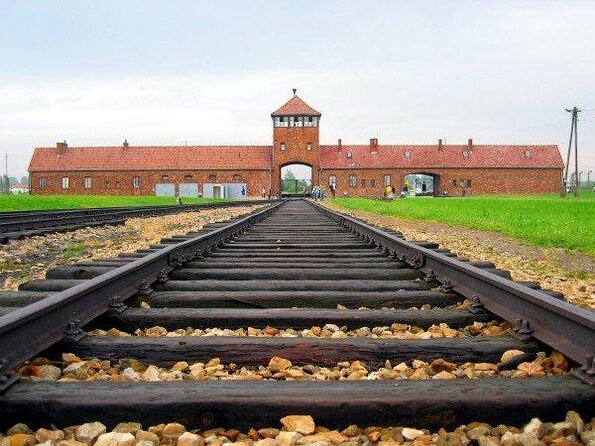
- Museum-approved guiding across Auschwitz I and Birkenau, led in English
- Headsets included, which matters when groups get large and walk gets loud
- Clear stop plan: Auschwitz I first, then the short transfer to Brzezinka
- Respectful pacing with memorial moments and reflection built into the visit
- Limited group size (up to 30), which is easier than the crush of huge buses
Other guided visits to the Auschwitz-Birkenau Memorial
- From Krakow: Auschwitz-Birkenau Guided Tour & Hotel Pickup
★ 4.5 · 33,358 reviews - From Krakow: Auschwitz-Birkenau Guided Tour & Hotel Pickup
★ 4.5 · 29,340 reviews - Krakow: Auschwitz Guided Tour with Optional Hotel Pickup
★ 4.5 · 15,280 reviews
Krakow-to-Auschwitz: The Part You Actually Need to Plan
This tour is built for one main job: getting you from Krakow to Auschwitz-Birkenau and back with less hassle. You start at Pawia 18B in Kraków (and the trip ends back at the meeting point), and pickup is offered. You’ll ride in an air-conditioned van or mini-bus, which is a small thing—but after a very early start, it helps.
The day runs about 7–8 hours, and it’s a long, emotional route. Most of the time you’ll be walking, standing, and listening. That matters because the tour is not a quick “see the highlights” loop. It’s a guided experience through places that demand attention.
Here’s the practical part: start thinking about comfort and readiness. You’ll want shoes that can handle cobblestones and uneven ground, and you’ll likely be outside for stretches. The tour encourages bringing rain gear (umbrellas or raincoats), which is good advice because weather won’t pause for your schedule.
The Most Important Detail: Early Departures and Real-World Queues
Auschwitz-Birkenau is strict with timing and capacity. This tour’s own guidance tells you departure time may change due to Auschwitz-Birkenau policy, and you’re told to contact the day before to confirm the exact departure time.
That means you should not plan a late night of festivities the day before. Also, don’t treat “pickup at 9:00” as guaranteed comfort bedtime material. People in the feedback you gave repeatedly describe pickup moving earlier (sometimes dramatically), and the most common complaint pattern is confusion about the new time. Your best move is simple: confirm early, keep your phone handy, and be ready to go.
Queues are another reality. The tour notes there may be waiting at the entrance because of tourist traffic, and that you should plan to be patient. Once you’re standing in line, there’s not much you can control—so the best strategy is mental. Go in knowing the waiting is part of the experience on busy days, not some personal failure.
Auschwitz I: What You See, What You’ll Feel, and How the Timing Works
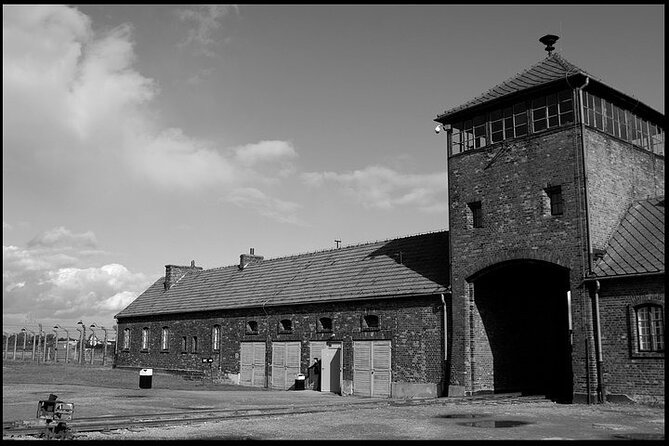
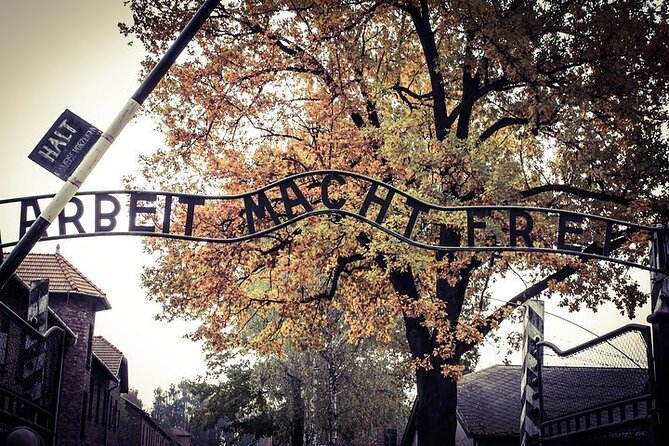
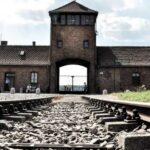
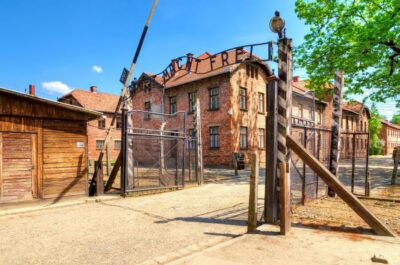
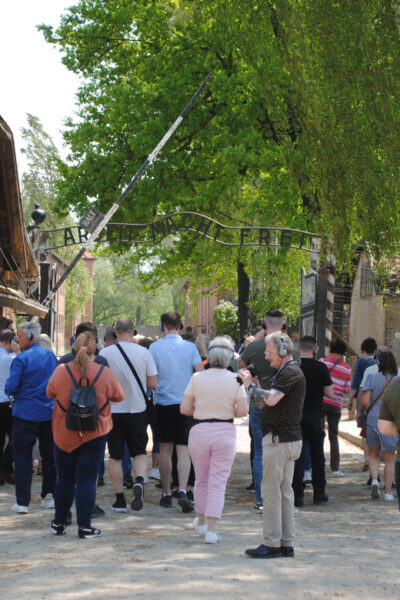
Auschwitz I is the camp that most people picture first, and this tour gives it a solid block of time: about 2 hours 30 minutes with admission included. You’ll cover the main areas such as barracks, watchtowers, and the infamous gate that reads Arbeit Macht Frei. You’ll also spend time at memorials and monuments dedicated to victims of the Holocaust, with space for quiet reflection.
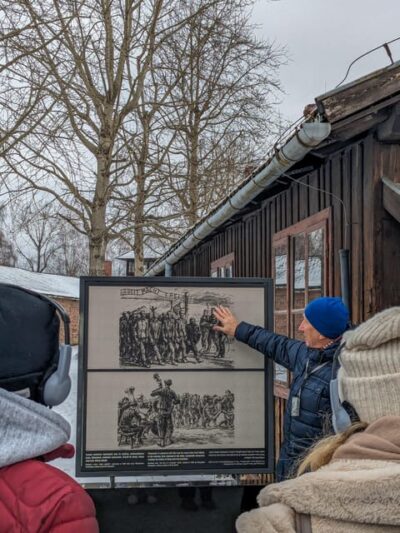
This is where an expert, museum-approved guide makes a real difference. The tour description is clear that the Auschwitz I segment is meant to be educational, not just sightseeing. You’ll be shown haunting remnants and exhibits like personal belongings, photographs, and documents—items that put a human scale onto the scale of the crime.
Timing-wise, there’s also a short break planned after Auschwitz I before heading to Birkenau. Based on the tour info, breaks are kept short (no longer than about 10 minutes), so don’t count on a full rest stop here. Think of it as a quick reset: enough time to regroup, not enough time to “eat a meal and feel fresh.”
What you’ll want to carry mentally at Auschwitz I: you’re witnessing a system—oppression, imprisonment, and organized cruelty. The guide’s job is to connect what you see in front of you to the historical reality behind it.
A few more Krakow trips worth putting on the shortlist
- Krakow: Auschwitz-Birkenau Guided Tour with Pickup & Lunch★ 4.5 · 9,800 reviews
- Krakow: Auschwitz-Birkenau Guided Tour Pickup/Lunch Options★ 4.5 · 9,057 reviews
- Krakow: Auschwitz-Birkenau and Salt Mine Guided Tour★ 4.7 · 9,020 reviews
- Krakow to Auschwitz Birkenau Guided Tour with Transfer and Ticket★ 5.0 · 8,197 reviews
Brzezinka (Auschwitz II): The Larger Camp and the Worst-Case Scale
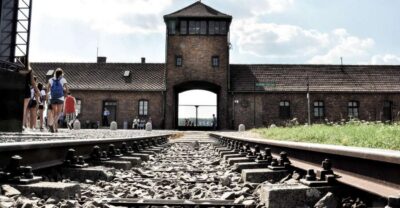
After the Auschwitz I segment, you transfer to Birkenau (also called Auschwitz II). The tour notes it’s only about a few minutes away, and your guide continues on with the story. The Birkenau stop is about 1 hour 30 minutes, and the admission ticket for this part is free.
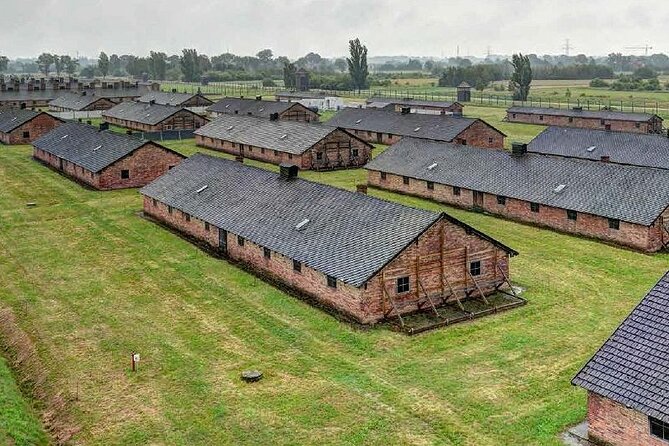
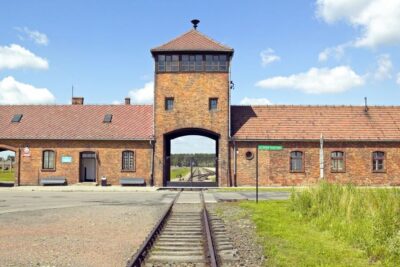
Birkenau is the camp built for a specific purpose in Nazi policy: the tour information describes it in terms of making Europe “Judenrein.” You’ll hear about construction from 1941 under Heinrich Himmler’s order and that it could hold around 90,000 prisoners. Those numbers are hard to hold in your head, and the guide’s narration helps explain what “designed capacity” meant for real people.
Expect to hear about selection processes and cruel pseudo-scientific medical experiments attributed to prominent Nazi doctors, including Josef Mengele. The tour also mentions the camp’s eventual liberation: the gates opened on January 27, 1945, with the 60th Army of the First Ukrainian Front.
This portion of the experience is physically demanding because of the size of the site. Even if your time here is shorter than Auschwitz I, the scale can still hit you hard. You may find yourself slowing down, turning back to take one more look, or needing a moment where your brain catches up. That’s normal.
Transportation Comfort vs. Long-Day Reality
This trip includes round-trip transport from Kraków in an air-conditioned vehicle, which is a big plus compared with DIY travel when you’re not sure of schedules. You also get professional assistance if something goes wrong.
But you should balance comfort with the schedule. You’re looking at a full day where the bulk of time is spent on-site and on the road. The tour notes there’s at least a 20-minute break at the end where you can visit a bookstore, grab groceries, or just relax. After that, you’ll have around 1 hour 15 minutes of travel time back to Kraków.
What’s not included is food and drinks. That’s not just a small checkbox detail; it affects your energy and patience. In the feedback you shared, people complained about limited restroom breaks and not having enough time/facilities when hunger and dehydration set in. So come prepared with snacks and water if you can. You’ll likely thank yourself later.
The Guide Factor: Why Names Like John, Norbert, and Paulina Matter
This tour is run by a licensed local guide in English, and the Auschwitz-Birkenau portion is led by a guide officially approved by the museum. That’s a big deal, because this is not the place for vague commentary.
In the feedback you provided, certain guide names show up with strong praise:
- John stood out for being knowledgeable on both camps and sharing detail that went beyond standard tours.
- Norbert was praised as friendly and attentive, making the day feel smooth from pickup to the end.
- Paulina was noted for passion for the area’s history and very good communication.
Even if your guide is someone else, those names are a signal of what this operator aims for: clear English and a focus on accuracy. Still, keep expectations realistic. The Auschwitz museum assigns guides and timing can vary, and the tour info acknowledges duration may shift depending on museum policy.
Headsets and Group Size: Small Details That Change Everything
One of the most underrated inclusions here is headsets. In open-air areas and crowded buildings, hearing the guide clearly is not guaranteed unless you have audio support. With headsets included, you get a better chance of following explanations without constantly asking the person next to you to repeat themselves.
Group size is capped at 30 travelers, which helps. It doesn’t magically remove crowds at Auschwitz, but smaller groups make it easier for a guide to manage movement and for you to stay oriented as you switch between exhibits, memorials, and paths.
There are also short, planned breaks, and the tour info sets a cap: breaks are no longer than 10 minutes (aside from the end-of-tour break of at least 20 minutes). If you have specific needs—restrooms, mobility, or pacing—this is worth factoring into your decision early.
Who This Tour Fits Best (and Who Might Want Another Option)
This Auschwitz-Birkenau day trip fits you best if you want:
- a guided experience with museum-approved narration,
- round-trip transport from Kraków,
- a structured plan for seeing Auschwitz I and Birkenau in one day.
It may not fit as well if you have serious health concerns or mobility restrictions. The tour is not positioned as an easy-access experience, and a lot of the time is spent walking outdoors.
It also fits travelers who can handle early starts and limited food options. Because food and drinks aren’t included, your comfort depends on what you bring or buy during the breaks. The trip gives you a final break of at least 20 minutes, and there’s a chance to visit a bookstore or groceries, so you’re not totally stuck—but you are still responsible for your own day fueling.
Price and Value: Why $30.23 Can Be a Great Deal (and When It Can Hurt)
At $30.23 per person, this tour looks like strong value on paper—especially because:
- round-trip transportation from Kraków is included,
- entry fees are included for Auschwitz I,
- Birkenau admission is free on this schedule,
- headsets and an English guide are part of the package.
That’s a lot packaged together for a low advertised price, and you should absolutely consider it if you’re watching budget.
But value isn’t only about cost. This itinerary’s “hidden cost” is time and risk of disruption. Early pickup changes due to Auschwitz policy show up in the negatives you shared, along with complaints about long waits and communication gaps. If you’re the type who hates schedule changes, this might feel more stressful than you want.
So I’d think of this as a budget-friendly, high-demand day. When everything runs smoothly, it’s a good way to do Auschwitz responsibly with guiding. When timing goes sideways, you feel it immediately.
Should You Book This Kraków Auschwitz Tour?
Yes, you should consider booking it if you want a guided, structured day that covers both camps with headsets, English commentary, and transport from Kraków. The focus on Auschwitz I details (barracks, watchtowers, gate area) plus the transfer to Brzezinka for the larger-scale explanation makes sense for most first-time visitors.
I’d be cautious about booking if you:
- hate early-morning changes and can’t shift your schedule,
- expect lots of toilet time and long meal stops (the tour keeps breaks short),
- need an extremely flexible plan for health or mobility reasons,
- plan everything around a specific pickup hour and won’t be able to adjust.
My simple decision rule: if you can handle an early start, bring water/snacks, and confirm your departure time the day before, this can be a good value way to do Auschwitz-Birkenau with proper guiding.
FAQ
What is the meeting point and where do I return after the tour?
The tour starts at Pawia 18B, 31-154 Kraków, Poland, and it ends back at the meeting point.
Is pickup from Kraków included?
Pickup is offered, and the tour includes round-trip transportation from and to Kraków by air-conditioned vehicle (van or mini-bus).
How long does the tour take?
The tour duration is listed as about 7 to 8 hours.
What time is spent at Auschwitz I and is the ticket included?
Auschwitz I (Panstwowe Muzeum Auschwitz-Birkenau) is about 2 hours 30 minutes, and admission ticket is included.
What about Birkenau (Brzezinka) and is the ticket included?
Birkenau (Brzezinka / Auschwitz II) is about 1 hour 30 minutes, and the admission ticket is free for this part of the tour.
Does the tour include an English guide and headsets?
Yes. The tour includes a licensed English-speaking local guide and headsets so you can hear the guide clearly.
Should I bring ID or a passport?
Yes. The tour info says you should bring an ID or passport because entrance security asks for it.
Are food and drinks included?
No. Food and drinks are not included.
Can the departure time change?
Yes. The tour notes departure time may change due to Auschwitz-Birkenau policy, and you’re encouraged to contact the day before to confirm the exact departure time.
More Tours in Krakow
More Tour Reviews in Krakow
Visiting the Auschwitz-Birkenau Memorial
Just added: fresh Krakow reviews
Auschwitz-Birkenau Memorial Tours, compared.
 ★ 4.5Auschwitz-Birkenau Guided Tour & Hotel PickupFrom $2133,358 reviews
★ 4.5Auschwitz-Birkenau Guided Tour & Hotel PickupFrom $2129,340 reviews
★ 4.5Auschwitz-Birkenau Guided Tour & Hotel PickupFrom $2133,358 reviews
★ 4.5Auschwitz-Birkenau Guided Tour & Hotel PickupFrom $2129,340 reviews
 ★ 4.5Auschwitz Guided Tour with Optional Hotel PickupFrom $6915,280 reviews
 ★ 4.5Auschwitz-Birkenau Guided Tour with Pickup & LunchFrom $219,800 reviews
 ★ 4.5Auschwitz-Birkenau Guided Tour Pickup/Lunch OptionsFrom $2009,057 reviews
 ★ 4.7Auschwitz-Birkenau and Salt Mine Guided TourFrom $549,020 reviews
 ★ 5.0Krakow to Auschwitz Birkenau Guided Tour with Transfer and TicketFrom $368,197 reviews
 ★ 4.0Auschwitz Birkenau Tour with TransferFrom $216,134 reviews
Browse the lists this tour appears in