
REVIEW · AUSCHWITZ-BIRKENAU MEMORIAL TOURS
Krakow to Auschwitz Birkenau and Salt Mine 1 Day Tour
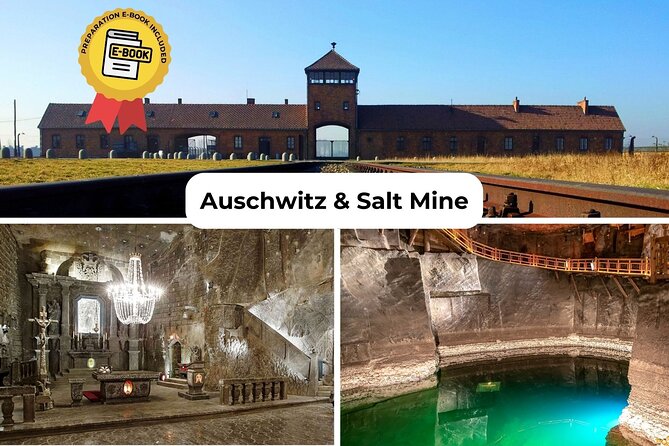
Auschwitz and the salt mine in one long day is real work. This tour pairs Auschwitz-Birkenau with Wieliczka, two UNESCO stops in a tight schedule that’s built around guides and included entry.
What I really like is the mix of guidance and logistics: you get round-trip transfers from Krakow (with pickup if selected) and timed, included admission so you’re not stuck sorting tickets. The other big win is that Wieliczka isn’t just a “look around” stop—you go with a guide through the underground stretch with chapels, sculptures, and mining areas.
One consideration: this is a very early day for many departures, and you should be prepared for long waits before entry and a lot of walking plus stairs down into the mine.
In This Review
- Quick take: what matters most
- Auschwitz-Birkenau and Wieliczka in one long day
- Getting to and from Krakow: early pickups and transport reality
- Auschwitz-Birkenau: what the guided visit gives you
- Auschwitz I and Birkenau: timing, audio, and staying oriented
- Wieliczka Salt Mine: 700 steps, chapels, and the elevator back
- Lunch, breaks, and that long-day stamina test
- What to pack and how to dress for a memorial and a mine
- Price and value: what you’re really paying for
- Who this tour suits best (and who should rethink it)
- Real-world guide style: what names you might run into
- Should you book this Auschwitz and Salt Mine day tour?
- FAQ
- How long is the Krakow to Auschwitz and Salt Mine tour?
- Are tickets for Auschwitz and the Salt Mine included?
- What time will I be picked up in Krakow?
- How much walking and stairs are involved?
- Is hotel pickup included?
- Is lunch included?
- Are there any rules for bags or health checks?
Quick take: what matters most
- Two UNESCO sites, one schedule: Auschwitz-Birkenau plus Wieliczka Salt Mine without adding extra travel days.
- Guides at both places: you’re not left to read placards alone, including an Auschwitz visit with an English-speaking guide.
- Transfers reduce stress: air-conditioned transport and included fees help you focus on the experience.
- 700 steps in the salt mine: add physical stamina and comfortable footwear to your packing plan.
- Respect and rules are real: bag limits, temperature checks, and memorial-site pacing all affect your day.
- Long day, and it’s emotional: it can run longer than expected, so plan your Krakow evenings accordingly.
Other guided visits to the Auschwitz-Birkenau Memorial
- From Krakow: Auschwitz-Birkenau Guided Tour & Hotel Pickup
★ 4.5 · 33,358 reviews - From Krakow: Auschwitz-Birkenau Guided Tour & Hotel Pickup
★ 4.5 · 29,340 reviews - Krakow: Auschwitz Guided Tour with Optional Hotel Pickup
★ 4.5 · 15,280 reviews
Auschwitz-Birkenau and Wieliczka in one long day
This is the classic Krakow combo: the Auschwitz-Birkenau memorial and the Wieliczka Salt Mine on the same ticketed day. If you only have a short window in Krakow, it’s a practical way to hit two major UNESCO highlights without stacking up additional logistics.
The overall flow is designed around being at the right place at the right time. You start with Auschwitz-Birkenau, then you head for Wieliczka, then you return to Krakow the same day.
For me, the best part of combining these two is how they change your brain. Auschwitz is heavy, historical, and sobering. Wieliczka is underground, physical, and surprisingly human in a different way—industrial ingenuity carved into salt over centuries.
Getting to and from Krakow: early pickups and transport reality
Round-trip transfers are included, which matters more than it sounds. The Auschwitz-Birkenau memorial is far enough out of Krakow that doing this on your own can turn into a timing headache, especially if you’re trying to line up entry times.
Pickups can be very early. The exact pickup time is sent the day before (after 5 pm), and it may be as early as 3:00–4:00 AM depending on the museum schedule. That early start is a real factor for your comfort, your breakfast plans, and your ability to handle waiting without being miserable.
Transport is air-conditioned, and the group size is capped at a maximum of 30. In practice, you’ll also want to watch for the end-of-day drop-off: the tour ends in a different location than where you may have started. Some people find it easy to get back with local navigation, others prefer to make sure they know how they’ll return to their hotel.
Auschwitz-Birkenau: what the guided visit gives you
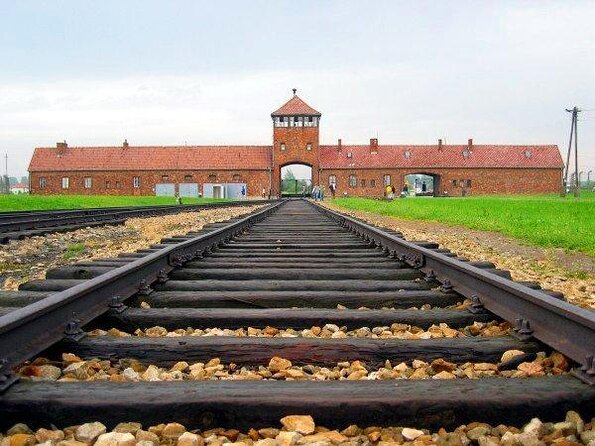
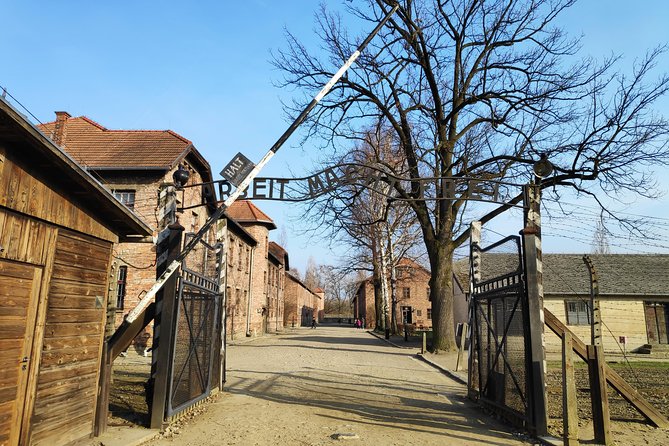
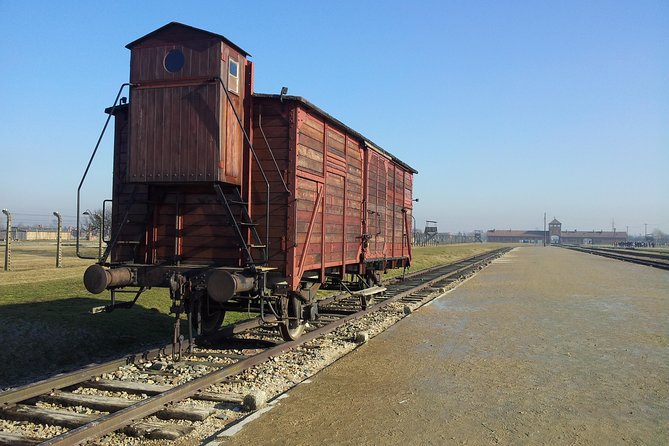
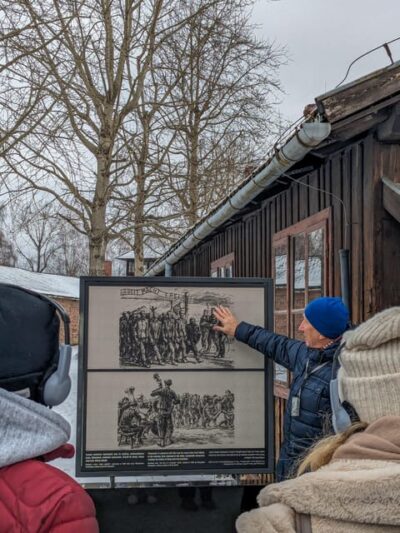
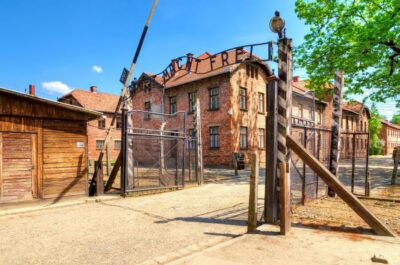
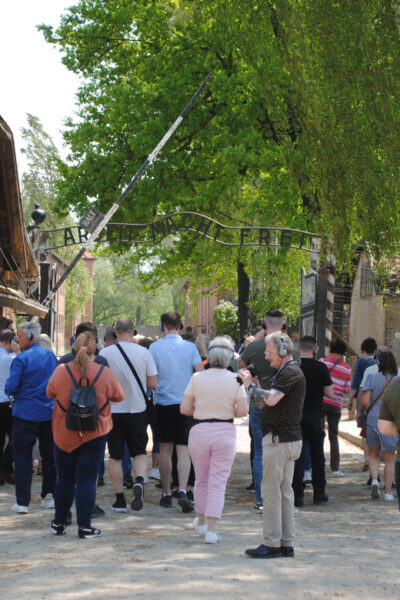
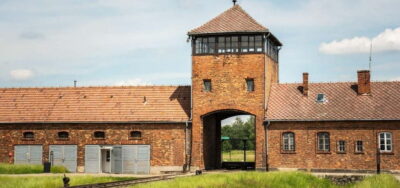
Auschwitz-Birkenau is not a “quick photo stop.” It’s a memorial site, and your time there is paced by the museum itself. The tour includes about 3 hours there with an admission ticket included, plus an experienced English-speaking guide guiding you through the complex.
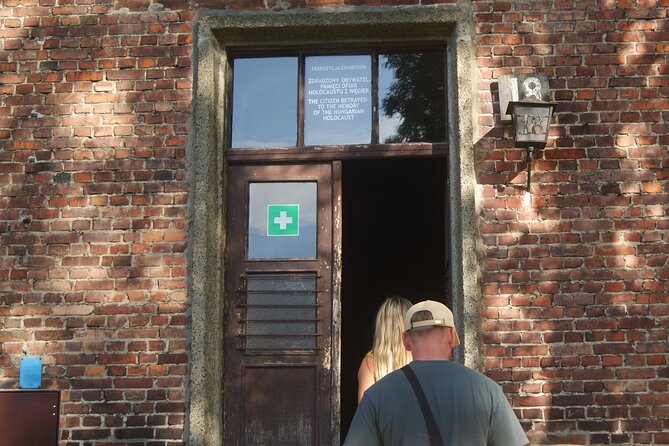
You’ll visit the concentration camp areas in the Auschwitz-Birkenau complex with the guide, with a focus on key parts of the site. One review praised guides for being sensitive and practical with explanations, and another highlighted how the guide stayed with the group through both Auschwitz and Birkenau sections.
Here’s what you should expect from a guided approach like this. Without a guide, many visitors get stuck jumping between plaques, dates, and buildings and miss the big picture structure of what you’re seeing. With a guide, you’re more likely to understand why each area matters and how the memorial tells its story.
Also: you’ll want to keep your bag rules in mind. Bags and backpacks larger than 30 x 20 x 10 cm aren’t allowed on museum grounds. The good news is you can leave belongings inside the vehicle, or use the luggage store in Auschwitz.
More ways down into the Wieliczka salt mine
- Krakow: Wieliczka Salt Mine Tour with Entry Ticket★ 4.6 · 10,927 reviews
- From Krakow: Wieliczka Salt Mine Tour★ 4.6 · 9,393 reviews
- Krakow: Wieliczka Salt Mine Fast-Track Ticket & Guided Tour★ 4.5 · 5,872 reviews
- Day Trip: Auschwitz-Birkenau and Wieliczka Salt Mine from Krakow★ 4.5 · 4,282 reviews
Auschwitz I and Birkenau: timing, audio, and staying oriented
The schedule splits the Auschwitz portion into two parts: about 2 hours at Auschwitz I and about 1 hour at Auschwitz II (Birkenau). That split is important because it shapes how you process what you’re walking through.
Birkenau is where the scale really hits you. If you’re the type who gets emotionally overwhelmed, build in the fact that the day isn’t designed to “soften” the experience—it’s designed to show you the sites as they are, with narration to help you make sense of it.
Audio equipment is connected to the museum’s setup, and one visitor noted an issue with hearing during a section because the microphone wasn’t working properly then. You can’t control museum tech, but you can control your response: if you can’t hear clearly, tell the guide right away so they can adjust or repeat.
A small but practical note: this tour measures the temperature of every participant before starting. If someone has a temperature above 37.5°C, they may not be allowed on the tour. It’s one of those “rules of the day” things you should treat as non-negotiable.
Wieliczka Salt Mine: 700 steps, chapels, and the elevator back
After Auschwitz, you’ll head to Wieliczka Salt Mine with a guided visit included. The tour covers an underground route of about 3 km, which is long enough that you’ll feel it—especially if you’ve already had a heavy morning.
The mine starts with history that stretches back to the 13th century for rock salt excavation. You’ll also learn how the site was used during World War II as an armament factory, which adds another layer to how this place connects to larger European history.
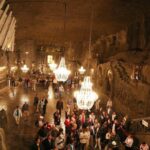
Your underground experience includes chapels, shafts, lakes, sculptures carved in rock salt, and mining technology from earlier centuries. You’ll see the kind of craft that makes the place feel almost theatrical, except it’s all tied to real labor, real engineering, and real resource extraction.
Now the big practical point: there are 700 steps down to reach the mine level. You’ll descend slowly enough to keep the group together, and then you return by elevator after the tour ends. If stairs aren’t your thing, wear supportive shoes and pace yourself.
One review summed it up as mind-blowing and fascinating, and another pointed out how the salt mine felt more impressive than expected. I agree with the logic: the mine is the rare UNESCO site where the main “attraction” is you moving through a working underground environment.
Lunch, breaks, and that long-day stamina test
This is a full-day commitment—about 11 to 12 hours on average, and sometimes it can run longer depending on waiting times and the pace set by the museums.
You may get breaks before and after entry at each site, and at least one review mentioned those planned pauses helped people reset emotionally. Still, don’t underestimate the combo of walking, standing, and emotional processing.
Food and drinks aren’t included, but an optional lunchbox may be. If you select it, you get a lunchbox in some form (and if no diet restriction is submitted, a regular lunchbox with ham is what you should expect). One hiccup that came up: a lunchbox was missed for a passenger, later handled as a refund. If food matters to you, pack a simple backup snack plan just in case, and don’t rely on last-minute solutions.
Also plan your day around the fact that there aren’t many alternatives right around Auschwitz or the mine. Gift shops and snack stops exist, but if you’re hungry at the wrong time, it can throw off your energy.
What to pack and how to dress for a memorial and a mine
Dress for weather because you’ll likely wait outdoors before entry. Warm clothing and rain protection can matter a lot, and you may be outside longer than you expect if your museum slot timing gets tangled.
You’ll also want layers. Auschwitz is emotionally intense and can feel even colder when you’re waiting in lines. The mine is underground, so temperatures there can feel different than the Krakow air.
For gear, keep it simple. Since the Auschwitz bag size limit is strict (30 x 20 x 10 cm), plan to travel light. If you’re bringing a daypack, it’s worth checking the dimensions before you leave home.
Finally, footwear matters. You’re looking at a full walking day plus steep stairs for the mine. One review mentioned roughly 28,000 steps over about 13 hours, which tells you this isn’t a “sit back and relax” day.
Price and value: what you’re really paying for
At $314.42 per person, it’s not a budget tour. But for what you get, the price makes more sense when you think in terms of friction removed.
You’re paying for:
- round-trip transport from Krakow (air-conditioned),
- admission tickets included for both Auschwitz-Birkenau and the salt mine tour,
- English-speaking guiding on the main sites,
- all fees and taxes.
Trying to do Auschwitz and Wieliczka on your own usually means coordinating timed entry, transportation, and multiple ticket types. When your schedule is tight and the sites are far apart, that coordination cost adds up quickly—time and stress included.
The value also depends on your group and comfort level. If you can handle long waiting times and a physically demanding day, this combo can feel like a smart way to buy access and guidance in one go.
If you’re someone who struggles with early starts, long lines, and lots of walking, you may find better value in splitting the sites across different days so you can slow down.
Who this tour suits best (and who should rethink it)
This tour makes sense if you:
- want two major UNESCO highlights in one Krakow day,
- prefer a guided explanation rather than self-guided wandering,
- don’t have much time and want your schedule handled,
- can handle moderate physical effort, including 700 mine steps.
You might rethink it if you:
- hate very early starts and long outdoor waits,
- need a lot of time to process emotionally and physically,
- can’t do stairs comfortably,
- dislike the idea that the day may run longer if timing shifts.
For couples, solo travelers, and history-minded folks, the structure can feel efficient. For families, it’s workable but comes with rules—like youth tickets tied to valid student ID, and kids’ tickets in Auschwitz that include entrance but not receivers/headphones unless you book youth tickets with that in mind.
Real-world guide style: what names you might run into
Guides can make or break a day like this, and the reviews included several names that popped up with strong praise. People mentioned Daniel as a standout on the bus experience, and Charlie and Jacob as guides delivering strong explanations.
Joanna also came up twice—once as a guide at Auschwitz and once as a guide at the salt mine—both times with compliments about clarity and staying appropriately subdued. Justyna/Justina was praised for being excellent with transfers and going above and beyond to make the day easier.
You can’t bank on a specific guide name, but you can take the hint: when you join a tour like this, choosing one with strong on-the-ground leadership matters.
Should you book this Auschwitz and Salt Mine day tour?
Book it if you want a high-impact Krakow day and you trust the trade-off: a long day, lots of walking and stairs, and a heavy emotional load in exchange for seeing both Auschwitz-Birkenau and Wieliczka with guides and included entry.
Skip or reconsider if you know you’ll struggle with early pickups, cold queue time, or intense stamina demands. In that case, splitting Auschwitz and the mine across separate days may give you a calmer pace and more control.
My practical advice: plan your evening around rest. Pack layers, keep your bag within the Auschwitz limits, and bring backup snacks in case the lunchbox plan doesn’t land perfectly.
If you’re ready for a day that’s equal parts history and underground engineering, this is a smart way to do it in one shot.
FAQ
How long is the Krakow to Auschwitz and Salt Mine tour?
It runs about 11 to 12 hours on average (time is approximate), with the Auschwitz parts and the salt mine each having set durations. Some people report the day can run longer depending on timing and waiting.
Are tickets for Auschwitz and the Salt Mine included?
Yes. Admission tickets are included for Auschwitz-Birkenau and for the Wieliczka Salt Mine guided visit.
What time will I be picked up in Krakow?
Exact pickup time is sent the day before after 5 pm. Pickup can be very early, even around 3:00–4:00 AM, depending on museum schedule and ticket/guide availability.
How much walking and stairs are involved?
You should expect lots of walking at Auschwitz-Birkenau. At the salt mine, the tour includes a staircase of 700 steps down, and you ride an elevator back up.
Is hotel pickup included?
It depends on the option you select. The tour notes that hotel pick-up is included if you choose that option.
Is lunch included?
Food and drinks are not included. An optional lunchbox may be included if selected, but it’s not guaranteed unless you picked that option. If you have diet restrictions, you must notify the supplier by 5 pm the day before.
Are there any rules for bags or health checks?
Yes. Bags larger than 30 x 20 x 10 cm aren’t allowed on the Auschwitz grounds, and you may need to store belongings in the vehicle or luggage store. There’s also a temperature check before starting, and entry may be refused if temperature is above 37.5°C.
More Tour Reviews in Krakow
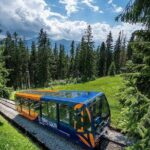
More of the Wieliczka Salt Mine
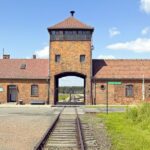
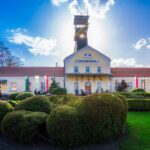

Visiting the Auschwitz-Birkenau Memorial

Just added: fresh Krakow reviews
Auschwitz-Birkenau Memorial Tours, compared.
 ★ 4.5Auschwitz-Birkenau Guided Tour & Hotel PickupFrom $2133,358 reviews
★ 4.5Auschwitz-Birkenau Guided Tour & Hotel PickupFrom $2129,340 reviews
★ 4.5Auschwitz-Birkenau Guided Tour & Hotel PickupFrom $2133,358 reviews
★ 4.5Auschwitz-Birkenau Guided Tour & Hotel PickupFrom $2129,340 reviews
 ★ 4.5Auschwitz Guided Tour with Optional Hotel PickupFrom $6915,280 reviews
 ★ 4.5Auschwitz-Birkenau Guided Tour with Pickup & LunchFrom $219,800 reviews
 ★ 4.5Auschwitz-Birkenau Guided Tour Pickup/Lunch OptionsFrom $2009,057 reviews
 ★ 4.7Auschwitz-Birkenau and Salt Mine Guided TourFrom $549,020 reviews
 ★ 5.0Krakow to Auschwitz Birkenau Guided Tour with Transfer and TicketFrom $368,197 reviews
 ★ 4.0Auschwitz Birkenau Tour with TransferFrom $216,134 reviews
Browse the lists this tour appears in