
REVIEW · WIELICZKA SALT MINE TOURS
Krakow: Wawel Castle, Cathedral, Salt Mine, and Lunch
Two UNESCO sites in one easy day. I like how the tour pairs Wawel Castle and Cathedral with skip-the-line help, and I also like that a sit-down Polish lunch keeps the schedule from feeling rushed. It’s a longish day, but it’s built to feel orderly.
One thing to keep in mind: the salt mine involves stairs and lots of walking, and it stays cool underground (about 14–16°C). If you’re sensitive to confined spaces or have mobility/heart concerns, this may not be the right fit.
In This Review
- Key takeaways before you go
- Why This Wawel + Wieliczka Day Works in Real Life
- Wawel Royal Castle: Royals, Art, and Military Relics
- A practical note on skip-the-line
- Wawel Cathedral: Coronations, the Sigismund Bell, and Royal Crypts
- If cathedral access is affected
- Lunch at a Local Bistro: Polish Comfort Food Without the Planning
- Transfer to Wieliczka: Air-Conditioned Comfort to Reset
- Wieliczka Salt Mine: What to Pack for Cool Underground Air
- How guidance works underground
- Inside the Salt Mine: Chapels, Chandeliers, and the St. Kinga Chapel
- Time Management and Foot-Fit Tips for a Long Day
- Who Should Book This Tour (and Who Should Rethink It)
- Should You Book This Wawel + Salt Mine Day Trip?
- FAQ
- What are the main stops on this tour?
- How long is the entire experience?
- Do I need a specific language for the tour?
- Where do I meet the guide?
- What should I wear for the salt mine?
- Is the salt mine visit suitable for everyone?
- Is lunch included, and are drinks included?
- Is the tour refundable if plans change?
Key takeaways before you go
- Two UNESCO highlights in a single day, with guided context at both major sites
- Wawel Castle focuses on rooms and collections tied to royal power, art, and Sigismund II Augustus
- Wawel Cathedral includes chapels, altars, the Sigismund Bell tradition, and the story-driven crypts
- Lunch is included at a local bistro with typical Polish choices like soup and dumplings
- Wieliczka Salt Mine is guided underground, with the Chapel of St. Kinga and salt-carved works
- Plan for cool temperatures and comfortable shoes, since the mine tour is physically demanding
More ways down into the Wieliczka salt mine
- Krakow: Wieliczka Salt Mine Tour with Entry Ticket
★ 4.6 · 10,927 reviews - From Krakow: Wieliczka Salt Mine Tour
★ 4.6 · 9,393 reviews - Krakow: Auschwitz-Birkenau and Salt Mine Guided Tour
★ 4.7 · 9,020 reviews
Why This Wawel + Wieliczka Day Works in Real Life
Krakow can overwhelm you if you try to do everything solo. This day trip is set up like a smart “greatest hits” route: history and art above ground, then an entirely different kind of wonder below ground. You get a licensed guide at Wawel, and you get an in-house guide for the salt mine, so you’re not just looking at things—you’re learning how they fit together.
The time structure also matters. The full experience runs about 450 minutes (roughly 7.5 hours), including transfer time. That’s enough for a satisfying visit without turning your day into a marathon of ticket lines and “Where do we go next?” moments. And because lunch is included, you can stop thinking about where to eat and focus on the day.
The biggest value is that the tour solves the hardest parts of a classic Krakow itinerary: logistics between attractions and interpretation inside the big monuments. If you want to see more than one UNESCO site without spending your whole vacation planning, this is a very workable option.
Wawel Royal Castle: Royals, Art, and Military Relics
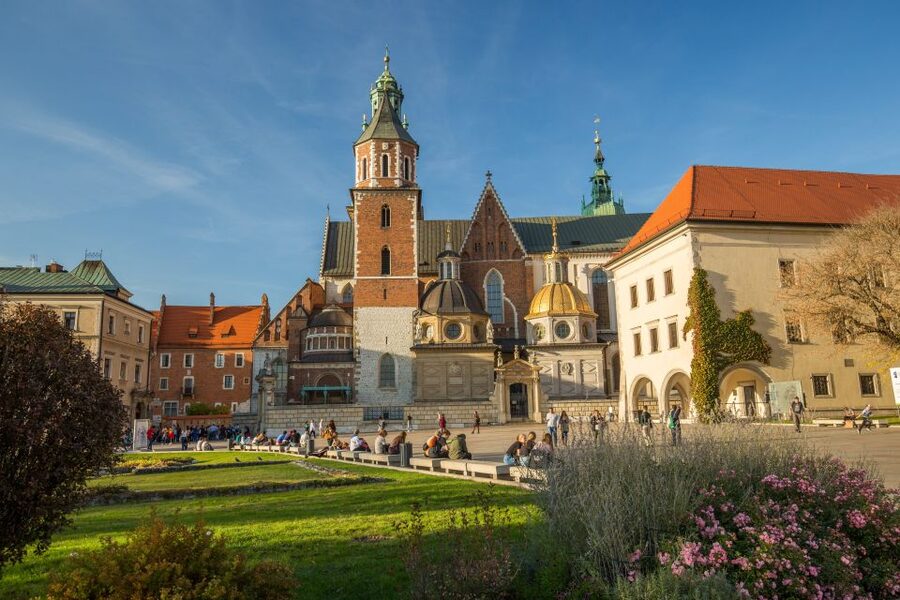
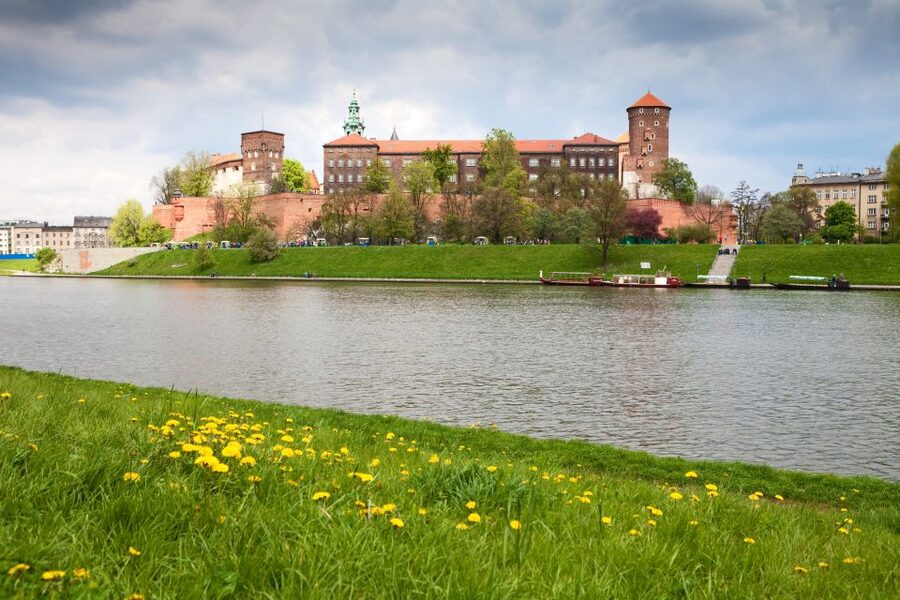
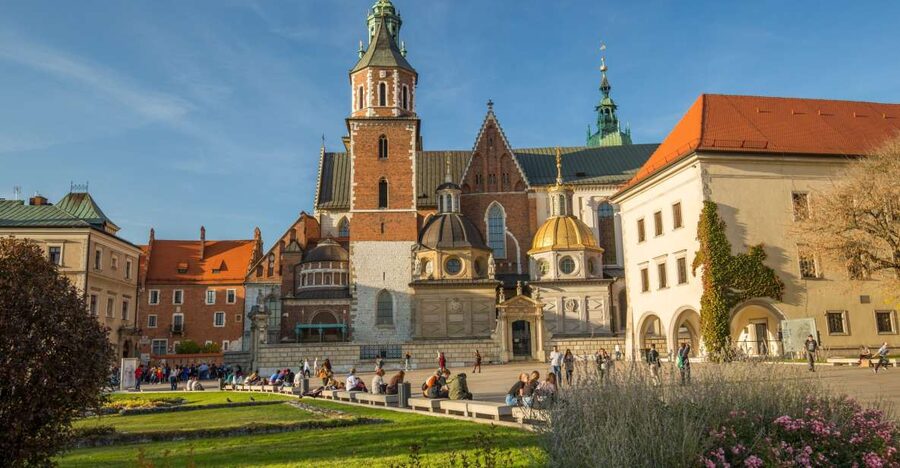
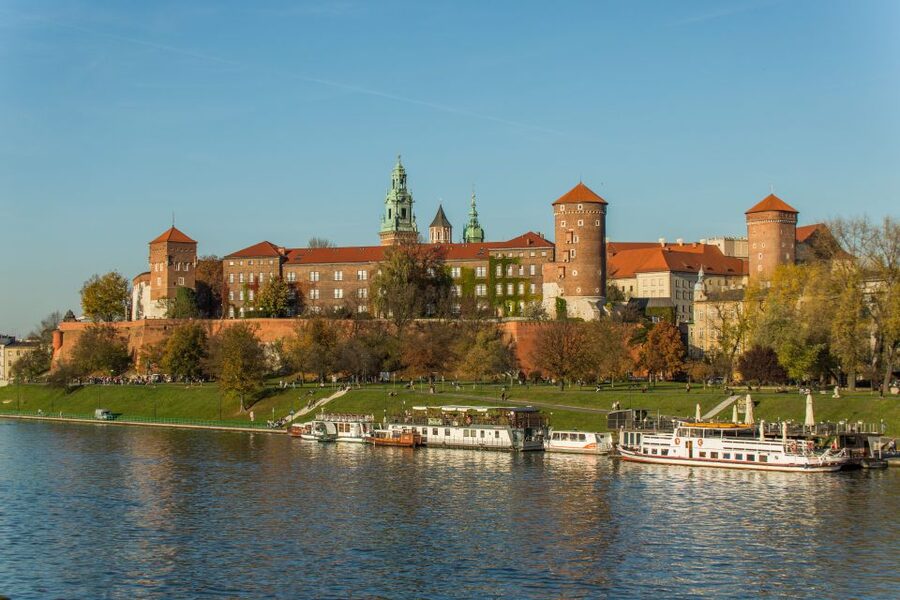
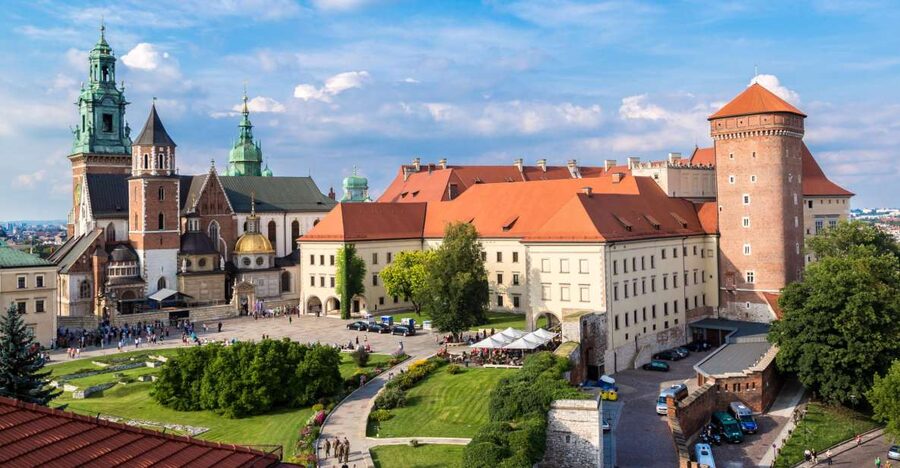
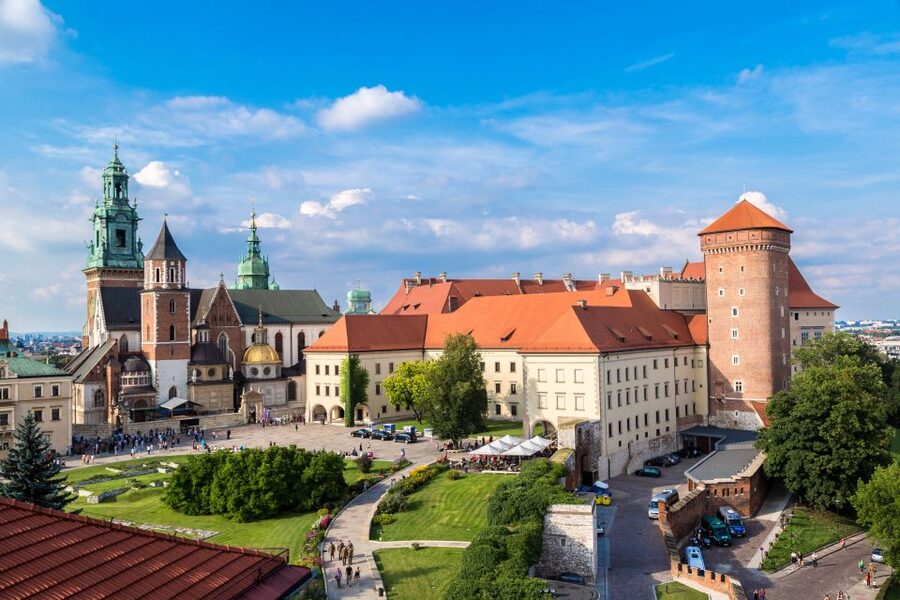
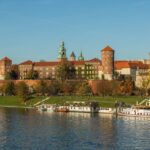
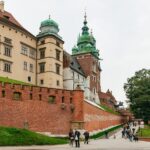
Wawel Castle sits at the heart of Krakow’s identity, and this tour starts you there with purpose. You’ll enter the Royal Castle, which became one of Poland’s major museums in 1930. That detail matters because the building isn’t treated like a bare monument. It’s presented as a curated “time capsule” of what the monarchy valued—art, power, and display.
Inside, you’ll move through grand chambers with Renaissance and Baroque interiors. Expect to see a mix of paintings, sculptures, porcelain, and military artifacts. That combination is one of the reasons Wawel feels different from many palaces. It’s not just decorative. It shows how rulers projected authority—through art, collections, and symbols of strength.
Two collection areas are especially worth paying attention to:
- Flemish tapestries commissioned by King Sigismund II Augustus. These help you understand how far-reaching elite culture was in this part of Europe.
- Italian Renaissance works from the Lanckoroński collection. This gives you a sense of how Wawel was connected to major artistic currents.
There’s also an unusual and very specific feature: Eastern art, including the largest set of Ottoman tents in Europe. Even if you don’t care much for tents as objects, the fact that these pieces exist in Wawel’s world is a reminder that Krakow’s court wasn’t isolated. It was curious, connected, and shaped by trade and diplomacy.
A practical note on skip-the-line
The tour includes a skip-the-line ticket for one Wawel Castle exhibition (State Rooms, Royal Apartments, or Crown Treasury, depending on availability). In plain terms: you’re more likely to spend your time in rooms rather than waiting at counters. Still, treat it as “skip one line,” not “skip everything forever,” since Wawel is an active, high-demand site.
More of the castle on the hill: other Wawel visits
- Krakow: Wawel Castle & Cathedral Guided Tour★ 4.7 · 2,111 reviews
- Old Town Krakow & Wawel Castle Walking Tour★ 5.0 · 1,508 reviews
- Krakow: Wawel Royal Hill with Optional Castle and Cathedral★ 4.2 · 1,220 reviews
- Krakow: Wawel Castle and Cathedral Guided Tour★ 4.6 · 595 reviews
Wawel Cathedral: Coronations, the Sigismund Bell, and Royal Crypts
If the castle is about how power was displayed, the cathedral is about how power was lived—and remembered. Wawel Cathedral is a Gothic masterpiece that hosted coronations, weddings, and funerals of Polish monarchs. That’s why the experience feels less like a stop and more like a guided walk through national ritual.
You’ll go into chapels and altars where the guide links art to ceremony and ceremony to politics. If you like details, this is a good place for questions. A strong guide helps you connect what you’re seeing—tombs, symbols, design choices—to the bigger story of Poland’s leaders.
Then there’s the moment people remember: the tower and the Sigismund Bell. Tradition says touching it brings good luck. It’s a quick ritual, but it’s one of those simple traditions that makes a cathedral visit feel human rather than purely formal.
Finally, you descend to the crypts. This is where Wawel shifts from architectural beauty to storytelling. You’ll hear about kings, queens, poets, and national heroes, and how the cathedral became a resting place tied to legacy and devotion.
If cathedral access is affected
This is the one wrinkle to consider. If a special celebration blocks access to the cathedral tour portion, the group may shift to other highlights inside Wawel, like art treasures. You’ll still get a Wawel experience, but the exact cathedral sequence may change. If Wawel Cathedral is your top priority, don’t panic if timing isn’t perfect—this kind of scheduling issue can happen at a living religious site.
Lunch at a Local Bistro: Polish Comfort Food Without the Planning
After museums and monuments, you’ll want food that feels simple and satisfying. This tour includes lunch at a local restaurant, and you can expect typical Polish meal structure: soup first, then a main dish option. Drinks are not included, so if you want tea, juice, or something alcoholic with the meal, budget extra.
One of the best parts is that lunch isn’t presented like an afterthought. You actually sit down and recharge before heading to the mine. That makes a big difference on a day like this, because salt mine visits can feel physically tiring.
In practice, Polish classics often show up on the menu in recognizable forms. For example, a Polish borscht-style beet soup with potatoes is a common choice, and dumplings (often pierogi-style) are another frequent highlight. If you see those options, they’re a safe bet because they match the day’s pacing: hearty, comforting, and not too heavy.
Transfer to Wieliczka: Air-Conditioned Comfort to Reset
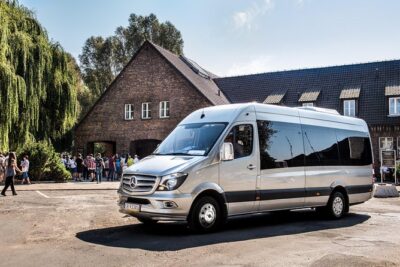
Between Wawel and Wieliczka, the tour gives you something many self-guided days lack: an organized, comfortable transfer. You’ll travel to Wieliczka by round-trip transport (Krakow–Wieliczka–Krakow). That air-conditioned ride helps you reset before the underground experience.
You’ll also want to treat the transfer time as “prep time.” Use it to put on layers for what comes next. The salt mine stays cool and damp enough that being prepared is the difference between enjoying the experience and feeling miserable.
Wieliczka Salt Mine: What to Pack for Cool Underground Air
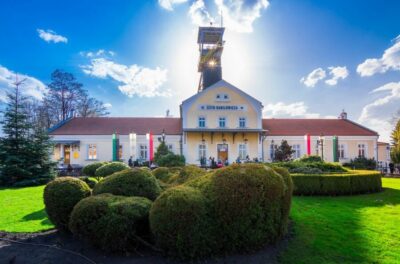
Wieliczka is one of Europe’s most famous salt mines, and the tour gives you the essentials you need for a good visit. The big thing to plan for is temperature and physical effort. It’s quite cool underground, around 14–16°C. Even in summer, you’ll feel it.
Wear:
- Comfortable shoes (you’ll be doing extensive walking)
- Layers or a warmer top (the mine is cold enough to matter)
- Something practical for stairs and uneven surfaces
It’s also important to set expectations about movement. The salt mine tour includes extensive walking and many stairs. If you have mobility issues, heart conditions, or a fear of confined spaces, it’s worth reconsidering participation.
How guidance works underground
The salt mine is conducted by a licensed in-house guide, with only a driver escort during transfers. That means your underground explanation is handled by someone authorized to guide inside the mine, which is exactly what you want when you’re dealing with a site that has both art and engineering to interpret.
Inside the Salt Mine: Chapels, Chandeliers, and the St. Kinga Chapel
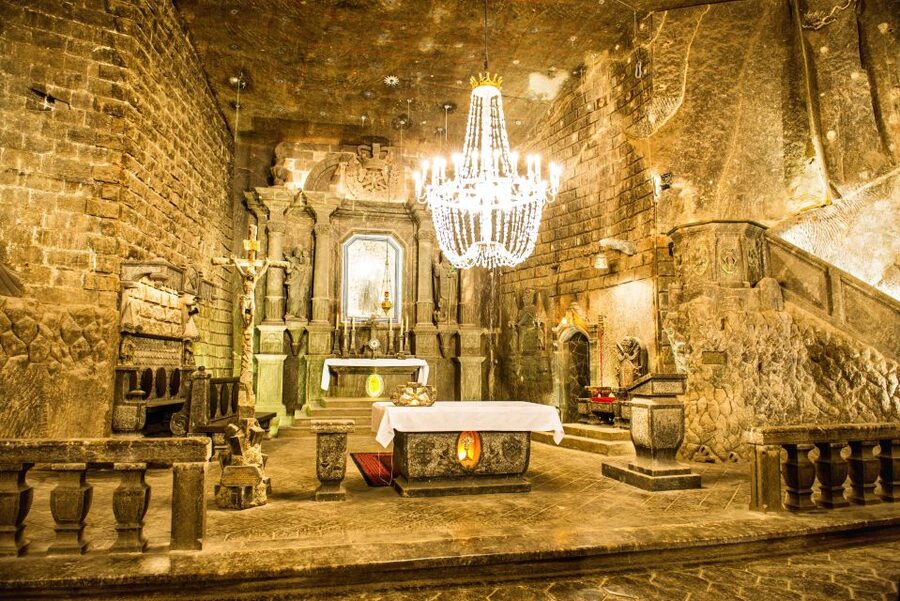
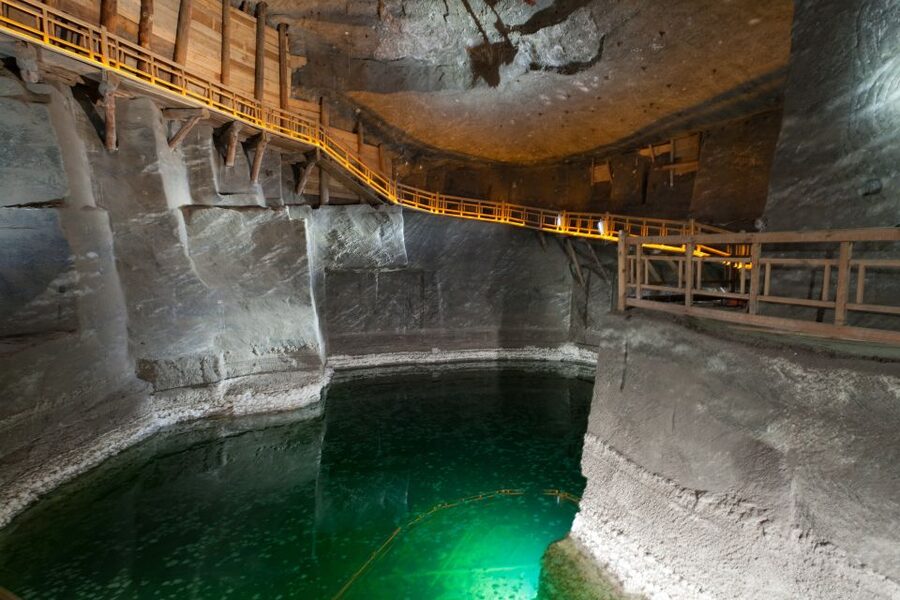
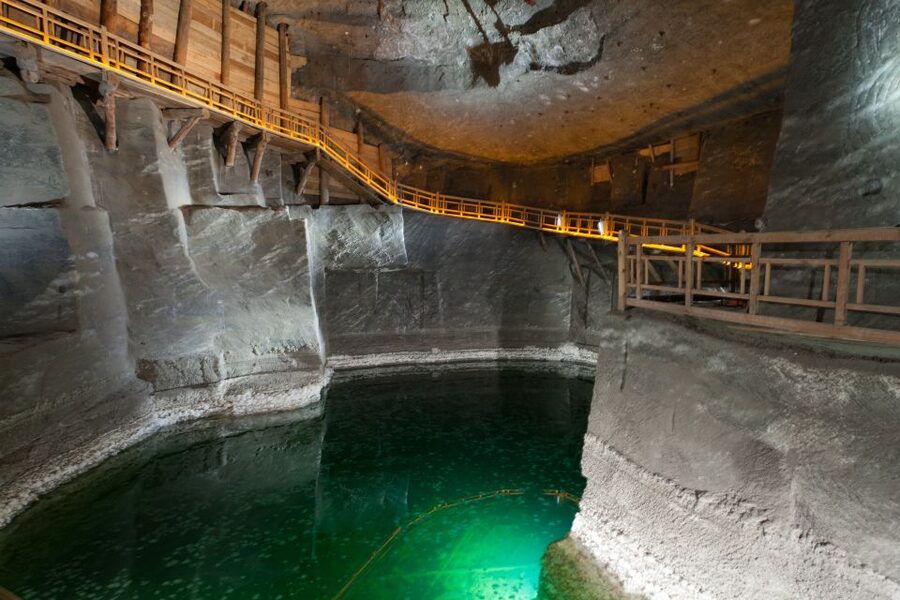
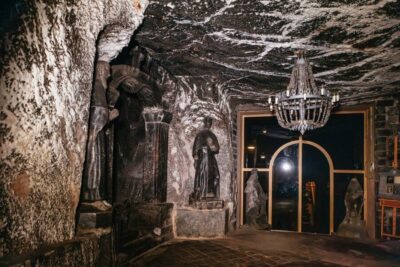
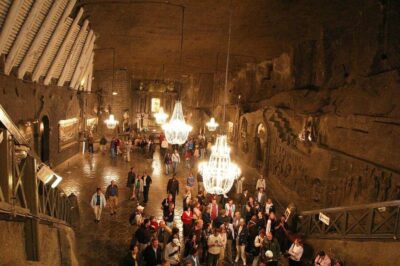
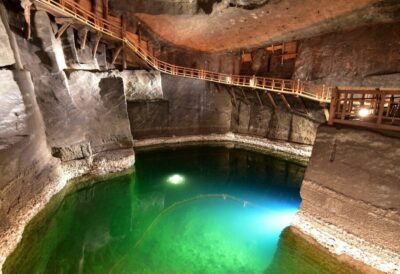
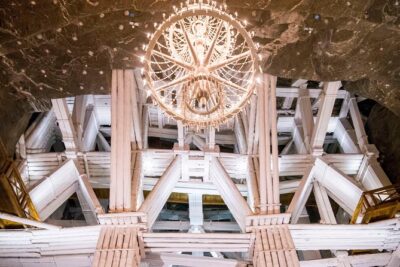
Once you descend, the salt mine feels like a different world. Expect shimmering tunnels, salt-carved spaces, and elements that look almost impossible given the material. The tour spotlights the mine’s mix of nature, art, and legend—so you’re not just counting rooms.
The highlights are the ones you’ll hear about once you arrive:
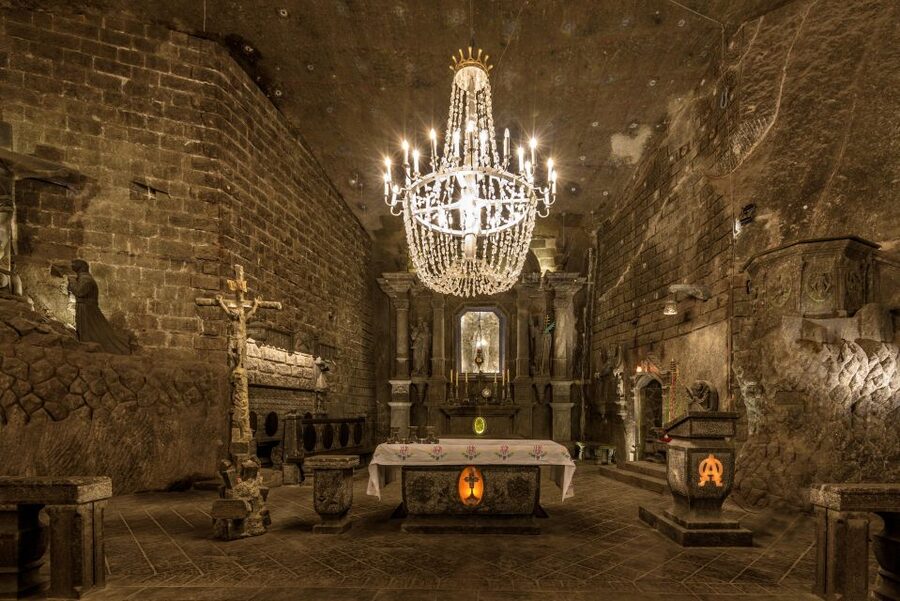
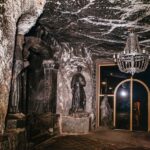
- Salt-carved chapels, including the famous Chapel of St. Kinga
- Salt sculptures and decorative works made by miners’ hands
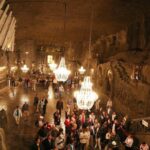
- Chandeliers made of salt
- Crystal-clear lakes deep underground
The Chapel of St. Kinga is the big “wow” because it’s detailed, symbolic, and clearly tied to the human effort behind the mine’s creation. The point isn’t only that it’s pretty—it’s that it shows how miners transformed their work environment into spiritual and artistic spaces.
The underground setting also affects how you experience everything. Because it’s cool, quiet, and full of stone texture, the mine can feel slower in a good way. You’ll likely find yourself pausing more than you do at museums, because the guide’s stories help you notice details you would otherwise miss.
Time Management and Foot-Fit Tips for a Long Day
This tour is structured to reduce stress, but it still asks you to move. You’ll be on your feet through the castle and cathedral, then you’ll add underground walking and stairs at Wieliczka. That’s why shoe choice and pacing matter.
A few practical tips that make a real difference:
- Arrive at the meeting point on time. The tour starts with group departure, and late arrivals can’t join once the group leaves.
- Plan for temperature changes: Wawel is above ground, the mine is cold. Layers help.
- Keep your energy up before lunch. Once you’re underground, you won’t want to be thinking about snacks.
You’ll meet your guide at St. Mary Magdalene Square, at the Piotr Skarga Monument, and they’ll hold an excursions.city sign. That’s helpful because Wawel days can get confusing if you’re also trying to orient yourself on your own.
Who Should Book This Tour (and Who Should Rethink It)
This is a strong match if you:
- Want to see Wawel Castle and Cathedral plus Wieliczka Salt Mine in one day
- Prefer guided interpretation over wandering alone through big monuments
- Like having lunch handled so you can focus on sightseeing
- Value comfort during transfers, since the route includes round-trip transport
It may be less ideal if you:
- Have mobility limits or find many stairs difficult
- Have heart concerns that could make long walking and stair sections risky
- Fear confined spaces in enclosed environments
- Need absolute guarantee of cathedral access at a specific moment (special ceremonies can affect how visits run)
Language options are Italian, English, and French, and the tour is conducted in one selected language. If you’re choosing between languages, pick the one where you can comfortably follow explanation and ask questions.
Should You Book This Wawel + Salt Mine Day Trip?
If you want a high-value Krakow day that hits the two UNESCO “musts” without the planning headache, I’d book it. The mix is smart: royal art and ritual at Wawel, then the completely different engineering-and-legend world of Wieliczka. The inclusion of a licensed guide at Wawel, skip-the-line entry for one exhibition, lunch, and guided mine time adds up to a day that’s easier than piecing everything together.
The price—about $152 per person—can feel steep if you think only in terms of ticket costs. But when you add up what you’re getting (guides, transport, lunch, and time saved at busy sites), the value becomes clearer. You’re paying for a smooth flow and interpretation, not just entry.
Just go in prepared: comfortable shoes, a warm layer for the mine, and an honest assessment of stairs and enclosed spaces. Do that, and this day works as a very satisfying overview of Krakow’s most famous sights.
FAQ
What are the main stops on this tour?
You’ll visit Wawel Castle and Wawel Cathedral, have lunch at a local restaurant, and then visit the Wieliczka Salt Mine with a guided tour underground.
How long is the entire experience?
The tour duration is about 450 minutes, which is roughly 7.5 hours including travel and the visits.
Do I need a specific language for the tour?
Yes. The tour runs in one language selected at booking, with options listed as Italian, English, or French.
Where do I meet the guide?
Meet your guide on St. Mary Magdalene Square at the Piotr Skarga Monument. The guide will be holding an excursions.city sign.
What should I wear for the salt mine?
The mine is quite cool, around 14–16°C, so bring warmer clothing. Wear comfortable shoes because there is extensive walking and many stairs.
Is the salt mine visit suitable for everyone?
Not always. The salt mine tour includes extensive walking, many stairs, and underground conditions. If you have mobility issues, heart conditions, or a fear of confined spaces, you should reconsider joining.
Is lunch included, and are drinks included?
Lunch is included at a local restaurant. Drinks are not included.
Is the tour refundable if plans change?
Free cancellation is offered up to 24 hours in advance for a full refund, and you can also reserve and pay later.
More Tour Reviews in Krakow

Wawel, a Few More Ways In

More of the Wieliczka Salt Mine

Just added: fresh Krakow reviews
Wieliczka Salt Mine Tours, compared.
 ★ 4.6Wieliczka Salt Mine Tour with Entry TicketFrom $3310,927 reviews
 ★ 4.6Wieliczka Salt Mine TourFrom $339,393 reviews
 ★ 4.7Auschwitz-Birkenau and Salt Mine Guided TourFrom $549,020 reviews
 ★ 4.5Wieliczka Salt Mine Fast-Track Ticket & Guided TourFrom $335,872 reviews
 ★ 4.5Day Trip: Auschwitz-Birkenau and Wieliczka Salt Mine from KrakowFrom $1514,282 reviews
 ★ 4.4Wieliczka Salt Mine Tour & Skip the Line TicketFrom $593,925 reviews
 ★ 4.5Krakow to Wieliczka: Salt Mine Guided Tour with Ticket & TransferFrom $563,193 reviews
 ★ 4.7Auschwitz-Birkenau & Salt Mine Full-Day Guided TourFrom $272,887 reviews
Browse the lists this tour appears in