
REVIEW · AUSCHWITZ-BIRKENAU MEMORIAL TOURS
Wheelchair accessible PRIVATE transfer to Auschwitz – Birkenau
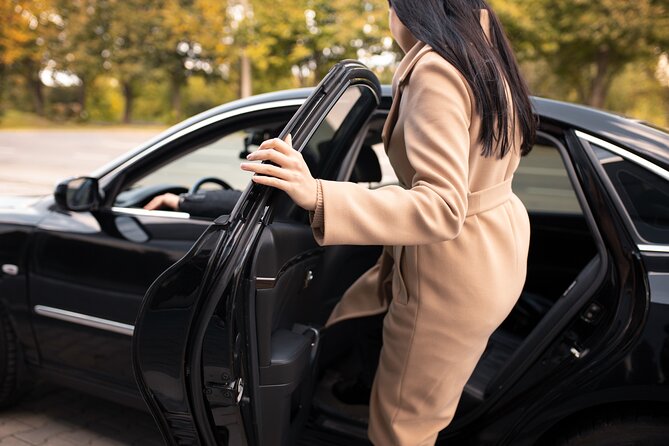
Auschwitz is heavy; the logistics don’t have to be. This private wheelchair-accessible transfer takes you door-to-door from Krakow to the Auschwitz-Birkenau site without the usual meeting-point scramble. I especially like that you get hotel pickup and a driver who handles the whole round trip, so your day stays calm even when the museum rules are strict.
One consideration: the museum grounds are not fully accessible, so you’ll want realistic expectations and extra patience.
What also matters is timing and paperwork. You’ll be picked up about two hours before your entrance, and you need your photo ID plus advance museum tickets since entry numbers are limited. The upside is that the trip includes a headset system to make the visit easier to follow, even if you can’t access every area the same way.
In This Review
- Key things I’d focus on before you book
- Door-to-door timing: how the Krakow pickup really helps
- The ride to Oświęcim: planning for that 1.5-hour drive
- Auschwitz I visit: what to expect at the main entrance
- Birkenau timing: making the most of the extra hour
- Accessibility reality check: wheelchair access isn’t the same as full access
- Accessible van details that matter (and the ones that don’t)
- Price and value: $295.87 per group is about shared transport, not admission
- Who this private transfer suits best
- Should you book this wheelchair-accessible Auschwitz-Birkenau transfer?
- FAQ
- How early is pickup from Krakow?
- How long is the drive to Auschwitz-Birkenau?
- Is this transfer private?
- How many people can fit in the vehicle?
- Are electric and manual wheelchairs accommodated?
- Is the museum fully wheelchair accessible?
- Are museum entrance tickets included in the price?
- What about food and drinks?
- What are the bag limits for entering the museum?
- What document do I need to bring?
- How does cancellation work?
Key things I’d focus on before you book
- Hotel pickup with no meeting point: you start where you’re staying in Krakow.
- Private group up to 5: you won’t share the ride with strangers.
- Accessible minivan for electric or manual wheelchairs: designed to serve both wheelchair types.
- Headphone system included: helps you get more out of the visit, especially when mobility is limited.
- A controlled visit rhythm: about 2 hours at Auschwitz I, then about 1 hour at Birkenau.
- Museum accessibility limits: the driver can adapt, but the museum regulations still apply.
Other guided visits to the Auschwitz-Birkenau Memorial
- From Krakow: Auschwitz-Birkenau Guided Tour & Hotel Pickup
★ 4.5 · 33,358 reviews - From Krakow: Auschwitz-Birkenau Guided Tour & Hotel Pickup
★ 4.5 · 29,340 reviews - Krakow: Auschwitz Guided Tour with Optional Hotel Pickup
★ 4.5 · 15,280 reviews
Door-to-door timing: how the Krakow pickup really helps
This transfer is built around a simple idea: reduce stress before you step into a place like Auschwitz-Birkenau. You start with hotel pickup in Krakow, so you’re not trying to figure out transit, ramps, or where to wait with your wheelchair. The operator also keeps the day structured around your entrance time, with pickup scheduled two hours before you go through the museum gate.
Why that matters: the museum experience runs on timed entry and limited capacity, and your transport is only useful if you arrive without rushing. A smooth start gives you time to go through security checks without getting flustered. For anyone who uses a wheelchair, small delays can turn into big ones, so a pre-set plan is a genuine quality-of-life upgrade.
You’ll also want to pay attention when you book: the pickup time depends on your museum entrance slot, so you should expect to specify which entrance time you’re assigned.
The ride to Oświęcim: planning for that 1.5-hour drive
The transfer uses a wheelchair-accessible minivan and takes about 1.5 hours each way from Krakow to the Auschwitz-Birkenau area in Oświęcim. In practical terms, that means you’re not doing “short hops” across town—you’re committing to a full-day outing. The overall duration is listed as about 8 to 9 hours, which lines up with drive time plus the on-site visits.
This is also where private transport helps you manage your body and your schedule. Instead of juggling transit connections, you sit in the same vehicle with a driver who can assist at pickup and drop-off. If you need extra time to get settled, you’ll have fewer moving parts than a public-transport day.
One practical note: the itinerary includes time at both Auschwitz I and Birkenau, so you’re not just reaching the site and leaving. This is a full transfer with a visit rhythm baked in.
Auschwitz I visit: what to expect at the main entrance
After the drive, you’re taken to the main entrance of the museum. Before you even start walking, there’s a reality check you should plan for: you will need to buy museum tickets in advance because the number of visitors is limited. The transfer doesn’t include museum entrance fees, so the budget needs to cover those separately.
You’ll also deal with security. Each person entering the grounds of the Museum goes through security screening, including electronic device checks for dangerous materials or objects. If someone refuses the checks, they won’t be allowed on the grounds—so it’s smart to plan for the check and have everything ready (and clearly within the bag limits).
Bag limits are specific: the maximum size allowed is 30 x 20 x 10 cm. If your bag is larger, it may not work for entry, so pack lightly and keep your essentials easy to access.
Finally, bring the right documents. You need a document with a photo, name, and surname. If you’re traveling with someone who needs extra time for ID checks or seating, factor that into your arrival mindset.
Sorting the airport run: other transfer options
- Krakow Airport Private Transfer★ 5.0 · 2,227 reviews
- Auschwitz-Birkenau Guided Tour & Transfer from Krakow★ 4.7 · 705 reviews
- Wieliczka Salt Mine Guided Tour + Ticket & Transfer from Krakow★ 4.5 · 690 reviews
- Auschwitz-Birkenau: Day Trip & Transfer from Kraków★ 4.5 · 370 reviews
Birkenau timing: making the most of the extra hour
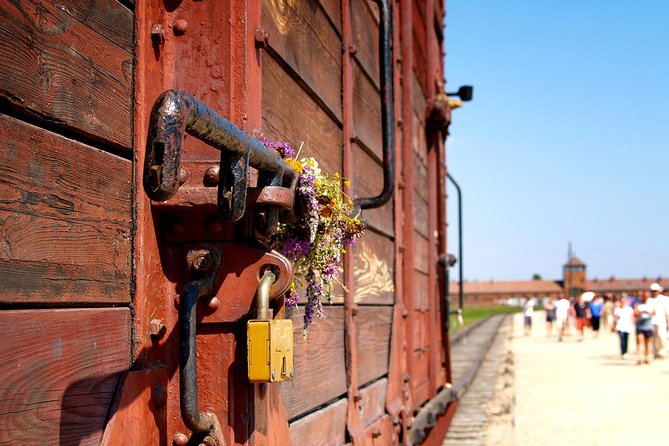
Your visit doesn’t end at Auschwitz I. After about 2 hours there, you’ll be taken by the same minivan to Birkenau for about 1 hour of additional visit.
That hour can feel short—because it’s short—but it’s also a realistic window within a full day that starts with a long drive and includes required security and rules. I like this structure because it avoids the common problem of arriving at the site and then having the day drag without momentum. You get two distinct parts of the experience: first Auschwitz I, then Birkenau.
Also, remember that the driver is expected to follow museum regulations even as they adapt to your needs. That means your best experience comes from giving yourself a bit of mental flexibility. You might not be able to move exactly the way you’d prefer at every point, but the transfer is designed to keep you moving within the rules.
Accessibility reality check: wheelchair access isn’t the same as full access
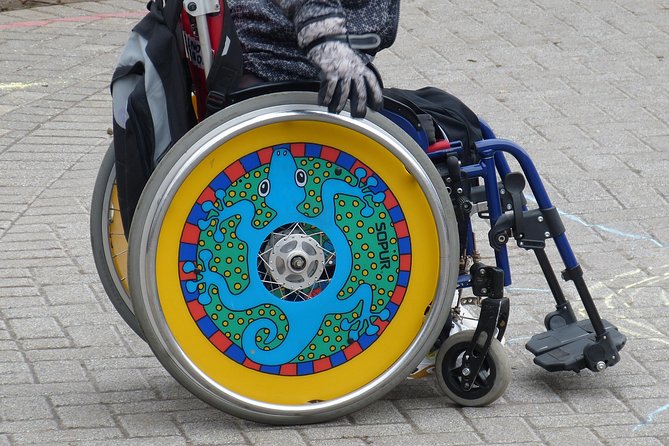
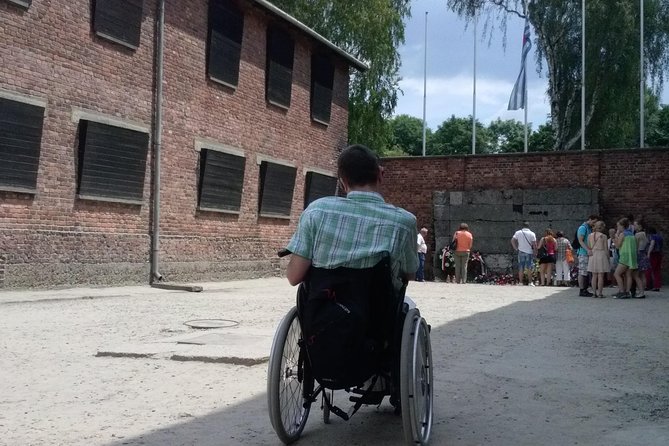
The biggest thing to understand upfront is the wording: the museum is not fully accessible. This transfer is wheelchair accessible in terms of the vehicle and support, but the destination itself has accessibility limits.
So what should you do with that information? I’d treat it as an invitation to plan more thoughtfully, not as a deal-breaker. The operator provides service for both electric and manual wheelchairs, and the driver can adapt to individual needs—while still being obliged to follow museum regulations. In plain terms: you’ll likely get more access and smoother logistics than if you DIY it, but you shouldn’t assume every path, stop, or area will be equally workable.
The transfer also includes a headphone system, which can make a big difference if you’re not able to move freely or if you have slower pacing. It helps you stay connected to the content even when your movements are constrained.
If you’re bringing a wheelchair user, it’s worth thinking about your comfort needs: distance, transfer steps (if any), and time spent waiting in or out of lines. This tour’s structure is built to reduce waiting, but the museum environment still has its own pace and constraints.
Accessible van details that matter (and the ones that don’t)
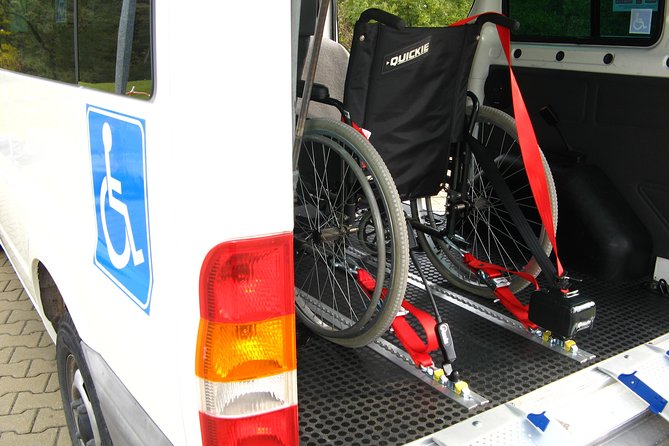
The minivan is designed for wheelchair access and supports both electric and manual wheelchairs. The vehicle has room for one wheelchair plus four standard seats. That capacity detail matters for planning—if your group includes multiple wheelchair users, you’ll want to confirm fit and seating expectations directly with the provider.
The transfer also includes:
- Hotel pickup and drop-off (so you’re not navigating transfers yourself)
- Assistance of an English speaking driver
- Parking fees (so you aren’t dealing with surprise on-the-ground costs)
- Wheelchair-accessible minivan
- Mobile ticket (for your transfer)
What I like about these inclusions is that they remove the “small friction” costs that add up on a long day. When you’re managing mobility needs, you don’t want to bargain with logistics while you’re also dealing with security lines, crowd control, and limited entry.
What’s not included is also important: food and drinks are not provided, and museum entrance fees are not included. For a day that runs 8 to 9 hours, you should plan your own snacks and water and decide whether they’ll fit your bag size and museum rules.
Price and value: $295.87 per group is about shared transport, not admission
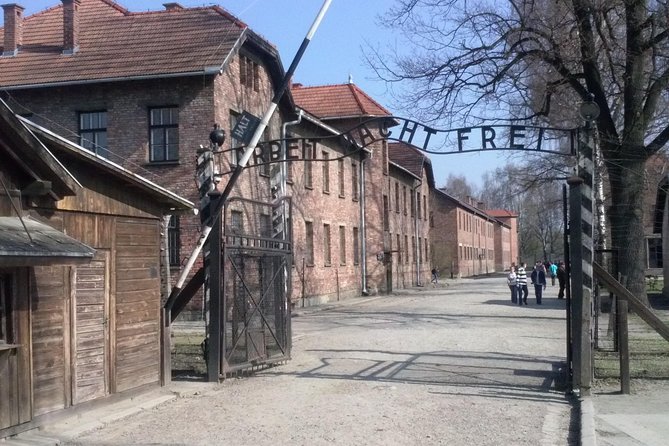
The price is listed as $295.87 per group (up to 5). That can be a great value if you have a full group, and a tougher pill if it’s just one or two people.
Here’s the basic math:
- If you fill all 5 spots, you’re effectively paying about $59 per person for the transport portion.
- If you travel as 2 people, it’s closer to $148 per person.
Remember: the price includes the private accessible transfer elements (pickup/drop-off, wheelchair support, English-speaking driver, parking), but it does not include museum entrance fees. So your total day cost depends heavily on what you choose for museum tickets.
Why this still can be worth it: public transport to Auschwitz-Birkenau isn’t just inconvenient—it can be exhausting. With a private accessible minivan, you’re paying for door-to-door simplicity and fewer transitions. For wheelchair users (and anyone supporting them), that time and energy savings can be the difference between a tolerable day and a day you barely survive.
Who this private transfer suits best
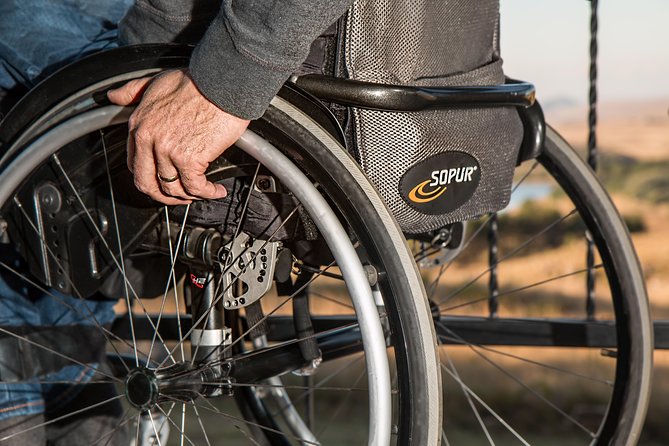
This is a strong fit if you want:
- a private experience (your group only)
- hotel pickup in Krakow
- wheelchair-accessible transportation with a driver who can assist
- a plan that has a set amount of time at Auschwitz I and then Birkenau
It’s also not aimed at everyone. The experience is not recommended for child aged 14 and under, and since the museum isn’t fully accessible, you’ll want to judge whether the on-site limitations match your needs.
I’d particularly recommend this approach if you’re traveling with a wheelchair user, or if you’re supporting someone who needs predictable logistics more than open-ended wandering.
Should you book this wheelchair-accessible Auschwitz-Birkenau transfer?
Book it if you want a low-stress, private way to get from Krakow to Auschwitz-Birkenau, with wheelchair support, English-speaking driver help, and a timed structure that respects the realities of limited entry.
Skip or reconsider if you’re expecting full wheelchair access across the entire museum grounds, or if you’d rather control every minute yourself. Since museum entrance fees and food/drinks aren’t included, you’ll also want to budget and pack accordingly.
One last practical detail that gives me confidence: the driver help can be the difference between a smooth day and a chaotic one. For example, the operator’s driver Piotr is described as going above and beyond when an Auschwitz tour time was moved earlier, coordinating with the office to help the group still take part. That kind of problem-solving is exactly what you want when timings and regulations matter.
FAQ
How early is pickup from Krakow?
You’ll be picked up from your accommodation minimum two hours before your museum entrance time. The exact pickup time depends on your chosen entrance.
How long is the drive to Auschwitz-Birkenau?
The drive is about 1.5 hours each way from Krakow to the site in Oświęcim.
Is this transfer private?
Yes. It’s a private transfer, and only your group participates.
How many people can fit in the vehicle?
The vehicle has space for one wheelchair plus 4 standard seats, for up to 5 people per group.
Are electric and manual wheelchairs accommodated?
Yes. The service includes support for both electric and manual wheelchairs.
Is the museum fully wheelchair accessible?
No. The museum is not fully accessible, even though the transfer itself is wheelchair accessible.
Are museum entrance tickets included in the price?
No. Museum entrance fees are not included. You need to buy tickets in advance since visitor numbers are limited.
What about food and drinks?
Food and drinks are not included, so you’ll need to plan your own.
What are the bag limits for entering the museum?
The maximum bag size allowed is 30 x 20 x 10 cm.
What document do I need to bring?
You need a document with photo, name, and surname.
How does cancellation work?
There’s free cancellation. You can cancel up to 24 hours in advance for a full refund.
More Tour Reviews in Krakow




Getting To and From the Airport




Visiting the Auschwitz-Birkenau Memorial

Just added: fresh Krakow reviews


Auschwitz-Birkenau Memorial Tours, compared.
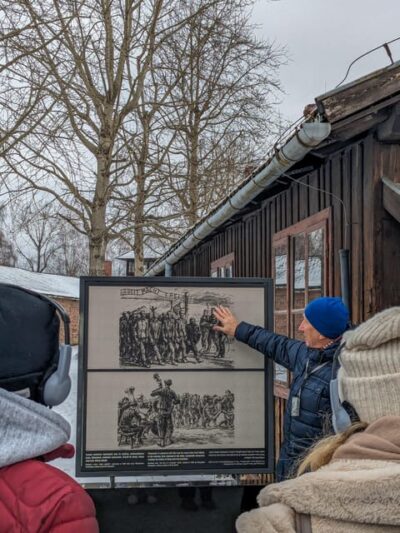 ★ 4.5Auschwitz-Birkenau Guided Tour & Hotel PickupFrom $2133,358 reviews
★ 4.5Auschwitz-Birkenau Guided Tour & Hotel PickupFrom $2129,340 reviews
★ 4.5Auschwitz-Birkenau Guided Tour & Hotel PickupFrom $2133,358 reviews
★ 4.5Auschwitz-Birkenau Guided Tour & Hotel PickupFrom $2129,340 reviews
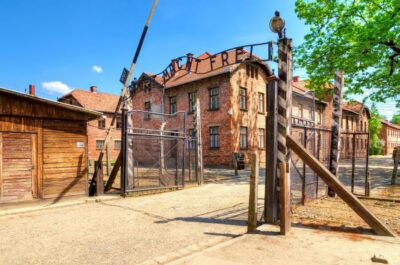 ★ 4.5Auschwitz Guided Tour with Optional Hotel PickupFrom $6915,280 reviews
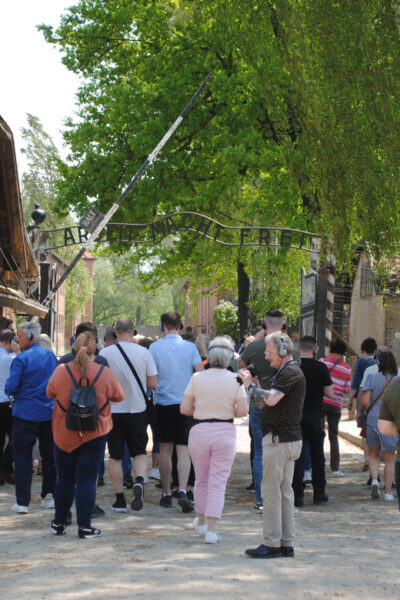 ★ 4.5Auschwitz-Birkenau Guided Tour with Pickup & LunchFrom $219,800 reviews
 ★ 4.5Auschwitz-Birkenau Guided Tour Pickup/Lunch OptionsFrom $2009,057 reviews
 ★ 4.7Auschwitz-Birkenau and Salt Mine Guided TourFrom $549,020 reviews
 ★ 5.0Krakow to Auschwitz Birkenau Guided Tour with Transfer and TicketFrom $368,197 reviews
 ★ 4.0Auschwitz Birkenau Tour with TransferFrom $216,134 reviews
Browse the lists this tour appears in