
REVIEW · AUSCHWITZ-BIRKENAU MEMORIAL TOURS
Auschwitz-Birkenau Tour with Transfer
Waking up before dawn changes everything. This Auschwitz-Birkenau tour is built for a smooth, guided visit with hotel pickup and admission to both camps handled for you, plus headsets so you can follow along. The main drawback is timing: you may face an extremely early pickup and a long, rule-driven wait before you actually enter.
What I like most is how the day is structured. You’re not just dropped off and left to figure it out; you get an English-speaking tour leader, then a professional museum guide inside, and the plan moves from Auschwitz I to Birkenau in a way that helps you understand the full system. One thing to keep in mind: this is serious ground with strict pacing, so it’s not a slow, wander-at-will type of visit.
In This Review
- Key highlights you’ll feel right away
- From Krakow to the camps: how the transfer actually helps
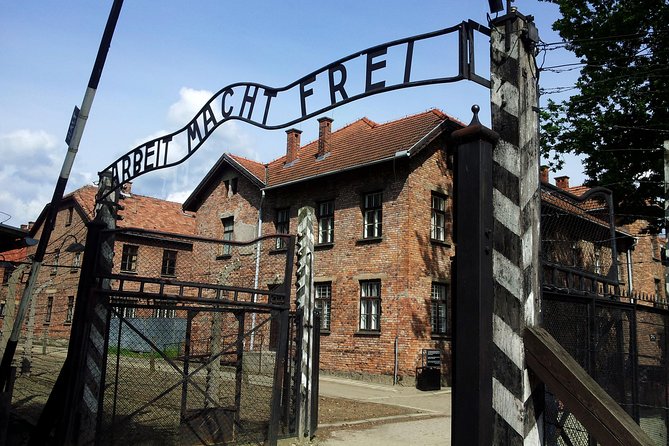
- Auschwitz I: security, Arbeit Macht Frei, and a guided route you can follow
- Birkenau (Auschwitz II): why this second camp changes how you understand the scale
- The all-day timing: pickup windows, waiting, and the pace shift
- What you actually get for the $132.75: value vs. DIY stress
- Logistics that can make or break your day
- Choosing guided vs. non-guided: what you gain (and what you trade)
- Who should book this Auschwitz-Birkenau tour with transfer
- Should you book this tour or plan something else?
- FAQ
- What’s included in the ticket price?
- How early is pickup in Krakow?
- How long is the full tour?
- Do I get to visit both Auschwitz I and Birkenau?
- Is food included?
- What document do I need for entry?
- Can I cancel for free?
Key highlights you’ll feel right away
- Round-trip transfer from Krakow (about 65 km each way) with a licensed, English-supported team
- Pickup across Krakow with multiple meeting points, including south-of-center options (last listed drop is Straszewskiego 14, Hotel Maltański)
- Two-camp route: Auschwitz I plus Auschwitz II Birkenau, with bus travel between them (about 3 km)
- Headsets on-site and guided structure for groups of up to 30
- Memorial rules matter: security screening, no flash photos, bag limits (30 x 20 x 10 cm), and respectful behavior
Other guided visits to the Auschwitz-Birkenau Memorial
- From Krakow: Auschwitz-Birkenau Guided Tour & Hotel Pickup
★ 4.5 · 33,358 reviews - From Krakow: Auschwitz-Birkenau Guided Tour & Hotel Pickup
★ 4.5 · 29,340 reviews - Krakow: Auschwitz Guided Tour with Optional Hotel Pickup
★ 4.5 · 15,280 reviews
From Krakow to the camps: how the transfer actually helps
Krakow to Auschwitz is a one-way trip of about 1 hour 15 minutes, so leaving the city early isn’t optional. The benefit of booking the transfer is that you’re not piecing together trains, taxis, and ticket timing while you’re still half-asleep. You’ll board an air-conditioned vehicle for the ride, and you also get an English-speaking tour leader to help you along the way if anything comes up.
Pickup starts from several meeting points around Krakow. The schedule often clusters starts from south of Krakow (including Podgórze), and the last pickup point listed is Hotel Maltański at Straszewskiego 14. In practice, you’ll receive your exact pickup time after booking (the day before, after 5 pm). And yes, that timing can be very early, even in the pre-dawn window.
You’ll also get a short break after arrival before the museum tour begins. It’s meant for coffee and bathroom time, which matters because once you enter, you’re on a controlled schedule with security screening and a set route.
Auschwitz I: security, Arbeit Macht Frei, and a guided route you can follow
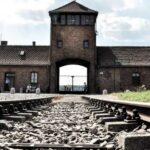
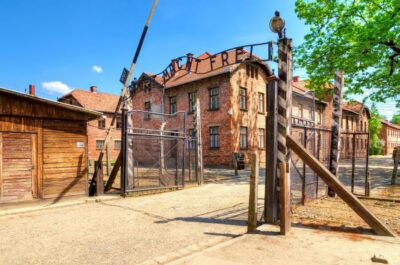
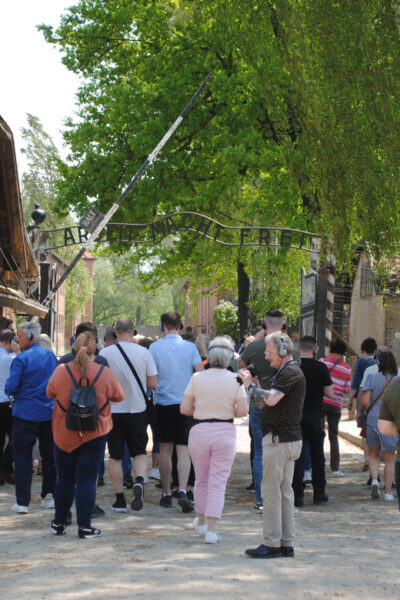
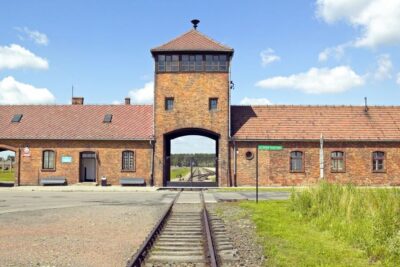
Auschwitz I is where the story becomes concrete, not abstract. Your visit begins with security screening that uses a set-up similar to an airport line: metal detectors and a controlled entry process. After that, you’ll move through an underground tunnel to reach the original Auschwitz gate with the sign Arbeit Macht Frei.
The museum portion is designed as a guided walk. The tour is about 2 hours and includes a professional Auschwitz Museum guide (English-speaking when that guided option is selected). To help you follow, you’ll be given headsets so you can hear the guide clearly even when the group is moving and the museum spaces feel open and echoing.
Inside Auschwitz I, the route takes you through multiple barracks with exhibits such as prisoners’ personal items and historical displays. You’ll also see the route that leads to Block 11, which is closely connected to the first gas chamber facilities. The tour then continues past areas tied to the death wall and the gallows where Rudolf Höß was hanged.
The heavy moment comes when you enter the gas chamber and crematorium areas in Auschwitz I. It’s not a quick “look and move on” stop. Even with headsets and a set route, the pace is more like a guided, respectful walkthrough. It’s precisely the kind of structure that helps you connect what you’re seeing to what you’re being told.
Birkenau (Auschwitz II): why this second camp changes how you understand the scale
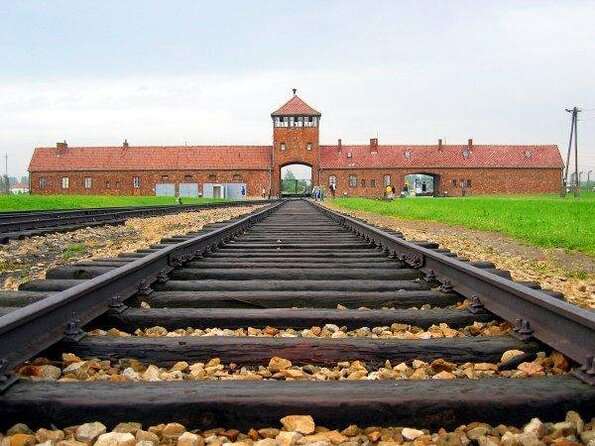
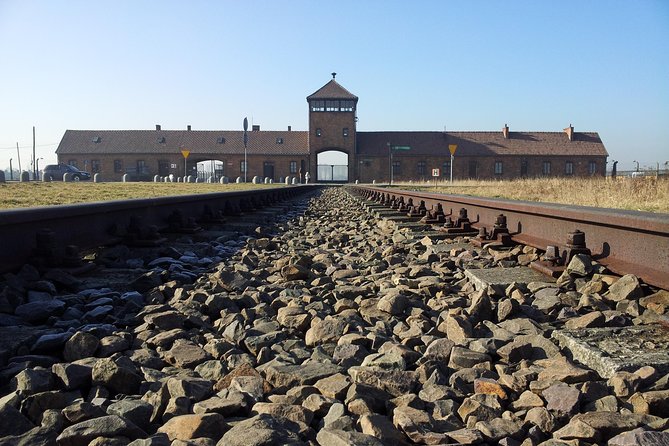
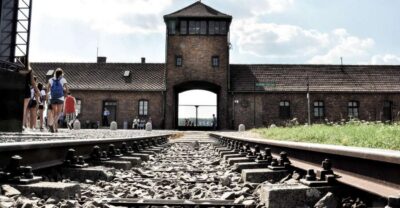
Birkenau is the larger part of the system, and the tour makes sure you don’t treat it like an optional add-on. After finishing Auschwitz I, you get a short break. Then you board a bus to Auschwitz II Birkenau, located about 3 km away.
Birkenau is spread out, and your visit is about 1 hour with the guide. That shorter duration is practical, but it means you should go in ready to absorb quickly. This camp was massive: 171 hectares, and around 100,000 prisoners were held there.
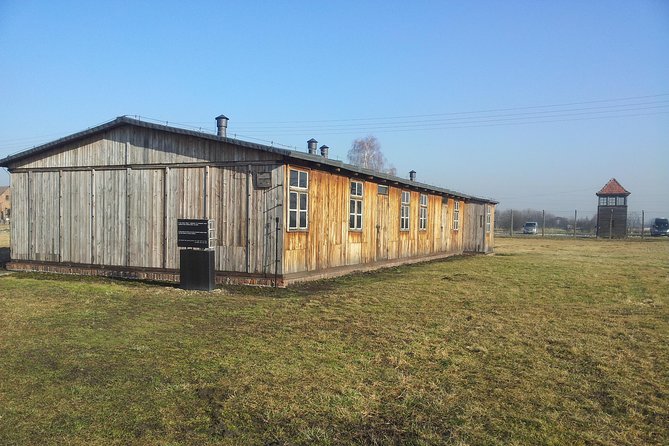
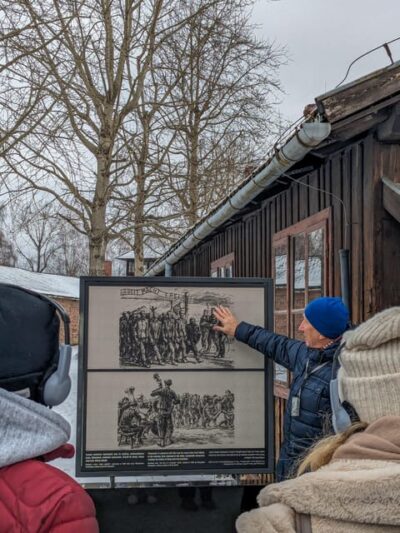
You’ll see key elements that explain how the camp operated. Some of what you may be able to view includes original wooden barracks, originally designed as horse stables, as well as a freight wagon used to transport prisoners to the camp. The tour also points out the ruins of four gas chambers and crematoria.
Here’s the practical reality: Birkenau is outdoors and exposed. When weather turns, you’ll feel it. When daylight fades, you’ll feel that too. One reason some people feel rushed in Birkenau is simple math: the route is long, the ground is open, and the tour still needs to fit within museum timing.
A few more Krakow trips worth putting on the shortlist
- Krakow to Auschwitz Birkenau Guided Tour with Transfer and Ticket★ 5.0 · 8,197 reviews
- Krakow: Auschwitz-Birkenau Guided Tour with Ticket and Transfer★ 4.5 · 3,784 reviews
- Krakow to Wieliczka: Salt Mine Guided Tour with Ticket & Transfer★ 4.5 · 3,193 reviews
- Krakow to Auschwitz Birkenau Guided Tour with Ticket and Transfer★ 3.5 · 3,062 reviews
The all-day timing: pickup windows, waiting, and the pace shift
This kind of tour works only if you treat it like an all-day commitment. Your own pace won’t be the main event; the museum pace and group movement controls the timing. Groups can be up to 30 people with a guide, and headsets are used to keep everyone on track.
Be mentally prepared for “time gaps” in two spots:
1) Before entry, when lines and security create waiting.
2) Between sections, when the group boards the bus and resets back into the museum flow.
There are also scheduled breaks built in. You start with a short break after arriving at Auschwitz so people can handle basics. In the middle of the day, there’s another break between Auschwitz I and Birkenau. But the break windows aren’t long enough to turn into a casual lunch outing, especially during busy periods.
One pattern from real-life experiences is that bathroom queues can be longer than expected. I’d plan on that and not assume you’ll have an easy walk-up moment.
What you actually get for the $132.75: value vs. DIY stress
At about $132.75 per person, the value is mainly in what’s handled for you. This price includes entry fees to both Auschwitz I and Auschwitz II Birkenau, plus round-trip transportation from Krakow. You also get a headset setup for the guided experience, and pickup is offered from multiple Krakow locations.
If you add up what it takes to DIY—figuring out transport, securing timed admission, and meeting up with the right access window—the “operator does it for you” part becomes the real bargain. Even if you’re an organized planner, an Auschwitz day isn’t the day to experiment.
The spot where value can wobble is food. Meals and drinks aren’t included. The tour does mention the option to order a lunchbox for 30 zł to be delivered during the tour, but some reported issues with lunch ordering and delivery can happen when multiple companies and chat-based links are involved. My practical recommendation: bring your own snacks and water if you can. It keeps your day predictable when queues and timing tighten.
Logistics that can make or break your day
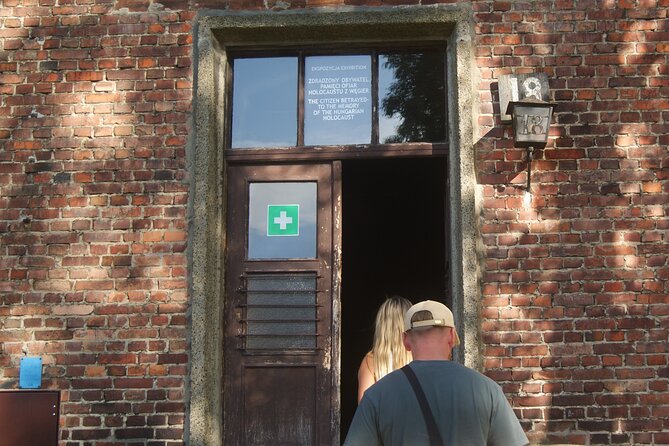
A few details here matter more than they sound.
Pickup time can be very early. Pickup times can be sent the night before and may be as early as 3:00–4:00 AM. The museum’s operational windows are tied to early start times (with early access hours listed in the schedule you’ll see around the year). If you’re flying in or out the same day, double-check that your flight timing can handle a pre-dawn start.
Entry depends on availability and guide scheduling. The day is built around museum rules: entry and guide access are controlled, and the tour operator can’t always guarantee the exact time you wanted. That means you should build flexibility around the tour date itself.
Drop-off may not match your original pickup spot. The tour ends in a different location than where you started, and you’ll be transferred back to one of the meeting points designed to avoid heavy traffic inside Krakow’s old town streets.
You’ll need the right documentation. The museum requires full names of all participants and you must bring a picture document for entrance checks. Keep it simple: carry your ID with you.
Bags have limits. Bags and backpacks are limited to 30 x 20 x 10 cm. A smaller bag or daypack is the move. If you have bigger luggage, you may be able to leave items inside the vehicle or at a luggage store at Auschwitz.
Photography rules are strict. Photos are allowed in museums except for a few indicated areas. Flash is forbidden.
Finally, don’t underestimate the walking. Auschwitz and Birkenau involve lots of walking, and there aren’t places to sit every few minutes. If you have mobility concerns, it’s worth reconsidering the tour format and how much time you realistically want to spend on your feet in cold or wet weather.
Choosing guided vs. non-guided: what you gain (and what you trade)
This experience offers flexibility between guided and non-guided options. Here’s how to think about it.
If you choose guided, you’re buying clarity. You’ll hear the story tied to the locations, and the headsets keep you from losing details while moving. This works well if you want the tour to do the heavy lifting in interpretation.
If you choose non-guided, you’re buying control. You may feel less rushed and more free to stop and read boards at your own speed. But you’ll still be working inside the museum’s overall route and time constraints, and the scale of Birkenau can still feel like a sprint even when you’re trying to slow down.
My practical advice: if this is your first time at Auschwitz-Birkenau and you want help making sense of what you see, pick the guided option. If you already know the history well and you just want to witness at your own pace, the non-guided option can be more comfortable.
Who should book this Auschwitz-Birkenau tour with transfer
This is a good fit if you want:
- A single, managed day with transport and admission handled
- English guidance that helps you follow what you’re seeing
- A two-camp route that connects Auschwitz I to Birkenau instead of treating them as separate trips
It’s less ideal if:
- You cannot handle pre-dawn logistics. Pickup can be very early, and schedule changes can happen.
- You expect a relaxed, slow itinerary. The museum’s rules and pacing are fixed.
- You want food included. It isn’t, and relying on pre-ordered lunch can add friction.
For kids: visiting isn’t recommended for children below 13, and the tour details explain headset differences for younger ages. If you’re traveling with teenagers, double-check what headset setup is included for the age group you book.
Should you book this tour or plan something else?
I’d book this tour if you value structure and hate logistics on heavy, time-sensitive days. Paying for round-trip transport, admissions to both camps, and a guided museum experience (with headsets) buys you less stress and a more coherent visit.
I’d hesitate if your schedule is tight on purpose—like a mid-morning flight or a strict plan you can’t move. The early pickups and the controlled entry flow can wreck a day if you’re counting on later start times.
If you do book, go in prepared: wear comfy shoes, bring warm layers for outdoor stretches, and bring your own snacks and water. Then you’ll spend your energy where it matters—on the visit itself, not on scrambling for basics.
FAQ
What’s included in the ticket price?
Entry fees to Auschwitz I and Auschwitz II Birkenau are included, along with round-trip transportation from Krakow. The tour also includes headsets to hear the guide clearly, plus pickup from multiple meeting points. A certificated English-speaking museum guide is included if you choose the guided option.
How early is pickup in Krakow?
Exact pickup time is sent the day before after 5 pm. Pickups may be very early, even as early as 3:00–4:00 AM, depending on the museum schedule and availability.
How long is the full tour?
The duration is listed as about 8 to 9 hours, depending on how the day runs and the museum’s timing.
Do I get to visit both Auschwitz I and Birkenau?
Yes. The plan includes Auschwitz I first, then a bus ride to Auschwitz II Birkenau to continue the tour with the guide.
Is food included?
No. Food and drinks are not included. The tour mentions lunchbox options, but you should plan to bring snacks and water if you want more certainty during queues.
What document do I need for entry?
You must provide the full names of all participants, and you need to bring a picture document for each person in case it’s checked at the entrance.
Can I cancel for free?
Free cancellation is available up to 24 hours in advance of the experience start time for a full refund.
More Tours in Krakow
More Tour Reviews in Krakow
Visiting the Auschwitz-Birkenau Memorial
Just added: fresh Krakow reviews
Auschwitz-Birkenau Memorial Tours, compared.
 ★ 4.5Auschwitz-Birkenau Guided Tour & Hotel PickupFrom $2133,358 reviews
★ 4.5Auschwitz-Birkenau Guided Tour & Hotel PickupFrom $2129,340 reviews
★ 4.5Auschwitz-Birkenau Guided Tour & Hotel PickupFrom $2133,358 reviews
★ 4.5Auschwitz-Birkenau Guided Tour & Hotel PickupFrom $2129,340 reviews
 ★ 4.5Auschwitz Guided Tour with Optional Hotel PickupFrom $6915,280 reviews
 ★ 4.5Auschwitz-Birkenau Guided Tour with Pickup & LunchFrom $219,800 reviews
 ★ 4.5Auschwitz-Birkenau Guided Tour Pickup/Lunch OptionsFrom $2009,057 reviews
 ★ 4.7Auschwitz-Birkenau and Salt Mine Guided TourFrom $549,020 reviews
 ★ 5.0Krakow to Auschwitz Birkenau Guided Tour with Transfer and TicketFrom $368,197 reviews
 ★ 4.0Auschwitz Birkenau Tour with TransferFrom $216,134 reviews
Browse the lists this tour appears in