
REVIEW · AUSCHWITZ-BIRKENAU MEMORIAL TOURS
Krakow: Auschwitz-Birkenau Shared English Tour and Transfer
Two things jump out fast: it is a serious day and it’s also run with real structure. You’ll travel from Krakow with shared transport, then spend a guided day at Auschwitz I and Birkenau with time to look at what matters. The best part is the balance of history, respectful pacing, and practical logistics like round-trip transfers and a licensed English guide.
I like that you’re not left to figure out the day by yourself. There’s a professional driver/host, you get clear help on where to go, and the guides are built around an in-person walk through the memorial. I also love that the day is organized around two locations—Auschwitz I for the core exhibits and Birkenau for the wider, haunting scale—so you don’t just tick boxes.
One thing to consider: timing can be sensitive. The exact departure time is confirmed the evening before, and a few guests reported bigger-than-expected pickup changes. If you’re the type who schedules dinner, trains, and airport runs the same day, this tour will ask for flexibility.
In This Review
- Key points before you go
- Why this shared Auschwitz-Birkenau tour feels practical from Krakow
- Meeting point, transfers, and the one-day reality check
- Auschwitz I: the former camp, prisoner blocks, and why the guide matters
- Birkenau gate walk: the “scale” part that hits differently
- The guides, the tone, and what you’re really buying
- What to bring: modest clothing, packed food, and lots of walking
- Price and value: what $87.07 buys you (and what it doesn’t)
- Who this tour suits best (and who should rethink it)
- Should you book this Auschwitz-Birkenau tour from Krakow?
- FAQ
- How long is the Auschwitz-Birkenau tour from Krakow?
- Where do I meet, and where do I get dropped off?
- Is the tour offered in English?
- Is the Auschwitz-Birkenau entrance ticket included?
- Are food and drinks included?
- What luggage size can I bring?
- Can I cancel for free?
Key points before you go
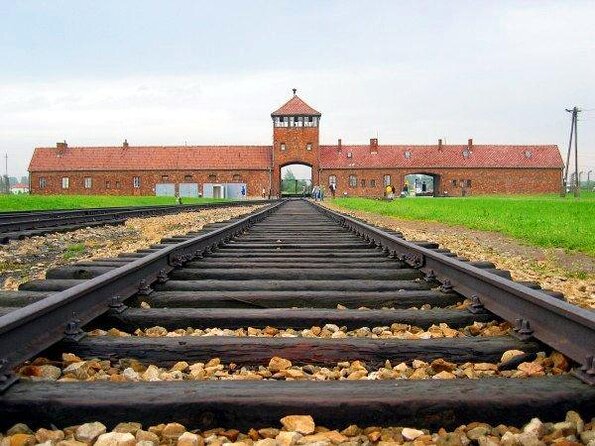
- Auschwitz I plus Birkenau, guided end-to-end so the story stays coherent and you’re not guessing what you’re looking at
- Shared English tour capped at 30 people, which usually keeps things controlled (even on a crowded site)
- A pick-up option from near Krakow Old Town plus a convenient city drop-off back near the center
- Ticket option available, and you’ll redeem at the memorial site if it’s included in your package
- No food plan, so bring snacks or a packed lunch unless you’re okay with limited onsite options
Other guided visits to the Auschwitz-Birkenau Memorial
- From Krakow: Auschwitz-Birkenau Guided Tour & Hotel Pickup
★ 4.5 · 33,358 reviews - From Krakow: Auschwitz-Birkenau Guided Tour & Hotel Pickup
★ 4.5 · 29,340 reviews - Krakow: Auschwitz Guided Tour with Optional Hotel Pickup
★ 4.5 · 15,280 reviews
Why this shared Auschwitz-Birkenau tour feels practical from Krakow
Auschwitz-Birkenau is not the kind of place you want to “figure out later.” You’ll walk a lot, you’ll see extremely difficult material, and you’ll want context that doesn’t feel rushed or generic. This shared tour is designed for exactly that: transport that gets you there, guides who can keep the focus respectful, and a route that connects the two key sections of the memorial day.
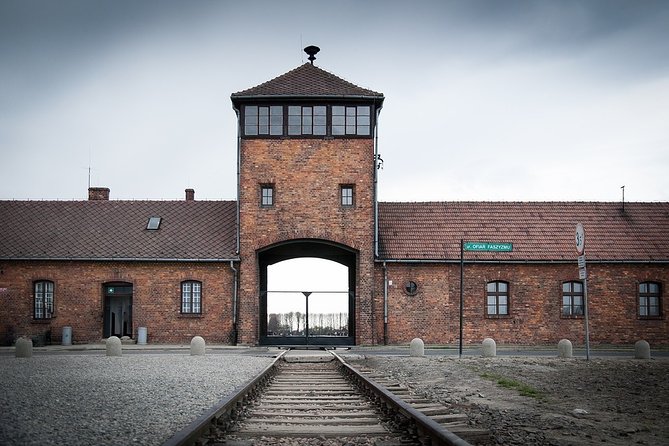
From the start, the experience is built around organization. You meet near Krakow Old Town, then head out with an air-conditioned vehicle. At the site, you’re guided through Auschwitz I (including prisoner blocks and the first crematorium area), then you switch to Birkenau for the gate and the broader layout. It’s a loop that makes sense for first-timers who want both detail and scale.
I also appreciate the size of the group. With up to 30 people, you still get the rhythm of a group tour, but it’s not so huge that you’re permanently stuck behind someone’s shoulder. Still, plan for crowds inside the memorial—this is one of the most visited historical sites in Europe.
Meeting point, transfers, and the one-day reality check
The tour begins at a meeting point in Krakow Old Town, and you can often choose an option that includes hotel pickup (or a pickup closer to where you’re staying). The goal is simple: reduce friction. You don’t want to spend your first morning in Krakow wrestling with directions, taxi lines, or timing.
The day runs long—about 7 to 8 hours—so treat it like a full-day commitment. Even though you start from Krakow, Auschwitz-Birkenau is not a quick add-on. The memorial also controls entry timing, so the operator notes that the visiting time is ultimately set by the museum and you’ll receive the departure details the evening before.
Here’s the practical part: you should reserve the whole day and keep your other plans light. A few guests described changes to pickup timing, including cases where it shifted later in the day. That doesn’t mean the experience is doomed—but it does mean you should avoid scheduling tight connections that require you to leave instantly.
On the back end, you return to a drop-off in the city center near Old Town. If you book the private transfer without tickets, drop-off can be at an address you choose within the allowed range (with restrictions for pedestrian-only or traffic-restricted areas). It’s a nice detail if you’re trying to get home smoothly after a day that will leave you emotionally tired and physically worn out.
Auschwitz I: the former camp, prisoner blocks, and why the guide matters
Auschwitz I is where the day gets its grounding. This is the first part of the memorial experience, often described as the core of what you need to understand before you see Birkenau.
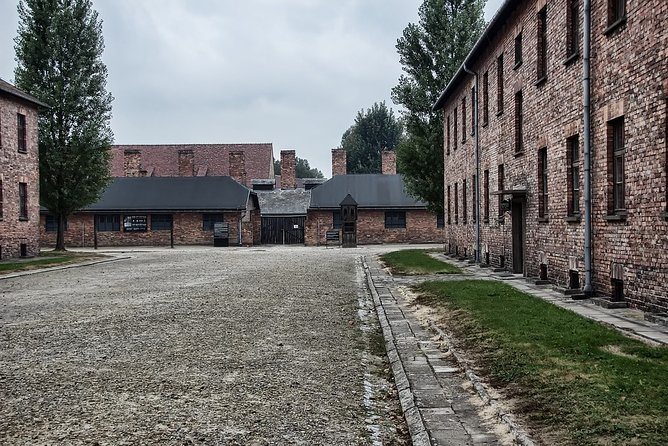
You’ll start with a guided visit through Auschwitz I grounds, then move into the prisoner blocks. The visit also includes the area connected to the first crematorium. The memorial places a strong emphasis on original structures and preserved evidence—documents, photos, and physical materials displayed inside the existing buildings. That’s important because this isn’t just an overview of events. You’re seeing a place where the systems were built, run, and documented.
Two things I’d watch for here:
- Pacing and attention span. Some guides keep groups moving quickly; others slow down when they feel the group is ready to absorb. Either way, you may need to gently insist on your own moments of quiet. If your group is moving faster than you’d like, take short stops when the guide pauses at key points.
- Headset listening clarity. A small number of people noted moments when English delivery through audio was harder to follow. If you’re sensitive to audio quality, sit where you can hear, and don’t be shy about checking in with the guide if you’re missing key explanations.
Physical reality check: Auschwitz I involves standing, walking, and stairs. The tour suggests moderate fitness, and that’s honest. You don’t need to be an athlete, but you do need to be ready for uneven surfaces and long stretches of looking, reading, and walking.
A few more Krakow trips worth putting on the shortlist
- Krakow to Auschwitz Birkenau Guided Tour with Transfer and Ticket★ 5.0 · 8,197 reviews
- Krakow: Auschwitz-Birkenau Guided Tour with Ticket and Transfer★ 4.5 · 3,784 reviews
- Krakow to Wieliczka: Salt Mine Guided Tour with Ticket & Transfer★ 4.5 · 3,193 reviews
- Krakow to Auschwitz Birkenau Guided Tour with Ticket and Transfer★ 3.5 · 3,062 reviews
Birkenau gate walk: the “scale” part that hits differently
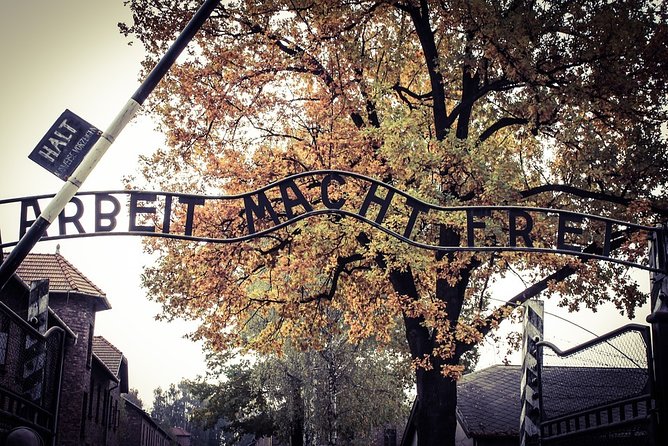
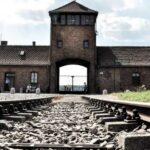
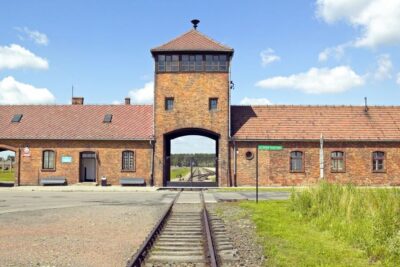
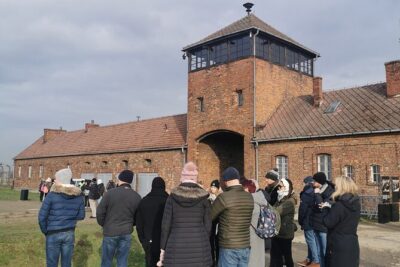
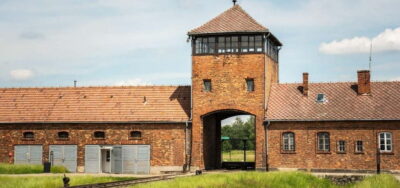
After Auschwitz I, you get a short break—about 15 minutes—before the transfer to the parking area by Auschwitz II Birkenau. From there, you walk to the historical Birkenau Gate to meet your guide for the second guided segment.
This portion is often what people mean when they say, “It’s different when you see the scale.” Auschwitz I can feel like rooms and documents that explain a system. Birkenau changes the feeling—vast layout, open areas, and the sense of how enormous the machinery of imprisonment became.
Time here is shorter than many people expect. You’ll have about 1 hour 15 minutes for the guided Birkenau walk. Many visitors want more time for reading and reflection. If that’s you, use the guide moments for orientation—what you’re looking at, what the key locations mean—then keep a calm awareness that you might have less free wandering time than you’d like.
Also, remember that onsite logistics can add walking. One reviewer noted that the route from where the vehicle parked to Birkenau involved a long walk, and they wished they’d been warned. So yes—put your comfortable walking shoes on, even if your plan was just a casual day.
The guides, the tone, and what you’re really buying
This tour includes a licensed live English-speaking guide, and that matters more than people think. At Auschwitz-Birkenau, you’re not paying only for transportation. You’re paying for interpretation that helps you understand what you’re looking at without turning it into a lecture that flattens the human reality.
Across strong experiences, the tone tends to be calm, respectful, and structured. Several specific names come up in people’s memories, including guides such as Mark, Marek, Mike, Malek, Anne, Thomas, and Margaret. You can’t count on any one guide, but you can count on the format: guided walking, explanation at key stops, and a focus on respectful context.
One more practical note: sometimes groups feel rushed. A few guests said the guide moved too quickly through buildings or the group didn’t pause enough for reading. If that’s your biggest worry, you can still handle it. When the group stops, read what you can right then. And if the guide moves on, don’t force yourself to race—take a breath and absorb what you have, then let the next stop provide the next chunk of understanding.
This is also a place where questions matter. If you have a question about terminology, timelines, or what you’re seeing, ask it when the guide pauses. That’s often when you get the clearest answers.
What to bring: modest clothing, packed food, and lots of walking
Dress expectations are straightforward: this is a solemn place, and you’re expected to dress in a modest way. That doesn’t mean you need formal clothes, but it does mean you should skip very short, very revealing, or overly casual festival outfits.
Bring the right bag. There’s a luggage size limit noted as 30x20x10 cm (A4 sheet size). If you’re carrying a larger backpack, you may have problems. Think small daypack plus water and essentials.
And bring food. Food and drinks are not included. Onsite options can be limited, and several guests specifically recommended packing a lunch or bringing your own snacks. You may find vending machines and possibly areas for coffee or small items depending on the day and site conditions. But don’t count on a full meal plan—plan like a realist.
Finally: walking. You’ll move through both camps, plus you’ll cover ground in shifts. Even if your pace is slower, the experience is manageable if you’re prepared. One guest mentioned difficulty keeping up due to stairs and suggested that a cane could help. So if you have any mobility needs, bring what supports you and plan for extra time at stops.
Price and value: what $87.07 buys you (and what it doesn’t)
At about $87.07 per person, this tour sits in the “good value if you want everything handled” category. You’re paying for:
- round-trip transport from Krakow (shared, with an air-conditioned vehicle)
- a licensed live English-speaking guide
- a guided route through Auschwitz I and Birkenau
- optional inclusion of the Auschwitz-Birkenau entrance ticket
Whether the entrance ticket is included depends on the option you choose. The experience info also notes that Auschwitz I is a segment where the admission ticket may not be included in some versions, while the Birkenau segment is listed as admission ticket free. In real life, the key is this: confirm your exact package before you go, because ticket handling affects how you enter and what you need at redemption.
What the price does not include is your food and drinks. That’s the big hidden cost. If you don’t want overpriced snacks or a rushed snack hunt, bring food. Also, don’t plan a casual day afterward—your body may be tired, and you’ll likely spend time simply processing what you saw.
So is $87.07 worth it? For most people who want structure, yes. If you’re already very confident navigating transit and you want total control over pacing, you could shop around. But if you want a guided, transport-managed day from Krakow, this is the kind of pricing that makes sense.
Who this tour suits best (and who should rethink it)
This shared Auschwitz-Birkenau tour is best for you if:
- you want an organized day with round-trip transfers
- you prefer a group format over independent planning
- you want a live English guide rather than relying only on self-guided apps
- you can handle moderate walking and stairs
It might be less ideal if:
- you have tight plans later the same day (pickup timing changes can happen)
- you need extremely slow pacing with lots of time at exhibits (the day is guided and timed)
- you hate group headsets and want total silence without audio guidance (you can still find quiet moments, but it’s not designed for solo pacing)
If you’re traveling with kids, it can still work, but the day is long and emotionally heavy. Bring breaks where you can, and be ready to explain what you’re seeing in a way that fits their age.
Should you book this Auschwitz-Birkenau tour from Krakow?
I’d book it if you want a guided, transport-handled Auschwitz-Birkenau day that starts near Krakow Old Town and returns to the center. It’s a practical way to do a place that deserves more than last-minute planning.
But book with your eyes open. Treat it as a full-day commitment, keep your schedule flexible, and plan for limited food options by packing something simple. Also remember the core trade-off of shared tours: you’ll get solid structure, but you may not always get the exact pacing you personally want.
If your priority is hearing a clear English explanation while someone else handles the transfers, this tour fits. If your priority is maximum freedom to wander alone for hours, you might prefer a different format.
FAQ
How long is the Auschwitz-Birkenau tour from Krakow?
The tour runs about 7 to 8 hours.
Where do I meet, and where do I get dropped off?
You start at a meeting point in Krakow Old Town, and you end with a drop-off in the city center near Old Town. Private transfer options may drop you at an address you choose within allowed ranges.
Is the tour offered in English?
Yes. The tour is offered in English, and it includes a licensed live English-speaking guide.
Is the Auschwitz-Birkenau entrance ticket included?
There are options that include the entrance ticket to the Auschwitz-Birkenau State Museum. Also, the tour description notes Auschwitz I as a segment where admission ticket may not be included, while the Birkenau segment is listed as admission ticket free—so double-check which option you selected.
Are food and drinks included?
No. Food and drinks are not included.
What luggage size can I bring?
The maximum luggage/bag/purse/backpack size is 30x20x10cm, about the size of an A4 sheet.
Can I cancel for free?
Yes. You can cancel up to 24 hours in advance for a full refund.
More Tours in Krakow
More Tour Reviews in Krakow
Visiting the Auschwitz-Birkenau Memorial
Just added: fresh Krakow reviews
Auschwitz-Birkenau Memorial Tours, compared.
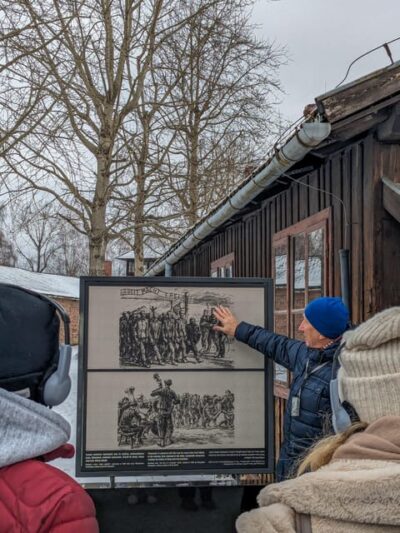 ★ 4.5Auschwitz-Birkenau Guided Tour & Hotel PickupFrom $2133,358 reviews
★ 4.5Auschwitz-Birkenau Guided Tour & Hotel PickupFrom $2129,340 reviews
★ 4.5Auschwitz-Birkenau Guided Tour & Hotel PickupFrom $2133,358 reviews
★ 4.5Auschwitz-Birkenau Guided Tour & Hotel PickupFrom $2129,340 reviews
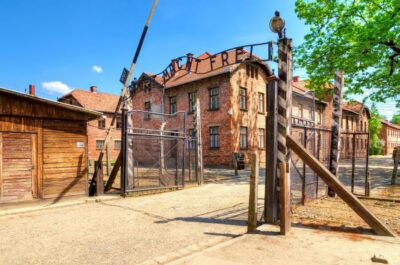 ★ 4.5Auschwitz Guided Tour with Optional Hotel PickupFrom $6915,280 reviews
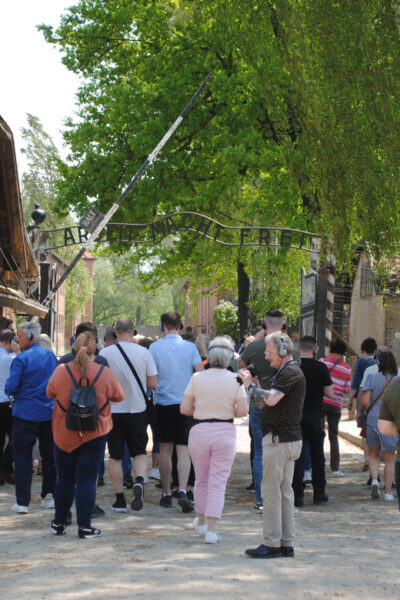 ★ 4.5Auschwitz-Birkenau Guided Tour with Pickup & LunchFrom $219,800 reviews
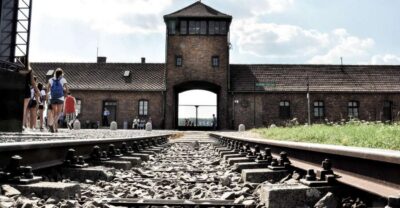 ★ 4.5Auschwitz-Birkenau Guided Tour Pickup/Lunch OptionsFrom $2009,057 reviews
 ★ 4.7Auschwitz-Birkenau and Salt Mine Guided TourFrom $549,020 reviews
 ★ 5.0Krakow to Auschwitz Birkenau Guided Tour with Transfer and TicketFrom $368,197 reviews
 ★ 4.0Auschwitz Birkenau Tour with TransferFrom $216,134 reviews
Browse the lists this tour appears in