
REVIEW · WAWEL CASTLE & CATHEDRAL TOURS
Krakow: Wawel Castle & Cathedral Guided Tour
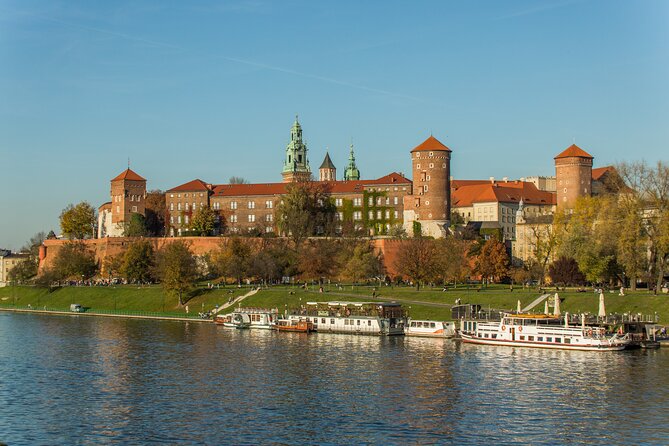
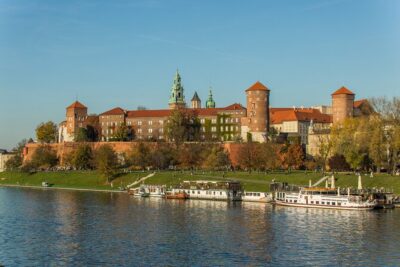
Wawel feels like a power center, not a museum. I love the way this tour turns Wawel Castle into a one-stop sweep of royal art and military objects, and I also love the follow-up at Wawel Cathedral, where you get the story of kings and the Sigismund Bell tradition. The one catch to plan for: the meeting spot is not on the hill, so arriving on time matters.
This is a tight, small-group format (max 30) in English, and it moves you through two of Krakow’s biggest icons without the usual slog of ticket lines. If your guide is someone like Helena or Ana, you’ll feel the structure of Polish monarchy and faith click into place fast. The pacing is efficient, so if you want slow wandering, this may feel like a brisk ride.
In This Review
- Key highlights at a glance
- Wawel Castle: Royal Rooms, Tapestries, and Ottoman Tents
- A practical note on how museums feel in two hours
- Wawel Cathedral: Sigismund Bell, Chapels, and the Royal Crypt
- Tower climb: fun, but manage your expectations
- Small-group pacing and why the included admission helps
- Meeting point, arrival timing, and the dress code that trips people up
- A tip that’s saved me on similar tours
- What you’ll learn in plain terms (so it sticks)
- Common pitfalls to watch for (so your visit feels smooth)
- Who should book this Wawel Castle & Cathedral tour?
- Should you book this Wawel Castle and Cathedral tour?
- FAQ
- How long is the Wawel Castle and Cathedral guided tour?
- Is admission included for both the castle and the cathedral?
- What language is the tour offered in?
- How big is the group?
- Where do I meet the guide?
- Is the meeting point on Wawel Hill?
- What time should I arrive?
- What happens if I’m late?
- What dress code should I follow?
- Can I cancel for a full refund?
Key highlights at a glance
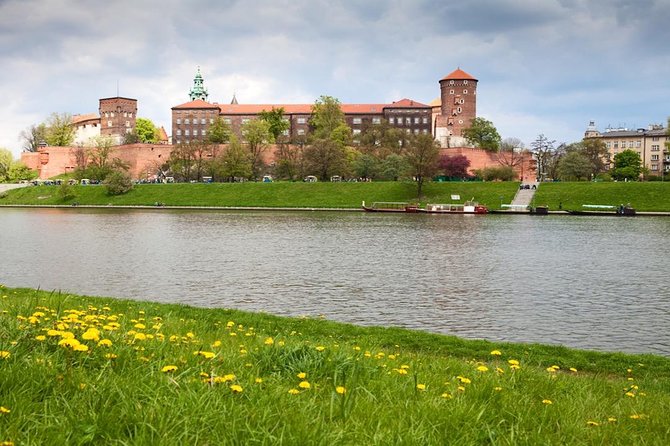
- Castle first, then cathedral: you’ll see royal rooms and art, then shift to Gothic worship spaces and the crypts
- Admission included: less waiting, more time inside the major rooms
- Big-name treasures: Flemish tapestries tied to Sigismund II Augustus, plus Italian Renaissance works from the Lanckoroński collection
- A rare European oddity: the Eastern-art area includes Ottoman tents, described as the largest set in Europe
- Top-of-tower tradition: you can climb to see the Sigismund Bell and hear the good-luck ritual
- Group kept to size: up to 30 people, so you’re not fighting a crowd wave
More of the castle on the hill: other Wawel visits
- Krakow: Wawel Castle & Cathedral Guided Tour
★ 4.7 · 2,111 reviews - Old Town Krakow & Wawel Castle Walking Tour
★ 5.0 · 1,508 reviews - Krakow: Wawel Royal Hill with Optional Castle and Cathedral
★ 4.2 · 1,220 reviews
Wawel Castle: Royal Rooms, Tapestries, and Ottoman Tents
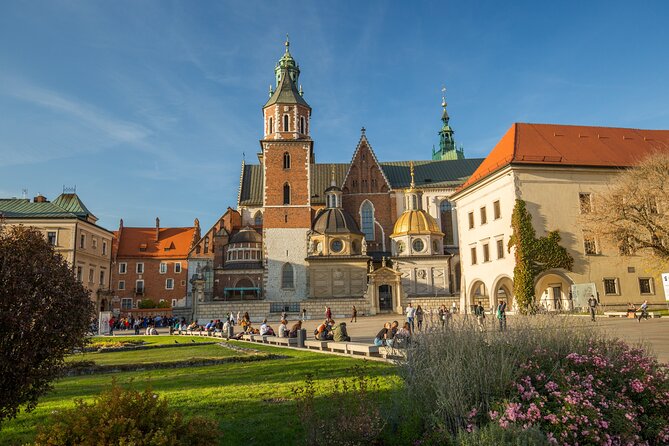
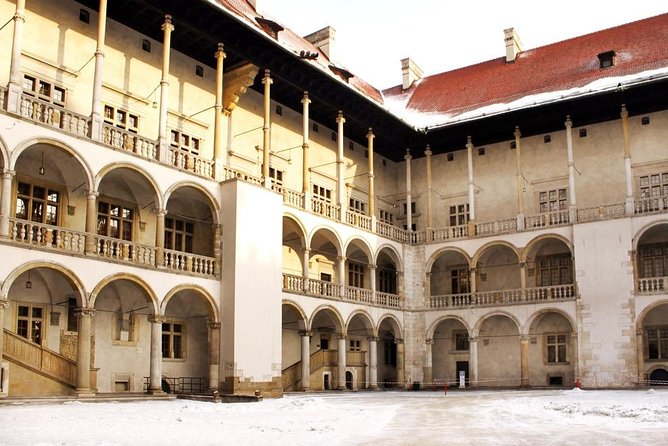
Your tour starts at the Royal Castle, where monarchy, religion, and art share the same walls. The castle you’ll enter isn’t just a set of rooms. It’s a museum created in the 1930s, and the collection is built to show how Polish kings lived, ruled, and displayed power through objects.
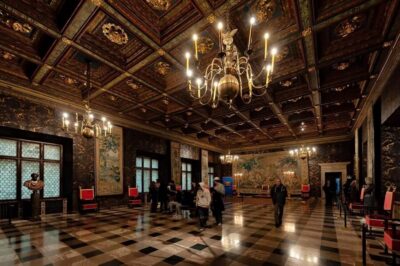
Inside, you’ll move through grand chambers with Renaissance and Baroque interiors. That matters because it’s not just decorative. These styles helped set the tone for prestige, and the guide’s job is to connect what you’re seeing to who used it and why. You’ll also encounter a wide mix of items: paintings, sculptures, porcelain, military artifacts, and more.
One reason I like this stop is the range. You can get a little bored by tours that only highlight one type of art. Here, the focus spreads out. You’re not only looking at paintings. You’re looking at the full visual language of a royal court.
Two specific highlights you should keep an eye out for:
- Flemish tapestries commissioned by King Sigismund II Augustus: tapestries weren’t just decoration. They were a statement piece, showing wealth and taste in a way that photographs rarely capture.
- Italian Renaissance masterpieces from the Lanckoroński collection: this part helps you compare what Italian Renaissance art aimed for versus the surrounding Polish court culture.
Then there’s the unusual “wait, what is that?” moment: Eastern art, including a collection of Ottoman tents. The tour notes it as the largest set of Ottoman tents in Europe, which is exactly the kind of detail that makes Wawel feel more than ceremonial. It turns the castle into a map of connections beyond Poland’s borders.
A practical note on how museums feel in two hours
At the castle, you’ll get about an hour. That’s long enough to feel oriented and see meaningful objects, but short enough that you won’t have time to stop at every single exhibit. If you’re the kind of person who likes to read every label cover to cover, consider treating the tour as your fast orientation, then do a slower return on a separate day.
Wawel Cathedral: Sigismund Bell, Chapels, and the Royal Crypt
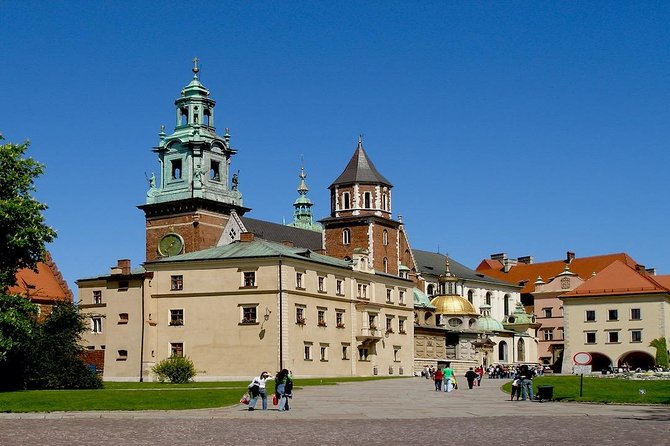
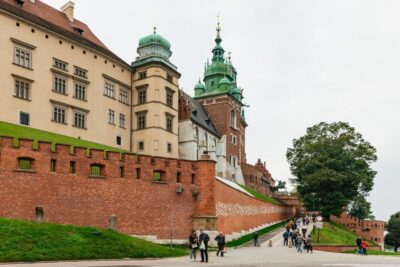
After the castle, the mood shifts. The cathedral is Gothic and built for worship, but it also functions like a national memory bank. This stop is often where people feel the emotional weight of Krakow’s past.
You’ll enter chapels and altars, then move toward the tower to see the Sigismund Bell. There’s a tradition tied to it: touching the bell is said to bring good luck. Even if you’re not big on rituals, this is a fun, easy way to participate in local custom.
What makes the cathedral stop genuinely worth your time is what comes next: the crypts. This is where Polish monarchs and major cultural figures rest. The tour frames it as a place for stories of devotion, legacy, and power—so you’re not just looking at names. You’re learning why these people were remembered in stone.
The crypt area is described as the resting place of kings, queens, poets, and national heroes. That combination matters. It prevents the visit from becoming only a list of rulers. You see how political authority and cultural identity got tied together in the same sacred space.
A few more Krakow trips worth putting on the shortlist
- Krakow: Auschwitz-Birkenau Guided Tour with Pickup & Lunch★ 4.5 · 9,800 reviews
- Krakow: Auschwitz-Birkenau Guided Tour Pickup/Lunch Options★ 4.5 · 9,057 reviews
- Krakow: Auschwitz-Birkenau and Salt Mine Guided Tour★ 4.7 · 9,020 reviews
- Krakow to Auschwitz Birkenau Guided Tour with Transfer and Ticket★ 5.0 · 8,197 reviews
Tower climb: fun, but manage your expectations
The cathedral tower visit can feel a bit like a workout, and there’s also the practical reality of entering and exiting areas in a set group schedule. If you want the bell-tower moment, plan to keep moving with the group and avoid taking long detours right before the climb.
Small-group pacing and why the included admission helps
This tour is priced at $59.26 per person for about 2 hours, and it includes admission tickets for both the castle and cathedral stops. That combination is where the value shows up.
Here’s why you should care: major sites like Wawel can mean friction—ticket lines, timed entry patterns, and the general time cost of getting inside. Including admission doesn’t mean you skip everything, but it does remove one of the common delays. In a short tour, shaving off waiting time is how you actually see more.
Group size is another reason this works. It’s limited to max 30 participants, and that’s a sweet spot: small enough to ask questions and feel guided, large enough to keep the pace steady. Several guides in the feedback stood out for keeping the group on track without turning the tour into a sprint.
If you book farther out, you can also get better odds on your preferred day and time. This kind of tour is typically booked about 27 days in advance on average, so don’t treat it as a last-minute afterthought.
Meeting point, arrival timing, and the dress code that trips people up
Wawel is on a hill area, but your meeting point is not directly on the hill. You meet at Pomnik Piotra Skargiplac Świętej Marii Magdaleny, 31-044 Kraków, Poland. It’s near public transportation, which helps, but you still want to get there early.
Plan to arrive 10 minutes before start time. Once the group leaves, latecomers can’t join, and tickets are non-refundable. That policy is harsh, but it’s common for tours that have museum timing and limited entry windows.
Then there’s the dress code. For places of worship and selected museum spaces:
- No shorts
- No sleeveless tops
- Both men and women must cover knees and shoulders
This is worth checking before you head out for the day, especially in warmer months when Krakow can still feel comfortable enough for quick shorts-and-tee plans. Bringing a light layer or longer bottoms can save you from scrambling.
A tip that’s saved me on similar tours
If you’re unsure about the dress code, aim slightly more covered than you think you need. You’ll feel more relaxed once inside, and you won’t waste time searching for a solution at the last minute.
What you’ll learn in plain terms (so it sticks)
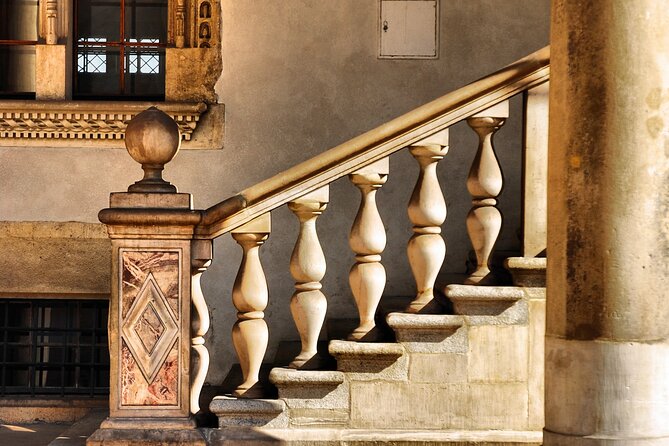
The castle stop is essentially a crash course in how Polish royalty used art and objects to express authority. The cathedral stop then reframes that story through faith, ceremony, and remembrance. Even if Polish history isn’t your usual topic, the structure helps you connect the dots:
- how court culture shaped what people valued
- how power and tradition show up in religious spaces
- how the crypts turn history into names you can picture
This is also where guide quality really matters. Guides such as Helena have been praised for a historian-style approach that ties political storylines to the physical rooms and monuments. Another guide named Ana is noted for keeping the group engaged and handling pacing so you don’t feel rushed through everything.
If you’re the type who likes your guide to answer questions and explain the why, this tour format is set up for that—within the time limits.
Common pitfalls to watch for (so your visit feels smooth)
No tour is perfect, and the feedback includes a few real-world issues you can plan around:
- Meeting point confusion: since the meeting point isn’t on the hill, you should double-check your map pin before you arrive. Getting there five minutes early helps.
- Hearing and audio needs: one guest reported trouble related to hearing aids. If you rely on hearing assistance, it’s smart to ask the operator in advance whether the tour supports hearing needs (headsets, amplification, or any equivalent setup).
- Guide pace can feel fast: a couple notes mention speed or volume being a problem. You can help by picking a spot where you can hear well, and if you struggle, ask a question early rather than letting it build.
Also remember: this is a set 2-hour experience. There’s limited room for “I want to stay here longer.” If you want maximum freedom, plan to visit Wawel again on your own time after the tour.
Who should book this Wawel Castle & Cathedral tour?
I’d send you if:
- you want two major Wawel sites handled in one guided block
- you like art and objects but also want the political and religious context
- you’d rather pay for admission being handled than spend half your morning figuring it out
- you prefer a small-group format over a large bus crowd
I might suggest a rethink if:
- you strongly prefer to read everything at your own pace
- you need accommodations not explicitly mentioned by the operator (especially for hearing assistance)
- you’re worried about the dress code and don’t want to plan clothing ahead
Should you book this Wawel Castle and Cathedral tour?
Book it if you want a smart, time-efficient way to grasp what Wawel represents: royal power in the castle and lasting memory in the cathedral. The included admission and focused 2-hour flow are a strong match for people who want a lot of impact without spending hours on logistics.
Skip or modify your plan if you’re aiming for a slow, quiet museum day, or if hearing support is a must-have for you. In that case, ask questions before booking, then consider pairing a guided tour with a self-guided follow-up.
If your schedule is tight and you want the Wawel story told clearly, this is a solid way to do it.
FAQ
How long is the Wawel Castle and Cathedral guided tour?
The tour runs for about 2 hours.
Is admission included for both the castle and the cathedral?
Yes. Admission tickets are included.
What language is the tour offered in?
The tour is offered in English.
How big is the group?
The tour is limited to a maximum of 30 participants.
Where do I meet the guide?
You meet at Pomnik Piotra Skargiplac Świętej Marii Magdaleny, 31-044 Kraków, Poland. The end point is Wawel Cathedral, Wawel, 31-001 Kraków, Poland.
Is the meeting point on Wawel Hill?
No. The meeting point is not located on the Wawel Hill; it’s at the address listed on your voucher.
What time should I arrive?
Arrive 10 minutes before the tour begins.
What happens if I’m late?
Once the group has departed, latecomers cannot join, and tickets are non-refundable.
What dress code should I follow?
Shorts and sleeveless tops are not allowed. Both men and women must cover knees and shoulders for places of worship and selected museums.
Can I cancel for a full refund?
Yes, free cancellation is available up to 24 hours before the experience start time for a full refund.
More Tours in Krakow

More Tour Reviews in Krakow

Wawel, a Few More Ways In


Just added: fresh Krakow reviews

Wawel Castle & Cathedral Tours, compared.
 ★ 4.7Wawel Castle & Cathedral Guided TourFrom $572,111 reviews
 ★ 5.0Old Town Krakow & Wawel Castle Walking TourFrom $261,508 reviews
 ★ 4.2Wawel Royal Hill with Optional Castle and CathedralFrom $191,220 reviews
 ★ 4.6Wawel Castle and Cathedral Guided TourFrom $57595 reviews
 ★ 4.3Wawel Hill Audioguide TourFrom $7582 reviews
 ★ 4.8Old Town & Wawel Castle Walking Tour in EnglishFrom $26532 reviews
 ★ 4.4Wawel Castle Guided Tour with Entry TicketsFrom $35381 reviews
 ★ 5.0Krakow’s Essential Tour of the Old Town and Wawel CastleFrom $3340 reviews
Browse the lists this tour appears in