
REVIEW · WAWEL CASTLE & CATHEDRAL TOURS
Krakow’s Essential Tour of the Old Town and Wawel Castle
Kraków clicks into place fast on this walk. I love the way the guide makes the hourly trumpeter at St. Mary’s Basilica make sense, and I love that the tour ends at Wawel so you’re not scrambling across town. My one caution: site entry fees are generally not included, so you’ll want a little extra time and patience for tickets where needed.
This is a well-paced, licensed-guided circuit through the highlights of Kraków’s medieval core. Expect clear navigation help (you won’t be wandering around trying to read your way out of Rynek Główny), plus strong storytelling on Kraków’s past and World War II. Guides like Bart, Slavek, Fran, and Chris/Krzysztof show up in people’s experiences for their steady pace and engaging humor.
If you want a first-day overview that also connects the dots, this tour is a smart use of 2 hours 30 minutes. The group max is 30, tickets are mobile, and the walk is set up to take you from Rynek Główny to Wawel Royal Castle-State Art Collection, about a 10-minute walk from the main market square. If you’re booking late, keep an eye on confirmation timing, since it can be subject to availability.
In This Review
- Key highlights worth your attention
- From Rynek Główny to Wawel: how this tour keeps you moving
- Stop 1: St. Mary’s Basilica, unequal towers, and the hourly musician
- Rynek Główny: the biggest medieval square in Europe, explained without the blur
- Slowacki Theatre: why it wasn’t built in Poland, and the city’s priorities
- Barbican and the 500-year-old medieval entrance feeling
- Sukiennice (Cloth Hall): the medieval shopping mall and what’s underneath
- Town Hall Tower segment: why only part of the Town Hall remains
- Jagiellonian University Collegium Iuridicum: old academia with real prestige
- Collegium Novum and WW2 questions: what happened and was Kraków destroyed
- Bishop’s Palace: the famous window, plus Poland under communism
- Wawel Cathedral: coronations, burials, and the national pantheon feeling
- The castle follow-up: where rulers lived and why parts look different
- Price and value: a low booking fee with donation-style pay
- What the walking and timing mean for your day plan
- Quick practical tips to make the tour smoother
- Should you book Kraków’s Essential Old Town and Wawel Castle tour?
- FAQ
- How long is the Kraków Old Town and Wawel Castle tour?
- Where do I meet the guide, and where does the tour end?
- Is the tour ticket mobile?
- What’s included in the price?
- Are museum or site entrance fees included?
- What does the tour cost in practice?
- Is there a limit on group size?
- What if I need to use public transportation or have mobility questions?
- Is there a cancellation window?
- Are service animals allowed?
Key highlights worth your attention
- Hourly St. Mary’s Basilica trumpeter story that turns a landmark into a clock-based tradition
- Old Town bearings + real navigation help, so Kraków feels manageable from day one
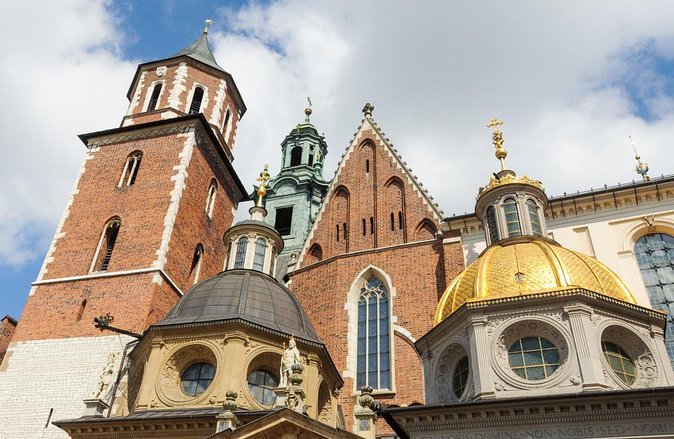
- Wawel Cathedral and castle context tied to coronations, burials, and how rulers lived
- World War II and communism threads that connect separate-looking sites into one story
- Small-group feel with a maximum of 30 participants and a steady touring pace
- Low-cost booking fee with donation-style pay, plus sanitizers provided
More of the castle on the hill: other Wawel visits
- Krakow: Wawel Castle & Cathedral Guided Tour
★ 4.7 · 2,111 reviews - Old Town Krakow & Wawel Castle Walking Tour
★ 5.0 · 1,508 reviews - Krakow: Wawel Royal Hill with Optional Castle and Cathedral
★ 4.2 · 1,220 reviews
From Rynek Główny to Wawel: how this tour keeps you moving
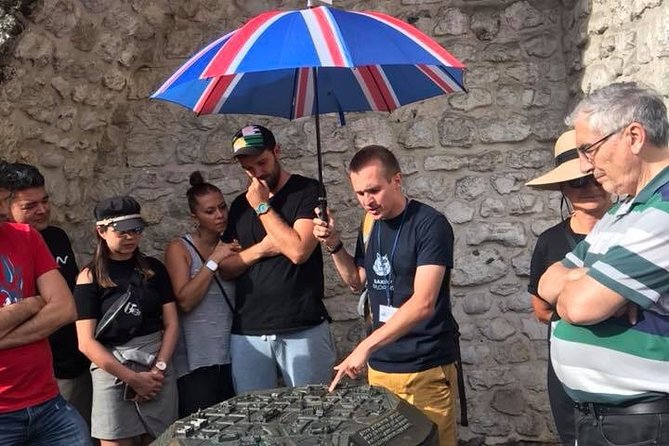
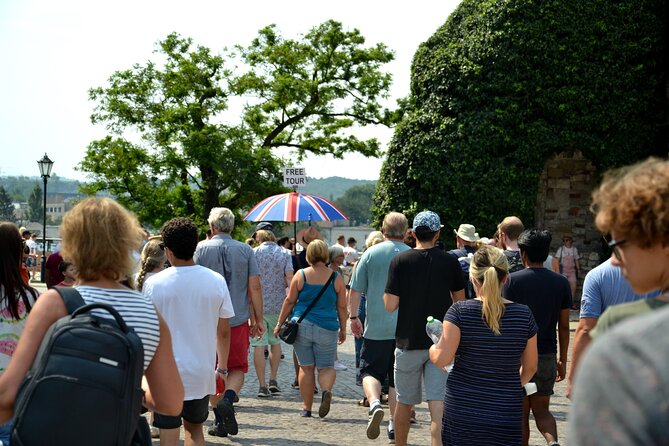
I like tours that don’t just list sights, but also handle the hardest part: figuring out where to go next. Here, your guide is doing the navigating, so you can focus on absorbing what you’re seeing instead of constantly checking your map. The meeting point is at Rynek Główny 4, and the tour finishes at Wawel Royal Castle-State Art Collection (Wawel 5), about a 10-minute walk from the Main Market Square.
The timing is set for a classic “get the lay of the land” day plan: roughly 2 hours 30 minutes, with stops that also build in short breaks to look around. The group size max is 30, which usually means you won’t feel swallowed by a huge crowd. You’ll also have a mobile ticket and the tour includes sanitizers, which is a small detail but a real comfort.
One practical note: entry fees are generally not included. That means you’re buying the ticket where needed, while the guide handles the why behind each place and what to notice once you’re inside or in front of it. If you hate ticketing surprises, bring a little planning mindset and check what you’ll likely encounter.
Stop 1: St. Mary’s Basilica, unequal towers, and the hourly musician
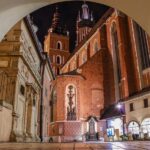
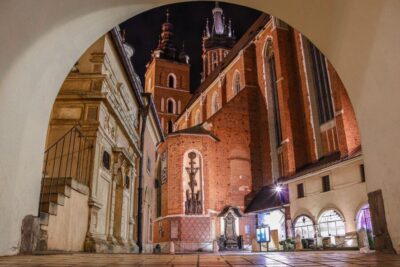
St. Mary’s Basilica is the kind of landmark you notice instantly, but this tour helps you notice the right things. You’ll learn why the basilica has unequal towers, which changes the way you view the facade rather than just snapping photos. Even if you don’t climb for a view, you get the story behind the tradition.
The biggest hook is the explanation of why a trumpeter plays a tune every hour from the tower. It turns a routine sound into a living piece of city culture—something you can hear and then understand. And it adds a sense of rhythm to the Old Town, like the city has a daily heartbeat.
The one limitation is simple: the time here is short, and the tour lists no admission ticket included for the highest viewing experience. So I’d treat this stop as a “get the meaning and the cues” moment. If you decide to add tower access later, plan for that separately.
Rynek Główny: the biggest medieval square in Europe, explained without the blur
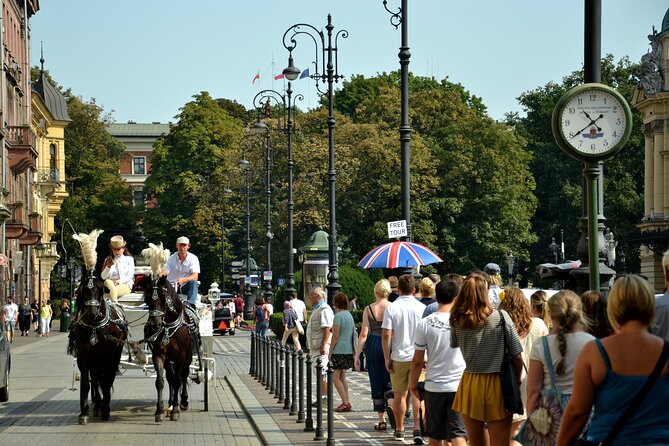
Rynek Główny is the main stage of Kraków, and a lot of people visit it as a quick picture stop. Here, you get about 30 minutes to actually read the square through its history. You’ll see the scale and major attractions, but more importantly, you’ll understand why the square mattered.
I like that this stop comes early enough to anchor you. Once you know how Rynek Główny works as a medieval center, the rest of the Old Town stops feel less random. Streets and buildings stop looking like scenery and start looking like part of a system—trade, power, and everyday life.
If you’re prone to sensory overload, this is where a guide helps most. The crowd is real, the square is active, but you’re not left to figure it out on your own.
Around the Rynek and the Cloth Hall, a few more
- Krakow: Bike Tour of Old Town, Jewish Quarter and the Ghetto★ 4.9 · 1,155 reviews
- Krakow: The Old Town Walking Tour★ 4.8 · 794 reviews
- Krakow: Old Town Guided Segway Tour★ 4.7 · 756 reviews
- Kraków: Old Town & Wawel Castle Walking Tour in English★ 4.8 · 532 reviews
Slowacki Theatre: why it wasn’t built in Poland, and the city’s priorities
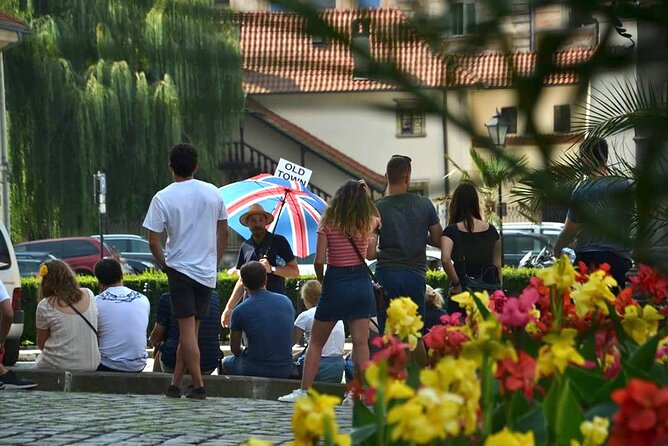
This is a quick stop, but it’s one of those “wait, what?” moments that makes the walk more than a sightseeing loop. You’ll learn how it was possible that the theatre wasn’t built in Poland, and you’ll hear why that idea mattered to Kraków at the time.
The interesting angle is the comparison the guide makes: it’s explained in a way that suggests cultural projects weren’t optional, even when practical needs were urgent. The stop is brief (around 10 minutes) and admission isn’t listed, so you’ll mostly be taking in context from the outside and nearby viewpoints.
If you want a tour that includes the political and social logic behind landmarks—not just architecture—this is a good example of that approach.
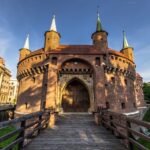
Barbican and the 500-year-old medieval entrance feeling
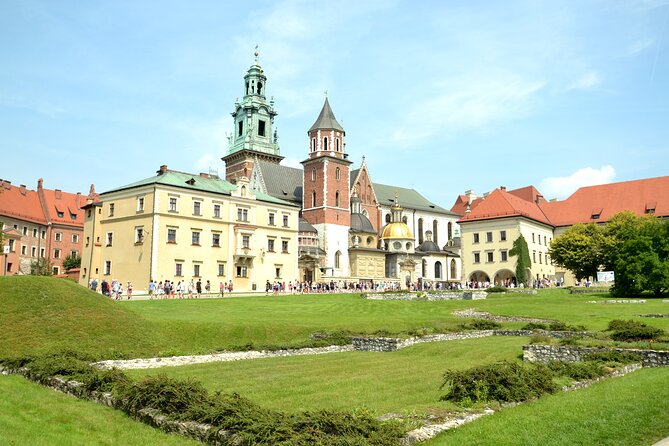
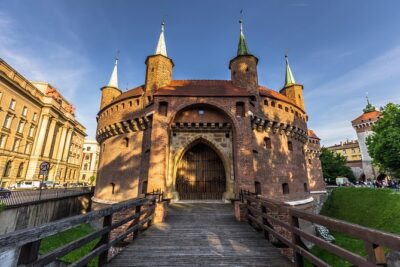
Next comes the edge of medieval Kraków’s defenses, where the city felt different and protection wasn’t theoretical. You’ll pass by the Barbican area and visit a site linked with the Museum of Krakow, with a short time allocation that focuses on what’s worth seeing. One detail mentioned is a 15th-century martial-art related masterpiece, which helps you realize the museum objects aren’t just decorative—they connect to conflict and survival.
The tour also includes a moment that’s easy to miss if you’re walking on your own: you go through a main entrance connected to medieval Kraków that’s about 500 years old. Even a quick walk-through can change your sense of scale. You’re not just looking at old walls; you’re moving through the kind of passage that once shaped how people entered and exited the city.
The only drawback to keep in mind: this segment is short, so you won’t get long-stay museum time. If you love museum browsing, treat it as an introduction and plan a dedicated return later.
Sukiennice (Cloth Hall): the medieval shopping mall and what’s underneath
Sukiennice is one of those places that looks straightforward until you learn what it used to be. On this stop, you’ll discover the secrets of the medieval shopping hall—basically, Kraków’s old marketplace infrastructure—and you’ll get the story of what’s going on underneath the surface.
This is the kind of stop that makes the Old Town feel layered. You might walk past similar places in other cities and think, okay, another old building. Here, you understand why a marketplace hall was central to wealth, guild life, and daily commerce.
Time is brief (about 10 minutes), and admission isn’t included. So you’re getting orientation and key facts rather than a full indoor exploration.
Town Hall Tower segment: why only part of the Town Hall remains
Kraków’s city-center history isn’t frozen in one shape, and the Town Hall story makes that clear. You’ll hear why only a small part of the Town Hall remains and what the towered spot was famous for.
This is one of those stops where the guide’s storytelling matters as much as the architecture. Instead of treating ruins like sad leftovers, you get a reasoned explanation that helps you read the landscape.
Because the stop is only around 10 minutes, you won’t be lingering for deep inspection. Still, it’s a smart piece of context while you’re already in the heart of the square area.
Jagiellonian University Collegium Iuridicum: old academia with real prestige
University buildings are easy to admire from the outside. What makes this tour different is that you get the chance to go inside Collegium Iuridicum, tied to the Jagiellonian University. The guide frames it as one of the most prestigious universities in Poland and among the oldest in the world, so you understand why the setting carries weight.
The stop is short (about 10 minutes), and admission isn’t listed as included. Still, being able to step into the university environment—rather than just pass by—adds a sense of “this isn’t just history on a street corner.”
If your idea of a good tour includes education, law, and how institutions shaped society, this stop will make the walk feel more grounded.
Collegium Novum and WW2 questions: what happened and was Kraków destroyed
Then comes one of the most focused historical moments: Collegium Novum and the story connected to what happened at the beginning of World War II. You’ll learn about a professor in Kraków and you’ll also tackle the bigger question the guide frames—whether Kraków was destroyed.
This is where the tour’s storytelling becomes more than trivia. It connects a university setting to real wartime events, which makes the buildings feel like they witnessed something rather than just survived.
The stop is brief (around 10 minutes) and admission isn’t included. If you’re the type who wants deep wartime detail, think of this as a clear on-ramp—then you can follow up elsewhere based on what grabs you.
Bishop’s Palace: the famous window, plus Poland under communism
Bishop’s Palace is a standout because it brings together a visually specific attraction with a heavy historical theme. The tour has time here (around 15 minutes) and it’s listed as free for this stop.
You’ll hear about the most famous window in the world and the dramatic history of Poland during communism. In people’s experiences with this tour, the window connected to Pope John Paul II comes up as a memorable moment, partly because it’s personal and partly because it anchors political history in something you can actually see.
This is the stop that tends to slow people down, even if the walking schedule keeps moving. If you like landmarks with emotional context, you’ll appreciate how the guide links what you see to what happened.
Wawel Cathedral: coronations, burials, and the national pantheon feeling
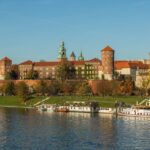
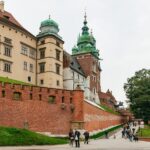
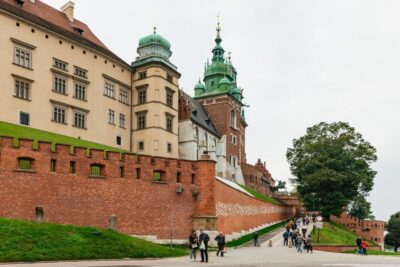
As you reach Wawel, the tour shifts from city life into national symbolism. In Wawel Cathedral, you’ll see the space described as the national pantheon of Poland—the place of coronations and burials of Polish rulers. That’s not a generic phrase; it changes what you notice. You look at the building like it’s a national record, not just a church.
Time here is about 15 minutes, and admission isn’t listed as included. Even without long indoor time, the guide’s framing helps you understand why the cathedral matters for Polish identity.
This is also a good place to pause and just watch. Wawel has a gravity that’s hard to fake with a scripted talking point. A good guide makes it easier to feel that gravity without rushing.
The castle follow-up: where rulers lived and why parts look different
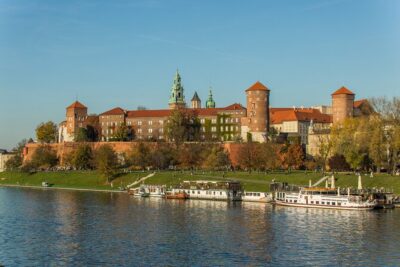
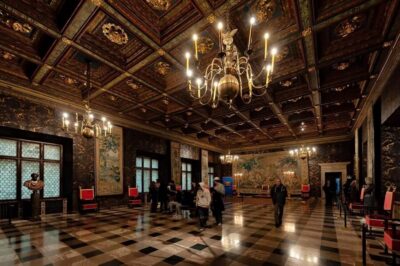
One more Wawel-focused stop continues the story beyond the cathedral. You’ll learn where Polish rulers used to live and you’ll hear why one part of the castle is different compared with the rest—plus other details that help you interpret the complex as more than one big mass of stone.
Time is around 10 minutes, and admission isn’t listed as included. So it’s a guided orientation: where you’re standing, what functions those spaces had, and what differences might mean historically.
By the end, you usually leave with a clearer mental map of Wawel—what to prioritize if you return on your own, and what questions to ask when you see plaques and rooms later.
Price and value: a low booking fee with donation-style pay
This tour’s price looks almost suspiciously low at first glance—around $3—but that number is the booking fee. The experience is described as donations-based, meaning you pay as much as you want at the end. That can be a great setup if you like being directly tied to the quality of the guide’s work.
To me, the value comes from what you get for the donation portion: a licensed guide, navigation support, and story-heavy explanations that connect the Old Town to WWII and communism without turning the walk into a lecture. You’re also covering a lot of major stops in one loop, which reduces the cost of doing it yourself with constant map checking and extra transport.
What could affect value for you is your style. If you love slow museum time and long indoor visits, the tour’s “overview with key stories” format may not feel like a full day experience. But if you want an efficient first pass that helps you plan what to do next, it’s strong value.
What the walking and timing mean for your day plan
The itinerary is built around short stops and frequent “look and listen” moments, so it’s not a sit-down tour. Expect a solid walking base across the Old Town, then a transition to Wawel’s hill area. Even with breaks, it still needs basic stamina.
The good news: the tour format is set up for most people to participate, and service animals are allowed. It’s also near public transportation, which helps if you need to jump off and hop back on your day schedule.
If you’re traveling with kids or teens, you’ll likely appreciate the way the guide mixes stories with humor and keeps the pace steady. The whole structure is designed to prevent you from getting bored, even in the short stops.
Quick practical tips to make the tour smoother
Bring a small amount of patience for tickets. Since museum and site entries are mostly not included, you’ll want to be ready to pay separately where needed.
Arrive a little early at Rynek Główny 4. One of the best ways to avoid stress is to be standing there before the official meet time so you can get sorted quickly. If your schedule is tight, don’t assume you’ll start the exact minute listed—build in a buffer.
Also, treat this as a guided walk with a plan, not a “wander when you feel like it” tour. If you do want flexibility, ask your guide where you can take a quick look around before you move on.
Should you book Kraków’s Essential Old Town and Wawel Castle tour?
I think this is a smart booking if it’s your first time in Kraków and you want a clean overview that feels human. You’ll get the biggest hits—St. Mary’s Basilica, Rynek Główny, Sukiennice, Jagiellonian University, Bishop’s Palace—and you’ll end in the right place for Wawel planning.
Skip it only if you already know Kraków well and you prefer long museum time over guided context. Also consider the brief stops: they’re great for orientation, but they won’t replace a deep, ticket-heavy day.
If you want a guide-driven story path through Kraków’s most important landmarks, this one is worth putting on your calendar.
FAQ
How long is the Kraków Old Town and Wawel Castle tour?
It’s listed as approximately 2 hours 30 minutes.
Where do I meet the guide, and where does the tour end?
The start meeting point is Rynek Główny 4, 33-332 Kraków. The tour ends at Wawel Royal Castle-State Art Collection, Wawel 5, 31-001 Kraków, about 10 minutes from Main Market Square.
Is the tour ticket mobile?
Yes, the tour uses a mobile ticket.
What’s included in the price?
You get a licensed tour guide and sanitizers. The guide fee format is donations-based, but the booking price shown is a booking fee.
Are museum or site entrance fees included?
No. Museum and site entrance fees are listed as not included, except Bishop’s Palace, which is listed as free on the itinerary.
What does the tour cost in practice?
The listed price is around $3 for booking, and the tour is described as based on donations so you pay as much as you want at the end.
Is there a limit on group size?
Yes. The tour has a maximum of 30 travelers.
What if I need to use public transportation or have mobility questions?
The tour is near public transportation and the activity notes say most travelers can participate.
Is there a cancellation window?
Free cancellation is available. You can cancel up to 24 hours in advance for a full refund. Within 24 hours, the amount paid isn’t refunded.
Are service animals allowed?
Yes, service animals are allowed.
More Tour Reviews in Krakow

More Around the Main Square


Wawel, a Few More Ways In


Just added: fresh Krakow reviews
Wawel Castle & Cathedral Tours, compared.
 ★ 4.7Wawel Castle & Cathedral Guided TourFrom $572,111 reviews
 ★ 5.0Old Town Krakow & Wawel Castle Walking TourFrom $261,508 reviews
 ★ 4.2Wawel Royal Hill with Optional Castle and CathedralFrom $191,220 reviews
 ★ 4.6Wawel Castle and Cathedral Guided TourFrom $57595 reviews
 ★ 4.3Wawel Hill Audioguide TourFrom $7582 reviews
 ★ 4.8Old Town & Wawel Castle Walking Tour in EnglishFrom $26532 reviews
 ★ 4.4Wawel Castle Guided Tour with Entry TicketsFrom $35381 reviews
 ★ 5.0Historic Krakow : Old Town & Wawel Castle Walking tourFrom $3318 reviews
Browse the lists this tour appears in