
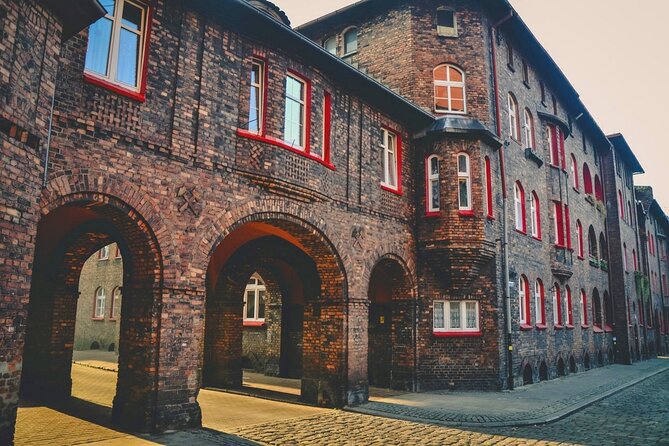
REVIEW · KRAKOW PRIVATE TOURS
Nikiszowiec Industrial District Private Tour
Factories turned into streets and homes. This private walk makes Nikiszowiec click fast—brick-by-brick—with a guide who connects design to daily life. I especially love the mix of working-mining leftovers (not just pretty buildings) and the art stops that explain Silesian identity in plain language. One drawback: you’ll want good weather, since much of the time is spent outside.
You start at Kościół pw. św. Anny near plac Wyzwolenia and end back there, so the logistics stay easy. It’s offered in English, runs about 2 hours 45 minutes, and you get a mobile ticket. Because it’s private, your group sets the pace—no rushing to keep up with strangers.
Now the value part. At $93.45 per person, it’s not a “cheap and quick” add-on—but most stops don’t charge extra admission, and the museum portion is included. If you like guided context (and not just photo stops), this is a solid way to spend a half-day in the Katowice/Silesia corner most visitors skip.
In This Review
- Quick hits before you go
- Why Nikiszowiec feels different from typical Poland stops
- The welcome church stop that sets the tone at Kościół pw. św. Anny
- Zillmann Square: reading architecture like a map (skwer Emila i Georga Zillmannów)
- Liberation Square portals: the “common life” design of Nikiszowiec
- Historic mining district walk: homes, gardens, and the shocks of WWI
- The Silesian Embassy stop and the political layers of the 20th century
- Pułaski Shaft Complex: where work was real and walking tells the story
- Art stops that translate Silesian legends into something you can feel
- Grzegorz Chudy – Atelier z akwarelami
- The school by Szkoła Podstawowa im. S. Żeromskiego 53
- Skwer Artystów Grupy Janowskiej
- Museum of Katowice History: the typical flat moment that makes everything click
- Price and logistics: what $93.45 buys you in real terms
- How to plan your walk: timing, shoes, and photo habits
- Who this tour suits best (and who may want a different plan)
- Should you book this private Nikiszowiec tour?
- FAQ
- What language is the Nikiszowiec Industrial District Private Tour offered in?
- How long is the tour?
- Where does the tour start?
- Is this a private tour?
- Is a mobile ticket provided?
- Do you need to pay admission at the stops?
- Is the tour near public transportation?
- What should I do if the weather is bad?
- Can I bring a service animal?
Quick hits before you go
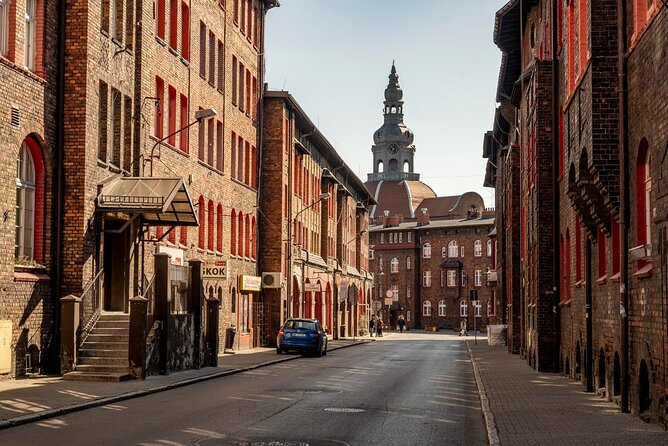
- Urban planning you can actually understand: quarters, portals, and purpose of spaces explained as you walk.
- Coal-era reality, not nostalgia: Pułaski Shaft Complex and the rail link that moved people and materials.
- Art that carries meaning: Janów Group murals, plus atelier/gallery stops and the City Ethnology Museum.
- WWI and Silesian Uprisings in context: stories tied to specific streets and buildings.
- A guide makes the difference: strong narration can turn a short route into a full story arc—especially with guides like Malwina.
Just your group: more private Krakow days
- Skip-the-Line Wawel Castle Chambers Private Tour
★ 4.7 · 262 reviews - Auschwitz Private Tour
★ 5.0 · 124 reviews - Krakow: Old Town Highlights Private Walking Tour
★ 4.9 · 79 reviews
Why Nikiszowiec feels different from typical Poland stops
Most people head to Kraków, Warsaw, or Poznań and get a very “classic” Central Europe rhythm: castles, squares, grand churches. Nikiszowiec in Katowice breaks that pattern. It’s industrial Poland, shaped by coal, labor, and community planning—so it reads like a living document.
I like that the tour doesn’t treat the district as a museum piece. You walk through the parts that still show how life was organized: where people lived, where work happened, and how neighborhoods were laid out so families could function day to day. Even if you’re not a history nerd, you’ll follow the logic quickly because the guide keeps pointing to what you’re seeing.
The welcome church stop that sets the tone at Kościół pw. św. Anny
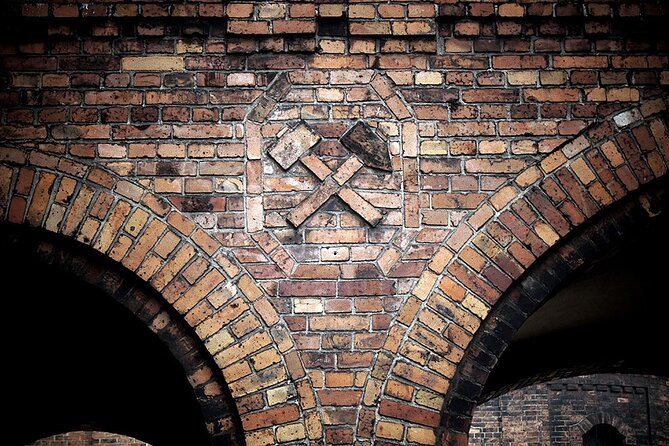
You begin at Kościół pw. św. Anny in Katowice, near plac Wyzwolenia. The stop is brief, and it doesn’t eat your time—but it works like a warm-up. It places you in the Silesian setting right away, with a quick grounding in local identity.
Because the admission here is free and the timing is short, it’s a smart start. You don’t feel like you’re paying for a “marker” on a map. You get bearings fast and the guide moves naturally into the district story.
Zillmann Square: reading architecture like a map (skwer Emila i Georga Zillmannów)
Next comes skwer Emila i Georga Zillmannów, also known as the Square of Zillmanns. This is where the tour explains the bigger idea before you start slipping between streets.
You’re learning who designed Nikiszowiec and why the district was laid out the way it was. That matters because Nikiszowiec can look like one big brick maze until someone gives you the planning key. This stop gives that key without drowning you in technical talk.
It’s also a free, low-stress block of time. Around 10 minutes is enough to understand the purpose, then you’re ready to walk and notice patterns for yourself.
A few more Krakow trips worth putting on the shortlist
- Krakow Airport Private Transfer★ 5.0 · 2,227 reviews
- Private Departure Transfer: Krakow City To Krakow Airport Balice★ 4.5 · 367 reviews
- Legendary Private Nowa Huta Communism Tour with Crazy Guides★ 5.0 · 262 reviews
- From Krakow: Auschwitz-Birkenau and Salt Mine with Private Transfer★ 5.0 · 247 reviews
Liberation Square portals: the “common life” design of Nikiszowiec
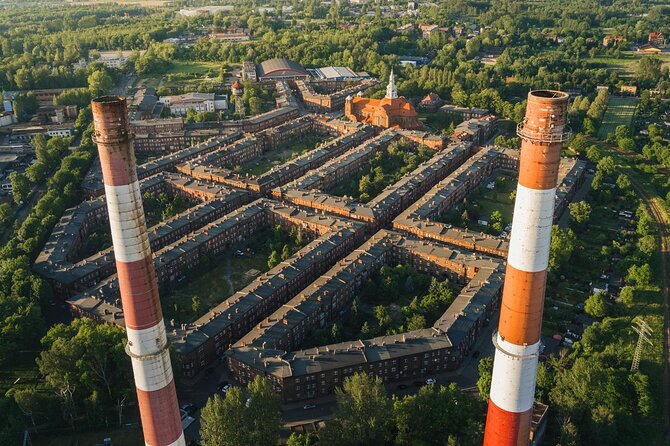
At the point where you pass near Liberation Square, you’re guided through the idea of common portals. This is one of those details that feels minor until you realize it’s about community and access.
The tour focuses on the district’s urban planning: how it’s divided into quarters and what each section is meant to do. You also get a sense of the rhythm of daily life—how people moved through shared spaces and how buildings were arranged to support routine, not just shelter.
This is a good segment for anyone who likes to “see how it works.” The guide’s narration helps you spot the structure of the place instead of treating it like a backdrop.
Historic mining district walk: homes, gardens, and the shocks of WWI
The longest city-block story is the Nikiszowiec Historic Mining District area. Here you pass into the residential sections and start connecting the past to what still feels familiar.
You’ll hear how daily life worked back then—and how it looks now—while you move through several quarters and their interior gardens. Those gardens are important because they show that industrial planning wasn’t only about work hours. Someone thought about breaks, family life, and livable space.
The guide also brings in major turning points: Nikiszowiec during World War I and through the Silesian Uprisings. The value here is pacing. Instead of dropping big events in the middle of nowhere, the stories are tied to the physical setting, so your brain links date + place.
One practical note: this part is still mostly walking. Wear shoes you’re comfortable in for uneven sidewalks and cobbled-feeling areas.
The Silesian Embassy stop and the political layers of the 20th century
Then you head toward Łukasz Kohut – Ślōnsko Ambasada. This is where the tour shifts from bricks to identity and politics—interwar years, autonomy in the Region of Silesia, and later changes that came through World War II and communism.
This stop is about understanding why Nikiszowiec became more than a coal housing project. You’ll get a sense of how Silesian autonomy and later political shifts shaped everyday life in the district—often in ways that aren’t obvious if you only look at architecture.
If you’re the type who likes history that explains present-day culture, this is a key moment. It turns the district from a cool place to a meaningful one.
Pułaski Shaft Complex: where work was real and walking tells the story
Pułaski Shaft Complex is a major highlight for anyone curious about industrial Europe beyond factories-as-ruins. You pass to the former coal mine area where Nikiszowiec’s residents worked, and you get to see the historic railway used to move industrial materials and people between estates in Silesia.
That railway detail matters. It’s easy to romanticize “miners and smokestacks,” but transportation is what makes labor systems real. The guide helps you connect the movement of goods and workers to how the whole region functioned.
Timing is about 20 minutes here, which is long enough to absorb without feeling stuck in one spot. It’s also free during the tour.
Art stops that translate Silesian legends into something you can feel
The tour includes multiple art-related moments, and they’re not random distractions. They help explain how Silesians tell stories—through murals, paintings, and local symbolism.
Grzegorz Chudy – Atelier z akwarelami
You stop to see contemporary paintings of Nikiszowiec, Katowice, and the Silesian region. You’ll also encounter legends and mythical creatures shown through art. This is a quick 10 minutes, but it gives the district a “now” voice, not just a past voice.
The school by Szkoła Podstawowa im. S. Żeromskiego 53
There’s a brief stop near the historical school, lasting about 2 minutes. It’s short, but it reinforces the theme that this wasn’t only a work settlement. Education and community life were part of the plan.
Skwer Artystów Grupy Janowskiej
You then reach Skwer Artystów Grupy Janowskiej, where you admire colorful murals—reproductions tied to artworks from the Janów Group. This is about seeing how local artists captured everyday and festive life and how that visual style helps people recognize themselves in the city.
All of these are free stops. Even if you’re not an art person, the guide frames the meaning so you’re not just staring at walls.
Museum of Katowice History: the typical flat moment that makes everything click
The final major stop is the Museum of Katowice History, City Ethnology Department. Admission is included here, and it’s about 30 minutes—enough time to slow down.
This is where the tour gets especially practical for your understanding. You see interiors of a typical flat in Nikiszowiec. Suddenly the street layout and portal idea aren’t theory. They become daily-life scale.
You also get original artworks of Janów Group artists showing daily and festive life in Nikiszowiec. And there’s that surrealistic artwork described as Silesian Salvador Dali—an eye-opener if you thought Silesian art was only realist scenes.
This museum stop is the “hold it all together” piece. It’s also a good breather if you’ve been walking for hours.
Price and logistics: what $93.45 buys you in real terms
Let’s talk value in plain math. The tour runs about 2 hours 45 minutes. Most stops are free of admission during the walk, and the museum portion is included. You’re paying mainly for expert guidance, not repeated ticket fees.
At $93.45 per person for a private setup, you’re really buying:
- a guided connection between architecture and daily life,
- explanation of major events like WWI and the Silesian Uprisings,
- and curated art/museum time so Nikiszowiec doesn’t feel like a random industrial district.
If you compare this to doing Nikiszowiec on your own, you’d still need to figure out what to notice—quarters, portals, the purpose of spaces, and the meaning behind art. That’s what you’re paying for. With a strong guide (and guides like Malwina have a reputation for clear, energetic presentation), the time feels well spent.
How to plan your walk: timing, shoes, and photo habits
A few practical ideas so you don’t waste energy:
- Wear comfortable shoes for the residential and industrial areas. You’ll be doing real walking.
- Plan for good light if you like photos. Late afternoon can work well, but follow the daylight you have.
- Bring a light layer. Even in comfortable seasons, open areas can feel cooler.
- Use the included museum time wisely: it’s your best chance for indoor photos and close reading of artworks.
The tour also notes good weather is required. If conditions are bad, you may be offered a different date or a refund—so keep an eye on forecasts if you book near a weather-sensitive window.
Who this tour suits best (and who may want a different plan)
This Nikiszowiec private tour fits you if you want:
- a break from the usual Kraków/Warsaw style itinerary,
- a guided explanation that turns city planning into something you can picture,
- and industrial history with human details, not just smokestacks.
It may be less ideal if you want a long, flexible self-guided wander with no structured narrative. This is a route with stops and timing, not a free roam.
For families, it can work well because the story is organized, the pacing is manageable, and the art and museum add variety. If you’re traveling with kids, it’s the kind of walk where you can keep interest with visuals and short segments.
Should you book this private Nikiszowiec tour?
I’d book it if you’re curious about Silesia and you like understanding what you’re seeing—not just checking boxes. The strongest reason is the pairing: industrial sites and coal-era clues are explained, then art and a museum interior bring the district’s human side into focus.
If your ideal day is purely scenic sightseeing, you might feel the history load is a bit heavy. But if you enjoy stories tied to real places, this is a well-paced way to make Nikiszowiec meaningful in under three hours.
FAQ
What language is the Nikiszowiec Industrial District Private Tour offered in?
The tour is offered in English.
How long is the tour?
It lasts about 2 hours 45 minutes.
Where does the tour start?
You start at Kościół pw. św. Anny w Katowicach, plac Wyzwolenia 21, 40-423 Katowice, Poland, and the tour ends back at the meeting point.
Is this a private tour?
Yes. Only your group participates.
Is a mobile ticket provided?
Yes, the tour includes a mobile ticket.
Do you need to pay admission at the stops?
Admission is free for most stops on the route, and the Museum of Katowice History, City Ethnology Department, has admission included.
Is the tour near public transportation?
Yes, it’s near public transportation.
What should I do if the weather is bad?
This experience requires good weather. If it’s canceled due to poor weather, you’ll be offered a different date or a full refund.
Can I bring a service animal?
Service animals are allowed.
More Tours in Krakow
More Tour Reviews in Krakow
Private Krakow: More Options

Just added: fresh Krakow reviews
Krakow Private Tours, compared.
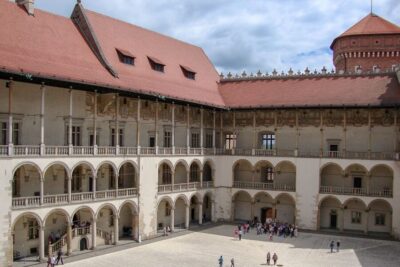 ★ 4.7Skip-the-Line Wawel Castle Chambers Private TourFrom $154262 reviews
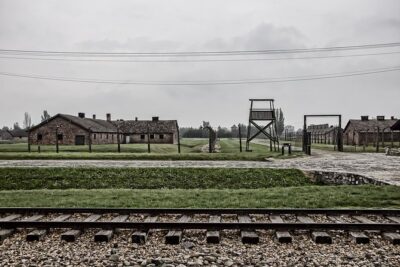 ★ 5.0Auschwitz Private TourFrom $387124 reviews
 ★ 4.9Old Town Highlights Private Walking TourFrom $12679 reviews
 ★ 4.5Auschwitz Birkenau: Complete Private TourFrom $11551 reviews
 ★ 5.0Krakow Private Walking TourFrom $17944 reviews
 ★ 5.0Krakow Jewish District Private Tour. Kazimierz and Jewish GhettoFrom $9634 reviews
 ★ 4.7Skip-the-line Oskar Schindler’s Museum Private TourFrom $12534 reviews
 ★ 4.5Zakopane & Tatra Mountains Private Full-Day Tour from KrakowFrom $16933 reviews
Browse the lists this tour appears in