
REVIEW · KAZIMIERZ & JEWISH HERITAGE TOURS
Krakow: Jewish Ghetto Walking Tour
This walk hits fast and stays with you. In just 1 hour, you’ll trace the streets of Podgórze—the part of Kraków where the Jewish Ghetto took shape in WWII—and see the places where daily life turned into fear, deportations, and survival.
I especially love the Ghetto Wall remains. They’re one of the few physical bits you can stand beside, then immediately understand as a human boundary, not just an old structure. I also love how the tour reaches beyond dates and orders, with the Under the Eagle Pharmacy stories centered on Tadeusz Pankiewicz and his staff, who risked their lives to help people inside the ghetto.
One possible drawback: the subject is heavy, and the tour is short—so if you want slower, longer storytelling, you may feel the 1-hour pace doesn’t leave enough time to sit with every detail.
In This Review
- Key Highlights Worth Your Time
- Podgórze Start: understanding the ghetto before you see monuments
- Ghetto Wall Remains: seeing a boundary you can actually touch
- Ghetto Heroes Square and the Chair Memorial: remembering the deportations
- Under the Eagle Pharmacy: Tadeusz Pankiewicz and the courage to help
- How this fits with Schindler’s Factory and other Kraków stops
- Audio, pace, and guide style: what actually makes it easier to follow
- Price and value: why $11 can be fair for such weighty stops
- The practical bottom line: should you book this tour?
- FAQ
- What is the duration of the Kraków Jewish Ghetto walking tour?
- How much does the tour cost?
- What’s included in the price?
- Is food and drink included?
- Where does the tour start?
- Will the tour run in bad weather?
- How early should I arrive?
- What languages are available?
Key Highlights Worth Your Time
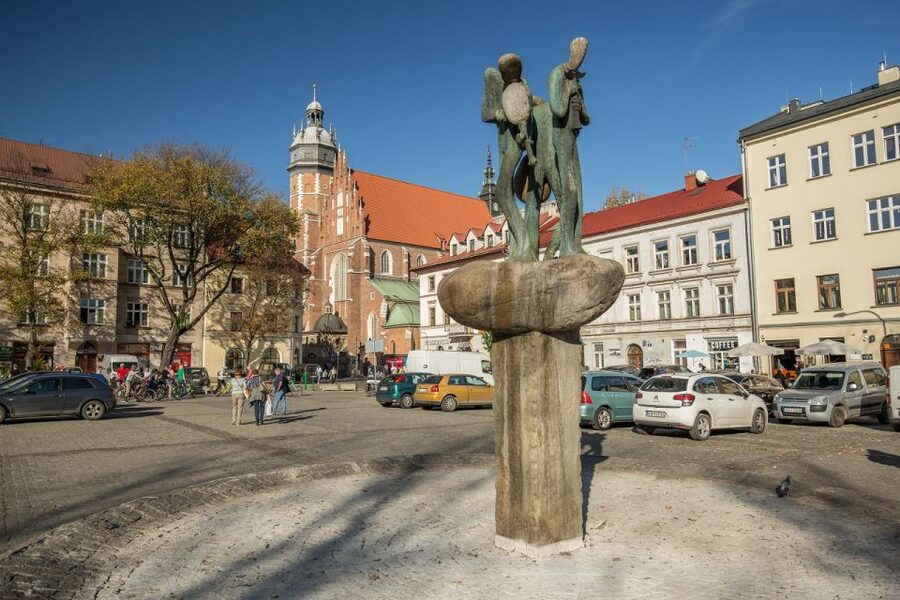
- Real surviving fragments of the Ghetto Wall you can see on foot, with context that makes them click
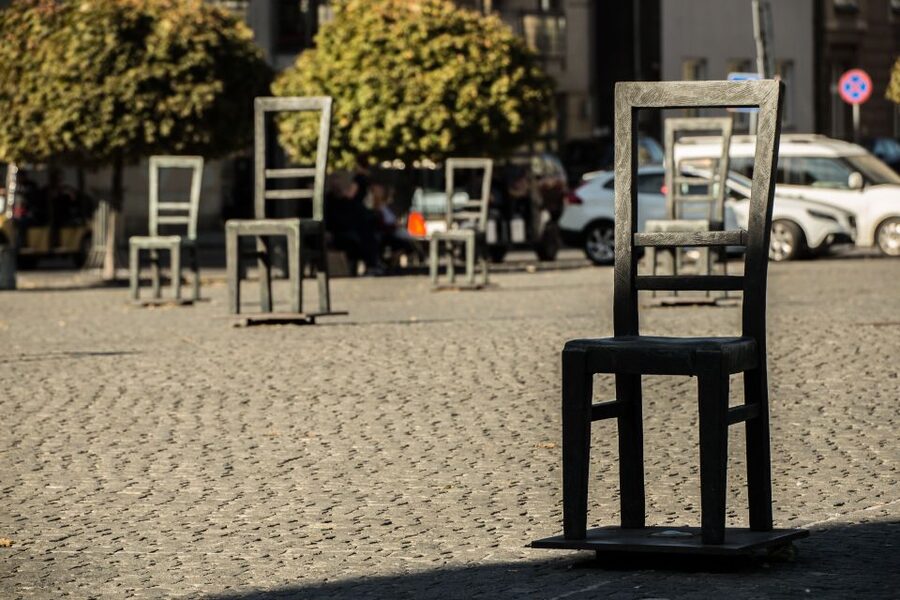
- Ghetto Heroes Square and the Chair Memorial, with dozens of empty metal chairs marking lives lost
- Under the Eagle Pharmacy, tied to courageous aid provided by Tadeusz Pankiewicz and his team
- WWII street layout and daily-life context, so the ghetto feels like a place, not just a concept
- Audio support and a steady flow, including headset/ear mic notes from past groups
- Guides who handle the story with care, with examples of named guides like Olga, Aga, Joanna, Ewa, Helen, and Phil
Deeper into Kazimierz and its Jewish heritage
- Krakow: Schindler’s Factory & Ghetto Guided Tour
★ 4.7 · 1,694 reviews - Krakow: Jewish Quarter and Former Ghetto Tour
★ 4.9 · 1,441 reviews - Krakow: Bike Tour of Old Town, Jewish Quarter and the Ghetto
★ 4.9 · 1,155 reviews
Podgórze Start: understanding the ghetto before you see monuments
Your tour begins in Podgórze, the district that became the site of the Kraków Ghetto in WWII. Even before you reach the big memorial points, your guide sets the scene by having you look at the streets and imagine how a crowded, fenced-in world worked.
This is where the tour earns its power. Without context, the neighborhood can look like any other historic Polish district. With the guide’s narrative, you start to connect street turns and building placements to how people moved, worked, waited, and feared.
Meeting points can vary by departure, but some departures are set near the area around Schindler’s Factory. If that’s your plan, this tour pairs well because it shifts from industrial history and rescue themes to what life looked like for Jewish residents day to day.
A practical note: the tour runs in rain or shine, so wear shoes you don’t mind walking in. You’ll also want to arrive on time; the group leaves once it starts, and late joiners can’t count on getting in.
Ghetto Wall Remains: seeing a boundary you can actually touch
One of the strongest stops is the remains of the original Ghetto Wall. The tour points out the surviving fragments, and it matters that you’re not imagining the fence. You’re seeing what’s left after the war, and your guide explains what the wall meant for more than 15,000 people packed into a small area.
You might not expect how emotional this can feel. The wall pieces are not huge anymore, but that’s part of the lesson: the physical structure is gone in most places, yet the consequences are still built into the city’s layout. Guides often orient you to where boundary points were, not just where the wall happens to be today.
If your guide uses old photos or visual references, it helps even more. Several people noted that they were shown images to help them picture how the area looked during the ghetto period. That trick turns a short walk into a clearer mental map.
Drawback to keep in mind: the wall remains can feel subtle. If you’re the kind of person who wants a big, dramatic monument at every turn, you may need the guide’s explanations to make this stop hit as hard as it can.
Ghetto Heroes Square and the Chair Memorial: remembering the deportations
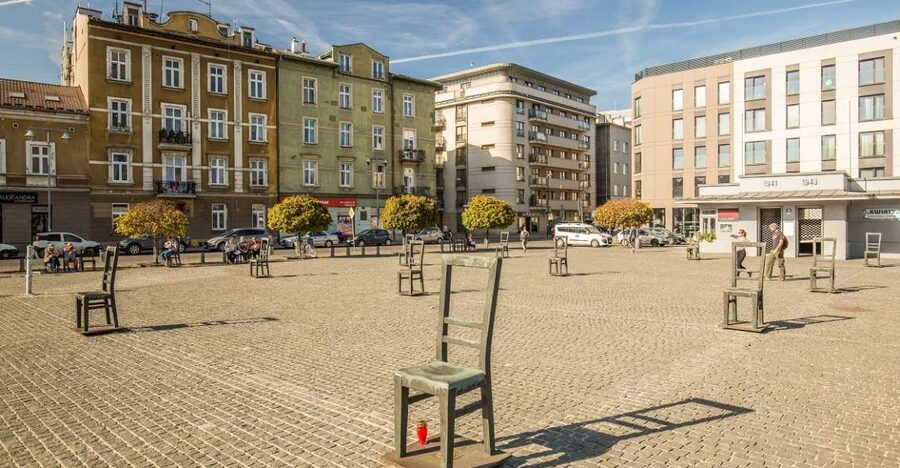
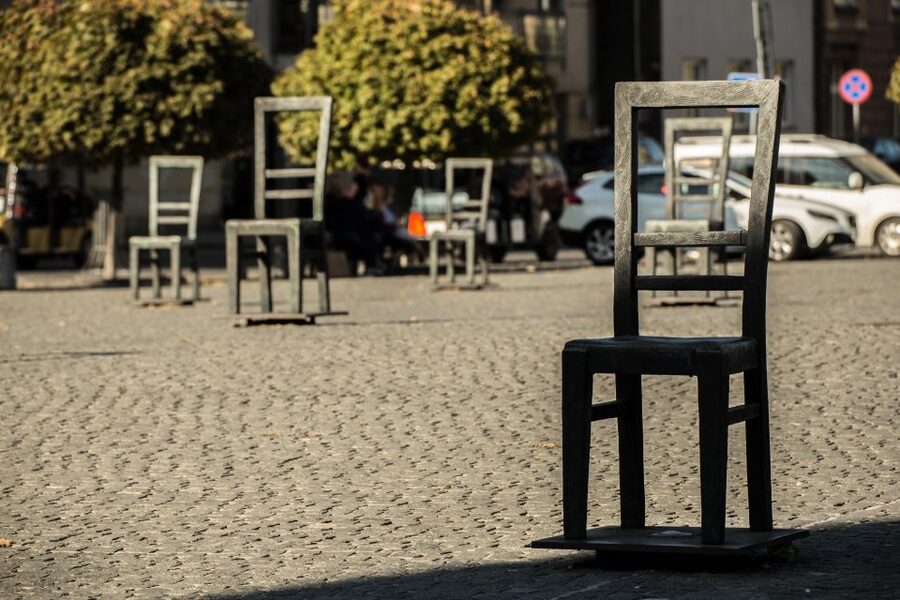
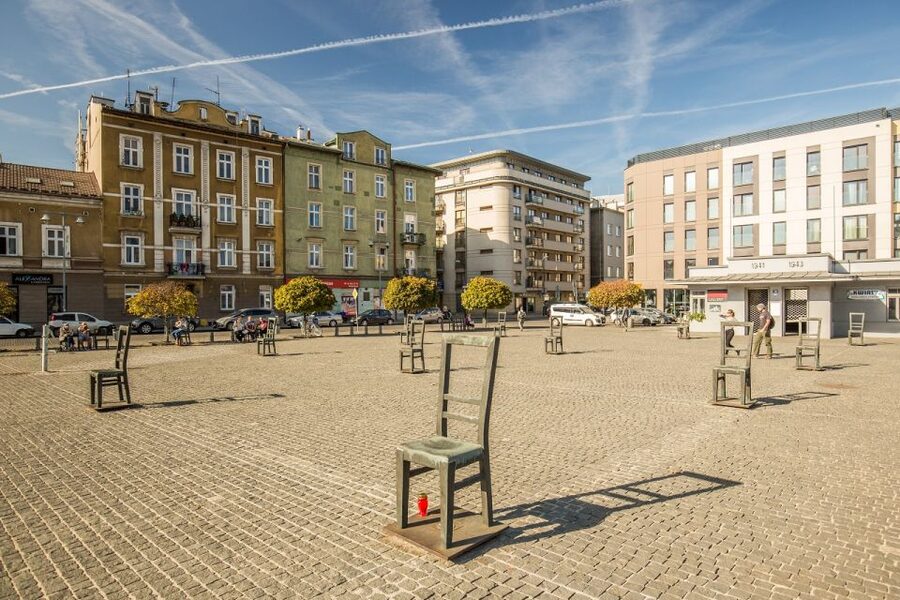
Next comes Ghetto Heroes Square, often described as the ghetto’s heart. This is where deportations gathered people and where families faced the terrifying uncertainty of what came next. Even if you know the broad WWII story, this square helps you visualize how the process worked in the ghetto’s daily reality.
Today, the square is a memorial filled with dozens of empty metal chairs. Each chair symbolizes the lives lost during the Holocaust. It’s an unusual choice for a memorial, and your guide helps you understand the symbolism without turning it into a photo-op.
This is also the moment when I think you should slow down. Spend a minute letting the place settle in your head. The tour doesn’t ask you to be theatrical; it asks you to be present. A memorial like this works best when you stop treating it like another stop on a city checklist.
One more practical thought: the square is open and can be exposed to cold or wind, depending on the season. If you’re visiting in winter, bundle up enough that you can stand still for a few minutes without rushing.
On foot through the Old Town, more guided walks
- Old Town Krakow & Wawel Castle Walking Tour★ 5.0 · 1,508 reviews
- Creepy Krakow: 2-Hour City Walking Tour★ 4.7 · 1,131 reviews
- Krakow: The Old Town Walking Tour★ 4.8 · 794 reviews
- Krakow: Kazimierz Jewish Quarter Walking Tour★ 4.8 · 571 reviews
Under the Eagle Pharmacy: Tadeusz Pankiewicz and the courage to help
The tour’s emotional centerpiece for many people is the walk to the Under the Eagle Pharmacy. The guide focuses on the wartime role of Tadeusz Pankiewicz and his staff, who risked their lives to provide medicine and shelter to ghetto residents.
What makes this stop stand out is the shift from suffering alone to something harder: human choice under pressure. This is where the tour connects bravery to everyday compassion. It’s not only about what Nazis did; it’s also about what some individuals chose to do anyway.
You may hear the story in a way that feels personal. Several people specifically praised the guides for bringing sensitivity and respect, and for keeping the tone appropriate while still giving concrete details about how aid worked and why it was so dangerous.
A consideration: on at least one occasion, the pharmacy space itself was reported as closed, so people couldn’t see inside. If that happens on your day, don’t worry—you can still get the core history through the guide’s explanation and the surrounding context.
How this fits with Schindler’s Factory and other Kraków stops
If you’re doing Schindler’s Factory earlier in the day, this tour works like a missing piece. Schindler’s story and related WWII history can make it feel like the war is mostly about big names and major turning points. The ghetto walking tour brings you back to the ground level: the streets, the routines, the fear, and the slow grinding pressure of occupation.
Because the tour is only 1 hour, you can slot it in without destroying your whole day. That’s especially helpful if you have Auschwitz or other long, heavy days on your schedule. Even people who had already done a major sadness-filled visit still found this tour worthwhile, mainly because it’s grounded in daily life and moral action, not only horror.
If you’re planning a packed itinerary, do this one when you can stay mentally steady. Give yourself time after for a snack and a breather. This walk doesn’t end with a “happy” feeling, but it can leave you with clarity instead of chaos.
Audio, pace, and guide style: what actually makes it easier to follow
Most of the value here comes down to the guide. People consistently highlighted guides who tell the story clearly and with compassion. Named guides mentioned in past experiences include Olga, Aga, Joanna, Ewa, Helen, and Phil, and the common thread is how respectfully they handle hard material.
You’ll also likely get audio help. One person noted headsets/ear mics, and that can make a huge difference on a winter walk or in a busy street. If you’re sensitive to cold, audio comfort matters more than you’d think.
The pace is another big factor. Multiple reviews described the timing as “perfect” for a one-hour format, and some mentioned that slower walkers were accommodated with a steady rhythm. Still, this is a walking tour, so wear shoes that can handle uneven sidewalks and winter patches.
Language is an important planning detail. The tour offers several languages (including English, French, German, Italian, Spanish, Russian, Portuguese, Swedish, and Slovak), but group tours run in only one language. Choose your language carefully when you book so you’re not stuck translating in your head.
If you’re visiting when it’s bitterly cold, you might appreciate that some departures started with a chance to wait inside before leaving. That kind of small comfort can keep the focus on the story instead of on shivering.
Price and value: why $11 can be fair for such weighty stops
At $11 per person for a 1-hour guided walking tour, the value is hard to ignore. You’re paying for a licensed, human storyteller who can explain what you’re seeing and connect street-level details to the WWII reality in Podgórze.
This isn’t a museum where you can wander quietly for hours. It’s a guided walk that concentrates key places: wall remains, Ghetto Heroes Square with the chair memorial, and the Under the Eagle Pharmacy stories. For the price, you’re not just buying access to locations—you’re buying interpretation, and interpretation is what turns a set of buildings into understanding.
Also, the tour is brief enough that you can compare it easily against other paid history activities. If you can only afford one short guided WWII-focused activity beyond the big-ticket stops, this one often earns its place because it explains daily life and the ghetto’s mechanisms, not just the final outcomes.
Food and drink aren’t included, so plan to grab something before or after if you’re hungry. One good strategy: treat the tour like a “main event” and then let dinner be your reward.
The practical bottom line: should you book this tour?
You should book if you want a focused, respectful way to understand Kraków’s Jewish Ghetto through the physical city. I think it’s a great fit for first-time visitors who already plan a stop at Schindler’s Factory, and for people who want daily-life context alongside the broader WWII story.
You might hesitate if you need more time to process emotions or if you know you get overwhelmed quickly on guided walks. This tour’s strength is also its limitation: it’s short, so it prioritizes key points over a slower, more exhaustive pace.
If you decide to go, come prepared to listen. Dress for the weather, wear comfortable shoes, and give yourself a minute at Ghetto Heroes Square before you move on. That’s often when the tour becomes more than information and turns into remembrance you can feel in your body as well as your head.
FAQ
What is the duration of the Kraków Jewish Ghetto walking tour?
The tour lasts 1 hour.
How much does the tour cost?
The price is $11 per person.
What’s included in the price?
You get an expert guide and a walking tour of the Kraków Ghetto.
Is food and drink included?
No. Food and drink are not included.
Where does the tour start?
The meeting point may vary depending on the option booked, so check the specific departure details when you reserve.
Will the tour run in bad weather?
Yes. The tour goes ahead in all weather, rain or shine.
How early should I arrive?
Please arrive 10 minutes before the tour begins. If the group has already departed, latecomers can’t join and tickets can’t be refunded.
What languages are available?
The tour offers live guides in French, German, Italian, English, Spanish, Russian, Portuguese, Swedish, and Slovak. Group tours run in one language, so you’ll want to select your preferred language when booking.
More Tour Reviews in Krakow
More Guided Walks Through Town


More of Jewish Kazimierz

Just added: fresh Krakow reviews
Kazimierz & Jewish Heritage Tours, compared.
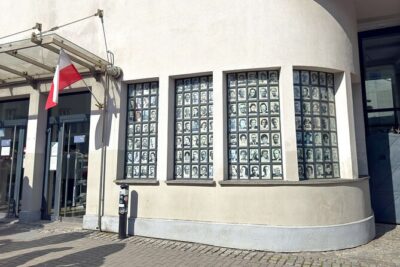 ★ 4.7Schindler’s Factory & Ghetto Guided TourFrom $571,694 reviews
 ★ 4.9Jewish Quarter and Former Ghetto TourFrom $191,441 reviews
 ★ 4.9Bike Tour of Old Town, Jewish Quarter and the GhettoFrom $371,155 reviews
 ★ 4.8Kazimierz Jewish Quarter Walking TourFrom $27571 reviews
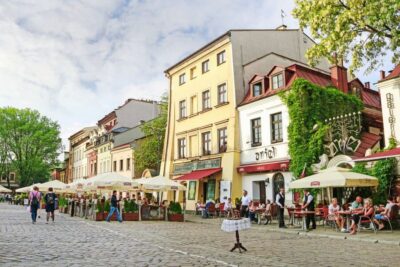 ★ 4.8Kazimierz, Schindler’s Factory & Ghetto Guided TourFrom $81460 reviews
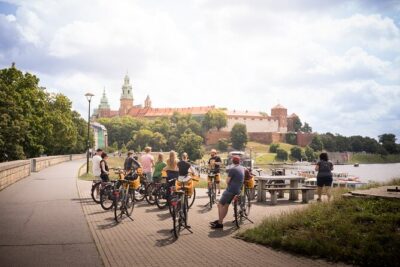 ★ 5.0Full Bike Tour – the Old Town, Jewish Qtr & the Ghetto NEW BIKESFrom $35437 reviews
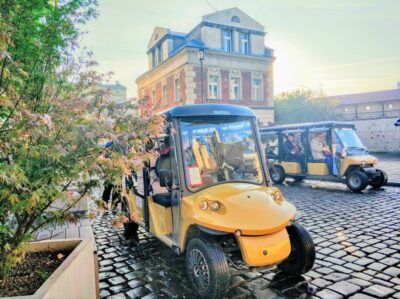 ★ 4.6Jewish Quarter and Ghetto Electric Golf Cart TourFrom $34348 reviews
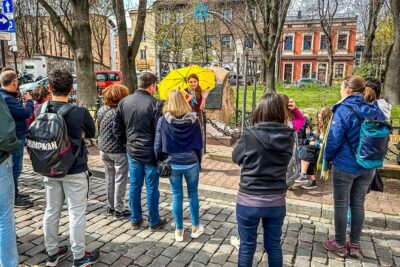 ★ 5.0Jewish Krakow Walking TourFrom $26307 reviews
Browse the lists this tour appears in