
REVIEW · SCHINDLER'S FACTORY & WWII TOURS
Krakow: Schindler’s Factory & Ghetto Guided Tour
Kraków hits different when history is staged this well. This guided tour combines Schindler’s Factory Museum with a wartime ghetto walk, so you move from artifacts to streets in one coherent story of fear, survival, and small acts of courage.
I especially love how the guide turns a heavy museum into something you can actually follow, and how the ghetto section connects the exhibits to real places. You also get practical value from the skip-the-line admission, which saves time in a popular museum.
One drawback to keep in mind: this is emotional, and it can feel fast in the museum, especially if you want long, quiet reading time in every room.
In This Review
- Key moments you shouldn’t miss
- Schindler’s Factory Museum: what you’re walking into
- The exhibition layout: why the museum feels like pressure, not a lecture
- Meeting Oskar Schindler through Kraków’s daily wartime reality
- The ghetto walk begins: from walls to the human map of fear
- Ghetto Heroes Square and the Chair Memorial
- Under the Eagle Pharmacy: medicine, risk, and a specific kind of courage
- How long it really takes: pacing, breaks, and small-room realities
- Price and value: is $57 a fair deal for this mix?
- Who should book this tour, and who might prefer something else
- Should you book the Schindler’s Factory and ghetto guided tour?
- FAQ
- How long is the Schindler’s Factory and ghetto tour in Kraków?
- Where do I meet the guide?
- What does the ticket price include?
- Is food or drinks included?
- Which languages are available for the live guide?
- What should I expect at Schindler’s Factory Museum?
- What are the main stops on the ghetto portion?
- What should I wear and bring for the walking portion?
- What if I’m late to the meeting point?
Key moments you shouldn’t miss
- Schindler’s Enamel Factory setting: a former factory turned museum that reframes Oskar Schindler within Kraków’s daily wartime reality.
- Narrow, dim rooms with a purpose: the exhibition design purposely recreates the pressure of confinement.
- Ghetto walls remains and the layout: you see where the city tried to box people in.
- Ghetto Heroes Square and the Chair Memorial: each chair marks lives lost in deportations.
- Under the Eagle Pharmacy: you learn how Tadeusz Pankiewicz and staff helped preserve medicine and hope.
- Guides who run the pace: many guides, like Fil and Alexandra, use microphones and clear structure to keep the story understandable.
Deeper into Kazimierz and its Jewish heritage
- Krakow: Schindler’s Factory & Ghetto Guided Tour
★ 4.7 · 1,694 reviews - Krakow: Jewish Quarter and Former Ghetto Tour
★ 4.9 · 1,441 reviews - Krakow: Bike Tour of Old Town, Jewish Quarter and the Ghetto
★ 4.9 · 1,155 reviews
Schindler’s Factory Museum: what you’re walking into
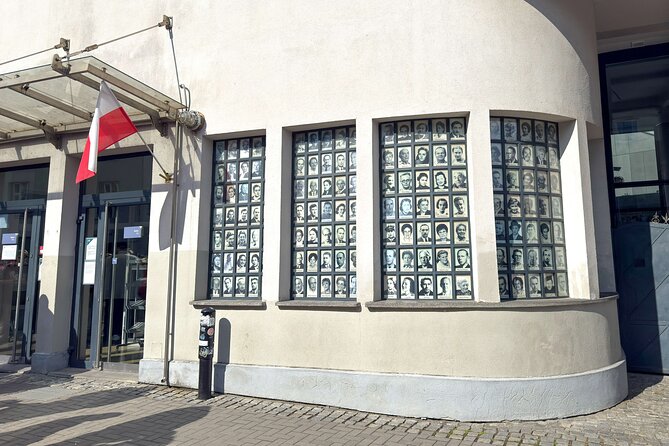
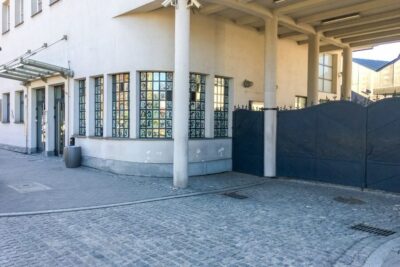
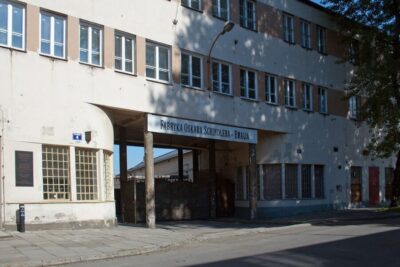
Schindler’s Factory can be one of those Kraków stops that sounds simple—Oskar Schindler, a factory, a museum—until you see what the place actually does. The museum is housed in Schindler’s former enamel factory building, but it’s not a working factory experience. There’s no original machinery on display. Instead, you get a structured exhibition that focuses less on Hollywood-style heroics and more on how Nazi occupation changed everyday life for both Jewish and non-Jewish residents of Kraków.
I like that shift. It keeps the story grounded. You’re not just learning a biography; you’re watching a city get squeezed. And because it’s guided, you’re not left trying to connect the dots yourself in a maze of text panels.
This part also has a big practical advantage: your admission is handled so you can skip the ticket line. In a museum this popular, that matters, because waiting can steal the mood you came for.
The exhibition layout: why the museum feels like pressure, not a lecture
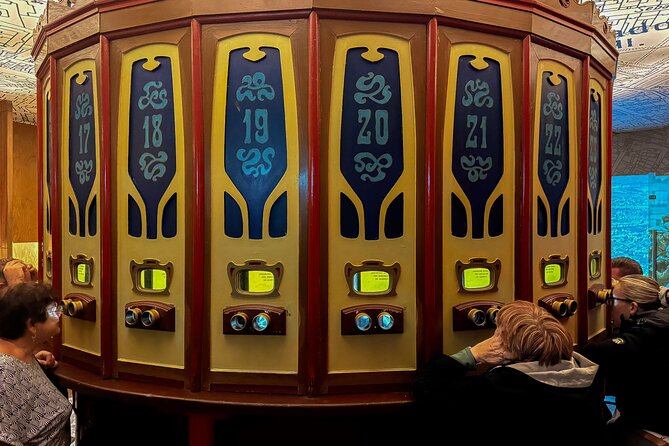
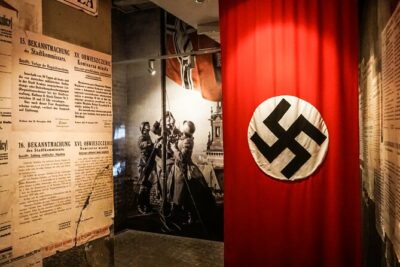
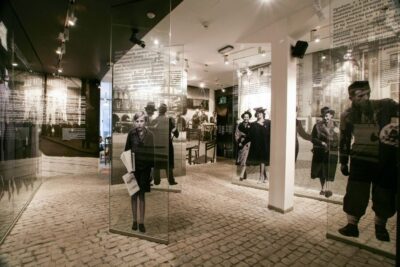
The core museum exhibition (Kraków under Nazi Occupation 1939–1945) is built to make you feel the conditions of occupation. Expect narrow corridors, dim rooms, and layouts that deliberately restrict space. The design isn’t there to be dramatic for drama’s sake. It’s there so the history lands in your body, not just your brain.
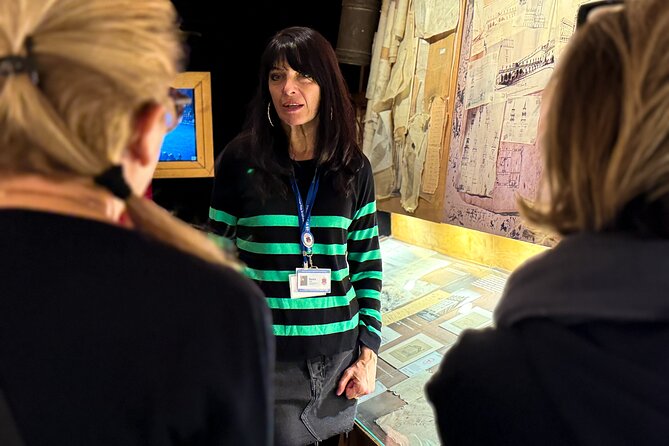
What makes this work best is the guide. Multiple guides called out for exceptional delivery—people like Fil and Alexandra in the tour experience—keep the story organized. They explain what you’re seeing and why it matters, and they don’t treat the exhibits like a list. That’s the difference between reading plaques for an hour and understanding how the pieces connect.
You’ll also spend time hearing about Schindler’s role, including how his factory provided refuge to more than a thousand Jewish workers. But it’s always framed inside the larger system: persecution, deportations, and the destruction of Kraków’s Jewish community. That scale can feel overwhelming, and a good guide helps you hold it without shutting down.
One more detail that surprised me in terms of expectations: it’s not a museum you should plan to “browse.” You’re moving through a curated route with a guide, and the pace is designed to fit everything into a single 3-hour tour package.
Meeting Oskar Schindler through Kraków’s daily wartime reality
This tour gives you Schindler, but it also refuses to let the story stay only about Schindler. The museum is set up to show how the occupation reshaped daily life—work, movement, fear, and the constant sense that rules could change overnight.
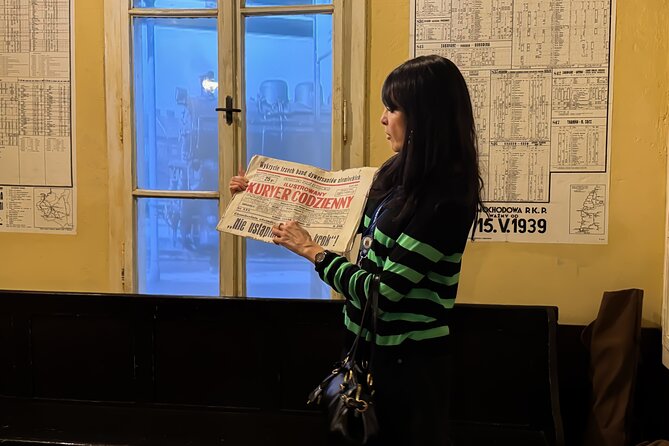
Your guide’s job is to keep that broader context clear. If your guide is strong—many people highlight guides like Fil, Alexandra, Joanna, and Eva—this doesn’t feel like a heavy lecture. It feels like a guided path through a city under pressure, where each exhibit explains the logic of what happened.
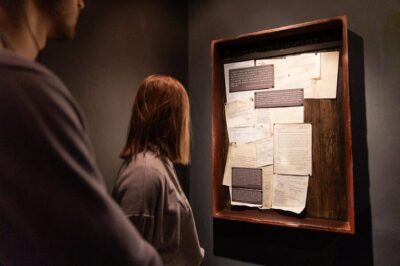
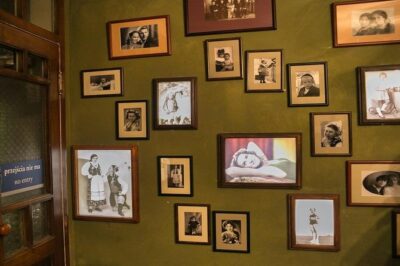
You’ll see original artifacts, photographs, and reconstructions. Even if you’re not the type who reads every caption, the guide’s structure helps you interpret what you’re looking at. That’s especially valuable in rooms that are intentionally small, where you might not have time to study everything at your own speed.
More of Krakow under the wartime occupation
- Krakow: Schindler’s Factory Ticket and Guided Tour Option★ 4.3 · 4,306 reviews
- Krakow: Schindler’s Factory Tour with Entrance Ticket★ 4.5 · 3,182 reviews
- Krakow: Schindler’s Factory Skip-the-Line Ticket★ 4.4 · 3,105 reviews
- Krakow: Schindler’s Factory Tour with Entrance Ticket★ 4.6 · 1,737 reviews
The ghetto walk begins: from walls to the human map of fear
After the museum, you transition outdoors with the walking portion of the tour. The first ghetto stop is the remains of the ghetto walls. This is one of those moments where the site itself gives you the idea instantly. You start understanding that the ghetto wasn’t just a concept. It was built into the city’s physical layout.
From there, you head to Ghetto Heroes Square. This is the heart of the area and the place where deportations to extermination camps took place. The square feels like a memorial zone, and the tour makes sure you don’t treat it like a photo stop. You’re meant to connect place, history, and meaning.
And if you’re used to upbeat city walking tours, the tone here changes. That’s normal. This part is about remembering what people endured and how policies turned neighbors into targets.
Ghetto Heroes Square and the Chair Memorial
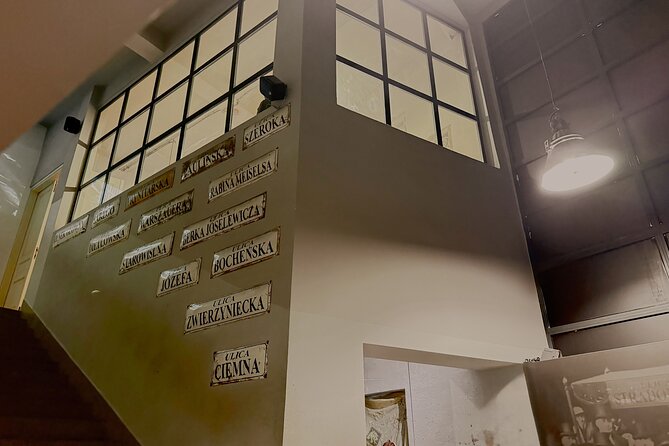
At Ghetto Heroes Square, you’ll encounter the Chair Memorial. Each chair symbolizes lives lost. It’s a simple design idea, but it lands hard because you understand it isn’t decorative. It’s pointing you back to the scale of loss.
This is where a guide’s pacing matters. The square is open, but the emotional weight is intense. A good guide slows down enough for you to take it in while still moving the story forward.
If you booked later in the day and it’s dark, plan for reduced visibility outside. One review detail that’s worth your attention: people noted that evening or night can make it harder to see surroundings clearly. If you’re choosing a start time, earlier can help you enjoy both the history and the geography.
Under the Eagle Pharmacy: medicine, risk, and a specific kind of courage
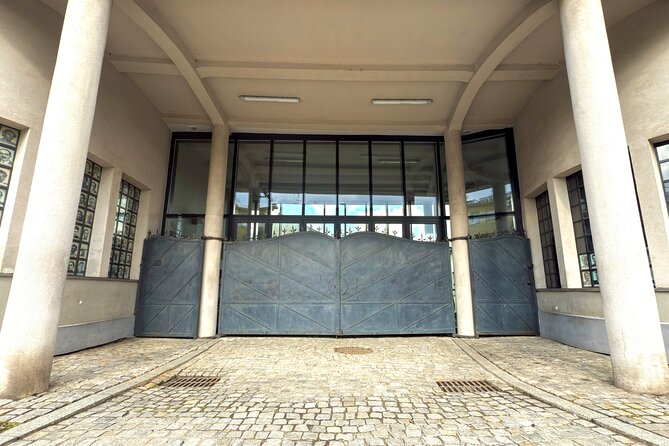
Across from the memorial area is the Under the Eagle Pharmacy, tied to the story of Tadeusz Pankiewicz and his staff. Here the tour adds an important angle: not only how persecution worked, but how some people tried to reduce harm when they could.
This stop is valuable because it’s grounded in something practical—medicine—and not only in speeches about courage. You learn how pharmacy work became a lifeline, and that lifeline depended on people choosing risk anyway.
It’s also a nice balance after the heavier symbolism of the square. The tour keeps the momentum, but the themes shift slightly toward action and assistance instead of only confinement and deportation.
How long it really takes: pacing, breaks, and small-room realities
The full experience runs about 3 hours. That timing is tight enough that you’ll want to be mentally ready for structured movement. In the museum, you can’t plan to wander and read everything at leisure.
In fact, a recurring practical point from people who did the tour: some guides handle small, crowded rooms better than others, and group size can affect comfort. If you’re booking for a calm, slow museum experience, this tour may feel busy in the tighter exhibition spaces.
Still, there are perks that help. Many participants reported that guides use microphones or headsets so the story stays audible even in narrow rooms. That closed-loop audio approach can keep you from straining your ears, which matters in dim spaces. People also mention a short break built into the rhythm—often helpful for a toilet stop and, in colder months, a chance to get something warm.
My tip: dress for layering. The museum is controlled, but the walking segment happens outside, and it goes rain or shine. Closed-toe shoes also help because you’ll be moving continuously.
Price and value: is $57 a fair deal for this mix?
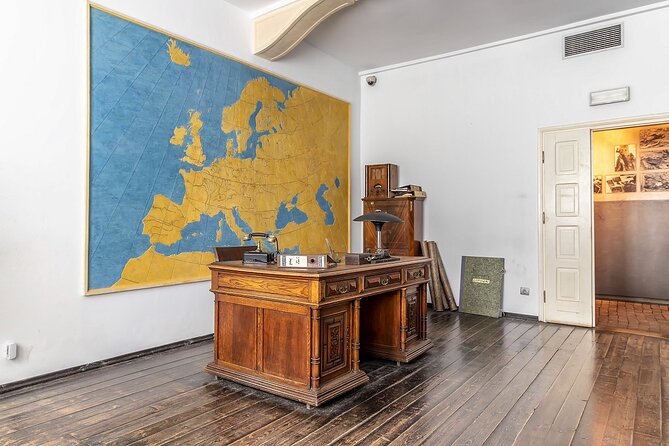
At about $57 per person for roughly 3 hours, this tour is priced like a guided “two-part” package: admission handled with skip-the-line entry plus a guided ghetto walking segment. For me, the value comes from the combination.
If you tried to do this alone, you’d face two problems. First, you’d likely waste time at a popular museum unless you had the right ticket timing. Second, the ghetto walk is easier to understand when someone explains what you’re seeing and what it meant for people who lived there. The guide helps turn locations into context.
You should also know the museum is information-dense. In that kind of setting, the guide’s role becomes part of the ticket value, not an optional extra. People repeatedly praise that exact point—when the guide is strong, the museum makes sense faster and you remember more afterward.
Who should book this tour, and who might prefer something else
This is a strong choice if you want a guided introduction that connects museum history to real street locations in Kraków. I’d especially recommend it if you’re traveling with limited time and you want one focused afternoon or early evening that covers both Schindler’s Factory and the ghetto area.
It may not be the best fit if you need very slow museum pacing or you want to photograph and study every display without group movement. The design of narrow rooms plus a walking schedule means you’ll likely follow the group route closely.
If you’re the type who needs a lighter emotional tone, this one is not that. The ghetto portion includes deportation history and memorial symbolism. You’ll want to come ready for serious material, with enough time later to decompress.
Should you book the Schindler’s Factory and ghetto guided tour?
If you’re deciding, I’d book it if your goal is understanding, not just sightseeing. This tour does a good job connecting Schindler’s Enamel Factory to the wartime reality of the city, then walking you to key ghetto sites like Ghetto Heroes Square and the Under the Eagle Pharmacy. The structure matters here, because the story is heavy and easy to get lost in without guidance.
I’d skip (or choose another format) if you dislike structured pacing or you’re someone who wants to linger silently in every room. In that case, you could still visit the museum, but you might want a plan that gives you more independence.
Bottom line: if you want your Kraków history in one clear, guided chain—museum to streets—this is a solid use of your time and money.
FAQ
How long is the Schindler’s Factory and ghetto tour in Kraków?
The tour lasts about 3 hours.
Where do I meet the guide?
Meet in front of the main entrance to Schindler’s Factory Museum, on the right-hand side, where the guide holds an excursions.city sign.
What does the ticket price include?
It includes a guide, skip-the-line admission to Schindler’s Factory, and the walking tour of Kraków’s ghetto.
Is food or drinks included?
No. Food and drinks are not included.
Which languages are available for the live guide?
The tour offers live guiding in Italian, English, French, Spanish, and German.
What should I expect at Schindler’s Factory Museum?
You’ll follow the exhibition about Kraków under Nazi Occupation 1939–1945 inside the former enamel factory building, with artifacts, photos, and reconstructions. The building is a museum today and does not have original factory machinery.
What are the main stops on the ghetto portion?
You’ll see the remains of the ghetto walls, visit Ghetto Heroes Square with the Chair Memorial, and learn about the Under the Eagle Pharmacy connected to Tadeusz Pankiewicz and his staff.
What should I wear and bring for the walking portion?
Wear weather-appropriate clothing and comfortable footwear, since the tour goes ahead in rain or shine.
What if I’m late to the meeting point?
You should arrive about 10 minutes early. Once the group departs, latecomers may not be able to join and tickets cannot be refunded.
More Tour Reviews in Krakow

Krakow in Wartime: More Reviews


More of Jewish Kazimierz




Just added: fresh Krakow reviews

Schindler's Factory & WWII Tours, compared.
 ★ 4.3Schindler’s Factory Ticket and Guided Tour OptionFrom $254,306 reviews
 ★ 4.5Schindler’s Factory Tour with Entrance TicketFrom $493,182 reviews
 ★ 4.4Schindler’s Factory Skip-the-Line TicketFrom $253,105 reviews
★ 4.6Schindler’s Factory Tour with Entrance TicketFrom $401,737 reviews
★ 4.4Schindler’s Factory Skip-the-Line TicketFrom $253,105 reviews
★ 4.6Schindler’s Factory Tour with Entrance TicketFrom $401,737 reviews
 ★ 4.5Schindler’s Factory in Krakow: Guided Tour & Skip the Line TicketFrom $351,714 reviews
 ★ 4.3Schindler’s Factory Ticket with Guided Tour OptionFrom $421,485 reviews
 ★ 4.0Krakow Schindler’s Factory Guided Tour with Admission TicketFrom $351,156 reviews
 ★ 4.1Schindler’s Factory Guided Tour with Entry TicketFrom $25976 reviews
Browse the lists this tour appears in