
REVIEW · SCHINDLER'S FACTORY & WWII TOURS
Krakow: Schindler’s Factory Guided Tour with Entry Ticket
Schindler’s Factory turns film into real testimony. This guided tour through Krakow’s historic enamel factory connects Oskar Schindler to the lived reality of Nazi-occupied Krakow, with a museum path that moves from the run-up to the war into the darkest years and then beyond. I especially like how the visit frames the story through artifacts and room-by-room context, not just a headline.
Two things I love here: you get strong English live guiding (people cite excellent, clear narration), and you see the museum’s own “Kraków Under Nazi Occupation 1939–1945” exhibition in a structured way. One possible drawback is that the museum’s corridors can feel tight and noisy, so if you hate confined spaces or struggle with audio, you’ll want to plan carefully.
In This Review
- Key things to know before you go
- Entering Schindler’s enamel factory in Krakow
- How the meeting works at Lipowa 4 and what to bring
- The museum path: from Nazi occupation to Kraków under Nazi Occupation
- Ghetto and Płaszów: the hardest rooms and what the guide helps you notice
- Oskar Schindler’s story: objects, rooms, and the “one person” theme
- The exhibition rooms, film moments, and how long 100 minutes really feels
- Guided by English experts: what makes the narration worth it
- Value for money: why $25 can be a bargain here
- Best for who (and not for who)
- Quick practical tips so your visit goes smoothly
- Should you book Schindler’s Factory with a guide?
- FAQ
- How long is the Schindler’s Factory guided tour?
- What is the meeting point for the tour?
- Is the tour guided in English?
- How much does the tour cost?
- Does the tour include entrance tickets?
- Is food or drinks included?
- Should I bring ID?
- Is the tour suitable for wheelchair users?
- Is there free cancellation?
- Do I need to pay the full amount when booking?
Key things to know before you go
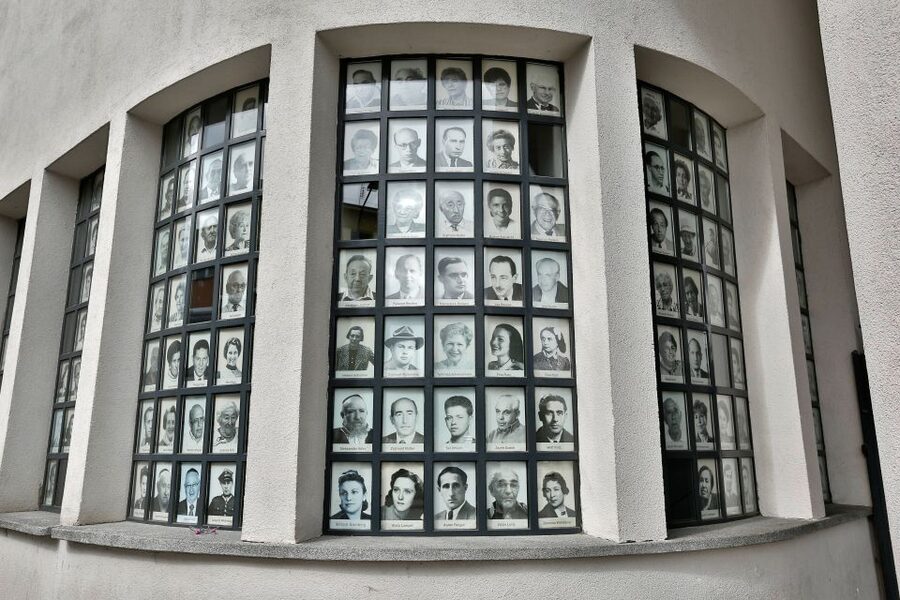
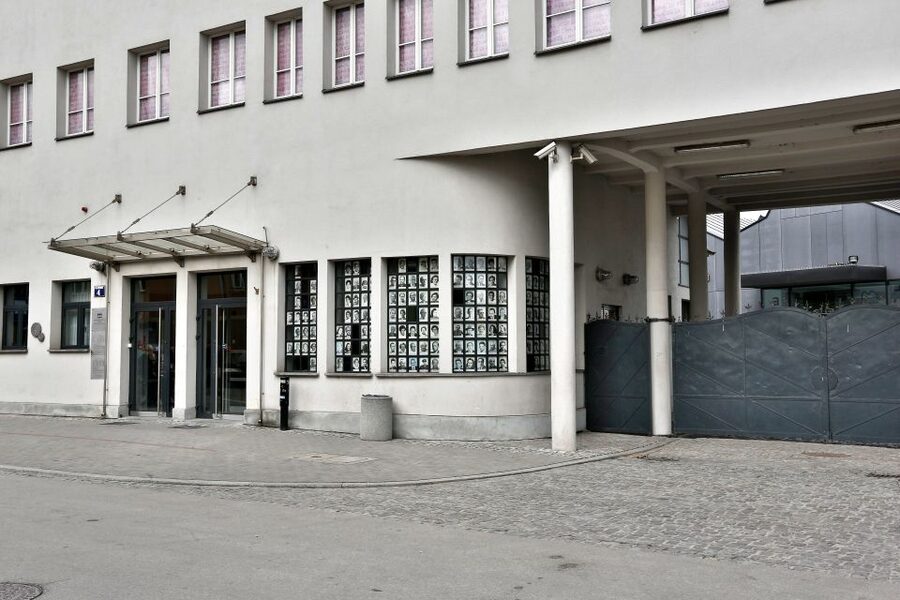
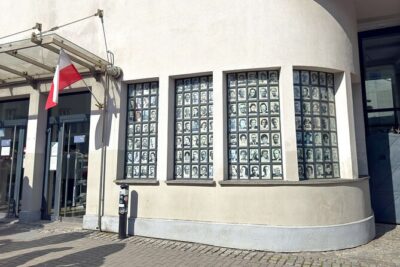
A real factory site, not a movie set – you’ll walk the original Oskar Schindler Enameled Goods Factory building.
A guided story with room-by-room structure – expect a path from the month before the war through occupation, ghetto, and beyond.
Context for Krakow’s Jewish and Polish communities – the guide ties events to daily life before, during, and after the war.
Oskar Schindler’s life and the list of lives saved – you’ll spend time in the rooms dedicated to him and the people he helped.
Pacing that can feel fast in busy rooms – some guests note a rush, especially near the end, so you may want extra time afterward.
Bring your ID and prepare for audio challenges – the museum can be loud; some guests recommend using your own headset/earbuds.
More of Krakow under the wartime occupation
- Krakow: Schindler’s Factory Ticket and Guided Tour Option
★ 4.3 · 4,306 reviews - Krakow: Schindler’s Factory Tour with Entrance Ticket
★ 4.5 · 3,182 reviews - Krakow: Schindler’s Factory Skip-the-Line Ticket
★ 4.4 · 3,105 reviews
Entering Schindler’s enamel factory in Krakow
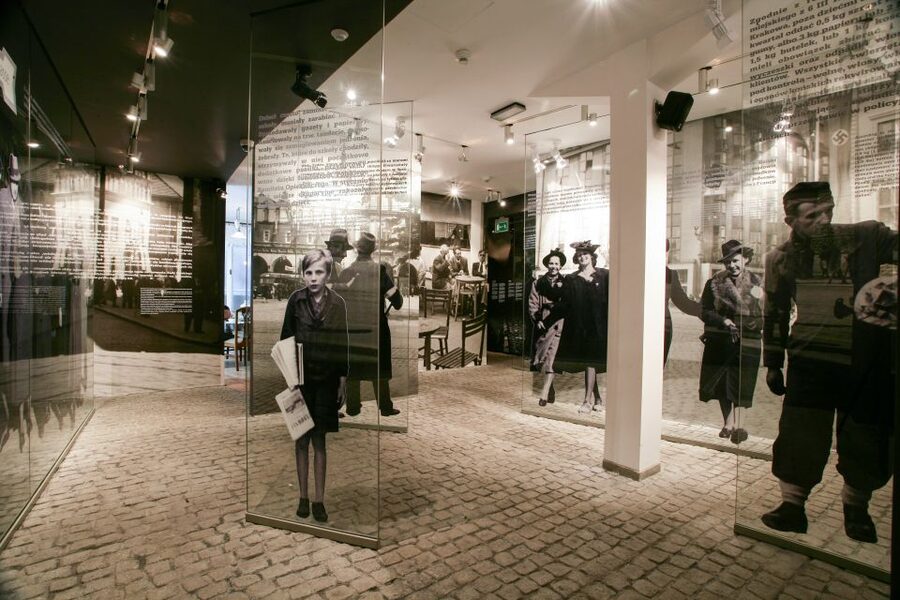
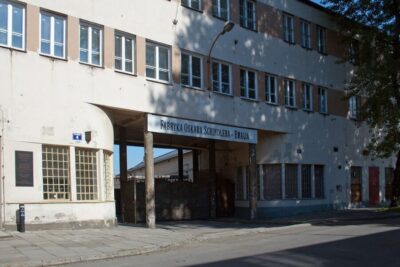
This experience is powerful because the setting is authentic. Schindler’s Factory Museum sits in the original enamel goods factory, so you’re not looking at a recreation—you’re touring a real industrial space where history unfolded in Krakow.
I like that the tour gives you context in plain order. You start with the lead-up to the war (including events from about a month before it begins), then you move through the early occupation months, and the story steadily tightens as conditions worsen.
There’s also a special kind of emotional clarity here. Spielberg’s Schindler’s List made many people curious, but this museum trip is more grounded: it’s about people, records, objects, and the machinery of occupation—not plot points.
How the meeting works at Lipowa 4 and what to bring
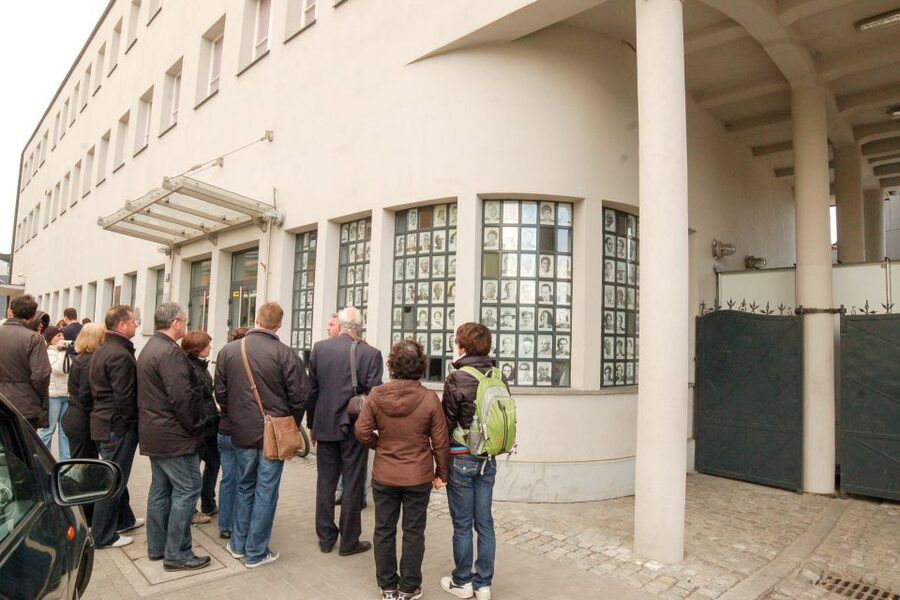
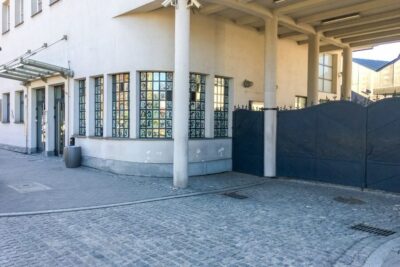
You’ll meet at the museum entrance on ul. Lipowa 4. The idea is simple: show up, be ready to join your group, and let the guide pull you through the exhibits without wasting time on ticket lines.
Bring your passport or ID card. It’s a small requirement, but it matters—have it ready so you don’t lose a minute at the start when your group is forming.
One practical note: the tour is live guided and in English, and it’s built for a smooth flow through the museum rooms. That means you’ll want to arrive with a little buffer and avoid late arrivals that can throw off group pacing.
The museum path: from Nazi occupation to Kraków under Nazi Occupation
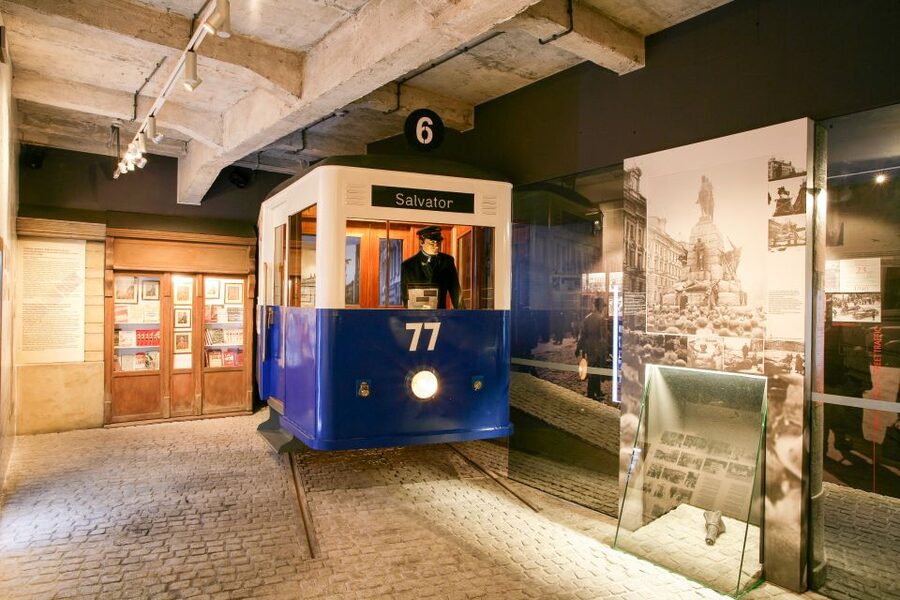
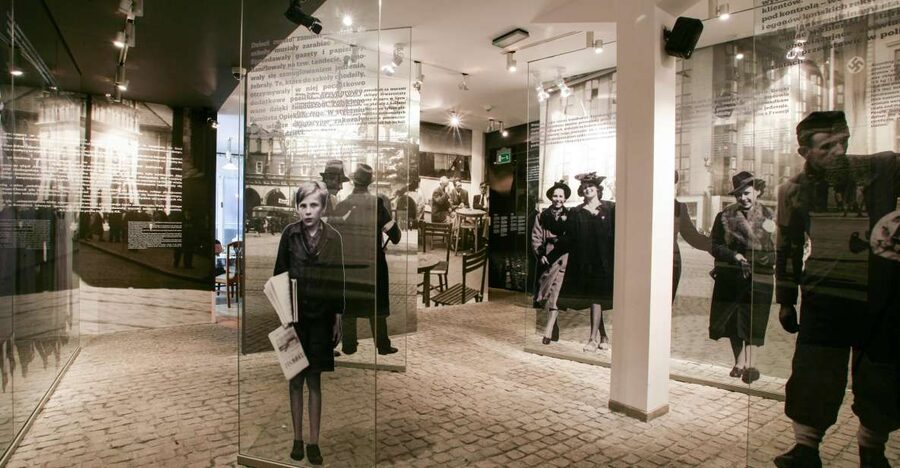
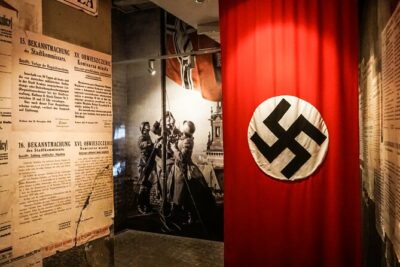
The tour is designed as a guided sprint through a museum that already holds a lot. The permanent exhibition, Kraków Under Nazi Occupation 1939–1945, is the backbone of the visit, and the guide uses it like a timeline.
You’ll get a clearer sense of how Krakow changed. The story doesn’t jump randomly; it moves from the first shock of occupation, into the restructuring of life, and then toward the ghetto and concentration camp system that defined so much of World War II in this region.
What makes this valuable for your trip is how it gives you bearings. If you’re visiting Krakow alongside Auschwitz-Birkenau, this museum helps you understand the local chain of events so the larger tragedy doesn’t feel like it’s only happening “somewhere else.”
The museum also uses memories and mementoes connected to Oskar Schindler. That detail helps you connect the famous name to the people and the choices behind it.
A few more Krakow trips worth putting on the shortlist
- Krakow: Wieliczka Salt Mine Tour with Entry Ticket★ 4.6 · 10,927 reviews
- Krakow to Auschwitz Birkenau Guided Tour with Transfer and Ticket★ 5.0 · 8,197 reviews
- Krakow: Wieliczka Salt Mine Fast-Track Ticket & Guided Tour★ 4.5 · 5,872 reviews
- Auschwitz Birkenau Guided Tour with Ticket Hotel Pickup Small Van★ 5.0 · 4,769 reviews
Ghetto and Płaszów: the hardest rooms and what the guide helps you notice
A big part of the tour covers Krakow’s ghetto and the Płaszów Concentration Camp story. This section is emotionally heavy, and it’s one reason the guide matters—good guiding helps you stay oriented and not feel like you’re just watching suffering scroll by.
You’ll hear about the Jews of Krakow before the war, during the war, and after. That three-part structure is important because it resists the trap of seeing victims only as victims; it reminds you that there was a real life before Nazi rule and a real world to return to after.
One consideration: these rooms can be busy, and some guides have to speak while the space itself is loud. A few visitors specifically mentioned sound/noise challenges, especially early on, and noted that pacing can vary in tight galleries.
Oskar Schindler’s story: objects, rooms, and the “one person” theme
Then the tour shifts gears into Oskar Schindler’s own story. The museum dedicates rooms to his role and to the people whose lives he helped—often described as around 1,200 Jews saved through his actions, with more than a thousand frequently cited.
The museum approach here is practical: instead of treating Schindler like a superhero with a magic solution, the exhibits focus on what he did, how he did it, and the fact that survival came from a chain of decisions made under extreme pressure.
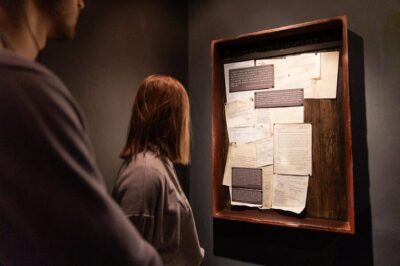
I also appreciate that the tour doesn’t stop at the headline. It spends time in the rooms that connect documents, personal stories, and the broader occupation context. That makes Schindler’s actions feel like part of a real moral landscape, not just a standalone plot twist.
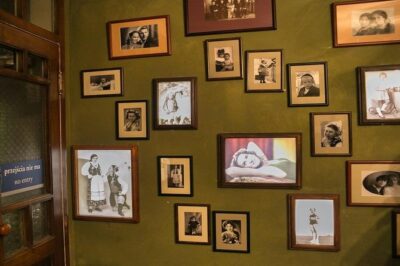
And while the Schindler name is famous due to film, you’re not going to see a movie set. What you’ll see is museum material—photos, records, and exhibit design meant to tell history.
The exhibition rooms, film moments, and how long 100 minutes really feels
The tour is listed at about 100 minutes, and some guidance paths run closer to roughly 90 minutes depending on pacing. The museum itself is small in places, with narrow areas that can get crowded, so the “time on walls” can feel tighter than you expect.
A number of people praised how the visit uses sound and film in a way that adds emotional weight. You’ll likely encounter short film moments and audio-style elements as you move through rooms—these can be effective, especially when the guide explains what you’re seeing.
Here’s the practical takeaway: the guided tour helps you understand the museum faster, but it doesn’t erase the fact that there’s a lot to read and look at. If you’re the type who likes to stop for details, plan extra time after the tour to go back through key rooms at your own speed.
Also consider audio gear. Several guests noted that the museum’s provided headset can be mono and not great quality in noisy spaces. If you’re picky about sound, bring your own earbuds/headphones so you can hear your guide clearly even when the room is busy.
Guided by English experts: what makes the narration worth it
The biggest repeat praise is about the guides. People consistently highlight very strong English and a guide who can explain both the basic timeline and the smaller, human-level details.
You’ll hear examples of guides like Kamil, Kate, Ava, Eva, and Michael (with other similar names mentioned) all described as organized, respectful, and passionate about the material. That variety matters because you’re not just paying for an entry ticket—you’re paying for someone to connect the rooms into a coherent story.
From a visitor point of view, the difference is huge. Without a guide, a museum like this can become a “read at your own risk” experience: lots of text, and it’s easy to miss how events link together. With a guide, the story gets threaded for you.
The flip side is pacing. Some people said the tour can feel rushed at points, especially near the end. If you’re sensitive to that, choose a time slot when you’re not racing to your next reservation, and don’t hesitate to ask the guide a question if they’re stopping for a moment.
Value for money: why $25 can be a bargain here
At about $25 per person, this tour can be good value if you care about understanding the story quickly and correctly. You’re not just buying entry; you’re getting a live guide plus an admission ticket, and the experience includes skipping the ticket line.
That “skip the line” piece matters in Krakow during busy seasons. Saving time at the door lets you spend more time inside—where the museum’s detail is the whole point.
Also, if this is one of your only WWII history stops in Krakow, the guided format can help you get more out of the time you have. A museum visit without context can still be moving, but the guide helps you build a framework for what you’re seeing.
Best for who (and not for who)
This tour is a strong fit if you want WWII history that feels local. If you’re pairing Krakow with Auschwitz-Birkenau, this museum gives you an earlier chapter that helps Auschwitz land with more meaning.
It’s also a good choice if you appreciate structure. The tour walks through the story step-by-step—from pre-war events to occupation to ghetto and Płaszów—so you don’t have to guess which room comes first.
If you don’t handle crowded, tight spaces well, take that seriously. The museum is not suitable for wheelchair users, and even for people without mobility issues, narrow passages and crowding can affect comfort and hearing.
Finally, if you come expecting Spielberg’s Schindler’s List recreation, reset expectations. This is a history museum on a real factory site, not a film-styled attraction.
Quick practical tips so your visit goes smoothly
Wear comfortable shoes. Even though the time is about 100 minutes, you’ll be moving through rooms that can feel narrow and busy.
Give yourself time buffers. If your schedule is packed, it’s harder to compensate for fast pacing or for the urge to reread a label.
Plan on staying a bit longer than the guided portion. The museum is detailed, and you may want to circle back after the guide ends—especially for the exhibits you found most striking.
If sound is a concern, bring your own earbuds/headphones. Some guests found the provided audio not great in loud sections, and your own setup can make a big difference.
Should you book Schindler’s Factory with a guide?
Yes, I think you should book this if your goal is to understand how Schindler’s actions connect to the real history of Krakow during Nazi occupation. The combination of a guided English walkthrough, skip-the-line entry, and time spent in the Oskar Schindler rooms makes it a smart use of a limited Krakow schedule.
I’d skip it only if you want a totally self-paced museum visit with lots of quiet reading time and you strongly dislike crowded, narrow spaces. If that sounds like you, you can still visit the museum on your own—but if you want clarity, emotional context, and story structure, the guided tour is the better value.
FAQ
How long is the Schindler’s Factory guided tour?
The tour lasts about 100 minutes.
What is the meeting point for the tour?
Meet in front of the entrance to the Schindler’s Factory Museum on ul. Lipowa 4.
Is the tour guided in English?
Yes. The live tour guide is available in English.
How much does the tour cost?
The price is listed as $25 per person.
Does the tour include entrance tickets?
Yes. Entrance tickets are included.
Is food or drinks included?
No. Food and drinks are not included.
Should I bring ID?
Yes. Bring your passport or ID card.
Is the tour suitable for wheelchair users?
No. It is not suitable for wheelchair users.
Is there free cancellation?
Yes. You can cancel up to 24 hours in advance for a full refund.
Do I need to pay the full amount when booking?
You can reserve now and pay later, which keeps your plans flexible.
More Tours in Krakow
More Tour Reviews in Krakow

Krakow in Wartime: More Reviews


Just added: fresh Krakow reviews

Schindler's Factory & WWII Tours, compared.
 ★ 4.3Schindler’s Factory Ticket and Guided Tour OptionFrom $254,306 reviews
 ★ 4.5Schindler’s Factory Tour with Entrance TicketFrom $493,182 reviews
 ★ 4.4Schindler’s Factory Skip-the-Line TicketFrom $253,105 reviews
★ 4.6Schindler’s Factory Tour with Entrance TicketFrom $401,737 reviews
★ 4.4Schindler’s Factory Skip-the-Line TicketFrom $253,105 reviews
★ 4.6Schindler’s Factory Tour with Entrance TicketFrom $401,737 reviews
 ★ 4.5Schindler’s Factory in Krakow: Guided Tour & Skip the Line TicketFrom $351,714 reviews
 ★ 4.7Schindler’s Factory & Ghetto Guided TourFrom $571,694 reviews
 ★ 4.3Schindler’s Factory Ticket with Guided Tour OptionFrom $421,485 reviews
 ★ 4.0Krakow Schindler’s Factory Guided Tour with Admission TicketFrom $351,156 reviews
Browse the lists this tour appears in