
REVIEW · SCHINDLER'S FACTORY & WWII TOURS
Krakow: Schindler’s Factory Ticket and Guided Tour Option
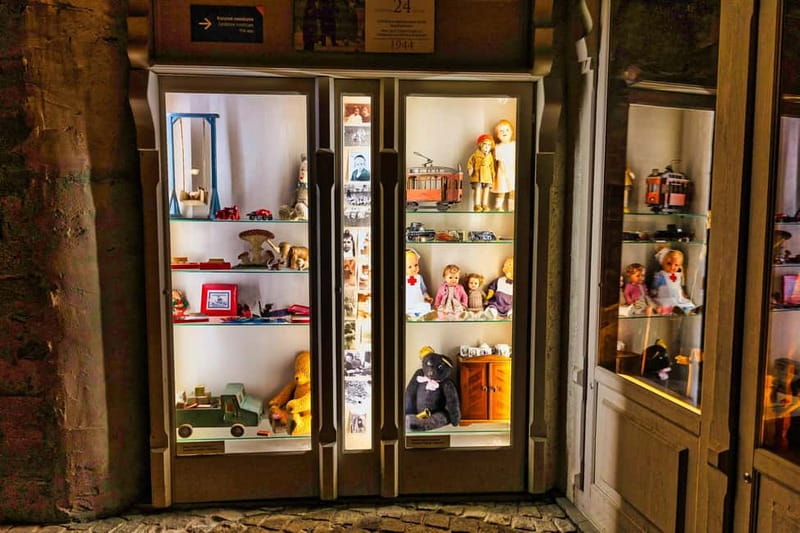
Schindler’s Factory turns history into a walk. This 90-minute experience guides you through Kraków in World War II with reconstructed spaces, photos, and multimedia that focus on daily life under Nazi occupation. You can also choose the guided option to get the context that labels usually miss.
What I like most is the skip-the-line ticket. You’re not standing outside while the museum fills up, and you can start your visit right on schedule. I also like how the exhibition moves beyond Oskar Schindler as a single storyline, and instead follows the wartime transformation of the city—occupation, ghetto passages, and liberation.
One thing to consider: the museum is busy and the flow can feel a bit rushed, especially if you’re hoping to read every caption at leisure. If you want slower pacing, plan your expectations and be ready to prioritize what you care about most.
In This Review
- Key things to know before you go
- Schindler’s Factory: why this 90-minute ticket hits so hard
- What you actually get: skip-the-line + optional guided context
- The museum story you’ll follow: occupation to liberation
- Reconstructed rooms and ghetto passages: what they do for your understanding
- The guided tour option: how the guide improves the visit
- Timing, meeting point reality, and why “early” is a strategy
- Price and value: what $25 buys you (and what it doesn’t)
- Who this is best for (and who may prefer another approach)
- Should you book this Schindler’s Factory experience?
Key things to know before you go
- A 90-minute, chronological story of Kraków under Nazi occupation, not just Schindler’s biography
- Skip-the-line entry helps when the museum queues get long
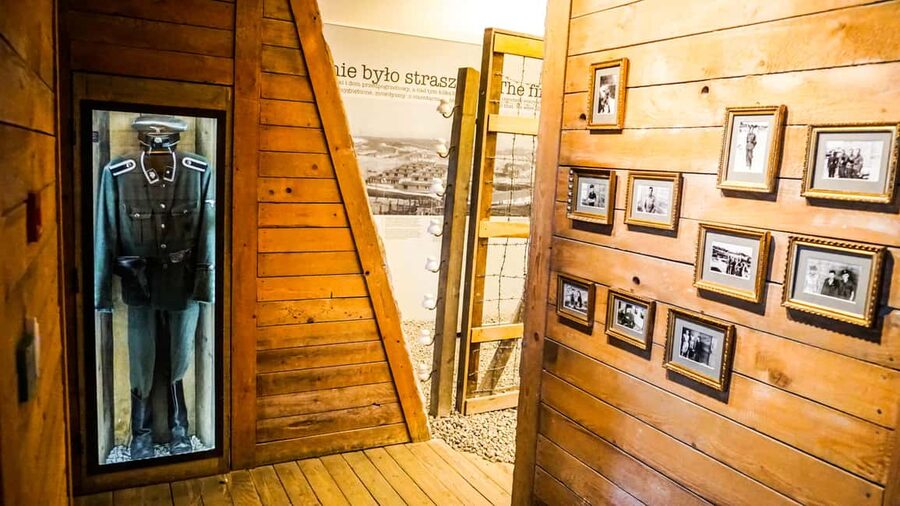
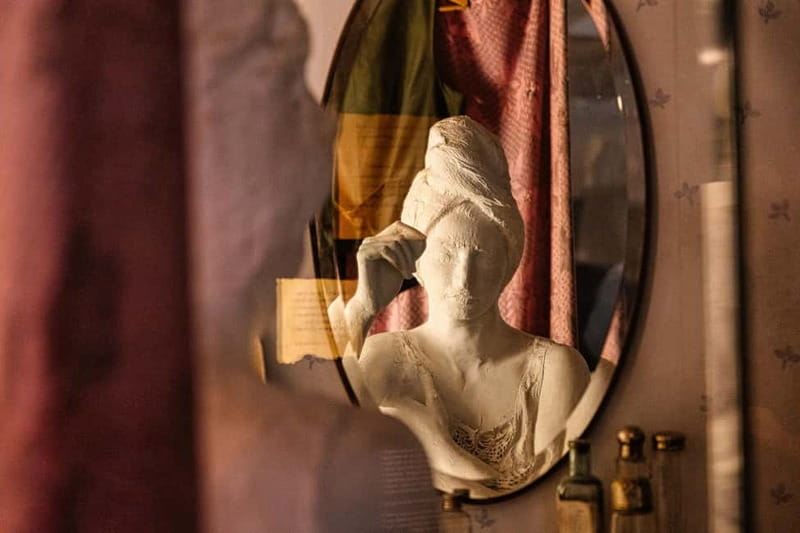
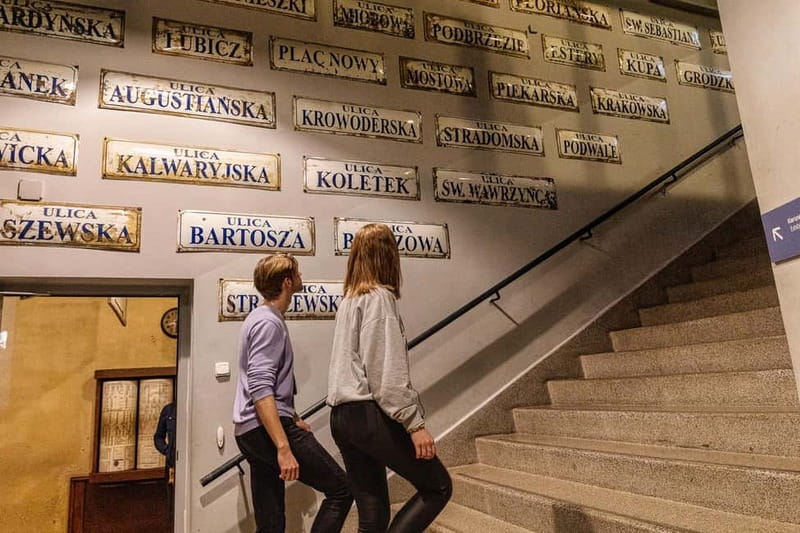
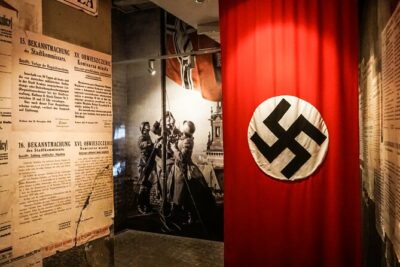
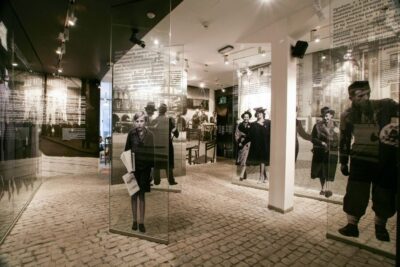
- Reconstructed corridors and street scenes make the period feel immediate
- Ghetto passages and multimedia keep the narrative moving through time
- English live guides (names you may hear include Foki, Natalia, Wojciech, and Marta) often handle questions well
- Tight indoor spaces mean you’ll want to stay with your group
More of Krakow under the wartime occupation
- Krakow: Schindler’s Factory Ticket and Guided Tour Option
★ 4.3 · 4,306 reviews - Krakow: Schindler’s Factory Tour with Entrance Ticket
★ 4.5 · 3,182 reviews - Krakow: Schindler’s Factory Skip-the-Line Ticket
★ 4.4 · 3,105 reviews
Schindler’s Factory: why this 90-minute ticket hits so hard
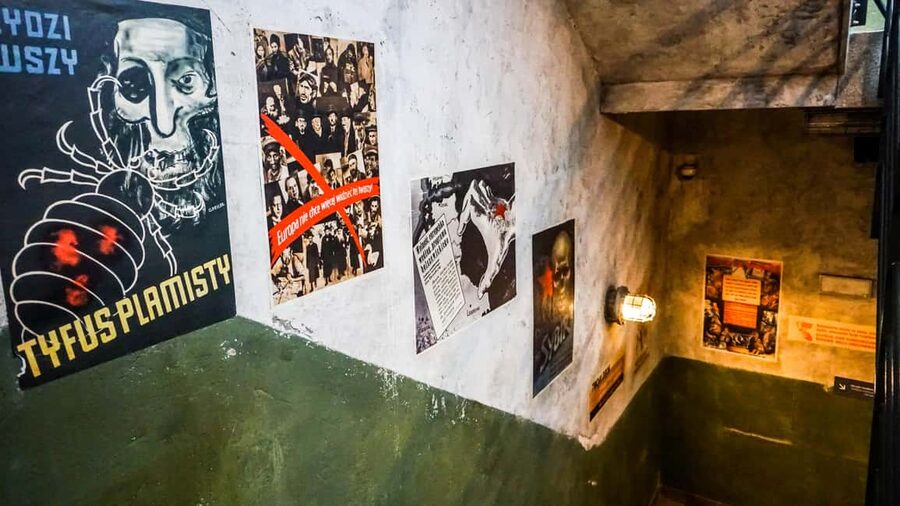
This museum experience is built around one idea: you’re not only learning what happened—you’re seeing how daily life was shaped by the occupation. The exhibition runs in a chronological path through Kraków’s wartime story, so your visit feels like a guided timeline rather than a random collection of rooms.
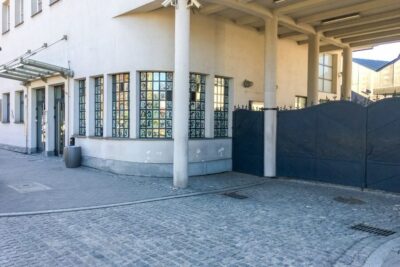
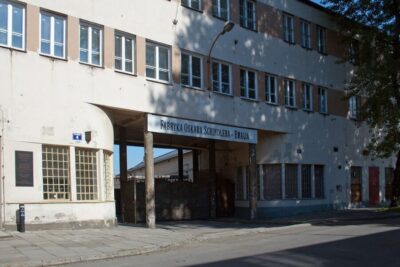
You’ll also get a strong sense of place. The site is tied to Oskar Schindler’s enamel factory, and while it’s now a museum, the setting still gives weight to what you’re seeing. If you’ve ever visited a place where the past felt distant, this one usually feels closer—because the design pushes you through the story at walking speed.
What you actually get: skip-the-line + optional guided context
Your ticket includes skip-the-line entrance, plus access to the multimedia displays, reconstructed interiors, and ghetto passages. The guided tour option adds a live English guide who helps connect the artifacts to what was going on in the city.
For value, the key isn’t the price tag. It’s time and clarity. The skip-the-line part matters at Schindler’s Factory because it’s a popular stop and the museum can get crowded. The guided piece matters because the exhibition is dense—photos, eyewitness accounts, film materials, and objects all compete for your attention.
The museum story you’ll follow: occupation to liberation
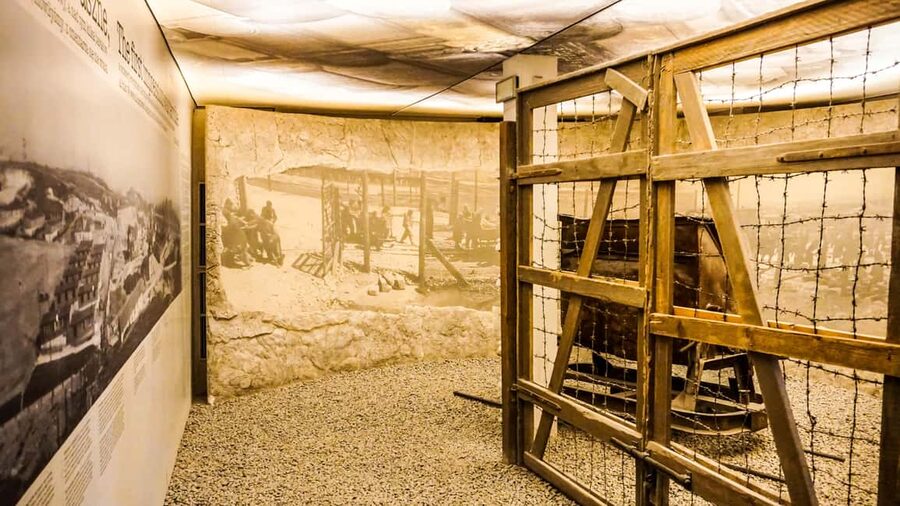
The exhibition is organized to take you through Kraków’s wartime transformation. You start with the broader setup of life under Nazi control, then you move toward the increasingly restricted and brutal reality for the city’s inhabitants.
A big reason this works well is the pacing of the storyline. You’re guided through sections that feel connected: how ordinary routines changed, how restrictions tightened, and how the ghetto experience fits into the larger arc of the war. Oskar Schindler and the people he helped are included, but they’re presented within the bigger historical context of Kraków—not as the whole movie by themselves.
If you choose the guided option, expect the guide to point out relationships between sections. You might hear how the city’s story and Schindler’s involvement connect, and why certain exhibits are placed where they are. That context can change how you read what you’re seeing.
A few more Krakow trips worth putting on the shortlist
- Krakow: Wieliczka Salt Mine Tour with Entry Ticket★ 4.6 · 10,927 reviews
- Krakow to Auschwitz Birkenau Guided Tour with Transfer and Ticket★ 5.0 · 8,197 reviews
- Krakow: Wieliczka Salt Mine Fast-Track Ticket & Guided Tour★ 4.5 · 5,872 reviews
- Auschwitz Birkenau Guided Tour with Ticket Hotel Pickup Small Van★ 5.0 · 4,769 reviews
Reconstructed rooms and ghetto passages: what they do for your understanding
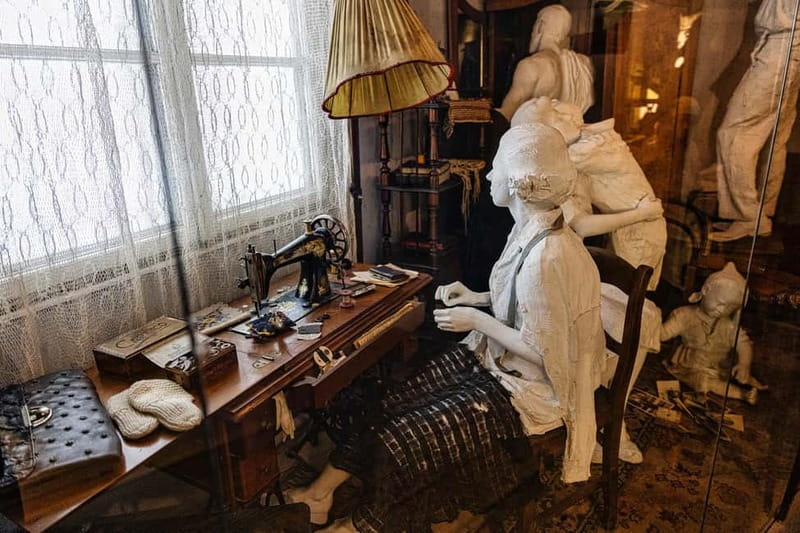
This isn’t a hands-off museum. The design uses narrow corridors, reconstructed streets, and immersive display setups that lead you through occupied Kraków as if you’re moving through time. The aim isn’t entertainment. It’s comprehension—helping you grasp how space, movement, and daily routines were controlled.
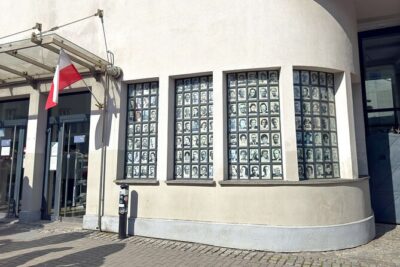
The ghetto passages are one of the most impactful parts of the visit. You’ll walk through passages designed to reflect how people were forced into confinement and how movement became complicated and dangerous. Combined with documentary photographs and eyewitness accounts, it’s often easier to understand the human scale of what’s on display.
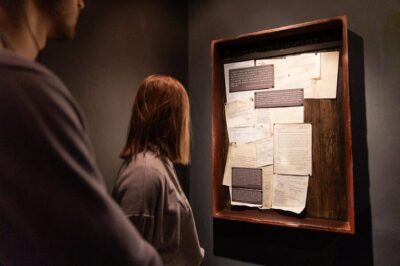
Multimedia also plays a role. You’ll encounter film materials and audio-visual elements that help bring the evidence to life, especially when written captions alone would be too slow or too easy to skim.
Practical note: since the museum is indoors and built with tight spaces, you’ll want to follow the group’s pace even when you wish you could linger. That’s normal here.
The guided tour option: how the guide improves the visit
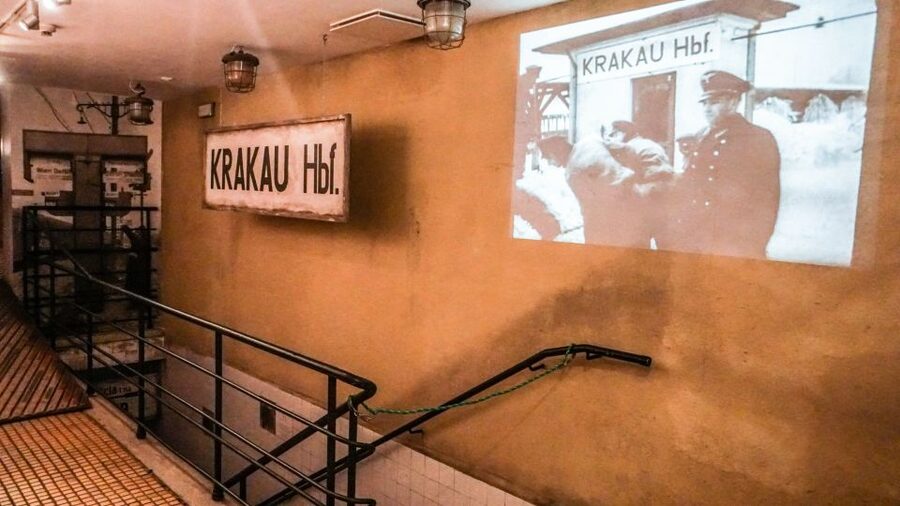
If you do the guided version, the biggest win is context. The museum contains a lot of information—photographs, artifacts, film, and accounts—and the guide helps translate it into a clearer story.
From guide names mentioned in bookings, you’ll see consistent praise for people like Foki, Natalia/Natalya, Wojciech/Wotjek, Marta, and Suzanne. The common thread is how they handle questions and how they explain connections between exhibits. One useful pattern from feedback: guides often emphasize that this is about Nazi occupation of Kraków, not only about Schindler.
There’s also a practical benefit: guides tend to help you stay oriented in a museum that can feel crowded and repetitive in layout. Some guides even provide helpful pre-visit information, and a few setups include quick group contact like WhatsApp so you can confirm meeting points or timing if something changes.
One small downside to keep in mind: a few experiences note the visit can feel a little rushed or that groups can be close together. If you’re the type who reads every label slowly, a guided tour can feel like it’s moving just faster than your natural pace.
Timing, meeting point reality, and why “early” is a strategy
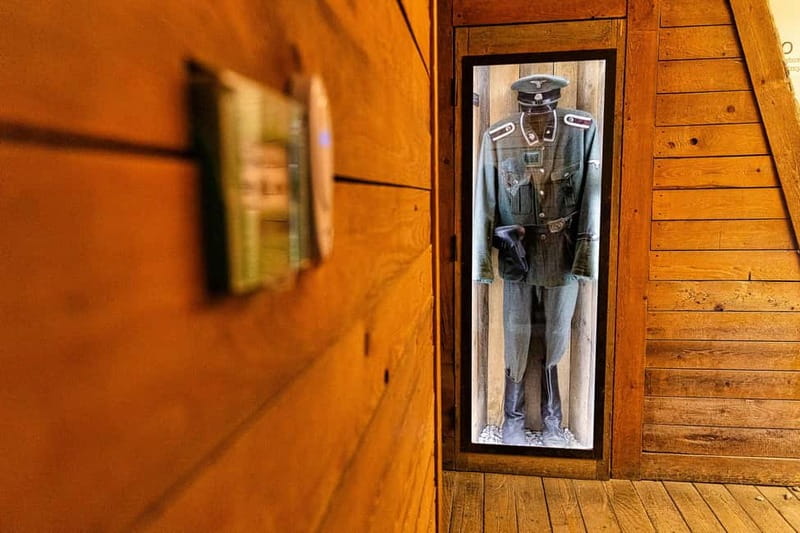
This experience runs about 90 minutes, and you’ll have starting times based on availability. Times are approximate and can shift due to museum scheduling, so you should plan buffer time around the start.
Two rules matter a lot:
- Latecomers usually can’t join once the group leaves.
- Your ticket name has to match your identification document.
That means you should treat your ID like part of your museum outfit. Bring your passport or ID card, and make sure the name and surname on your ticket match what you bring. If there’s a mismatch, entry can be denied.
Also, once groups are inside, it can get loud in spots because multiple groups may be moving through the same areas. If you’re sensitive to noise, you’ll likely prefer choosing an earlier time slot (when possible) or aiming for days that are less crowded.
Price and value: what $25 buys you (and what it doesn’t)
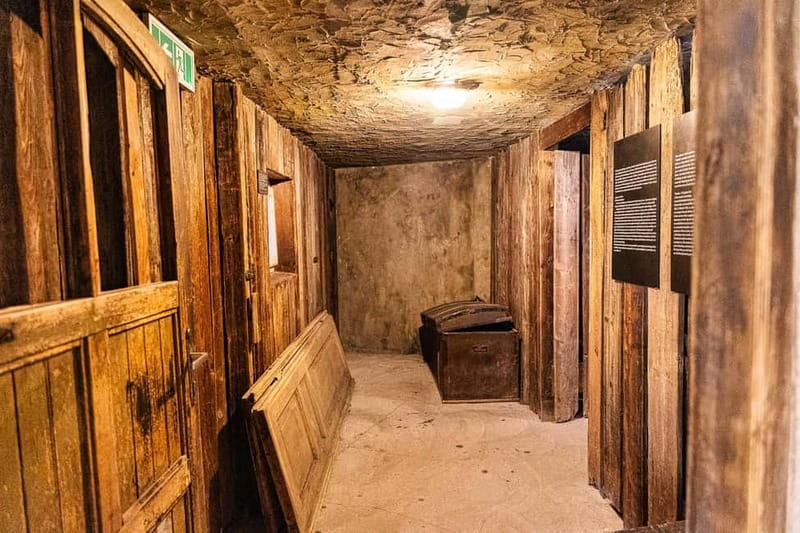
At about $25 per person for a 90-minute visit, this isn’t a bargain deal—but it also isn’t trying to nickel-and-dime you. The strongest value comes from two things you can feel immediately:
- You avoid the line through a skip-the-line ticket.
- You get a structured, meaningful visit rather than wandering through wartime exhibits without context.
If you select the guided option, you’re paying for human explanation. The museum contains lots of material, and a guide helps you decide what matters first. That matters on a short visit, because 90 minutes can disappear faster than you expect in a busy museum.
One pricing reality to consider: a few experiences suggest tickets might sometimes be cheaper if you buy on-site, but availability and entry timing can be unpredictable. For many people, paying a bit more in advance is worth it just to lock in the schedule and reduce stress.
Who this is best for (and who may prefer another approach)
This tour is a great fit if you want:
- A clear timeline of Kraków under Nazi occupation
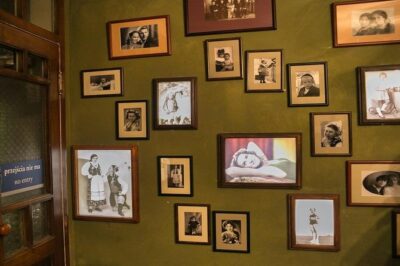
- A museum visit that connects photos and artifacts to a larger story
- Help staying oriented and understanding what you’re looking at
It’s also a strong option for first-time visitors to Kraków who want one stop that sets historical context before other sites. Some people find it works especially well earlier in the trip because it frames the city’s wartime experience in a way that makes later visits easier to interpret.
The main mismatch happens if you want maximum quiet reading time. A handful of reports mention the tour can feel rushed, and the museum layout can limit how long any one room holds your attention. If you love slow museum pacing, you might prefer a self-guided approach at another time—then come back later for a guided explanation if you still feel curious.
Good news: it’s wheelchair accessible, so if mobility is a factor, this is set up to accommodate you.
Should you book this Schindler’s Factory experience?
Yes—if you want a structured 90-minute visit that takes Nazi-occupied Kraków seriously and gives you context, book it. The skip-the-line ticket alone is often worth it, and the guided option is especially helpful when the exhibition feels dense.
Book it with confidence if:
- you care about daily life under occupation, not only Schindler’s name
- you want your visit organized and not guessy
- you’d rather spend your time reading and processing than waiting in line
Think twice if:
- you need a slow, quiet pace to absorb every label
- you’re worried you might fall behind if the group starts promptly
- you’d rather plan a longer self-guided session
If you do book, come with your ID ready, show up early, and be ready to follow the timeline. This is one of those places where a little structure helps you feel the story more clearly.
More Tours in Krakow
More Tour Reviews in Krakow

Krakow in Wartime: More Reviews




Just added: fresh Krakow reviews

Schindler's Factory & WWII Tours, compared.
 ★ 4.5Schindler’s Factory Tour with Entrance TicketFrom $493,182 reviews
 ★ 4.4Schindler’s Factory Skip-the-Line TicketFrom $253,105 reviews
★ 4.6Schindler’s Factory Tour with Entrance TicketFrom $401,737 reviews
★ 4.4Schindler’s Factory Skip-the-Line TicketFrom $253,105 reviews
★ 4.6Schindler’s Factory Tour with Entrance TicketFrom $401,737 reviews
 ★ 4.5Schindler’s Factory in Krakow: Guided Tour & Skip the Line TicketFrom $351,714 reviews
 ★ 4.7Schindler’s Factory & Ghetto Guided TourFrom $571,694 reviews
 ★ 4.3Schindler’s Factory Ticket with Guided Tour OptionFrom $421,485 reviews
 ★ 4.0Krakow Schindler’s Factory Guided Tour with Admission TicketFrom $351,156 reviews
 ★ 4.1Schindler’s Factory Guided Tour with Entry TicketFrom $25976 reviews
Browse the lists this tour appears in