
REVIEW · COMMUNISM & NOWA HUTA TOURS
Krakow: Nowa Huta Guided Tour in Vintage Car
Nowa Huta hits different when you’re riding in a vintage Lada. This is Krakow’s most Soviet-era neighborhood, built around steelworks and propaganda, and it’s explained by people who really know the streets. I particularly loved the Nowa Huta architecture—the Socialist Realist blocks, squares, and planned vistas—and I also loved how the guide made the era feel real with specific details, like where Lenin’s giant statue stood on Aleja Róż. The one possible drawback: these classic cars are part of the charm, but you might want to plan for basic comfort (some vehicles don’t have working seatbelts).
What you’re signing up for is not just sightseeing. You’re getting a guided walk, a lot of in-car narration, and hands-on Cold War history, including underground shelters built for nuclear war. In the longer option, you also get a visit connected to how the steel industry ran and who held the power.
If you’re curious about Polish communism, urban planning, and everyday life under the system, this tour is a smart use of time outside Krakow’s postcard core. I’d only steer you away if you want a relaxed, minimal-effort experience, because the tour is active and the guide uses the time to tell a full story.
In This Review
- Key Things I’d Book This For
- Riding to Nowa Huta in a Classic Polish Car
- Value: What You Get in 150 to 270 Minutes
- Central Square and Aleja Róż: Lenin’s Stolen Spotlight
- Ujastek 1: When Cold War Planning Gets Physical
- A Soviet Tank Moment: WWII History in the Middle of Nowa Huta
- The Armed Act Museum Photo Stop: Quick, Helpful Context
- Our Lady Queen of Poland Church: Why It Matters After Propaganda
- Steelworks Director’s Offices: How Industrial Power Really Worked
- Lunch Option: Pierogi Without the Tourist Trap Feel
- Pickup, Drop-off, and How to Prepare for the Day
- Who This Tour Is Best For
- Should You Book Nowa Huta by Vintage Car?
- FAQ
- What neighborhood in Krakow does this tour focus on?
- How long is the tour?
- What languages is the tour offered in?
- Do I need to know anything about classic cars before booking?
- What vintage cars might I ride in?
- Is hotel pickup included?
- What are the tour’s major themes and stops?
- What’s included in the price?
- Is lunch included?
- Can I cancel and reschedule if plans change?
Key Things I’d Book This For
- Socialist Realist planning you can actually walk through, from Central Square to planned avenues like Aleja Róż
- A vintage car experience that turns transportation into a time machine, often driven by locals like Mateusz
- Lenin-era symbolism and what happened to it, explained with exact locations and context
- Underground Cold War shelters, including spaces prepared for nuclear-war scenarios
- Ujastek 1 and “real life” Cold War settings, not just architecture photos
- Optional steelworks director’s offices, adding another layer to how power worked behind the scenes
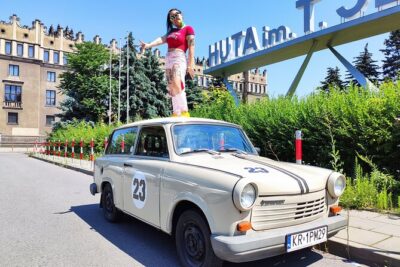
The steelworks era: more of Nowa Huta by Trabant
- Krakow: Nowa Huta Guided Tour in Vintage Car
★ 4.9 · 277 reviews - Legendary Private Nowa Huta Communism Tour with Crazy Guides
★ 5.0 · 262 reviews - Nowa Huta: Steelworks Administration Buildings/Shelters Tour
★ 4.8 · 260 reviews
Riding to Nowa Huta in a Classic Polish Car
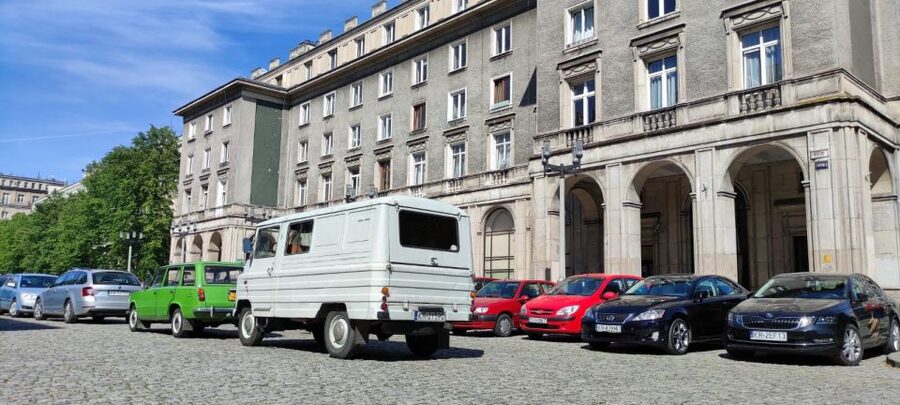
This tour is built around transportation that looks out of place in 2026, which is exactly the point. You’ll pick up from your Krakow accommodation area if the operator can reach it, otherwise they’ll suggest convenient pickup points near areas like Plac Matejki or around Mikołaja Zyblikiewicza street. If you’re staying in Kazimierz, pickup is possible from Dajwór street. If you’d rather skip pickup, you can meet directly in Nowa Huta.
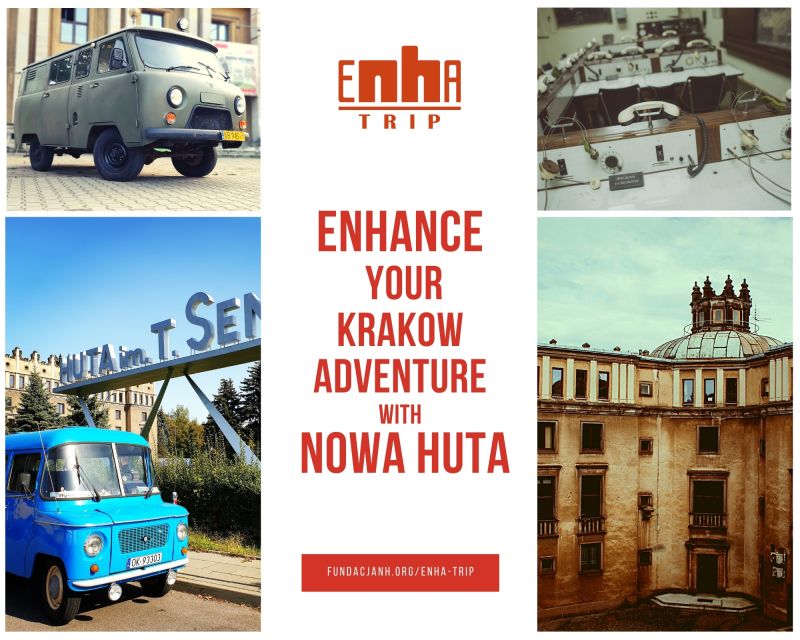
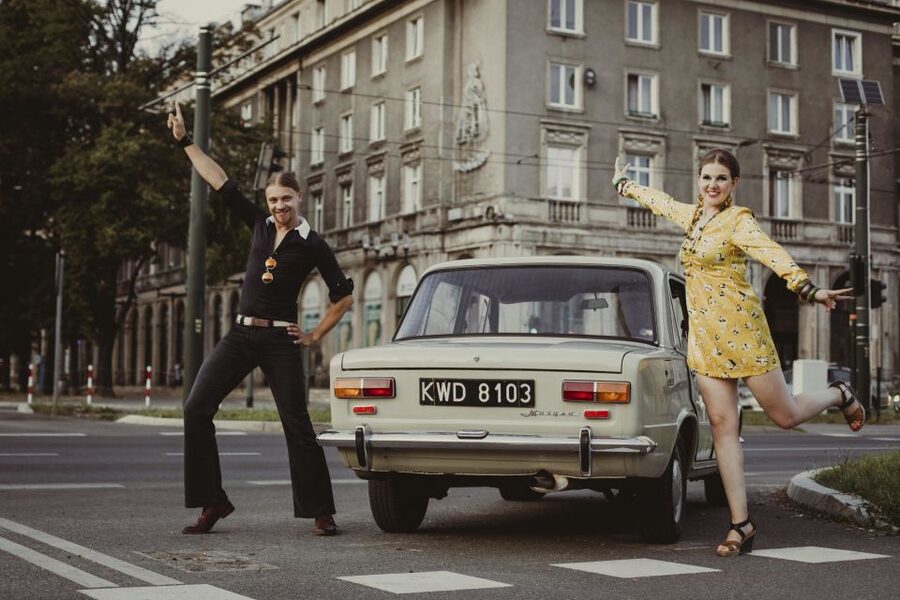
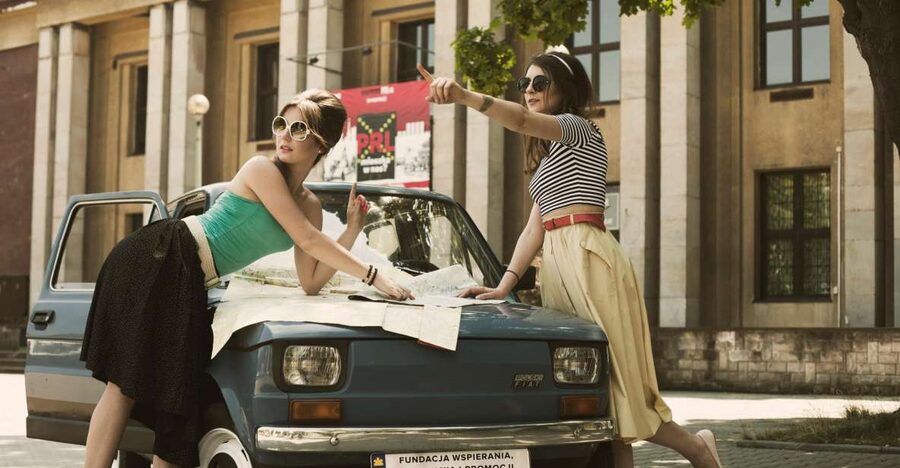
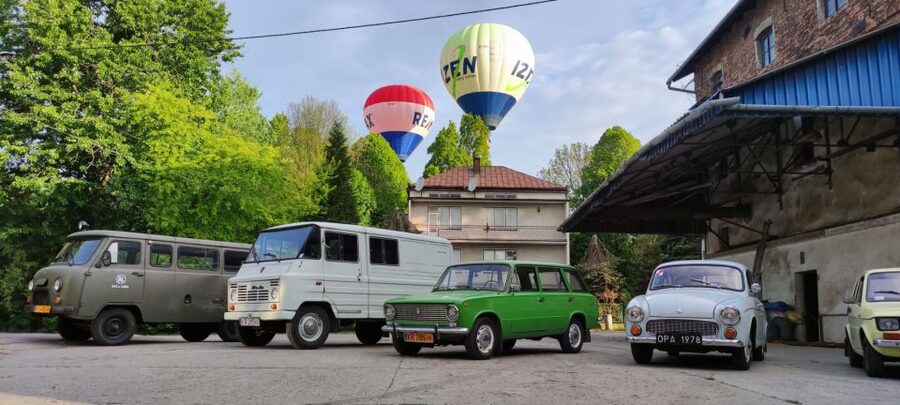
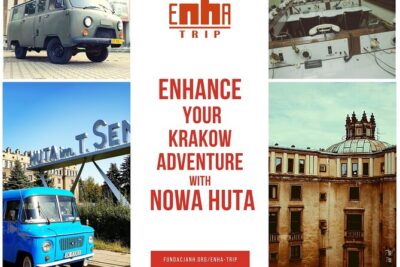
Cars can include classics like the Fiat 126 “Maluch,” Lada 2101, Syrena, Nysa, Żuk, or even a Soviet UAZ 452. Expect the drive to be slow enough for photos and for the guide to keep the story moving, not just drop you at stops.
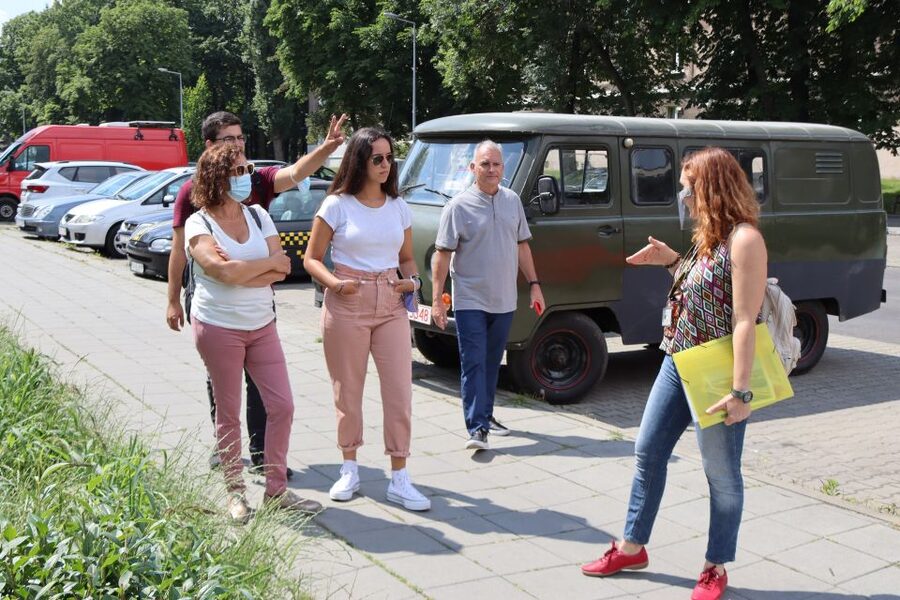
The guide experience is a big part of why this works. In multiple bookings, I saw names like Mateusz mentioned, and the consistent theme is that the guide is friendly, energetic, and quick to answer questions. That matters, because Nowa Huta isn’t just a place to look at—it’s a place that needs decoding.
Value: What You Get in 150 to 270 Minutes
The price is listed at about $75 per person, with duration ranging from 150 to 270 minutes depending on the option and availability. On paper, that can look like a short city tour or a long one, but in practice it’s a “good story per minute” format: you spend time driving between key points, then you spend time walking where the architecture and meaning become visible.
The best value comes if you choose the longer option, because you can add one of the two major behind-the-scenes layers:
- the Cold War HQ bomb shelter (underground nuclear-war preparation)
- the steelworks director’s offices connected to how the steel system was run
If you’re only doing the shorter route, you’ll still get the core Nowa Huta experience—Central Square, Roses Avenue, Socialist Realist stops, and the underground elements that make the tour memorable. But the longer option is where it feels like you’re stepping into the machinery of the era.
One practical note from the experience vibe: the ride is fun, but comfort is not the modern standard. Classic cars can mean limited legroom and older design decisions. Also, in at least one account, there was a mention that seatbelts weren’t working, so if that’s important to you, ask ahead when you confirm which car you’ll ride in.
Central Square and Aleja Róż: Lenin’s Stolen Spotlight
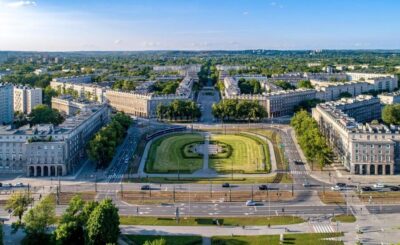
Central Square, Plac Centralny, is the showpiece you need early. It’s the kind of place where the scale of planning hits you fast, and it sets the tone: this city wasn’t meant to grow organically. It was designed to look grand, disciplined, and convincing.
From there you’ll walk and see the corridor-like feel of Roses Avenue (Aleja Róż). The guide explains where the huge Lenin statue once stood, and that’s one of the most emotionally loaded parts of the tour. You get the story of how Soviet power tried to become permanent through public monuments—then what happened when local resistance and politics took a different turn.
What I like about this section is that it’s not just sightseeing for architecture nerds. It also shows the logic of propaganda. When you can stand on the avenue where the monument commanded the view, it becomes obvious why planners cared so much about sightlines and wide public spaces.
There’s also a photo-stop rhythm that helps. You’re not rushed through points like in some “grab-and-go” tours. Instead, you’re given time to look, ask questions, and take pictures that include the surrounding buildings, not just the landmark by itself.
A few more Krakow trips worth putting on the shortlist
- Krakow: Auschwitz-Birkenau Guided Tour with Pickup & Lunch★ 4.5 · 9,800 reviews
- Krakow: Auschwitz-Birkenau Guided Tour Pickup/Lunch Options★ 4.5 · 9,057 reviews
- Krakow: Auschwitz-Birkenau and Salt Mine Guided Tour★ 4.7 · 9,020 reviews
- Krakow to Auschwitz Birkenau Guided Tour with Transfer and Ticket★ 5.0 · 8,197 reviews
Ujastek 1: When Cold War Planning Gets Physical
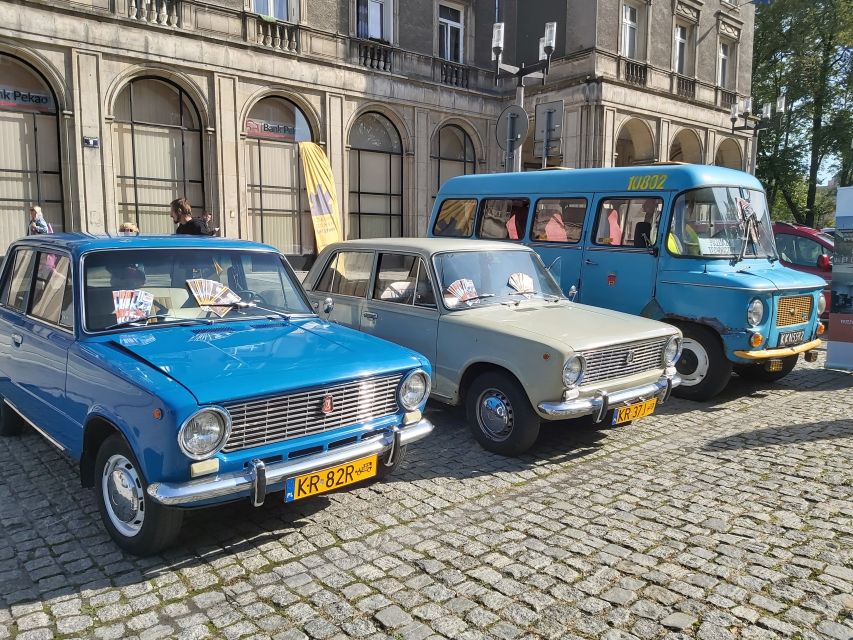
Ujastek 1 is where the tour shifts from Soviet-era city design to survival-era reality. You’ll spend a guided visit here for about 1.5 hours, and this is one of the stops that tends to leave people quiet afterward, because it’s not abstract anymore. It’s the mindset of preparation made concrete.
This is also where the underground theme comes through in a serious way. The tour includes going down into shelters built in preparation for nuclear war. That detail matters, because it reframes what “Cold War” meant for ordinary people. It wasn’t only about politics on paper; it was about infrastructure and fear—planned into the city.
You’ll get a guided explanation of how these spaces were built and what they were meant to do. In several accounts, people highlighted the bunker as a standout moment. I agree with that instinct: the experience is atmospheric in a practical way, and it makes the history feel less like a lecture and more like a place you can stand inside.
If you’re sensitive to enclosed spaces, go in with that in mind. Underground areas can feel cooler, darker, and more tight than you expect. Still, the guided context helps you understand what you’re seeing rather than just feeling unsettled.
A Soviet Tank Moment: WWII History in the Middle of Nowa Huta
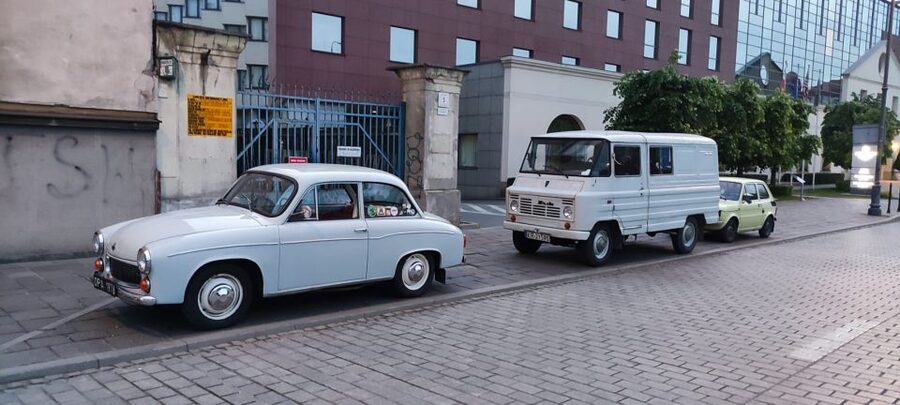
One of the highlights listed for this tour is getting up close to a Soviet tank from World War II. That stop works as a bridge in your understanding. It connects the broader Soviet presence across decades, showing that the era isn’t one chapter—it’s layered.
In a neighborhood built around industrial power and ideology, this kind of object makes sense. It reminds you that military history and political history were often intertwined in the region, and that Soviet influence wasn’t only symbolic.
It’s also a moment that breaks up the walking and helps you reset. Seeing a tank after a city-planning explanation gives your brain something concrete to picture when the guide continues with stories.
The Armed Act Museum Photo Stop: Quick, Helpful Context
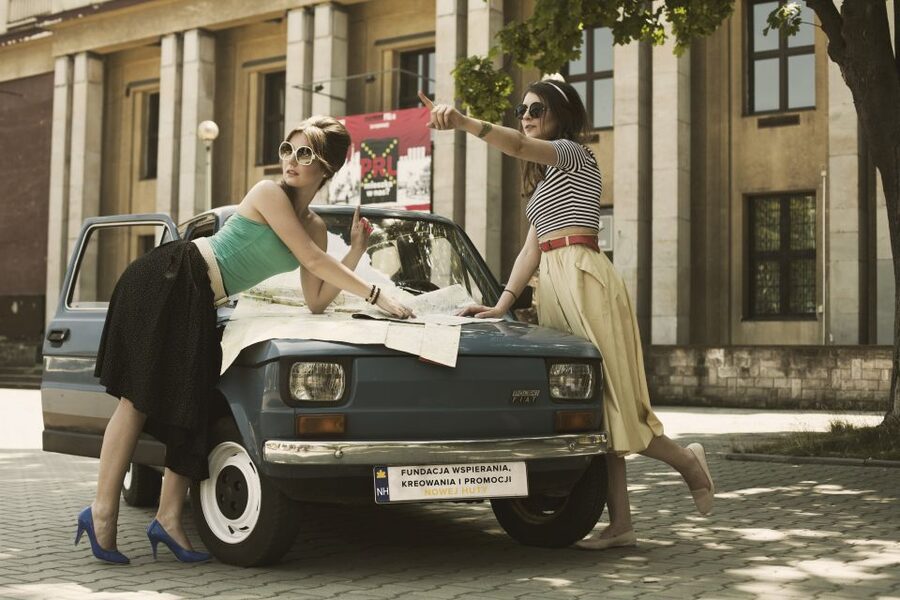
There’s a photo stop around the Museum of the Armed Act. Even if you don’t get a long visit time here, it’s still useful because it ties the broader themes—conflict, power, and political change—to physical reminders in the neighborhood.
Photo stops can feel like filler on some tours, but on this one the timing works. The guide uses those moments to keep your attention on the bigger story rather than losing momentum.
Our Lady Queen of Poland Church: Why It Matters After Propaganda
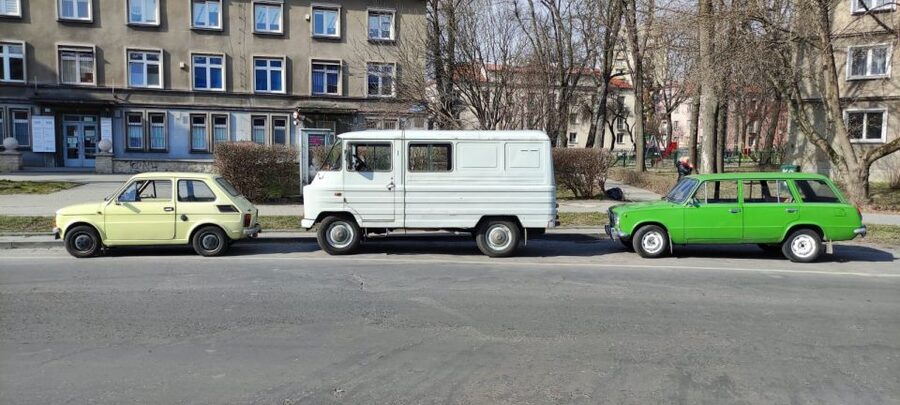
You’ll stop at the Our Lady Queen of Poland Church—including both a photo stop and a guided visit for about 20 minutes. This is a meaningful counterpoint to the Socialist Realist environment. It gives you a different kind of “public space” and a different source of identity than communist symbolism.
I like having this kind of stop after you’ve learned about monumental propaganda. It helps you see that people didn’t replace one system with nothing. They moved toward different anchors—religion, community, and local meaning—especially as Poland’s political reality changed.
Even if you’re not a church expert, the guided explanation helps you interpret what you’re seeing instead of just looking at architecture.
Steelworks Director’s Offices: How Industrial Power Really Worked
If you choose the extended option, you may include the steelworks director’s offices visit and ticket. This is a different flavor of history than the underground shelter. Instead of survival, it’s administration.
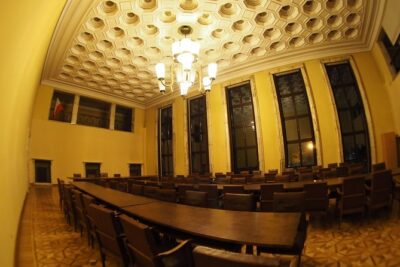
You’ll see rooms and spaces connected to the management side of the steelworks initiative—Nowa Huta exists for that steel project. The guide makes the connection clear: the neighborhood’s layout, buildings, and daily routines were shaped by the industrial machine at the center.
In multiple accounts, people called this section fascinating, and the reaction makes sense. Office spaces can be dry on a normal tour, but here they’re part of a story about who held decision power and how the system worked day to day.
If you care about how ideology becomes practice, this is one of the best moments to choose. The underground bunker tells you what they feared. The director’s office tells you what they organized.
Lunch Option: Pierogi Without the Tourist Trap Feel
Food isn’t included by default, but there is an option to book lunch. When it’s offered, the tour includes lunch in a restaurant popular with locals, with mention of mixed pierogi.
This is one of those small choices that can turn the day from “fine tour” into “easy day.” You get a local meal without needing to research, and you’re also in the right mood for the history talk.
If you’re the type who likes a break between the most intense stops, lunch helps you reset without losing the thread of the story.
Pickup, Drop-off, and How to Prepare for the Day
Pickup is included if you choose the private option, and the pickup is tied to what areas the car can reach. If you stay near the historic center, you may get a nearby pickup point rather than a curbside grab exactly in front of your hotel. Communicate your address and ask for the closest convenient meeting spot.
Drop-off happens at multiple locations, including areas listed as Kiss&Ride Zyblikiewicza and Pawia 3, plus Kraków. Plan your day so you’re not rushing immediately after the tour ends.
What to wear depends on season, but the walking and the time spent in and around underground spaces means you’ll want comfortable shoes. Also, because you’re riding in a classic vehicle, dress for the ride itself, not just the stops.
Who This Tour Is Best For
I’d recommend this tour if you want something different from the usual Krakow formula. It’s perfect for anyone who likes political history, Soviet-era architecture, and the way cities reflect ideology.
You’ll also enjoy it if you like guided storytelling. The strongest part of the experience is the guide’s ability to connect details—statues, streets, planned squares, steelworks, and shelters—into one coherent picture. People often come in knowing “Nowa Huta exists,” and leave understanding why it was built the way it was.
If you don’t care much about architecture, communism, or Cold War survival spaces, the intensity might feel like too much. This isn’t a casual drive with a few photos. It’s a structured, historical day.
Should You Book Nowa Huta by Vintage Car?
Yes, I’d book it—especially the longer 3.5-hour-style option if you can. You get the core Nowa Huta story either way, but the add-on choices (director’s offices and/or the Cold War bomb shelter) are where the tour becomes truly memorable.
Before you confirm, think about two things:
- Comfort expectations. Classic cars are part of the charm, but ask about seatbelts if that matters to you.
- Your interest level. If you want more than surface-level Krakow and you’re curious about communism’s physical impact on a city, this tour is an excellent fit.
If you’re ready for a day that mixes architecture, heavy symbolism, steel-industry history, and underground Cold War planning, this is one of the most distinctive tours you can do from Krakow.
FAQ
What neighborhood in Krakow does this tour focus on?
It focuses on Nowa Huta, one of the more recent and Communist-era neighborhoods of Krakow, known for Socialist Realist architecture and its connection to the steelworks initiative.
How long is the tour?
The duration is listed as 150 to 270 minutes, depending on the option and selected inclusions.
What languages is the tour offered in?
The live guide is available in English, Polish, and Russian.
Do I need to know anything about classic cars before booking?
No. You don’t need car knowledge. The operator notes it’s easy to find the vintage vehicles in Krakow because they’re unusual.
What vintage cars might I ride in?
Cars may include models such as Fiat 126 (Maluch), Lada 2101, Syrena, Nysa, Żuk, or UAZ 452, among others.
Is hotel pickup included?
Pickup is included depending on the option you select. There’s a pickup option where the operator can meet you from your accommodation area in Krakow, and if they can’t reach your exact location, they offer nearby pickup points. You can also meet directly in Nowa Huta.
What are the tour’s major themes and stops?
Expect Socialist Realist architecture in Nowa Huta, explanation of the neighborhood’s planned “utopian city” concept, a visit related to the steelworks, photo stops including the Armed Act museum area and a church visit, and underground shelters prepared for nuclear war scenarios. A Soviet WWII tank stop is also part of the highlights.
What’s included in the price?
Included items can include hotel pickup/drop-off (if private option chosen), an English NGO-experienced local guide, classic car transportation, and selected optional visits like steelworks director’s offices and/or a Cold War HQ bomb shelter with tickets.
Is lunch included?
Food and drinks aren’t included unless you select a lunch option.
Can I cancel and reschedule if plans change?
Yes. The activity offers free cancellation up to 24 hours in advance for a full refund, and it also offers a reserve now & pay later option.
More Tours in Krakow
More Tour Reviews in Krakow
The Nowa Huta Years, Continued





Just added: fresh Krakow reviews
Communism & Nowa Huta Tours, compared.
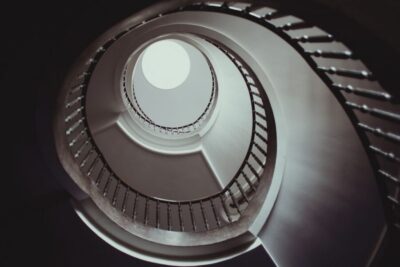
 ★ 5.0Legendary Private Nowa Huta Communism Tour with Crazy GuidesFrom $131262 reviews
 ★ 4.8Nowa Huta: Steelworks Administration Buildings/Shelters TourFrom $26260 reviews
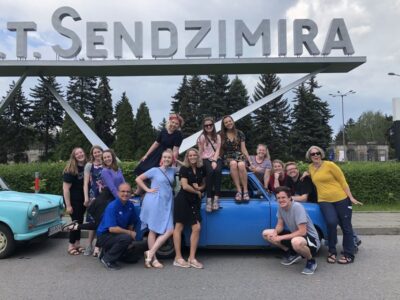 ★ 4.9Private Nowa Huta Adventure Tour in Communist CarsFrom $108114 reviews
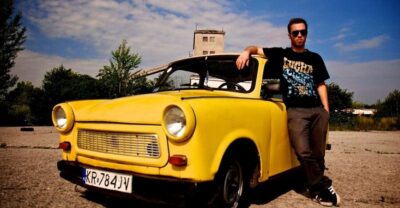 ★ 4.93.5-Hour Communism Deluxe Tour by TrabantFrom $21584 reviews
 ★ 5.0Trip Around Nowa Huta – KrakowFrom $10250 reviews
 ★ 4.9Communist Krakow – Nowa Huta Walking Tour in EnglishFrom $2634 reviews
 ★ 5.0Nowa Huta Steel Mill Administration Buildings and Shelters with local NGOFrom $2733 reviews
 ★ 5.01.5h Crazy Guides’ Communism Tour of Nowa Huta in Classic CarFrom $11122 reviews
Browse the lists this tour appears in