
REVIEW · COMMUNISM & NOWA HUTA TOURS
Nowa Huta: Steelworks Administration Buildings/Shelters Tour
A single district in Krakow feels like a time capsule. Nowa Huta’s steelworks administration buildings let you walk through Cold War-era spaces that are still largely in place, including an underground world built for crisis. I love how the tour shows how the operation was run day to day, not just how it looked on postcards. I also like that the guide turns the architecture into a story you can picture.
The biggest drawback: this is not for everyone. There’s underground walking and the tour is listed as not suitable for wheelchair users or people with mobility impairments, so plan around that.
In This Review
- Key highlights you’ll care about
- Why Nowa Huta feels different from old Krakow
- The administration buildings: where control lived
- What makes the twin-building part smart
- The underground tunnel and how the bomb shelter is staged
- The most practical takeaway
- Radio control rooms, radio station workings, and recorded tapes
- Workers’ theater hall and the oval corner staircases
- Why this matters for your understanding
- The vintage car option: photo-friendly, not just a gimmick
- The guide experience: the real engine of the tour
- A small-group feel
- How long it takes, and how to plan your day
- Value check: what you get for about $26
- Who should book this tour
- Should you book Nowa Huta steelworks administration and shelters?
- FAQ
- How long is the Nowa Huta steelworks buildings and shelters tour?
- What’s included in the tour price?
- Do I get to enter the operating part of the steelworks?
- Is the tour suitable for wheelchair users or people with mobility impairments?
- What language is the guide?
- Should I book ahead?
Key highlights you’ll care about
- Two near-twin administration buildings with clear differences pointed out as you move floor to floor
- Underground tunnel connection between buildings, leading into bomb shelters/command rooms from the late 1950s era
- Preserved interiors: an impressive entrance hall, director spaces, engineers’ corner offices, and radio rooms
- Original communication tech and tapes recorded inside the facility
- Workers’ theater hall still used today, plus oval corner staircases in both buildings
- Vintage car option for classic-photo moments on the way
The steelworks era: more of Nowa Huta by Trabant
- Krakow: Nowa Huta Guided Tour in Vintage Car
★ 4.9 · 277 reviews - Legendary Private Nowa Huta Communism Tour with Crazy Guides
★ 5.0 · 262 reviews - Nowa Huta: Steelworks Administration Buildings/Shelters Tour
★ 4.8 · 260 reviews
Why Nowa Huta feels different from old Krakow
Krakow’s Old Town pulls you toward medieval lanes and church towers. Nowa Huta pulls you somewhere else. It’s the industrial side of Poland’s postwar story, shaped by socialist planning and steel production on a massive scale. What makes this tour worth your time is that you’re not looking at a sterile museum set-up from the outside. You’re moving through the actual rooms where people managed a factory and where the district’s leadership prepared for worst-case scenarios.
The focus is the steelworks administration buildings and their protected underground spaces. That matters because these parts weren’t built only for aesthetics. They were built to control people, information, and operations—then to protect that control. Even if you’re not a hardcore Cold War person, the design choices make sense once you see them in context.
And yes, the buildings still feel “left behind.” Multiple guides and groups describe the place as preserved in excellent condition, which is exactly what you hope for with a tour like this.
The administration buildings: where control lived
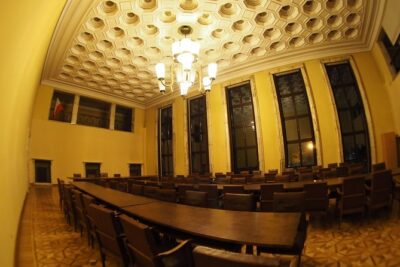
Your visit starts in the administration side of the complex, and it has a very specific vibe: official, formal, and meant to impress. One of the most striking moments is the majestic entrance hall with a staircase that’s often compared to a Renaissance-style feel. It’s a big contrast to what you might picture when you hear steelworks. This isn’t only a factory. It’s a power center.
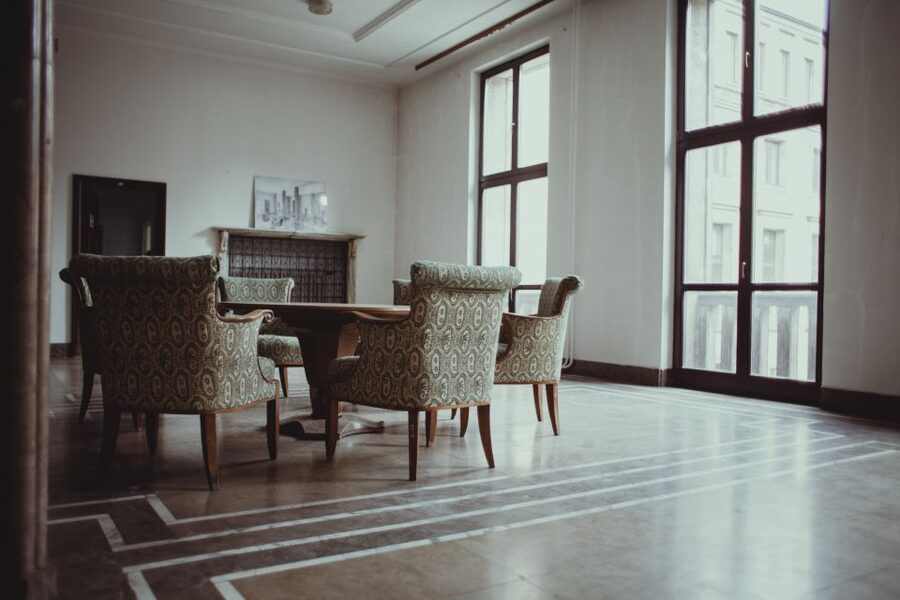
From there, the tour moves through spaces designed for leadership. You’ll see rooms tied to the directors and the plant’s engineering staff, including the directors’ executive offices and corner offices for engineers. Pay attention to how these rooms are arranged and what they suggest: communication up the chain, technical decision-making, and a strong sense of hierarchy.
Another detail that tends to land with visitors is the use of solid ornamental stones in certain interior areas. That’s not random décor. It reflects how the plant’s directors wanted their leadership spaces to look substantial and permanent, even in an industrial environment. It’s also the kind of thing that’s hard to appreciate from a street-level viewpoint. Inside, it clicks into place.
What makes the twin-building part smart
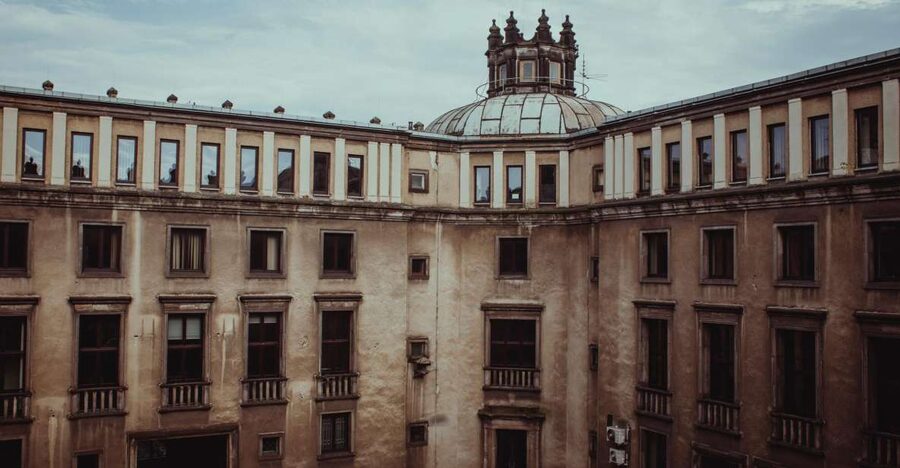
A major feature of this tour is that you don’t just walk one building. You go into two almost twin buildings and learn what makes them different. That pacing is more than variety. It helps you avoid the common problem with history tours: you end up learning one building and guessing the rest.
Here, you get a built-in comparison tool. You’ll look at rooms, staircases, and layout choices side by side, and the guide can point out the distinctions as you go. The result is a more confident understanding of how the complex was designed and used.
- Krakow: Wieliczka Salt Mine Tour with Entry Ticket★ 4.6 · 10,927 reviews
- Krakow–Zakopane: Cable Car, Chocholow Baths, Cheese & Vodka★ 5.0 · 10,720 reviews
- Krakow: Auschwitz-Birkenau Guided Tour with Pickup & Lunch★ 4.5 · 9,800 reviews
- From Krakow: Wieliczka Salt Mine Tour★ 4.6 · 9,393 reviews
The underground tunnel and how the bomb shelter is staged
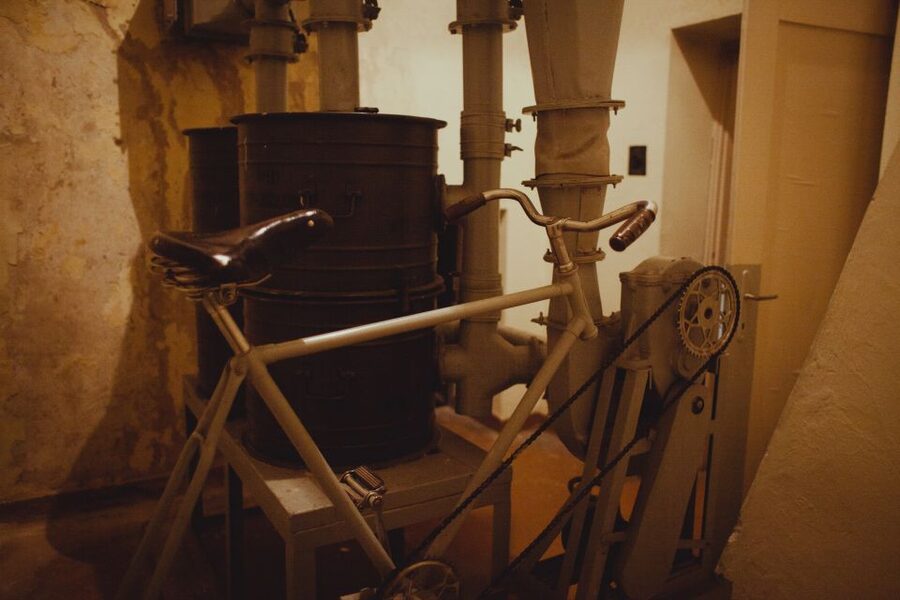
One of the clearest reasons to book this experience is the underground portion. After seeing administration spaces above, you’ll go through a tunnel that connects the two buildings, then head down into the shelter spaces—often described as feeling like the late 1950s in both structure and atmosphere.
This is where you stop thinking like a visitor and start thinking like a planner. Bomb shelters weren’t just about hiding people. They were about keeping communication and command functioning when everything else might fail. That theme keeps showing up in the rooms you visit below.
You’ll see how bomb shelter areas looked in the period when the design and communication systems were built to function under pressure. In plain terms: you get to witness a physical version of Cold War logic. Thick protection. Limited access. Spaces engineered for control.
The most practical takeaway
Wear shoes you can walk in without fuss. Underground spaces can mean cooler air and concrete floors. The tour is also not listed as suitable for wheelchair users or those with mobility impairments, so if stairs and uneven ground are an issue for you, take that seriously before you commit.
Radio control rooms, radio station workings, and recorded tapes
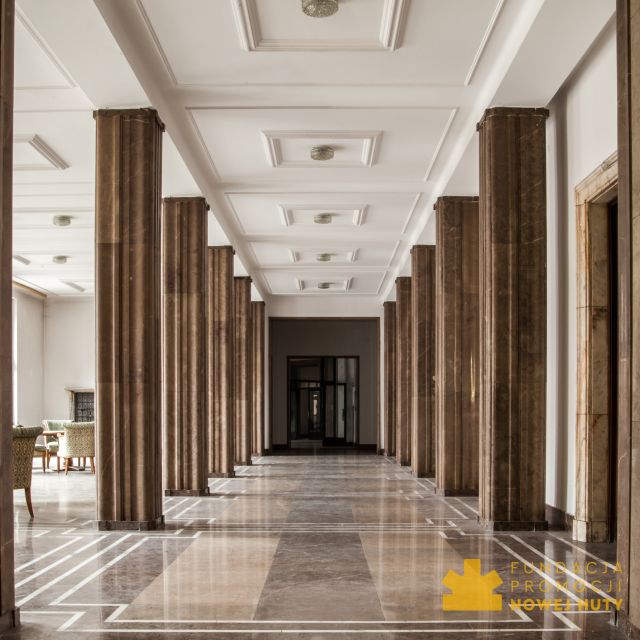
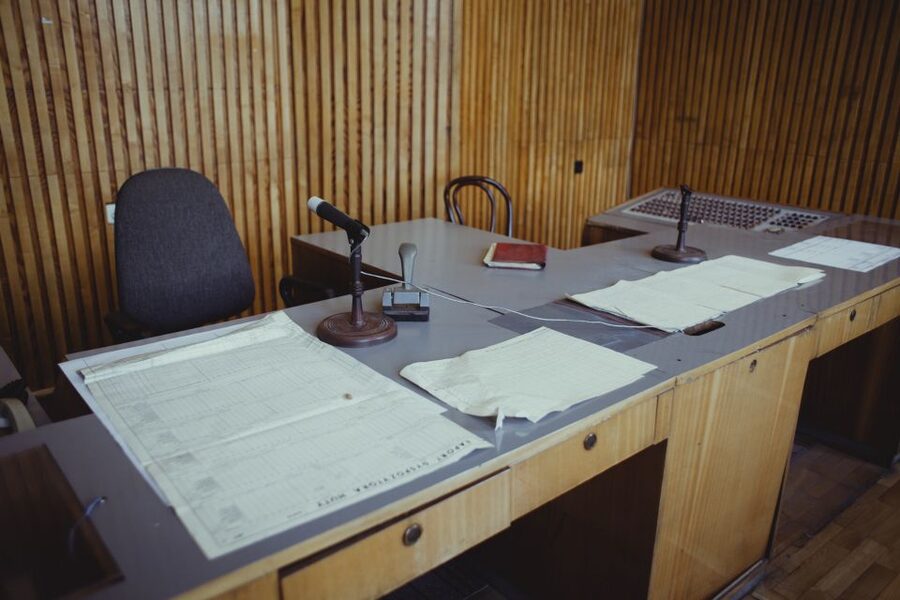
The tour doesn’t treat technology like trivia. It treats it like the nervous system of the operation. You’ll check out a radio control room and a radio station, plus how the system works in practice. Some tours include listening to authentic recordings—mentioned as tapes recorded here—which is the rare moment where history becomes sensory rather than purely visual.
This part is especially good if you’re curious how Soviet-style industrial administration relied on organized messaging. When you stand in a radio room and see how the physical layout supports communication tasks, the whole story becomes more coherent: information moving fast mattered as much as steel output.
If you like details, keep your attention here. The equipment and rooms aren’t presented as random curiosities. They’re tied to the facility’s job: directing operations and maintaining control.
Workers’ theater hall and the oval corner staircases
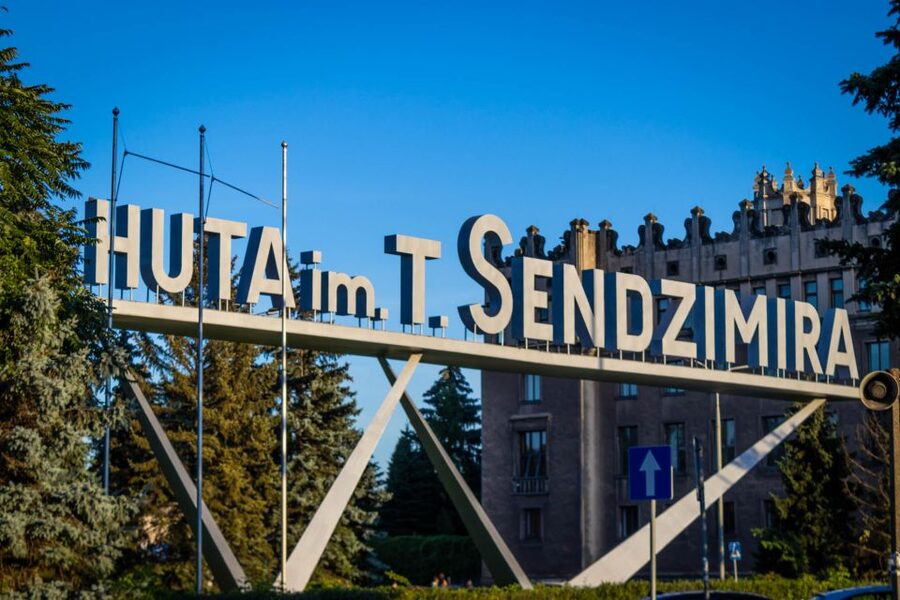
Administration buildings can feel stiff. The tour counters that with spaces built for workers’ community life. One standout stop is the theater hall in the workers building, which is also used today. That single fact is important. It means you’re seeing a space that still has a functional role, not just a preserved artifact.
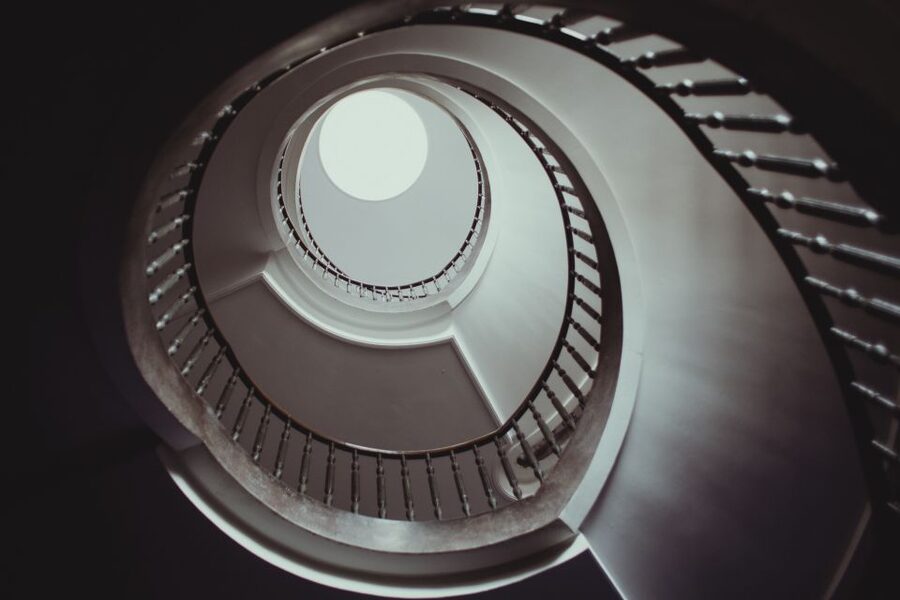
Then there are the staircases. You’ll visit one of the eight oval corner staircases located in both buildings. Even if you don’t care much about architecture, this is the kind of feature that makes the whole complex feel designed rather than industrially improvised. Oval staircases aren’t typical factory afterthoughts. They tell you someone cared about movement, flow, and aesthetics.
Why this matters for your understanding
When you connect admin offices, radio operations, and workers’ spaces, you start to grasp the full district concept: leadership, information systems, and public life all under the same overall planning mindset. That’s what makes the tour more than a set of rooms. It becomes a model you can hold in your head.
The vintage car option: photo-friendly, not just a gimmick
There’s an optional feature that adds a fun, classic twist: a tour in a vintage car for photos (when you choose that option). Even if you’re not into cars, it helps set the mood. Nowa Huta is already time-specific—this makes the experience feel like you’re stepping into the story rather than just reading it.
Just don’t pick this option expecting vehicle time to replace the walking. The car part is about the “arrive and pose” moment. The real value is what you see inside afterward.
The guide experience: the real engine of the tour
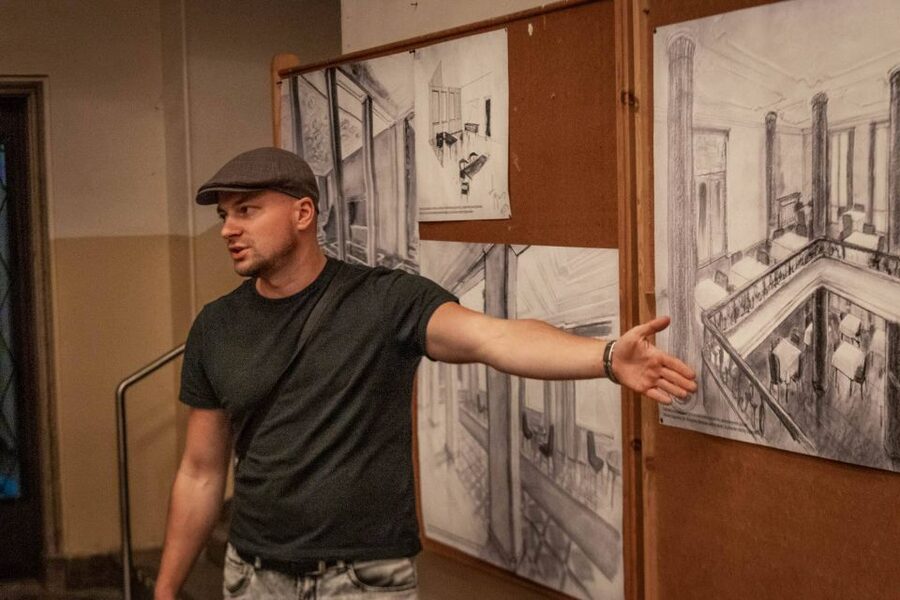
The most consistently praised ingredient is the guide. Many groups highlight English-speaking guides who bring energy, clear explanations, and a serious familiarity with the site. Names like Mateusz come up repeatedly, including mentions of him being a local from Nova Huta and bringing personal context into the storytelling.
What you should look for in a guide here is not only facts. It’s the ability to point out details and connect them. People keep appreciating that the tour doesn’t feel like a script. It feels like a place someone cares about, explained by someone who knows where everything sits and why it was built that way.
You’ll also notice the humor component mentioned in multiple experiences. That matters more than you’d think. Cold War topics can get heavy fast. When the tone stays human, you actually absorb more.
A small-group feel
Several experiences describe the tour as feeling private, even with small groups. That’s a big deal for this kind of site. When you can ask questions and move at a comfortable pace, you’ll notice more: the layout, the rooms, the shelter design, and the little technical details.
How long it takes, and how to plan your day
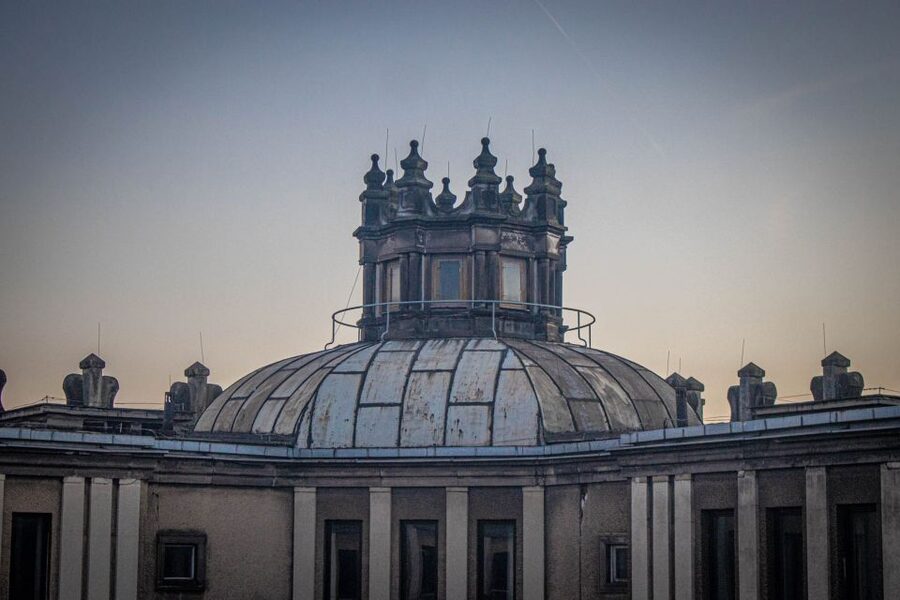
The duration is typically 90 minutes to 2 hours. That time window is long enough to see the major blocks—two buildings, tunnel/shelter, and the radio/communication rooms—without dragging. It also means you can fit it into a broader Krakow day.
If you’re combining it with other sights, I’d treat it like a main event, not an add-on. Nowa Huta is a different world from the Old Town. Plan for that mental shift. A helpful approach is to schedule it after you’ve seen some of Krakow’s historic core, so you get two contrasting sides of the city in one trip.
Value check: what you get for about $26
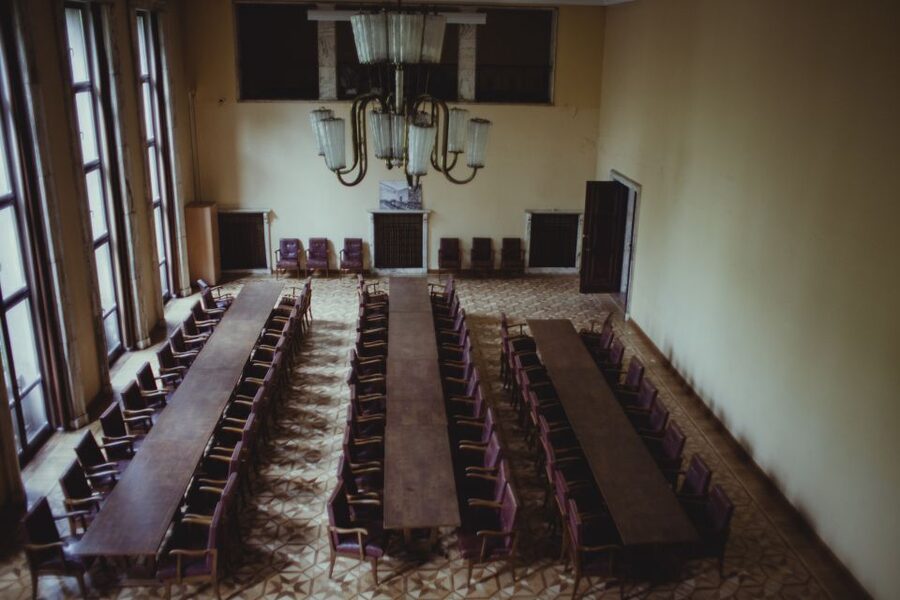
At around $26 per person, this tour can feel like a bargain when you compare it to how rare these interiors are. Most history tours show exteriors, or they show recreations. Here, you’re getting access to spaces that are still in situ, including underground areas and technical rooms tied to communications.
Also, the price covers a guided structure: English-speaking guidance, access to the buildings and shelter portion, and an add-on “communist era car” presentation for photos if selected. The fact that the buildings are preserved and the experience is guided helps make that price feel fair rather than “pay and rush.”
One thing to keep in mind: you’re not visiting the operating part of the steelworks. So don’t treat this as a live industrial tour. It’s about administration, shelters, and the management side.
Who should book this tour
This is a strong pick if you:
- Want a side of Krakow most people skip
- Care about postwar socialism and how power and communication worked
- Like architecture you can map to how people lived and worked
- Appreciate tours led by locals who tell stories with context, not only dates
It’s also a great option if you’ve already done the big Krakow classics and want something truly different without leaving the region.
And it’s not a good match if you need wheelchair access or have mobility limitations. The tour is specifically listed as not suitable for wheelchair users.
Should you book Nowa Huta steelworks administration and shelters?
If you’re choosing between this and another Krakow tour, I’d lean yes for most people who like real places with real rooms. The best reason is simple: you’re not just looking at history, you’re walking through it—upstairs in the administration spaces and downstairs into the shelter logic. The repeated praise for the guide’s passion and clear explanations is the bonus that turns a “cool building” into a “now I understand what I’m seeing” experience.
Book it if you want a perspective on Poland’s 20th-century story that most sightseeing doesn’t cover. Skip it if you’re uncomfortable with stairs or underground walking, or if you want only mainstream sights.
FAQ
How long is the Nowa Huta steelworks buildings and shelters tour?
It lasts about 90 minutes to 2 hours, depending on the starting time and option booked.
What’s included in the tour price?
You get an English-speaking guided tour of the steelworks administration buildings and the shelter areas. If you select it, there’s also a vintage car experience for photos.
Do I get to enter the operating part of the steelworks?
No. Entry to the operating part of the steelworks is not included.
Is the tour suitable for wheelchair users or people with mobility impairments?
No. It’s listed as not suitable for people with mobility impairments and for wheelchair users.
What language is the guide?
The tour includes a live English-speaking guide.
Should I book ahead?
Yes. It’s recommended to book at least 1 day in advance.
More Tours in Krakow
More Tour Reviews in Krakow
The Nowa Huta Years, Continued





Just added: fresh Krakow reviews
Communism & Nowa Huta Tours, compared.
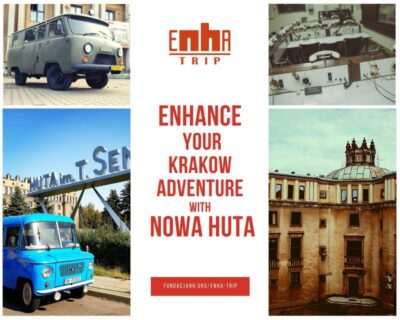 ★ 4.9Nowa Huta Guided Tour in Vintage CarFrom $75277 reviews
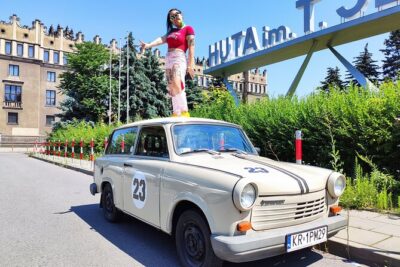 ★ 5.0Legendary Private Nowa Huta Communism Tour with Crazy GuidesFrom $131262 reviews
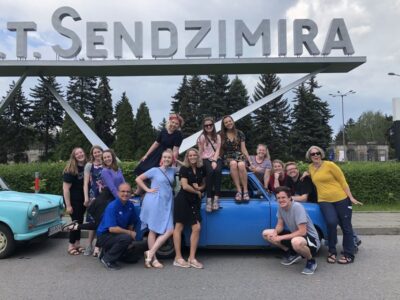 ★ 4.9Private Nowa Huta Adventure Tour in Communist CarsFrom $108114 reviews
 ★ 4.93.5-Hour Communism Deluxe Tour by TrabantFrom $21584 reviews
 ★ 5.0Trip Around Nowa Huta – KrakowFrom $10250 reviews
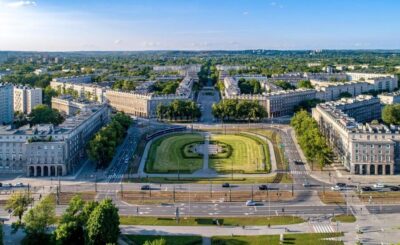 ★ 4.9Communist Krakow – Nowa Huta Walking Tour in EnglishFrom $2634 reviews
 ★ 5.0Nowa Huta Steel Mill Administration Buildings and Shelters with local NGOFrom $2733 reviews
 ★ 5.01.5h Crazy Guides’ Communism Tour of Nowa Huta in Classic CarFrom $11122 reviews
Browse the lists this tour appears in