
REVIEW · KRAKOW FOOD & PIEROGI TOURS
Pierogi Cooking Class with Market Shopping and Local Snacks
Turn pierogi from mystery to skill.
This pierogi cooking class in Kraków mixes hands-on cooking with a real-feel local market walk, then ends with you eating what you made alongside seasonal snacks and regional drinks. I like that the group stays small (max 6), so the pacing is friendly and you actually form the dumplings yourself, not just watch. One thing to keep in mind: it takes place in a private apartment kitchen, so you should expect a snug setup and some flour on your clothes.
You’ll start with a guided stroll through the oldest marketplace in town, where you pick ingredients and taste local treats along the way. I especially like how the lesson is built around the classic filling—fresh cottage cheese, potatoes, and caramelized onions—so you leave with a recipe you can re-create instead of a vague idea. The slightly trade-off is that the pace is part shopping, part cooking, so you’ll want to block a full afternoon with appetite.
Finally, plan your timing around the meal. This experience includes starters and plenty of food during the cooking process, so it’s not the kind of activity where you can casually grab a snack and then go find dinner right after.
In This Review
- Key Things You’ll Really Notice
- Market Walk and Ingredient Hunting in Kraków
- From Market to a Local Apartment Kitchen
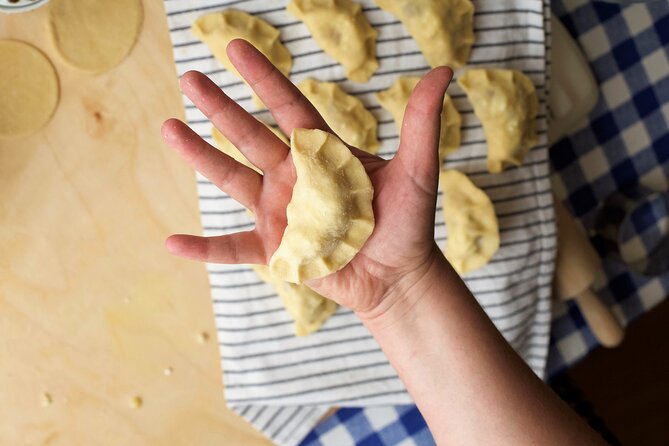
- Hands-On Pierogi Making: Dough, Filling, and Pleating
- Dough making and kneading technique
- The traditional filling
- Shaping and pleating
- Cooking and serving
- What You Eat: Seasonal Starters and Regional Alcohol
- Learning Beyond the Kitchen: Kraków Tips With Real Context
- Price and Time: Is $83.48 Good Value?
- Who Should Book This Pierogi Class
- Sunday Note: What Changes When the Market Is Skipped
- Should You Book This Pierogi Class in Kraków?
- FAQ
- What is the duration of the pierogi class?
- How many people are in the group?
- Where does the tour start and end?
- What language is the class offered in?
- Do you visit the food market?
- What kind of pierogi filling do you make?
- What food and drinks are included?
- Is the pierogi filling vegetarian?
- Is there a mobile ticket?
- What about accessibility and pets?
- Can I cancel for a refund?
Key Things You’ll Really Notice
- Market shopping first: choose ingredients with your host in the oldest market in Kraków, plus taste along the way
- Small group size: up to 6 people means more time at the dough and filling station
- Classic pierogi filling: cottage cheese, potatoes, and caramelized onions keep it traditional
- Apartment kitchen, local vibe: intimate teaching in a home setting, not a big commercial classroom
- Food hedonism plan: starters, then pierogi, then regional alcohol paired with your main dish
- Sunday schedule change: on Sundays, the market visit is skipped and the experience happens without it
Still hungry? More pierogi, milk bars and market stalls
- Krakow: Tipsy Polish Food Tour With History, Pierogi & Shots
★ 4.9 · 439 reviews - Pierogi Cooking Class with Market Shopping and Local Snacks
★ 5.0 · 343 reviews - Krakow: Street Food Walking Tour
★ 4.8 · 285 reviews
Market Walk and Ingredient Hunting in Kraków
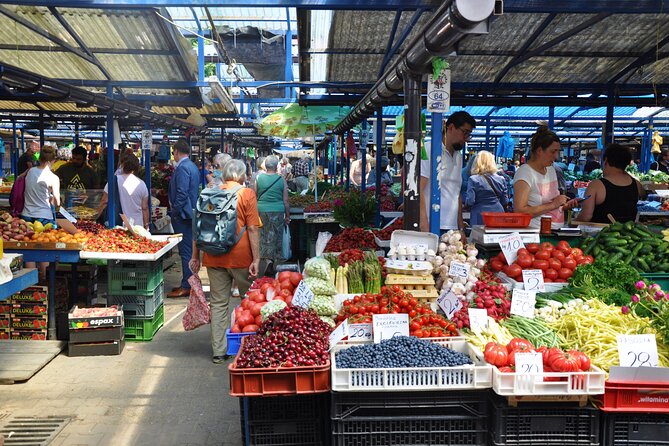
You meet at the Grunwald Monument (plac Jana Matejki), right in the center of Kraków’s action. From there, your host guides you toward the oldest marketplace in town—less of a quick photo stop, more of a purposeful walk where you see how people actually shop.
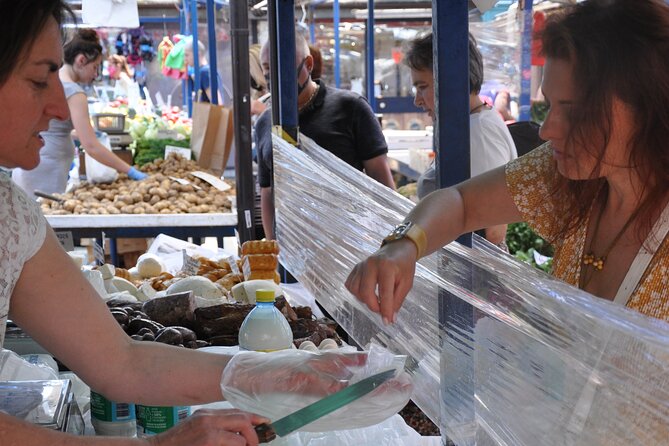
The market segment is where the day starts feeling local. You’re not just buying ingredients off a list; you’re getting a sense of what’s fresh, what’s typical, and what you’ll need to make the filling taste right. The experience is also season-aware: the starter menu can include items like fresh and smoked cheeses, Polish sausage, sour cucumbers, or sour cabbage, depending on what’s available.
Practical tip: bring a little patience for tasting. Part of the fun here is nibbling your way through the market atmosphere while you learn what to look for when shopping later.
One small downside of the market-and-class combo: if you only have a short window in Kraków, this won’t fit neatly into a half-hour gap. It’s meant to be an experience, not a grab-and-go activity.
From Market to a Local Apartment Kitchen
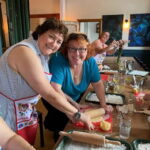
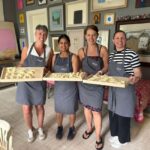
After shopping, you walk to your host’s apartment. This isn’t a restaurant setting, and that’s a good thing if you like real conversations and hands-on learning. The format keeps the group intimate, and with a maximum of 6 travelers, it’s easier to ask questions while your hands are working.
In this kind of class, the apartment kitchen becomes part of the lesson. You’ll likely settle into a rhythm: snack first, then dough prep, then filling, then shaping. Several participants describe it as welcoming and clean, with plenty of snacks and drinks waiting before the cooking really gets going.
You should expect the environment to feel homey rather than staged. If you prefer large, impersonal classrooms with big stations, this might feel a little “cozy.” But cozy is often the reason these classes work so well.
Hands-On Pierogi Making: Dough, Filling, and Pleating
Now for the main event: making pierogi from scratch. The class walks you through the whole process in order, so you understand what each step is doing before you move on to the next one.
Aprons on: more Polish kitchens to cook in
- Krakow Pierogi Cooking Class with Market Visit & Home-Cooked Meal★ 5.0 · 212 reviews
- Pierogi Cooking Class: Mastering the Art of Polish Dumplings★ 5.0 · 129 reviews
- Krakow: Pierogi Home Cooking Class★ 5.0 · 23 reviews
- Krakow Pierogi Cooking Class★ 4.9 · 16 reviews
Dough making and kneading technique
You start with the dough. You’ll learn how to make it, roll it, and knead it with the right feel—right texture, right stretch, right consistency. One useful detail from how the lesson is taught: the host emphasizes do’s and don’ts for kneading, because dough behavior can make or break the final dumpling.
If you’ve only had pierogi in restaurants before, this is where you learn why homemade ones taste different. Store-bought dough is often fine, but it doesn’t teach you the craft.
The traditional filling
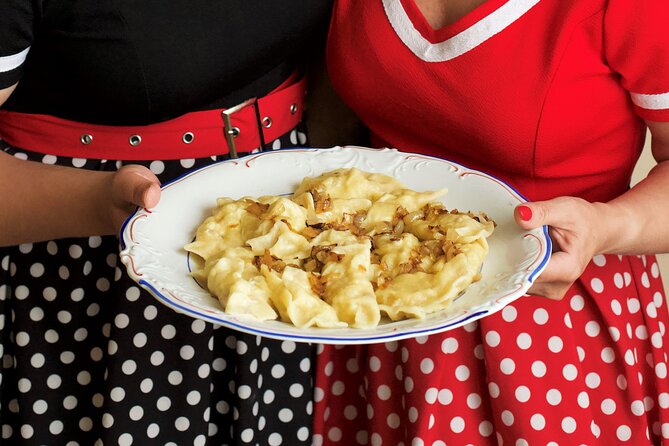
For the main pierogi, you’ll use a classic mix: fresh cottage cheese, potatoes, and caramelized onions. That filling matters because it’s both comforting and unmistakably Polish. You’ll learn how to prepare it and how the potatoes should be handled for the right outcome in the stuffing.
It’s also an important point for many food lovers: the filling itself is vegetarian. That said, the starter can include non-vegetarian items like Polish sausage, so if you have a strict dietary preference, you’ll want to communicate that early.
Shaping and pleating
Then comes shaping. Pierogi are not hard in concept, but the pleating takes practice. You’ll learn the method for creating the dumpling shapes, and you’ll likely make a few that look different from each other at first. That’s normal—this class is set up for learning, not judging.
Several people note how the pleating gets easier after a few rounds. You’re also getting a “muscle memory” skill you can use again later when you cook at home.
Cooking and serving
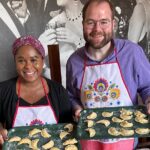
Finally, your pierogi are boiled and assembled for eating. The class ends with you sitting down to enjoy the results of your work, usually with the sauces and toppings you’d expect for traditional comfort food.
Bottom line: you get the full arc, from dough to finished dumplings, without being stuck at just one station.
What You Eat: Seasonal Starters and Regional Alcohol
This is a “you eat what you make” class. The sample flow goes like this:
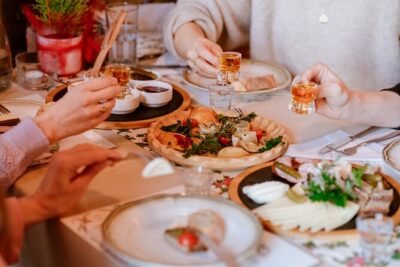
- Starter: seasonal local snacks
- Main: pierogi with cottage cheese, potatoes, and caramelized onions
- Dessert (paired drink): regional alcohol, often homemade liquor or a selection of local spirits
What makes this more than a token tasting is that the snacks aren’t random. They’re meant to introduce you to local flavors that belong alongside pierogi. Depending on the season, that can include cheeses, sausage, sour cucumbers, or sour cabbage.
Alcohol is part of the ending experience. One standout detail from participant accounts: you may be served bison vodka infused with grass. It’s a fun, very local-feeling pairing, especially alongside a rich, savory dumpling.
Also, plan your appetite. People often finish this class pleasantly full, and it’s easy to skip the idea of a normal dinner afterward.
Learning Beyond the Kitchen: Kraków Tips With Real Context
Cooking classes are also about storytelling, and this one ties food to place. Your host shares knowledge about Kraków and culinary traditions during the experience, plus recommendations for where to go and what to try while you’re in town.
This matters because it helps you translate what you tasted into better restaurant choices later. If you’re the type who likes to wander with purpose—knowing what dish to look for, what ingredient is worth seeking—this class helps you do that.
Even better, the apartment format makes the conversation feel natural. Instead of hearing facts in a lecture voice, you hear them while your hands are busy. That’s when information actually sticks.
Price and Time: Is $83.48 Good Value?
Let’s talk value, because $83.48 can sound like a lot until you map what’s included.
You’re paying for:
- a 3-hour guided experience in English
- market shopping (ingredients tied directly to your class)
- hands-on instruction from dough to finished pierogi
- seasonal starters and drinks
- regional alcohol paired with the meal
- a small group (max 6), which usually means more attention per person
If you break it down, you’re not just buying a recipe. You’re paying for time, teaching, ingredients, and a full afternoon meal plan. For many visitors, that’s exactly the kind of value that beats a ticket to a museum where you exit mostly just with photos.
Timing is another part of value. This is scheduled for about 3 hours, and it often fills that time in a satisfying way—market walk, snack pause, cooking work, and then eating.
Who Should Book This Pierogi Class
This is a strong fit if you want:
- hands-on cooking, not just tasting
- a small-group format with enough room to learn
- classic Polish food in a structured, learnable way
- a Kraków experience that feels local, in a real home setting
It’s also a friendly option for families. Multiple participants describe bringing kids and having everyone participate in making dumplings. If you’re traveling with younger cooks, just remember that shaping pierogi takes time and patience, but the class format is set up for learning.
If you’re the type who only wants quick, low-effort activities, this won’t match. It’s a “do the work” experience. You’ll roll dough and pleat dumplings, which is the point.
Sunday Note: What Changes When the Market Is Skipped
One useful detail to know: on Sundays, the experience takes place without visiting the food market. That means you’ll miss the ingredient shopping walk, but you’ll still get the cooking and the eating in the apartment.
If the market atmosphere is a big reason you want to book, you might prefer a weekday. If your priority is learning the craft and enjoying the meal, Sunday can still work well.
Should You Book This Pierogi Class in Kraków?
Yes, if you want a memorable, practical food day. This isn’t a passive tasting tour. You’ll shop, cook, shape, and eat in a small-group setting, with traditional pierogi as the centerpiece and plenty of seasonal snacks around it.
I’d skip it only if you strongly prefer restaurant-style logistics, you hate being in a home kitchen, or you’re looking for something very short and low-effort. Also, if alcohol isn’t your thing, plan your approach—regional drinks are part of the dessert pairing.
If you do book, come with an open mind about dough and pleating. The first dumplings might not look perfect, and that’s fine. The payoff is that you’ll leave knowing how to make pierogi the way locals eat comfort food, not just how to pronounce the word.
FAQ
What is the duration of the pierogi class?
The experience lasts about 3 hours.
How many people are in the group?
The class has a maximum of 6 travelers.
Where does the tour start and end?
It starts at Grunwald Monumentplac Jana Matejki, 30-001 Kraków, Poland, and it ends back at the meeting point.
What language is the class offered in?
The experience is offered in English.
Do you visit the food market?
Yes, generally the plan includes a visit to the oldest marketplace in town. On Sundays, the market visit is not included.
What kind of pierogi filling do you make?
The traditional filling is fresh cottage cheese, potatoes, and caramelized onions.
What food and drinks are included?
You get seasonal local snacks, the pierogi meal, and regional alcohol paired with the main dish.
Is the pierogi filling vegetarian?
The main pierogi filling described is vegetarian (cottage cheese, potatoes, and caramelized onions). Starters can vary by season.
Is there a mobile ticket?
Yes, a mobile ticket is provided.
What about accessibility and pets?
Service animals are allowed, and the meeting point is near public transportation.
Can I cancel for a refund?
Free cancellation is available if you cancel up to 24 hours in advance for a full refund.
More Tour Reviews in Krakow




Cook It Yourself: More Classes

Eat Your Way Round Krakow



Just added: fresh Krakow reviews




Krakow Food & Pierogi Tours, compared.
 ★ 5.0Krakow Food Tasting Tour with Delicious PolandFrom $1051,032 reviews
 ★ 4.9Tipsy Polish Food Tour With History, Pierogi & ShotsFrom $44439 reviews
 ★ 4.8Street Food Walking TourFrom $35285 reviews
 ★ 5.0Krakow Pierogi Cooking Class with Market Visit & Home-Cooked MealFrom $114212 reviews
 ★ 5.0Half-Day Krakow Food Tour in Old Town and KazimierzFrom $109186 reviews
 ★ 5.0Food Tour of 10 Tastings with Pierogi, Vodka & MoreFrom $105169 reviews
 ★ 5.0Krakow Food Tour by Foot: Polish Tastings in Old Town & KazimierzFrom $114138 reviews
 ★ 4.8Guided Polish Food and Culture Tour with TastingsFrom $98134 reviews
Browse the lists this tour appears in