
REVIEW · WAWEL CASTLE & CATHEDRAL TOURS
Wawel Castle, Cathedral, Old Town and St. Mary’s Basilica
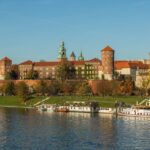
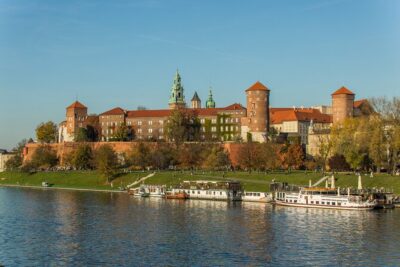
Wawel Hill is the heart of Krakow.
This guided mix of Wawel Castle, Wawel Cathedral, Old Town sights, and St. Mary’s Basilica is designed to help you connect the dots between Polish power, art, and everyday city life, all in one compact stretch of time.
What I like most is the way the tour treats the art like more than decoration. You spend real time in the castle’s State Rooms and collections, then you move into the cathedral where centuries of coronations and royal burials are part of the same story. I also like the big visual payoff at the end: St. Mary’s Basilica and the Veit Stoss altar are the kind of stop that makes you pause and look closely.
One consideration: this is a walking tour with a set schedule. If crowds are thick, you may find a few spots feel a bit crowded and time can feel tight, especially around popular views like the cathedral tower.
In This Review
- Key takeaways before you go
- Wawel Castle and Cathedral: why this combo works so well
- The practical start: meeting point, timing, and what to wear
- Inside Wawel Castle: State Rooms, Renaissance interiors, and collections
- Where this stop can feel long
- Wawel Cathedral: coronations, royal crypts, and the Sigismund Bell
- A heads-up about tower time
- Krakow’s UNESCO Old Town: Main Market Square, Cloth Hall, and Collegium Maius
- If you prefer slower street time
- St. Mary’s Basilica: Gothic splendor and the Veit Stoss altar
- Pacing and group size: what the 210 minutes feels like
- The main downside of tight pacing
- Price and value: why $87 can make sense here
- Who should book this tour (and who should not)
- Small tips that make your day smoother
- Should you book it?
- FAQ
- FAQ
- How long is the tour?
- Where do I meet the guide?
- What’s included in the ticket?
- Is lunch included?
- Will I be able to skip ticket lines?
- What languages are available?
- Is the tour wheelchair accessible?
- Are pets allowed?
Key takeaways before you go
- Skip-the-line access at Wawel saves time so you can spend more minutes looking, not waiting.
- Sigismund Bell moment: you get the good-luck touch and the chance to see the view from the tower area.
- Wawel + Cathedral in one flow makes the museum and sacred spaces feel connected, not random.
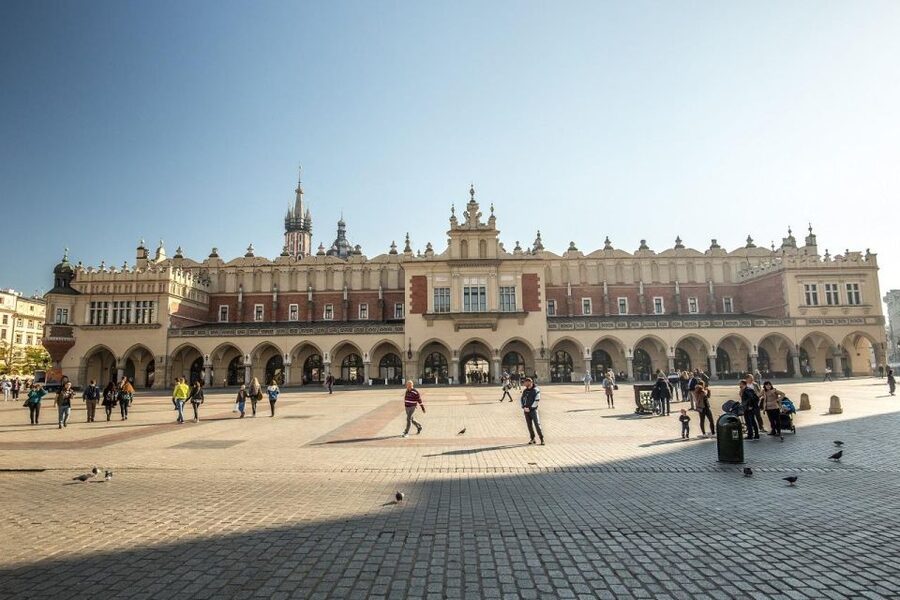
- Old Town UNESCO core sights include Main Market Square and the Cloth Hall, plus stories that connect them.
- Veit Stoss altar in St. Mary’s Basilica is the artistic highlight that many people remember most.
- Group size max 30 keeps things manageable, though peak-season crowds still happen.
More of the castle on the hill: other Wawel visits
- Krakow: Wawel Castle & Cathedral Guided Tour
★ 4.7 · 2,111 reviews - Old Town Krakow & Wawel Castle Walking Tour
★ 5.0 · 1,508 reviews - Krakow: Wawel Royal Hill with Optional Castle and Cathedral
★ 4.2 · 1,220 reviews
Wawel Castle and Cathedral: why this combo works so well
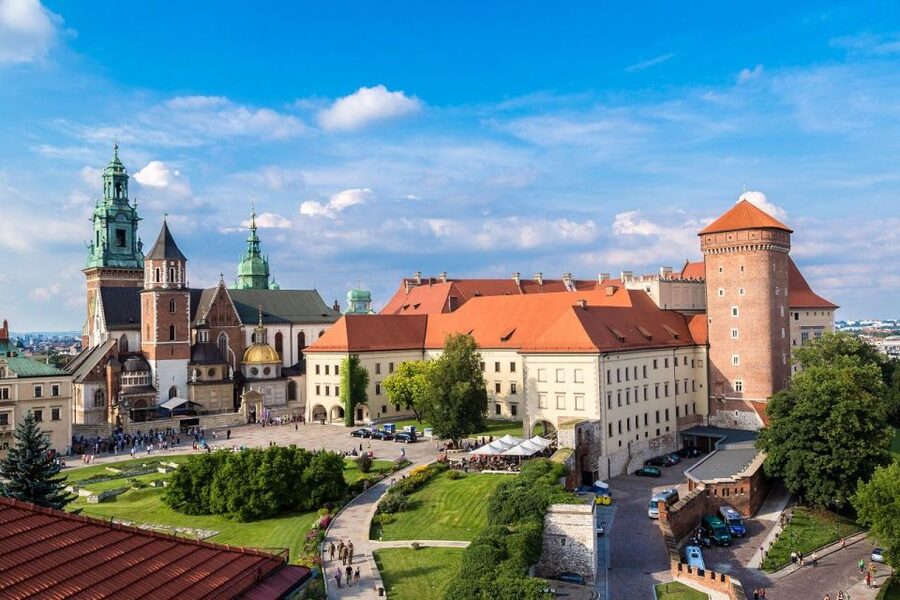
If you only do one part of Krakow’s royal world, start with Wawel. It’s the place where politics, religion, and art kept shaking hands for centuries. This tour uses that logic: you begin on the castle side (power, collections, royal display), then you shift to the cathedral (coronations, burials, sacred symbolism).
The best part is that the tour doesn’t treat the sites like separate attractions. It strings them together. Even if you’re not the type who reads every plaque, you’ll still pick up the main threads: why certain rooms and chapels matter, how monarchs used the space, and how Krakow’s identity formed around these buildings.
You also get guided time in the places that are otherwise easy to skim. Wawel can overwhelm you if you show up alone with only a phone map. A licensed local guide helps you focus on what actually connects the castle museum rooms and the cathedral’s royal role.
The practical start: meeting point, timing, and what to wear
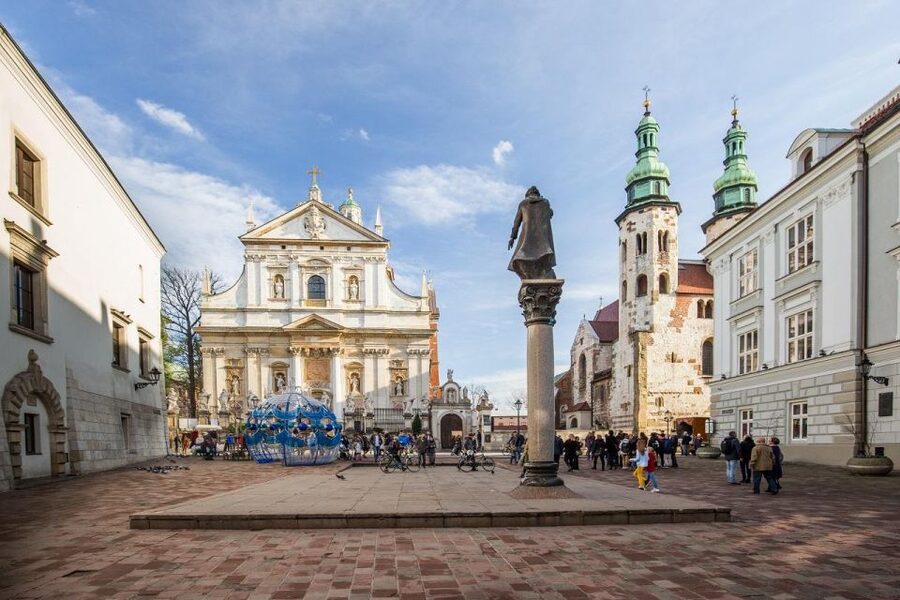
You meet on St. Mary Magdalene Square at the Piotr Skarga Monument. The key detail is that the meeting point isn’t on Wawel Hill itself, so don’t assume you’ll start right next to the castle gates.
Plan to arrive at least 10 minutes early. Once the group enters, joining late isn’t possible, and tickets are non-refundable. This matters because the tour is time-structured and includes indoor museum access and worship spaces.
Dress code is enforced in places of worship and selected museums. That means clothing must cover shoulders and knees; shorts and sleeveless tops are not permitted. If you’re traveling in warm weather, bring a light layer. It’s an easy fix that keeps you from losing time at the entrance while you scramble for a cover-up.
One more reality check: the tour is not suitable for wheelchair users. It’s also a walking route with indoor stair-and-step moments in historic buildings.
Inside Wawel Castle: State Rooms, Renaissance interiors, and collections
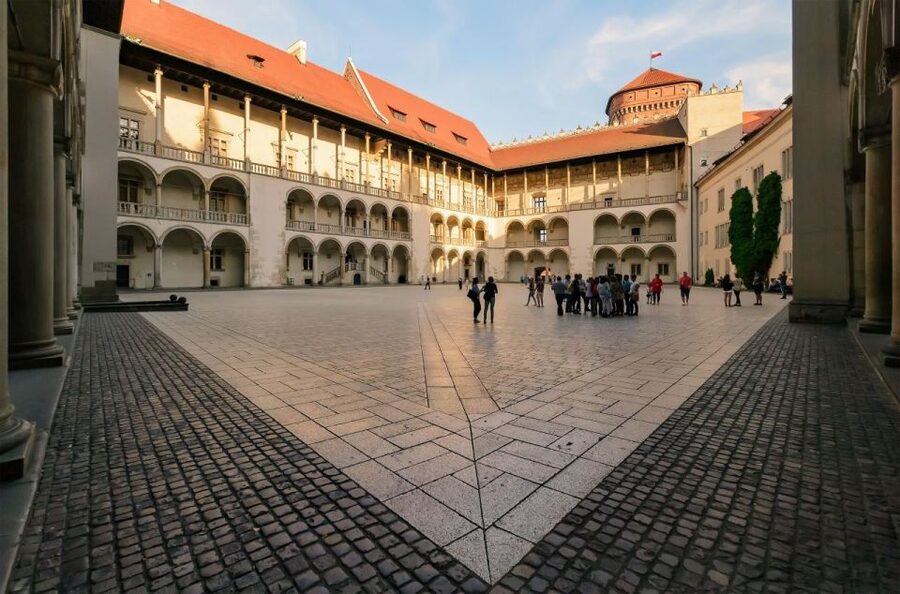
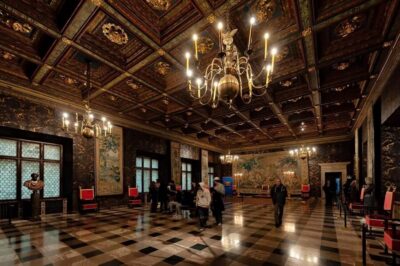
Wawel Castle is now a museum complex, but it still feels like a royal machine. You’ll move through the State Rooms first, where Renaissance interiors and display rooms show how power liked to look. This part works especially well if you care about interior design, official art, and how museums stage history.
What you’re likely to notice:
- The rooms are arranged so you can see how the “public face” of the court was built.
- Tapestry and interior décor aren’t just pretty background; the guide explains what they were meant to signal.
- You’re not only looking at paintings. You’ll also pass through themed galleries like porcelain, weaponry, and Eastern art.
A standout detail mentioned for the collections: Europe’s largest collection of Ottoman tents. It’s one of those items that makes you rethink Krakow’s place in wider European trade and cultural contact. It also helps answer a question you might not know to ask: why you see cross-cultural objects in a Polish royal museum.
The tour includes fast-track access to one permanent Wawel Castle exhibition, but availability varies. That’s normal for museum operations, and it’s a small tradeoff for the benefit of skipping the general ticket line.
Around the Rynek and the Cloth Hall, a few more
- Krakow: Bike Tour of Old Town, Jewish Quarter and the Ghetto★ 4.9 · 1,155 reviews
- Krakow: The Old Town Walking Tour★ 4.8 · 794 reviews
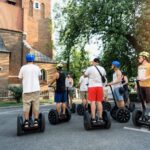
- Krakow: Old Town Guided Segway Tour★ 4.7 · 756 reviews
- Kraków: Old Town & Wawel Castle Walking Tour in English★ 4.8 · 532 reviews
Where this stop can feel long
Castle time can stretch if you’re the type who wants to read every caption. The good news: the guide keeps you moving with purpose. The tricky part: if you’re hoping to linger for long, private close-up moments in every gallery, you may have to choose what to prioritize.
Wawel Cathedral: coronations, royal crypts, and the Sigismund Bell
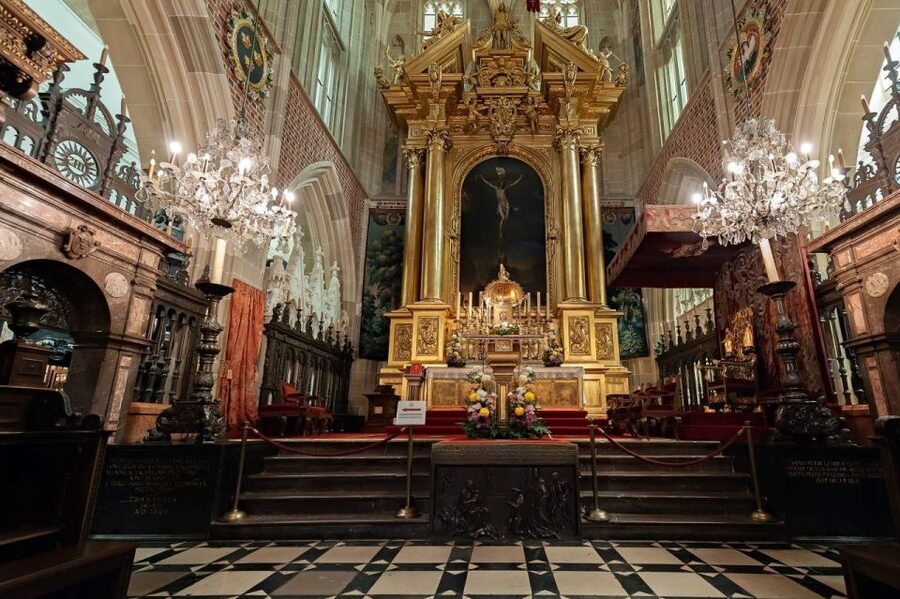
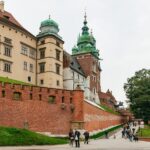
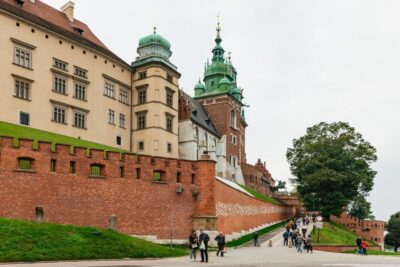
After the castle, the cathedral shift is dramatic—in feel, in sound, and in meaning. Wawel Cathedral is where monarchs were crowned, married, and buried. That’s not just trivia. You feel it in the chapels and chapels’ symbolism, and in how the site frames the idea of kingship as something both political and spiritual.
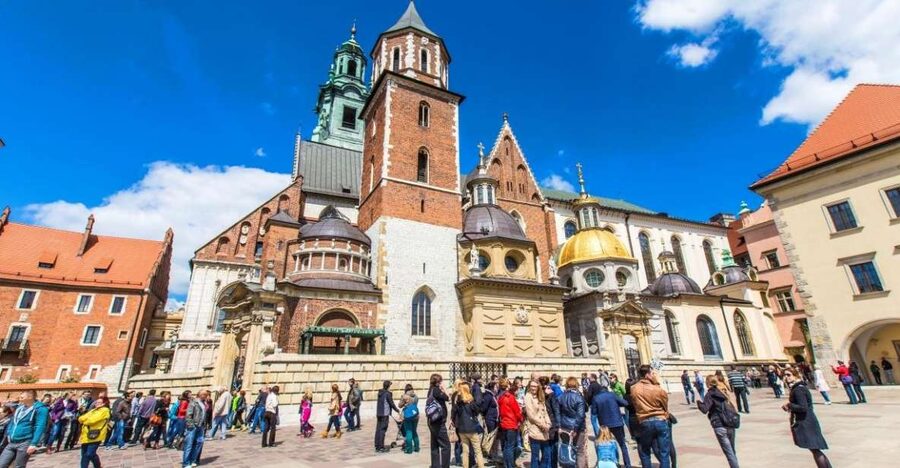
Expect ornate details and golden-domed architecture. The cathedral is Gothic in style, but it doesn’t feel “cold” or overly strict. The guide points out the elements that make it visually rich without turning it into a blur.
One of the most memorable moments on this kind of tour is the Sigismund Bell. You get the chance to touch it for good luck, and the tower area offers a panoramic view of Krakow. It’s a fun, quick cultural ritual—small action, big payoff.
Then you head to the royal crypts, the resting place of Poland’s major rulers and visionaries. That part can be emotionally heavy if you stop to absorb it. Even if you’re not prone to sentiment, it gives historical weight to everything you saw in the castle.
A heads-up about tower time
A fair complaint in reviews is that time for the cathedral tower can be tight depending on how the day flows. If the tower is your top priority, understand that crowds and schedule timing can cut into how much time you get there.
Krakow’s UNESCO Old Town: Main Market Square, Cloth Hall, and Collegium Maius
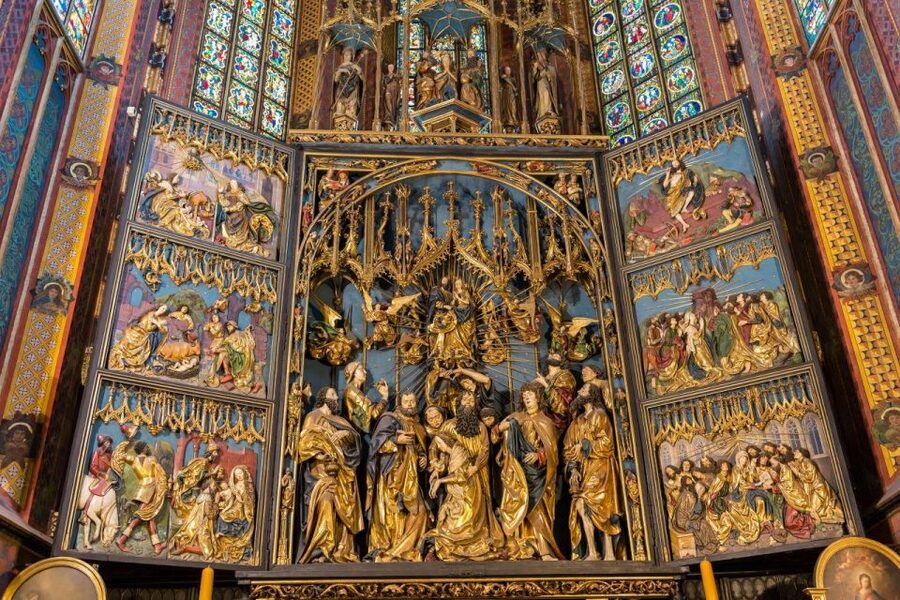
After Wawel, you move into the UNESCO-listed Old Town. This is where Krakow stops being “royal set dressing” and becomes living city fabric: streets, façades, and public spaces that still host daily life.
The itinerary focus includes:
- Main Market Square (Rynek Główny)
- Cloth Hall (Sukiennice)
- Historic streets connected to merchants’ guild life and royal processions
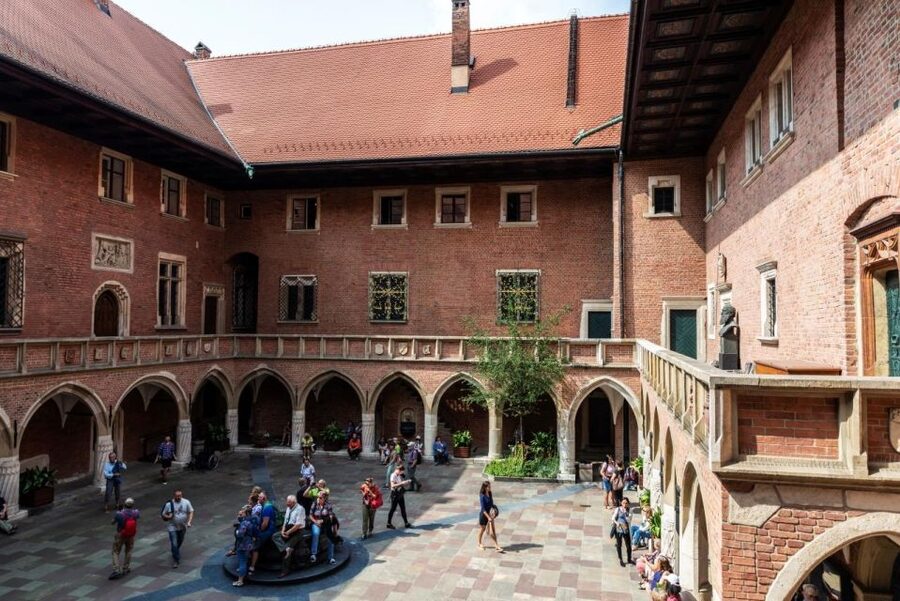
The tour also includes Collegium Maius, the oldest university building in Poland, and a discussion tied to its most famous student, Nicolaus Copernicus. That link is smart because it widens the story from kings and cathedrals into learning and scientific influence.
This section is also where the “guided” part matters. Old Town streets look simple on a map, but the guide helps you understand why these places mattered: where commerce happened, how the square functioned, and how royal movement shaped public space.
If you prefer slower street time
This segment is designed to hit key sights. If you like to wander off-script for long stretches, you may feel a bit rushed in peak pedestrian zones. That’s not a problem with the guide—it’s the math of old-city crowds. If you’re visiting in busy season, expect that some waits and bottlenecks are unavoidable.
St. Mary’s Basilica: Gothic splendor and the Veit Stoss altar
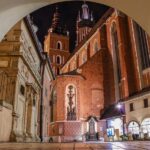
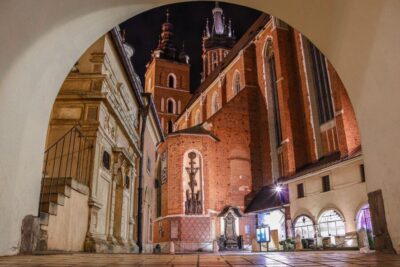
St. Mary’s Basilica is often the moment people remember after the rest of Krakow blends together. The reason is the Veit Stoss altar. It’s not just ornate. The guide explains the details and the storytelling behind it, and that turns looking into understanding.
You’ll experience the Gothic scale and the sense that this church is designed for more than quiet reflection. It’s visual theatre. The altar has that “stop walking and look closer” effect, because it’s packed with narrative detail.
This stop pairs well with Wawel Cathedral. Both are sacred, both are historic, but they give you different flavors of medieval religious art. By the time you reach St. Mary’s, you’ve already learned how important Poland’s religious spaces are to national identity—so the art lands with more meaning.
Pacing and group size: what the 210 minutes feels like
This tour runs about 210 minutes—so roughly three and a half hours. That’s a good length for first-time visitors, because it feels structured but not all-day exhausting.
Group size is limited to 30 participants. In practice, that tends to keep the tour from turning into a slow shuffle. You also get live commentary in the language you choose during booking, with available options including English, French, German, Italian, and Polish.
I also like that some guides on similar tours are known for high energy and clear answering of questions. For example, guides named Jadwiga, Anna, and Beata K. are highlighted in feedback for making the time feel worth it, especially when guests ask follow-up questions.
The main downside of tight pacing
The schedule can’t stretch to suit every interest. If you love museums and want long reading time, you might wish for more linger at Wawel Castle or more time at the cathedral tower. If you care most about seeing everything at least once and getting context fast, the pacing is a strength.
Price and value: why $87 can make sense here
At about $87 per person, this tour isn’t a bargain price. But it’s also not just a “see the buildings” stroll. You’re paying for three things that add up in Krakow:
- Guided, licensed local interpretation across multiple major sites
- Skip-the-line help and included entry components that reduce friction
- High-impact stops where context matters, especially Wawel Cathedral and St. Mary’s Basilica
The included items are practical: a guided tour with local expert leadership, entrance to the cathedral and St. Mary’s Basilica, and fast-track access for a permanent exhibition at the castle (availability varies). You’re also getting a guided visit of Old Town’s core spaces and key learning stop at Collegium Maius.
If you’d rather do this independently, you could. But you’d spend more time figuring out timing, ticket lines, and what to prioritize. For many first-time visitors, that’s where the money turns into value.
Who should book this tour (and who should not)
This tour is a great fit if:
- You’re visiting Krakow for the first time and want the main story of Wawel plus Old Town in one go.
- You like art and architecture and want someone to point out the meaningful bits.
- You want a guided approach rather than reading your way through everything alone.
It’s less ideal if:
- You need wheelchair access (it’s not suitable for wheelchair users).
- You want long, unhurried time in each indoor room. This is structured time.
- You’re especially sensitive to crowds. Old Town and major sites can feel busy, and that can affect how long you get at each stop.
Small tips that make your day smoother
A few things I’d do to make this tour feel easier:
- Wear shoes you can walk in for several hours of mixed cobblestone and indoor steps.
- Bring a light layer for the dress-code check and for cathedral interiors that feel cool.
- Prioritize which view you want most. If the Sigismund Bell/tower area is your big target, mentally set that as a must-do and don’t plan to maximize every museum gallery equally.
- If you care about photos, accept that some moments will be crowded around the most iconic viewpoints.
And yes, touch the bell. Even if you roll your eyes at luck rituals, it’s part of the lived cultural script here.
Should you book it?
I’d book this tour if you want the fastest path to understanding Krakow’s core identity: royal Poland at Wawel, sacred art at Wawel Cathedral and St. Mary’s Basilica, and the living city story in Old Town. The skip-the-line benefit and guided context give you a lot per minute.
I’d think twice if you hate crowds, need full physical accessibility support, or plan to use the tour as your only time in Krakow’s center and expect lots of free wandering. In those cases, you might do better with a more flexible pace or a different focus—castle-only or Old Town-only—so you’re not juggling everything in one schedule.
FAQ
FAQ
How long is the tour?
It runs for about 210 minutes.
Where do I meet the guide?
You meet at St. Mary Magdalene Square at the Piotr Skarga Monument, and the guide will hold a sign for Wawel Castle & Cathedral Guided Tour. The meeting point is not on Wawel Hill.
What’s included in the ticket?
The tour includes a guided visit with a certified local expert, fast-track access to one permanent Wawel Castle exhibition (availability varies), entrance to Wawel Cathedral, and an entrance ticket to St. Mary’s Basilica.
Is lunch included?
No, lunch is not included.
Will I be able to skip ticket lines?
Yes. The tour includes skip-the-line access.
What languages are available?
Live tours are available in English, French, German, Italian, and Polish.
Is the tour wheelchair accessible?
No. It’s not suitable for wheelchair users.
Are pets allowed?
No, pets are not allowed.
More Tour Reviews in Krakow

More Around the Main Square


Wawel, a Few More Ways In


Just added: fresh Krakow reviews

Wawel Castle & Cathedral Tours, compared.
 ★ 4.7Wawel Castle & Cathedral Guided TourFrom $572,111 reviews
 ★ 5.0Old Town Krakow & Wawel Castle Walking TourFrom $261,508 reviews
 ★ 4.2Wawel Royal Hill with Optional Castle and CathedralFrom $191,220 reviews
 ★ 4.6Wawel Castle and Cathedral Guided TourFrom $57595 reviews
 ★ 4.3Wawel Hill Audioguide TourFrom $7582 reviews
 ★ 4.8Old Town & Wawel Castle Walking Tour in EnglishFrom $26532 reviews
 ★ 4.4Wawel Castle Guided Tour with Entry TicketsFrom $35381 reviews
 ★ 5.0Krakow’s Essential Tour of the Old Town and Wawel CastleFrom $3340 reviews
Browse the lists this tour appears in