
REVIEW · AUSCHWITZ-BIRKENAU MEMORIAL TOURS
Auschwitz-Birkenau: Skip-the-Line Entry and Guided Tour
Auschwitz-Birkenau is heavy on your heart fast, and this tour helps you focus on the right things. What I like most is the skip-the-line entry plus an authorized guide who stays with you through Auschwitz I and Birkenau, so you’re not trying to figure it all out while you’re overwhelmed. The second big win is the built-in pacing: about 2 hours at Auschwitz and around 60–75 minutes at Birkenau, with a short break that keeps the visit from feeling like a marathon. One consideration: this is a somber, emotional site, and the group format (up to 30 people) means you won’t have total freedom of timing every minute.
You’ll meet your local host at the start, get practical orientation, then follow the official Auschwitz-Birkenau guide in a group (German, English, or French). The small logistics details matter here—having transport between the two sites and a planned schedule reduces stress when everything feels serious and final.
In This Review
- Key points to know before you go
- Skip-the-line entry and guided pacing: the real reason this tour works
- Meeting at Męczeństwa Narodów 14 and where the host meets you
- Auschwitz I in about 2 hours: what your guide helps you notice
- The short transfer and break between Auschwitz and Birkenau
- Auschwitz II–Birkenau in 60–75 minutes: making sense of the scale
- Your local host: practical tips that reduce stress
- Price and value: what $56 is really paying for
- Languages, group size, and that organized feel
- Practical prep: IDs, what you’re allowed to carry, and what to leave behind
- Who should book this Auschwitz-Birkenau tour
- Should you book this tour?
- FAQ
- How long is the Auschwitz-Birkenau skip-the-line and guided tour?
- What’s the total time spent at Auschwitz I and Birkenau?
- Where do I meet for the tour?
- Is transport included between Auschwitz and Birkenau?
- What is included in the price?
- What language options are available?
- Are food and drinks included?
- What do I need to bring?
- Is the tour suitable for young children?
- Can I cancel or change plans after booking?
Key points to know before you go
- Skip-the-line access to help you lose less time to waiting
- Authorized guided visit through both Auschwitz I and Auschwitz II–Birkenau
- Balanced timing (roughly 2 hours at Auschwitz I, then about 1 hour at Birkenau)
- Local host at the meeting point to help you plan and get set
- Short coach transfer plus a break so you can reset between sites
- Up to 30 people with a clear structure and group pacing
Other guided visits to the Auschwitz-Birkenau Memorial
- Auschwitz-Birkenau: Skip-the-Line Entry Ticket & Guided Tour
★ 4.4 · 1,038 reviews - Auschwitz-Birkenau: Guided Tour and Skip-The-Line Ticket
★ 4.4 · 215 reviews - Auschwitz & Birkenau Live Guide Tour Entrance Ticket
★ 4.0 · 110 reviews
Skip-the-line entry and guided pacing: the real reason this tour works
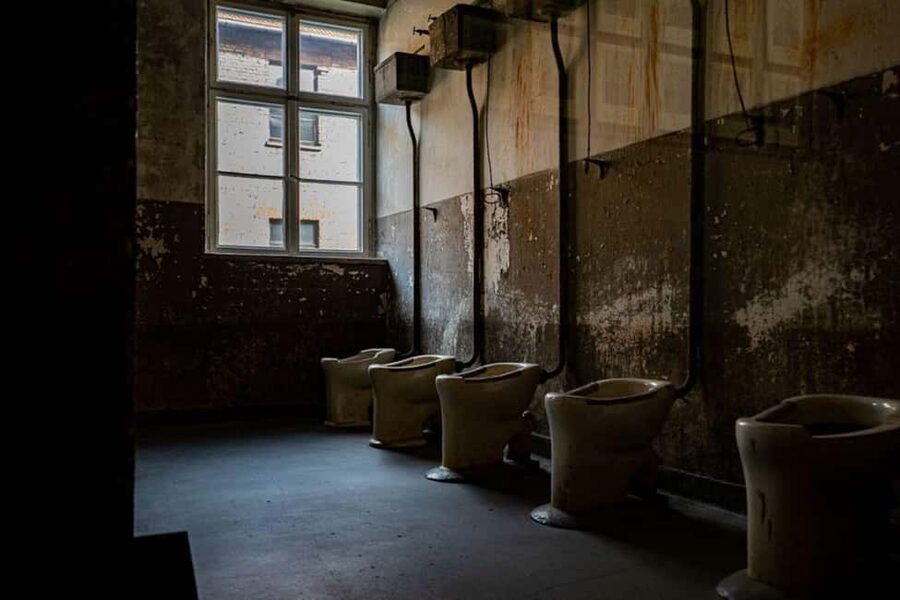
Auschwitz-Birkenau isn’t the place you want to spend the morning watching other people queue while you worry about missing your window. This tour is designed to cut that waiting down with skip-the-line entry, which is more valuable than it sounds. When a site is emotionally demanding, time you don’t have to burn in lines feels like a gift.
The other win is the guided pacing. You get an official Auschwitz-Birkenau guide with you for the core parts, which helps you understand what you’re looking at as you move through Auschwitz I and Auschwitz II–Birkenau. It’s also structured so you’re not trying to see everything at once. The tour runs about 3.5 hours (210 minutes) total, with time allocated to both sites. That balance matters because Birkenau especially can feel big and disorienting if you’re going in cold.
One more practical point: you’re paying for more than a ticket. You’re paying for reduced friction—planned entry, guided interpretation, and transport between locations—so you can concentrate on the experience instead of the logistics.
Meeting at Męczeństwa Narodów 14 and where the host meets you
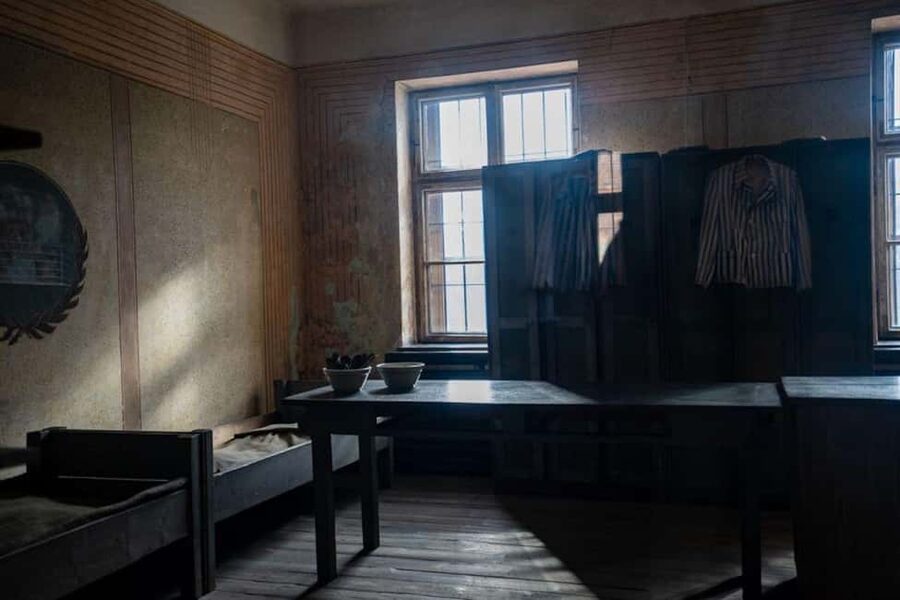
The tour begins at Męczeństwa Narodów 14. From there, you’ll be guided into the rest of the plan, including the short transfer between the two areas.
The meeting details for the Birkenau side are also clear: the meeting point is at the Birkenau Bus Parking in front of Bazylia restaurant. That matters because both sites have multiple access points, and arriving at the wrong one wastes time you could spend inside.
You’ll also have a local host at the start. Their job is practical: meet you at the meeting point and give you tips on how to get the most out of your visit. In a place like this, that orientation can help you quickly understand the flow—where to focus first, how to stay organized, and how not to get lost in the emotional noise.
Tour structure is group-based, up to 30 people, so listen carefully when the host and guide give instructions. You’ll usually move together, then have limited time windows within each part of the site to take things in.
Auschwitz I in about 2 hours: what your guide helps you notice
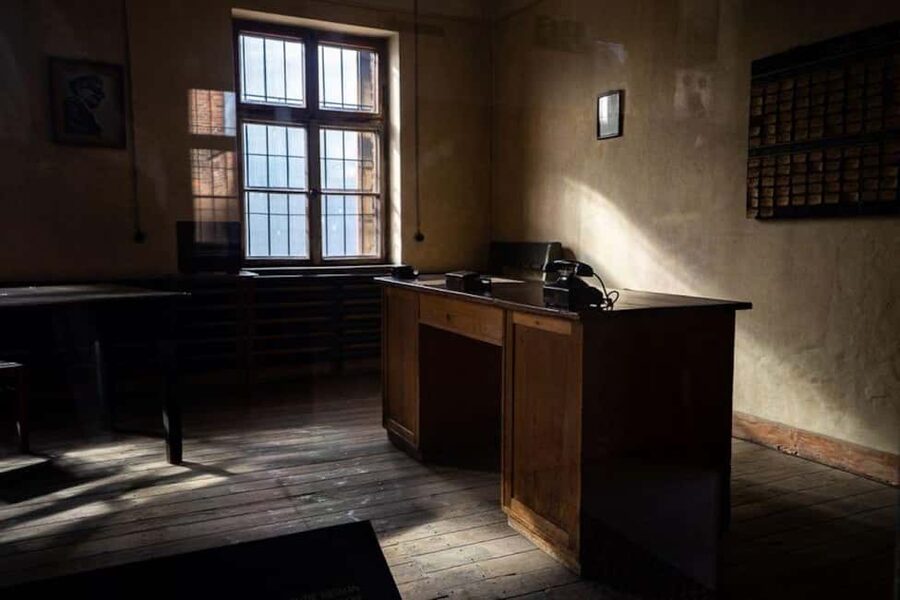
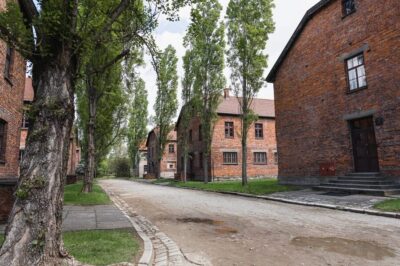
Your Auschwitz I time is listed as about 2 hours, and that’s a meaningful chunk. Auschwitz I is the area where the story often feels more concentrated and harder to process, because you encounter the facilities and exhibits that document the system in a more direct way.
With this tour, you’ll be taken through Auschwitz I by an authorized official Auschwitz-Birkenau guide. That’s important because the guide’s explanations help you connect names, dates, and functions to what you’re actually seeing. Without that, you can end up walking past details that would have meant more with context.
This is also where the structure can help your emotions, not fight them. A group pace keeps you moving through the main points, and the guide’s interpretation gives your mind somewhere to land. You still get time to look around, but you’re not left on your own with a map and a heavy topic.
The biggest consideration here is that you may feel emotionally affected. That’s normal. I’d plan to go slowly even when the group moves, and take breaks if you need them. If you need to step back for a few minutes, do it. No one needs you rushing through something that deserves attention.
A few more Oswiecim trips worth putting on the shortlist
- Auschwitz & Birkenau Live Guide Tour Entrance Ticket★ 4.0 · 110 reviews
- Auschwitz-Birkenau: Entry Ticket with Guided Tour★ 4.5 · 105 reviews
- Auschwitz-Birkenau Guided Tour with Private Transport from Krakow★ 5.0 · 36 reviews
- Auschwitz-Birkenau: Guided Tour – Ticket + Transportation★ 4.5 · 31 reviews
The short transfer and break between Auschwitz and Birkenau
Between sites, you’ll use a bus/coach transfer that’s about 10 minutes. That’s a good design choice because it removes uncertainty about routes and timing. You don’t need to figure out public transport with limited time and changing conditions.
Then you get a break time of about 15 minutes at Auschwitz II–Birkenau. This matters more than it might sound. When you’re walking through memorial spaces, your brain needs small pauses just to keep functioning. A break helps you reset before you enter the next section.
Keep expectations realistic: 15 minutes is short. Use it to take care of basic needs, steady your pacing, and prepare for the next walking portion. If you’ve brought a bottle of water and intend to carry it, remember that the tour info specifies food and drinks are not included, but it also lists items not allowed—so follow site rules and bring only what’s permitted.
Auschwitz II–Birkenau in 60–75 minutes: making sense of the scale
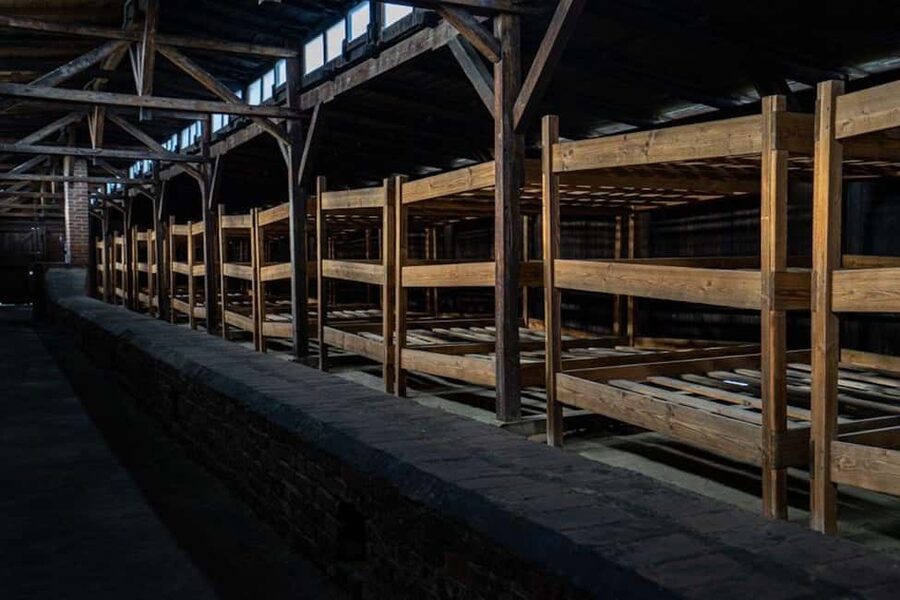
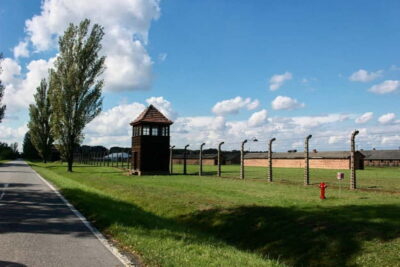
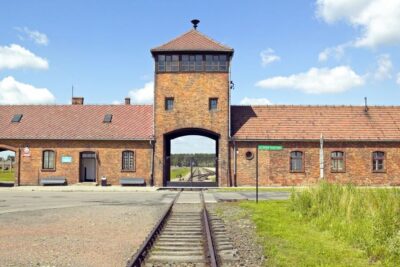
Birkenau is typically the part people describe as physically and mentally vast, even though your scheduled time here is about 80 minutes. That timing aligns with the tour’s stated plan of 60–75 minutes at Birkenau, giving you enough minutes to see the most important areas without the experience becoming endless.
The key value of a guided visit is not that it shortens the place. It’s that it helps you orient yourself in a larger, more spread-out site. The guide’s explanations can make the layout more understandable, which helps you avoid the common problem of feeling like you’re just walking through distance without meaning.
You’ll follow the official guide through Auschwitz II–Birkenau as part of a group (up to 30). You’ll also get some time within the visit to take in what’s in front of you. That mixture of guided direction and on-site viewing is a smart way to handle Birkenau’s scale. If you try to do it purely on your own, the experience can feel more confusing than respectful.
This isn’t a “check off the sights” kind of stop. It’s the kind of place where even 80 minutes feels both short and too much at the same time. Plan to stay present with each section rather than trying to absorb everything at once.
Your local host: practical tips that reduce stress
The tour includes a local host at the meeting point, and that’s one of the quiet strengths of this experience. Before you even reach the museum areas, the host helps you with the nuts and bolts: where to be, when to be there, and how to get the most from the visit.
In real-world terms, that means fewer minutes wasted on confusion. When a schedule has only a few hours total, getting off track is costly. With the host guiding your start, you’re more likely to arrive ready and then follow the authorized guide without second-guessing what comes next.
The host also helps set expectations. The tour is listed as emotionally somber, and it’s good to mentally prepare for that before you step into it. That preparation doesn’t make the experience easier, but it helps you respond to it without added stress.
Price and value: what $56 is really paying for
At $56 per person for a roughly 210-minute tour, you’re not just buying entry. You’re paying for three things that matter at Auschwitz-Birkenau:
- Skip-the-line entry, which saves time and reduces uncertainty.
- An authorized guided tour of Auschwitz I and Birkenau. That’s the difference between seeing buildings and understanding what you’re seeing.
- Transport between the two sites, plus the short break between them.
Food and drinks are not included, so you’ll want to plan your timing around meals outside the tour window. But the structure is built for a smooth day: meeting point, guided interpretation, and transit handled for you.
If you’re trying to maximize respect and clarity while minimizing logistical headaches, this price can feel fair. If you already know you prefer total freedom with self-guided pacing, then a guided group option might feel limiting. For most people, though, the value is in how much easier the day becomes.
Languages, group size, and that organized feel
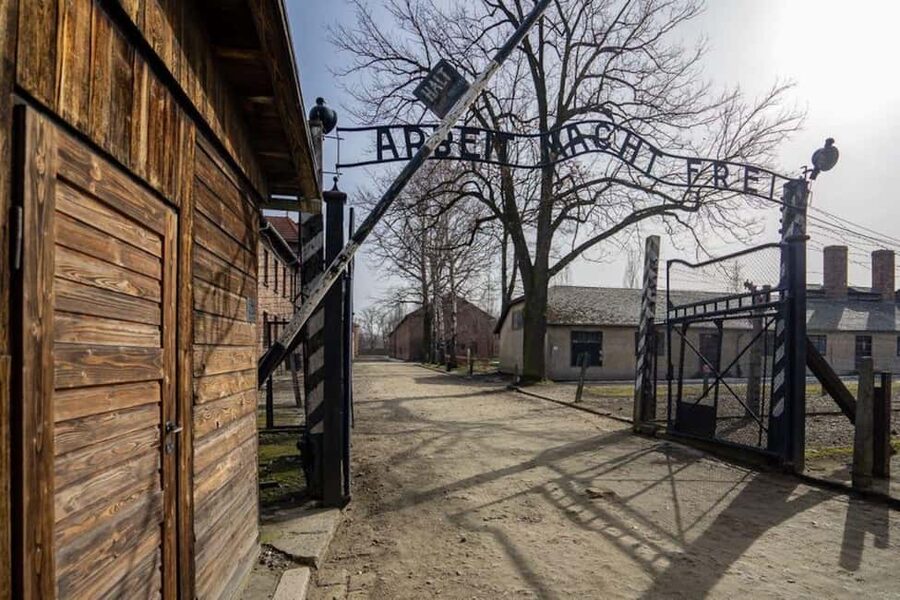
The tour is offered in German, English, and French, and the group size is capped at up to 30 people. That means you can pick a language you’re comfortable with and still expect some structure.
One thing that shows up strongly is that the visit is described as organized and calm, and the guide explanations are praised for being patient and clear. In a place where confusion can add stress fast, clear communication helps you stay grounded.
Also note that the tour starting time may change depending on Auschwitz guide availability. That’s not a deal-breaker, but it’s a reminder to keep your schedule flexible and not stack another strict reservation immediately before or after.
Practical prep: IDs, what you’re allowed to carry, and what to leave behind
Bring a passport or ID card. The information explicitly notes that children also need the appropriate ID, so don’t assume kids can travel without paperwork.
The tour also lists clear restrictions: weapons or sharp objects, plus alcohol and drugs are not allowed. It’s wise to pack light and simple. If you have any borderline items in your bag, leave them at home rather than risking problems at entry.
Food and drinks are not included. You can still plan for comfort: wear sturdy shoes, expect lots of walking, and consider bringing what’s permitted. In a site like this, you’ll be grateful for simple, practical choices.
Who should book this Auschwitz-Birkenau tour
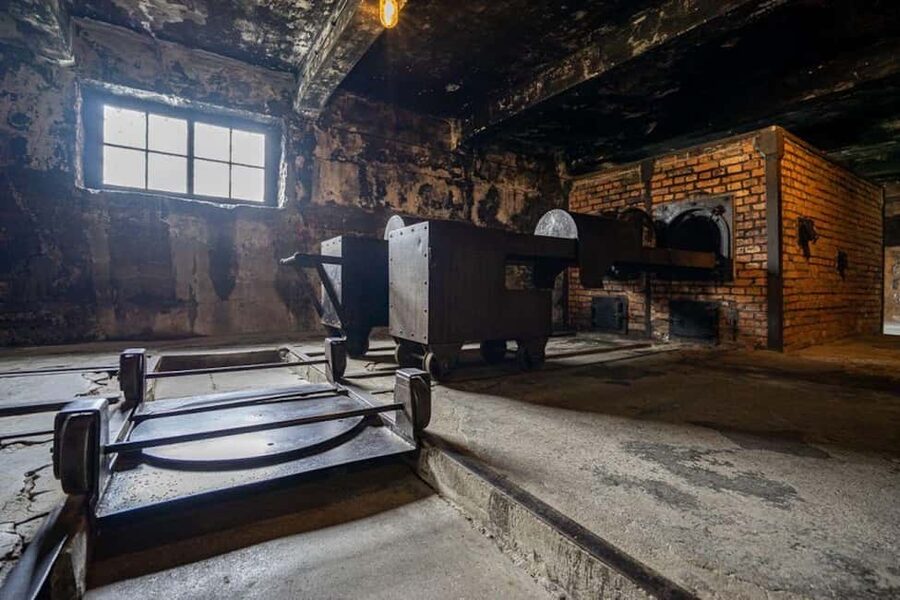
This format works best if you want a guided, structured visit that helps you interpret what you’re seeing.
You’ll likely enjoy it if:
- You want skip-the-line entry to save time and stress
- You prefer an authorized guide for context through Auschwitz I and Birkenau
- You’re okay with a group pace of up to 30 people
- You want transport between sites handled for you
It may not be ideal if:
- You’re looking for complete independent wandering without scheduled timing
- Your schedule can’t handle possible start-time changes due to guide availability
- You’re traveling with children under 10, since it’s listed as not suitable for kids below that age
The tour is also wheelchair accessible, which is a major factor for anyone coordinating mobility needs.
Should you book this tour?
If your priority is clarity and time saved, I’d book it. Skip-the-line entry, an authorized guide, and the built-in pacing between Auschwitz I and Birkenau address the three common problems people face at this site: wasted waiting, missing context, and too much uncertainty.
If you know you need total freedom of timing, or you’re emotionally able to manage a self-guided visit without interpretation, you might consider other options. But if you want a serious visit done in a respectful, organized way—without the day turning into a logistics puzzle—this is a strong choice.
FAQ
How long is the Auschwitz-Birkenau skip-the-line and guided tour?
The tour lasts about 210 minutes, or roughly 3.5 hours.
What’s the total time spent at Auschwitz I and Birkenau?
You’ll spend around 1.5–2 hours at Auschwitz I and about 60–75 minutes at Auschwitz II–Birkenau.
Where do I meet for the tour?
You start at Męczeństwa Narodów 14. The meeting point at Birkenau is at the bus parking in front of Bazylia restaurant.
Is transport included between Auschwitz and Birkenau?
Yes. Transport between Auschwitz and Birkenau is included.
What is included in the price?
Included: skip-the-line entry, guided tour of Auschwitz I and Birkenau, a local host at the meeting point, and transport between the two sites.
What language options are available?
The live tour guide is available in German, English, and French.
Are food and drinks included?
No. Food and drinks are not included.
What do I need to bring?
Bring your passport or ID card, including for children.
Is the tour suitable for young children?
No, it is not suitable for children under 10.
Can I cancel or change plans after booking?
Free cancellation is available up to 24 hours in advance for a full refund, and you can reserve now and pay later to keep flexibility.
More Tours in Oswiecim




More Tour Reviews in Oswiecim
Visiting the Auschwitz-Birkenau Memorial
Just added: fresh Oswiecim reviews

Auschwitz-Birkenau Memorial Tours, compared.
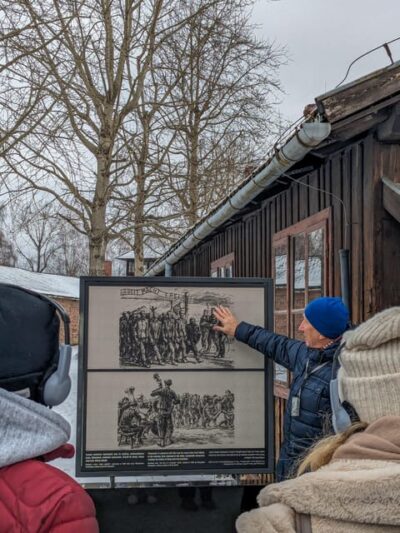 ★ 4.5Auschwitz-Birkenau Guided Tour & Hotel PickupFrom $2133,358 reviews
★ 4.5Auschwitz-Birkenau Guided Tour & Hotel PickupFrom $2129,340 reviews
★ 4.5Auschwitz-Birkenau Guided Tour & Hotel PickupFrom $2133,358 reviews
★ 4.5Auschwitz-Birkenau Guided Tour & Hotel PickupFrom $2129,340 reviews
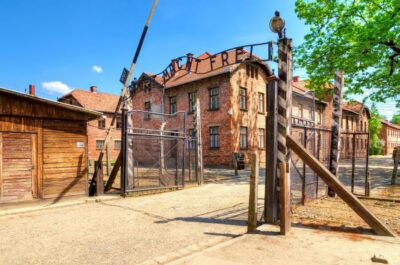 ★ 4.5Auschwitz Guided Tour with Optional Hotel PickupFrom $6915,280 reviews
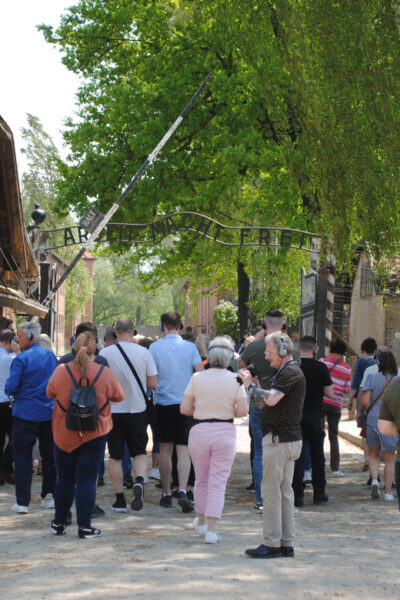 ★ 4.5Auschwitz-Birkenau Guided Tour with Pickup & LunchFrom $219,800 reviews
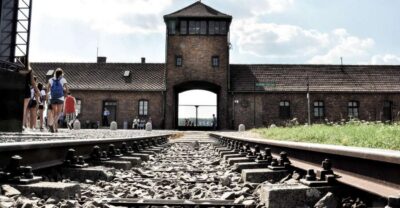 ★ 4.5Auschwitz-Birkenau Guided Tour Pickup/Lunch OptionsFrom $2009,057 reviews
 ★ 4.7Auschwitz-Birkenau and Salt Mine Guided TourFrom $549,020 reviews
 ★ 5.0Krakow to Auschwitz Birkenau Guided Tour with Transfer and TicketFrom $368,197 reviews
 ★ 4.0Auschwitz Birkenau Tour with TransferFrom $216,134 reviews
Browse the lists this tour appears in