
REVIEW · AUSCHWITZ-BIRKENAU MEMORIAL TOURS
Auschwitz-Birkenau: Skip-the-Line Entry Ticket & Guided Tour
Auschwitz-Birkenau hits you fast and hard. This guided tour uses skip-the-line entry plus headsets, so you spend your time listening and looking instead of queueing. I like that the tour is led by a WWII educator who slows things down just enough to make sense of what you’re seeing, including the preserved camp layout and the route through Auschwitz I and Birkenau. One consideration: the day is emotionally heavy, and you’ll walk and stand more than you expect, with limited time in some indoor areas.
You get a professional, structured visit to the Nazi camps that were built for imprisonment and mass murder, with time in Auschwitz I followed by Birkenau’s much larger open-air grounds. Guides I’ve seen highlighted in recent bookings include people such as Margherita, Jacob, and Marta, and the common thread is clear, organized explanations that try to keep the language respectful. The trade-off is that your start time can shift, and the pacing isn’t designed for people who want to linger a long time inside every building.
If you’re going, plan for the rules and the logistics. Bring your ID, keep bags within the allowed size, and be ready for security and dress limits that can catch you off guard. Also, note that this tour is not suitable for children under 12 or for wheelchair users.
In This Review
- Key Things That Make This Auschwitz-Birkenau Tour Worth It
- Skip-the-Line Entry and Headsets: Your Best Time Saver
- Auschwitz I: The Preserved Site That Gives the Camp Its Meaning
- From Auschwitz I to Birkenau: The 15-Minute Break That Changes Your Day
- Birkenau: Where the Scale Becomes Unavoidable
- Timing, Group Flow, and Why Your Start Time Matters
- What to Bring (and What to Leave Behind)
- Communication, Meeting Point, and How to Avoid Start-Day Headaches
- Price and Value: Is $21 a Good Deal Here?
- Who This Tour Fits Best (and Who Might Want Another Option)
- Should You Book This Auschwitz-Birkenau Tour?
- FAQ
- How long is the Auschwitz-Birkenau skip-the-line guided tour?
- What’s included in the ticket?
- What languages is the tour available in?
- Is transportation between Auschwitz and Birkenau included?
- What ID and bag rules should I follow?
- Is this tour suitable for kids or wheelchair users?
Key Things That Make This Auschwitz-Birkenau Tour Worth It
- Skip-the-line entry saves time right at the start, when you most want to get into the site quickly and quietly.
- WWII educator guides help you understand what you’re looking at, not just list facts.
- Headsets make a real difference, especially outdoors in Birkenau.
- Auschwitz I plus Birkenau covers both the preserved camp system and the scale of the killings.
- A 15-minute break after Auschwitz I means you must plan how you’ll get to Birkenau (it’s 2 km to the Brzezinka car parking area).
- English (and other languages) are available, with tour delivery that’s generally praised for being organized and respectful.
Other guided visits to the Auschwitz-Birkenau Memorial
- Auschwitz-Birkenau: Skip-the-Line Entry Ticket & Guided Tour
★ 4.4 · 1,038 reviews - Auschwitz-Birkenau: Guided Tour and Skip-The-Line Ticket
★ 4.4 · 215 reviews - Auschwitz & Birkenau Live Guide Tour Entrance Ticket
★ 4.0 · 110 reviews
Skip-the-Line Entry and Headsets: Your Best Time Saver
Auschwitz-Birkenau isn’t a museum you casually wander through. The experience moves you from one powerful space to the next, and you’ll want your energy for the content. That’s why I like the fast-track entry ticket included here. You still go through security, but you avoid the longest queues, which helps the tour stay on pace.
The other practical win is the headsets. Even if your hearing is great, Auschwitz I and Birkenau can be acoustically tricky—crowds, wind, and open spaces can make spoken explanations hard to catch. With headsets, you’re more likely to understand key context while you’re standing right where the story happened.
One more thing to keep in mind: this is guided, so you’re not in charge of the route. That can be a plus when you want clarity fast. It can also be a minus if you’re the type who likes to read every sign slowly and take lots of detours. The tour is designed to fit a 210-minute window.
Auschwitz I: The Preserved Site That Gives the Camp Its Meaning
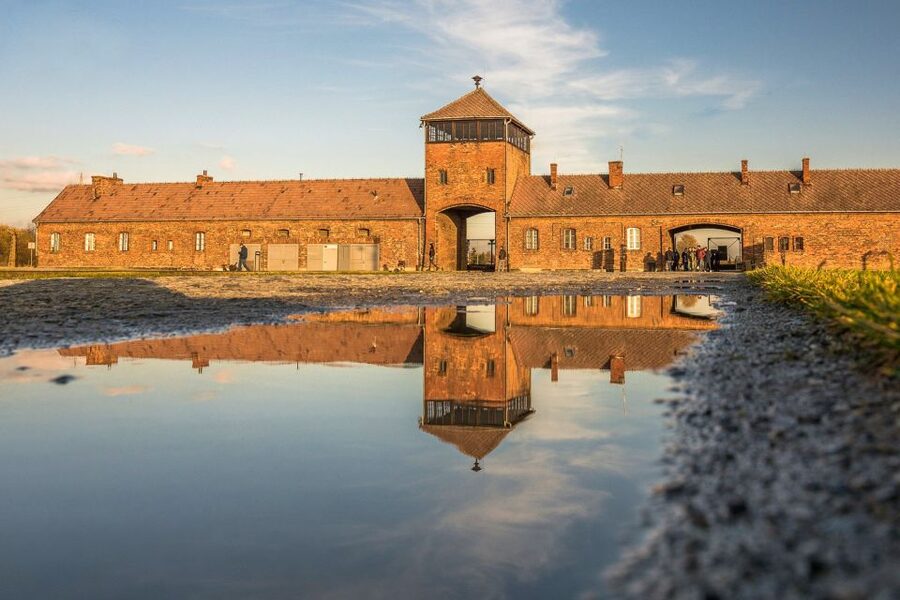
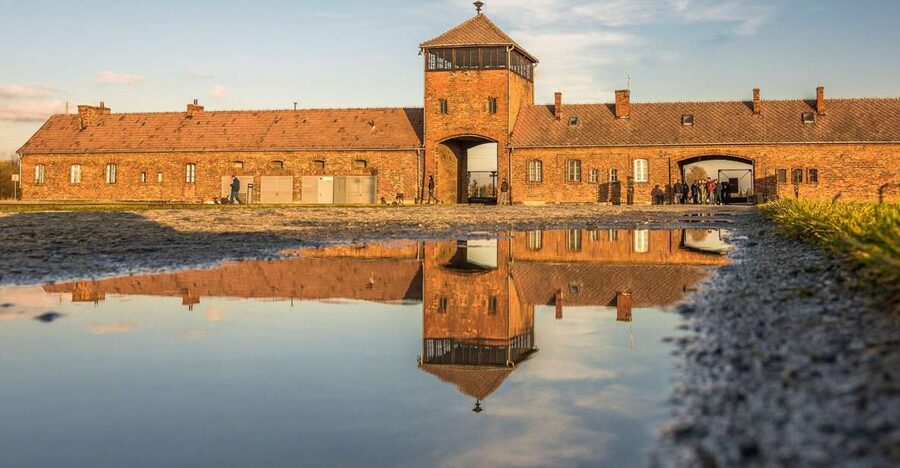
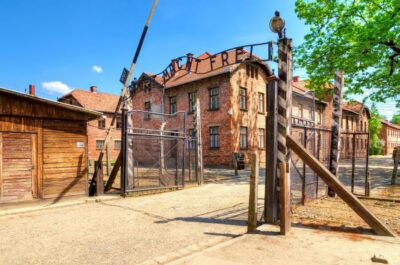
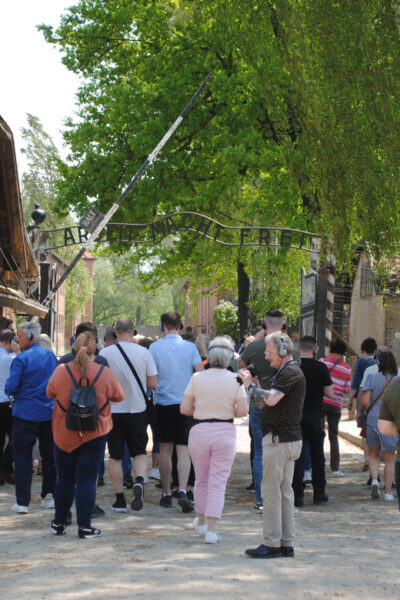
The visit starts at Auschwitz I. You’ll meet near the museum entrance, receive your ticket, pass through security, and then enter. You’ll also pass through the famous Arbeit macht frei gate that shows up in history books—yes, it’s as eerie in real life as you’d expect.
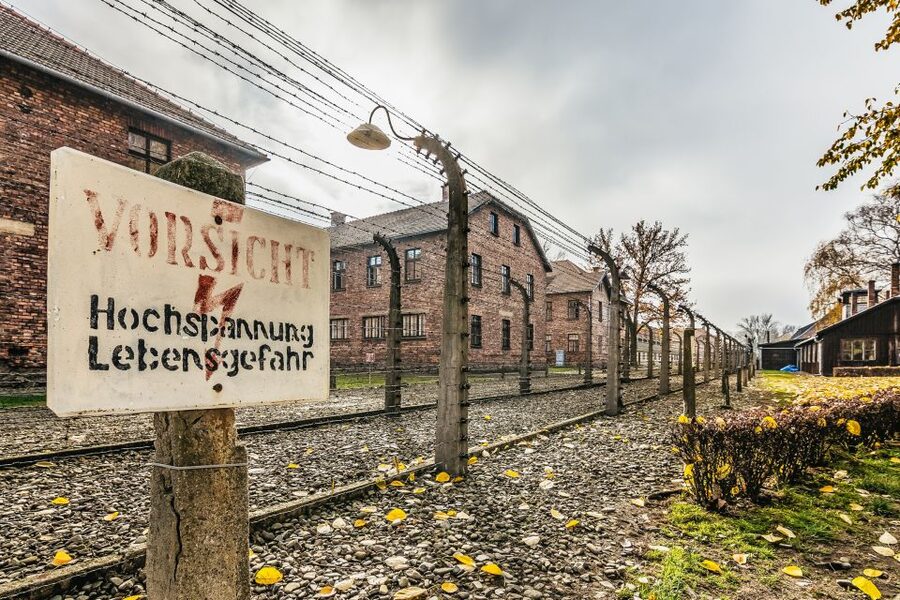
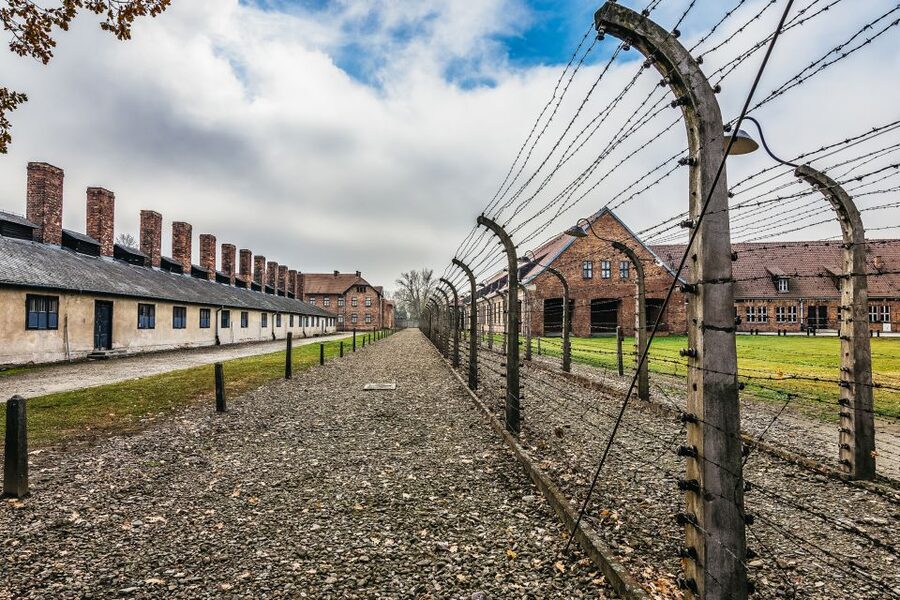
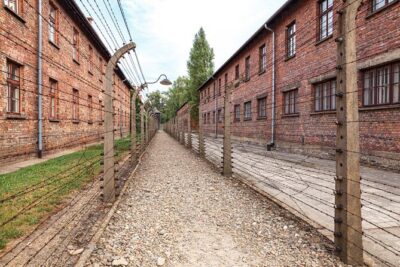
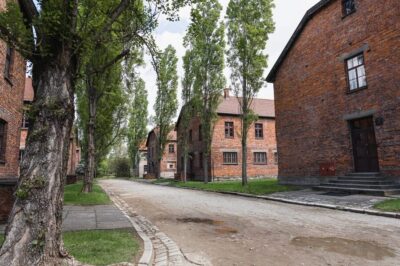
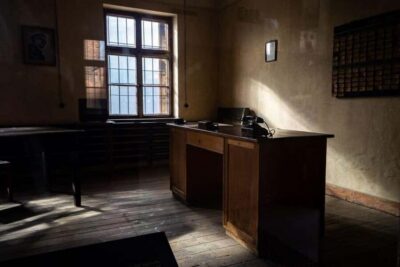
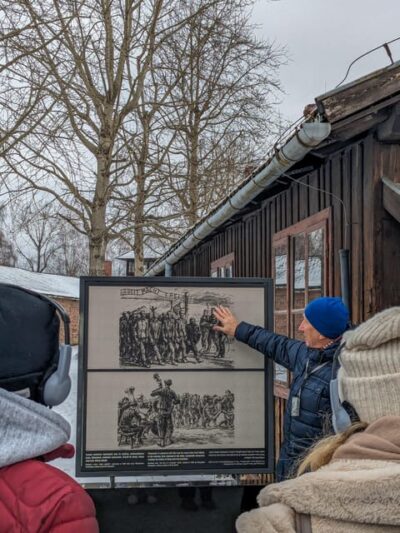
In Auschwitz I, your guide explains the camp’s purpose and how the prisoner system worked. The biggest value here is that the site is preserved in a way that lets you grasp how the Nazis organized control: barracks, the layout, and the stark conditions prisoners faced.
This is also where your guide’s tone matters. Several booking examples mention guides who use careful, intentional language and answer questions professionally. That matters because the site has an emotional weight that can make people react in different ways. A good guide helps keep the focus on understanding rather than shock theater.
What I’d watch for while you’re there:
- How the camp layout shapes what people endured (distance, confinement, visibility).
- Explanations tied to preserved buildings and barracks, not just generic history.
- When your guide sets photo expectations. In many tours like this, photography rules are part of the respect for the memorial space, and your guide will usually point out when pictures aren’t appropriate.
A possible drawback: some visitors feel you might not get as much time in every building as you’d like. If you’re someone who reads everything slowly, bring the mindset that this is a guided orientation with major stops, not a full self-guided binge.
From Auschwitz I to Birkenau: The 15-Minute Break That Changes Your Day
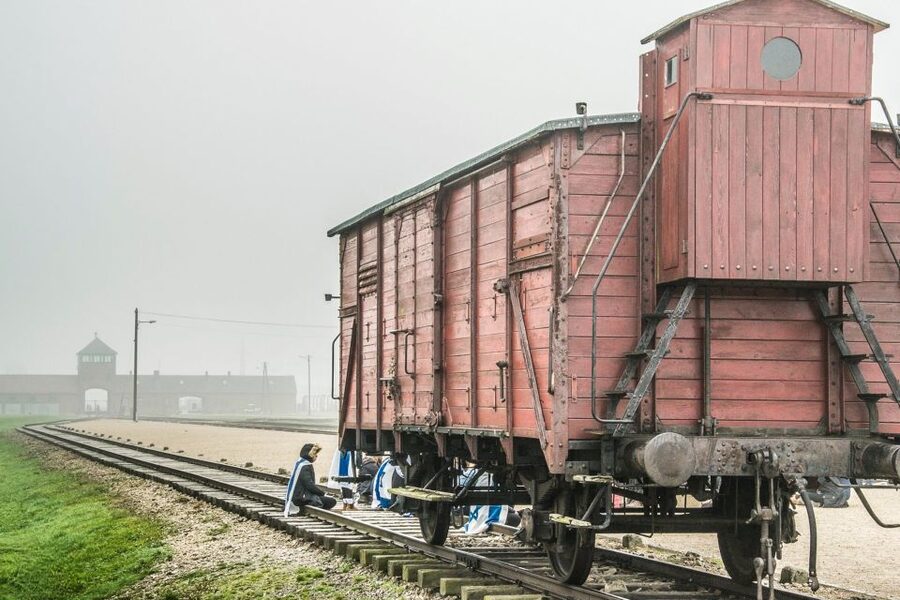
After Auschwitz I, the tour includes a short 15-minute break. During this pause, you’re expected to head on your own transport to the car parking area in Brzezinka, which is about 2 km away.
This part is where planning helps. If you arrived by public transport, you’re told to inform your tour leader before the tour starts so you can reach Birkenau correctly. If you’re driving or using a vehicle, you’ll want to know where your group expects you to regroup and how you’ll navigate the area quickly.
A key detail: the tour listing itself doesn’t include transport between Auschwitz and Birkenau. That doesn’t mean you’re stranded. It does mean you’re responsible for moving between the two zones during that break. Some schedules also use a shuttle service between the sites, and in past bookings it’s been described as frequent. Still, don’t count on a specific interval—assume weather, crowds, and timing can affect it.
Practical tip: wear shoes you can walk in for a long time, and keep water handy. Even on a “short” break, you’ll still be moving through the in-between space.
A few more Oswiecim trips worth putting on the shortlist
- Auschwitz-Birkenau: Entry Ticket with Guided Tour★ 4.5 · 105 reviews
- Auschwitz-Birkenau: Guided Tour – Ticket + Transportation★ 4.5 · 31 reviews
- Auschwitz-Birkenau – Skip the Line Tickets★ 3.5 · 29 reviews
- Auschwitz-Birkenau: Fast-Track Ticket & Guided Tour No Transfers★ 3.5 · 17 reviews
Birkenau: Where the Scale Becomes Unavoidable
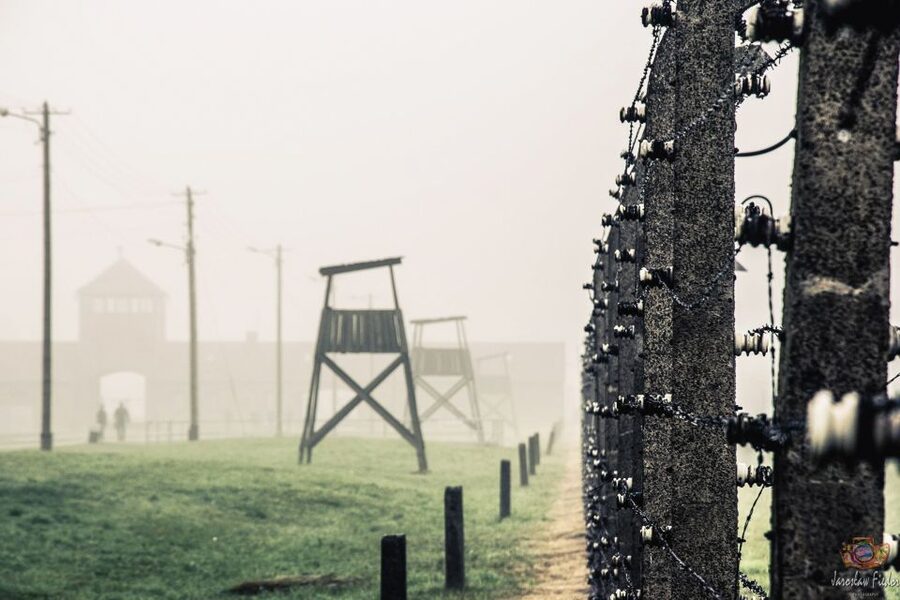
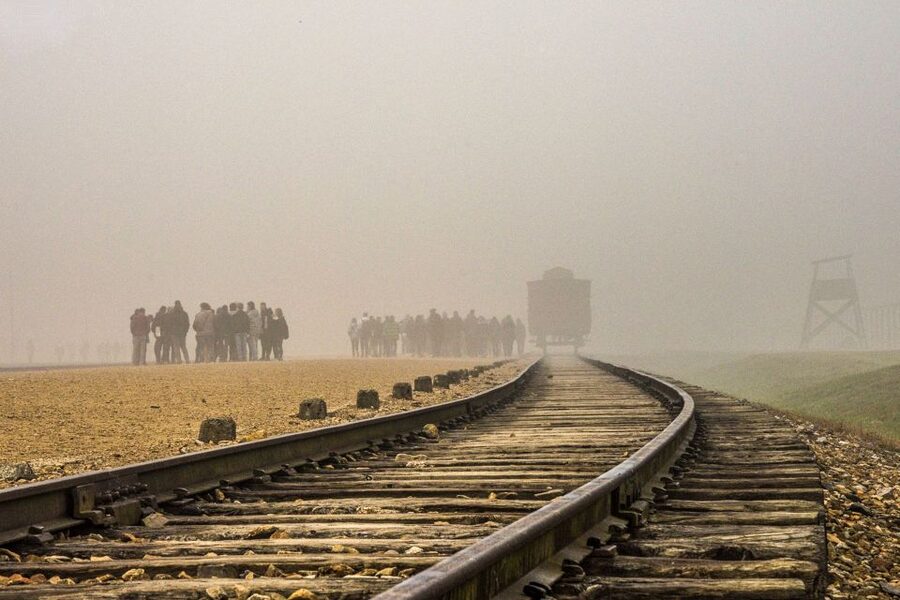
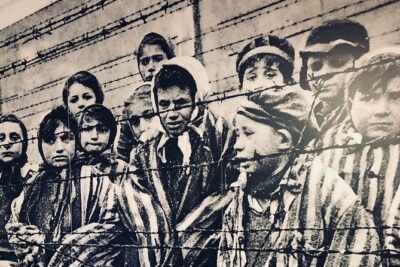
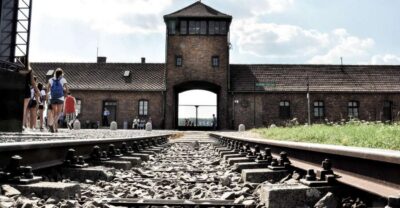
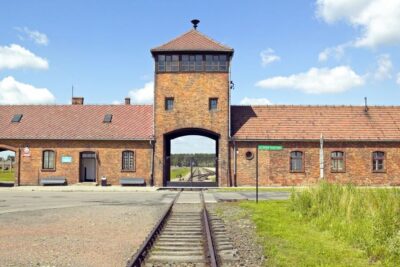
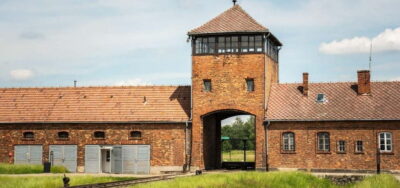
Birkenau is the second camp in the complex, and it’s where the story shifts from the organized camp system you see in Auschwitz I to the mass scale of killing connected to the Nazi plan known as the Final Solution.
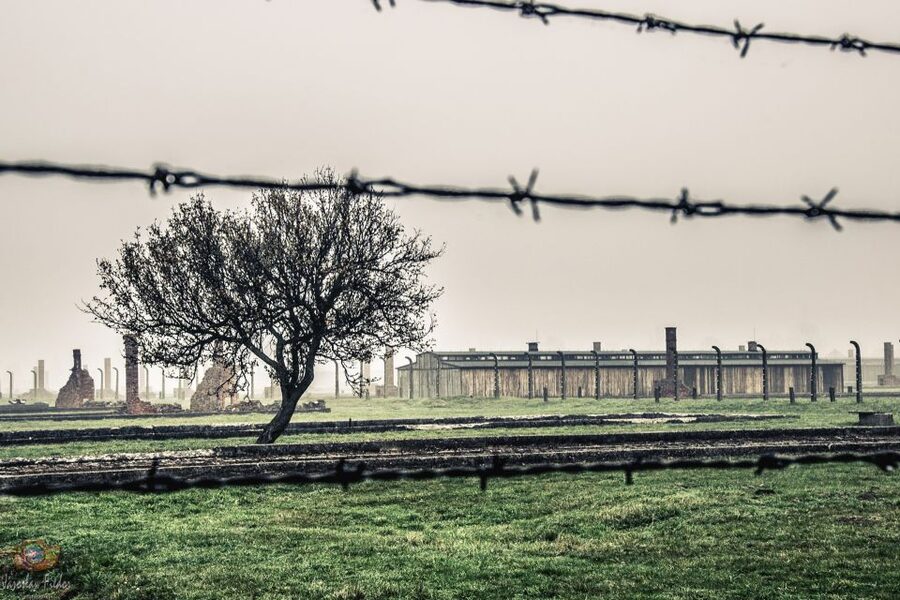
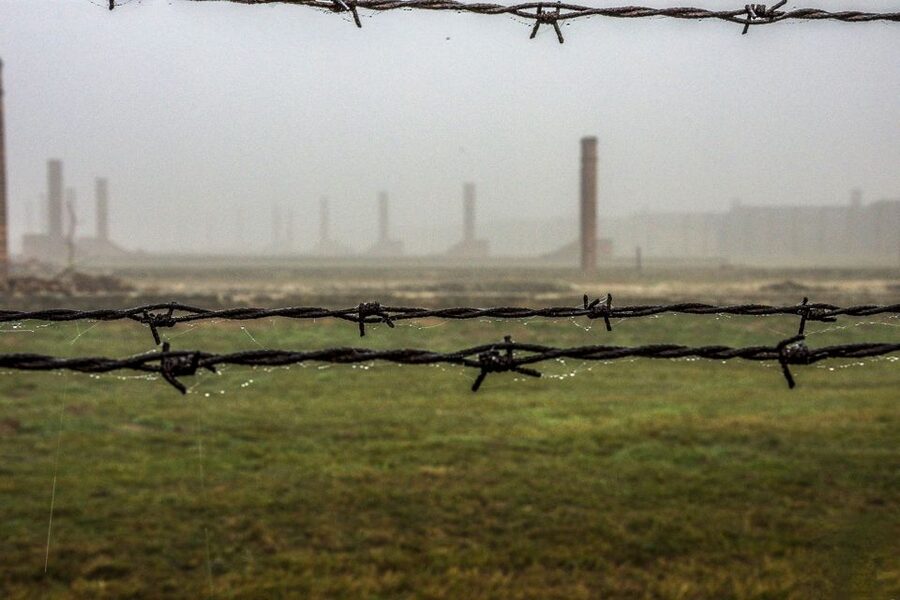
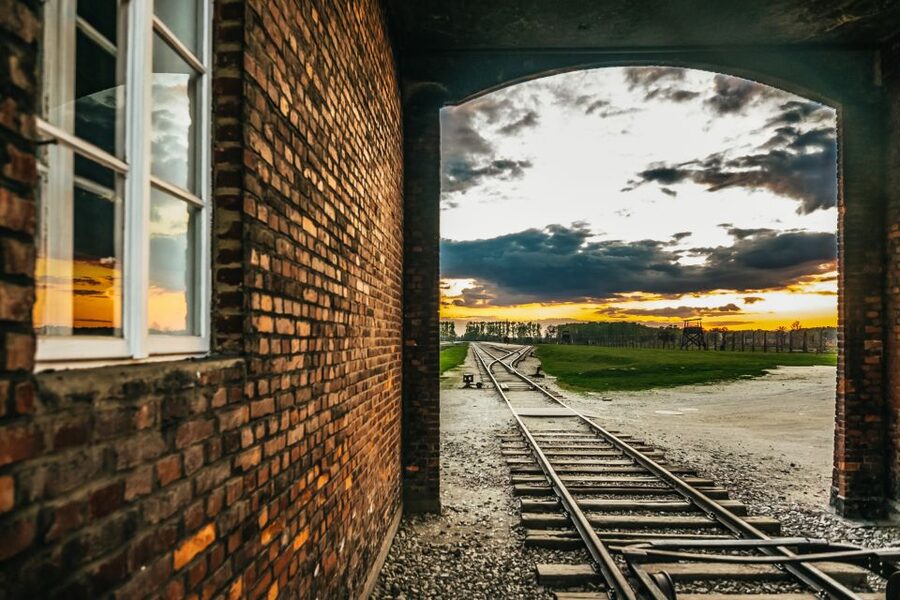
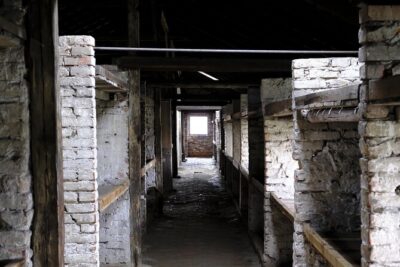
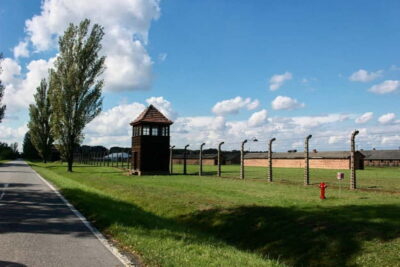
Your guide takes you through Birkenau so you can see the barracks and understand the inhuman conditions in that larger camp environment. This is an open-air area, and it can feel endless when you’re walking it. The ground is expansive, the spaces are stark, and the scale is exactly what overwhelms people—because the geography becomes part of what the system did.
This is also where headsets help most. In Birkenau, you’re often walking, standing in groups, and dealing with distance and wind. Hearing the explanation cleanly changes your experience from sightseeing to understanding.
What you’ll likely notice:
- How the camp’s size affects how people were processed and confined.
- How the preserved remnants connect to what your guide is describing.
- Why the tour puts so much emphasis on context and respectful language.
Some bookings note the tour pace can feel tight in certain areas. Birkenau especially can leave you with the feeling that you want longer to read and absorb. If that’s your style, I’d plan to do extra reading later. Use the guide time for comprehension and the memorial materials for slow reflection.
Timing, Group Flow, and Why Your Start Time Matters
This tour runs in the daytime window of 7:30 AM to 3:00 PM, and you choose a start time when you book. The exact starting time is sent the day before the tour, which is common for sites that manage entry and group flow.
That flexibility can be a stress test. Some people reported time changes that affected their plans for getting home. So, if you have a tight bus or train connection right after, leave a buffer. Auschwitz-Birkenau is one of those places where delays can happen even when everything goes smoothly.
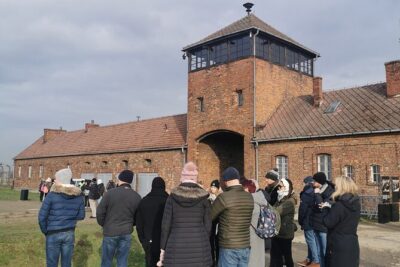
Group size and structure also affect your experience. Some people reported feeling well cared for by guides and staff, while others mentioned moments where the pacing left people behind, especially when mobility varied. The tour includes headsets and a set route, so it’s best suited for visitors who can keep up steadily.
Also, keep in mind this is not a place to treat as a casual day out. Several bookings mention a quiet, reflective mood on the return trip. That emotional tone is normal here.
What to Bring (and What to Leave Behind)
You’re told to bring:
- Passport or ID card
- Drinks
- Packed lunch
That last point matters because the day isn’t built around long food stops. Auschwitz can take more out of you than a normal attraction, and having water and a snack plan keeps you functional.
You also have to follow rules on bags and clothing:
- No luggage or large bags.
- The maximum permitted bag size is 20 x 30 cm.
- Pets aren’t allowed.
- Smoking isn’t allowed.
- Short skirts and sleeveless shirts aren’t allowed.
And from a comfort standpoint, plan for standing and walking outdoors. One reviewer noted cold December conditions, so even if your trip is in warmer months, bring layers. Weather changes fast in Poland, and Birkenau is exposed.
If you wear something too casual for the site rules, you may end up dealing with restrictions on entry. So dress like you’re entering a serious memorial space: covered, comfortable, and practical.
Communication, Meeting Point, and How to Avoid Start-Day Headaches
The meeting point can vary depending on the option booked. In real life, this is often the most confusing part because you’re looking for a specific person in a busy area.
Some past bookings praise the communication—messages sent clearly, staff helping when someone couldn’t find the group, and reps meeting people near the entrance. Others mention difficulty spotting the group or delayed responses when trying to connect. So here’s the best approach: arrive early, double-check your meeting location details the day before, and keep your phone charged.
If you come by public transport, tell your tour leader before the tour starts so they can advise you on how to reach Birkenau during the 15-minute break. That’s explicitly part of the expectations for this experience.
One more practical note: if your English isn’t your strongest language, you still might find listening challenging depending on the guide and accent, which has shown up in a few booking comments. Headsets help, but clarity varies.
Price and Value: Is $21 a Good Deal Here?
At about $21 per person, this tour sits in the “low enough to be accessible, serious enough to be worth it” category for an experience like Auschwitz-Birkenau. The pricing matters less than what you’re buying.
You’re getting:
- A fast-track entry ticket
- A live museum guide (not just an audio script)
- Headsets
If you tried to replicate the experience yourself—timed entry, security, route logic, and explanations—you’d likely spend more time figuring things out than learning. And time matters here because there’s a lot to understand in a short window.
So yes, $21 is strong value for a guided, headsets-included memorial visit—especially if you’re short on time in Krakow and want a structured plan.
Who This Tour Fits Best (and Who Might Want Another Option)
This experience is not suitable for:
- Children under 12
- Wheelchair users
It’s also best for visitors who can handle:
- Long walking and standing
- A serious, emotionally heavy subject
- Following a group pace
If you want a deep, self-guided memorial reading session with maximum time in each building, you might prefer a different format. If you want clarity and context without spending hours planning routes and timing, this tour type is a smart fit.
The language options are broad (English plus German, French, Spanish, Italian), so you’re not limited if you’re not traveling with an English-first group.
Should You Book This Auschwitz-Birkenau Tour?
I’d book this tour if you want a guided, structured visit that gets you into the camps efficiently and gives you context from a WWII educator. The combination of skip-the-line entry, headsets, and a route that covers Auschwitz I and Birkenau makes it one of the more practical ways to do this memorial day in 210 minutes.
I’d pause and reconsider if you:
- Need lots of extra time inside buildings
- Have mobility limitations that make steady walking difficult
- Want a fully independent pace between Auschwitz I and Birkenau, since the 15-minute break expects you to get to Brzezinka on your own
If you’re going for understanding, not just photos, this tour is a good call.
FAQ
How long is the Auschwitz-Birkenau skip-the-line guided tour?
The duration is 210 minutes.
What’s included in the ticket?
You get a fast-track entry ticket, a museum guide, and headsets.
What languages is the tour available in?
The live tour guide is available in English, German, French, Spanish, and Italian.
Is transportation between Auschwitz and Birkenau included?
No. After Auschwitz I, there’s a 15-minute break and you should move to Brzezinka’s car parking area by your own transport (2 km).
What ID and bag rules should I follow?
Bring your passport or ID card. Large bags or luggage aren’t allowed, and the maximum permitted size is 20 x 30 cm.
Is this tour suitable for kids or wheelchair users?
It’s not suitable for children under 12 and wheelchair users.
More Tours in Oswiecim



More Tour Reviews in Oswiecim
Visiting the Auschwitz-Birkenau Memorial
Just added: fresh Oswiecim reviews
Auschwitz-Birkenau Memorial Tours, compared.
 ★ 4.5Auschwitz-Birkenau Guided Tour & Hotel PickupFrom $2133,358 reviews
★ 4.5Auschwitz-Birkenau Guided Tour & Hotel PickupFrom $2129,340 reviews
★ 4.5Auschwitz-Birkenau Guided Tour & Hotel PickupFrom $2133,358 reviews
★ 4.5Auschwitz-Birkenau Guided Tour & Hotel PickupFrom $2129,340 reviews
 ★ 4.5Auschwitz Guided Tour with Optional Hotel PickupFrom $6915,280 reviews
 ★ 4.5Auschwitz-Birkenau Guided Tour with Pickup & LunchFrom $219,800 reviews
 ★ 4.5Auschwitz-Birkenau Guided Tour Pickup/Lunch OptionsFrom $2009,057 reviews
 ★ 4.7Auschwitz-Birkenau and Salt Mine Guided TourFrom $549,020 reviews
 ★ 5.0Krakow to Auschwitz Birkenau Guided Tour with Transfer and TicketFrom $368,197 reviews
 ★ 4.0Auschwitz Birkenau Tour with TransferFrom $216,134 reviews
Browse the lists this tour appears in