
REVIEW · KAZIMIERZ & JEWISH HERITAGE TOURS
Discover the Jewish Quarter with a Bike Tour
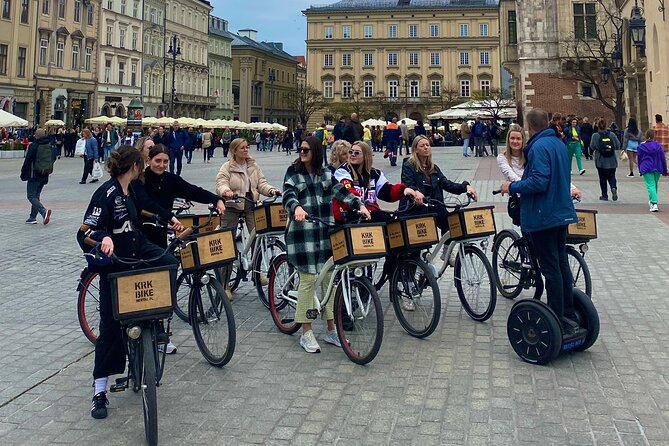
Pedal through Krakow’s Jewish heart in two hours. This bike tour threads together major synagogue stories and street-level landmarks in the Jewish Quarter, with short stops that keep the history moving instead of getting stuck in one place.
I especially liked the tight pacing led by Arthur, with frequent photo-and-story moments that made it easy to follow the neighborhood’s timeline. I also love that the route includes a real Kazimierz break at Market Square, where you’re prompted to try the local fast-food classic, zapiekanki.
One thing to plan for: a few key synagogue visits list admission as not included, so you may want a bit of cash or a card ready for those entrances.
In This Review
- Key highlights at a glance
- Why biking the Jewish Quarter is the smart move
- Getting started at Wiślna 4 and finding your rhythm
- Temple Synagogue: the community before the war
- JCC Krakow and the Prince Charles connection
- Market Square and why you should order zapiekanki
- Schindler’s List Passage: movies, documents, and memory
- Singer bar and the meaning behind the name
- Old Synagogue and Popper Synagogue: places of prayer and books nearby
- Remuh and the option to visit the cemetery
- Kupa Synagogue, Corpus Christi Church, and plac Wolnica
- Price and value: what $30.23 buys you in 2 hours
- Who this tour is for (and who might prefer something else)
- Should you book this Jewish Quarter bike tour?
- FAQ
- Is the tour offered in English?
- How long is the bike tour in Krakow?
- Where does the tour start?
- What type of ticket do I need?
- Are admissions to the synagogues included?
- How big is the group?
- What if the weather is bad?
- Can I cancel for free?
- Is it suitable for most people?
Key highlights at a glance
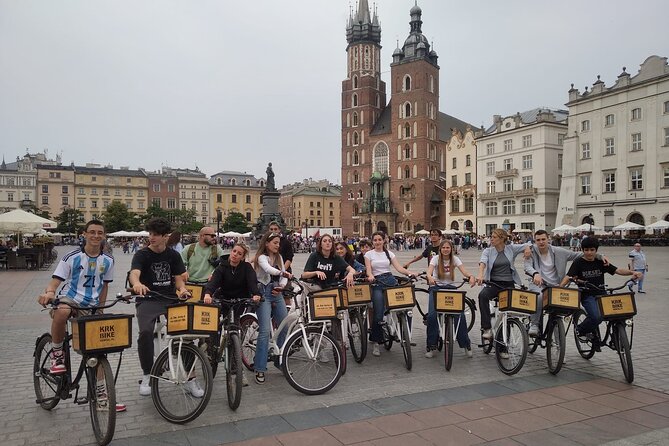
- Arthur’s storytelling keeps the route lively, with lots of frequent stops along the way
- Bike pace fits Kazimierz so you see more street corners than on foot in the same time
- Zapiekanki at Market Square gives you an easy, local food moment
- Landmarks beyond synagogues link the Jewish story to the wider Krakow streets
- Several synagogue interiors may cost extra depending on the stop
- Remuh includes an optional cemetery visit if you want to linger
Deeper into Kazimierz and its Jewish heritage
- Krakow: Schindler’s Factory & Ghetto Guided Tour
★ 4.7 · 1,694 reviews - Krakow: Jewish Quarter and Former Ghetto Tour
★ 4.9 · 1,441 reviews - Krakow: Bike Tour of Old Town, Jewish Quarter and the Ghetto
★ 4.9 · 1,155 reviews
Why biking the Jewish Quarter is the smart move
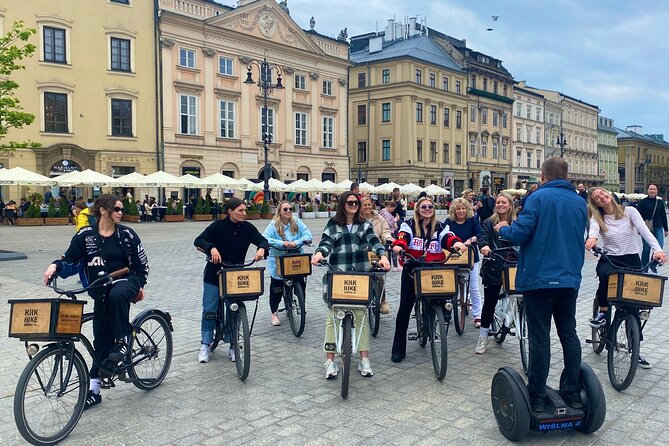
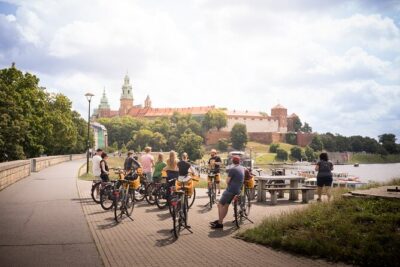
Kazimierz (and the surrounding Jewish quarter areas) can feel like a maze if you’re walking without a plan. On a bike tour, you get the big advantage: you cover ground quickly, but you still get short stops to understand what you’re seeing. It’s a good mix of movement and meaning.
I like that the tour doesn’t treat the neighborhood like a single museum block. You’re taken from synagogue life and community institutions to public squares and even churches, so you start seeing how different communities shared the same city space. That bigger picture matters, because it makes the history feel tied to real streets—not just plaques.
And the format works especially well for a short visit. Two hours can sound like a lot until you’re trying to squeeze in synagogues, memorial spots, and a food stop. Here, the schedule keeps you moving, and the guide’s rhythm helps you take it all in without feeling rushed or overwhelmed.
Getting started at Wiślna 4 and finding your rhythm
The tour starts and ends at Wiślna 4, right by public transportation. That matters because Krakow is easy to navigate, and it’s reassuring when your meeting point is not tucked away.
You’ll also get that first “riding into the zone” moment. One of the best parts of this style of tour is that it gives you a quick orientation ride before the stories get more specific. After that, the group tends to stop often—think short pauses every couple of minutes—so you’re not sprinting between points while trying to read facts off a screen.
A practical note: this is a bike experience, so if you’re not comfortable riding on city streets or bike lanes, the tour may feel less relaxing. Most people can take part, but you’ll still want basic bike comfort and good weather.
Temple Synagogue: the community before the war
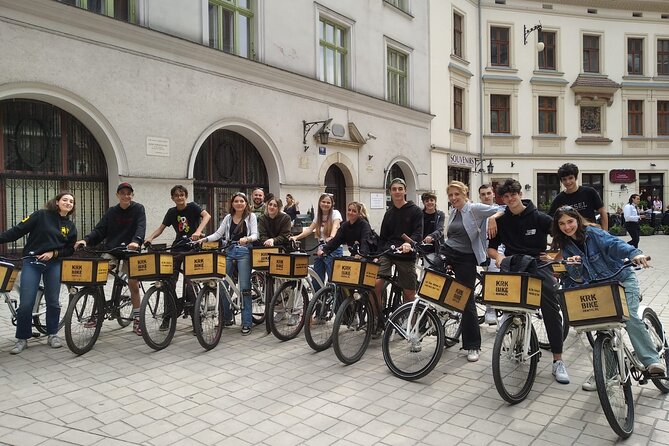
Your route begins with an introduction at Wiślna 4 and then moves into the heart of synagogue life, starting with the Temple Synagogue. The guide sets the tone by talking about the thriving Jewish community before the war. That framing is key. If you only see memorials and devastation, you miss the full story—what life was like before history broke it.
At this stop, you should also be aware of the admission detail. The Temple Synagogue is listed as not included, so you’ll want to be ready to purchase entry if you plan to go inside as part of the stop. Even if you don’t spend a long time indoors, the outside story gives you context for what you’ll see later.
This is also a helpful way to start because the tour doesn’t jump straight to the most famous traumatic sites. It builds from everyday community to the places people used for worship, study, and neighborhood life.
More of the city by bike, at your own speed
- Complete Cracow Bike Tour (small group of maximum 15 people!)★ 5.0 · 1,322 reviews
- Highlights of Krakow Bike Tour – Small group★ 5.0 · 662 reviews
- Full Bike Tour – the Old Town, Jewish Qtr & the Ghetto NEW BIKES★ 5.0 · 437 reviews
- Krakow: Highlights of Krakow Bike Tour – Small Group★ 4.9 · 421 reviews
JCC Krakow and the Prince Charles connection
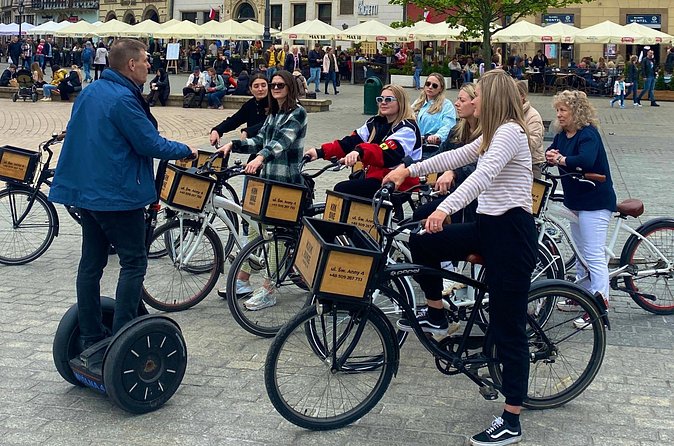
Next comes the Jewish Community Centre of Krakow, the JCC Krakow. Here, the tour shifts from houses of worship to community structure—who organized help, education, gatherings, and neighborhood identity.
A standout part is the mention of Prince Charles and why the JCC matters for the Jewish community and the surrounding neighborhood. I like stops like this because they connect history to institutions you can still recognize today. It’s not only about what used to be here; it’s also about how community life has taken different forms over time.
Admission at the JCC stop is listed as free, so it tends to be an easy inclusion without extra entry planning. It also gives you a breather from synagogue interiors while still moving the story forward.
Market Square and why you should order zapiekanki
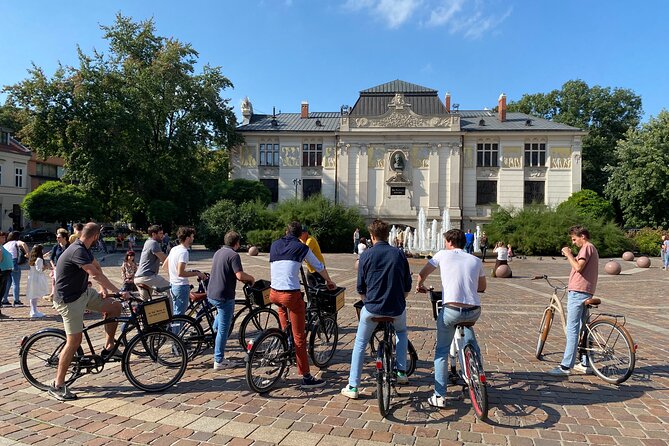
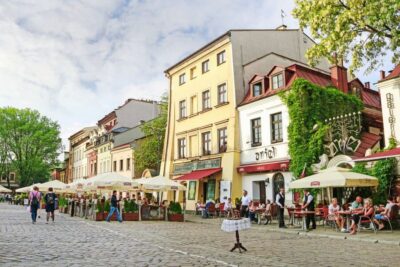
Kazimierz’s Market Square is more than just a scenic pause. It’s where everyday life shows up: locals, smells from nearby food spots, and the kind of energy that makes the neighborhood feel inhabited rather than staged.
The tour calls out the New Square and encourages you to meet locals. Then it lands you on a very practical local food tip: zapiekanki—Poland’s finest fast food, served as a quick, shareable break.
This is a smart moment in the itinerary. By the time you reach the food stop, you’ve heard about community life and places of worship. Having a simple street-food moment gives your brain a rest without turning the tour into a detour.
If you go hungry, you’ll feel like you’re doing something “touristy.” If you go ready for a snack that locals actually eat, it becomes part of the experience rather than a distraction.
Schindler’s List Passage: movies, documents, and memory
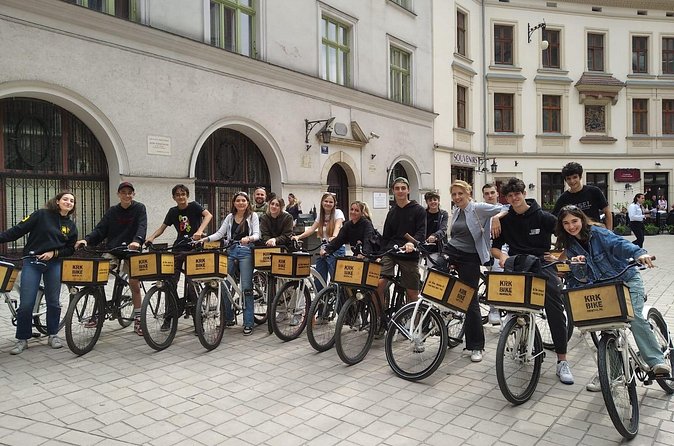
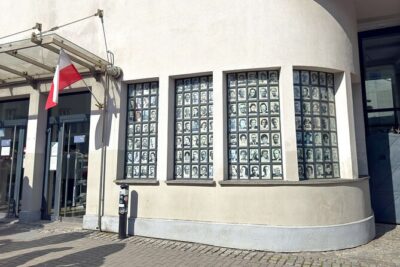
One of the most recognizable landmarks on the route is the Schindler’s List Passage. The guide connects the story to the Schindler’s List film and also points you toward documentaries and facts.
This stop works because it forces you to separate three things that often blur together: film storytelling, historical research, and real places in Krakow. The passage format—short, constrained, and street-like—also helps you feel how history can be “close,” not just distant behind museum walls.
Everything here is listed as free for the stop itself, so you’re not paying extra to stand where stories are linked. You’re paying with your attention. And if you’ve been to Auschwitz recently or plan to go next, this is a strong bridge. It helps you understand the Jewish story in Krakow as a lived one, not only as dates and events.
Singer bar and the meaning behind the name
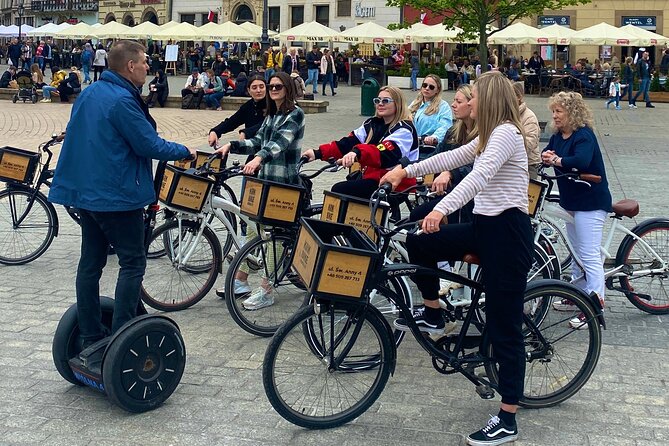
Next you’ll hear about Singer, a bar tied to the neighborhood’s identity. The tour pauses to explain what Singer means and why the place is called Singer. That kind of detail sounds small until you realize how often names carry cultural clues—who lived here, what businesses meant, and how memory gets absorbed into everyday life.
I like this stop because it adds personality. Synagogues and formal monuments can make a tour feel heavy. A bar stop with explained naming is a reminder that community history isn’t only solemn; it’s also social, economic, and human.
The stop is listed as free, and it’s brief enough to keep your momentum. If you enjoy hearing why specific local labels exist—street names, building names, shop names—this portion will feel especially satisfying.
Old Synagogue and Popper Synagogue: places of prayer and books nearby
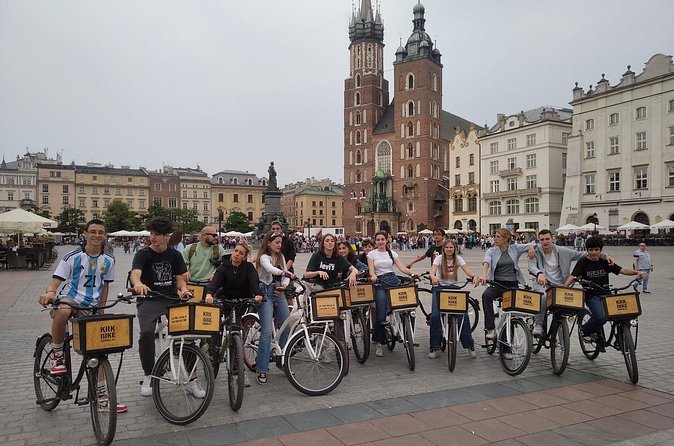
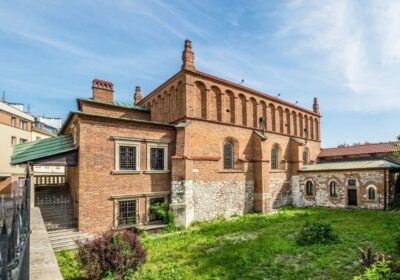
The route then moves to the Old Synagogue. Like the Temple Synagogue, admission is listed as not included here, so plan for extra entry if you want to go inside. The guide tells the story of the Old Synagogue, helping you connect architectural presence to the community that used these spaces.
After that, you’ll reach Popper Synagogue. What I found useful about this stop is the detail that there’s a bookshop next to it, along with the mention of Wolf Popper. That combination—place of prayer plus books nearby—reinforces the idea that study and learning weren’t an afterthought. They were part of community life.
Popper’s stop is listed as free, so you can focus on the story without extra entrance logistics. If you’re the type of person who likes to learn “what makes this corner special,” this will feel like one of the more memorable stops—because it’s grounded in both people (Wolf Popper) and everyday surroundings (the bookshop).
Remuh and the option to visit the cemetery
Remuh Synagogue (Synagoga Remuh) is another major stop on the route. Here, the guide walks you through its history and explains that, if you want, you can visit the synagogue and the cemetery as well.
That optional cemetery time is valuable for the right kind of traveler. If you like quiet reflection and want to slow down, the ability to choose adds control. If you’re already feeling emotionally full, you can likely keep your focus on the synagogue story and move on.
As with other key synagogue stops, admission at Remuh is listed as not included. If you want the cemetery visit, budget time accordingly, since a cemetery isn’t a “look fast and go” kind of place.
The big reason I rate this stop highly is that it gives you multiple ways to experience the place: story-first from the guide, then deeper access if you choose it.
Kupa Synagogue, Corpus Christi Church, and plac Wolnica
After Remuh, you’ll pass Kupa Synagogue (Synagoga Kupa), where the guide shares its history. Like several other stops on the route, the Kupa stop itself is listed as free. That makes the storytelling feel like the main ticket: you’re learning to read what’s around you.
Then the tour turns to Corpus Christi Church (Kosciol Bozego Ciala). This is an important tonal shift—Jewish sites followed by a Catholic church—because it helps you understand how different faiths shaped the same neighborhood space over time. The guide explains the origin of the church’s name and the history of the place, and you can also visit the church.
The story doesn’t stop with buildings. The tour ends with plac Wolnica 1, where you get facts and local legends. I like a closing stop like this because it feels like returning to the street, not finishing in a parking-lot feeling. You leave with a sense of place and a few local threads to think about later.
Price and value: what $30.23 buys you in 2 hours
The price is $30.23 per person for about two hours, with an English guide and a mobile ticket. For this area, that’s not just “a cheap tour.” It’s a time-saver.
Here’s why I think the value holds:
- You’re covering a lot of key locations in a short window, without needing to plan logistics stop-by-stop.
- You get context at each stop, not only photo opportunities.
- You get an included local food suggestion (zapiekanki) that turns the tour into a more complete experience.
Your main cost risk is admissions at certain sites. Temple Synagogue, Old Synagogue, and Remuh list admission as not included, so factor extra entries into your day if you want to go inside at each of those stops. Still, even with those potential extra costs, the tour tends to pay you back in clarity. It’s easier to understand Kazimierz when your route already links the story beats.
The tour size is capped at 30, and that’s ideal for bike tours. It keeps you from feeling like you’re trapped in a long line, and it helps the guide keep the group together.
Who this tour is for (and who might prefer something else)
This works especially well if you want an efficient intro to Krakow’s Jewish Quarter and you enjoy learning through a mix of places: synagogues, community institutions, street landmarks, and food.
It’s also a nice pairing if you’re planning a longer, heavy-hitting history day elsewhere in Poland. Having Krakow’s neighborhood context first can make the later sites hit differently. You’ll have more “where” in your mind, not only “what.”
If you prefer slow walking, deep independent exploration, and long stays in interiors, you might find the bike pace too structured. And if you don’t like bikes in city traffic, walking tours might suit you better.
Should you book this Jewish Quarter bike tour?
If you want a fast, well-led introduction to Kazimierz with real neighborhood flavor, I’d book it. The route gives you strong story sequencing, you’ll learn why names and places matter (Singer, Wolf Popper, and the institutional JCC connection), and you get a very practical Kazimierz food moment with zapiekanki.
Just go in knowing that some synagogue interiors are not included, and you’ll want good weather for a bike day. If that fits your trip style, this is a smart way to get oriented—and to leave with more than a list of sights.
FAQ
Is the tour offered in English?
Yes. The tour is offered in English.
How long is the bike tour in Krakow?
It runs for about 2 hours.
Where does the tour start?
The meeting point is Wiślna 4, 33-332 Kraków, Poland, and the tour ends back at the meeting point.
What type of ticket do I need?
You receive a mobile ticket.
Are admissions to the synagogues included?
Some stops list admission as not included, including the Temple Synagogue, Old Synagogue, and Remuh Synagogue. Other stops on the route are listed as free.
How big is the group?
The tour has a maximum of 30 travelers.
What if the weather is bad?
This experience requires good weather. If it’s canceled due to poor weather, you’ll be offered a different date or a full refund.
Can I cancel for free?
Yes. You can cancel up to 24 hours in advance for a full refund.
Is it suitable for most people?
Most travelers can participate.
More Tour Reviews in Krakow
Krakow on Two Wheels


More of Jewish Kazimierz
Just added: fresh Krakow reviews
Kazimierz & Jewish Heritage Tours, compared.
 ★ 4.7Schindler’s Factory & Ghetto Guided TourFrom $571,694 reviews
 ★ 4.9Jewish Quarter and Former Ghetto TourFrom $191,441 reviews
 ★ 4.9Bike Tour of Old Town, Jewish Quarter and the GhettoFrom $371,155 reviews
 ★ 4.8Kazimierz Jewish Quarter Walking TourFrom $27571 reviews
 ★ 4.8Kazimierz, Schindler’s Factory & Ghetto Guided TourFrom $81460 reviews
 ★ 5.0Full Bike Tour – the Old Town, Jewish Qtr & the Ghetto NEW BIKESFrom $35437 reviews
 ★ 4.6Jewish Ghetto Walking TourFrom $11349 reviews
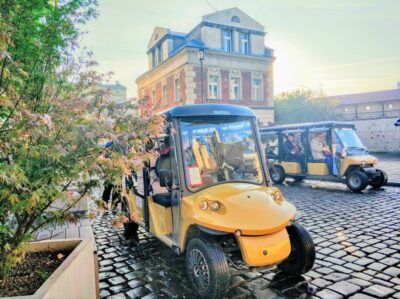 ★ 4.6Jewish Quarter and Ghetto Electric Golf Cart TourFrom $34348 reviews
Browse the lists this tour appears in