
REVIEW · KAZIMIERZ & JEWISH HERITAGE TOURS
Jewish Krakow in German
Jewish Krakow hits hard, then lifts your eyes. This 150-minute German walking tour in Kazimierz and Podgórze connects Jewish art and architecture to the reality of World War II, and then shows how Jewish life has returned to the same streets. I really like the structured story and the way the guide keeps history understandable, not just memorized dates.
I also like the fact that the tour is led by a live local guide who can explain meaning on the ground, in excellent German. In one recent tour, the guide was Max, and his explanations were praised as both solid and engaging, even with a little humor. One thing to consider: the subject matter includes death and destruction during WWII, so it can feel emotionally heavy, and you may want more time at some stops.
In This Review
- Key highlights worth your attention
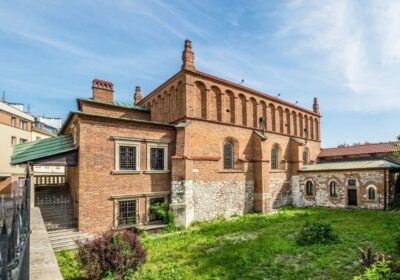
- Starting at the old synagogue stairs in Krakow’s Jewish district
- Why seven synagogues still standing changes how you see the city
- Kazimierz today: where the past is close to modern life
- World War II context: the guide’s “why” behind the “what”
- Podgórze and the ghetto story from 1941 to 1943
- Jewish Krakow as a “story,” not a checklist of stops
- Language factor: a German live guide that keeps things understandable
- Price and value: $26 for 150 minutes with an expert guide
- Who this Jewish Krakow tour suits best
- Should you book this tour?
- FAQ
- How long is Jewish Krakow in German?
- What is the meeting point?
- What language is the tour offered in?
- How much does the tour cost?
- What is included in the price?
- What is not included?
- Is the tour a pay-what-you-wish style experience?
- Can I cancel for a full refund?
- Can I reserve now and pay later?
Key highlights worth your attention
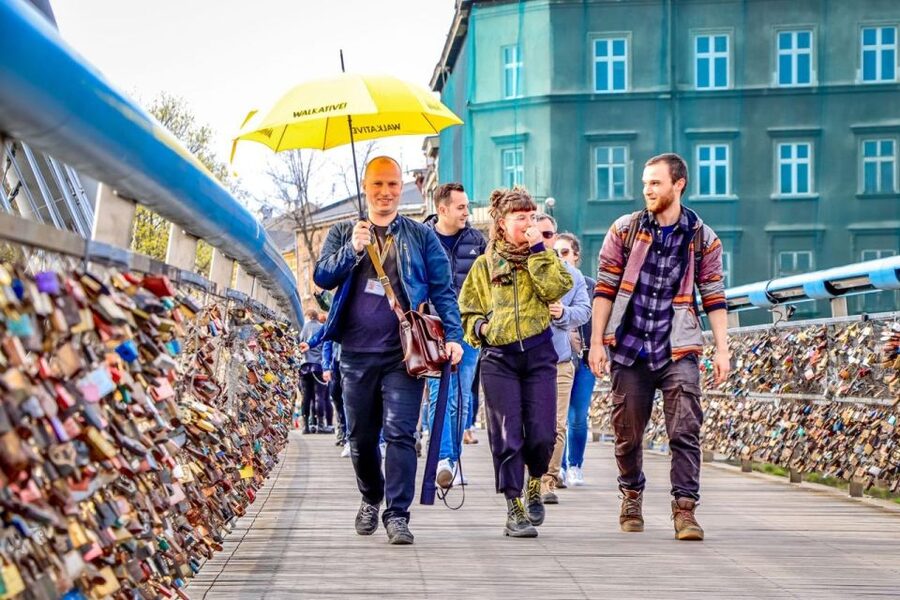
- Meeting by the old synagogue area in the Jewish district so you start in the right place, fast
- Kazimierz’s historic core, where multiple old synagogues survived WWII destruction
- Meaningful stops tied to the Holocaust in Krakow, including the places connected to 1941–1943
- Podgórze ghetto ground in view, focused on what happened to the buildings there
- A shift toward today’s revival, so the tour ends with context, not only tragedy
Deeper into Kazimierz and its Jewish heritage
- Krakow: Schindler’s Factory & Ghetto Guided Tour
★ 4.7 · 1,694 reviews - Krakow: Jewish Quarter and Former Ghetto Tour
★ 4.9 · 1,441 reviews - Krakow: Bike Tour of Old Town, Jewish Quarter and the Ghetto
★ 4.9 · 1,155 reviews
Starting at the old synagogue stairs in Krakow’s Jewish district
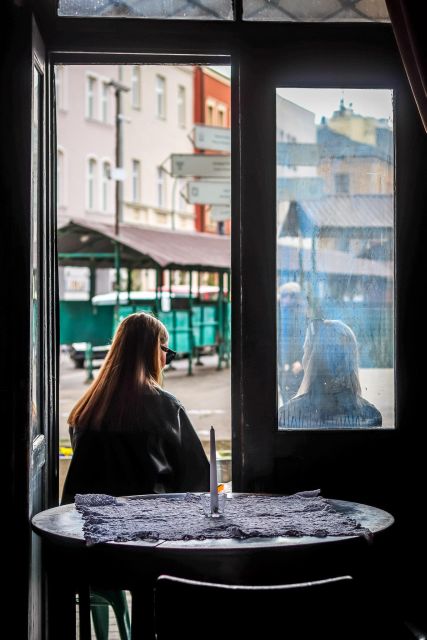
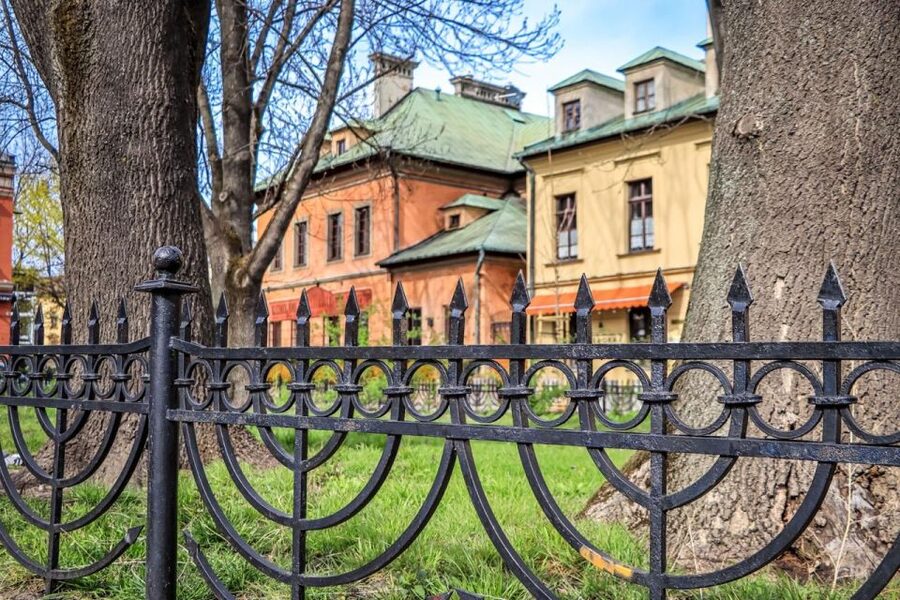
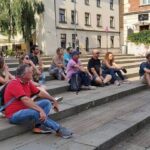
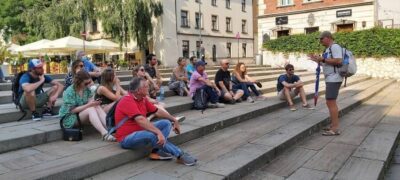
You meet on the stairs in front of the old synagogue, on the main street of the Jewish quarter. That matters more than it sounds. You’re not starting in a random plaza; you’re stepping into the neighborhood that gives the tour its logic right away.
From the first minutes, your guide builds a framework: where Krakow’s Jewish community fit in the wider story, and how the geography of Kazimierz and Podgórze links to what you’ll see later. You get “where am I?” and “why is this here?” answered early, which makes the walking sections feel purposeful instead of just moving from one plaque to the next.
This is also a good point to set expectations. Wear shoes for a walking tour, since you’ll be on your feet for the full 150 minutes, and the schedule assumes you can stay with the group.
Why seven synagogues still standing changes how you see the city
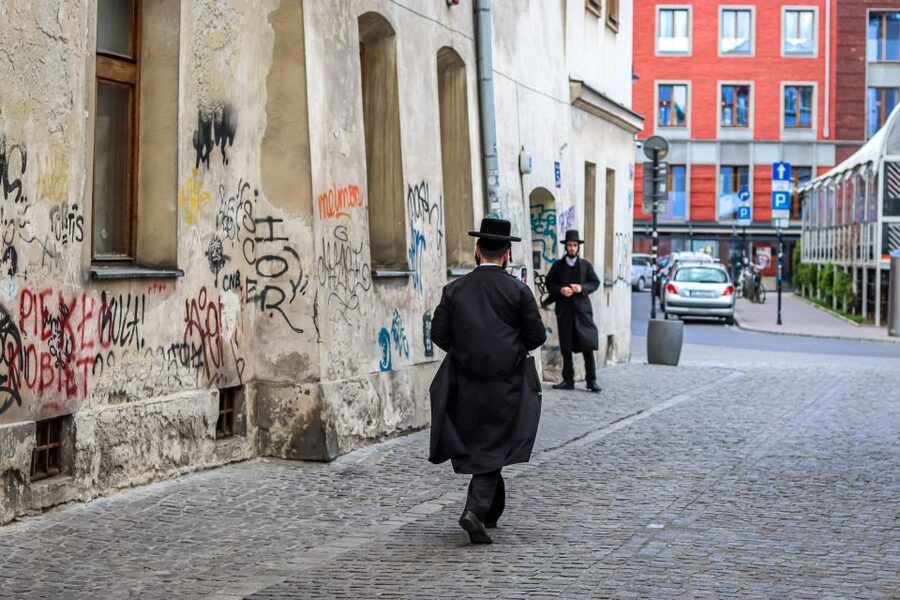
A standout theme of this tour is the historic Jewish quarter, Kazimierz, and the fact that seven old synagogues survived the destruction of World War II and the Holocaust. That detail doesn’t just add variety. It changes the tone of your visit.
Instead of treating the neighborhood as only a memorial space, you learn to see it as a lived place with layers: Jewish art and architecture, old community life, and long-term survival. Your guide uses that to explain how architecture can carry meaning even when history becomes unbearable.
You’ll also get context for the idea of a “quarter” that functioned as a center of culture. Krakow once hosted one of the largest Jewish communities in the world, and the tour frames Kazimierz as a major stage for that cultural flowering. Standing where synagogues remain, you can understand why the Jewish presence mattered beyond religion alone.
Possible drawback: because the surviving sites are so compelling, you might feel like you want to linger longer. One review noted that at some places, there was a desire for more time, and that’s a fair instinct here.
Kazimierz today: where the past is close to modern life
Your tour doesn’t freeze Kazimierz in the past. After the historical context, you’ll also see how the area functions as a cultural heart of modern Krakow.
Your guide explains that today’s Kazimierz still holds a small but lively Jewish community. That doesn’t mean the story becomes cheerful. It means the neighborhood has a present tense, not only a past tense. You learn how revival works in real places: not as a theme park, but as continuation of community life.
This part of the tour helps you process the emotional weight earlier in the walk. When you understand that Jewish culture has returned to the same streets, you stop treating tragedy as the final chapter. You also get a more accurate picture of how communities persist, even after systematic destruction.
If you’re the type who prefers linear, chronological history, you’ll still appreciate this section. The guide ties the revival directly to what you just learned, so it doesn’t feel like a detour or a mood shift.
- Krakow: Wieliczka Salt Mine Tour with Entry Ticket★ 4.6 · 10,927 reviews
- Krakow–Zakopane: Cable Car, Chocholow Baths, Cheese & Vodka★ 5.0 · 10,720 reviews
- Krakow: Auschwitz-Birkenau Guided Tour with Pickup & Lunch★ 4.5 · 9,800 reviews
- From Krakow: Wieliczka Salt Mine Tour★ 4.6 · 9,393 reviews
World War II context: the guide’s “why” behind the “what”
The tour includes discussion of the death and destruction of the Second World War and how it impacted local Jewish life in Krakow. That can cover difficult material, and the value here is how the guide organizes it.
You’re not just hearing that something terrible happened. You’re learning the historical context of the local Jewish community first, so the later descriptions don’t float in abstract space. The guide’s structured story approach helps you connect everyday community life to what followed.
This is where the German narration really matters. Since the tour is in German, you’ll want to be comfortable following explanations at speaking speed. But the upside is clarity: a strong guide can translate complexity into something you can track while walking.
If you don’t speak German fluently, you still might follow themes like community, persecution, destruction, and survival. Just don’t expect to catch every detail without language support.
Podgórze and the ghetto story from 1941 to 1943
One of the most important parts of this tour is Podgórze, the area of the former Jewish ghetto during World War II. Your guide focuses on what the original buildings experienced in 1941 to 1943 and what that means when you’re standing in the neighborhood today.
This section tends to land differently than the synagogue sites. Synagogues can make you think about culture, identity, and continuity. Podgórze brings you face-to-face with the brutal logistics of persecution and the way ordinary urban space was transformed.
The tour’s value isn’t only in pointing to locations. It’s in giving you a framework to understand why these buildings and streets matter now. You learn the connection between the present urban layout and the historical events your guide describes.
Also, you’re likely to feel that contrast physically. Walking from one part of the Jewish district to another can make the history feel close and real. That closeness is exactly why this section can be emotionally demanding, so pace yourself.
Practical tip: if you know you get overwhelmed in concentrated memorial environments, plan a quieter moment after the tour. A short walk, a coffee, or simply time alone helps your brain process what it absorbed.
Jewish Krakow as a “story,” not a checklist of stops
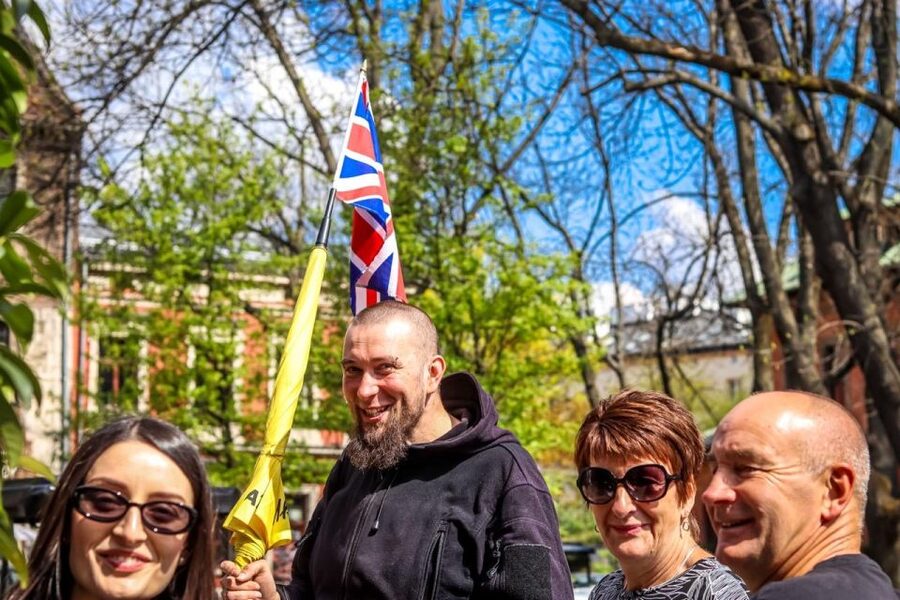
A big reason people choose tours like this is simple: it’s easier to remember a narrative than random sites. This experience is built as a carefully structured story, and that structure shows up in how it moves across Kazimierz and Podgórze.
You start with heritage and meaning, then the guide brings in the Second World War destruction, and finally you see the revival of Jewish culture in today’s Krakow. That arc matters. It prevents the tour from becoming only tragic or only cultural, and it gives you a more balanced view of what Krakow’s Jewish history included.
The way the guide explains meaning is also a key part of the payoff. For example, you’re not just told that synagogues exist. You learn why they matter and what surviving them says about the resilience of the community and the significance of place.
A slightly “meta” benefit: if you plan to explore on your own afterward, the tour gives you mental hooks. You’re more likely to recognize what you’re seeing, and you’ll know which questions to ask while you’re wandering.
Language factor: a German live guide that keeps things understandable
The tour is offered in German, with a live guide. That’s the main condition you should check before booking.
What makes this experience work for many people is that the guide’s German is delivered clearly enough to carry real historical explanation. One German-speaking participant highlighted that the guide spoke excellent German and told the story with lots of solid facts. Another praised the guide’s informative and varied approach, plus good interaction with the group.
That interaction matters on a walking tour. When the guide adapts in real time, you get less staring at the ground and more understanding of what you’re looking at. It also helps with pacing, especially when topics get heavy.
The only drawback here is simple: if your German is limited, you might miss some nuance. You’ll still get the geography and the main themes, but the finer points about meaning could pass you by.
Price and value: $26 for 150 minutes with an expert guide
At $26 per person for 150 minutes, the pricing lands in the “serious history without a museum ticket” range. The big value driver isn’t the cost alone. It’s what’s included: an expert, local travel guide plus a carefully structured story.
The tour fee also matters because it’s linked to a pay-what-you-think model for the guide. In this case, the amount you pay covers both the reservation fee and the guide’s payment. That structure is helpful if you prefer to reward good guiding without doing complicated calculations on the spot.
What you should think about: you’re paying for interpretation. Walks around Kazimierz can be pretty, but this one is designed to explain meaning—heritage, WWII impact, and the modern revival—so you’re not just sightseeing.
Not included items are straightforward: hotel pickup/return transport and snacks are not part of the package. If you want a snack, plan one for before or after, not during.
Who this Jewish Krakow tour suits best
I’d recommend this tour if you want Jewish Krakow in a way that’s both respectful and understandable. It’s especially good for people who like their history grounded in real places and real city geography.
You’ll likely enjoy it if:
- you want an expert local guide in German
- you’re curious about how Kazimierz functions both historically and today
- you’re ready for a tour that includes Holocaust and WWII topics, not only cultural architecture
It may feel less ideal if:
- you want a purely light, photo-friendly walk
- you need a strictly chronological timeline without emotional context
- your German comprehension is limited and you dislike missing details
If you’re traveling with kids, you’d need to judge your comfort level with the heavy WWII content and how your group handles it. The tour is built for adults who can handle serious history.
Should you book this tour?
Yes, I think you should book it if you care about meaning, not just locations. The combination of Kazimierz heritage, Podgórze ghetto context, and the ending note on today’s Jewish revival gives you a fuller view of Krakow than a casual stroll.
Also, the German live guiding quality seems to be a strong point, with clear explanations and good engagement. If you’re prepared for emotional material and you want a structured narrative for your time in the city, this is a solid use of 150 minutes.
If you’d rather avoid heavy topics or you rely heavily on self-guided pacing, you might choose a lighter option. But if you’re here to understand the neighborhood’s past and present, this tour is built for that job.
FAQ
How long is Jewish Krakow in German?
The tour lasts 150 minutes.
What is the meeting point?
You meet on the stairs in front of the old synagogue on the main street of the Jewish district.
What language is the tour offered in?
The live tour guide speaks German.
How much does the tour cost?
The price is $26 per person.
What is included in the price?
You get an expert local travel guide and a carefully structured story.
What is not included?
Hotel collection/return transport and a snack are not included.
Is the tour a pay-what-you-wish style experience?
Yes. The booking joins a pay-as-you-wish style tour, where what you pay covers the reservation fee and the guide’s payment.
Can I cancel for a full refund?
Free cancellation is available up to 24 hours in advance for a full refund.
Can I reserve now and pay later?
Yes. You can reserve now and pay later to keep your plans flexible.
More Tour Reviews in Krakow
More of Jewish Kazimierz


Just added: fresh Krakow reviews
Kazimierz & Jewish Heritage Tours, compared.
 ★ 4.7Schindler’s Factory & Ghetto Guided TourFrom $571,694 reviews
 ★ 4.9Jewish Quarter and Former Ghetto TourFrom $191,441 reviews
 ★ 4.9Bike Tour of Old Town, Jewish Quarter and the GhettoFrom $371,155 reviews
 ★ 4.8Kazimierz Jewish Quarter Walking TourFrom $27571 reviews
 ★ 4.8Kazimierz, Schindler’s Factory & Ghetto Guided TourFrom $81460 reviews
 ★ 5.0Full Bike Tour – the Old Town, Jewish Qtr & the Ghetto NEW BIKESFrom $35437 reviews
 ★ 4.6Jewish Ghetto Walking TourFrom $11349 reviews
 ★ 4.6Jewish Quarter and Ghetto Electric Golf Cart TourFrom $34348 reviews
Browse the lists this tour appears in