
REVIEW · KAZIMIERZ & JEWISH HERITAGE TOURS
Jewish Krakow Walking Tour in English
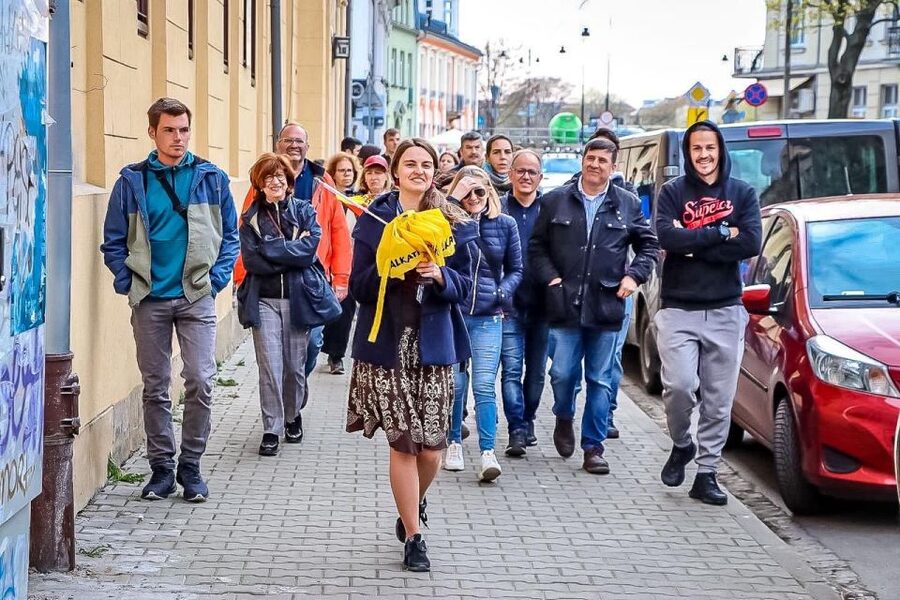
Jewish history in Krakow hits hard and fast. This 150-minute walk through Kazimierz and the WWII-era area of Podgórze turns old streets into a clear story: Jewish community life before the war, what the Holocaust did to it, and how parts of that culture live on today.
I especially like the way the tour blends place-based facts with story-telling. Two highlights for me are starting at the Old Synagogue area and learning why the neighborhood’s surviving synagogues matter, and then walking the ghetto landscape in a way that explains what happened in 1941–1943 without rushing past the difficult parts.
One drawback to keep in mind: the meeting and ending logistics aren’t always simple. In rain, finding the exact spot can be a bit tricky, and one group also noted the tour ended a good way from where it began across the river.
In This Review
- Key Things To Know Before You Walk
- Why This Walk Works: Jewish Krakow as a Connected Story
- Starting at the Old Synagogue: Getting Oriented Fast
- Kazimierz Streets and the Seven Synagogues That Survived
- Where WWII Enters the Picture: Podgórze and the Ghetto Landscape
- The Ghetto Wall Question: What You May See (and What You Might Not)
- A Break Mid-Walk: Coffee Time When Your Brain Needs a Reset
- Price and Value: Paying for the Story, Not Just the Walking
- How Long It Takes to Feel It: Timing and Pace
- Wheelchair Access and Getting the Most from the Route
- Who Should Book This Tour (and Who Might Want a Different Option)
- FAQ
- FAQ
- Where is the meeting point?
- How long is the tour?
- Is the tour in English?
- What’s included in the price?
- What isn’t included?
- Is the tour wheelchair accessible?
- What time should I arrive?
- What does pay-as-you-wish mean here?
- Can I get a refund if my plans change?
- Is there anything to help with comfort during the walk?
- Should You Book This Jewish Krakow Walking Tour?
Key Things To Know Before You Walk
- Old Synagogue meeting point: You start on the stairs in front of the Old Synagogue on the main street in the Jewish Quarter.
- A story-driven route: The walk is built as a narrative, not just a list of landmarks.
- Pre-war to WWII to today: You’ll move from everyday Jewish life context into the destruction of WWII, then back to how contemporary Krakow keeps Jewish culture present.
- Podgórze ghetto area focus: The tour centers on what the ghetto’s original buildings witnessed between 1941 and 1943.
- Time for a break: You get a mid-tour pause for coffee, which can help you reset during a heavy subject.
- Comfortable shoes are a must: Expect cobblestones; plan footwear you can handle for about 2.5 hours.
Deeper into Kazimierz and its Jewish heritage
- Krakow: Schindler’s Factory & Ghetto Guided Tour
★ 4.7 · 1,694 reviews - Krakow: Jewish Quarter and Former Ghetto Tour
★ 4.9 · 1,441 reviews - Krakow: Bike Tour of Old Town, Jewish Quarter and the Ghetto
★ 4.9 · 1,155 reviews
Why This Walk Works: Jewish Krakow as a Connected Story
Krakow’s Jewish story isn’t a single chapter. It’s a long thread that goes from deep-rooted community life, to catastrophe, to rebuilding. On this tour, you don’t just stop at “important sites.” You connect them, so the streets start making sense like a timeline you can walk.
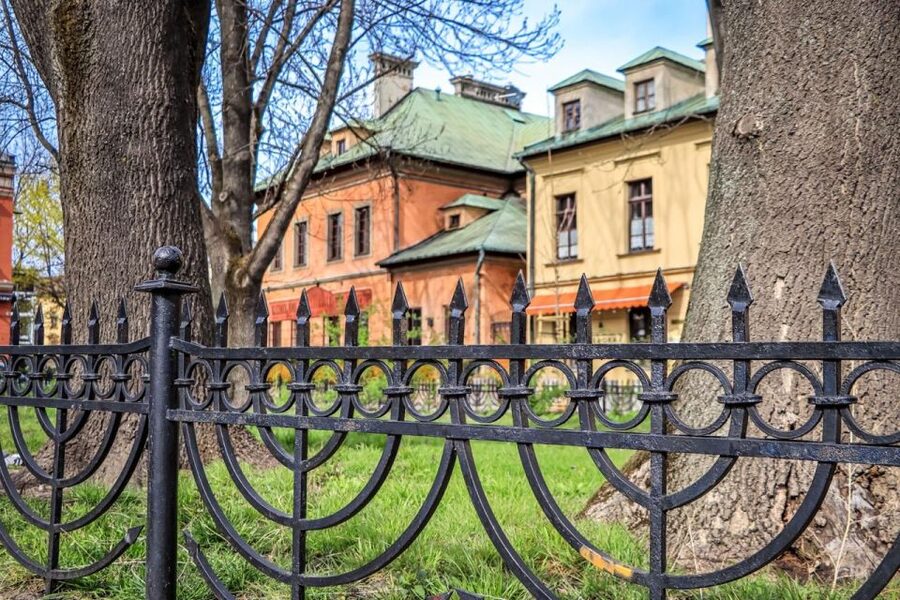
I like that the tour frames Krakow as a once-central Jewish city. Poland was home to one of the largest Jewish communities in the world, and Krakow’s historic Jewish district is where you feel that importance in the architecture and street layout.
You’ll also see the balance the tour is trying to strike. It talks honestly about death and destruction during WWII, yet it doesn’t leave you there. You’ll come away understanding how the community’s culture has returned and gained new life in present-day Krakow.
Starting at the Old Synagogue: Getting Oriented Fast
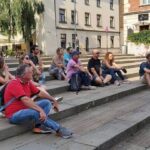
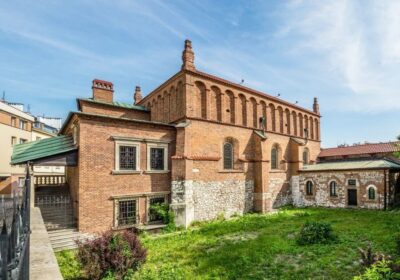
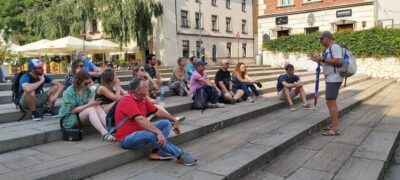
The tour begins in a very specific spot: meet on the stairs in front of the Old Synagogue, on the main street in the Jewish Quarter. Arrive about 10 minutes early, because this is one of those meeting points where being on time makes your life easier.
Starting here matters. The Old Synagogue area anchors the entire walk in the neighborhood’s Jewish-era identity. It gives you a reference point before you start moving through the lanes and intersections where you’d otherwise be guessing what you’re seeing.
Also, the tour runs in English, which helps a lot if you’re visiting from an English-speaking country. You should be able to follow the story without stopping every few minutes to figure out what’s going on.
Kazimierz Streets and the Seven Synagogues That Survived
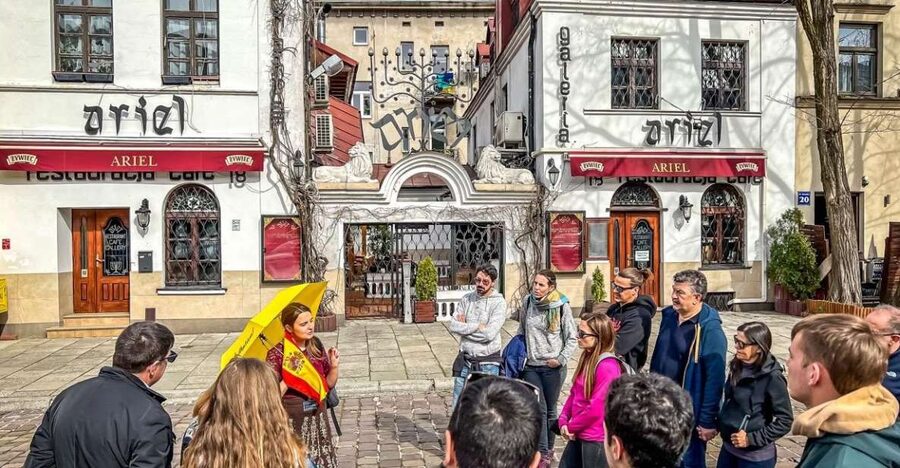
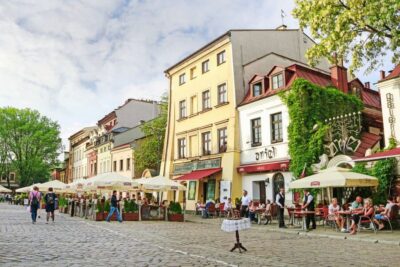
A big part of the appeal is the historic Jewish district in Kazimierz, often described as a jewel of Jewish art and architecture. The tour’s narrative leans into something rare: seven ancient synagogues in the area that survived World War II and the Holocaust.
You won’t just be told that they exist. You’ll learn why that survival is meaningful. It’s not only about buildings staying upright; it’s about continuity. When the Holocaust destroyed lives on a massive scale, preserving physical places like these helped keep memory anchored to real geography.
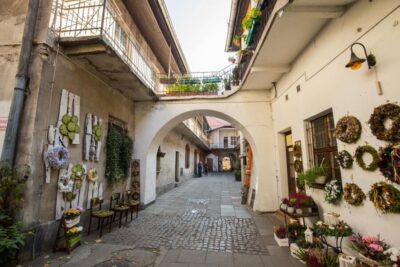
As you walk, pay attention to the small stuff. Even when a street looks ordinary, the layout can help you understand how a neighborhood functioned: where people likely gathered, how communities organized space, and why certain sites carried weight.
And because the tour is structured as a narrative, you shouldn’t feel like you’re sprinting from one plaque to the next. The guide’s job is to connect the context so each stop adds something.
On foot through the Old Town, more guided walks
- Old Town Krakow & Wawel Castle Walking Tour★ 5.0 · 1,508 reviews
- Creepy Krakow: 2-Hour City Walking Tour★ 4.7 · 1,131 reviews
- Krakow: The Old Town Walking Tour★ 4.8 · 794 reviews
- Krakow: Kazimierz Jewish Quarter Walking Tour★ 4.8 · 571 reviews
Where WWII Enters the Picture: Podgórze and the Ghetto Landscape

The tour doesn’t treat WWII as a vague backdrop. It brings you to the places tied to the ghetto story, specifically the area of the former Jewish Ghetto in Podgórze.
This is where the emotional tone shifts. You’ll hear about the death and destruction of WWII, then you’ll look at the neighborhood’s existing built environment as evidence of what original buildings witnessed between 1941–1943.
A practical note: expect to feel the weight of this part. A good guide helps you hold facts and emotions in the same frame. The tour’s format does that by walking you through context rather than throwing dates at you and hoping it sticks.
If you’re the type who needs time to absorb difficult history, you’ll be grateful for the pacing. Several guides on this route have been praised for well-paced storytelling, which matters on a 150-minute walk with heavy content.
The Ghetto Wall Question: What You May See (and What You Might Not)
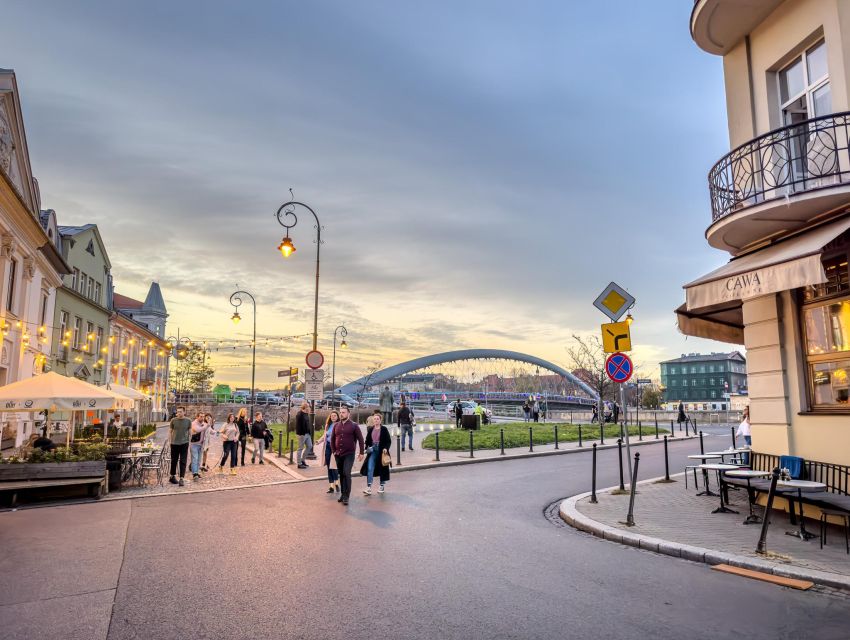
One detail to set expectations: there may be moments where you wish you could see a bit more of the ghetto wall line. In one account, the original segment wasn’t included at the very end, only a short distance away (around 200 meters), and that extra strip of wall was described as something that really brought the ghetto home.
I’d treat this as a “manage your expectations” point. Even if the tour hits the key areas, you could still want a final glance at nearby remnants after the tour ends—especially if this topic is why you booked in the first place.
A Break Mid-Walk: Coffee Time When Your Brain Needs a Reset
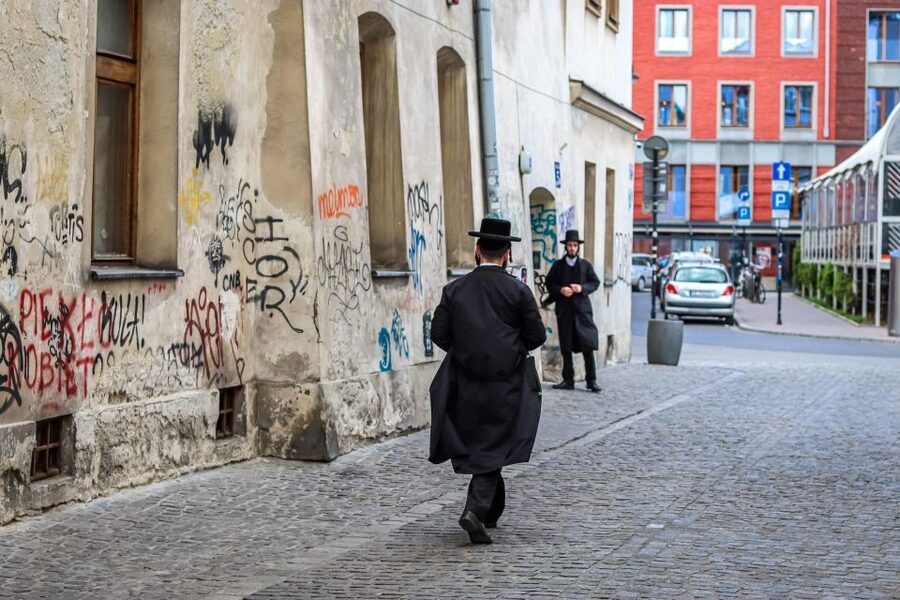
The route builds in a pause for coffee. That might sound like a minor perk until you’re dealing with a topic like the Holocaust. A short break makes the second half easier to absorb.
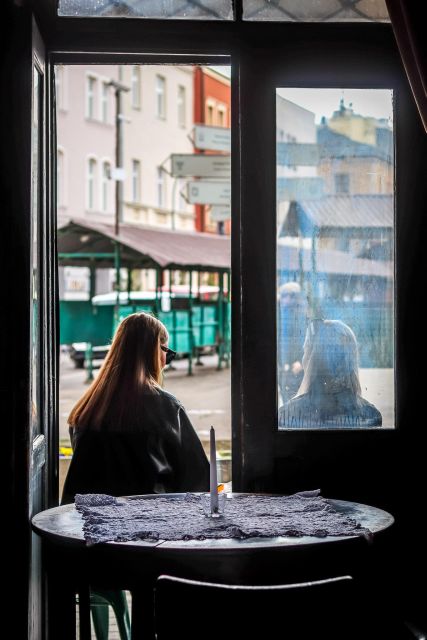
One group described having mulled wine at a candlelit table halfway through the walk, which sounds like the kind of reset Krakow does well on a grey day. Even if your break is simple, the purpose is clear: give you a moment to step out of the intensity and come back steady.
This also helps families. There’s an account of doing this with a 4-year-old, using the coffee pause as the point where they decided whether to continue. If you’re traveling with kids, that structure can be a real advantage.
Price and Value: Paying for the Story, Not Just the Walking
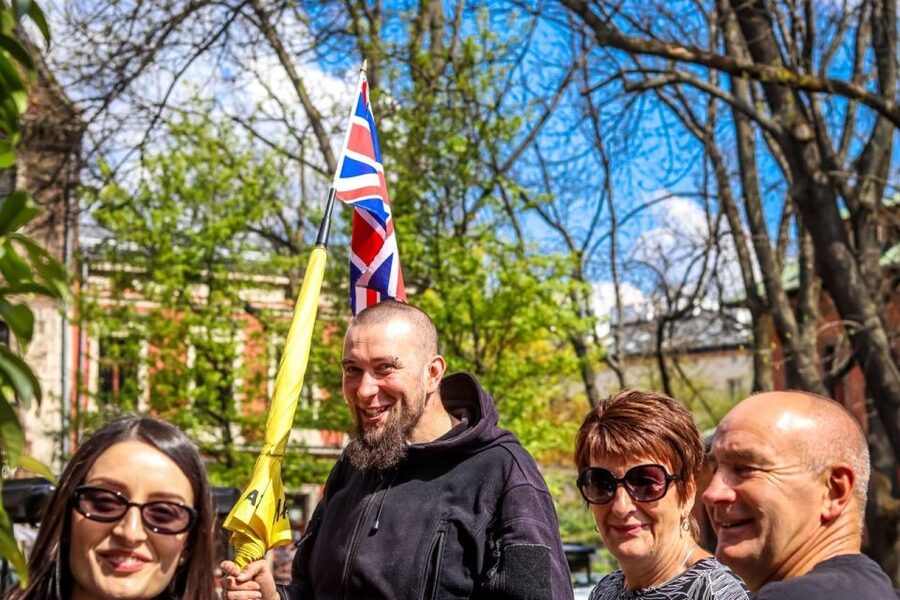
At $26 per person for 150 minutes, this is priced for a serious, guide-led experience rather than a casual stroll. You’re paying for two things that usually cost extra when arranged separately: an expert local guide and a built narrative that connects places to meaning.
A key value point: your booking amount also functions inside a pay-as-you-wish structure. The amount you pay covers a reservation fee and the guide’s payment. That means you’re not being asked to manage complicated math on the street. It also means it’s worth showing appreciation in the way the operator expects, since the guide’s work is the core of what you’re buying.
I also think the format is good value compared with “shortcut” sightseeing options. Multiple people praised this walk more than quicker transport tours, which makes sense: the streets and architecture do the teaching. You can’t get that from a car ride.
How Long It Takes to Feel It: Timing and Pace
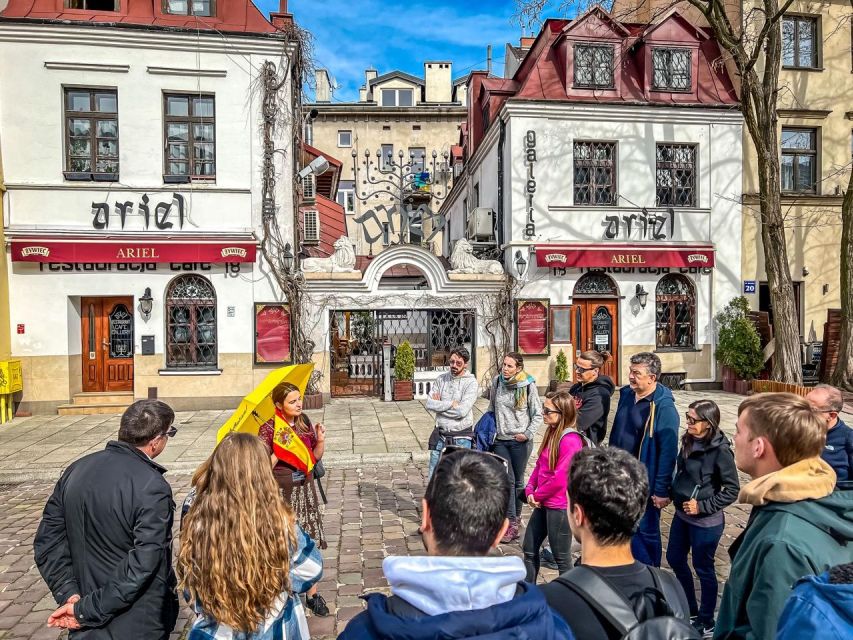
You’re looking at about 2.5 hours on foot. That’s not a marathon, but it is long enough that you should plan around it as a real activity.
If your goal is to see Kazimierz and Podgórze with meaning before another big site (like Auschwitz), this is a solid “context builder.” One person even noted they booked it right before visiting Auschwitz, and I can see why: getting Krakow’s local geography and timeline clearer first can make later places hit with more accuracy, not just emotion.
The walk also seems manageable for many people—one review specifically called out being able to walk for about 2.5 hours. Still, bring comfortable shoes. Cobblestones show up, and your feet will notice them.
Wheelchair Access and Getting the Most from the Route
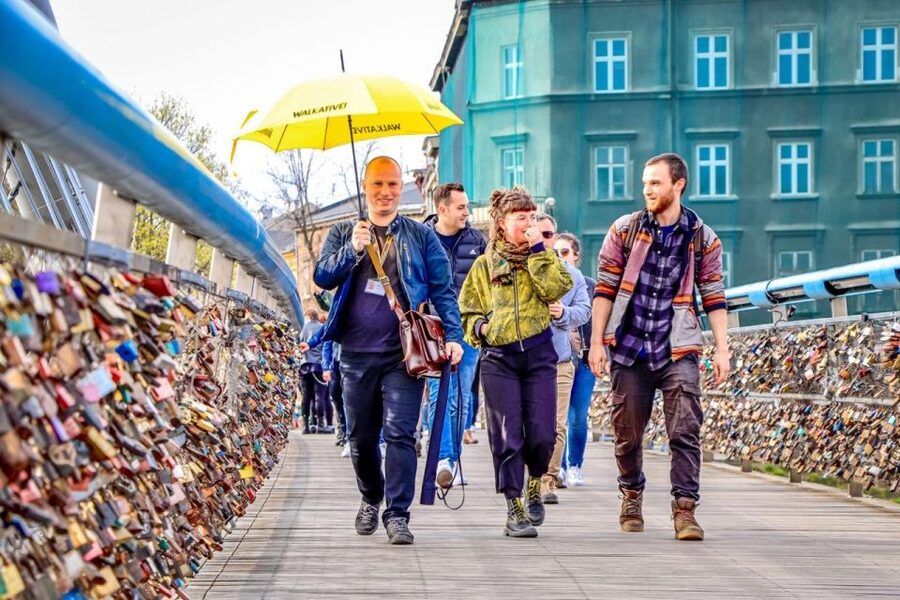
This tour is listed as wheelchair accessible, which is a big deal for this kind of neighborhood walking. That said, old-city surfaces can still be challenging, even when a route is technically accessible. If you use a wheelchair or mobility aid, I’d plan to move slowly and be ready for uneven paving.
If you’re traveling with mobility needs, the best move is simple: show up early, be clear at the start, and don’t treat this like a “quick stop” activity. The time is part of the value.
Who Should Book This Tour (and Who Might Want a Different Option)
This is a great fit if you want:
- Jewish history in Krakow explained through the actual neighborhood layout
- clear context for WWII and the Holocaust in Krakow, centered on the ghetto area
- a narrative that returns to present-day culture instead of ending on tragedy
It’s also a good choice if you enjoy guides who tell stories well. Several guides have been praised by name for being engaging and for answering questions smoothly—names like Maciek, Max, Lucy, Krzysztof, Mateusz, Pawel, Damian, Natalia, and Johanna show up in accounts of strong, enthusiastic guiding.
Who might consider something else? If you don’t feel ready for heavy WWII content, or if you need a tour with a lighter tone and fewer emotionally intense stops, you might want to pair this with a gentler activity afterward—or choose a different format for your first day in Kazimierz.
FAQ
FAQ
Where is the meeting point?
You meet on the stairs in front of the Old Synagogue, on the main street in the Jewish Quarter.
How long is the tour?
The duration is 150 minutes.
Is the tour in English?
Yes, the tour is offered in English.
What’s included in the price?
The price includes an expert local tour guide and a thoroughly constructed narrative.
What isn’t included?
Hotel pickup and drop-off and snacks are not included.
Is the tour wheelchair accessible?
Yes, it’s listed as wheelchair accessible.
What time should I arrive?
Please arrive at the meeting point 10 minutes before the activity starts.
What does pay-as-you-wish mean here?
Booking places you in their general pay-as-you-wish tour structure. Your amount covers the reservation fee and the guide’s payment.
Can I get a refund if my plans change?
Free cancellation is available up to 24 hours in advance for a full refund.
Is there anything to help with comfort during the walk?
Cobblestones are part of the experience, so comfortable shoes are a smart idea. There is also time for a coffee break mid-tour.
Should You Book This Jewish Krakow Walking Tour?
If your goal is to understand Krakow’s Jewish district as a living place with a real past—and a specific WWII story tied to geography—book it. The price feels fair for the length, the English guide, and the fact you’re getting a structured narrative instead of a random collection of stops.
Do it especially if you like walking with context and you want the Kazimierz-to-Podgórze connection made clear. Just plan for cobblestones, arrive on time at the Old Synagogue meeting point, and be ready for the emotional weight of the WWII section. Then take the coffee break seriously—it’s not just a perk, it’s part of how you keep the day workable.
More Tour Reviews in Krakow
More Guided Walks Through Town


More of Jewish Kazimierz


Just added: fresh Krakow reviews
Kazimierz & Jewish Heritage Tours, compared.
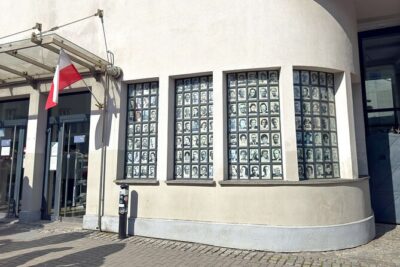 ★ 4.7Schindler’s Factory & Ghetto Guided TourFrom $571,694 reviews
 ★ 4.9Jewish Quarter and Former Ghetto TourFrom $191,441 reviews
 ★ 4.9Bike Tour of Old Town, Jewish Quarter and the GhettoFrom $371,155 reviews
 ★ 4.8Kazimierz Jewish Quarter Walking TourFrom $27571 reviews
 ★ 4.8Kazimierz, Schindler’s Factory & Ghetto Guided TourFrom $81460 reviews
 ★ 5.0Full Bike Tour – the Old Town, Jewish Qtr & the Ghetto NEW BIKESFrom $35437 reviews
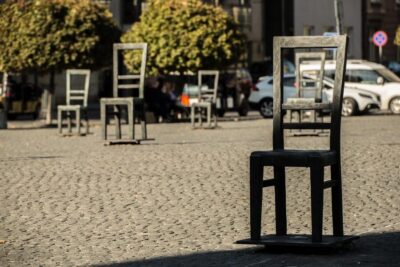 ★ 4.6Jewish Ghetto Walking TourFrom $11349 reviews
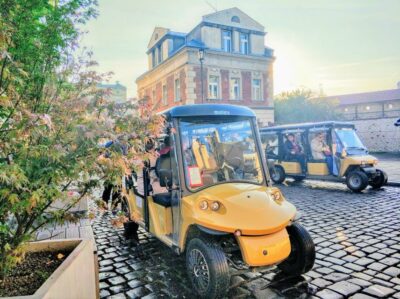 ★ 4.6Jewish Quarter and Ghetto Electric Golf Cart TourFrom $34348 reviews
Browse the lists this tour appears in