
REVIEW · KAZIMIERZ & JEWISH HERITAGE TOURS
Krakow: Guided Tour of the Jewish Ghetto
Hard history, told with care.
This guided tour in Kraków’s Podgórze brings you face to face with the spaces where fear, survival, and resistance played out, all in just one hour. I especially like the way the route ties together physical remnants, like the Ghetto Wall fragments, with human stories that explain what everyday life looked like and what deportations meant for real people. One thing to keep in mind: the subject matter is heavy, so this is not the best pick if you want a light, casual walk.
I also like that you’re not just shown monuments. You’ll stop at Ghetto Heroes Square with its symbolic chair memorial, and then you’ll hear the bravery behind the Under the Eagle Pharmacy story, including the name Tadeusz Pankiewicz and his staff. That combination makes the tour feel concrete, not abstract. The possible drawback is simple: with only 60 minutes, you’ll want to pay close attention the whole time and accept that you won’t get lingering time at each site.
In This Review
- Key things to know before you go
- Podgórze: The Quiet Streets Where the Ghetto Began
- Finding the Wall Remains Without Missing the Point
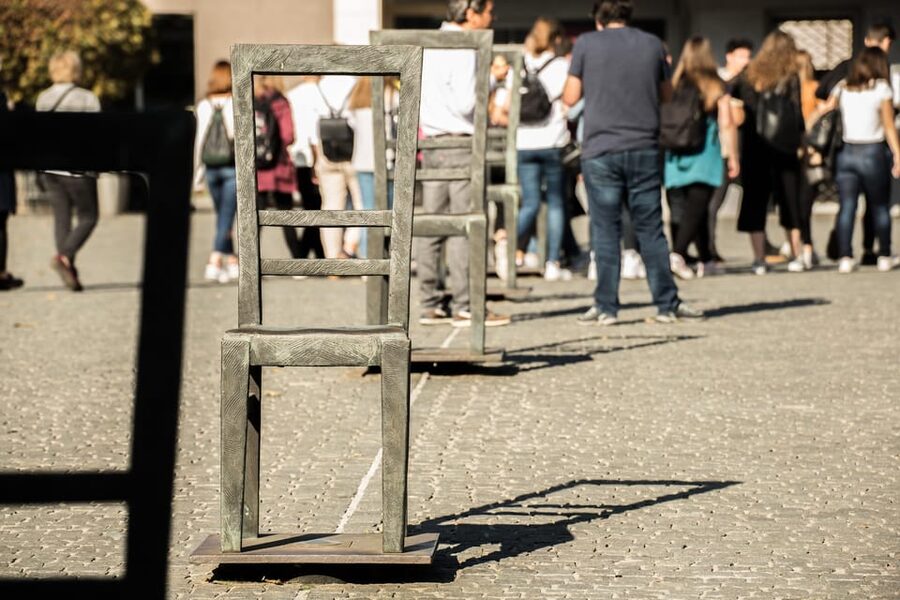
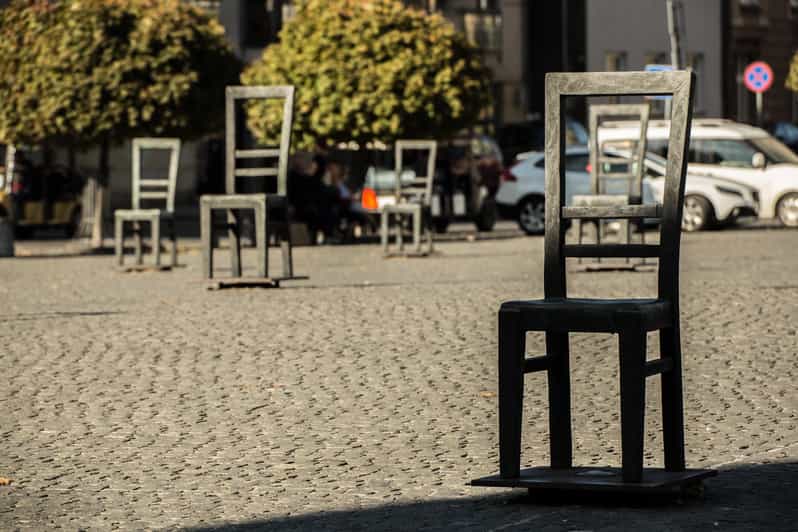
- Ghetto Heroes Square and the Chair Memorial That Won’t Let You Look Away
- Under the Eagle Pharmacy: Bravery You Can Name and Remember
- How the Walk Explains Daily Life, Deportations, and Survival
- Schindler Factory Area Start: Easy to Find, Fast to Begin
- Price and Value: Why $15 for One Hour Works Here
- Languages and Guide Style: The Personal Touch That Shows
- Who Should Book This Tour (and Who Might Skip It)
- Should You Book the Kraków Jewish Ghetto Guided Tour?
- FAQ
- How long is the Kraków Jewish Ghetto guided tour?
- What sites does the tour include?
- How much does it cost?
- Where do I meet the guide?
- Is a professional guide included?
- Does the tour include food or drink?
- What languages are available?
- Is free cancellation available?
- Is there a reserve and pay later option?
Key things to know before you go
- Podgórze focus: you start in the district that became the ghetto’s heart during World War II
- Original wall fragments: you see remains of the barrier that confined more than 15,000 people in a few city blocks
- Ghetto Heroes Square chairs: dozens of empty metal chairs symbolize lives lost during the Holocaust
- Under the Eagle Pharmacy rescue story: hear about help given to residents at extreme personal risk
- A licensed guide leads the walk: live interpretation in German, Italian, English, French, and Spanish
- A short, powerful route: built to hit the key sites without turning the experience into a long day
Deeper into Kazimierz and its Jewish heritage
- Krakow: Schindler’s Factory & Ghetto Guided Tour
★ 4.7 · 1,694 reviews - Krakow: Jewish Quarter and Former Ghetto Tour
★ 4.9 · 1,441 reviews - Krakow: Bike Tour of Old Town, Jewish Quarter and the Ghetto
★ 4.9 · 1,155 reviews
Podgórze: The Quiet Streets Where the Ghetto Began
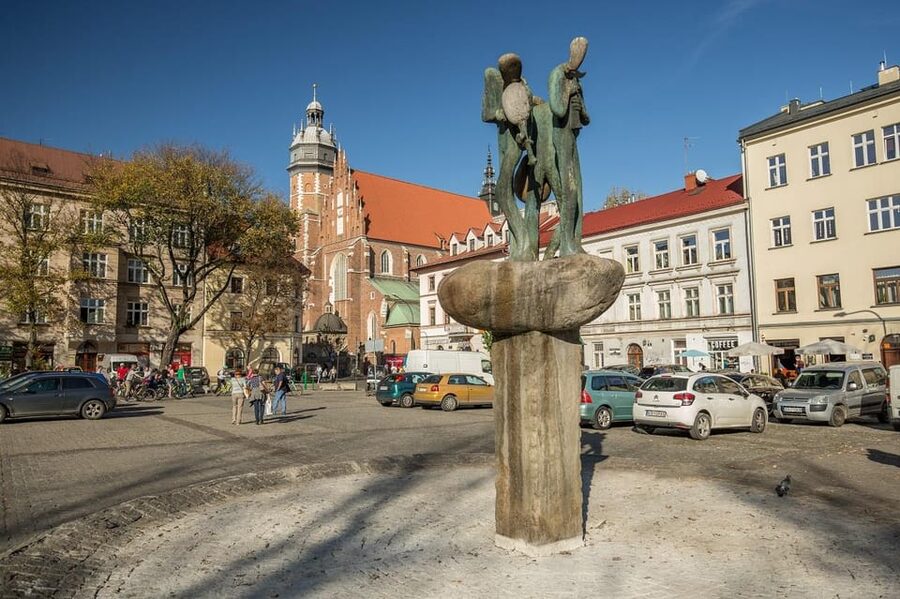
The tour starts in Podgórze, the district that became the site of the Kraków Ghetto during World War II. The streets here look calm now, which is exactly why the beginning works. Your guide helps you imagine the difference between today’s everyday walking and what it would have meant to move through the ghetto’s rules and restrictions.
I like this opening because it trains your eye. You start noticing how a city’s layout can shape people’s lives, even at their most vulnerable. As you walk, your guide sets the tone for what you’re about to see: not just dates and events, but what daily life felt like inside the enclosed area, with fear on one side and resilience on the other.
Finding the Wall Remains Without Missing the Point
One of the most important stops is the remains of the original Ghetto Wall. This is one of the few surviving fragments, and your guide’s job is to make sure it stays more than a photo spot. The tour frames the wall as a real boundary, not an idea. You’ll hear how it enclosed more than 15,000 people within only a few city blocks.
What I take from this stop is how small, visible remnants can carry enormous meaning. Even if the wall fragment looks modest compared with what you might expect, it lands because the guide connects it to the human reality behind it: confinement, daily hardship, and the limited space where people still found ways to help one another.
A consideration here: if you’re sensitive to bleak subjects, this stop can feel intense. But it’s also exactly why a guided explanation matters. Without context, a wall remnant can become just another old structure. With context, it becomes a lesson in what segregation did in practice.
Ghetto Heroes Square and the Chair Memorial That Won’t Let You Look Away
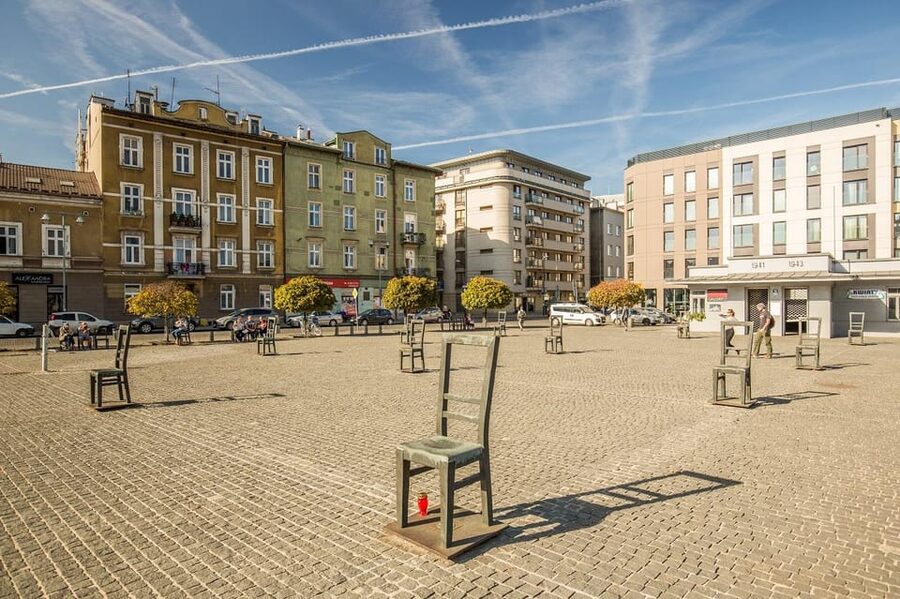
Next comes Ghetto Heroes Square, often described as the heart of the ghetto. Here, the atmosphere changes. The square isn’t just a marker; it’s a memorial space that asks you to slow down mentally, even when you’re still moving with the group.
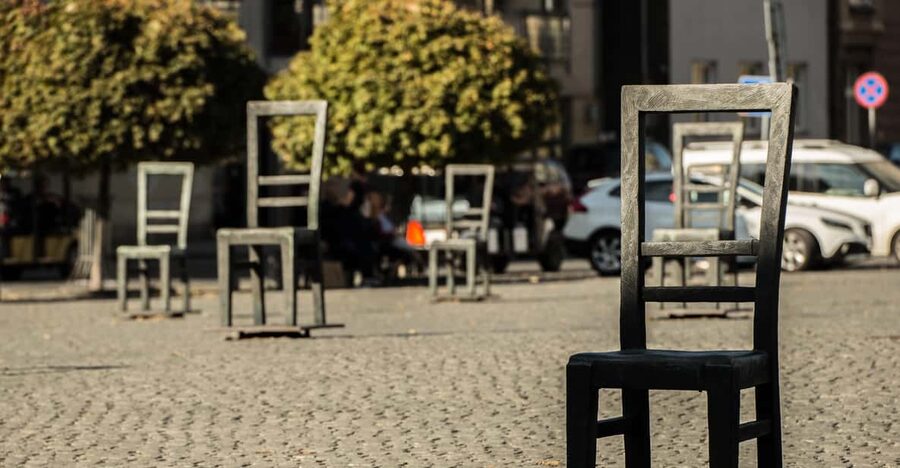
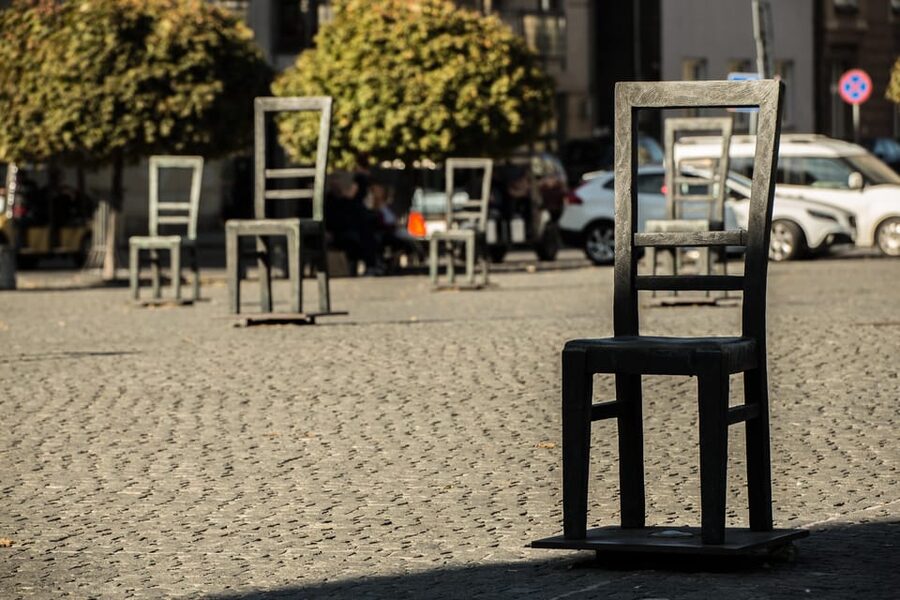
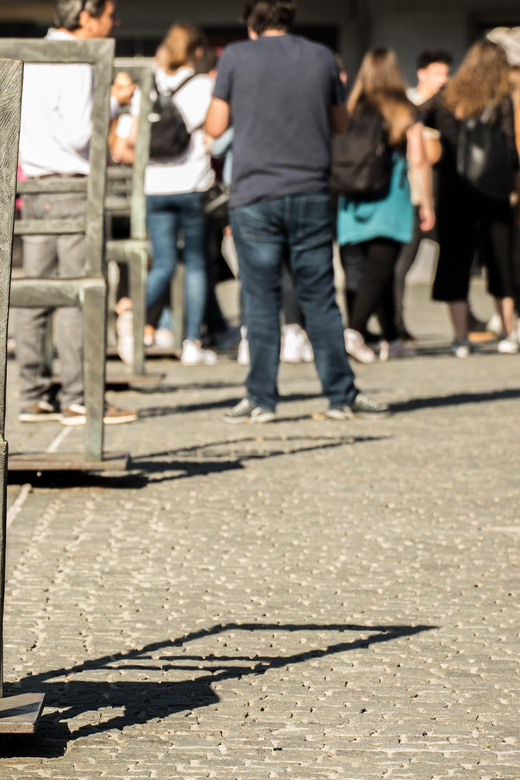
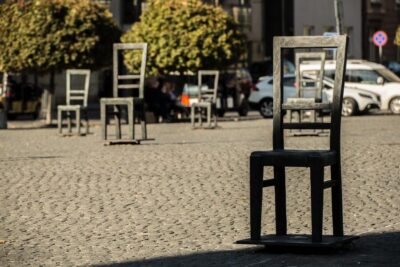
The centerpiece is the symbolic Chair Memorial: dozens of empty metal chairs, with each one representing a life lost during the Holocaust. Your guide explains how deportations were carried out from this kind of gathering point, and how the memorial now interrupts that history with remembrance.
This is one of the most praised parts of the experience because it’s so direct. It doesn’t rely only on explanations. The visual stays with you. You also get a rare chance for reflection without it feeling like a script. Even if you’re not the type who stops often at memorials, the chairs make you pay attention.
A few more Krakow trips worth putting on the shortlist
- Krakow: Auschwitz-Birkenau Guided Tour with Pickup & Lunch★ 4.5 · 9,800 reviews
- Krakow: Auschwitz-Birkenau Guided Tour Pickup/Lunch Options★ 4.5 · 9,057 reviews
- Krakow: Auschwitz-Birkenau and Salt Mine Guided Tour★ 4.7 · 9,020 reviews
- Krakow to Auschwitz Birkenau Guided Tour with Transfer and Ticket★ 5.0 · 8,197 reviews
Under the Eagle Pharmacy: Bravery You Can Name and Remember
Across the square is the historic Under the Eagle Pharmacy, a stop that turns the story from witness to action. Here, your guide shares the rescue and help given by Tadeusz Pankiewicz and his staff. The key point is that they risked their lives to assist ghetto residents by providing medicine and shelter.
This stop matters because it counters a common fear when learning about WWII sites: the sense that tragedy is all you’ll see. In reality, people showed up for each other, even when the stakes were deadly. Hearing a specific name like Pankiewicz helps the story stay human. It gives you someone to remember, not just a generic category of good deeds.
If you like history that includes moral choices, this is the part that connects most strongly. Your guide’s storytelling keeps the focus on what was done and why it was extraordinary.
How the Walk Explains Daily Life, Deportations, and Survival
The tour’s structure is what makes it work. You don’t just hop between landmarks. Your licensed guide ties the stops together into a storyline about daily life, deportations, and survival.
Here’s what you can expect in plain terms:
- You’ll hear about daily hardships inside the enclosed area and what people struggled with day to day.
- You’ll learn how deportations were connected to specific gathering locations and why those moments were so devastating.
- You’ll also hear about survival and solidarity, including the kinds of help people organized even under extreme pressure.
I appreciate that the tour doesn’t try to shock you for entertainment value. It uses the city itself as evidence, then gives you the human narrative that explains what you’re seeing.
That pacing also helps if you have limited time in Kraków. A one-hour walk can feel short for a topic this heavy, but the guide’s job is to select the essential details and keep them understandable.
Schindler Factory Area Start: Easy to Find, Fast to Begin
The meeting point is straightforward: look for a guide with an excursions.city sign waiting at the entrance to the Schindler Factory Museum. If you’re already planning to spend time around that area, it’s a natural starting point. You can also combine your day with other nearby history stops, without needing major transport planning.
Duration is 1 hour, so you’ll want to arrive ready to walk and listen. This is not a tour where you stop for long stretches of quiet at every point. The value comes from the guidance and the quick, focused route.
If you’re thinking about timing, aim for a time when you won’t be rushing afterward. Even if you’re fine with hard topics, it helps to have a little mental space once the walk ends.
Price and Value: Why $15 for One Hour Works Here
At about $15 per person for a professional guide and a route through several significant memorial sites, the value is pretty strong. In Kraków, you’ll find plenty of “general history” walks that cover less ground or don’t connect the dots as clearly.
What you’re paying for here is interpretation. The wall remains, the square, and the pharmacy are powerful on their own, but the guide turns them into a coherent story about wartime reality. That’s what makes the price feel reasonable rather than like a quick sightseeing add-on.
One small note: food and drink aren’t included. Since this is only an hour, you might not need a snack during the tour. Still, if you’re going straight from another activity, I’d keep a water bottle or plan a meal after.
Languages and Guide Style: The Personal Touch That Shows
The tour is offered with live tour guidance in German, Italian, English, French, and Spanish, which is a practical win if you’re traveling with language needs.
Also, the guide quality is a standout theme in the overall feedback, with clear praise for personal, engaging guidance. One comment highlighted how the guide even made a helpful local suggestion after the tour, which tells you the approach can go beyond the script. That matters, because with a sensitive topic, a guide’s tone and clarity can make the difference between a list of facts and a respectful human experience.
You should still expect a serious tone. This is not a comedy tour. But you’re likely to feel that the guide cares about how the story lands.
Who Should Book This Tour (and Who Might Skip It)
This experience is a strong fit if you:
- want a focused, respectful introduction to the Kraków ghetto sites in Podgórze
- appreciate guided storytelling that connects physical locations to specific human actions
- like history that includes both suffering and the bravery of people who helped others
It may be less ideal if you:
- want a relaxed walking tour with minimal emotional weight
- prefer to spend lots of time in each spot rather than moving through several key stops in one hour
If you’re short on time but still want the most important memorial points, this is a good match. If you have more time, you can still build on it afterward by continuing to explore independently—but this guided segment gives you a foundation that’s hard to replicate on your own.
Should You Book the Kraków Jewish Ghetto Guided Tour?
I think it’s worth booking if you’re looking for a guided, respectful walk that hits the major ghetto memorial sites quickly and explains what they mean. The Ghetto Wall remains, the chair memorial at Ghetto Heroes Square, and the Under the Eagle Pharmacy rescue story (with Tadeusz Pankiewicz and his staff) create a balanced route: confinement, loss, and courageous help.
Book it if you can handle heavy history and you want to understand what you’re looking at, not just see it. Skip it only if you want a light day or you know you’ll struggle with intense WWII themes.
If you do book, go in with one simple mindset: listen closely, take your time with the chair memorial, and let the guide’s story do what the buildings can’t do alone.
FAQ
How long is the Kraków Jewish Ghetto guided tour?
It lasts about 1 hour.
What sites does the tour include?
You’ll see the remains of the original Ghetto Wall, visit Ghetto Heroes Square with the chair memorial, and stop at the Under the Eagle Pharmacy, among other wartime street-level context.
How much does it cost?
The price is listed as $15 per person.
Where do I meet the guide?
Look for a guide holding an excursions.city sign at the entrance to the Schindler Factory Museum.
Is a professional guide included?
Yes. The tour includes a professional live guide.
Does the tour include food or drink?
No. Food and drink are not included.
What languages are available?
Live guides are available in German, Italian, English, French, and Spanish.
Is free cancellation available?
Yes. You can cancel up to 24 hours in advance for a full refund.
Is there a reserve and pay later option?
Yes. You can reserve now and pay later, keeping your plans flexible.
More Tours in Krakow
More Tour Reviews in Krakow

More of Jewish Kazimierz


Just added: fresh Krakow reviews
Kazimierz & Jewish Heritage Tours, compared.
 ★ 4.7Schindler’s Factory & Ghetto Guided TourFrom $571,694 reviews
 ★ 4.9Jewish Quarter and Former Ghetto TourFrom $191,441 reviews
 ★ 4.9Bike Tour of Old Town, Jewish Quarter and the GhettoFrom $371,155 reviews
 ★ 4.8Kazimierz Jewish Quarter Walking TourFrom $27571 reviews
 ★ 4.8Kazimierz, Schindler’s Factory & Ghetto Guided TourFrom $81460 reviews
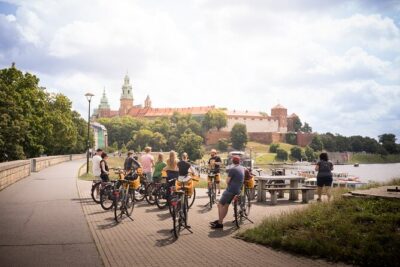 ★ 5.0Full Bike Tour – the Old Town, Jewish Qtr & the Ghetto NEW BIKESFrom $35437 reviews
 ★ 4.6Jewish Ghetto Walking TourFrom $11349 reviews
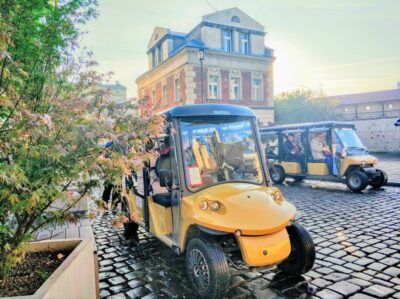 ★ 4.6Jewish Quarter and Ghetto Electric Golf Cart TourFrom $34348 reviews
Browse the lists this tour appears in