
REVIEW · KAZIMIERZ & JEWISH HERITAGE TOURS
Krakow: Jewish Quarter and Ghetto Sightseeing Golf Cart Tour
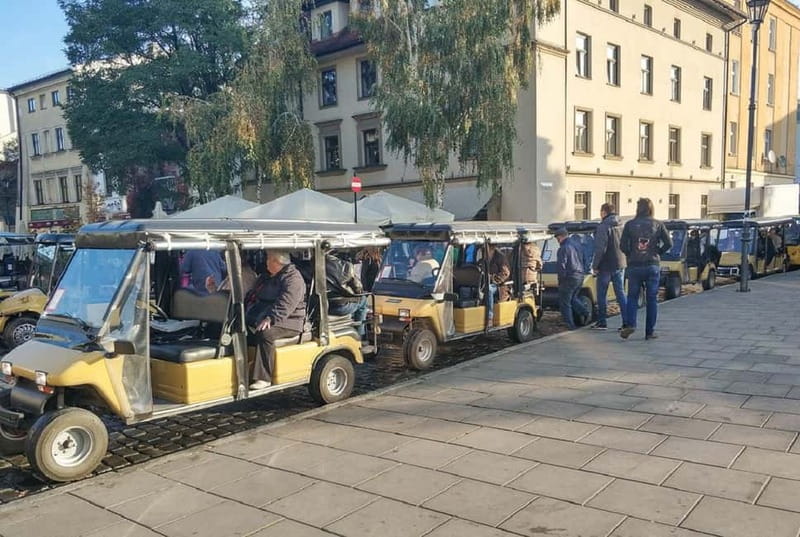
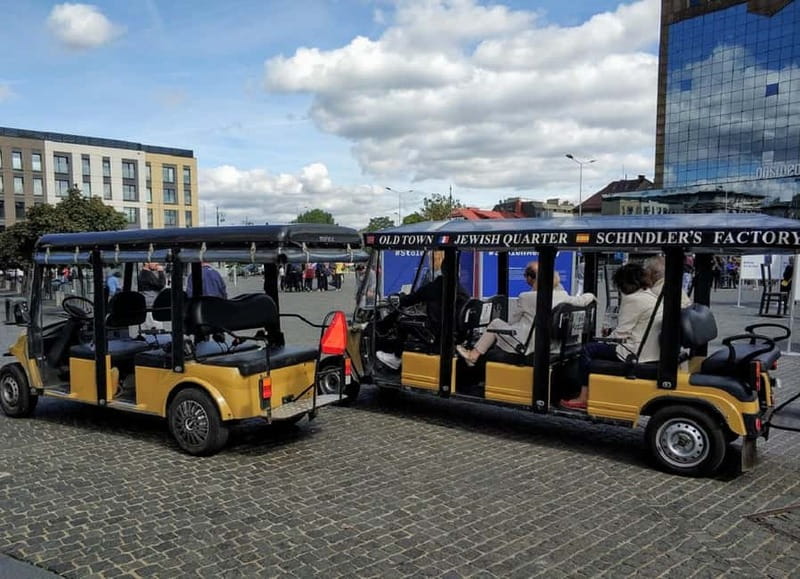
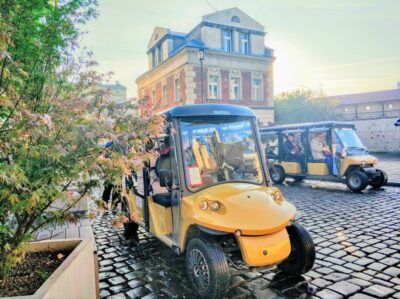
History in Krakow rolls past you on wheels. This 90-minute electric golf cart tour links the Kazimierz Jewish Quarter and Podgórze, where you see former WWII ghetto places and learn the story with onboard audio. You get comfortable, heated transport and the route is built for meaningful stops without long walks or wrestling with big crowds.
I also like that the tour leans on audio commentary in many languages, then leaves room for extra guidance from the driver. In past tours, guides named Olivia and Jacob have been noted for friendly, knowledgeable add-ons. The main catch: entrance tickets are not included, so you’ll mostly be viewing key sites from the outside and from the route, not entering everything.
In This Review
- Key highlights at a glance
- A Heated Cart That Covers Two Historic Krakow Districts
- Kazimierz Jewish Quarter: From Everyday Life to Shared Streets
- Christian Kazimierz Today: Cafés, Galleries, and the Layered City
- Crossing into Podgórze: Where the Ghetto Story Takes Over
- Ghetto Wall Fragments and Ghetto Heroes Square
- Under the Eagle Pharmacy: A Survival-Era Reminder
- Audio Guide + Driver Notes: How the Tour Actually Feels
- Price and Value: Why $34 Can Make Sense
- Who This Tour Fits Best (and Who Should Skip It)
- Practical Tips Before You Go
- Should You Book This Krakow Jewish Quarter and Ghetto Golf Cart Tour?
- FAQ
- How long is the Krakow Jewish Quarter and Ghetto golf cart tour?
- What is the price per person?
- Where is the meeting point for the tour?
- Is an audio guide included?
- Do I need entrance tickets for synagogues or cemeteries?
- Is there a live guide?
- What should I bring with me?
- What is not allowed during the tour?
- Is the tour suitable for children?
- Is the tour wheelchair accessible?
- What are the options for cancellation and payment?
Key highlights at a glance
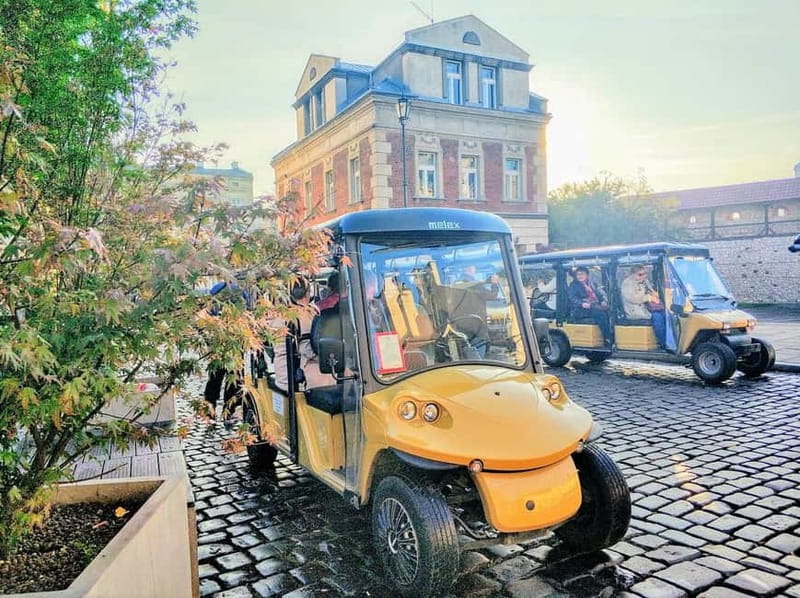
- Heated electric golf cart for comfort on a city route that would be tiring on foot
- Audio guide in many languages so you can follow the story at your pace
- 20+ notable sites passed on the drive, including synagogues and historic cemeteries
- Kazimierz to Podgórze in one loop so you connect everyday Jewish life to WWII reality
- Ghetto Heroes Square and chair memorial for a focused WWII memorial moment
- Under the Eagle Pharmacy area tied to persecution and survival
Deeper into Kazimierz and its Jewish heritage
- Krakow: Schindler’s Factory & Ghetto Guided Tour
★ 4.7 · 1,694 reviews - Krakow: Jewish Quarter and Former Ghetto Tour
★ 4.9 · 1,441 reviews - Krakow: Bike Tour of Old Town, Jewish Quarter and the Ghetto
★ 4.9 · 1,155 reviews
A Heated Cart That Covers Two Historic Krakow Districts
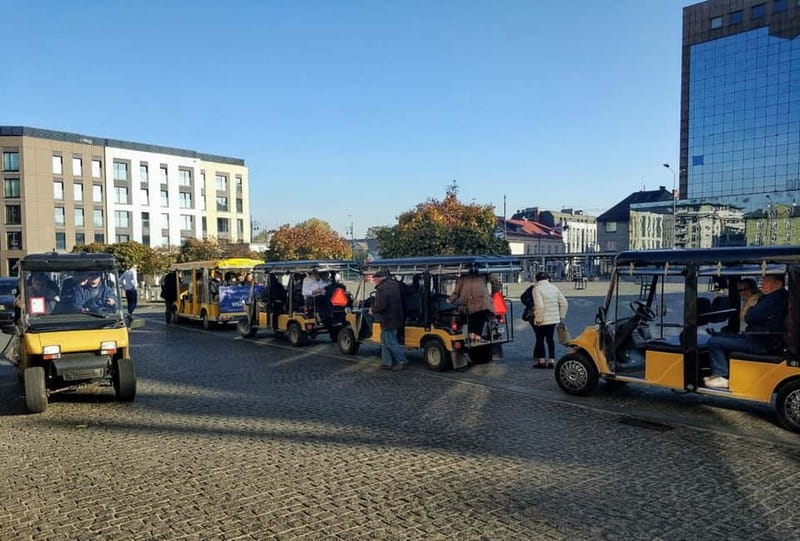
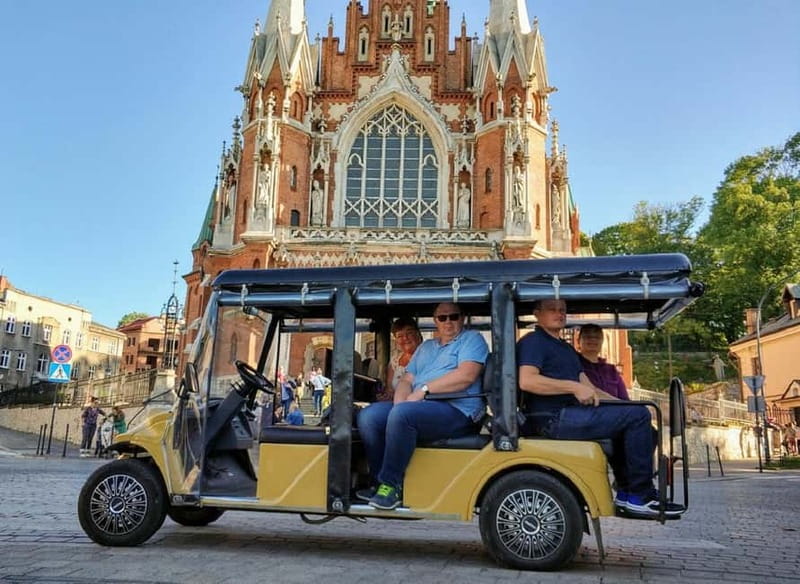
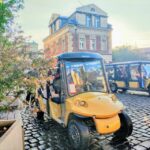
If you want Krakow’s WWII story without turning the day into a knee-crunching slog, this tour is built for you. You start by boarding a heated electric golf cart at Parking Kiss&Ride on Mikołaja Zyblikiewicza street, right in front of a Zabka. Look for a cart labeled excursions.city, and plan to arrive about 10 minutes early—once the group leaves, latecomers can’t join.
The ride lasts 90 minutes, which is long enough to connect two districts into one narrative, but short enough that it doesn’t swallow your whole day. You’ll be moving through streets and corners you’d otherwise miss, and the cart’s heating is a real quality-of-life upgrade when the weather is cold or damp.
Onboard audio does the heavy lifting. You choose your language at booking, and the cart includes a guide system for listening while you roll by the sights. There’s also a professional, experienced driver, and people have specifically mentioned guides like Olivia and Jacob for adding extra context in English alongside the audio.
Kazimierz Jewish Quarter: From Everyday Life to Shared Streets
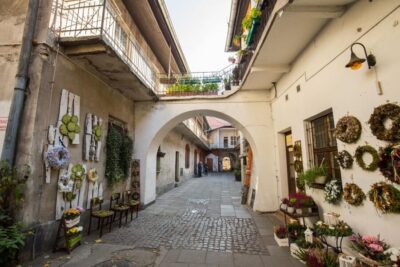
Kazimierz is the starting point, and it matters. This district was once an independent town, then for centuries it became the center of Jewish religious, social, and cultural life in the Krakow area. From the cart, you get a way of seeing that’s different from a museum: you’re watching the physical city form the story.
As you pass through Kazimierz, you’re not just hearing about big events. The commentary is aimed at daily life and tradition—how communities lived, how the streets worked, and how religious and social spaces shaped everyday routines. Even without stepping inside every building, you’ll get a clearer sense of how a neighborhood can function as a community, not just a set of monuments.
You’ll also pass notable sites tied to Jewish religious life, including synagogues, and you’ll see references to historic cemeteries. The audio frame helps you connect what you see (stone, street layout, building placement) to what it meant. That connection is what makes this tour more than just sightseeing from the window.
A practical note: because this is mostly a drive-through experience, you’ll get the best results if you come ready to listen closely. If you prefer quiet, slow walking and lots of stops where you can linger, you might find that 90 minutes is a tight schedule. But if you want the storyline laid out while you cover ground comfortably, Kazimierz is a strong opener.
Christian Kazimierz Today: Cafés, Galleries, and the Layered City
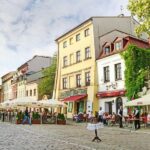
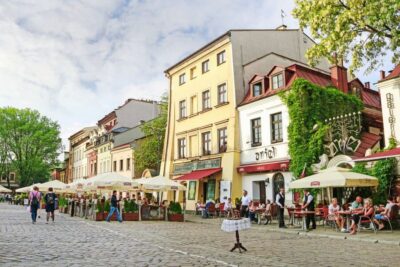
From Kazimierz the route moves into Christian Kazimierz—the portion of the area shaped by centuries of coexistence. You’ll notice the city’s present-day rhythm when you pass through zones known for cafés, galleries, and local street life.
This part is useful because it gives you contrast. WWII history can make a place feel like it’s stuck in one moment. Here, you’re reminded that the city didn’t stop—people rebuilt, re-used streets, and continued daily routines in the same general geography. That continuity is part of why this tour works: it doesn’t only tell tragedy. It shows how a neighborhood lived before it was shattered.
One more detail I appreciate: the audio doesn’t treat the area like a single straight timeline. It keeps shifting focus between traditions, community life, and what changed. That makes it easier for you to hold the city in your mind as a real place where multiple eras overlap.
If you’re doing other Krakow walking tours the same day, keep your expectations realistic. This is a ride with guided context. It won’t replace a deeper stop-and-ask-everything visit, but it will give you the map in your head so future visits make more sense.
The whole city in one go: more highlights runs
- Krakow: City Sightseeing Tour by Electric Golf Cart★ 4.5 · 3,264 reviews
- Krakow: City Sightseeing Tour Eco Electric Buggy Golf Cart★ 4.7 · 3,143 reviews
- Krakow: Sightseeing Cruise by Vistula River★ 4.1 · 1,897 reviews
- Krakow: Extended City Sightseeing Tour – Eco Buggy Golf Cart★ 4.7 · 794 reviews
Crossing into Podgórze: Where the Ghetto Story Takes Over
After covering Kazimierz, the tour crosses the Vistula River into Podgórze. This is where the commentary shifts from long-lived community life to the hard break of WWII. Podgórze is the area associated with the Nazi German ghetto, and the route is designed to bring you to key points tied to that period.
This section is emotionally heavy. You’ll be seeing the location of the former ghetto area and memorial markers, and the audio sets the historical context so you’re not just passing by plaques with no framework. The cart helps here because you can keep your attention on the story without constantly recalculating your position on foot.
Even if you’ve read about the ghetto before, I find this kind of route helps you connect facts to place. When the city layout is visible—streets, river crossing, neighborhoods—you start understanding why people were trapped in specific spaces and how the city’s geography shaped what happened.
If you’re the type who wants extra quiet time after hard topics, plan to have a buffer after the tour. A short walk or coffee nearby can help your brain reset, because the shift from Kazimierz to Podgórze is dramatic on purpose.
Ghetto Wall Fragments and Ghetto Heroes Square
One of the most important stops is tied to remnants you can still see. The route passes preserved fragments of the ghetto wall, which are among the most direct, physical reminders of what was done to the people living there.
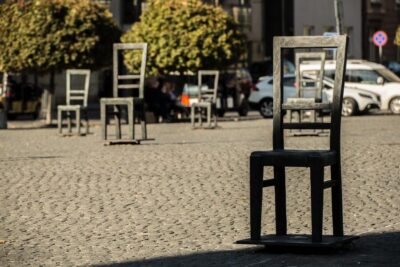
From there, you reach Ghetto Heroes Square, known for its symbolic chair memorial. I like this stop because it’s designed for a moment of recognition. The audio helps you understand what you’re looking at, so you don’t end up with a photo and no meaning.
This is also where the tour’s pacing makes sense. The cart moves you between places without rushing, but you’re still getting a sequence—wall fragments, memorial square, and other WWII-linked points. That flow makes it easier to process rather than jumping randomly between unrelated sites.
If you’re taking photos, remember flash photography isn’t allowed. That’s a good reminder that this is a memorial setting, so you’ll want to keep your behavior respectful and your camera discreet.
Under the Eagle Pharmacy: A Survival-Era Reminder
Another named point on the route is Under the Eagle Pharmacy. It’s one of those places where history isn’t abstract. The tour treats it as a powerful reminder of wartime persecution and survival.
Even though the tour is mainly a ride-through, the audio framing helps you “read” the place with more care. You’re not just seeing a building you’ve never heard of—you’re learning why it matters in the story of the ghetto period.
Places like this can feel hard to picture unless you have context, and that’s what the audio guide is doing for you. It ties named sites to the broader pattern of what people endured and how survival worked in real, constrained circumstances.
If you’re someone who appreciates historical detail, this is one of the segments where listening closely pays off. If you’re someone who gets overwhelmed by emotion, it’s still worth seeing—but you might want to keep your pace slow and give yourself a moment to breathe between stops.
Audio Guide + Driver Notes: How the Tour Actually Feels
The audio guide is included, and you pick your language when booking. Languages available include English, German, Hebrew, Polish, Spanish, French, Italian, and many more. That’s a big deal in Krakow, where the city’s history is layered and context matters. With audio you can follow the story without trying to chase every spoken detail from a guide in a crowded setting.
I also appreciate that this tour isn’t only about the audio track. A professional driver runs the route, and guides have been reported adding extra knowledge beyond the audio. In particular, Olivia and Jacob have been named as friendly, helpful presences, with Jacob described as adding extra information in English. That kind of on-the-spot context can turn a good audio experience into a much better one.
What you should know about the format: you’ll be concentrating while moving. That’s not a bad thing. It means you’re not stuck standing in lines or waiting around. Just come prepared to listen, and consider bringing water since you’ll be out for 90 minutes.
Also plan your photo habits. Flash photography is not allowed, so use natural light when you can, and don’t expect to shoot aggressively at every stop.
Price and Value: Why $34 Can Make Sense
At $34 per person for 90 minutes, this isn’t the cheapest option in Krakow—but it’s also not trying to be. The value comes from three things you don’t always get together:
First, you cover two major districts—Kazimierz and Podgórze—in one outing. That saves you time and mental energy, especially if you’re planning several neighborhoods in a short stay.
Second, you see 20+ notable sites, including synagogues and historic cemeteries, without doing a long walking route. If you’re traveling in colder months or you don’t want to spend your energy on navigation, the heated cart matters.
Third, the story isn’t random. The audio guide is designed to connect Jewish community life to the ghetto reality, including wall fragments and Ghetto Heroes Square. You’re paying for a guided sequence, not just transport.
The one area where you might spend extra money is if you later decide you want to go inside specific buildings or exhibitions. Entrance tickets are not included, so this tour is best as the “context layer.” After that, you can choose what to see up close with paid entry elsewhere.
Who This Tour Fits Best (and Who Should Skip It)
This tour is best for you if you want a structured overview with minimal walking. It’s also a good fit if you prefer audio guidance and a route that covers major points in a set timeframe.
It’s not ideal for everyone. The activity notes say it’s not suitable for children under 10. It also flags people with mobility impairments and wheelchair users as not suitable, even though the vehicle is listed as wheelchair accessible. That contradiction means you should confirm directly with the operator before booking if accessibility is part of your planning.
If you want deep, multi-hour discussions and long stops inside memorial sites, you may feel constrained by a cart ride format. But for many visitors, this is exactly the right first step. It helps you get your bearings fast, learn the names and places, and then choose follow-up visits where you can spend more time.
Practical Tips Before You Go
A few small things will make your cart ride smoother:
- Wear comfortable shoes even though you’re on a cart. You may still need short walks to reach viewpoints and memorial areas.
- Bring a head covering or kippah if you have one. The tour specifically asks for it, and it helps in spaces connected to religious sites.
- Bring a camera and water, and plan around the no-flash rule.
- Arrive around 10 minutes early so you’re not stuck outside when the group departs.
If you’re traveling during colder weather, the heated cart is one of the best reasons to pick this tour. It doesn’t remove the emotional weight of the Podgórze segment, but it does make the physical experience easier.
Should You Book This Krakow Jewish Quarter and Ghetto Golf Cart Tour?
Yes, I think you should book if you want a smart, time-efficient way to understand Kraków’s Jewish Quarter and the former WWII ghetto area without long walks. The combination of heated electric transport, audio in your language, and a route that links Kazimierz to Podgórze makes it a strong value for most first-timers.
You should pause before booking if you want entrance tickets included, or if you need a very accessible setup that matches the tour’s accessibility notes. In that case, confirm the situation with the provider first. Also consider your emotional pacing: the Podgórze portion is serious, so make sure you have time afterward to decompress.
If you’re building a Krakow itinerary and want the city’s WWII geography explained in a clear sequence, this cart tour is one of the easiest ways to get it right.
FAQ
How long is the Krakow Jewish Quarter and Ghetto golf cart tour?
The tour runs for 90 minutes.
What is the price per person?
The price is $34 per person.
Where is the meeting point for the tour?
Meet at Parking Kiss&Ride at 2 Mikołaja Zyblikiewicza street, in front of the Zabka store. Look for a golf cart labeled excursions.city.
Is an audio guide included?
Yes. An audio guide is included, and you can select the language at booking.
Do I need entrance tickets for synagogues or cemeteries?
Entrance tickets are not included, so if you want to enter specific sites, you may need to arrange tickets separately.
Is there a live guide?
A live guide is not included. The tour uses the onboard audio guide, and a professional driver operates the route.
What should I bring with me?
Bring comfortable shoes, a head covering or kippah, a camera, and water.
What is not allowed during the tour?
Smoking is not allowed, and flash photography is not allowed.
Is the tour suitable for children?
No. It is not suitable for children under 10.
Is the tour wheelchair accessible?
The vehicle is listed as wheelchair accessible, but the activity also notes that it is not suitable for wheelchair users. Check with the provider before booking if you rely on wheelchair access.
What are the options for cancellation and payment?
You can cancel up to 24 hours in advance for a full refund. You can also reserve and pay later, meaning you can book without paying today.
The Old Town by Electric Cart

The City in a Day, More Ways


More of Jewish Kazimierz


Just added: fresh Krakow reviews
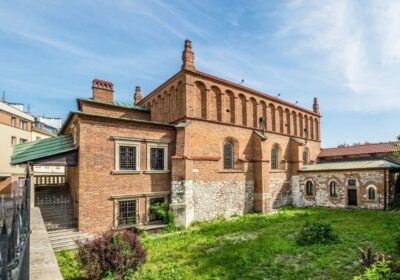
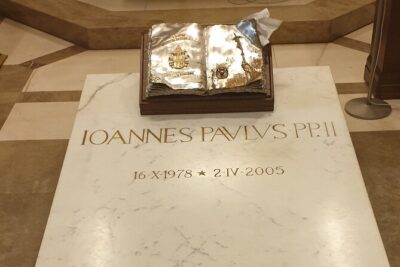
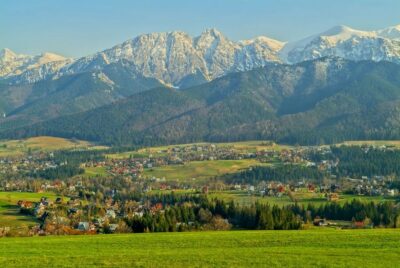
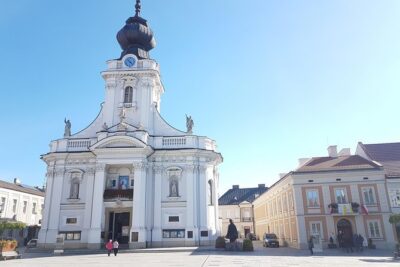
Kazimierz & Jewish Heritage Tours, compared.
 ★ 4.7Schindler’s Factory & Ghetto Guided TourFrom $571,694 reviews
 ★ 4.9Jewish Quarter and Former Ghetto TourFrom $191,441 reviews
 ★ 4.9Bike Tour of Old Town, Jewish Quarter and the GhettoFrom $371,155 reviews
 ★ 4.8Kazimierz Jewish Quarter Walking TourFrom $27571 reviews
 ★ 4.8Kazimierz, Schindler’s Factory & Ghetto Guided TourFrom $81460 reviews
 ★ 5.0Full Bike Tour – the Old Town, Jewish Qtr & the Ghetto NEW BIKESFrom $35437 reviews
 ★ 4.6Jewish Ghetto Walking TourFrom $11349 reviews
 ★ 4.6Jewish Quarter and Ghetto Electric Golf Cart TourFrom $34348 reviews
Browse the lists this tour appears in