
REVIEW · KAZIMIERZ & JEWISH HERITAGE TOURS
Krakow: Jewish Quarter and Ghetto tour by electric golf cart
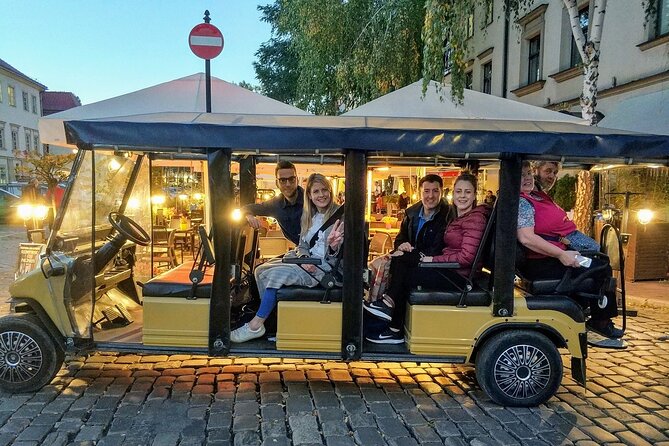
Krakow’s darkest history is easier to reach. This 1-hour electric golf cart tour rolls you through the Jewish Quarter and former Ghetto area with a multilingual audio guide, so you can focus on the streets, buildings, and memorial sites. I especially like the heated, weather-protected cart, which makes a short tour feel comfortable year-round, and I like that you get both cultural landmarks and WWII context in one ride. The one catch: because it’s only an hour and much of the detail comes from the audio track, you may want to plan extra time if you crave deeper, stop-by-stop storytelling.
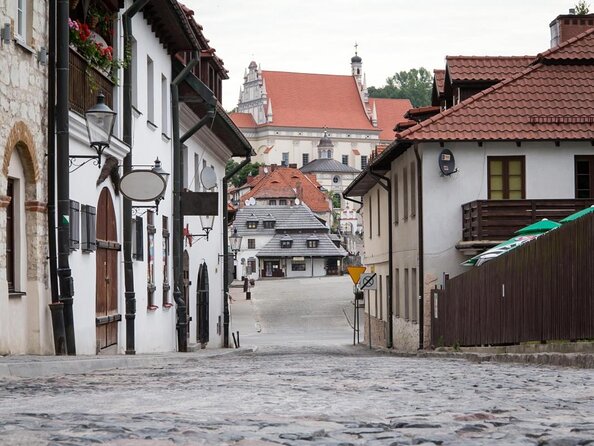
You’ll start by settling in, then choose your language and set off through Krakow’s medieval streets—first the old district of Kazimierz (founded in the 14th century by King Casimir the Great), where Jewish and Christian life once sat side by side. Along the way, you’ll pass reminders of everyday life and big turning points: synagogues and historic communal sites, plus Gestapo-linked locations and the memorials tied to the ghetto and the Nazi occupation. A possible drawback to keep in mind is that entrance tickets aren’t included, so some stops may be view-only from the outside.
In This Review
- What You’ll Like Most: Heated Comfort, Clear Stops, and WWII Context
- Entering Kazimierz by Electric Cart: Comfort That Matters in Krakow
- Kazimierz’s Two Cultures: Medieval Streets Where Worlds Intersected
- Synagogues, Community Life, and Helena Rubinstein’s Name
- Beyond Kazimierz Walls: Old Tram Depot and Medieval Churches
- Gestapo Transit and Prison Space: When the Streets Get Heavy
- Ghetto Heroes’ Square and the 70-Chair Monument
- Tadeusz Pankiewicz and the Eagle Pharmacy Story
- Photo Stops, Outside Views, and the “One Hour” Reality Check
- Price and Value: About $22 for a Short, Specialized Route
- Who This Tour Fits Best in Your Krakow Plan
- Should You Book the Krakow Jewish Quarter and Ghetto Golf Cart Tour?
- FAQ
- Is the Jewish Quarter and Ghetto tour about 1 hour?
- What language options are included in the tour?
- Does the tour include a heated or weather-protected vehicle?
- Are entrance tickets included?
- Is the tour wheelchair accessible?
- Is food included in the price?
What You’ll Like Most: Heated Comfort, Clear Stops, and WWII Context
- Heated electric golf carts with roof and rain curtains, plus sun protection in summer
- Multilingual audio guide (including Hebrew and Arabic, among many others) to match your language
- A targeted route through Kazimierz and ghetto-related memorials, not random sightseeing
- Time to take photos plus stops that let you actually look at landmarks
- Friendly help from the driver when questions pop up, even with audio doing much of the narration
Deeper into Kazimierz and its Jewish heritage
- Krakow: Schindler’s Factory & Ghetto Guided Tour
★ 4.7 · 1,694 reviews - Krakow: Jewish Quarter and Former Ghetto Tour
★ 4.9 · 1,441 reviews - Krakow: Bike Tour of Old Town, Jewish Quarter and the Ghetto
★ 4.9 · 1,155 reviews
Entering Kazimierz by Electric Cart: Comfort That Matters in Krakow
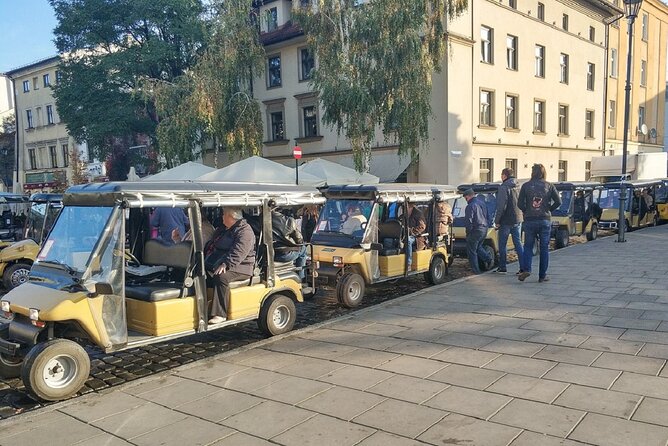
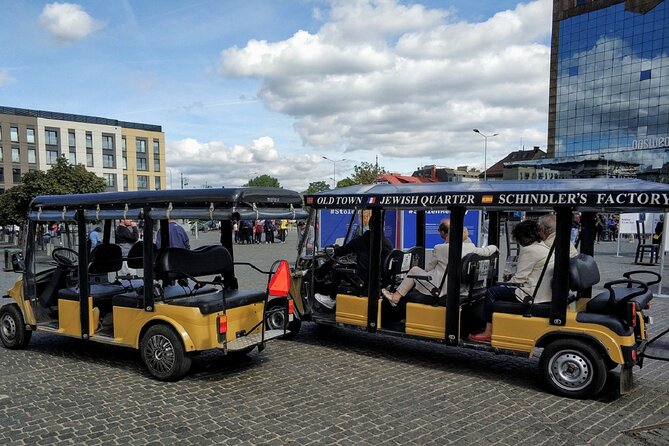
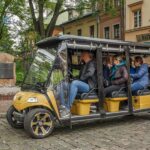
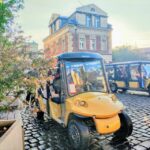
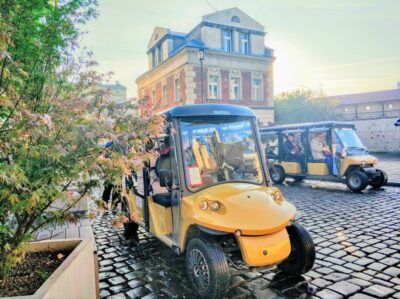
Krakow can be cold and gray, or bright and windy. That’s why I like the basic design of this tour: you ride in an eco-friendly electric golf cart with heating in winter, a roof, and rain curtains when the weather turns. It’s not a long hike, so you can enjoy the route even if your knees prefer “easy mode.”
The cart setup is also practical. There’s space for a stroller or wheelchair, and the tour is described as pet friendly, which is helpful if you’re traveling with a companion that can’t spend the day in a carrier. You also get air conditioning, which is nice for summer heat when you’d rather not think about thermal layers.
One small but important comfort benefit: you’re not stuck in the open. With the roof and rain protection, you spend more time looking at what’s in front of you and less time fighting the weather. On a tour that lasts about one hour, that matters.
Kazimierz’s Two Cultures: Medieval Streets Where Worlds Intersected
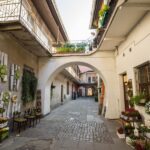
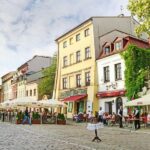
This is a tour built around a very specific idea: Krakow’s Jewish story is not a separate add-on. It’s tied to the city’s everyday geography. You visit a district of two cultures—Christian and Jewish—where Kazimierz began as its own medieval town in the 14th century under King Casimir the Great.
That “two cultures” framing changes how you read the neighborhood. Instead of treating sites as isolated dots on a map, you start noticing how life overlapped: markets, houses of worship, civic spaces, and later, the way those ordinary streets were forced into extraordinary tragedy. The pace by cart supports that kind of looking. You pass enough landmarks that the area stops feeling like a vague “old town” and starts feeling like a real place where communities lived.
You also see signs of the medieval city structure. The route includes medieval city walls, and you’ll get views of areas connected with civic life, like the former market square and town hall. Those stops matter because they anchor the story in the physical city: this wasn’t a background stage. It was the community’s center.
Synagogues, Community Life, and Helena Rubinstein’s Name
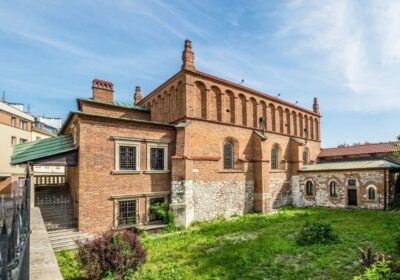
Kazimierz isn’t only about memorials. Part of the value here is that it gives you historical texture before the WWII sections take over. The tour includes Jewish synagogues and community-related sites, including the kind of places that reflect religious practice and daily life—not just the big, dramatic moments.
One name I found especially interesting in the tour description is Helena Rubinstein, known as the founder of the cosmetics empire. You’ll see the area connected with her home, which is a reminder that Jewish life in Krakow wasn’t only defined by loss. It also included people who shaped culture and business beyond the city, even if later history tried to erase what came before.
You’ll also learn about places tied to ritual and tradition, such as a ritual Jewish bath house. Even if you don’t step inside anything (entrance tickets are not included), the fact that the route calls out this kind of site helps you understand that religious life had infrastructure—real buildings, real routines, and a community network.
And yes, the tour mentions kosher restaurants in the district. That’s a modern note, but it’s still useful: it reinforces that Kazimierz isn’t frozen in time. The neighborhood still carries cultural continuity.
More of the Old Town at electric-cart pace
- Krakow: Electric Car Sightseeing Tour★ 4.4 · 450 reviews
- Krakow: Jewish Quarter and Ghetto Electric Golf Cart Tour★ 4.6 · 348 reviews
- Krakow Grand City Tour by golf cart – All 3 districts★ 5.0 · 311 reviews
- Krakow: City Sightseeing Tour Eco Electric Buggy Golf Cart★ 4.5 · 311 reviews
Beyond Kazimierz Walls: Old Tram Depot and Medieval Churches
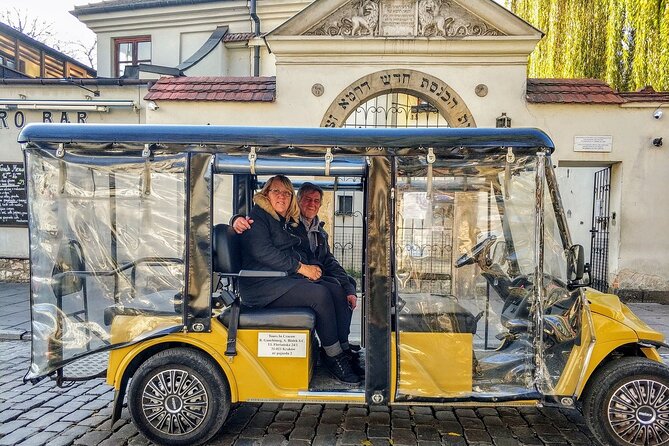
You don’t just move between Jewish sites. The route also threads in Krakow’s older Christian landmarks and city infrastructure. You’ll see Krakow’s oldest tram depot, which adds a layer many people miss when they focus only on medieval or WWII-era points.
That tram detail isn’t just trivia. It helps you feel how long Krakow has been a working city, not a museum. A neighborhood can hold layers: medieval walls, living streets, transportation routes, and then the next major chapter when history turns brutal.
The tour includes stops connected to churches such as Corpus Christi and the churches of Saint Catherine and Saint Margaret. Seeing these in the same travel flow as Kazimierz sites helps you understand the Christian-Jewish neighborhood relationship in practice. You’re not only learning names; you’re watching the city’s built environment sit next to itself.
Gestapo Transit and Prison Space: When the Streets Get Heavy
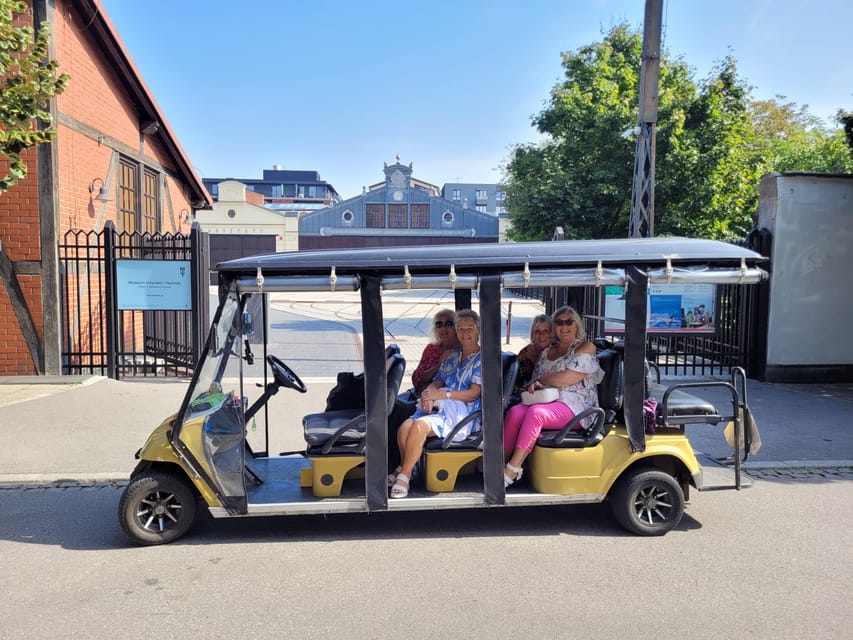
This is where the tour becomes emotionally serious, and it doesn’t treat the subject like a stop you can rush past. Along the route, you pass a former prison and transit camp connected with the German Gestapo police.
Even from a distance, the impact can be immediate because the setting is real street space. You aren’t reading history in a classroom. You’re moving through the area where history happened and where victims had to move through systems of control. The electric cart pacing helps you absorb it without the strain of nonstop walking, but it still leaves room for a pause-and-look moment.
From there, the tour points you toward the most tragic public memorials of the ghetto.
Ghetto Heroes’ Square and the 70-Chair Monument
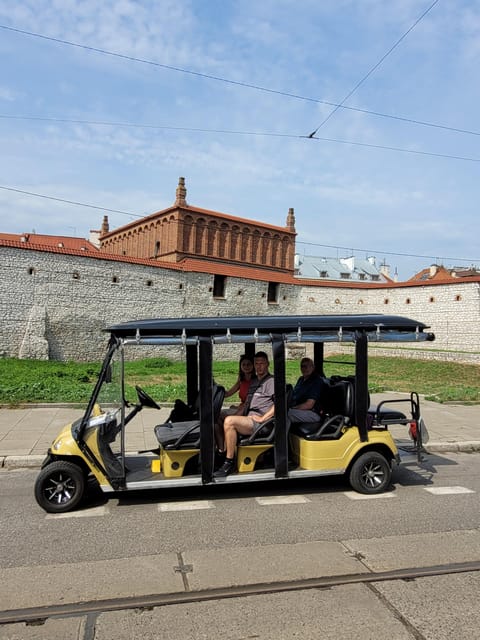
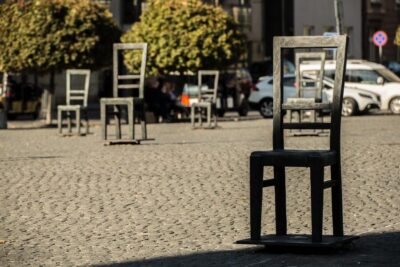
One of the most striking described stops is Ghetto Heroes’ Square, with a monument made of 70 chairs. It’s the kind of memorial that works even if you don’t know every detail ahead of time. The chairs make the idea of absence feel concrete.
This is one of the reasons I think the tour is worth doing even though it’s short. The tour doesn’t just name WWII events; it pushes you to connect them to physical places—square, monument, and street line—so your memory has something tangible to hold onto later.
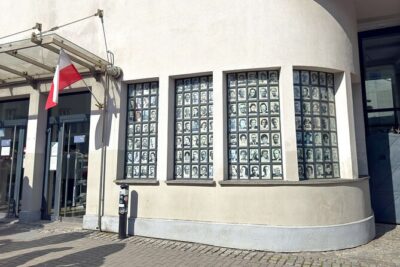
As you move through the ghetto-era streets, you also get an especially specific detail: an original section of the wall carved in the shape of Jewish tombstones. That’s the kind of artifact that makes history feel less abstract. It also explains why this route is built for seeing details from a vehicle: you’d likely miss it if you were only skimming at walking speed.
Tadeusz Pankiewicz and the Eagle Pharmacy Story
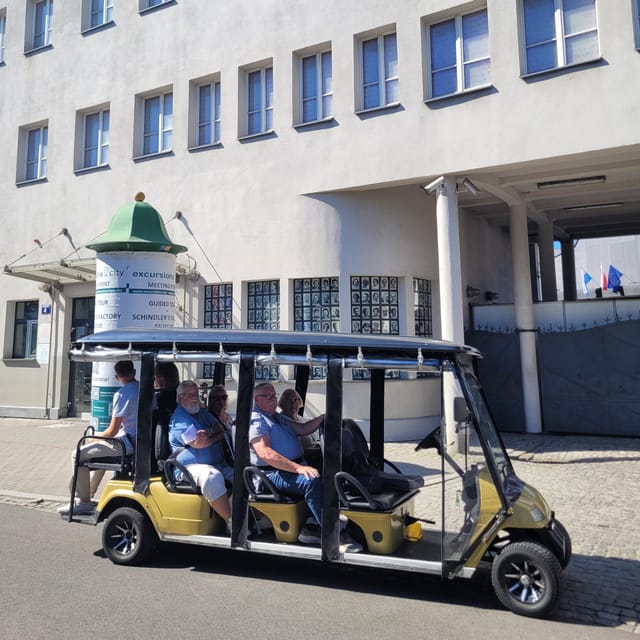
The tour includes a story centered on Tadeusz Pankiewicz, described as the owner of the Eagle Pharmacy. The stop fits naturally after the ghetto memorial sites because it gives you a human-scale narrative within a grim landscape.
Why this matters: WWII history can become a wall of dates. A story anchored to a specific person and a specific place helps you remember the moral dimension—what individuals did while systems of persecution were crushing whole communities.
This is also where a helpful driver can add value. The tour format includes driver support to answer questions, and that kind of back-and-forth can help you connect the name you’re hearing to what you’re seeing in front of you. Even if the audio guide carries most of the structure, you’re still able to get clarification when you need it.
Photo Stops, Outside Views, and the “One Hour” Reality Check
The tour description includes time to take pictures, which I appreciate because memorial sites and historic neighborhoods are photo-heavy for a reason. But remember: entrance tickets are not included, so some of what you see will likely be views from the outside or photo angles from the street.
The 1-hour duration is both strength and limitation. Strength: it keeps things focused, and it’s easier to fit into a busy Krakow itinerary. Limitation: if you want to sit with each site and learn every detail, you may feel time pressure once you reach the WWII sections.
I also think this tour works best when you treat the audio guide as the backbone and you use the driver for the “why does that matter?” questions. One of the review impressions you can take seriously is that the experience can feel lighter on live explanations; the audio is doing a lot of the work. If you’re the type who learns best through real-time conversation, you might want to plan one additional stop elsewhere afterward where you can go deeper at your pace.
Price and Value: About $22 for a Short, Specialized Route
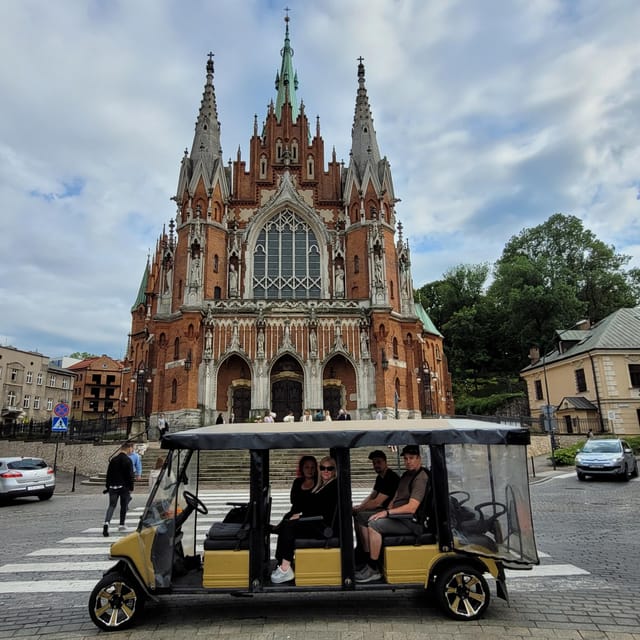
At $22 per person for about 1 hour, this tour’s value comes from logistics and focus, not from ticket-heavy sightseeing. You’re paying for a comfortable, protected vehicle plus a structured route through two heavy themes at once: Kazimierz culture and WWII ghetto history.
If you’re trying to do this area justice without committing an entire afternoon to long walking, the electric cart format is a real advantage. Add in the multilingual audio guide, which includes many languages (including English, Polish, Hebrew, Arabic, French, German, Spanish, Russian, Ukrainian, and more), and you get a lot of content coverage without needing to hunt down guides on your own.
One more value point: the tour includes practical comfort features that reduce friction. When weather or mobility is an issue, cutting friction is worth money. If you would otherwise skip or limit this neighborhood, the tour pays for itself in what you actually manage to experience.
Who This Tour Fits Best in Your Krakow Plan
This is a good match if you want:
- A short, structured way to cover the Jewish Quarter and key ghetto memorials
- Comfort while still seeing meaningful places connected to WWII history
- A tour that supports learning in your language through audio
I’d also steer you toward this tour if you’re traveling with someone who can’t handle a lot of walking. The presence of space for a wheelchair or stroller is a clue that the route is designed with movement limits in mind.
It’s less ideal if you want deep, museum-style time at each site. Think of it as a well-organized route for orientation and emotional context, not a substitute for longer, ticketed visits.
Should You Book the Krakow Jewish Quarter and Ghetto Golf Cart Tour?
I’d book it if you want a focused way to see Kazimierz and the ghetto memorial landscape in one compact slot, with heated comfort and multilingual audio doing the heavy lifting. It’s especially compelling when the weather is unpleasant or when your schedule is tight.
If you do book, a smart move is to arrive ready to learn the story behind what you’re looking at. Bring your questions, and use the driver to clarify anything that feels confusing. Then, if you still want more depth after the ride, you’ll know exactly where to spend extra time next—because the tour helps you build the map in your head.
FAQ
Is the Jewish Quarter and Ghetto tour about 1 hour?
Yes. The tour duration is listed as 1 hour, with starting times depending on availability.
What language options are included in the tour?
The audio guide is included in many languages, including Arabic, Czech, Danish, Dutch, English, Finnish, French, German, Hungarian, Italian, Norwegian, Polish, Portuguese, Russian, Slovak, Spanish, Swedish, Ukrainian, and Hebrew. There is also a live guide available in English and Polish.
Does the tour include a heated or weather-protected vehicle?
Yes. The electric golf carts include a roof, rain curtains, sun protection, and a heating system for winter (and air conditioning as well).
Are entrance tickets included?
No. Entrance tickets are not included, and the tour descriptions focus on viewing and learning from the route.
Is the tour wheelchair accessible?
Yes. The tour is described as wheelchair accessible, and there is space for a stroller or wheelchair.
Is food included in the price?
No. Food and drinks are not included.
More Tour Reviews in Krakow
The Old Town by Electric Cart
More of Jewish Kazimierz

Just added: fresh Krakow reviews
Kazimierz & Jewish Heritage Tours, compared.
 ★ 4.7Schindler’s Factory & Ghetto Guided TourFrom $571,694 reviews
 ★ 4.9Jewish Quarter and Former Ghetto TourFrom $191,441 reviews
 ★ 4.9Bike Tour of Old Town, Jewish Quarter and the GhettoFrom $371,155 reviews
 ★ 4.8Kazimierz Jewish Quarter Walking TourFrom $27571 reviews
 ★ 4.8Kazimierz, Schindler’s Factory & Ghetto Guided TourFrom $81460 reviews
 ★ 5.0Full Bike Tour – the Old Town, Jewish Qtr & the Ghetto NEW BIKESFrom $35437 reviews
 ★ 4.6Jewish Ghetto Walking TourFrom $11349 reviews
 ★ 4.6Jewish Quarter and Ghetto Electric Golf Cart TourFrom $34348 reviews
Browse the lists this tour appears in