
REVIEW · KAZIMIERZ & JEWISH HERITAGE TOURS
Krakow Kazimierz and Jewish Ghetto Tour with Synagogues
Krakow’s Jewish story starts right here. This tour connects Kazimierz, the former Krakow Ghetto area, and key synagogues through a guide who tells the human side of Jewish life in Poland. I love how the route keeps moving—Szeroka Street to memorial squares—so the facts don’t feel like a slideshow.
Two things I especially like: first, the synagogue choices (Tempel or Old Synagogue, plus Remuh on the 4-hour tour) help you match what you want to see. Second, the guide links World War II events to the places behind Schindler’s List. One possible drawback: access at the Schindler’s Enamel Factory stop can be limited, so you may end up seeing it from outside rather than getting inside.
In This Review
- Key highlights you’ll actually care about
- Choosing the right tour length: 2 vs 3 vs 4 hours in Kazimierz
- Starting point in Kazimierz: where to meet and how not to lose time
- Kazimierz first: coexistence, daily life, and why the streets matter
- The synagogue stop: Tempel Synagogue vs Old Synagogue (and why it changes the feel)
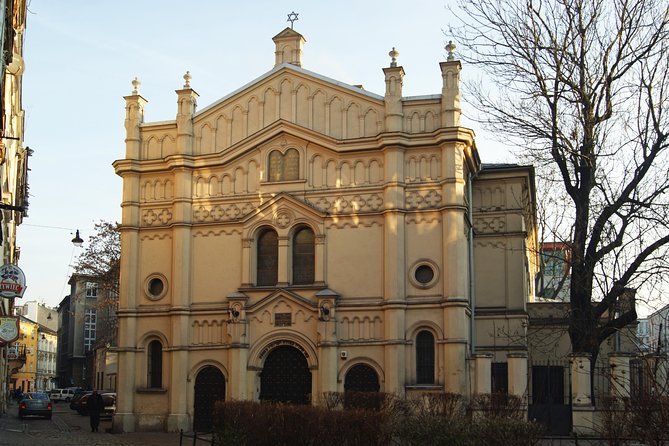
- Tempel Synagogue (ticketed on 3- and 4-hour tours)
- Old Synagogue (ticketed on 3- and 4-hour tours)
- Which one will you actually visit?
- Jewish Square and the Old Synagogue area: focus on meaning, not only architecture
- Podgórze and the former Krakow Ghetto: moving from community to catastrophe
- Oskar Schindler’s Enamel Factory: film connection, real stakes, and a heads-up on access
- The 4-hour add-on: Remah Synagogue and the Old Jewish Cemetery
- Remah Synagogue
- Old Jewish Cemetery
- Guide quality and storytelling: why private guidance changes the day
- Price and value: is $100 per person fair for what you get?
- When this tour fits best (and when it might not)
- FAQ
- FAQ
- How long is the tour?
- Where do we meet the guide?
- Which synagogues can I visit on the 3-hour and 4-hour options?
- Does the 2-hour tour include synagogue tickets?
- Are there days or times when synagogues are closed?
- Do we skip ticket lines?
- What languages are available for the live guide?
- Should you book this Kazimierz and Jewish Ghetto tour?
Key highlights you’ll actually care about
- Private Jewish History expert guidance focused on places, customs, and wartime change
- 2, 3, or 4 hours so you can pick how much synagogue time you want
- Tempel Synagogue (Moorish-style interior) ticketed on 3- and 4-hour tours
- Old Synagogue museum option on 3- and 4-hour tours depending on opening hours
- Podgórze ghetto area stops including Ghetto Heroes Square and the Enamel Factory area
- 4-hour upgrade adds Remah Synagogue and the Old Jewish Cemetery with notable graves
Deeper into Kazimierz and its Jewish heritage
- Krakow: Schindler’s Factory & Ghetto Guided Tour
★ 4.7 · 1,694 reviews - Krakow: Jewish Quarter and Former Ghetto Tour
★ 4.9 · 1,441 reviews - Krakow: Bike Tour of Old Town, Jewish Quarter and the Ghetto
★ 4.9 · 1,155 reviews
Choosing the right tour length: 2 vs 3 vs 4 hours in Kazimierz
This tour comes in three lengths, and the biggest difference is how much time you spend at synagogues with tickets.
- 2-hour option: a walking tour that centers Kazimierz and the former Jewish Ghetto area. You stop at major synagogue landmarks like the Tempel and Remuh areas, but tickets for synagogue interiors are not included in this shortest option. You’ll also head toward Podgórze to follow the WWII-era story.
- 3-hour option: same core route, plus tickets for one synagogue. You’ll either visit the 19th-century Tempel Synagogue (known for its Moorish-style interior) or the restored Old Synagogue from the 15th century (now a museum of Krakow Jewish culture & history). Which one you see depends on opening hours and your preferences.
- 4-hour option: the most complete. You get tickets to Remah Synagogue and the Old Jewish Cemetery, plus another synagogue visit (either Tempel or Old Synagogue, again depending on opening hours and scheduling).
If your priority is synagogue interiors, don’t book the 2-hour version and hope for the best. The ticket inclusions clearly map to 3 and 4 hours.
Starting point in Kazimierz: where to meet and how not to lose time
You meet your guide in front of the Kazimierz Hotel, Miodowa 16, Krakow. The instructions are simple: don’t enter the hotel—it’s just a meeting marker.
From that starting spot, your guide takes you into Kazimierz’s streets with an emphasis on how the neighborhood worked for centuries. The point isn’t only to say where things are; it’s to explain why this district mattered to everyday Jewish life and then how that changed during the German occupation.
Practical note: since the tour is a private walking format, you’ll get a smoother experience if you arrive a few minutes early and start with a calm pace. This type of tour works best when you’re not trying to sprint between stops.
Kazimierz first: coexistence, daily life, and why the streets matter
Kazimierz isn’t presented as a museum set. You’re shown as a living neighborhood with layered identity—Jewish and Polish—before WWII upended everything.
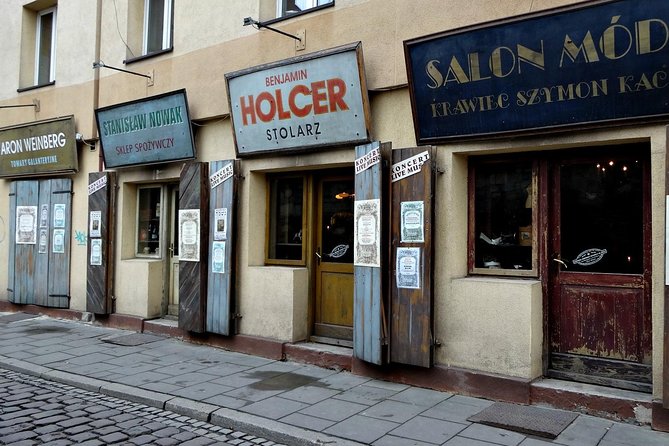
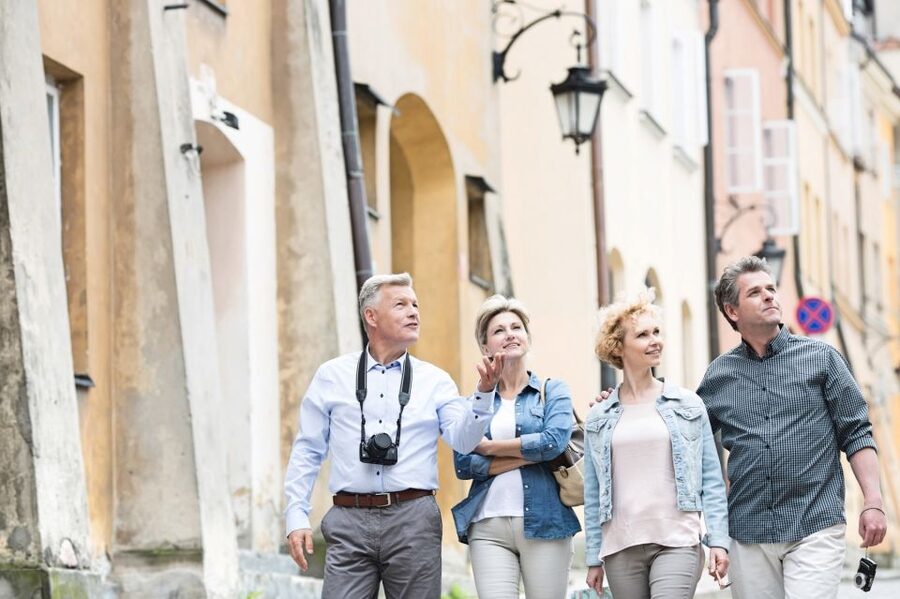
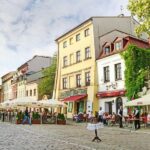
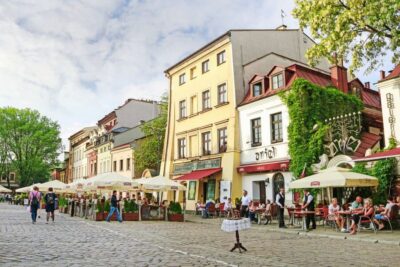
On the walk, you’ll follow key streets and areas that anchor the story. One of the most important stretches is Szeroka Street, where older Jewish houses, restaurants, and other establishments reflect how the neighborhood remained culturally active long after earlier chapters. Your guide’s job here is to connect street-level details to a bigger picture: where community life took place, what institutions did, and how traditions were practiced.
I also like that this tour doesn’t treat “Jewish history” as only one time period. You get the Middle Ages-to-modern arc, with clear breaks when WWII changes the rules of daily life.
- Krakow: Wieliczka Salt Mine Tour with Entry Ticket★ 4.6 · 10,927 reviews
- Krakow–Zakopane: Cable Car, Chocholow Baths, Cheese & Vodka★ 5.0 · 10,720 reviews
- Krakow: Auschwitz-Birkenau Guided Tour with Pickup & Lunch★ 4.5 · 9,800 reviews
- From Krakow: Wieliczka Salt Mine Tour★ 4.6 · 9,393 reviews
The synagogue stop: Tempel Synagogue vs Old Synagogue (and why it changes the feel)
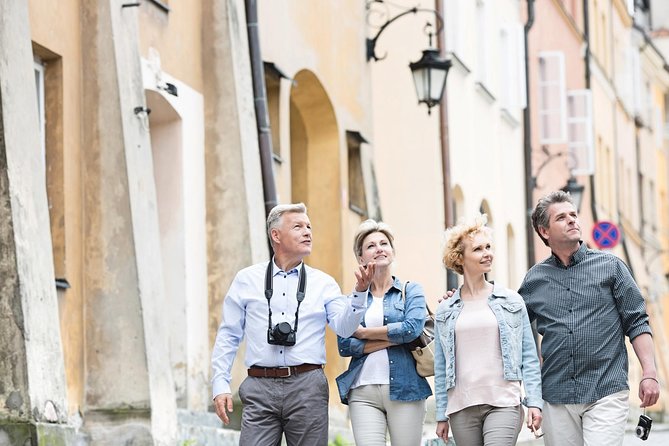
This is the part you’ll remember most, because synagogue architecture and layout shape how you understand worship and community.
Tempel Synagogue (ticketed on 3- and 4-hour tours)
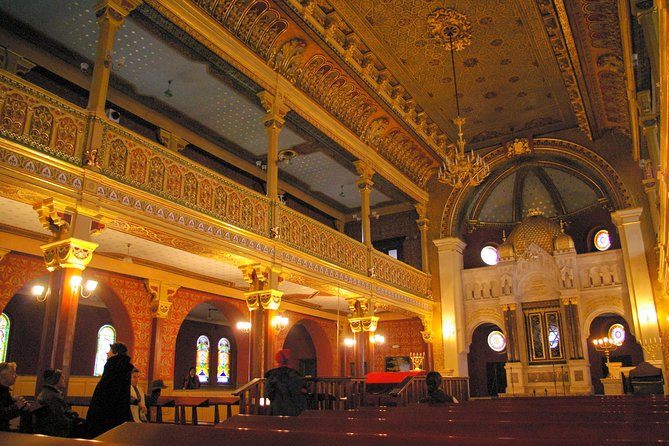
The Tempel Synagogue is highlighted for its Moorish-style interior. That detail matters because it signals how Jewish communities in Krakow weren’t static—they adapted, built, and expressed identity through art and design. If you like bold interiors and a more ornate visual approach, Tempel is often the better match.
Old Synagogue (ticketed on 3- and 4-hour tours)
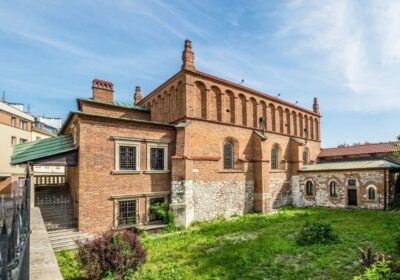
The Old Synagogue is a restored 15th-century building and now functions as a museum of Krakow Jewish culture & history. This option can feel more grounded in continuity and memory—especially if you want to spend time absorbing objects, narratives, and context rather than focusing mainly on the building’s decorative style.
Which one will you actually visit?
For the 3-hour tour, you’ll visit one synagogue: Tempel or Old Synagogue, depending on preferences and opening hours. The tour’s own timing rules also matter:
- Tempel Synagogue opening hours are listed for Mon–Thu and Sun (10AM–6PM), Fridays (10AM–4PM), with winter-season adjustments.
- Old Synagogue hours are listed as Mondays (10AM–2PM) and Tue–Sun (10AM–5PM).
For planning, check whether your day is likely to fit the opening schedule. Also remember: Jewish heritage sites and synagogues are closed on Saturdays, Jewish holidays, and during prayer time, so the tour can’t always rely on interior access.
Jewish Square and the Old Synagogue area: focus on meaning, not only architecture
When your route moves to the Old Synagogue and Jewish Square, the guide typically frames the setting as a center of community gravity. You’re not just looking at stones; you’re learning what those gathering spaces were for and how institutions shaped everyday life.
A good guide will also slow the pace just enough for you to notice practical details—street orientation, building relationships, and the way public space works in the neighborhood. Done well, it helps you understand why the ghetto story has such a strong sense of loss and rupture later on.
Podgórze and the former Krakow Ghetto: moving from community to catastrophe
After Kazimierz, you head to Podgórze, where the Nazis established the Krakow Ghetto for Jewish people before forced deportations to Auschwitz-Birkenau and other camps.
This is the emotional shift point of the tour, and it’s why the guide’s tone matters. Your Jewish History expert guide is there to connect the physical stops to real human outcomes, not to shock you into silence and then rush on.
You’ll see:
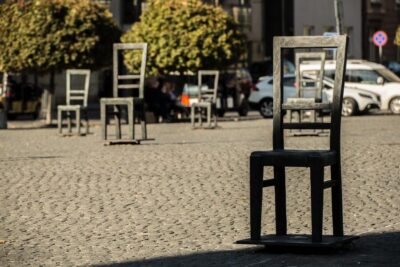
- Ghetto Heroes Square, marked with a monument designed to preserve memory of those who suffered and resisted
- Oskar Schindler’s Enamel Factory area, tied to the stories that inspired the film Schindler’s List
This section is also where you’ll start noticing how the tour balances two tracks: “what happened” and “how it changed the neighborhood.” If you’re hoping for a tour that explains that shift clearly, this one is built for that.
Oskar Schindler’s Enamel Factory: film connection, real stakes, and a heads-up on access
The Enamel Factory stop is included specifically to connect history with Schindler’s List. The guide explains the true story of events and people that inspired Spielberg’s film, helping you separate cinematic shorthand from what actually occurred.
Here’s the key practical consideration: access to the factory museum area may not always work the way you expect. One disappointed guest noted that they didn’t go into the Schindler factory museum and ended up walking to see it mainly from outside.
So I’d plan for this realistically:
- Expect to learn the story and see the place tied to the film.
- Don’t bank your day on guaranteed interior time at the factory museum itself.
If you want maximum “inside access,” aim for the synagogue-tickets side of the tour (3- and 4-hour options), since those are explicitly included.
The 4-hour add-on: Remah Synagogue and the Old Jewish Cemetery
If you choose the 4-hour tour, you get two high-impact, very different experiences: an active place of worship and a cemetery that turns names and memory into geography.
Remah Synagogue
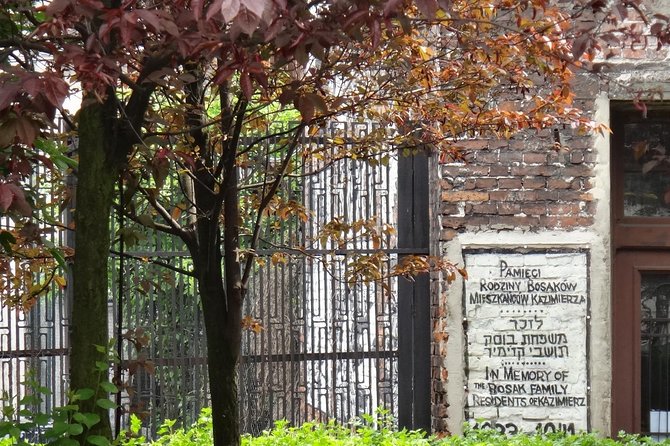
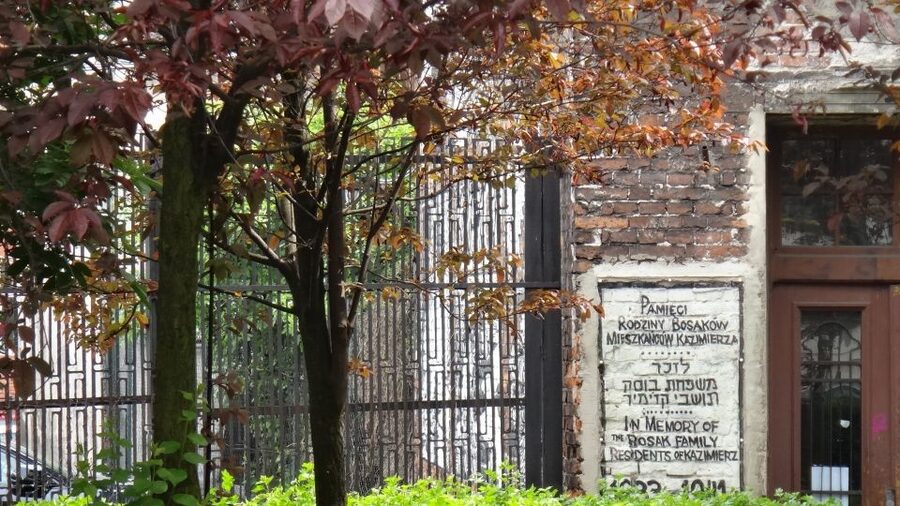
The Remah Synagogue is described as an active place of worship. That matters because it’s not only heritage tourism—it’s still part of living community. You’ll also notice inscriptions on the courtyard walls that remember local Jews who were killed in the Holocaust.
That wall detail can hit hard. But it’s also useful: it anchors remembrance in place, right where you are standing.
Old Jewish Cemetery
Then comes the Old Jewish Cemetery, where graves of notable Polish Jews include:
- Rabbi Moses Isserles
- Avraham Yehoshua Heschel
- Yossele the Holy Miser
Even if you don’t know these names now, a skilled guide will give you the reason they matter. The cemetery becomes more than a list; it turns into a map of influence, teaching, and community leadership.
This is the kind of stop that makes the tour feel complete, especially if you want more than just WWII storytelling.
Guide quality and storytelling: why private guidance changes the day
This tour leans hard on the guide. You get a licensed 5-star guide fluent in your chosen language, and it’s built around a “Jewish History Expert Guide” style: context first, then place, then what it meant for Jewish life.
Two names show up with standout praise in the way the tour is delivered:
- Artur is described as professional, helpful, empathetic, and able to explain connections clearly while also giving living insights into earlier Jewish life and today’s view of it.
- Renata is praised for taking people beyond the basics across the neighborhood and into the ghetto area, with stories about customs as well as the historical timeline.
That’s the difference you should look for in a private tour: not just facts, but a sense of pacing and respect. The route has weight, and a good guide keeps it human.
Price and value: is $100 per person fair for what you get?
At $100 per person, you’re paying for three things:
- A private, licensed expert guide (not a generic city guide).
- A structured route that ties together Kazimierz, the ghetto area, and multiple memorial and cultural stops.
- Synagogue access where it’s included. The 2-hour option does not include synagogue tickets. The 3-hour option includes tickets for one synagogue (Tempel or Old Synagogue). The 4-hour option includes Remah Synagogue plus the Old Jewish Cemetery, and it also includes tickets for another synagogue.
So the “value math” works best if you book 3 or 4 hours and actually plan to use the included tickets. If you book 2 hours only, you’ll still learn a lot, but you’ll have less interior access since tickets aren’t part of that option.
If you care about authentic access to synagogue interiors—rather than just walking past them—choose the longer tour.
When this tour fits best (and when it might not)
I’d put this tour on your shortlist if you want:
- A focused walk on Kazimierz + the Krakow Ghetto area with WWII context
- A guide who explains customs and daily life, not only dates
- Synagogue time with tickets (3 or 4 hours)
- A clear explanation of how Schindler’s List connects to real events
You might think twice if:
- You have strict limits on walking time and don’t want a longer route (it’s a walking tour, and the story arc spans multiple areas)
- You expect guaranteed interior access at every included landmark beyond the synagogue tickets. The Enamel Factory stop may not always provide museum entry.
FAQ
FAQ
How long is the tour?
It runs for 2 to 4 hours, depending on the option you choose.
Where do we meet the guide?
Meet your guide in front of the Kazimierz Hotel, Miodowa 16, Krakow. Do not enter the hotel.
Which synagogues can I visit on the 3-hour and 4-hour options?
The 3-hour tour includes tickets to one synagogue: either Tempel Synagogue or Old Synagogue, depending on preferences and opening hours. The 4-hour tour includes tickets to Remah Synagogue and the Old Jewish Cemetery, plus another synagogue visit (either Tempel or Old), depending on opening hours.
Does the 2-hour tour include synagogue tickets?
No. The 2-hour option does not include tickets to the Tempel or Old Synagogue.
Are there days or times when synagogues are closed?
Yes. Jewish heritage sites and synagogues are closed on Saturdays, Jewish holidays, and during prayer time.
Do we skip ticket lines?
Yes. Skip the ticket line is included.
What languages are available for the live guide?
The live guide is available in English, French, German, Italian, Polish, Russian, and Spanish.
Should you book this Kazimierz and Jewish Ghetto tour?
Book it if you want a real sense of how Jewish life in Krakow worked—then how it was broken—using a route that links neighborhoods, memorials, and synagogue interiors. The tour becomes especially strong on the 3- and 4-hour options, where synagogue tickets are included and you get deeper access to Tempel or Old Synagogue, plus Remah and the Old Jewish Cemetery on the 4-hour plan.
If you’re short on time, the 2-hour version still makes sense as an overview, but adjust your expectations on interior synagogue access and treat the Schindler factory stop as a “see and learn” moment rather than a guaranteed museum visit.
More Tours in Krakow
More Tour Reviews in Krakow

More of Jewish Kazimierz


Just added: fresh Krakow reviews
Kazimierz & Jewish Heritage Tours, compared.
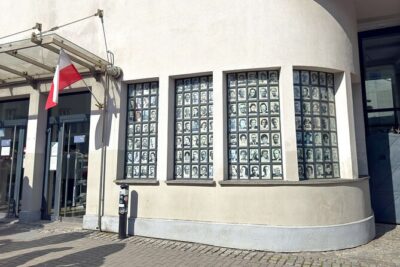 ★ 4.7Schindler’s Factory & Ghetto Guided TourFrom $571,694 reviews
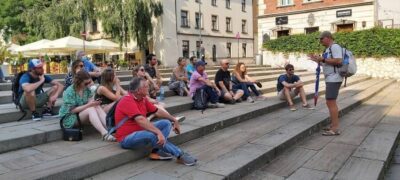 ★ 4.9Jewish Quarter and Former Ghetto TourFrom $191,441 reviews
 ★ 4.9Bike Tour of Old Town, Jewish Quarter and the GhettoFrom $371,155 reviews
 ★ 4.8Kazimierz Jewish Quarter Walking TourFrom $27571 reviews
 ★ 4.8Kazimierz, Schindler’s Factory & Ghetto Guided TourFrom $81460 reviews
 ★ 5.0Full Bike Tour – the Old Town, Jewish Qtr & the Ghetto NEW BIKESFrom $35437 reviews
 ★ 4.6Jewish Ghetto Walking TourFrom $11349 reviews
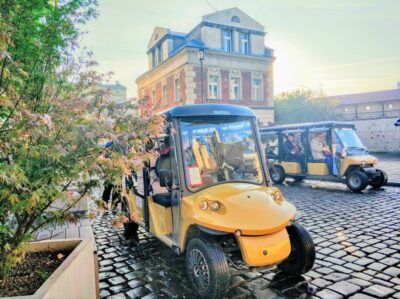 ★ 4.6Jewish Quarter and Ghetto Electric Golf Cart TourFrom $34348 reviews
Browse the lists this tour appears in