
REVIEW · KAZIMIERZ & JEWISH HERITAGE TOURS
Kraków old town and jewish quarter®
Krakow is two cities in one walk. I love how this tour uses a historian’s lens to connect Poland’s big events to real streets and buildings, and I love the tight focus on both the historic center and Kazimierz. One thing to plan around: there’s no food or drinks included, so you’ll want water (and maybe a snack) ready before you start.
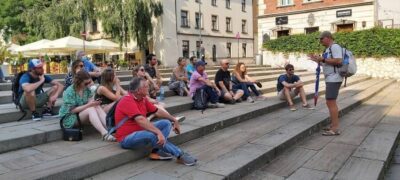
The experience runs with a live Spanish guide (people in the group have gone by Luís), and the meeting is easy to spot because the guide carries a gray umbrella. What stands out in the way it’s taught is how visual it can feel, with photos and drawings used to make dates and themes land in your head instead of floating by.
In This Review
- Key highlights worth your time
- A 3-hour plan that actually helps you read Krakow
- What I liked most about the format
- Old Town walls, Barbican, and St. Florian’s Gate: Krakow’s first defense line
- Basilica of St. Mary and the pull of the center
- Main Market Square and Sukiennice Tower: why the center feels so monumental
- Practical tip for making the market stop click
- University neighborhood: Copernicus and John Paul II in the same story
- Why this section is more than a break from crowds
- Archbishop’s Palace and the Franciscans: religious power in stone
- Wawel Complex: cathedral views, the dragon, and the city’s center of power
- What to watch for on Wawel hill
- Entering Kazimierz: where Jewish communities settled and why it mattered
- Coexistence, tension, and the reality of history
- Synagogues, cemeteries, and memorials: seeing Kazimierz as memory and daily life
- Why these stops are powerful (and what to do with that)
- Pace, guidance style, and how to get more than photos
- A small drawback to keep in mind
- Price value: why $16 can feel like a bargain in Krakow
- Who should book this route, and who might prefer something else
- Should you book Kraków Old Town and Jewish Quarter?
- FAQ
- How long is the Krakow Old Town and Jewish Quarter tour?
- How much does the tour cost?
- What language is the tour guide?
- Where do I meet the guide?
- What’s included in the ticket price?
- Is food or drinks included?
- Is the tour wheelchair accessible?
Key highlights worth your time
- Historian-style storytelling that ties Krakow’s streets to Poland’s wider history
- Historic center + Kazimierz in one 3-hour loop, so you don’t waste your limited time
- Wawel Complex on the hill, including the cathedral area and dragon sculpture
- University neighborhood stops, with figures like Copernicus and John Paul II brought into context
- Kazimierz sites that cover both memory and everyday Jewish life, including major synagogues and memorials
Deeper into Kazimierz and its Jewish heritage
- Krakow: Schindler’s Factory & Ghetto Guided Tour
★ 4.7 · 1,694 reviews - Krakow: Jewish Quarter and Former Ghetto Tour
★ 4.9 · 1,441 reviews - Krakow: Bike Tour of Old Town, Jewish Quarter and the Ghetto
★ 4.9 · 1,155 reviews
A 3-hour plan that actually helps you read Krakow
Krakow can feel like a postcard if you only look at buildings. This tour is different because it helps you read them. In a short 3-hour window, you’re guided through the city’s most important story-spaces: the medieval and Renaissance core, then the Jewish quarter of Kazimierz, and finally Krakow’s power symbol on Wawel Hill.
At this price point (about $16 per person), you’re paying for a live guide with an academic background in geography and history, plus a route that hits the key landmarks most first-timers line up for anyway. The win is not that you see famous places. The win is that you understand why those places mattered, and why they matter differently depending on which neighborhood you’re standing in.
What I liked most about the format
You’re not just handed a list of sights. You move through a logic: start in the older civic and defensive Krakow (the walls, gates, and market), head toward the learning and religious power of the university and church areas, climb to Wawel, and then switch gears into Kazimierz, where religious communities lived side-by-side, sometimes peacefully and sometimes with real tension.
That city-to-city feeling is why this route works so well if your schedule is tight.
Old Town walls, Barbican, and St. Florian’s Gate: Krakow’s first defense line
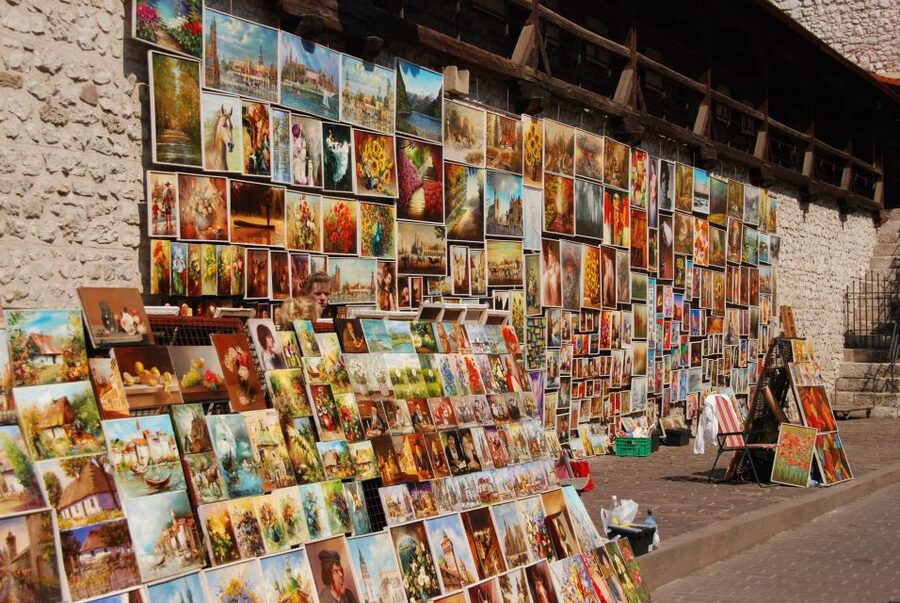
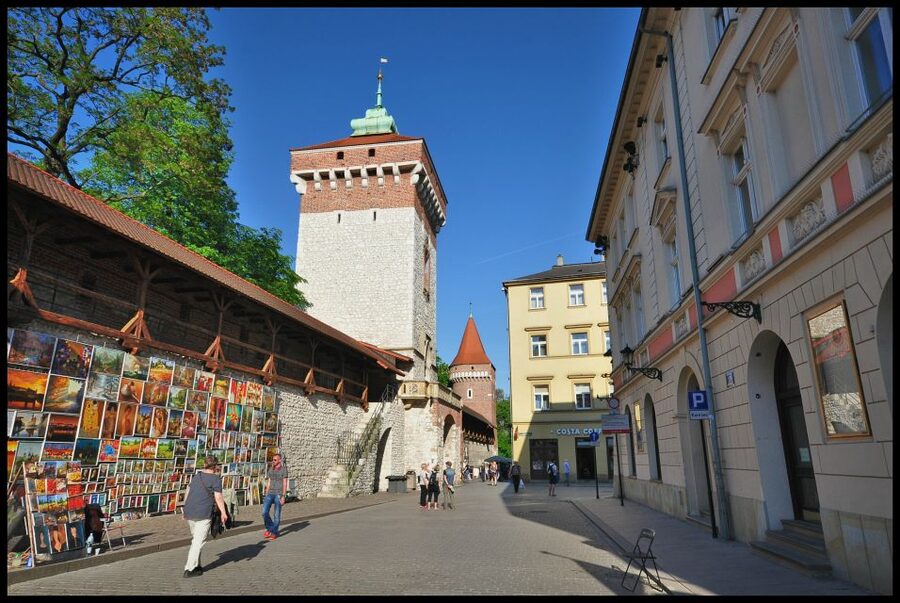
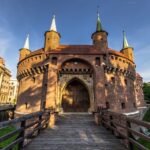
You begin downtown and build your understanding of Krakow the way locals did: as a fortified medieval city with gates, walls, and a protected core. Stops include major markers like the Juliusz Słowacki Theater, the medieval walls, and the Barbican, which is one of the clearest reminders that safety and strategy shaped daily life.
Then you reach the St. Florian’s Gate area, a classic threshold point. Standing near a gate is an instant history lesson: it makes you picture traffic, inspections, and the idea that movement into the city was controlled. You start to notice how entrances frame everything around them—streets, squares, even how people gathered once they passed through.
Around the Rynek and the Cloth Hall, a few more
- Krakow: Bike Tour of Old Town, Jewish Quarter and the Ghetto★ 4.9 · 1,155 reviews
- Krakow: The Old Town Walking Tour★ 4.8 · 794 reviews
- Krakow: Old Town Guided Segway Tour★ 4.7 · 756 reviews
- Kraków: Old Town & Wawel Castle Walking Tour in English★ 4.8 · 532 reviews
Basilica of St. Mary and the pull of the center
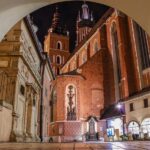
From there the tour turns toward the heart of the old city with stops like St. Florian’s Gate and Basilica of Saint Mary. This is the kind of church stop that’s worth more than just a quick look, because you’re learning how the city’s religious identity and civic life interlocked.
In a city like Krakow, the biggest mistake is treating the center as one uniform zone. This tour keeps you moving so you feel the shift between defensive zones, ceremonial zones, and the places where crowds formed.
Main Market Square and Sukiennice Tower: why the center feels so monumental
The market square is where Krakow flexes. You’ll focus on its “monumental load,” meaning the square isn’t just pretty—it’s the stage where commerce, power, and culture met in the same space.
A highlight here is the Sukiennice Tower and nearby sights around the square, including big, recognizable architectural statements. You’ll hear explanations tied to what made Krakow a World Heritage Site: the architectural diversity and the layering of eras, all packed into walkable distance.
Practical tip for making the market stop click
When you’re standing in a big square, it helps to do this mental trick: pick one building and treat it like the anchor of the story you’re hearing. If you follow the guide’s connections—civic life, church influence, political change—the square stops being a “view” and becomes a map of cause and effect.
University neighborhood: Copernicus and John Paul II in the same story
Next you head toward the university side of Krakow, a stretch that helps you understand the city not just as a place of churches and kings, but as a place of training and ideas.
This part of the tour includes stops such as Collegium Maius and the wider area where people like Copernicus and John Paul II received academic training. That pairing matters. It pushes you to see Krakow’s learning institutions as long-running engines, not isolated achievements.
You’ll also see the Adam Mickiewicz Monument, which offers another angle: culture and education aren’t only in classrooms; they’re also remembered in public spaces.
Why this section is more than a break from crowds
In many cities, “university neighborhood” equals quiet streets and a fast photo. Here, it feels purposeful because the route is building the bigger theme: how Krakow’s institutions shaped identities over time. By the time you climb to Wawel, you’ll already be thinking in terms of power—who trained, who ruled, and how ideas traveled.
Archbishop’s Palace and the Franciscans: religious power in stone
As you move through the central religious zone, the tour includes either the Archbishop’s Palace or the Franciscan basilica area as a key highlight. These stops are a reminder that churches in Krakow weren’t only spiritual centers—they were deeply connected to leadership, education, and social order.
If you’re the type who likes to understand the “why” behind architecture, this is where the tour earns its value. You’re not memorizing dates for fun. You’re learning how religious authority influenced the shape of the city and how that influence played out over centuries.
Wawel Complex: cathedral views, the dragon, and the city’s center of power
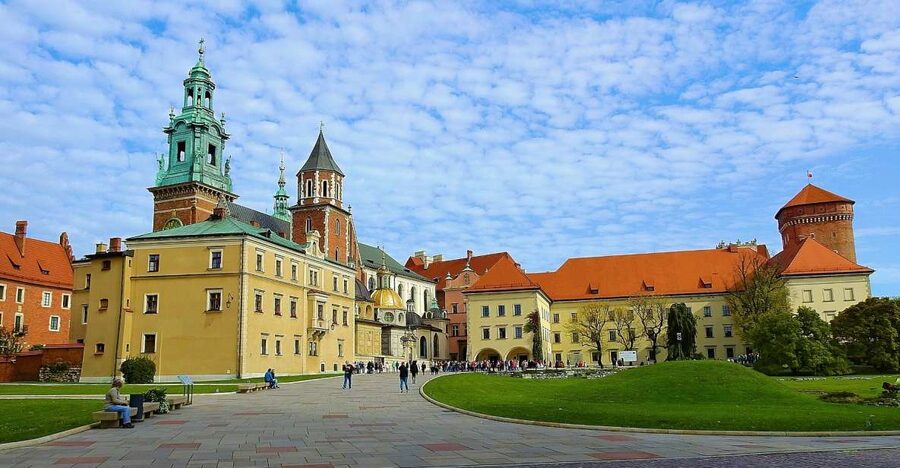
Then comes the main ascent: Wawel Complex. You’ll climb the hill and focus on the cathedral area and the buildings that make up this architectural complex. This is Krakow’s heavyweight setting. It’s where you feel the city thinking in terms of rule, legitimacy, and continuity.
A standout detail in the route is the dragon sculpture. Yes, it’s famous. But on a guided walk, it also becomes a quick way to anchor local legend to place—because Wawel isn’t just a fortress of power; it’s a stage where stories have lived alongside politics.
What to watch for on Wawel hill
As you’re walking, pay attention to how the city layout opens up around you. Even if you don’t get a dramatic overlook for every angle, the ascent helps you understand why this spot became the anchor. The hill position isn’t accidental; it’s an advantage that turned the complex into a visual statement from across the city.
If you’re short on time, this is the part worth slowing down for. The guide’s connections are likely to make the complex feel less like a checklist item and more like the city’s command center.
Entering Kazimierz: where Jewish communities settled and why it mattered
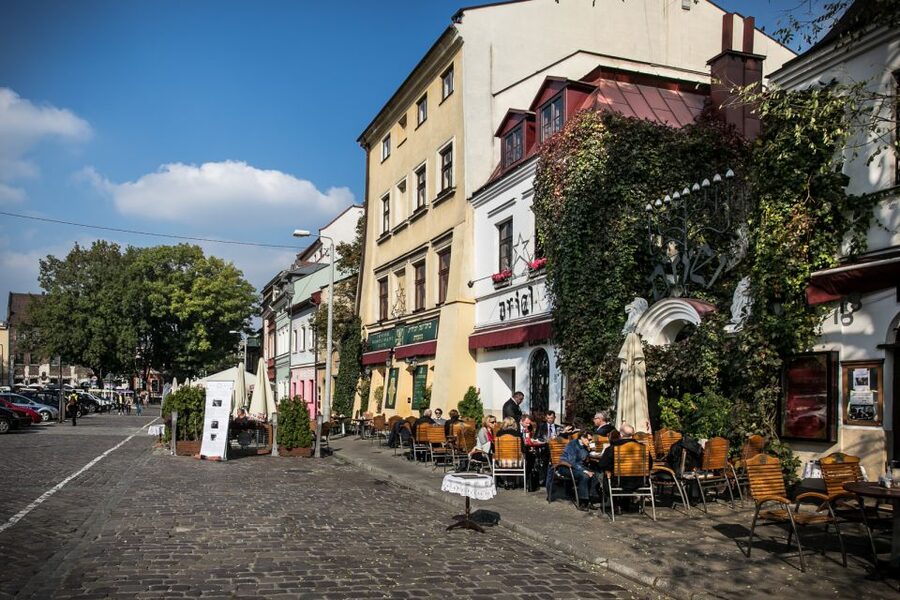
Now the route changes tone. You enter Kazimierz, the area where the first Jewish communities arrived and settled in Krakow. The tour explicitly focuses on reasons for those settlements and on how coexistence between Jews and Catholics played out.
This is where you start dealing with the city’s complexity in real human terms. The guide will connect the historical events that affected both Poland and Krakow, so you can follow how communities built their lives, developed institutions, and interacted with the larger society.
Coexistence, tension, and the reality of history
It’s one thing to learn that multiple groups lived in Krakow. It’s another thing to understand the conditions that shaped that coexistence—political changes, religious boundaries, and the way communities responded over time. This tour frames Kazimierz as both important in history and complicated, because that’s what it is.
If you like walks that give you context rather than just atmosphere, you’ll appreciate that the route holds space for both the inspiring and the painful parts of the story.
Synagogues, cemeteries, and memorials: seeing Kazimierz as memory and daily life
Kazimierz isn’t covered with one type of stop. You’ll see religious sites tied to community identity and also places designed for remembrance.
Key stops include:
- Tempel Synagogue
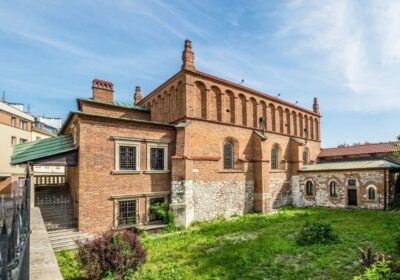
- Stara Synagogue
- Old Jewish cemetery
- New Square and the medieval square areas of the Jewish quarter
- Walls of the Jewish quarter
And the route also includes memorials connected to World War II history:
- Monument to the victims of the Holocaust
- Monument to the righteous among the nations
- Monument to Polish victims during the occupation
There’s also attention to the historical background of both communities in the area, which matters because memorial sites can otherwise feel emotionally heavy without a clear timeline.
Why these stops are powerful (and what to do with that)
If a memorial is emotionally intense, it’s tempting to rush past it so you can keep moving. Try a different approach: let yourself stand there for a moment and follow the guide’s framing. When you understand who the memorial is honoring and what it represents in the broader story, the place turns from a static object into a meaningful checkpoint.
And for the synagogues and cemetery, the value is that they point to ordinary community life—faith, ritual, identity—alongside the major historical events that disrupted that life.
Pace, guidance style, and how to get more than photos
This route is three hours, which sounds short until you realize it covers two major zones and several significant landmarks. The pacing tends to work because the guide focuses on connections: events to places, Poland to Krakow, and neighborhood to community.
The teaching style shows up in the small details. One highlight from the experience is the guide’s use of photos and drawings, which helps if you’re not great at reading architectural terms on the spot. Another practical thing: you get support to find the meeting point, so you’re not wandering around wondering if you’re in the right spot when you’re cold or tired.
A small drawback to keep in mind
With only three hours, the tour can feel like a fast, information-rich walk. If you want maximum time at each location, you’ll need to plan extra independent time afterward—especially around Kazimierz, where the story is heavy and the sites invite a longer look.
Price value: why $16 can feel like a bargain in Krakow
At around $16 per person for a 3-hour live guided tour in Spanish, you’re paying for two things that are hard to replicate on your own:
1) a route designed to connect major sites without guesswork, and
2) a guide who can explain why those sites matter in the context of Polish history.
You also get a graduate guide in Geography and History, which is reflected in the way the narration connects events and architecture. That’s the real value. Anyone can walk past famous buildings. Not everyone can explain how they fit together into a World Heritage-worthy story.
You do need to bring your own comfort planning since food and drinks aren’t included. For most people, that’s the only “budget” issue.
Who should book this route, and who might prefer something else
This tour is ideal if you:
- want a guided orientation that links old Krakow and Kazimierz in a single day
- like history explained through real places, not just facts on a page
- have limited time and want a route that covers major landmarks efficiently
It may be less ideal if you:
- prefer very slow museum-style pacing with lots of breaks
- expect the tour to include time for meals
- want a purely architectural walk without the historical and memorial content
For most first-timers, though, it’s a strong way to get bearings fast and understand the city’s two most important atmospheres.
Should you book Kraków Old Town and Jewish Quarter?
If you’re aiming for one guided walk that teaches you how Krakow works—civic power, religious life, learning institutions, and the story of Kazimierz—this is a smart pick. The combination of Wawel Hill, the market square, and the Kazimierz memorial and synagogue stops gives you a full, coherent picture in just three hours.
Book it if you want value, context, and a route that helps you see more than you thought you could. If you’re sensitive to heavy Holocaust-related memorial content, you’ll still likely benefit from the historical framing, but you may want to emotionally pace yourself on the Kazimierz segment.
FAQ
How long is the Krakow Old Town and Jewish Quarter tour?
It lasts 3 hours.
How much does the tour cost?
The price is $16 per person.
What language is the tour guide?
The tour is guided in Spanish.
Where do I meet the guide?
The guide will be holding a gray umbrella.
What’s included in the ticket price?
It includes a graduate guide in Geography and History.
Is food or drinks included?
No, food and drinks are not included.
Is the tour wheelchair accessible?
Yes, the tour is wheelchair accessible.
More Tour Reviews in Krakow
More Around the Main Square


More of Jewish Kazimierz

Just added: fresh Krakow reviews
Kazimierz & Jewish Heritage Tours, compared.
 ★ 4.7Schindler’s Factory & Ghetto Guided TourFrom $571,694 reviews
 ★ 4.9Jewish Quarter and Former Ghetto TourFrom $191,441 reviews
 ★ 4.9Bike Tour of Old Town, Jewish Quarter and the GhettoFrom $371,155 reviews
 ★ 4.8Kazimierz Jewish Quarter Walking TourFrom $27571 reviews
 ★ 4.8Kazimierz, Schindler’s Factory & Ghetto Guided TourFrom $81460 reviews
 ★ 5.0Full Bike Tour – the Old Town, Jewish Qtr & the Ghetto NEW BIKESFrom $35437 reviews
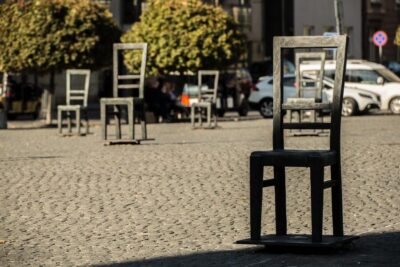 ★ 4.6Jewish Ghetto Walking TourFrom $11349 reviews
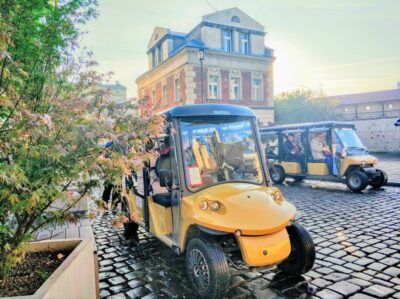 ★ 4.6Jewish Quarter and Ghetto Electric Golf Cart TourFrom $34348 reviews
Browse the lists this tour appears in