
REVIEW · SCHINDLER'S FACTORY & WWII TOURS
Krakow: Oskar Schindler’s Factory Entry and Guided Tour
A visit to Schindler’s factory hits hard, then educates you. This guided tour of Oskar Schindler’s Enamel Factory walks you through daily life in Krakow under Nazi occupation and shows how ordinary decisions were crushed by war. I especially like the professional guided storytelling that strings the exhibitions into one clear narrative.
The second big win for me is the way the museum uses real objects, documents, and multimedia, including Schindler’s preserved office and the striking Survivor’s Ark. One possible drawback to plan for: the visit can feel crowded in tight spaces, which can make it harder to follow the guide when groups bunch up.
In This Review
- Key highlights worth your time
- Why Oskar Schindler’s Factory still matters in Krakow
- The 1.5-hour flow: what happens on the tour
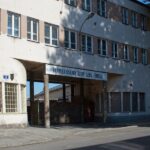
- Meeting at Lipowa 4 and finding your guide fast
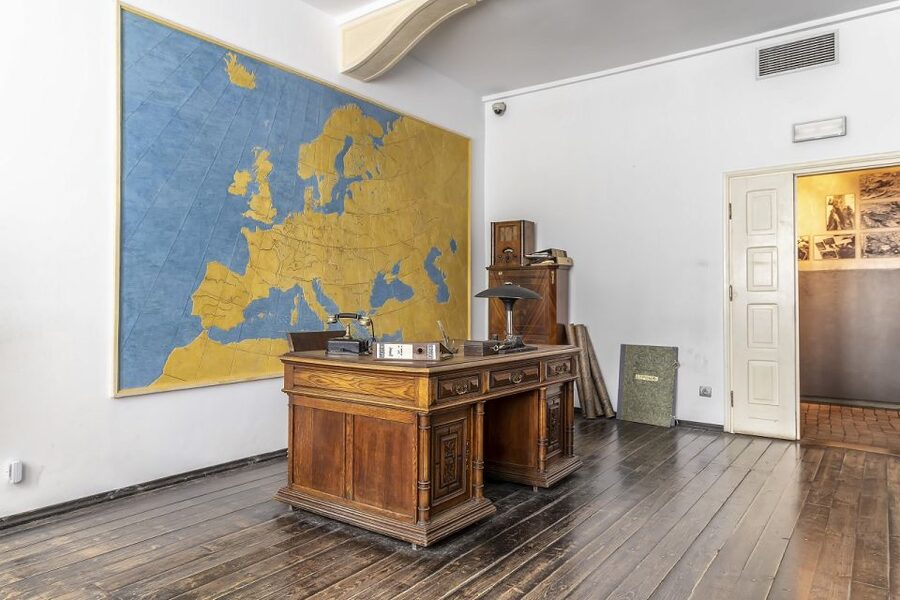
- Schindler’s office: the preserved space you can step into
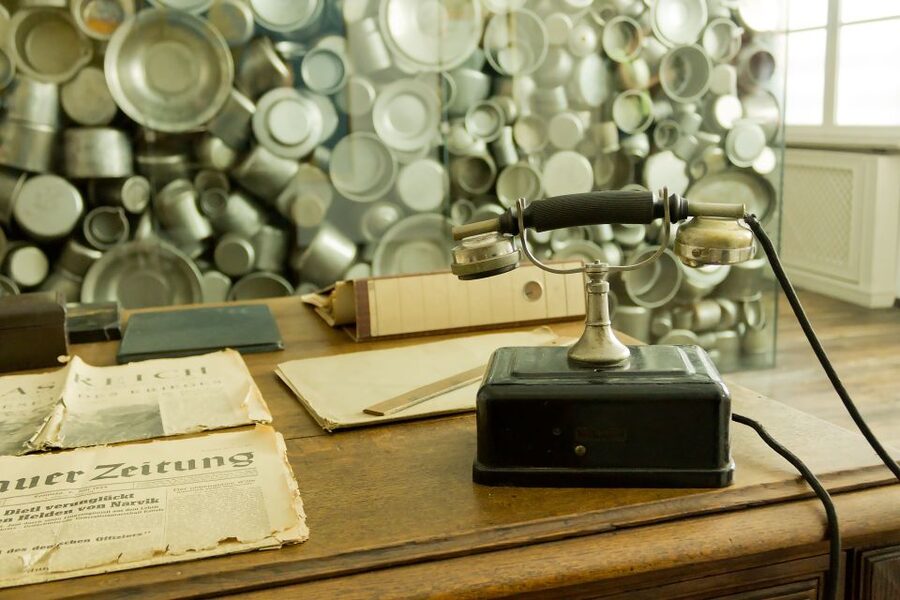
- The Survivor’s Ark made of enamel pots
- Photos, eyewitness accounts, film, and multimedia: how the story is told
- Typical Jewish apartment and Plazow camp artifacts
- The Hall of Choices: facing the war’s moral math
- Skip-the-line entry: the practical value of guided access
- Price and value: is $45 worth it?
- Crowd reality check: narrow aisles and group distance
- Who should book this guided tour in Krakow
- Should you book Oskar Schindler’s Factory guided tour?
- FAQ
- How long is the guided tour of Oskar Schindler’s Factory?
- How much does the tour cost?
- Where do I meet the guide?
- What’s included in the price?
- Is it skip-the-line entry?
- What languages are available for the live guide?
- What main exhibits or moments are part of the experience?
- Can I cancel for a refund?
- Can I reserve now and pay later?
Key highlights worth your time
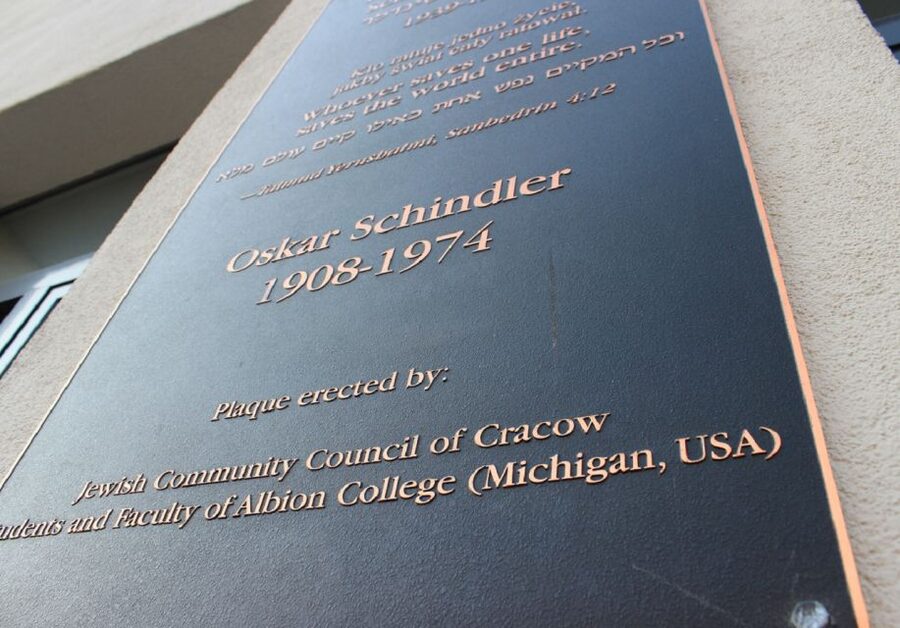
- Schindler’s preserved office inside the administrative building, so the story has a real physical anchor
- Survivor’s Ark made of thousands of enamel pots, linking the factory’s craft to its wartime impact
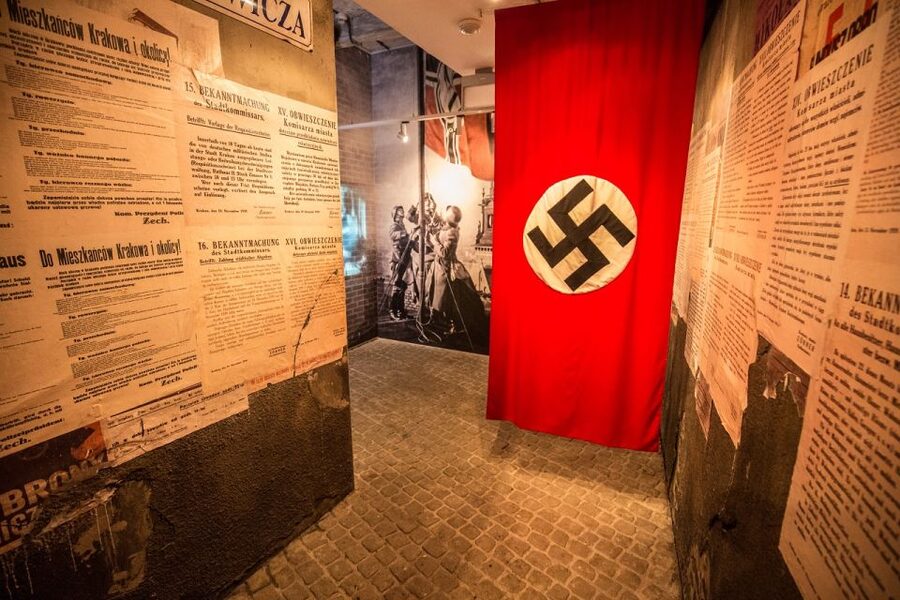
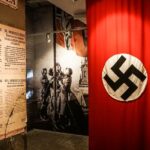
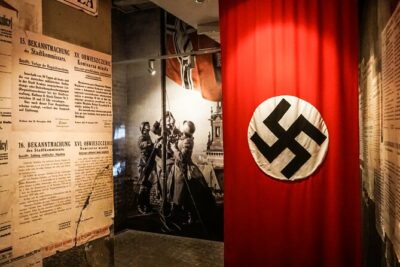
- Everyday Krakow under Nazi occupation (1939–1945) through photos, eyewitness accounts, films, and multimedia
- A theatrical recreation of city life, plus a tram segment with a documentary portrayal of daily life
- The Hall of Choices, a sculptural installation focused on ethical dilemmas during the war
More of Krakow under the wartime occupation
- Krakow: Schindler’s Factory Ticket and Guided Tour Option
★ 4.3 · 4,306 reviews - Krakow: Schindler’s Factory Tour with Entrance Ticket
★ 4.5 · 3,182 reviews - Krakow: Schindler’s Factory Skip-the-Line Ticket
★ 4.4 · 3,105 reviews
Why Oskar Schindler’s Factory still matters in Krakow
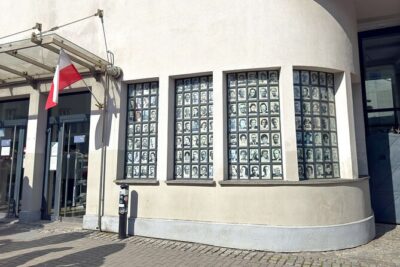
Krakow’s WWII story is not just dates and big events. This experience is built around how occupation changed everyday life from 1939 to 1945, and how that pressure affected Poles and Jews, as well as the Nazi occupiers who violently disrupted centuries of Polish-Jewish relations. The museum framing is important. It doesn’t treat the war as a distant history lesson. It presents it as lived experience, with people making choices under extreme conditions.
I also like that you get more than a single angle. The exhibits aim to show multiple sides of the same nightmare: the city, the people, and the occupiers. That balance can be emotionally heavy, but it’s also more helpful if you want to understand Krakow as a place that kept changing while the war ground on.
And yes, the museum is famous thanks to Spielberg’s Schindler’s List, but you shouldn’t rely on the movie memory alone. The tour helps you connect the cultural reference to the actual exhibitions: objects, preserved spaces, and the museum’s permanent collection.
The 1.5-hour flow: what happens on the tour
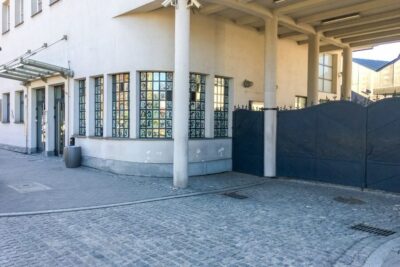
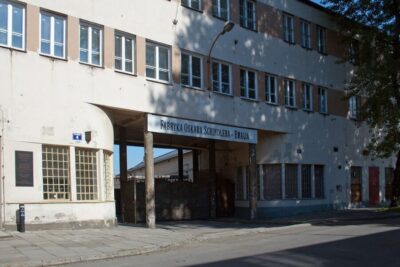
This is a guided visit that lasts about 1.5 hours, and it starts and ends at the same meeting point area. You’ll meet your guide at the front of the main entrance of the Museum, and the guide is holding an excursions.city sign. The tour provider is Poland Active Krakow.
The way the tour is paced matters. You’re not meant to wander for hours. You’re meant to move through key rooms and installations in a structured order, with the guide explaining what you’re seeing as you go. That’s great if you want the “what am I looking at and why does it matter?” layer without doing all the heavy reading yourself.
Within the guided experience, you’ll also encounter format changes that help the story stick:
- you’ll look at documentary photographs and multimedia presentations
- you’ll experience theatrical recreations of historical city space
- you’ll board a tram and watch a documentary portraying everyday life of the city
Plan to stay with the group. The route includes indoor spaces where you can’t easily fall behind, especially in narrow parts of the museum.
Meeting at Lipowa 4 and finding your guide fast
Krakow tour logistics can waste time if you’re not ready. For this one, your starting point is Lipowa 4. When you arrive, don’t hunt for the guide through the crowd. The instructions are straightforward: wait at the front main entrance of the Museum for the guide holding an excursions.city sign.
Two practical tips:
- Arrive a little early so you can settle your bearings before the group forms.
- If you’re traveling with someone who tends to lag behind, decide now what “together” means inside a museum (for example, always stop at the guide’s spoken checkpoint).
This may sound basic, but it matters here because crowding is mentioned as a real issue in some visits. Being ready to move right away reduces stress.
A few more Krakow trips worth putting on the shortlist
- Krakow: Auschwitz-Birkenau Guided Tour with Pickup & Lunch★ 4.5 · 9,800 reviews
- Krakow: Auschwitz-Birkenau Guided Tour Pickup/Lunch Options★ 4.5 · 9,057 reviews
- Krakow: Auschwitz-Birkenau and Salt Mine Guided Tour★ 4.7 · 9,020 reviews
- Krakow to Auschwitz Birkenau Guided Tour with Transfer and Ticket★ 5.0 · 8,197 reviews
Schindler’s office: the preserved space you can step into
One of the clearest “anchor” moments in the tour is entering Schindler’s office, preserved inside the factory’s administrative building. This is the kind of stop that changes your perspective. Instead of only looking at exhibits behind glass, you experience a preserved room tied to the factory itself.
Why this matters: offices and paperwork are often what people imagine during WWII stories, but they can feel abstract. When the tour brings you into a preserved administrative space, the war story gains a physical scale. You start to grasp that documents, decisions, and daily actions were happening inside real rooms, not just in headlines.
If you like objects with context, this stop is one of the reasons the guided format works. The guide helps you connect the preserved office to what comes next in the exhibits, rather than treating it as a standalone sight.
The Survivor’s Ark made of enamel pots
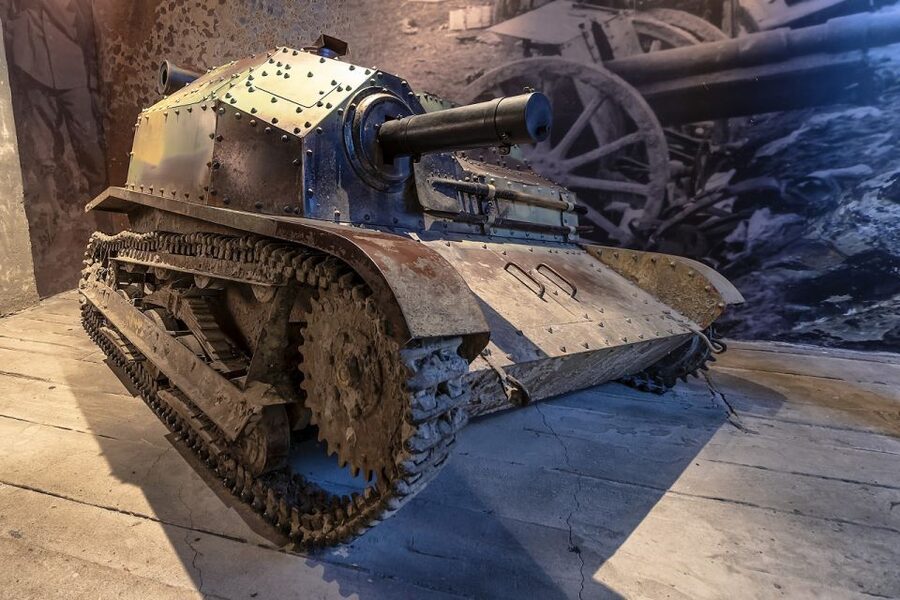
The most visually memorable installation is the Survivor’s Ark, described as thousands of enamel pots made in a way similar to those produced in the factory. It’s the kind of exhibit that makes you pause, because the materials are tied to the factory’s identity—and the meaning is tied to wartime survival and rescue narratives.
This is not presented as a random craft display. The tour frames it as part of the factory’s story. That connection is what turns the installation from impressive to meaningful. You’re watching a transformation: everyday production becomes part of a far darker chapter, and the museum makes you confront that contrast.
As you look at it, I’d treat it like a checkpoint in your mental timeline. Ask yourself what the museum is doing with the imagery: it’s taking what the factory could make and showing what it became during the occupation years.
Photos, eyewitness accounts, film, and multimedia: how the story is told
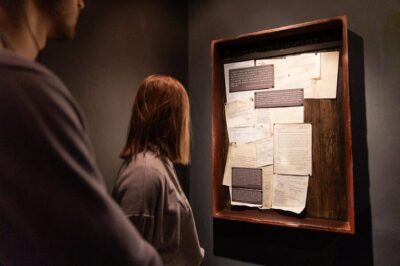
A big reason the tour feels effective is the variety of formats. The museum uses documentary photographs, eyewitness accounts, film documentaries, and multimedia presentations to bring the city’s history to life.
If you’ve ever visited museums where you spend most of your time reading plaques, you’ll likely appreciate this structure. Instead of only text, the tour gives you motion and testimony—things that create emotional momentum. That momentum helps you understand the broader storyline of the occupation without losing the thread.
There’s also a theatrical recreation of historical Krakow city space. After seeing real documents, the recreated city environment helps you place yourself in the setting. And then the tram segment takes it one step further by showing a documentary portrayal of everyday life of the city.
This combination can be intense, but it’s also practical. Your brain gets multiple entry points: visual proof, spoken testimony, moving images, and spatial reenactment.
Typical Jewish apartment and Plazow camp artifacts
The guided route doesn’t skip domestic life. You’ll visit a typical Jewish apartment, which helps explain how the war invaded routine spaces. This kind of exhibit is sobering because it’s so ordinary. It nudges you to think about what was lost when displacement and violence took hold.
You’ll also see artifacts from the Plazow camp. That’s a key moment because it connects personal life and occupation-era disruption to specific camp-related material evidence. The tour’s framing emphasizes how violently Krakow’s long relationships between Poles and Jews were interrupted during those years.
I recommend taking a slow pause at these sections. It’s easy to keep moving when the guide is speaking, but these are the places where your attention matters most. If you try to absorb everything at full speed, you’ll miss what the museum is really trying to show.
The Hall of Choices: facing the war’s moral math
One of the most thought-provoking parts of the experience is walking through the Hall of Choices, a sculptural installation symbolizing the ethical dilemmas people encountered during the war.
This is where the tour moves from history facts toward moral pressure. The installation approach matters because it doesn’t ask you to memorize only what happened. It asks you to consider the forced decisions people had to navigate while survival, fear, and power collided.
Even if you already know the general WWII storyline, this type of exhibit can reset your understanding. It turns the spotlight toward human agency under coercion, which is often the hardest part of these histories.
Skip-the-line entry: the practical value of guided access
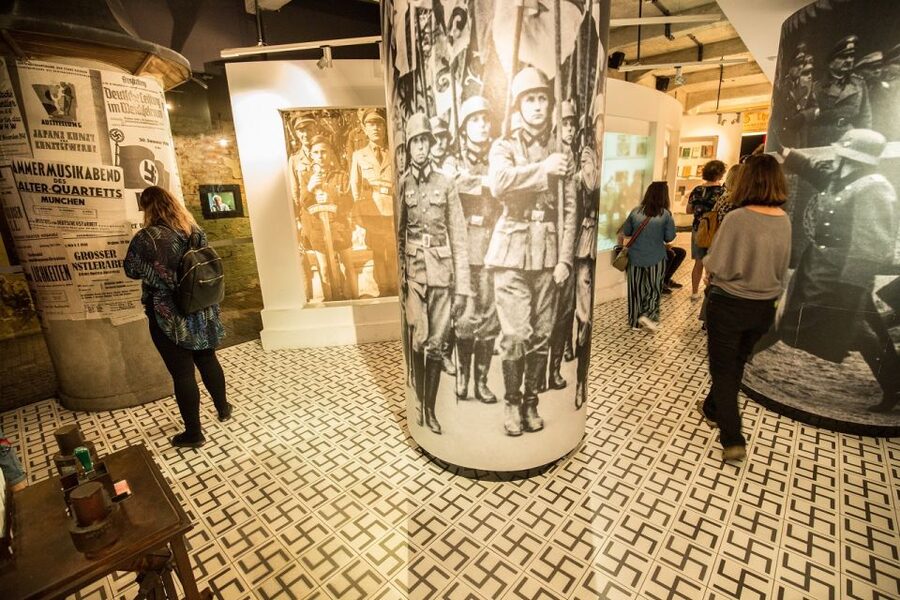
This tour includes skip the ticket line, which is a real time saver in a well-known museum. When you’re on a day plan in Krakow, every minute counts. Skipping the line helps you spend more time inside the museum and less time stalled outdoors.
But here’s the honest balance: because the tour is only about 1.5 hours, you’ll experience the major stops rather than every corner. One review-style takeaway I keep in mind from this kind of setup is simple: you may want to look at some exhibitions again at your own pace after the guided portion ends.
So, don’t plan this as your only museum time unless you’re okay with moving on after the tour. If you can, schedule extra buffer afterward. Even 30 minutes of unscripted wandering can make the visit feel more complete.
Price and value: is $45 worth it?
At about $45 per person, you’re paying for three things that are explicitly included: entrance fees, a professional guide, and a structured tour length of around 1.5 hours. That pricing can feel steep if you’re used to self-guided museum visits.
But in this case, the guide is doing heavy lifting. The museum’s story is not only about what’s in the rooms. It’s about how the experiences connect: Schindler’s preserved office, Survivor’s Ark, the tram documentary segment, the apartment reenactment, Plazow camp artifacts, and the Hall of Choices. Without someone guiding that chain, it’s easy to leave with facts but without the organizing meaning.
Also, the tour runs in multiple languages—English, French, German, Italian, Spanish, and Polish. If you’re not comfortable reading every exhibit text in the museum rooms, the guided component is often the difference between understanding and just viewing.
In short: for $45, you’re buying clarity and continuity, not just admission.
Crowd reality check: narrow aisles and group distance
One practical consideration comes through strongly: crowding. A group that’s too large can create issues in tight spaces, where it’s hard to see or hear well. When the guide explains elements of a room, being too far away can make the explanation less useful.
You can’t control the museum crowds entirely. But you can control how you show up:
- Join the group promptly at the meeting point so you don’t end up trapped behind late arrivals.
- If you know you prefer hearing well, position yourself where you can see the guide clearly during each explanation moment.
- If you’re sensitive to crowded, narrow routes, consider choosing a time slot that avoids peak traffic. The tour times vary, since starting times are available.
This is one of those experiences where comfort affects understanding. If you can reduce discomfort, you’ll get more out of the story.
Who should book this guided tour in Krakow
This tour is a strong fit if you want:
- a guided narrative through WWII-era Krakow under Nazi occupation (1939–1945)
- a museum visit where the guide connects multiple exhibit types—photos, testimony accounts, films, multimedia, and reenacted spaces
- structured time with key installations like Survivor’s Ark and the Hall of Choices
It may be less ideal if you strongly prefer free-form museum wandering, because the guided tour format keeps you moving through fixed stops for about 1.5 hours.
Also, if language is a factor, the tour’s multiple options can help. You’re not stuck with just one language. That matters when the exhibits are emotionally and historically dense.
Should you book Oskar Schindler’s Factory guided tour?
Yes, I think you should book it if your goal is understanding—not just sightseeing. The factory story connects the human scale of war to specific exhibits: Schindler’s preserved office, Survivor’s Ark of enamel pots, the tram documentary portrayal, a typical Jewish apartment, Plazow camp artifacts, and the Hall of Choices.
The main reason to hesitate is crowding and group size in narrow areas. If that would stress you out, plan to arrive ready to move and be able to see/hear the guide.
If you can add extra time after the tour for your own follow-up browsing, even better. This isn’t a museum you fully process in one pass. The guided structure gets you oriented fast. A little extra time helps you absorb what stays with you after the facts and images fade.
FAQ
How long is the guided tour of Oskar Schindler’s Factory?
The duration is about 1.5 hours. Starting times vary, so check availability for the time that works best for your day.
How much does the tour cost?
The price is listed as $45 per person.
Where do I meet the guide?
You start at Lipowa 4. The guide meets you at the front of the main entrance of the Museum, holding an excursions.city sign.
What’s included in the price?
Entrance fees and a professional guide are included.
Is it skip-the-line entry?
Yes. This tour includes skip the ticket line.
What languages are available for the live guide?
The guide is available in English, French, German, Italian, Spanish, and Polish.
What main exhibits or moments are part of the experience?
You’ll see Schindler’s preserved office, the Survivor’s Ark made of thousands of enamel pots, a typical Jewish apartment, artifacts from Plazow camp, and you’ll walk through the Hall of Choices. You’ll also board a tram and watch a documentary portraying everyday city life.
Can I cancel for a refund?
Free cancellation is available up to 24 hours in advance for a full refund.
Can I reserve now and pay later?
Yes. The option says reserve now & pay later, so you can book your spot and pay nothing today.
More Tours in Krakow
More Tour Reviews in Krakow

Krakow in Wartime: More Reviews
Just added: fresh Krakow reviews

Schindler's Factory & WWII Tours, compared.
 ★ 4.3Schindler’s Factory Ticket and Guided Tour OptionFrom $254,306 reviews
 ★ 4.5Schindler’s Factory Tour with Entrance TicketFrom $493,182 reviews
 ★ 4.4Schindler’s Factory Skip-the-Line TicketFrom $253,105 reviews
★ 4.6Schindler’s Factory Tour with Entrance TicketFrom $401,737 reviews
★ 4.4Schindler’s Factory Skip-the-Line TicketFrom $253,105 reviews
★ 4.6Schindler’s Factory Tour with Entrance TicketFrom $401,737 reviews
 ★ 4.5Schindler’s Factory in Krakow: Guided Tour & Skip the Line TicketFrom $351,714 reviews
 ★ 4.7Schindler’s Factory & Ghetto Guided TourFrom $571,694 reviews
 ★ 4.3Schindler’s Factory Ticket with Guided Tour OptionFrom $421,485 reviews
 ★ 4.0Krakow Schindler’s Factory Guided Tour with Admission TicketFrom $351,156 reviews
Browse the lists this tour appears in