
REVIEW · SCHINDLER'S FACTORY & WWII TOURS
Krakow: River Cruise & Guided Visit to Former Plaszow Camp
Seeing Kraków from the Vistula River changes how you understand the city. You get big landmark views first, then the tour shifts gears into careful remembrance at Plaszow Camp.
What I like most is the way the guide makes the vanished camp layout feel real, then gives you time for reflection in the open space. I also like the pacing: a short, comfortable catamaran ride with audio, followed by a focused guided walking portion at the memorial.
One drawback to plan for: you’ll do real walking on uneven ground. If you have mobility limits, or you’re traveling with kids who need smooth paths, this can be harder than it looks on paper.
In This Review
- Key things to know before you go
- First stop: the Vistula cruise with audio that actually helps
- Ghetto Heroes Square: a memorial made of metal chairs
- Arriving at Plaszow: why the guide’s job is huge
- The key stops inside the camp grounds (and what to watch for)
- The Grey House and the mechanics of control
- Roll-call area: where time was enforced
- Remnants of key buildings: small clues with big meaning
- Mass graves: learning without sensationalism
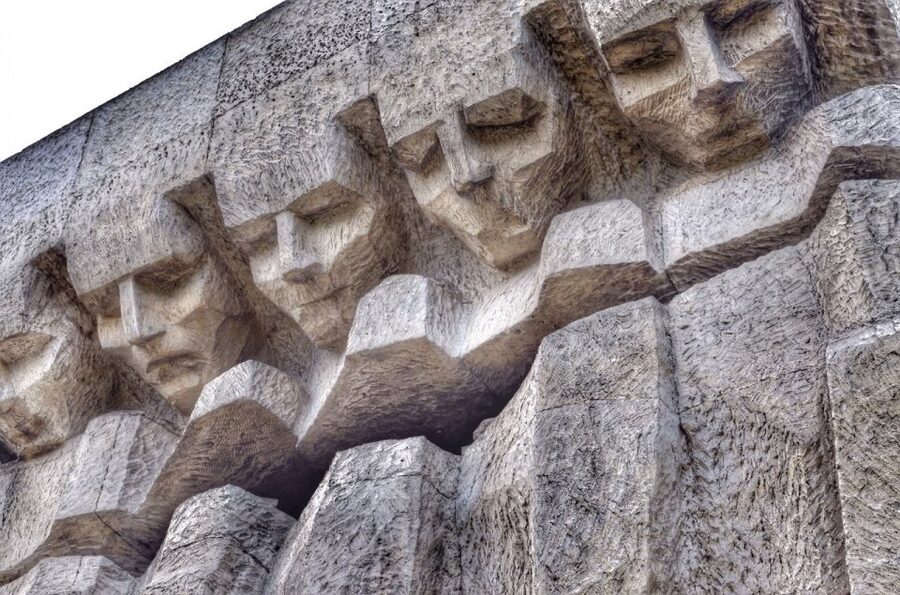
- Monument of Torn-Out Hearts: built for pauses
- Schindler’s connection: the story that turns hope into action
- Quiet space for respect: why the experience lingers
- How much walking and comfort level to plan for
- Price and value: $56 for two experiences that feel connected
- Weather, timing, and what to bring
- Should you book this Kraków river cruise and Plaszow tour?
- FAQ
- What is the meeting point for the tour?
- How long is the experience?
- Is there a live guide during the whole tour?
- What language is offered?
- Is the river cruise included, and is it one way?
- Do I need hotel pickup?
- Does the tour include transportation back?
- What should I wear?
- What sites do we visit after the cruise?
- Is late arrival allowed?
- Can I cancel for a refund?
Key things to know before you go
- River landmarks from water: Wawel, Bielany, Skałka, and key bridges are explained with onboard audio.
- A guide-led Plaszow route: surviving elements like the Grey House and roll-call area anchor the story.
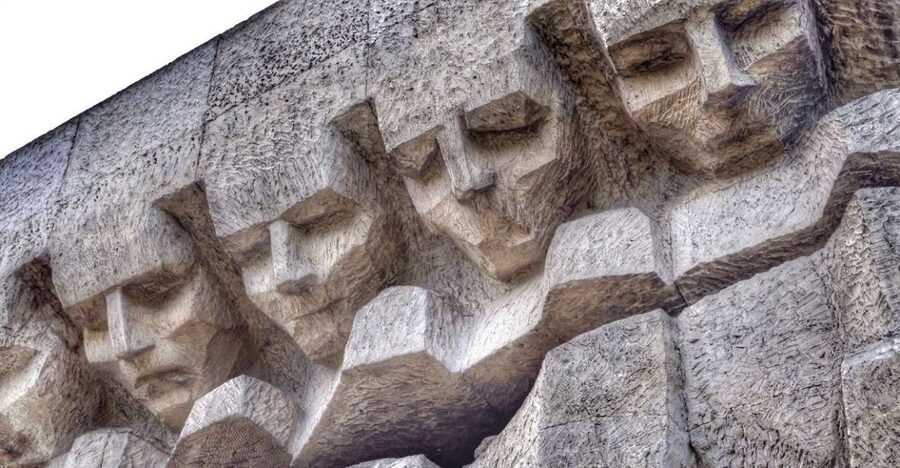
- Pause at the Monument of Torn-Out Hearts: it’s built for stillness and respect, not sightseeing.
- Ghetto Heroes Square stop: the memorial chairs in Podgórze point to forced departures and absence.
- Worth it for the context: the Schindler part helps connect Plaszow to life-saving work permits.
More of Krakow under the wartime occupation
- Krakow: Schindler’s Factory Ticket and Guided Tour Option
★ 4.3 · 4,306 reviews - Krakow: Schindler’s Factory Tour with Entrance Ticket
★ 4.5 · 3,182 reviews - Krakow: Schindler’s Factory Skip-the-Line Ticket
★ 4.4 · 3,105 reviews
First stop: the Vistula cruise with audio that actually helps
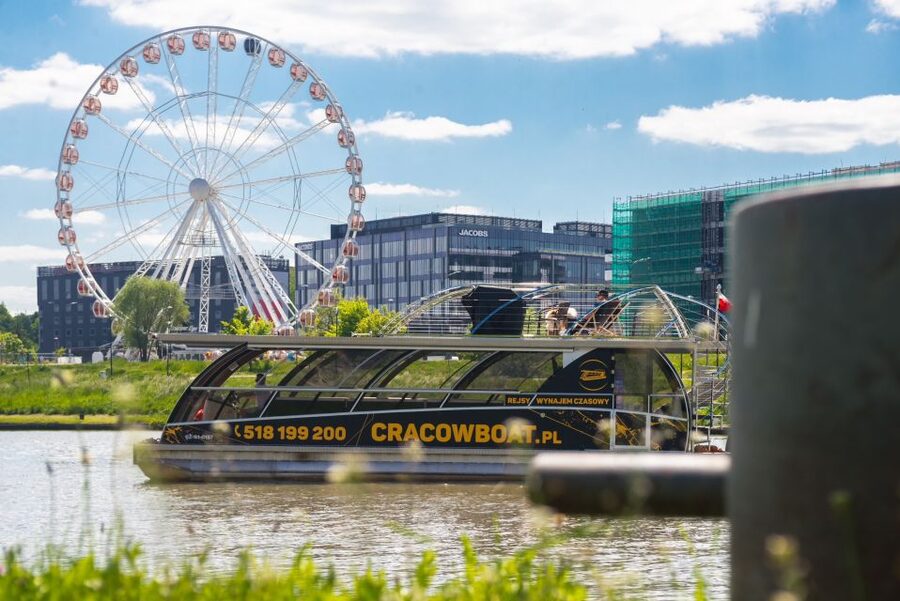
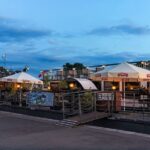
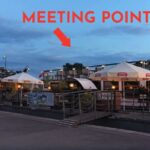
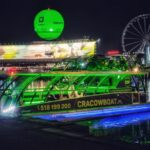
This tour starts at Inflancki Boulevard, right by the water tram stop called Paulinska. You’ll look for the team member holding a Cracow Boat sign. It’s a simple start, but the timing matters: arrive about 10 minutes early because once the group leaves, late arrivals can’t join.
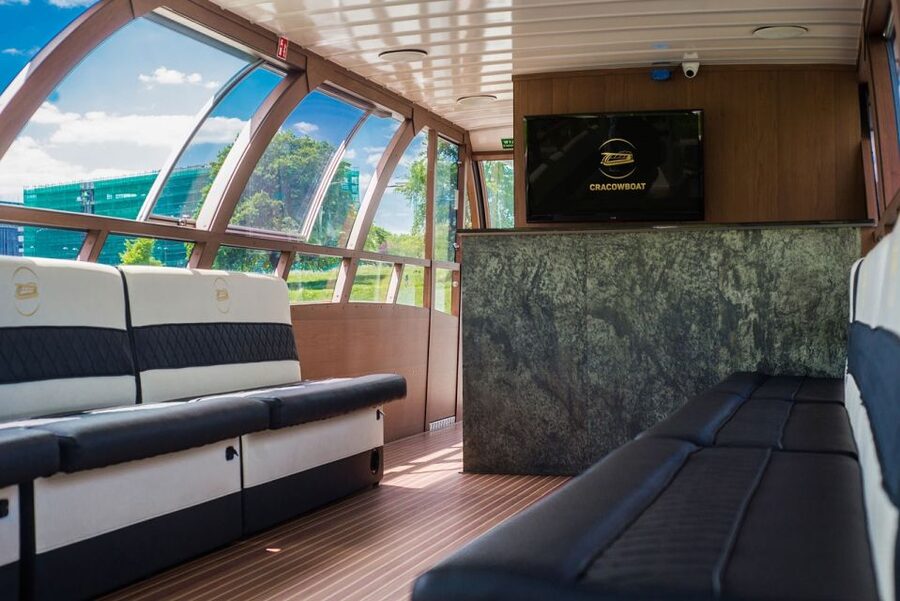
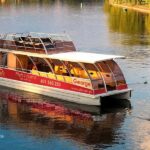
The cruise is one way on a catamaran, and you’ll get an English audio guide onboard. I like this setup because it keeps the flow easy. You’re not waiting for every point to be narrated live while you’re also trying to take in views.
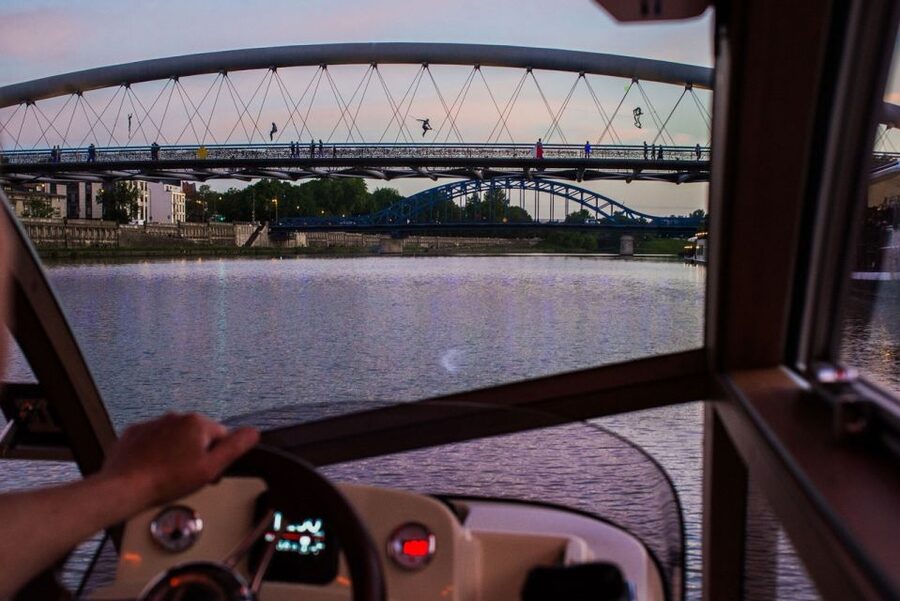
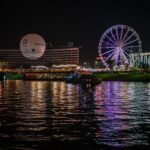
From the river, you see Kraków landmarks in the order your brain wants them. First you understand the “royal city” story around Wawel, then the religious landscape with the monasteries near Bielany and Skałka. The bridges you pass aren’t just scenery; the audio places them in the ongoing link between eras. That matters because later, the land-based stops can feel overwhelming. The cruise gives your mind a map.
Also, even though the boat ride is short, you still get something practical: a sense of scale. Kraków looks different from the Vistula—less like a museum and more like a living city with layers.
Ghetto Heroes Square: a memorial made of metal chairs
After the cruise, you’ll walk to Podgórze and pass by Ghetto Heroes Square. This is a powerful stop with a clear purpose: the square was transformed in 2005 into a memorial space connected to the history of the Kraków Ghetto.
The standout feature here is the installation of large metal chairs. They’re meant to symbolize forced departures and absence. Even if you don’t know all the details beforehand, the design communicates the idea fast: chairs suggest people who should be present, but aren’t.
What I find valuable is that the tour doesn’t rush this part as a quick photo moment. It functions as a transition. You move from open river views into a site of loss, then onward toward the camp where the story becomes physical.
If you’re the kind of traveler who likes to learn through atmosphere as much as facts, this stop will land. If you prefer only sites with lots of structures to look at, you might still appreciate it, but you’ll want to slow down and read what’s available on-site.
Arriving at Plaszow: why the guide’s job is huge
The tour’s emotional center is the former Plaszow Camp. It was established in 1942 on the grounds of Jewish cemeteries. It started as a forced-labor camp and later became a concentration camp where more than 35,000 people were imprisoned, with thousands losing their lives.
Because few structures remain, this isn’t a place where you “see everything” like an open-air attraction. The power is in open space, silence, and careful learning. That’s exactly why the live guide matters so much here.
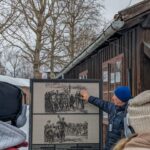
Your guided visit traces the camp’s former layout through surviving elements and key landmarks, including the Grey House, the roll-call area, remnants of important buildings, mass graves, and the Monument of Torn-Out Hearts.
I like the way this is framed: the tour doesn’t treat the site as a set of objects. It treats it as a geography of decisions and control—where people were processed, where they were counted, where they were forced to live and work, and where mass deaths occurred.
This is also where you’ll see the contrast between “information” and “understanding.” With a good guide, the empty ground stops being empty. It becomes a kind of map your brain can follow.
Back on the Vistula: other river cruises
- Kraków: Evening or Night River Cruise★ 4.0 · 7,386 reviews
- Krakow: Day or Night Vistula River Cruise with Audio Guide★ 4.5 · 1,303 reviews
- Krakow: 1-Hour Evening Vistula River Cruise★ 4.1 · 952 reviews
- Krakow: Sightseeing Cruise on Vistula River with Audio Guide★ 4.4 · 480 reviews
The key stops inside the camp grounds (and what to watch for)
Plaszow can feel overwhelming even when you’re calm and respectful. The guide helps by giving the route meaning, stop by stop. Here’s what you can expect to focus on.
The Grey House and the mechanics of control
The Grey House is one of the surviving anchor points. Instead of just pointing at a building, the guide uses it to explain how the camp functioned. Think of it like a hinge between locations: it helps you understand the system behind the brutality.
Roll-call area: where time was enforced
The roll-call area is another key part of the story. Places like this are hard because they’re simple. But simplicity is the point. You’re learning about how people were processed, counted, and managed in a way that stripped away individual life.
Remnants of key buildings: small clues with big meaning
Even when buildings are only partially present—or just their remnants—these features still help you understand the camp’s layout. Your guide’s job is to connect those remnants to what the camp used to be.
If you’re the type who likes to visualize, you’ll likely feel that “click” when the guide ties a location to an action. That’s what brings the vanished structures to life.
Mass graves: learning without sensationalism
At sites connected to mass death, I prefer guides who keep the tone grounded. This tour leans into that approach with a narrative focused on careful learning and remembrance. You’re not here to treat tragedy as entertainment.
Monument of Torn-Out Hearts: built for pauses
The Monument of Torn-Out Hearts is a required stop for anyone doing this tour seriously. It’s designed for stillness and reflection. I recommend you treat it like a moment to breathe, not a checklist.
Taking time here helps the rest of the experience feel less like facts on a page and more like a space you’re honoring.
Schindler’s connection: the story that turns hope into action
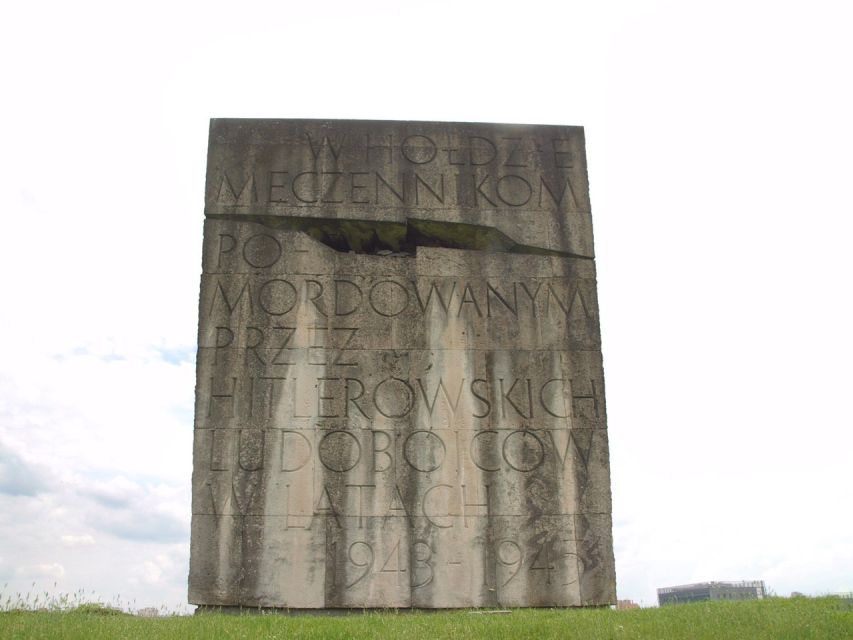
A major part of the narrative is Oskar Schindler. You’ll hear how he arranged work permits for prisoners registered in Plaszow and later transferred them to his factory, saving more than a thousand lives.
This isn’t presented as a fairy-tale rescue. It’s presented as work permits and bureaucracy—details that show how survival sometimes depended on specific actions in a system built to destroy.
I think that’s why this part of the tour matters. You see that history isn’t only dates and numbers. It’s also decisions made by real people inside a terrible machine, with real consequences.
If you know Schindler’s story only from films or popular summaries, this is a helpful way to connect it to Kraków’s specific sites and timeline.
Quiet space for respect: why the experience lingers
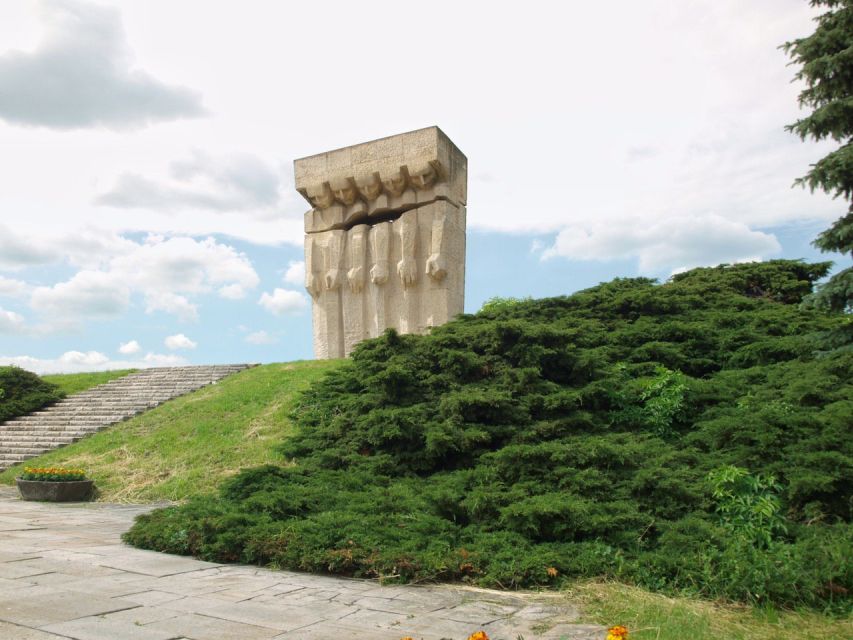
Plaszow’s atmosphere is often described as silent, and that’s not an accident. The tour leans into the idea of an open space where visitors can absorb what they’re learning without noise.
This is also where the guide’s pacing helps. You’re not constantly being dragged to the next spot. You get moments to stand, think, and follow the story carefully. That matters because the content is heavy.
I’d plan emotionally for the last stretch. Even if the walking feels manageable, the mental load can hit after the tour. If you have dinner reservations right afterward, it might help to build in a cushion.
How much walking and comfort level to plan for
This tour includes both water views and walking. The cruise itself is comfortable. The on-land portion is different.
You’ll do walking with a live guide, including travel from the area around Podgórze to the camp and movement between key stops. Comfortable walking shoes are strongly recommended, and the tour runs in all weather conditions.
One important consideration: parts of the route can feel rough and overgrown. If you’re worried about uneven ground, rubble, or long stretches, it’s smart to evaluate your comfort level in advance. If you’re traveling with children, you’ll want to consider how well they handle passive memorial time plus walking on uneven paths.
For most adults with basic stamina, the structure can work. For anyone expecting smooth sidewalks the whole way, this isn’t that kind of experience.
Price and value: $56 for two experiences that feel connected
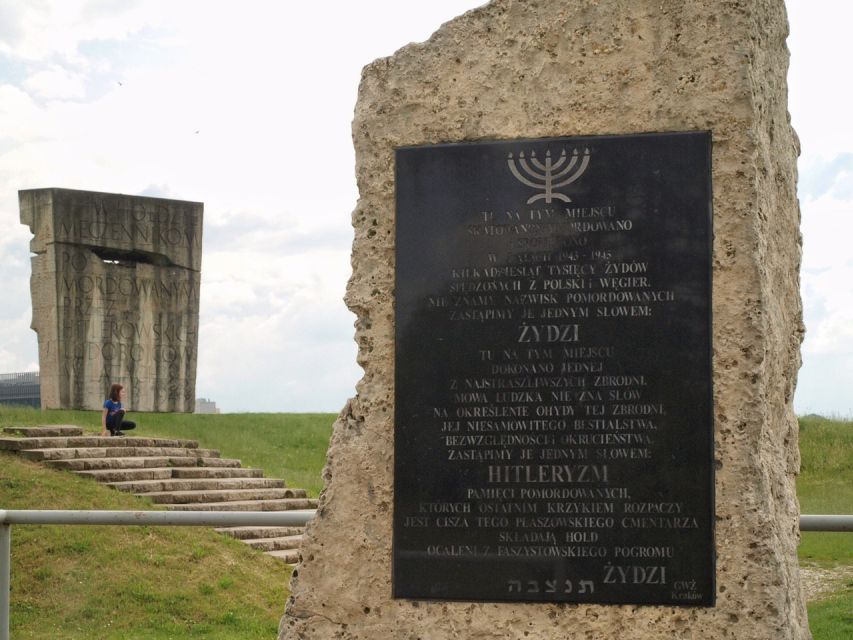
At $56 per person for a 3-hour experience, you’re paying for a mix of transport and guided context. Here’s what you actually get for your money:
- A short catamaran Vistula River cruise with onboard audio guide
- An expert live guide at Plaszow
- A stop at Ghetto Heroes Square
- A single tram ticket
- No hotel pickup, no return transportation included
The value here isn’t just “a boat and a camp.” It’s the way the tour connects them in your head: river city context first, then a memorial route tied to Kraków’s Jewish history and forced departures, then the camp geography with the Schindler link.
If you skip guided interpretation at places like Plaszow, it can be harder to make sense of what you’re standing on. So the guide is the main value driver.
On the other hand, because much of Plaszow is open ground, you’re not paying for a huge collection of buildings. You’re paying for understanding and respect, delivered with expert narration.
Weather, timing, and what to bring
The tour operates in all weather, so dress for real Kraków conditions. Bring layers and expect the route to feel different depending on wind, rain, or temperature.
From a practical standpoint:
- Wear comfortable walking shoes
- Expect you’ll be outside for stretches
- Bring a light rain layer if the forecast looks shaky
Also, because the group leaves on time, don’t cut it close at the meeting point. Arrive early and you’ll avoid stress before you start.
Should you book this Kraków river cruise and Plaszow tour?
Book it if you want a tour that pairs views and context instead of treating Plaszow as a standalone checklist. The live guide, the structured route through key surviving elements, and the pause at the Monument of Torn-Out Hearts are strong reasons to choose this over a self-guided visit.
Skip it (or think twice) if you have mobility concerns or you’re traveling with kids who won’t handle walking on uneven, natural ground while staying quiet and respectful.
If you’re up for a guided experience that balances scenery with remembrance, this one has real emotional weight and practical structure—exactly what you want when the subject is Plaszow.
FAQ
What is the meeting point for the tour?
You meet at Inflancki Boulevard, next to the water tram stop called Paulinska. Look for the person holding a Cracow Boat sign.
How long is the experience?
The tour lasts about 3 hours.
Is there a live guide during the whole tour?
No. The live guide is at Plaszow, while the rest of the experience uses an audio guide.
What language is offered?
The tour runs in English.
Is the river cruise included, and is it one way?
Yes. It includes a one-way short cruise on the Vistula River on a catamaran, with an audio guide.
Do I need hotel pickup?
No. Hotel pickup and drop-off are not included, and you should plan your own way to the meeting point.
Does the tour include transportation back?
No. Return transportation at the end of the tour is not included.
What should I wear?
The tour operates in all weather conditions, so dress appropriately. Comfortable walking shoes are recommended.
What sites do we visit after the cruise?
After the cruise, you walk past Ghetto Heroes Square in the Podgórze district, then continue to the former Plaszow Camp for the guided visit.
Is late arrival allowed?
No. You should arrive 10 minutes before the tour begins. Once the group has departed, latecomers can’t join and tickets can’t be refunded.
Can I cancel for a refund?
Yes. You can cancel up to 24 hours in advance for a full refund.
If you want, tell me your walking comfort level (and whether you’re traveling with kids or using mobility aids), and I’ll help you decide if the pacing fits you.
More Tour Reviews in Krakow
Out on the Vistula
Krakow in Wartime: More Reviews
Just added: fresh Krakow reviews
Schindler's Factory & WWII Tours, compared.
 ★ 4.3Schindler’s Factory Ticket and Guided Tour OptionFrom $254,306 reviews
 ★ 4.5Schindler’s Factory Tour with Entrance TicketFrom $493,182 reviews
 ★ 4.4Schindler’s Factory Skip-the-Line TicketFrom $253,105 reviews
★ 4.6Schindler’s Factory Tour with Entrance TicketFrom $401,737 reviews
★ 4.4Schindler’s Factory Skip-the-Line TicketFrom $253,105 reviews
★ 4.6Schindler’s Factory Tour with Entrance TicketFrom $401,737 reviews
 ★ 4.5Schindler’s Factory in Krakow: Guided Tour & Skip the Line TicketFrom $351,714 reviews
 ★ 4.7Schindler’s Factory & Ghetto Guided TourFrom $571,694 reviews
 ★ 4.3Schindler’s Factory Ticket with Guided Tour OptionFrom $421,485 reviews
 ★ 4.0Krakow Schindler’s Factory Guided Tour with Admission TicketFrom $351,156 reviews
Browse the lists this tour appears in