
REVIEW · SCHINDLER'S FACTORY & WWII TOURS
Krakow: Schindler’s Factory Guided Tour
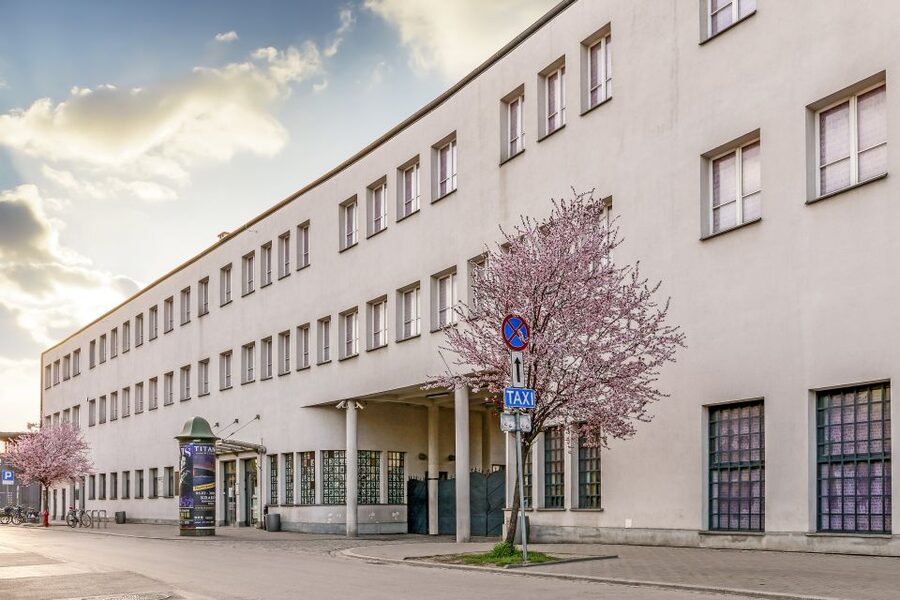
One museum, many rooms of wartime Kraków. This Schindler’s Factory guided tour is interesting because it uses multimedia and room-by-room staging to send you backward through Nazi-occupied Krakow, with clear focus on the Oskar Schindler story.
I also like that you get an English-speaking guide (or another language option) who ties the scenes together, so the exhibits don’t feel like random displays.
The main consideration is time and group size. With a 90-minute format, the tour can feel fast, and if your group is larger, you may not catch every detail or make it through every room at the same pace.
In This Review
- Key highlights in a glance
- Meeting at Lipowa 4: finding the guide fast
- Price and what $50 buys you for 90 minutes
- The guided format: how the tour moves through WWII Kraków
- Stop by stop: what you’ll see along the route
- The photo salon and the feeling of era
- Streets of Krakow: daily life under pressure
- The swastika-patterned officer’s room
- Prison cell and the logic of confinement
- Old tram and railway scenes: movement that isn’t freedom
- Kraków Jewish Ghetto grounds: targeted community life
- A room resembling the Płaszów concentration camp area
- Schindler’s story: factory director office and secretariat
- What the guide does (and why sound, pacing, and group size matter)
- Language options: choose the one that helps you keep up
- Practical tips to make the 90 minutes work for you
- Where this tour fits best (and who might want another option)
- Should you book Schindler’s Factory: the quick decision guide
- FAQ
- How long is the Schindler’s Factory guided tour?
- Where do I meet the guide?
- What is included in the price?
- Does the tour skip the ticket line?
- What languages are available for the live guide?
- Is there free cancellation?
- Do I need to bring identification?
- Are the tour start times exact?
Key highlights in a glance
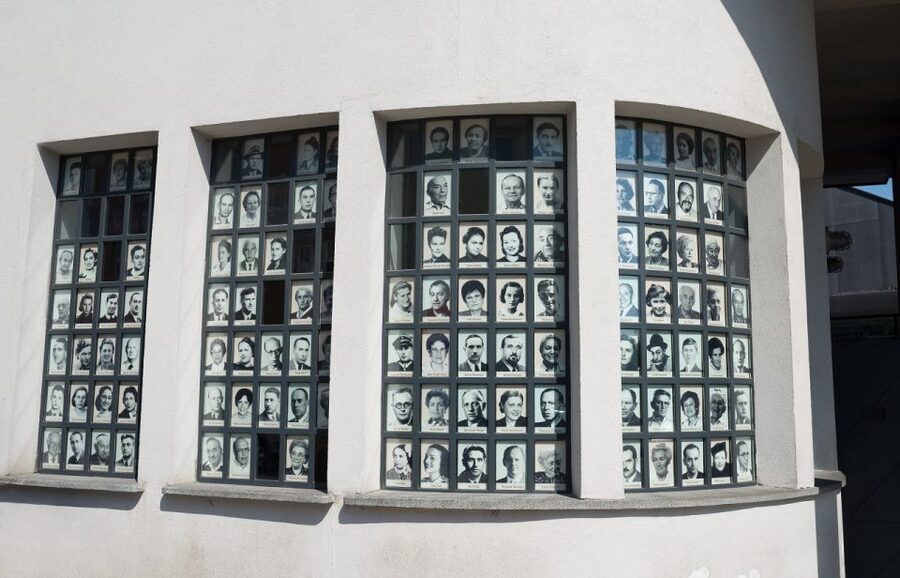
- Back-in-time walkthrough across multiple recreated settings, from daily life to the harsh systems of the occupation
- Skip-the-ticket-line entry plus a live guide, so you spend less time sorting logistics and more time learning
- WWII Kraków context in English (and also Italian, Spanish, French, German)
- Schindler focus, including access to the former factory director’s office and secretariat
- Heavily staged scenes with uniforms, flags, weapons, and stark set design that can be intense
More of Krakow under the wartime occupation
- Krakow: Schindler’s Factory Ticket and Guided Tour Option
★ 4.3 · 4,306 reviews - Krakow: Schindler’s Factory Tour with Entrance Ticket
★ 4.5 · 3,182 reviews - Krakow: Schindler’s Factory Skip-the-Line Ticket
★ 4.4 · 3,105 reviews
Meeting at Lipowa 4: finding the guide fast
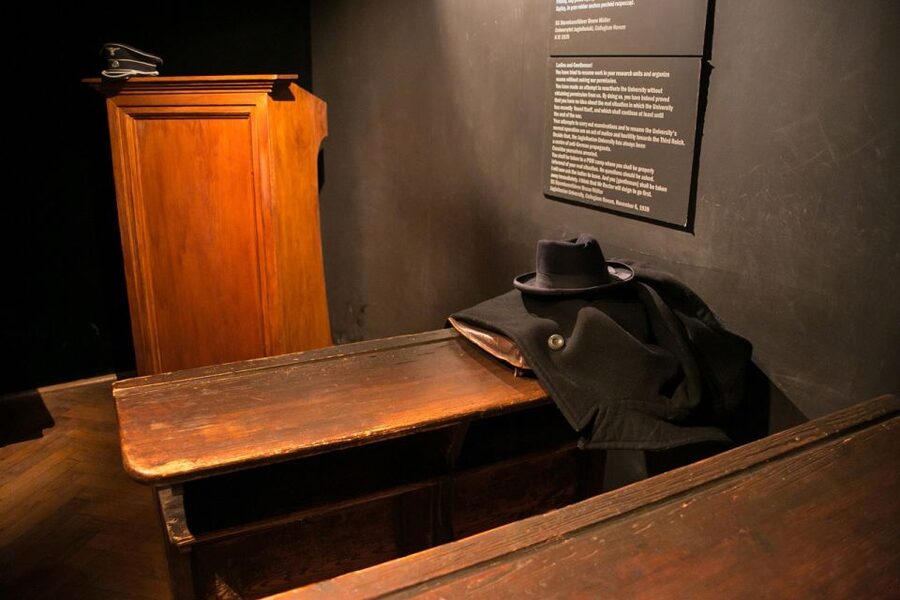
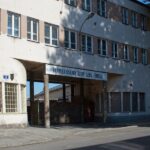
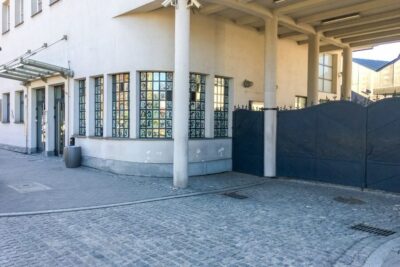
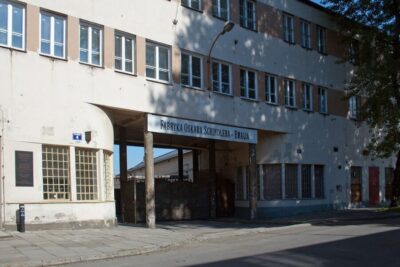
The tour’s starting point is Lipowa 4 (30-702 Kraków), right near the main entrance to Schindler’s Factory Museum. Your guide will be holding an excursion.city sign, which makes it easier to avoid the usual pre-tour wandering.
Plan to arrive a few minutes early. The museum is popular and the experience is timed, so being on time helps you settle before the guide pulls the group together. If you’re going with a friend or family member, make sure you’re both at the meeting point at the same time, since the tour is built around a single guided sequence.
One small but important practical note: from January 1, 2026, the museum uses personalized tickets. You’ll need to provide the full names of all participants during reservation and bring a passport or ID for entry. If that’s you, don’t treat it as a last-minute task.
Price and what $50 buys you for 90 minutes
At about $50 per person for a 90-minute guided experience, you’re paying for three things working together:
- Museum entry (not just a walking talk)
- A live guide who explains what you’re seeing, rather than you figuring it out alone
- A skip-the-ticket-line advantage, which matters at a very busy, high-demand museum
If you’re the type who likes to read on your own, you can still visit the museum independently. But in this format, the value is the guidance: the guide helps connect the scenes across rooms, and that’s the difference between seeing artifacts and understanding the bigger story the museum is telling about Kraków under Nazi rule and where Schindler fits in.
The one caution is that you should go in expecting intensity and pacing. It’s not a slow, gallery-by-gallery museum drift. It’s a guided route, and the time limit shapes how much you can linger.
The guided format: how the tour moves through WWII Kraków
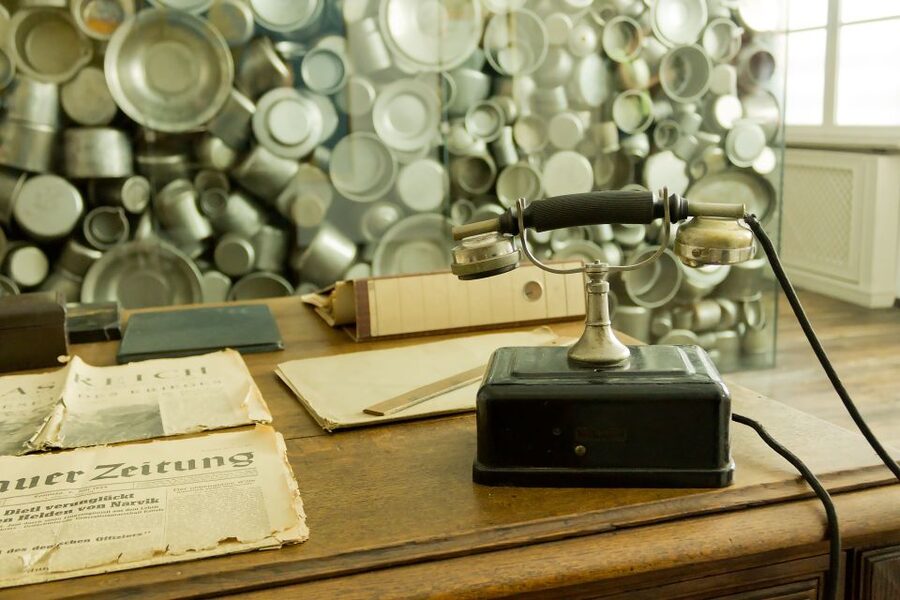
This museum experience is designed to move you backward through time as the tour progresses. The exhibition is staged in different ways in each room, using multimedia, artifacts, and reconstructed spaces. By the end, you should feel that the story connects—from occupation-era life to the machinery of persecution.
Because it’s organized as a sequence, the guide’s job becomes crucial. The guide doesn’t just translate labels; they explain what the rooms are trying to show and how events link. That’s why language choice matters. You can book English, or switch to Italian, Spanish, French, or German if that fits your group.
Also expect a lot of sensory cues: uniforms, flags, weapons, and ominous design. The museum is very popular, so you’ll likely share space with other visitors, but the tour itself is guided, which helps you keep your footing emotionally and intellectually.
A few more Krakow trips worth putting on the shortlist
- Krakow: Auschwitz-Birkenau Guided Tour with Pickup & Lunch★ 4.5 · 9,800 reviews
- Krakow: Auschwitz-Birkenau Guided Tour Pickup/Lunch Options★ 4.5 · 9,057 reviews
- Krakow: Auschwitz-Birkenau and Salt Mine Guided Tour★ 4.7 · 9,020 reviews
- Krakow to Auschwitz Birkenau Guided Tour with Transfer and Ticket★ 5.0 · 8,197 reviews
Stop by stop: what you’ll see along the route
The exact room order follows the museum’s guided path, but the themes are consistent. Here’s what you can expect to encounter, and what each part tends to do for your understanding.
The photo salon and the feeling of era
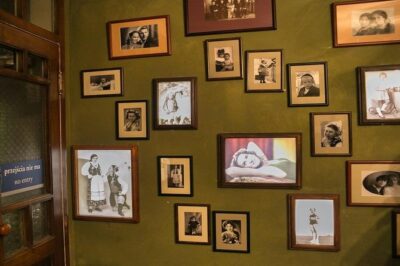
Early rooms set the tone with wartime imagery and staged presentation. The point here isn’t only to show photos—it’s to make you notice how visuals shaped identity and propaganda during the occupation. This is where the tour often helps you start noticing patterns: who had power, who was targeted, and how everyday life got reshaped.
If you’re a first-time visitor to this topic, this section can be a strong foundation. If you already know the basics, it’s still useful for connecting the museum’s recreated spaces to real historical atmosphere.
Streets of Krakow: daily life under pressure
Next comes the streets of Krakow room. This is where the museum shifts from images to feeling like you’re moving through the city during the occupation. It’s often easier to understand what’s at stake here, because the setup pushes you to imagine routine things happening under threat.
This room can be a good reset point. You may feel the emotional weight more sharply later on, so getting the day-to-day context early helps.
The swastika-patterned officer’s room
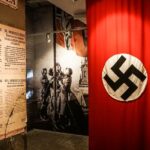
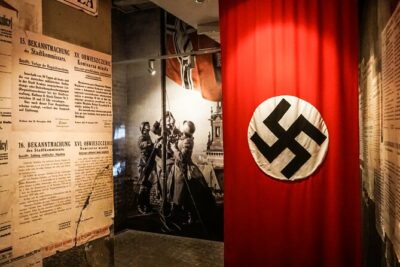
One of the more striking, unsettling setups is the officer’s room, including the swastika-patterned design. This is not subtle, and the museum uses that bluntness on purpose. It communicates intimidation and control fast.
It’s a heavy stop, so don’t rush through it mentally. Let the guide explain what you’re seeing and why the museum uses those visual signals. If you skip the explanation, you risk turning the room into just shock value.
Prison cell and the logic of confinement
After the officer’s imagery, the prison cell brings the theme of confinement into focus. Here, you’re guided through what confinement meant in practice—how systems were built to restrict, dehumanize, and control.
This part is often where people realize that the museum isn’t only about one man or one company. It’s about the environment created by occupation and persecution.
Old tram and railway scenes: movement that isn’t freedom
The route then includes an old tram and railway section, followed by a railway station environment. These scenes matter because they connect to how people were transported and processed.
The museum’s staging helps you notice the tension: movement appears normal on the surface, but the context changes what it means. It’s an educational way to understand how infrastructure became part of harm.
Kraków Jewish Ghetto grounds: targeted community life
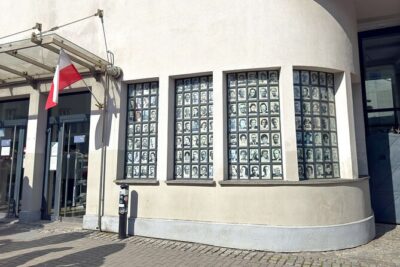
Next you get to the grounds of the Krakow Jewish Ghetto. This room shifts from the museum’s staged transport world back to a community setting. You’ll learn how daily life was restricted, monitored, and distorted by occupation policies.
The guide’s interpretation is especially important here. The best tours guide you to see the humanity under the tragedy, not just the structure of oppression.
A room resembling the Płaszów concentration camp area
You’ll also see a room resembling the Płaszów concentration camp grounds. Expect a more ominous atmosphere—this is part of the museum’s attempt to communicate the brutality of the system.
It’s worth mentioning as a practical reading: if you’re sensitive to concentration camp-related content or you’re traveling with someone who gets overwhelmed easily, this is the area where you’ll feel it most. The guide can help keep the experience grounded, but the content is still intense.
Schindler’s story: factory director office and secretariat
Now for the part many people come for: the story of Oskar Schindler. The museum includes the former factory director’s office and the secretariat area, which help explain how Schindler’s position intersected with the war’s brutal structure.
This section is valuable for two reasons. First, it gives you a real sense of place—this wasn’t only an abstract narrative. Second, it helps show why Schindler matters in the wider historical story the museum is telling. If you only focus on the name, you may miss the point about how individual choices can matter inside a system built to crush agency.
What the guide does (and why sound, pacing, and group size matter)
A lot of what makes this tour land well is the guide’s execution: clear explanations, good pacing, and the ability to keep the group together in a museum that’s visually intense.
In the experience feedback I see patterns around two things:
- When the guide’s delivery is strong and the group is kept at a manageable size, the tour feels easy to follow and you pick up more meaning per minute.
- When the group is bigger, people can struggle to keep up, especially in a multi-room museum where you want to hear the same explanation from the same spot.
There’s also a timing reality. Even when the tour is described as efficient and focused, 90 minutes still means you may not spend long in every room. One way to handle that is to arrive with the right expectation: you’re getting the guided route and the core story, not a slow, complete museum sweep.
If the museum’s bigger exhibit areas are your main goal, consider this tour as the best way to get your bearings fast—then use any remaining time on your own if you want to revisit.
Language options: choose the one that helps you keep up
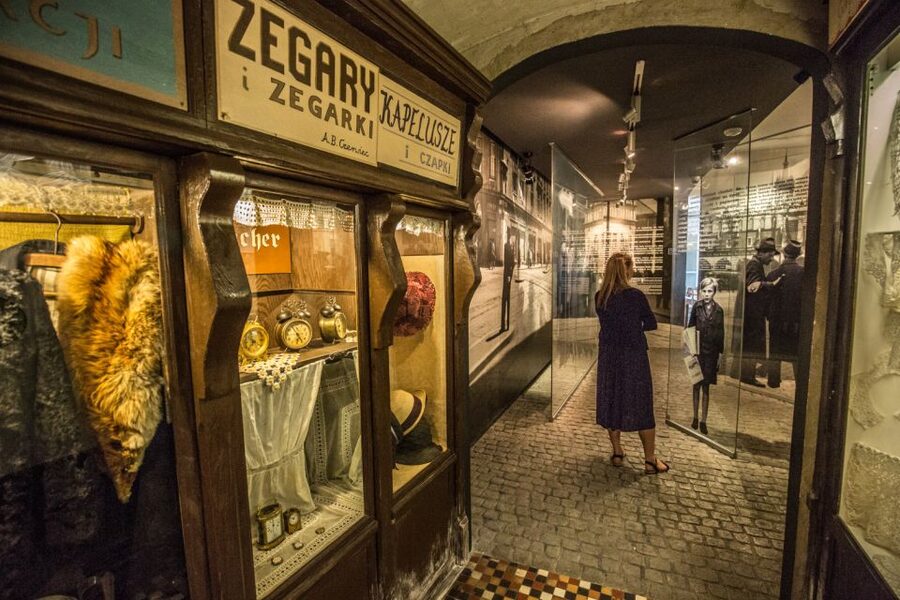
The tour offers live guides in English, plus Italian, Spanish, French, and German. That’s a big deal here because you’ll encounter emotionally loaded scenes. It’s easier to understand the narrative when you’re not translating in your head while standing in a crowded room.
If your group has mixed language preferences, it’s worth picking one language for everyone. The museum can be loud and busy around certain exhibits, and a shared language reduces friction.
Practical tips to make the 90 minutes work for you
This is the kind of museum visit where small choices affect your experience.
- Wear comfortable shoes. You’ll be walking through many recreated spaces in sequence.
- Stay close to the guide. In tight rooms, a step back can mean you miss key explanations.
- Go in ready for intensity. The tour includes uniforms, flags, weapons, and concentration-camp-related staging.
- Don’t aim for deep lingering during the tour. If you want to read more later, use the guided visit for context first.
- Bring your ID (especially for 2026). Personalized tickets mean you’re not only paying and entering; you’re matching names to documents.
If you’re hoping for extra detail on the factory side of the story, choose a time slot where you’re not rushing to another plan right after. That extra buffer makes it easier to ask questions at the end and, if the museum timing allows, explore a bit longer.
Where this tour fits best (and who might want another option)
This guided route is a strong fit if:
- You want a guided orientation to the museum without losing track of the story
- You like museum experiences that use staged settings and multimedia, not just text panels
- You’re interested in the Oskar Schindler narrative and how it connects to Kraków during WWII
- You prefer clarity over wandering
It might be less ideal if:
- You hate time pressure and prefer a slow, independent museum pace
- You need maximum time in every room (the 90 minutes can be quick)
- You’re traveling with someone who struggles with large groups in confined indoor spaces
Should you book Schindler’s Factory: the quick decision guide
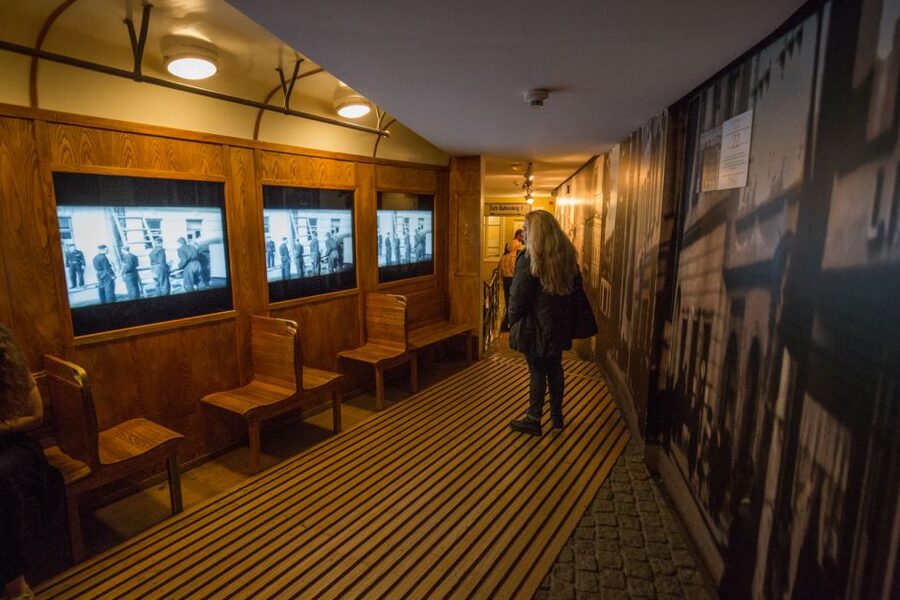
If your goal is understanding fast—context, connections, and the Schindler storyline—this tour is a solid pick. The combination of skip-the-line entry, a live guide, and the museum’s room-by-room structure makes it good value for time-starved visitors.
I’d book it if you’re visiting Kraków for the first time or you want a guided way to process the heavy material with an organized route. I’d hesitate only if you’re specifically looking for hours of unhurried museum wandering, or if group-size dynamics could frustrate you.
Pick a language you’ll be comfortable hearing details in, show up early at Lipowa 4, and treat the tour as your historical map. Then, if you want more, you can always spend your remaining time returning to the rooms that hit hardest.
FAQ
How long is the Schindler’s Factory guided tour?
The tour duration is 90 minutes.
Where do I meet the guide?
Meet your guide at Lipowa 4, 30-702 Krakow, near the main entrance to the Factory. The guide will be holding an excursion.city sign.
What is included in the price?
The package includes an entrance ticket to Schindler’s Factory Museum and a live tour guide.
Does the tour skip the ticket line?
Yes. Skip-the-ticket-line entry is included.
What languages are available for the live guide?
The live guide is available in Italian, Spanish, French, English, and German.
Is there free cancellation?
Yes. You can cancel up to 24 hours in advance for a full refund.
Do I need to bring identification?
Yes. Starting January 1, 2026, entry requires providing full names for all participants and bringing a passport or ID for entry to the museum.
Are the tour start times exact?
Times are approximate and may change due to Schindler’s Factory Museum scheduling. You can choose a preferred time, but the exact time is not guaranteed.
More Tours in Krakow
More Tour Reviews in Krakow

Krakow in Wartime: More Reviews
Just added: fresh Krakow reviews
Schindler's Factory & WWII Tours, compared.
 ★ 4.3Schindler’s Factory Ticket and Guided Tour OptionFrom $254,306 reviews
 ★ 4.5Schindler’s Factory Tour with Entrance TicketFrom $493,182 reviews
 ★ 4.4Schindler’s Factory Skip-the-Line TicketFrom $253,105 reviews
★ 4.6Schindler’s Factory Tour with Entrance TicketFrom $401,737 reviews
★ 4.4Schindler’s Factory Skip-the-Line TicketFrom $253,105 reviews
★ 4.6Schindler’s Factory Tour with Entrance TicketFrom $401,737 reviews
 ★ 4.5Schindler’s Factory in Krakow: Guided Tour & Skip the Line TicketFrom $351,714 reviews
 ★ 4.7Schindler’s Factory & Ghetto Guided TourFrom $571,694 reviews
 ★ 4.3Schindler’s Factory Ticket with Guided Tour OptionFrom $421,485 reviews
 ★ 4.0Krakow Schindler’s Factory Guided Tour with Admission TicketFrom $351,156 reviews
Browse the lists this tour appears in