
REVIEW · SCHINDLER'S FACTORY & WWII TOURS
Krakow: Schindler’s Factory Tour & Skip-the-Line Entry
A tram ride through occupied Kraków hits hard. In this 90-minute, skip-the-line guided tour, I liked how the museum turns World War II history into scenes you can walk through—not just panels to skim. Two things I really value: skip-the-line entry (so you waste less time waiting) and the museum’s theatrical permanent collection with staged reconstructions that make everyday life in 1939–1945 feel immediate. One possible drawback: the focus is wider than Oscar Schindler himself. If you expect a Schindler-only story, you’ll want to mentally prepare for a broader Kraków war narrative.
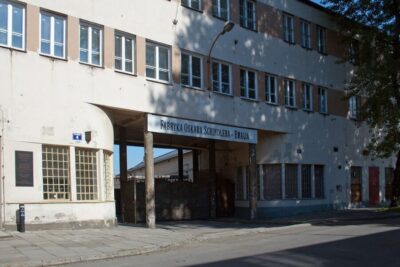
The tour is built around the former enamel factory tied to Schindler and the themes made famous by Schindler’s List. You’ll see the preserved office in the factory’s administrative building, plus a striking installation made of thousands of enamel pots. Still, because the guide leads a set path, you may wish you had a little more time to linger and read every display at your own pace.
Key Takeaways Before You Go
- Skip-the-line helps you arrive, enter, and start learning without a long delay.
- The museum experience is designed like a show, with theatre-direction staging by Michał Urban and Łukasz Czuj.
- You’ll cover more than Schindler: daily life in Kraków under Nazi occupation, including both Poles and Jews.
- There’s a tram-and-documentary moment plus a typical Jewish apartment reconstruction.
- The tour ends with the heavier moral territory: the Hall of Choices and related wartime artifacts.
- The group stays together, so pace and narration can limit how slowly you read.
In This Review
- Schindler’s Factory Tour in 90 Minutes: what you’re paying for
- Finding Lipowa 4: the meeting point you should actually use
- Inside Schindler’s Factory: office, enamel, and the Survivor’s Ark
- A tram ride through wartime Kraków scenes
- Plaszów artifacts and the Hall of Choices: where the tour gets moral
- Skip-the-line entry and how group pacing affects your experience
- Languages, price, and value: is it worth $49?
- Who this tour suits (and who should consider a different plan)
- Should you book this Schindler’s Factory skip-the-line tour?
- FAQ
- How long is the guided tour at Schindler’s Factory?
- Does this tour include skip-the-line entry?
- What’s included in the price?
- What language options are available?
- What should I bring for entry?
- Is food and drink included?
- Where do I meet the guide?
Schindler’s Factory Tour in 90 Minutes: what you’re paying for
This isn’t a quick photo stop. You’re paying for an organized, guided walkthrough of a major memorial site—plus entrance fees—within a tight 1.5-hour window. The value is that a trained guide helps you connect the dots: what you’re seeing, why it mattered, and how Kraków’s Jewish community and Polish neighbors were affected between 1939 and 1945.
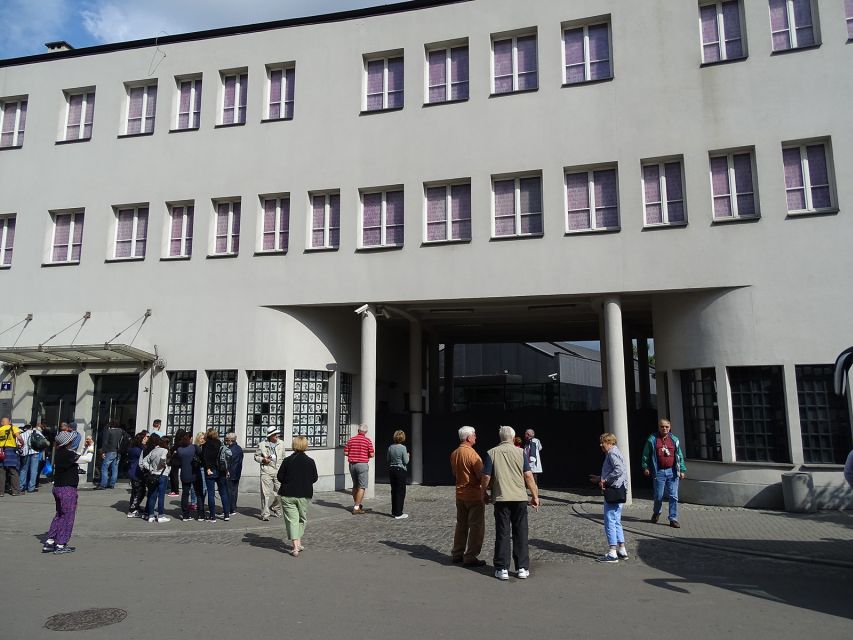
A big part of the “why” here is the setting. The Schindler factory is not an abstract museum—it’s housed in the former enamel factory connected to Oscar Schindler. That matters because the collection repeatedly anchors you in the specific rhythms of production, paperwork, and human choices made under extreme pressure.
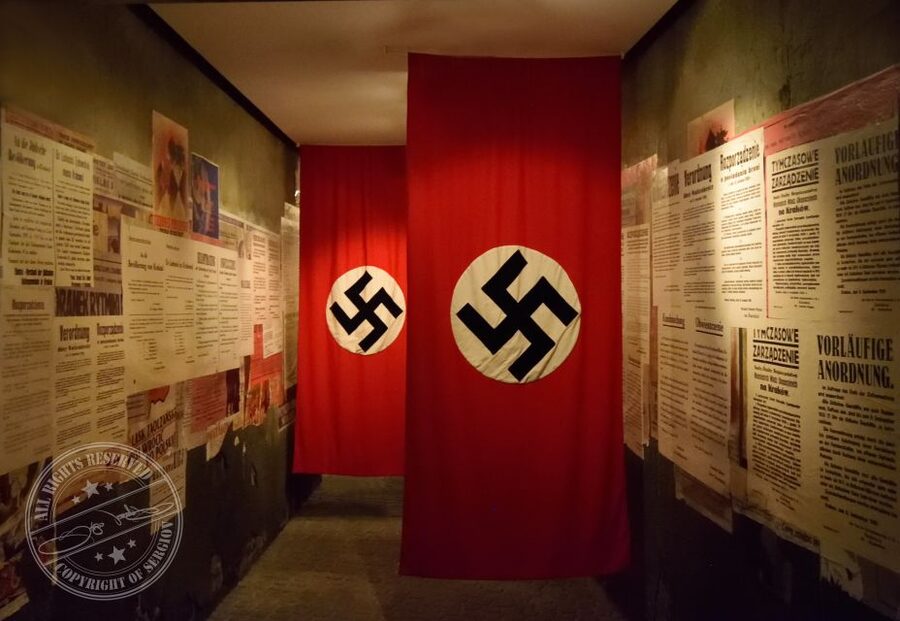
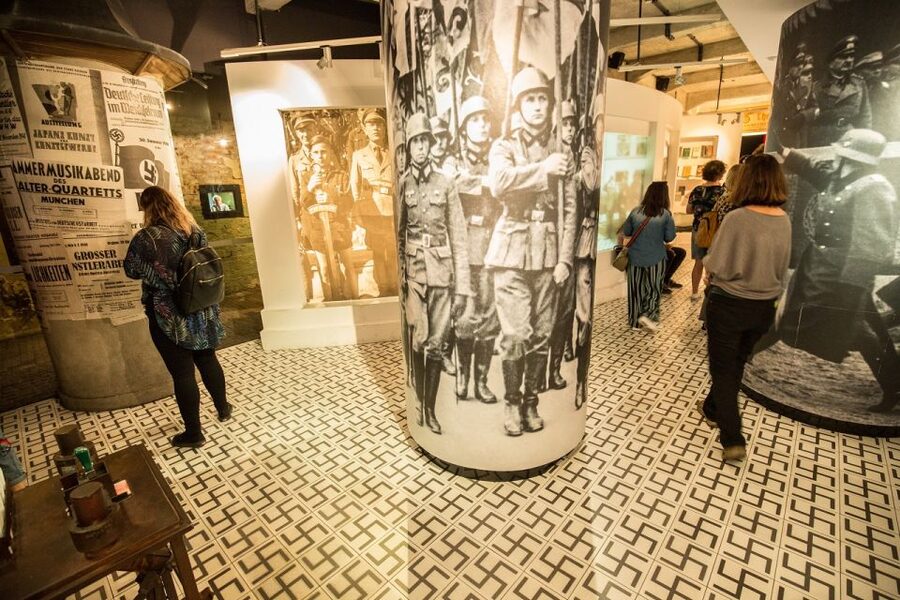
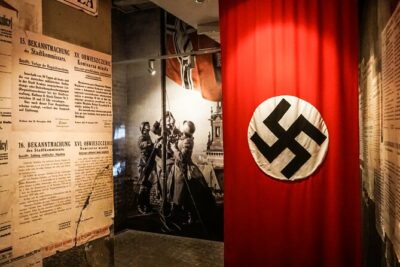
Also, the permanent exhibition isn’t just text. The museum uses cinematic and theatrical design to move you from place to place: tram scenes, documentary elements, staged interiors, and sculptural installations. In other words, you’re not only learning history—you’re seeing how the museum wants you to feel it.
More of Krakow under the wartime occupation
- Krakow: Schindler’s Factory Ticket and Guided Tour Option
★ 4.3 · 4,306 reviews - Krakow: Schindler’s Factory Tour with Entrance Ticket
★ 4.5 · 3,182 reviews - Krakow: Schindler’s Factory Skip-the-Line Ticket
★ 4.4 · 3,105 reviews
Finding Lipowa 4: the meeting point you should actually use
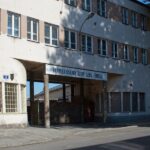
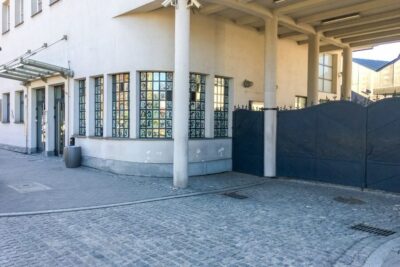
Plan to be at the meeting point early, because you’ll meet your guide at the front of the main entrance of the museum at Lipowa 4, 33-332 Kraków, Polska.
You’re looking for an excursion.city sign held by the guide. If you arrive late, you’ll lose the group timing, and the whole tour is designed as a moving schedule through the museum galleries.
Quick prep that pays off:
- Bring your passport or ID card (entry may be denied without it).
- Skip big bags and food—both are not allowed.
- If you have a choice, wear shoes that handle indoor floors that can feel busy underfoot.
Inside Schindler’s Factory: office, enamel, and the Survivor’s Ark
The tour starts by pulling you into the physical reality of the site. You go into Schindler’s office, preserved inside the factory’s administrative building. That’s a good early anchor because it frames everything that follows: this story isn’t floating in time—it’s tied to a workplace, paperwork, and a specific location.
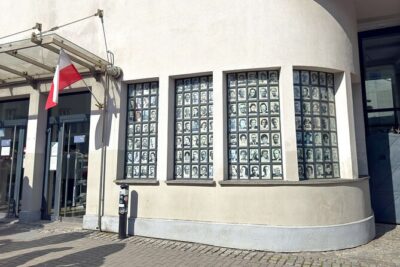
Then you hit one of the museum’s signature visuals: the Survivor’s Ark, built from thousands of enamel pots similar to those produced in the factory. The scale is what gets me. It’s not an illustration; it’s a massed, material symbol of forced production, survival, and the way ordinary things were pulled into extraordinary catastrophe.
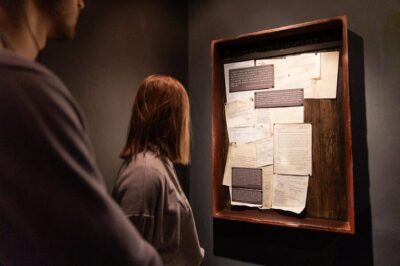
As you move through the permanent collection, expect documentary photographs, eyewitness accounts, film documentaries, and multimedia presentations. The point isn’t only to show what happened; it’s to present the evidence and testimony so you don’t treat the war as a vague headline.
One practical tip: if you’re the type who likes to read carefully, you’ll want to alternate between listening to the guide and taking quick reading breaks. The narration is part of the design, but your brain will work better if you pause and absorb instead of trying to do everything at once.
A tram ride through wartime Kraków scenes
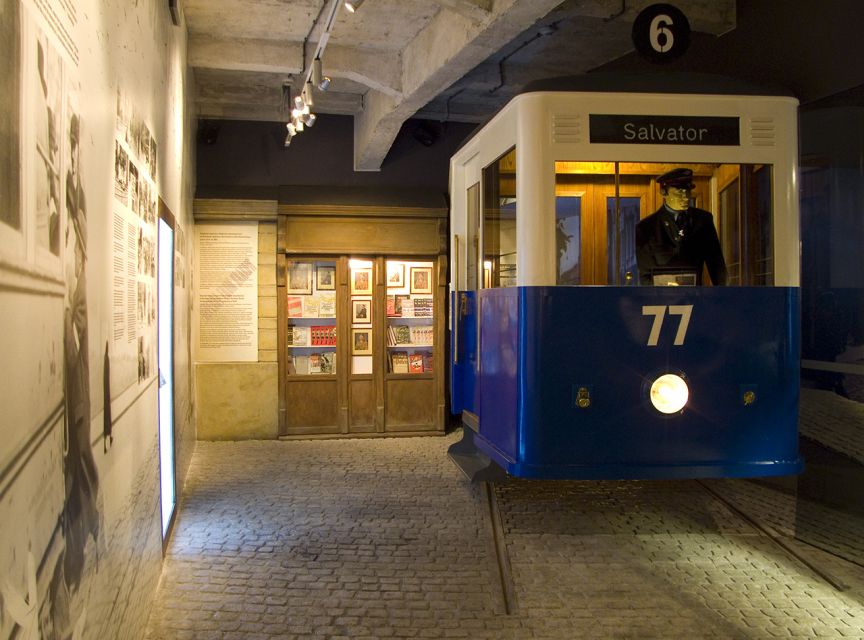
One of the most distinctive parts of this tour is the way it uses movement and multimedia to simulate daily life under occupation. At some point you’ll board a tram experience and watch a documentary portraying everyday city life during the war.
This works because it shifts the story from rooms and objects into motion and routine. You’re not just seeing artifacts—you’re following a logic of how people lived, traveled, and survived when the city itself was under control and fear.
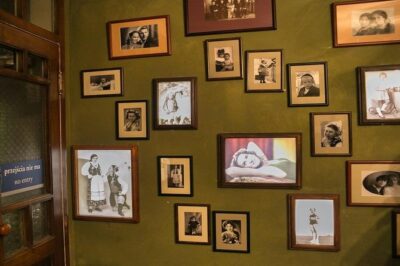
Then the tour goes into a typical Jewish apartment reconstruction. This is where you start seeing the war in domestic scale: the spaces people depended on, the routines they tried to keep, and the disruptions that made normal life impossible.
If you’ve visited other WWII museums, you might notice this one doesn’t rely only on shocking images. It uses everyday details to show what was lost. That approach can be emotionally intense, but it also tends to make the history stick.
A few more Krakow trips worth putting on the shortlist
- From Krakow: Wieliczka Salt Mine Tour & Skip the Line Ticket★ 4.4 · 3,925 reviews
- Krakow: Schindler’s Factory Skip-the-Line Ticket★ 4.4 · 3,105 reviews
- Schindler’s Factory in Krakow: Guided Tour & Skip the Line Ticket★ 4.5 · 1,714 reviews
- Auschwitz-Birkenau: Skip-the-Line Ticket and Guided Tour★ 4.2 · 1,034 reviews
Plaszów artifacts and the Hall of Choices: where the tour gets moral
The tour includes artifacts connected to the Plaszow camp. That’s an important shift: the story turns from occupied-city life and forced pressures into the brutal reality of camps and confinement.
Then comes one of the exhibition’s most challenging stops: the Hall of Choices, a sculptural installation that symbolizes the ethical dilemmas people faced during the war. This is not a section meant to stay comfortable. You’ll feel it in the pacing too—because the installation is designed to slow you down and force you to think.
A useful mindset for this part: treat it like a conversation with your own assumptions. The war wasn’t a simple good-versus-evil movie. People often made decisions under duress, fear, and limited options—and the museum pushes you to recognize those constraints without excusing harm.
When the guide is talking here, I’d recommend listening first, then looking again. The installation is the kind of thing where your first pass gives you the shape, and the second pass gives you the weight.
Skip-the-line entry and how group pacing affects your experience
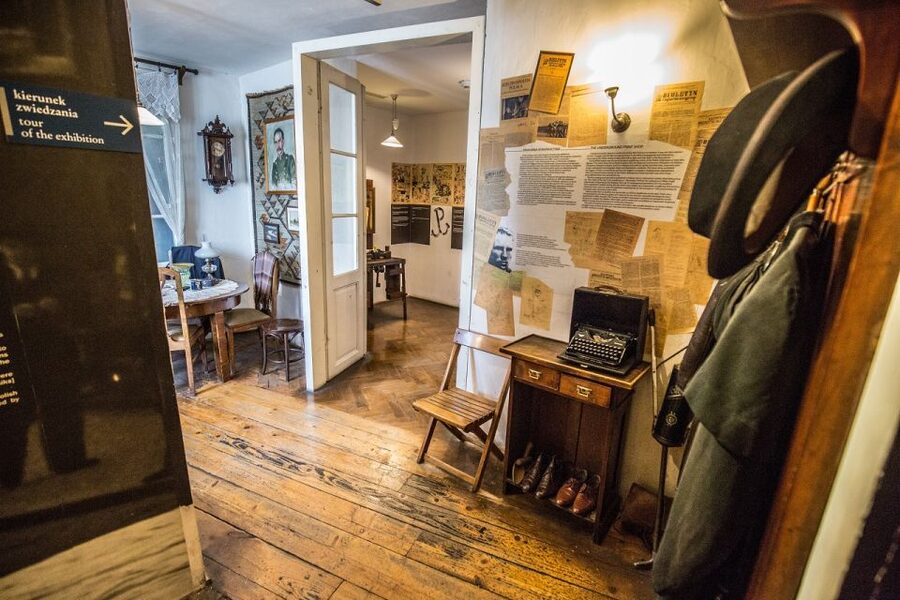
The skip-the-line piece is more than convenience. It changes how you experience a memorial site. When you’re not waiting outside with your group, you start with less stress and more focus. You’re also less likely to feel rushed later, because your time inside is protected.
Still, this tour is guided and structured. That means you’ll follow a route and hear narration designed to tie the rooms together. I like that, but I’ll flag the tradeoff: if you’re the type who wants to read every label slowly, the guide’s pacing may feel a bit on-the-go.
The good news is that the duration is only 90 minutes, so it doesn’t sprawl into an all-day commitment. It’s also an advantage if you’re pairing it with other Kraków stops the same day—you’ll know exactly how much time you’re spending inside.
In terms of group feel, you might end up with a smaller group on some departures. That can make questions easier and the visit feel less like a conveyor belt.
Languages, price, and value: is it worth $49?
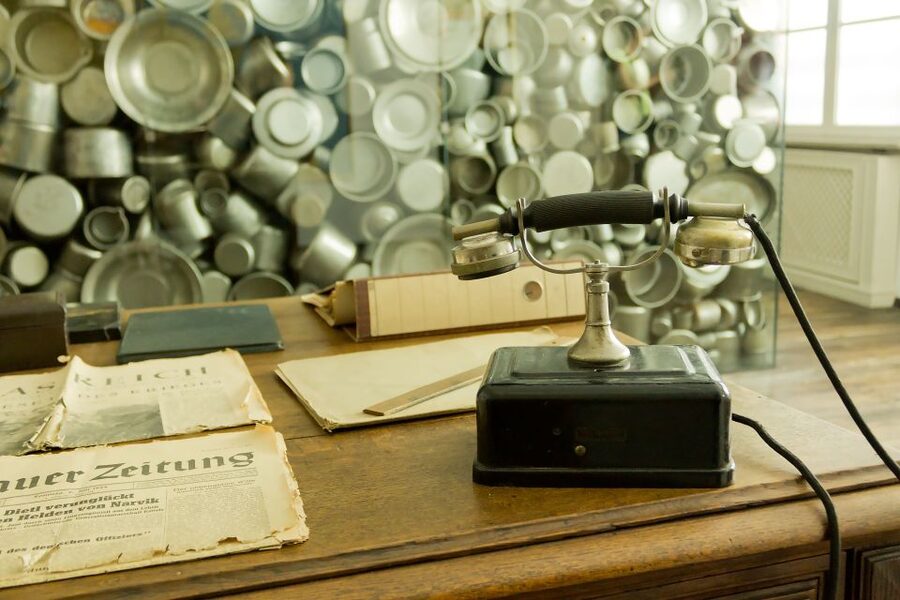
At $49 per person for a 90-minute guided visit, the real value comes from what’s included. You get entrance fees plus a professional guide. You’re also getting skip-the-line entry, which matters at a high-demand museum.
To put it practically: if you plan to visit anyway, paying a bit more to lock in a guided narrative is usually worth it here. The museum’s format includes multimedia, staged scenes, and moral installations. A guide helps you interpret what you’re seeing while you’re standing in front of it, not after you leave.
Language options include Spanish, Italian, French, English, and German. If you’re not comfortable in English, it’s worth checking what’s available for your time slot so you can fully follow the explanations.
One more note about expectations: the tour is tied to the Schindler story, but it’s also a Kraków-wide account of WWII disruption. You should go in ready to learn about the city’s relationship between Poles and Jews before, during, and under Nazi occupation—not only Oscar Schindler’s role.
Who this tour suits (and who should consider a different plan)
This is a strong fit if:
- you want a guided, structured visit through a museum that can feel overwhelming if you do it solo
- you like history that connects objects and spaces (office, enamel production, apartment reconstructions)
- you want a tour that includes both documentary elements and staged scenes like the tram segment
It’s a less perfect match if:
- you’re hoping for a Schindler-only deep focus with minimal broader context
- you strongly prefer wandering without narration, taking your time over every display
- you’re sensitive to emotionally heavy content and want more control over pacing (the Hall of Choices and Plaszow-related artifacts are intense)
Should you book this Schindler’s Factory skip-the-line tour?
If you want the best shot at an organized, meaningful visit in limited time, I’d book this. The skip-the-line entry reduces friction, and the guided format helps you understand what the museum is trying to communicate through staging, objects, and testimony.
My main caution is mental, not logistical: this is WWII history presented through human stories, forced systems, and ethical dilemmas. Go with time to feel what you’re seeing, not just collect information.
If you can only do one museum tour in Kraków that day, this is a serious contender—especially if you like exhibits that combine documentary material with theatrical presentation.
FAQ
How long is the guided tour at Schindler’s Factory?
The tour lasts about 90 minutes.
Does this tour include skip-the-line entry?
Yes. It’s described as skip-the-ticket line, so you can enter with the group without waiting in the general ticket line.
What’s included in the price?
Entrance fees and a professional guide are included.
What language options are available?
The tour is offered in Spanish, Italian, French, English, and German.
What should I bring for entry?
You should bring your passport or ID card.
Is food and drink included?
No. Food and drink are not included, and food and drinks are not allowed during the visit.
Where do I meet the guide?
Meet at the front of the main entrance at Lipowa 4, 33-332 Kraków. The guide will be holding an excursion.city sign.
More Tours in Krakow
More Tour Reviews in Krakow

Krakow in Wartime: More Reviews

Just added: fresh Krakow reviews

Schindler's Factory & WWII Tours, compared.
 ★ 4.3Schindler’s Factory Ticket and Guided Tour OptionFrom $254,306 reviews
 ★ 4.5Schindler’s Factory Tour with Entrance TicketFrom $493,182 reviews
 ★ 4.4Schindler’s Factory Skip-the-Line TicketFrom $253,105 reviews
★ 4.6Schindler’s Factory Tour with Entrance TicketFrom $401,737 reviews
★ 4.4Schindler’s Factory Skip-the-Line TicketFrom $253,105 reviews
★ 4.6Schindler’s Factory Tour with Entrance TicketFrom $401,737 reviews
 ★ 4.5Schindler’s Factory in Krakow: Guided Tour & Skip the Line TicketFrom $351,714 reviews
 ★ 4.7Schindler’s Factory & Ghetto Guided TourFrom $571,694 reviews
 ★ 4.3Schindler’s Factory Ticket with Guided Tour OptionFrom $421,485 reviews
 ★ 4.0Krakow Schindler’s Factory Guided Tour with Admission TicketFrom $351,156 reviews
Browse the lists this tour appears in