
REVIEW · SCHINDLER'S FACTORY & WWII TOURS
Schindler’s Factory Museum Guided Tour – Krakow
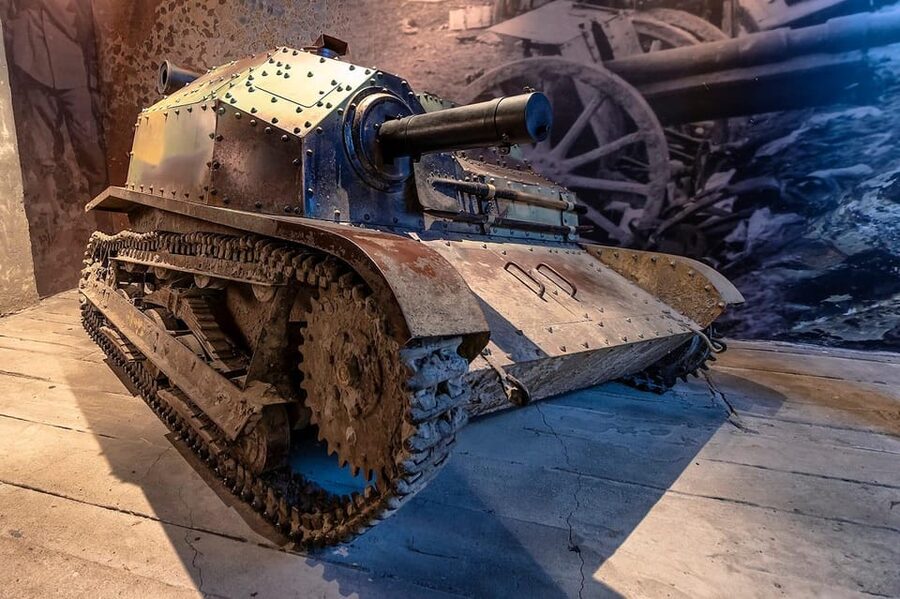
One building. One brutal era. You’ll get it explained. This guided tour at Schindler’s Factory Museum uses professional live commentary to help you understand occupied Krakow through real rooms and surviving artifacts. You also get a well-organized way to make sense of WWII as both personal experience and citywide tragedy, not just a list of dates.
The best part is how the exhibition turns history into everyday evidence: photographs, newspapers, documents, and ordinary objects placed right where they belong. One thing to keep in mind: with a group tour running 90 minutes, the experience is emotional and fast-moving, so you’ll want to focus on the moments your guide highlights most.
In This Review
- Key highlights worth your time
- Schindler’s Enamel Factory: the setting that changes the tone
- 90 minutes with a live guide: how the tour is paced
- How the museum tells occupied Krakow through objects and rooms
- Photographer, tailor, and the tram-window film scene
- The ghetto labyrinth and the Jewish apartment scene
- Płaszów camp context: how the factory story connects
- Schindler’s office and the Ark of Survivors made of pots
- Price and value: is $50 a fair deal for 90 minutes?
- Who should book this guided tour in Krakow?
- When to plan your visit and what to bring
- Should you book? My practical recommendation
- FAQ
- Where do I meet for the Schindler’s Factory Museum guided tour?
- How long is the tour?
- What is included in the price?
- What languages are offered?
- Is this tour wheelchair accessible?
- Is the tour a group experience?
- Do I need ID to enter?
- Is cancellation possible?
Key highlights worth your time
- Live commentary that connects artifacts to the city instead of letting rooms feel like disconnected exhibits
- Everyday-life details through documents, photos, and small things people used during occupation
- A scripted walk through key scenes, including tram-window film and a ghetto-area labyrinth
- Płaszów camp context tied to Krakow’s wartime history and the factory’s role
- Schindler presented as part of Krakow’s story, including the preserved office and the Ark of Survivors
More of Krakow under the wartime occupation
- Krakow: Schindler’s Factory Ticket and Guided Tour Option
★ 4.3 · 4,306 reviews - Krakow: Schindler’s Factory Tour with Entrance Ticket
★ 4.5 · 3,182 reviews - Krakow: Schindler’s Factory Skip-the-Line Ticket
★ 4.4 · 3,105 reviews
Schindler’s Enamel Factory: the setting that changes the tone
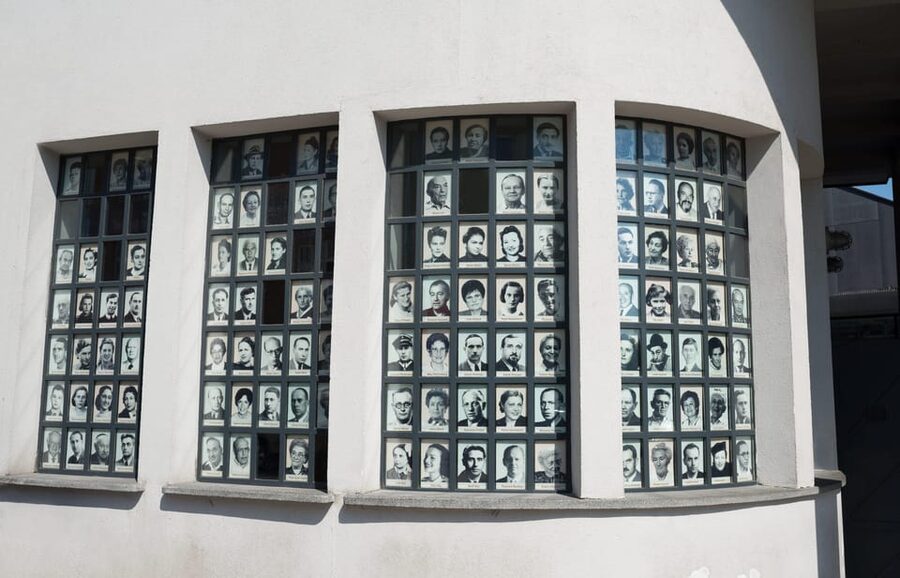
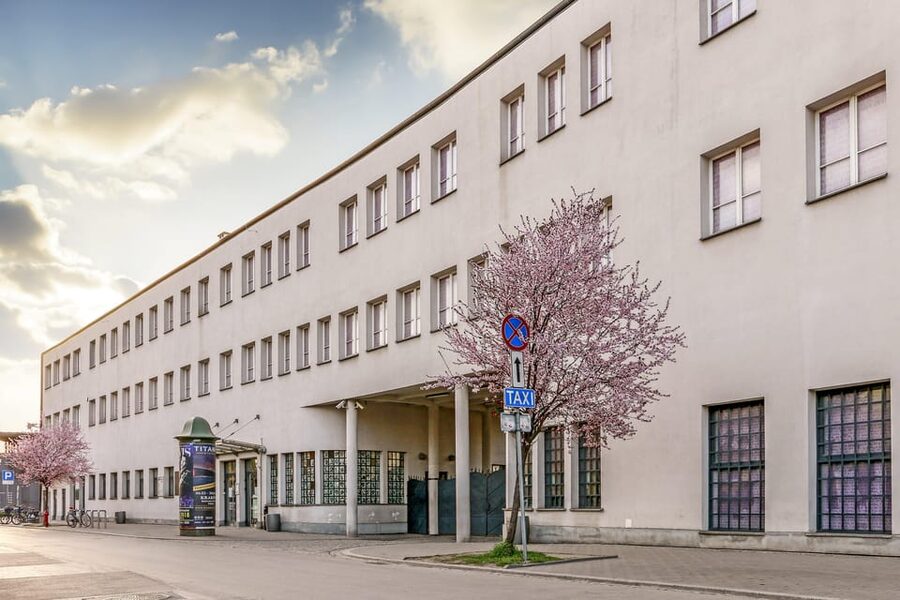
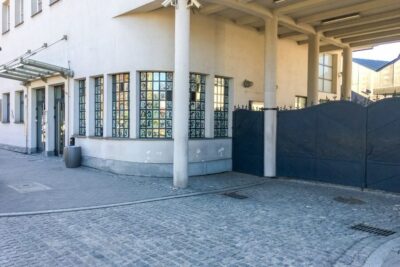
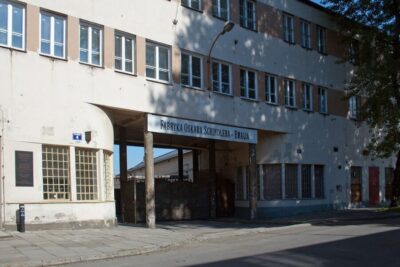
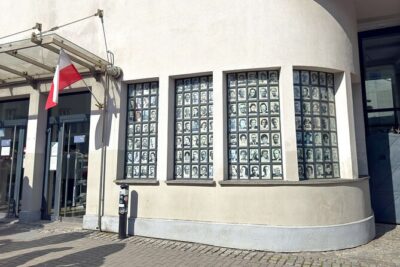
The tour centers on the former seat of the Enamel Museum, now known for Schindler-related history and the wider WWII story of Krakow. That matters, because the place itself carries weight. You’re not just looking at behind-glass displays in a neutral hall. You’re walking through preserved spaces that make the events feel closer and harder to dismiss as distant.
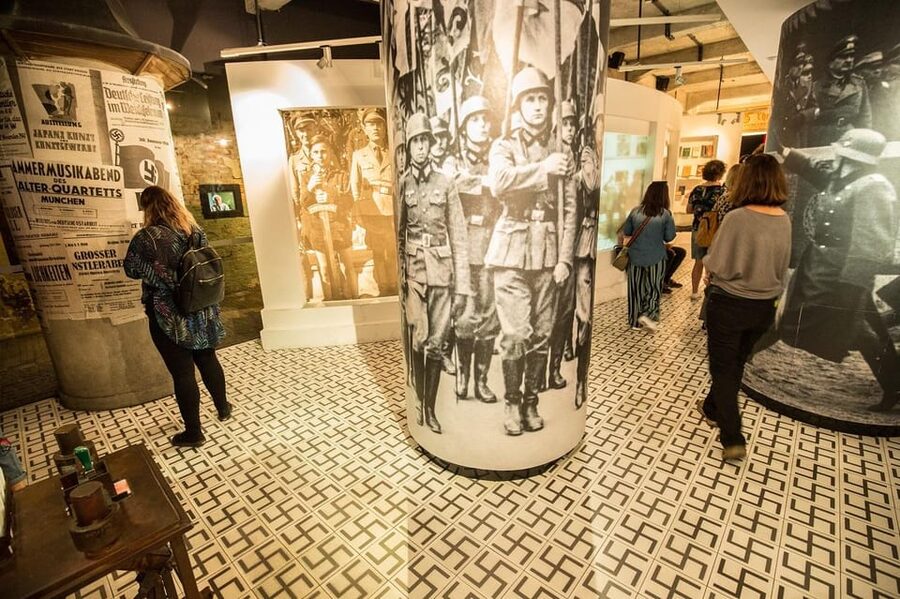
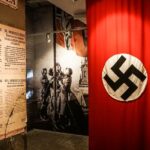
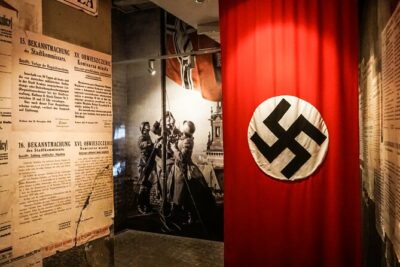
You’ll also notice how the museum’s permanent exhibition is built around wartime reality in two layers. First is the catastrophe itself, shown in individual and collective dimensions. Second is the occupation as lived experience—captured through everyday items, newspapers, photographs, and personal or official papers. Even when a room looks simple, the contents do the heavy lifting. That’s where a guide helps most.
The museum also frames Oskar Schindler in a careful way. This isn’t a purely biographical tribute. Schindler’s figure appears as part of Krakow’s complicated wartime history, tied to the factory owner’s role in saving over a thousand Jews. That balance can surprise people who expect only one hero story.
90 minutes with a live guide: how the tour is paced
This is a 90-minute guided tour, so you should go in with the right expectations. You’re not getting an all-day museum marathon. You’re getting a guided storyline through the museum, with live commentary and enough context to make the exhibits click.
Because it’s a group tour, pacing is structured. That’s good if you hate wandering in circles. It’s also why you might feel the museum’s full content is more than one visit can cover in one sitting. One review note that the pace can feel quick for the entire museum. I think that’s fair. If you’re the type who likes to read every caption slowly, you’ll probably want a follow-up self-guided pass later.
Still, for first-timers, the guided format is a big advantage. It turns the museum from a pile of information into a sequence. Your guide helps you spot the meaning inside the objects: what they show about daily survival, how occupation shaped routine, and how the city changed between 1939 and 1945.
Practical note: the meeting point is in front of the entrance to the museum, at Oskar Schindler’s Enamel Factory. Look for the person holding an excursions.city sign. Arrive a few minutes early so you’re not rushing when the group is forming.
How the museum tells occupied Krakow through objects and rooms
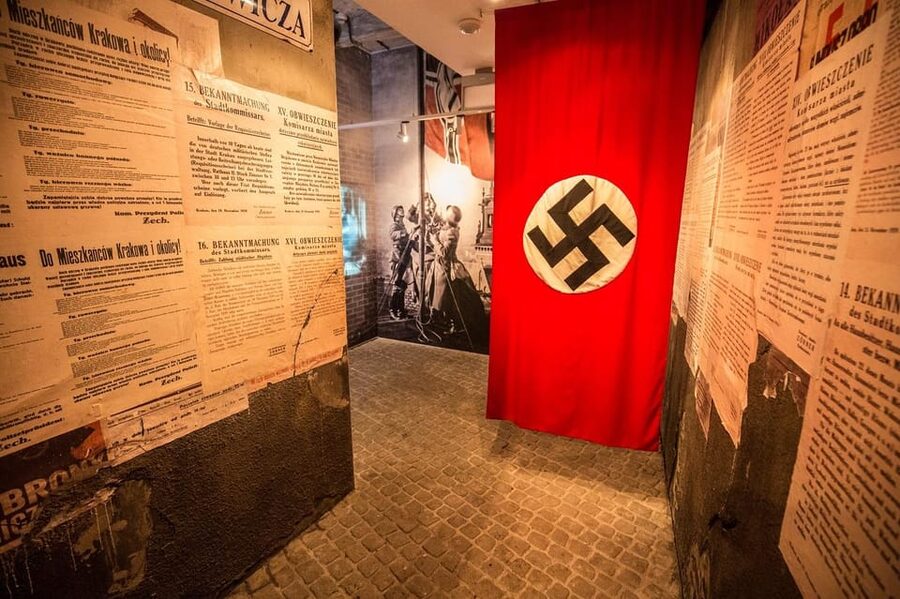
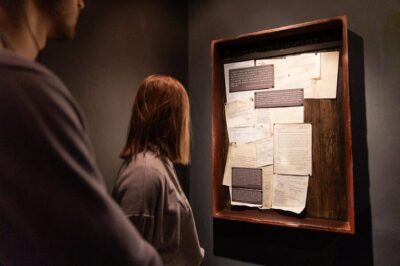
One of the strongest reasons to choose a guided tour here is how the exhibition uses everyday evidence. You’ll see how people documented life—through photographs, newspapers, and paperwork—while the city was under pressure and control. The museum also uses multimedia elements, which can help you understand context quickly instead of needing to piece everything together on your own.
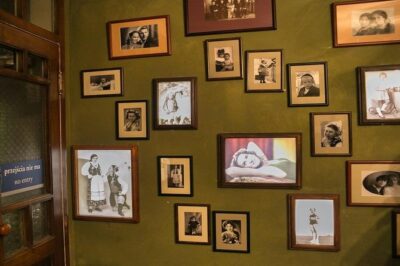
You’ll be guided through scenes that move beyond standard “look and read” museum behavior. The plan includes visits connected to people and trades—like a photographer and a tailor—so you get a sense of how occupation reached ordinary work and ordinary rooms. It’s not just about major events. It’s about what changed in the texture of daily life.
This approach is valuable because it trains your attention. When you’re shown a document and told what it meant to the people carrying it, it stops being abstract. When you hear how photos and newspaper contents reflect fear, routine, and control, you start seeing the war as something that happened in stairwells and shops, not only battlefields.
A few more Krakow trips worth putting on the shortlist
- Krakow: Auschwitz-Birkenau Guided Tour with Pickup & Lunch★ 4.5 · 9,800 reviews
- Krakow: Auschwitz-Birkenau Guided Tour Pickup/Lunch Options★ 4.5 · 9,057 reviews
- Krakow: Auschwitz-Birkenau and Salt Mine Guided Tour★ 4.7 · 9,020 reviews
- Krakow to Auschwitz Birkenau Guided Tour with Transfer and Ticket★ 5.0 · 8,197 reviews
Photographer, tailor, and the tram-window film scene
A key part of the tour walks you through a sequence of lived-in settings. Expect stops connected to specific roles in city life, including a photographer and a tailor. These scenes help you understand how occupation shaped everyday labor and identity.
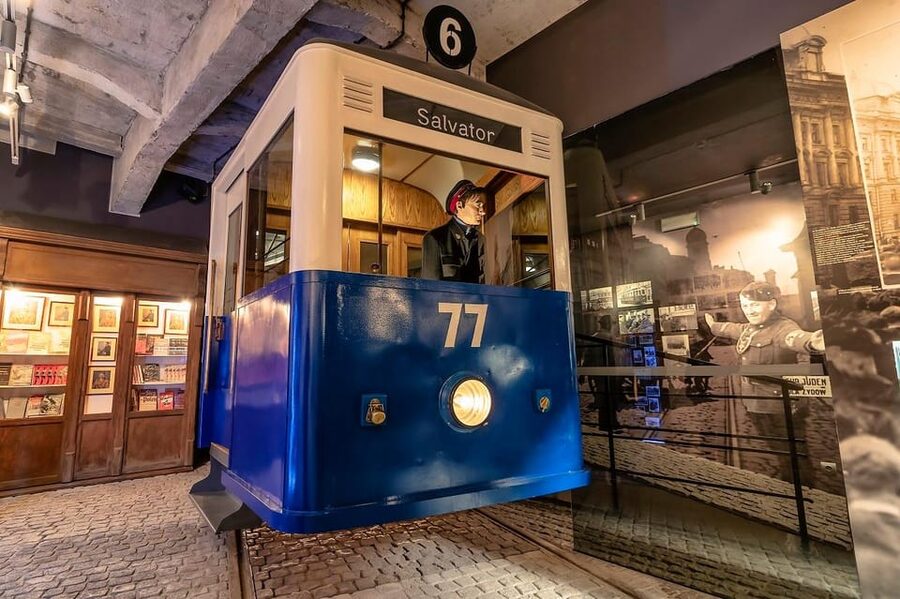
Then comes one of the more cinematic moments: a tram ride through windows where you can see a film of Krakow’s city life. The effect is simple but powerful. It gives you movement and time, which is hard to get from static exhibits. You’re not only observing history; you’re experiencing the sensation of how the city looked and operated under wartime conditions.
Is this the kind of stop everyone will love? Yes, if you like storytelling and visual context. If you prefer a strictly chronological, text-heavy museum style, the film element might feel like an emotional shortcut. But even then, it’s often helpful. It can anchor the rest of what you’re seeing, especially if you’re new to the timeline.
The ghetto labyrinth and the Jewish apartment scene
This tour includes a walk through a tight labyrinth connected to the ghetto, with a Jewish apartment scene inside. That’s the kind of section where a guide matters, because you need the context to understand why the space feels claustrophobic and why the details matter.
You’ll be brought together with the inhabitants in the camp in Płaszów later on, but the ghetto portion comes first for a reason. It makes the story feel like it moved from constrained city life toward forced confinement. The museum’s design helps you feel that transition, not just learn it.
A word of advice: pace yourself here. Some visitors rush through intense rooms. That’s understandable, but it can flatten the meaning. Instead, slow down mentally and focus on what you’re being shown—objects, layout, and how the scene is presented. The point isn’t to “check it off.” The point is to understand how normal life and routine were broken and then replaced with survival under threat.
Płaszów camp context: how the factory story connects
After the ghetto scene, you’ll move to the part set with its inhabitants in the camp in Płaszów. That shift can feel heavy—because it should. The museum doesn’t treat Płaszów as a distant footnote. It treats it as part of Krakow’s wartime story, connected to what happened to the city’s Jewish population and to the broader machinery of persecution.
This is where your earlier attention to everyday objects pays off. Once you’ve seen how wartime life was recorded in personal and official documents, you’re more likely to understand why the camp context is presented the way it is. It’s not only a location in history. It’s a culmination.
Also, remember the museum doesn’t position itself as a “Schindler-only” experience. Even when Schindler’s name appears, it’s framed as part of the city’s complicated wartime history. You’ll still learn why Oskar Schindler’s actions mattered—he saved over a thousand Krakow Jews—but you’ll also be steered back to the larger systems around him.
Schindler’s office and the Ark of Survivors made of pots
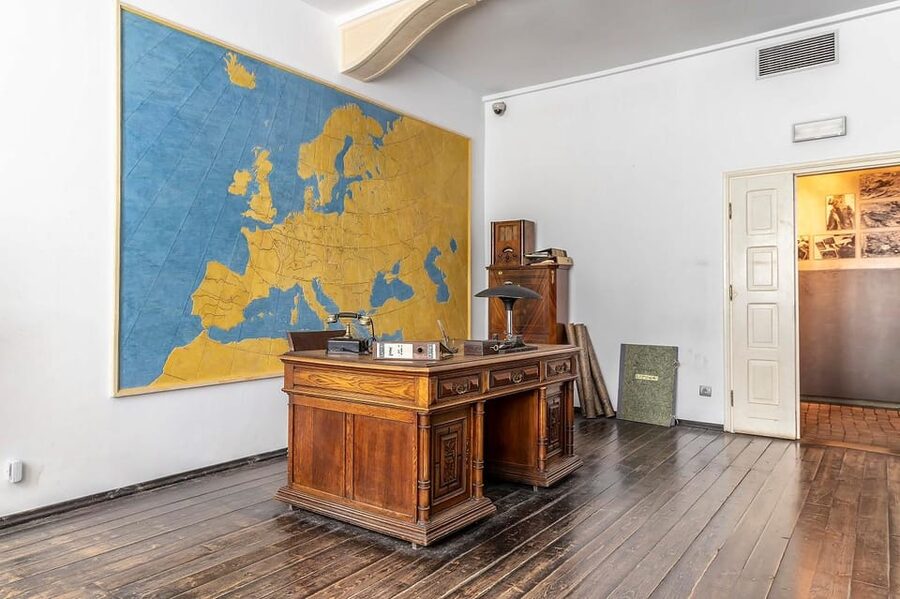
The tour includes a stop in Schindler’s office within the preserved factory administrative building. This office is a standout because it’s both symbolic and physical—preserved, not rebuilt to look old. It’s the bridge between the wider WWII tragedy presented in the exhibition and the specific Schindler story tied to Krakow’s factory.
One detail you shouldn’t miss: the symbolic Ark of Survivors made of thousands of pots resembling those produced by his employees during the war. The symbolism is striking because it ties survival to everyday labor and production. Pots don’t sound like history at first. But here, they become evidence of work and the possibility of saving lives.
That design choice is why this portion lands emotionally. It’s not only about what was done to people. It’s also about how people tried to survive within constrained realities—and how a factory could become part of that story in a way that’s both uncomfortable and human.
Price and value: is $50 a fair deal for 90 minutes?
At about $50 per person for a 90-minute guided tour, the price is not the budget end of Krakow’s tours. But for this museum, the value can be strong if you care about getting the story explained well.
Here’s what you’re paying for:
- A professional guide giving live commentary in multiple languages
- Entry to the museum
- Skip the ticket line, which saves time when schedules are busy
- A guided storyline through the museum’s key scenes, rather than a self-guided wander
If you’re a museum reader who loves captions and audio guides, you might prefer to visit on your own to go slower. But if you want the war-time details connected into a coherent sequence—especially in the ghetto and Płaszów scenes—a guided format can be worth the cost.
Also, because the tour length is fixed at 90 minutes, you’re less likely to feel lost. You’ll come out with structure and understanding, which is exactly what many people are trying to buy when they choose this kind of tour.
Who should book this guided tour in Krakow?
Book this tour if you:
- Want a guided framework through a heavy museum with lots of material
- Prefer live explanations over reading everything alone
- Plan your time carefully and want a 90-minute plan
- Are visiting for the first time and want the major scenes connected into one story
You might hesitate if you:
- Need a lot of quiet time to read every label slowly
- Don’t do well with intense WWII-themed exhibits and scenes presented in a structured way
- Prefer total freedom to linger as long as you want in each room
The language options also matter: live guiding is available in English, French, German, Italian, and Spanish. If you’re traveling as a group, that’s a good sign you can still keep the tour comfortable and understandable.
When to plan your visit and what to bring
Times can vary a bit due to museum scheduling, and starting times are checked for availability. If your trip is planned around late 2025 or into 2026, it’s smart to treat exact timing as flexible. From January 1, 2026, times are approximate and may change due to the museum’s scheduling.
The museum also uses personalized tickets, so you should have your details ready. You’ll need to provide full names of all participants when reserving and bring a passport or ID for entry. If you show up with missing or mismatched information, entry may be denied, so keep it simple and double-check names.
Should you book? My practical recommendation
I’d book this tour if you want your first visit to Schindler’s Factory to feel organized, guided, and emotionally grounded. The museum’s theme is intense, and the way it presents everyday wartime evidence is much easier to understand when a guide connects the dots. The tram-window film, the ghetto labyrinth with the Jewish apartment scene, and the Płaszów section make more sense when you’re given context in real time.
Don’t book it if your goal is a slow, fully self-paced museum session where you read every line without interruption. This tour is built for a 90-minute storyline with group pacing.
If you’re deciding between guided and self-guided, my take is simple: choose guided for your main visit, then if you still want, plan a later return for extra time where your attention landed hardest.
FAQ
Where do I meet for the Schindler’s Factory Museum guided tour?
You meet in front of the entrance to the museum at Oskar Schindler’s Enamel Factory. Look for the guide holding an excursions.city sign.
How long is the tour?
The tour lasts 90 minutes.
What is included in the price?
Your ticket includes a professional guide and entrance to the museum. The tour also skips the ticket line.
What languages are offered?
Live guided tours are available in English, French, German, Italian, and Spanish.
Is this tour wheelchair accessible?
Yes, the tour is wheelchair accessible.
Is the tour a group experience?
Yes, it is a group tour.
Do I need ID to enter?
You must bring a passport or ID for entry. Your reservation also needs full names of all participants.
Is cancellation possible?
Yes, you can cancel up to 24 hours in advance for a full refund.
More Tours in Krakow
More Tour Reviews in Krakow

Krakow in Wartime: More Reviews


Just added: fresh Krakow reviews

Schindler's Factory & WWII Tours, compared.
 ★ 4.3Schindler’s Factory Ticket and Guided Tour OptionFrom $254,306 reviews
 ★ 4.5Schindler’s Factory Tour with Entrance TicketFrom $493,182 reviews
 ★ 4.4Schindler’s Factory Skip-the-Line TicketFrom $253,105 reviews
★ 4.6Schindler’s Factory Tour with Entrance TicketFrom $401,737 reviews
★ 4.4Schindler’s Factory Skip-the-Line TicketFrom $253,105 reviews
★ 4.6Schindler’s Factory Tour with Entrance TicketFrom $401,737 reviews
 ★ 4.5Schindler’s Factory in Krakow: Guided Tour & Skip the Line TicketFrom $351,714 reviews
 ★ 4.7Schindler’s Factory & Ghetto Guided TourFrom $571,694 reviews
 ★ 4.3Schindler’s Factory Ticket with Guided Tour OptionFrom $421,485 reviews
 ★ 4.0Krakow Schindler’s Factory Guided Tour with Admission TicketFrom $351,156 reviews
Browse the lists this tour appears in