
REVIEW · SCHINDLER'S FACTORY & WWII TOURS
Schindler’s Factory Museum
One factory, many vanished lives. The Schindler’s Factory Museum in Kraków turns Nazi-occupied WWII into a guided, room-by-room timeline, right up to the famous movie setting from Schindler’s List. It is emotional, real, and told by a Polish guide who connects the dots for you.
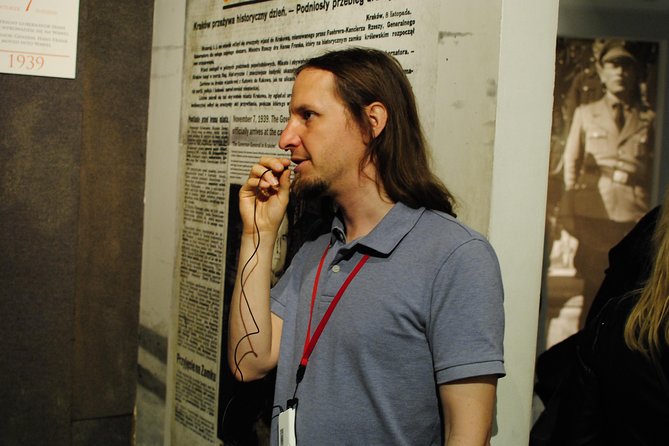
I especially liked the guided walkthrough approach, not just standing and reading. In the group I saw, guides such as Lucy and Damian helped make Kraków’s civilian story feel personal, from before the worst days to life after the occupation. One more big plus: the route is built like a timeline, so you don’t feel lost in the exhibits.
One thing to consider: it can get crowded, and the museum leans heavily on text and artifacts. If you’re expecting a detailed focus on Oskar Schindler himself, you may feel the spotlight is broader than just him.
- A WWII Kraków story in one place: the museum traces the occupation experience of Kraków citizens, Jewish and non-Jewish.
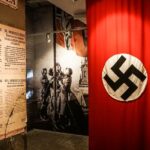
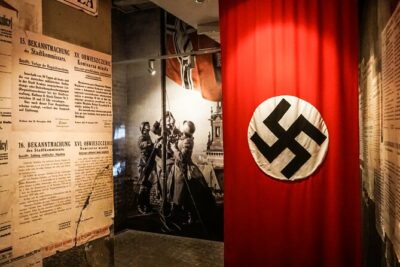
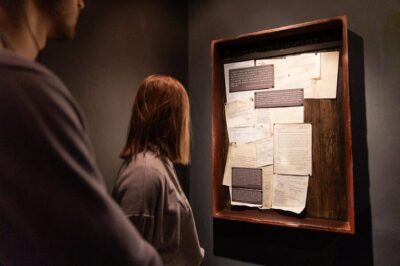
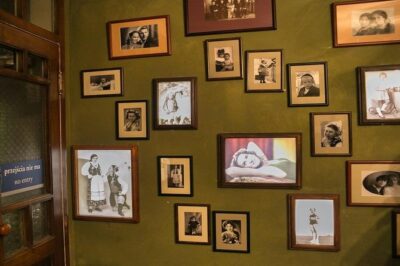
- Factory details, not just names: you’ll see artifacts like posters, photos, swastikas, and personal belongings that explain daily life under Nazi control.
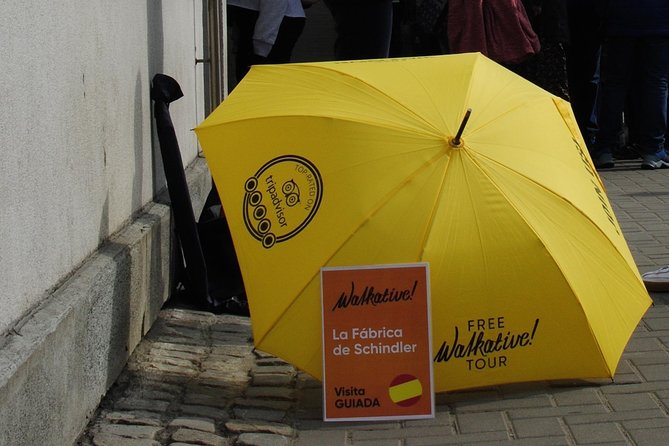
- Skip-the-line help: meet up with the guide who holds a yellow umbrella to avoid the worst queue chaos.
- Timeline-style movement: the walk is organized so you follow changes over time instead of randomly browsing rooms.
- Schindler’s List connection: it’s set in the famous location from the film, but the story goes beyond movie trivia.
- Time math you should respect: plan for about 90 minutes, though reading carefully can push it closer to two hours.
In This Review
- Schindler’s Factory Museum in Kraków: a WWII story with a human spine
- The walkthrough route: how the museum timeline pulls you forward
- Your guide experience: Spanish-led tours and the added value of local storytelling
- Names you may run into
- Price and value around $36: what you’re really paying for
- What you’ll see: artifacts and the occupation story beyond Schindler’s List
- A note on Oskar Schindler coverage
- Crowds, queues, and on-site stress: how to plan your visit smarter
- Who should book this Kraków tour, and who might not love it
- Should you book Schindler’s Factory Museum with a guide?
- FAQ
- FAQ
- Where is the meeting point for Schindler’s Factory Museum?
- How long does this tour take?
- What does the tour cost?
- What’s included in the tour price?
- What’s not included?
- How do I avoid the queue?
- How many people are in a group?
- Is this museum suitable for young people?
- What languages are the guides?
- Can I cancel for free?
Schindler’s Factory Museum in Kraków: a WWII story with a human spine
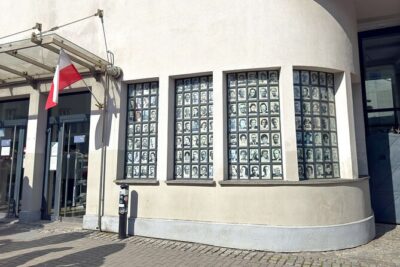
This visit is about more than a famous name. The tour centers on the experience of an occupied Polish city, shown through a Nazi party factory setting that, according to the tour description, helped save more than 1,000 Jews. You walk through that story with a guide who keeps the focus on what changed for ordinary people in Kraków.
The emotional weight lands fast because the museum uses artifacts and staged visuals to show how life was squeezed, controlled, and reorganized. This is one of those places where you stop thinking in terms of dates and start thinking in terms of choices, fear, and survival.
It also helps that the tour ties into what you may already know from Schindler’s List. The location is famous, but the point here is to use that connection as a doorway into the wider story of occupation life—not as the whole meal.
More of Krakow under the wartime occupation
- Krakow: Schindler’s Factory Ticket and Guided Tour Option
★ 4.3 · 4,306 reviews - Krakow: Schindler’s Factory Tour with Entrance Ticket
★ 4.5 · 3,182 reviews - Krakow: Schindler’s Factory Skip-the-Line Ticket
★ 4.4 · 3,105 reviews
The walkthrough route: how the museum timeline pulls you forward
The highlight of the experience is the way the museum is set up to be followed in order. Instead of wandering, you move along a timeline route that shows how the situation developed. That matters because WWII in Poland didn’t happen in one straight line; it shifted, tightened, and reshaped everyday life.
Expect rooms with lots to read. Several visitors note that there’s a big amount of text, so if you like to skim, you’ll still get the structure. If you like to read slowly, you’ll feel why some people plan closer to two hours. The tour itself is listed at about 1 hour 30 minutes, so I’d call it a solid match for a focused visit—just don’t assume it will feel rushed.
Lighting and presentation can also affect how easy the exhibits are to absorb. One practical note: some parts use red lighting as you walk, and that can make small details harder to read. If you know you get tired reading in dim lighting, take brief pauses as you go.
One more logistics point that can surprise people: the museum ticket does not allow you to leave and come back later. So once you start, you really are committing to finishing that route in one go. Plan bathroom breaks before you enter and keep your bag situation simple.
Finally, there’s luggage storage. If you arrive with more than a small daypack, check on site for storage options before you start. A lack of info beforehand can add time to your day, and you don’t want that.
Your guide experience: Spanish-led tours and the added value of local storytelling
This tour is guided by a local Polish guide and the tour description says the guide is in Spanish. That alone can be useful: a local guide knows where to place the emphasis and how to explain the context without turning it into a lecture.
In real life, language can vary by booking. One review specifically mentioned an English tour, while the tour details mention Spanish. So if language matters to you, confirm what you’re actually booked into before you go.
What I liked most is that the guide doesn’t treat this as only a Schindler stop. The stronger tours connect the story to broader changes in Kraków—before the war, through the occupation, and even after the war. One guide experience mentioned the sweep of WWII and then years under Soviet communism, which is exactly the kind of framing that makes the museum land differently.
If your goal is to get the emotional impact plus the context, a guide is the difference between understanding the exhibits and just looking at them.
Names you may run into
Guides mentioned in accounts include Lucy and Damian. You can’t count on a specific name, but it’s a good sign that the guide approach is often described as story-driven and tied to personal-scale details.
A few more Krakow trips worth putting on the shortlist
- Auschwitz-Birkenau Museum and Memorial Guided Tour from Krakow★ 4.5 · 1,510 reviews
- Krakow: Rynek Underground Museum Guided Tour★ 4.6 · 1,122 reviews
- Krakow: City Card with Public Transport and Museums★ 3.9 · 675 reviews
- Krakow Schindler’s Factory Museum Guided Tour in English★ 4.5 · 650 reviews
Price and value around $36: what you’re really paying for
The price is listed at about $36 for roughly 90 minutes. You get the entrance to the Schindler’s Factory Museum, VAT, and a professional local guide (plus the “avoid the queue” support). What you don’t get is hotel pickup or transportation—so you’re responsible for getting to the meeting point on your own.
Here’s why I think it can be good value: you’re paying for context and timing. Museums like this are often text-heavy and emotionally intense, and it’s easy to miss the structure if you go unguided. With a guide, you’re more likely to follow the timeline, make sense of the artifacts, and leave with a clearer picture of what the exhibits are trying to explain.
Also, the group size is capped at 15 people. That usually helps keep the tour moving at a pace where you can actually see what’s being referenced, instead of being pushed along in a crowd.
What you’ll see: artifacts and the occupation story beyond Schindler’s List
It’s fair to say Schindler’s name draws people in. But the museum’s emphasis is wider. The tour frames the story as Kraków under occupation, with the factory setting used to show what life was like under Nazi control.
You’ll encounter exhibits described as including:
- Posters and photos
- Swastikas and other Nazi symbols
- Personal belongings of people affected by the occupation
That kind of material does two things. First, it grounds the history in objects, not only explanations. Second, it changes the emotional tone: you’re not just learning about persecution; you’re seeing how it entered daily life.
The museum experience is also organized in a way that can feel like you’re moving through a controlled flow—one review described narrow corridors that guide your path. That structure can help you stay oriented, even when the content is heavy.
A note on Oskar Schindler coverage
One repeated caution: some visitors expected more information about Oskar Schindler himself. In other words, the museum connects Schindler’s role to the broader occupation story, but the details about him personally can feel limited compared with what people anticipate.
So if your main goal is a deep character study of Schindler, you might find yourself wanting more focus on his life and decisions. If your goal is understanding how occupation life worked—and how someone’s actions fit into that larger system—this museum still delivers.
Crowds, queues, and on-site stress: how to plan your visit smarter
Crowds are the big variable here. On busier days, the museum can feel packed, and reading can become a chore if you’re constantly jostled for space. This matters because a lot of what you’re paying for is the ability to follow along and understand the exhibits. When you’re stuck behind shoulder-to-shoulder movement, that becomes harder.
This is where the guided setup really helps. The tour explicitly aims to avoid the queue, and you’re told to look for your guide holding a yellow umbrella. If you don’t pre-plan, some people reported long waits—around 45 minutes—so having an on-the-day system is a practical upgrade.
If you’re sensitive to crowding, plan your visit strategically. One review noted going early in the day worked well, including easier ticket access. I’d treat that as good advice: go sooner rather than later when you can.
Also, keep your expectations realistic about accessibility of the exhibits. Some visitors felt certain ways information is presented weren’t as accessible, especially when it gets crowded. You can counteract that by taking your time in the earlier rooms and not trying to read every line once the crowd thickens.
Who should book this Kraków tour, and who might not love it
This experience is listed as suitable for most people. It also recommends exhibition admission for youth from 14 years. That makes it a possible family choice for older teens, but be honest with yourselves about content intensity.
You’ll likely enjoy this tour if you:
- Want a guided timeline through Kraków under Nazi occupation
- Prefer context and explanation over self-reading
- Like museum visits where artifacts and symbolism are part of the story
- Appreciate the Schindler’s List location connection, but want the real-life context behind it
You might want a different option if you:
- Mainly want a biography-level focus on Oskar Schindler himself
- Get overwhelmed by lots of text and dim lighting
- Prefer a very quiet, slow museum experience (because crowding can change the feel)
Should you book Schindler’s Factory Museum with a guide?
For most people doing Kraków for the first time, I think it’s a strong book. The structure of a guided timeline is exactly what you want in a museum like this: it helps you stay oriented, understand why the exhibits are arranged the way they are, and connect Schindler’s List to the wider story of occupied Kraków.
Book it if you want more than a famous filming location. The best outcome here is leaving with a clearer sense of how ordinary life was bent and controlled during the occupation—and how the story continues beyond the film’s narrow frame.
If you’re the type who hates crowds or needs a very detailed focus on Schindler himself, don’t assume this will match your expectations perfectly. In that case, you’ll want to go in prepared, perhaps with a bit more awareness of the museum’s broader emphasis.
FAQ
FAQ
Where is the meeting point for Schindler’s Factory Museum?
The tour meets at Lipowa 4F, 30-702 Kraków, Poland, and it ends back at the same meeting point.
How long does this tour take?
The duration is listed at about 1 hour 30 minutes.
What does the tour cost?
The price is listed at $36.
What’s included in the tour price?
Included are the entrance to Schindler’s Factory Museum, VAT, and a professional local guide in Spanish. The guide also helps you avoid the queue.
What’s not included?
Hotel pickup and transportation to attractions are not included.
How do I avoid the queue?
Look for the guide with the yellow umbrella at the meeting point area so you can bypass the general waiting lines.
How many people are in a group?
This activity has a maximum of 15 travelers.
Is this museum suitable for young people?
The tour recommends admission to the exhibition for youth from 14 years.
What languages are the guides?
The tour description specifies a local guide in Spanish. The exact language can vary by booking, so check what you selected.
Can I cancel for free?
Yes, free cancellation is available. You can cancel up to 24 hours in advance for a full refund. If you cancel within 24 hours, you do not get a refund.
More Museums in Krakow

More Tour Reviews in Krakow

Krakow in Wartime: More Reviews


Just added: fresh Krakow reviews
Schindler's Factory & WWII Tours, compared.
 ★ 4.3Schindler’s Factory Ticket and Guided Tour OptionFrom $254,306 reviews
 ★ 4.5Schindler’s Factory Tour with Entrance TicketFrom $493,182 reviews
 ★ 4.4Schindler’s Factory Skip-the-Line TicketFrom $253,105 reviews
★ 4.6Schindler’s Factory Tour with Entrance TicketFrom $401,737 reviews
★ 4.4Schindler’s Factory Skip-the-Line TicketFrom $253,105 reviews
★ 4.6Schindler’s Factory Tour with Entrance TicketFrom $401,737 reviews
 ★ 4.5Schindler’s Factory in Krakow: Guided Tour & Skip the Line TicketFrom $351,714 reviews
 ★ 4.7Schindler’s Factory & Ghetto Guided TourFrom $571,694 reviews
 ★ 4.3Schindler’s Factory Ticket with Guided Tour OptionFrom $421,485 reviews
 ★ 4.0Krakow Schindler’s Factory Guided Tour with Admission TicketFrom $351,156 reviews
Browse the lists this tour appears in