
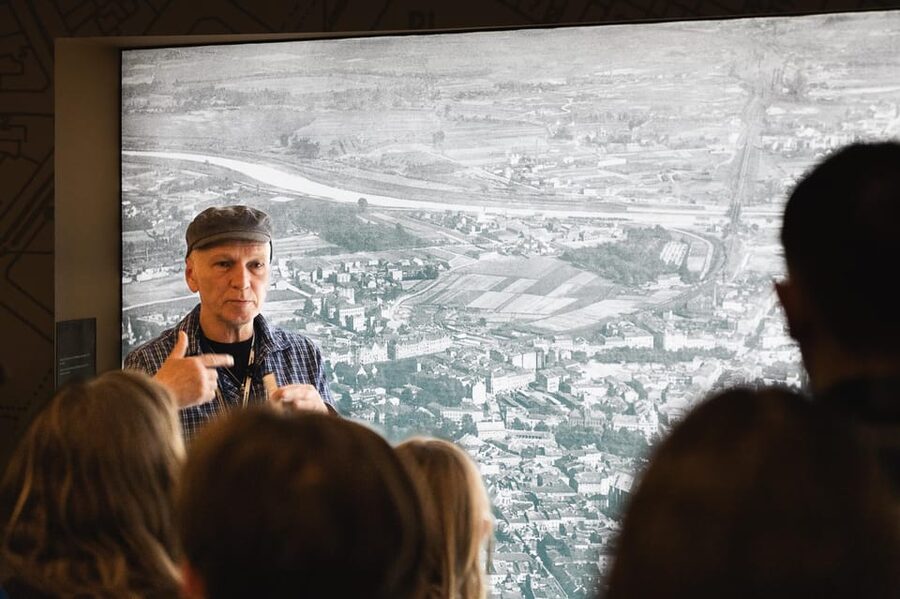
REVIEW · SCHINDLER'S FACTORY & WWII TOURS
Schindler’s Factory Skip the Line Ticket & Guided Tour
Holocaust history meets a working factory setting. This tour’s power comes from seeing Oskar Schindler’s enamelware factory museum-style, with Skip the Line access and a live guide. I also like how the story sticks to Krakow under Nazi occupation and Schindler’s decision to use his factory to protect Jewish workers. One drawback to plan around: the museum is not accessible for wheelchair users or people with mobility impairments.
In 1.5 hours, you get a focused, guided walkthrough instead of wandering alone. If you want context that makes the exhibits easier to follow, a live guide helps a lot. Just be ready for a very serious subject, and follow the rules on no flash photography.
In This Review
- Key highlights to know before you go
- Schindler’s Factory in Krakow: what this ticket really buys you
- Why the factory setting hits differently than a regular museum
- Entering at the Enamelware Factory: starting strong at the right place
- The 90-minute guided route inside the museum
- What to look for while you’re walking (and what to ignore)
- Practical tips: shoes, cameras, and respecting the rules
- Price and value: is $42 fair for a 1.5-hour guided tour
- A note on meeting your guide: avoid the common failure point
- Who this tour suits best in Krakow
- Should you book Schindler’s Factory with a skip-the-line guided tour?
- FAQ
- How long is Schindler’s Factory on this tour?
- What’s included in the ticket price?
- Is the tour offered in English?
- Where does the tour start?
- Are flash photos allowed inside?
- Is food or drinks allowed during the visit?
- Is the museum accessible for wheelchair users?
Key highlights to know before you go
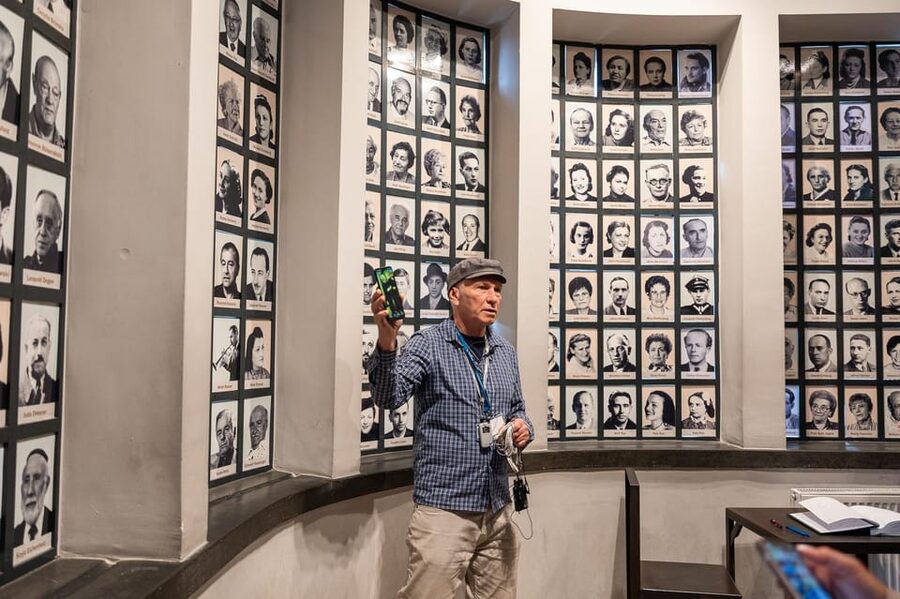
- Skip-the-line ticket saves time so you can start with your guide sooner
- 1.5-hour live guided tour keeps you on track through the museum
- Oskar Schindler’s enamelware factory is the real setting behind the story
- Krakow under Nazi occupation provides the historical frame for everything you see
- Schindler’s choices connect the factory’s everyday work to saving over a thousand Jewish lives
- English-language guide makes the experience accessible for English speakers
More of Krakow under the wartime occupation
- Krakow: Schindler’s Factory Ticket and Guided Tour Option
★ 4.3 · 4,306 reviews - Krakow: Schindler’s Factory Tour with Entrance Ticket
★ 4.5 · 3,182 reviews - Krakow: Schindler’s Factory Skip-the-Line Ticket
★ 4.4 · 3,105 reviews
Schindler’s Factory in Krakow: what this ticket really buys you
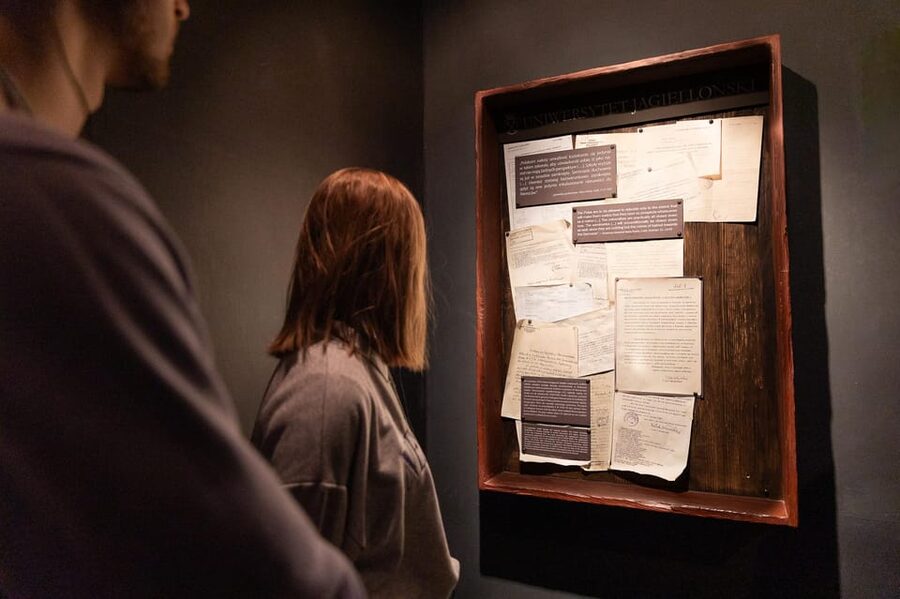
Schindler’s Factory is not the kind of museum you rush. With this ticket, you’re buying two things that matter on arrival: a timed, entry ticket and a live guide to help you make sense of what you’re seeing. The museum focuses on Krakow’s history during Nazi occupation, and the guide’s job is to connect the dots between documents, artifacts, and Schindler’s role.
I like that the tour is set to 1.5 hours. That’s long enough to feel like you learned something real, but short enough that the experience stays concentrated. It’s also clearly built for people who want a guided narrative rather than a purely self-guided crawl.
For $42 per person, the value is mostly in the guide. Entry is included, and you’re not paying extra for a separate guided service once inside. If you’ve got limited time in Krakow, the “skip the ticket line” part is the practical win.
Why the factory setting hits differently than a regular museum
A lot of history museums show you rooms and objects. Schindler’s Factory uses the factory context to change your perspective. You’re visiting a metal workshop tied to Oskar Schindler, a German industrialist who was also a Nazi Party member during World War II. That combination can feel uncomfortable, but it’s also part of why the story matters.
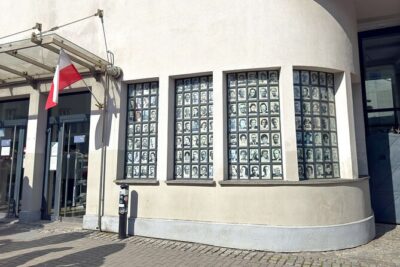
During the Holocaust, Schindler used this factory to employ Jewish workers, helping save over a thousand Jews from concentration camps. The tour frames that as a mix of risk, resourcefulness, and moral choice—Schindler spent his fortune and put his life in danger to protect the workers he could.
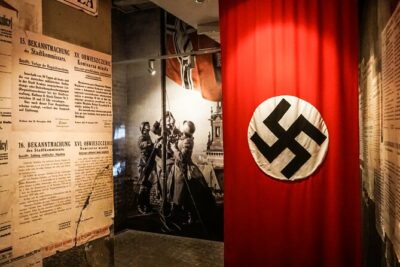
You also get the broader setting: the museum is dedicated to the history of Krakow under Nazi occupation. That means you’re not just hearing about Schindler’s actions in isolation. You’re getting the backdrop of what life and control looked like in the city during that period.
And yes, this story is widely known through the 1993 film Schindler’s List, directed by Steven Spielberg. But the museum’s approach is grounded in the place and the history itself, not just the movie version.
Entering at the Enamelware Factory: starting strong at the right place
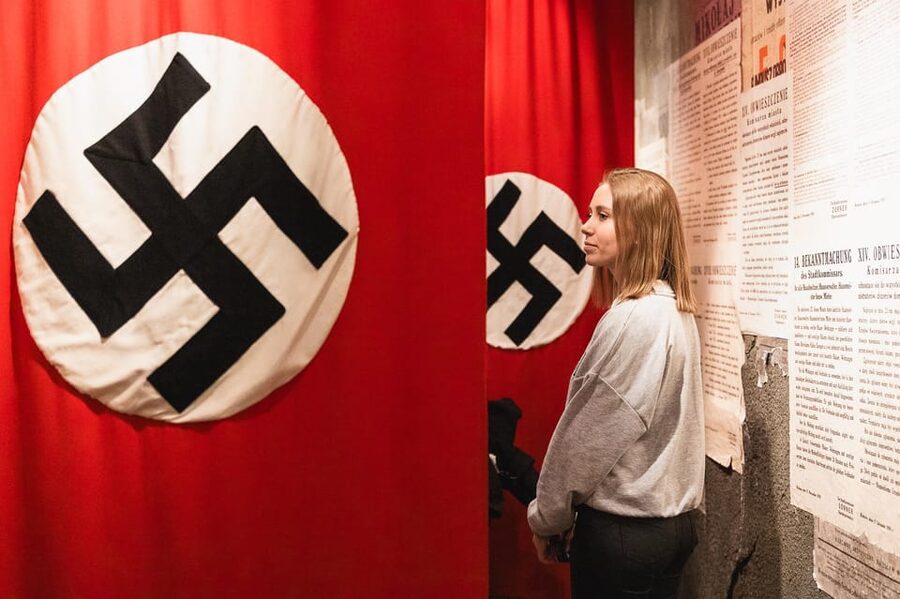
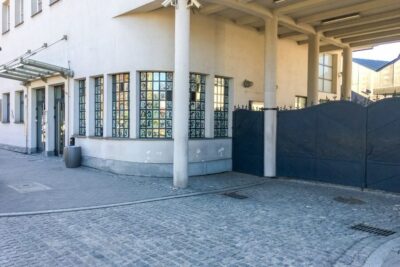
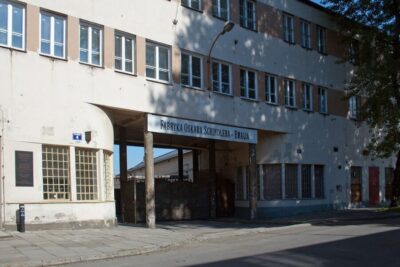
Your tour begins at Oskar Schindler’s Enamel Factory. Starting there matters, because you’re entering the experience at the source setting rather than being ushered in as an afterthought. The guide is there so you can go from first impressions to understanding what each space and exhibit is telling you.
At this point, focus on two things: arriving for your time slot and being mentally ready for a serious museum. This isn’t “Krakow sightseeing” in the usual sense. It’s a guided education about atrocity, survival, and resistance, tied to a real industrial site.
If you’re the type who likes to get oriented quickly, starting at the factory entrance helps. You’re immediately in the right “frame,” so later exhibits don’t feel random.
A few more Krakow trips worth putting on the shortlist
- Krakow: Wieliczka Salt Mine Tour with Entry Ticket★ 4.6 · 10,927 reviews
- Krakow to Auschwitz Birkenau Guided Tour with Transfer and Ticket★ 5.0 · 8,197 reviews
- Krakow: Wieliczka Salt Mine Fast-Track Ticket & Guided Tour★ 4.5 · 5,872 reviews
- Auschwitz Birkenau Guided Tour with Ticket Hotel Pickup Small Van★ 5.0 · 4,769 reviews
The 90-minute guided route inside the museum
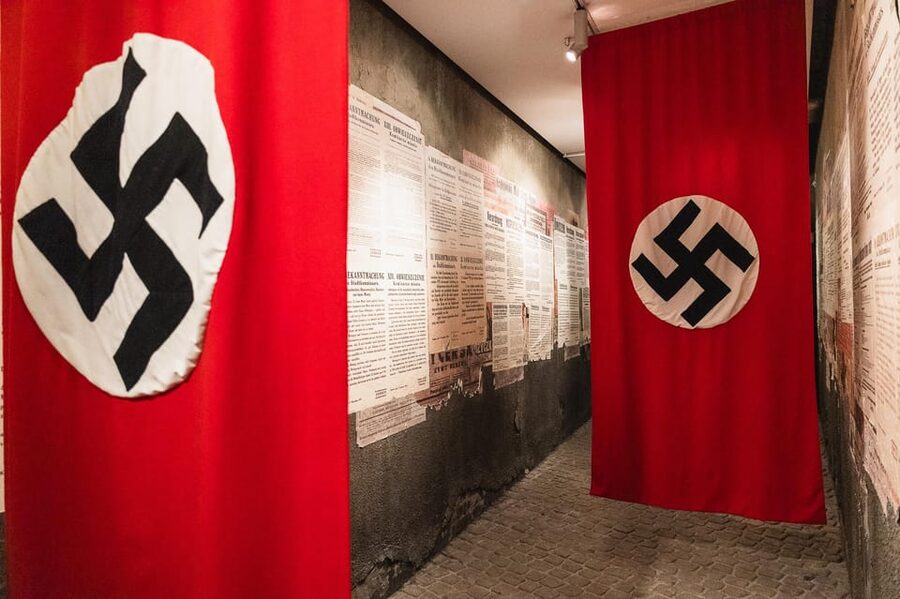
Inside, the guide leads you through the story of Krakow during Nazi occupation, then brings you back to Schindler’s factory and what it meant in practice. Expect the tour to move chronologically and thematically, because the museum is trying to show how occupation policies translated into everyday choices and deadly outcomes.
A key piece of what you’ll learn is the factory’s identity. Schindler’s operation was an enamelware factory—run as a metal factory—and it’s tied directly to why the story became famous. The guide’s narration is where this becomes more than a name and a film reference. You’ll hear how Schindler used the factory’s function as employment to protect Jewish workers.
You also get the “human scale” of the story through what the museum chooses to highlight: the workers Schindler employed, the risks he took, and the sense that survival depended on choices that were anything but safe. The tour emphasizes that he used his position and resources, spending his fortune to keep people from being sent to death.
The big payoff of a guided tour here is clarity. Even if you know the headline story, the guide helps you understand the structure of what you’re seeing: why Krakow’s Nazi-era reality shaped the outcome, and how Schindler’s factory became one of the mechanisms that saved people.
What to look for while you’re walking (and what to ignore)
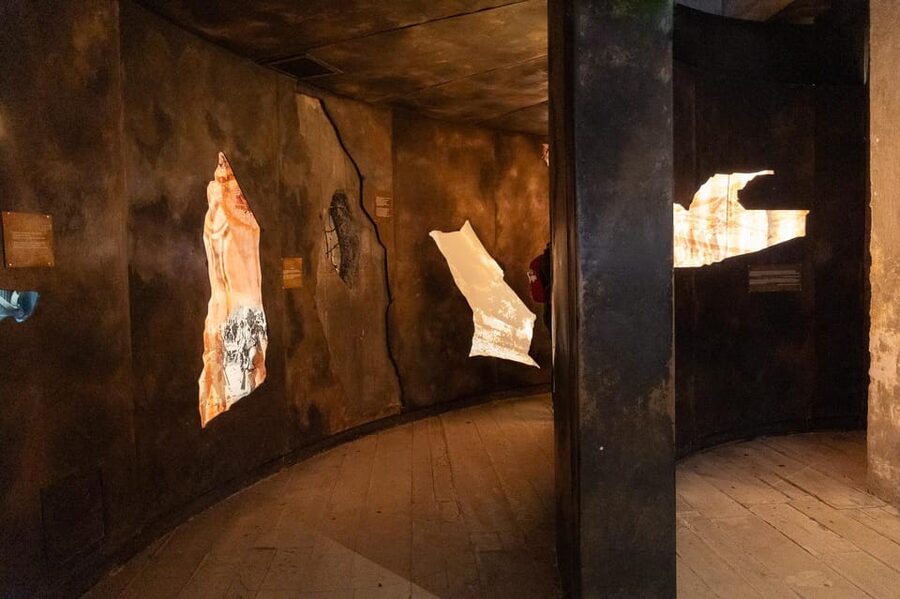
I found it helpful to treat the visit like a guided lesson, not like a photo stop. Yes, it’s a museum. But the point is the narrative the guide builds as you move through the exhibits.
Here’s what I’d pay attention to during the guided portion:
- How the tour explains Krakow under Nazi occupation in a way that connects to the exhibits you’re facing
- How Schindler’s factory is positioned as a tool for saving people, not just a historical backdrop
- Any details the guide shares about Schindler himself—especially that he was both a member of the Nazi Party and the industrialist who chose to help
And here’s what I’d avoid focusing on:
- Technical “museum trivia” that doesn’t change your understanding of the main story
- Chasing photos over listening, because flash isn’t allowed and you’ll want your eyes on what the guide is explaining
This is also one of those museums where your best souvenir is comprehension. If you leave with a clearer sense of why the factory saved lives and how Krakow’s occupation shaped the danger, you’ll feel you got your money’s worth.
Practical tips: shoes, cameras, and respecting the rules
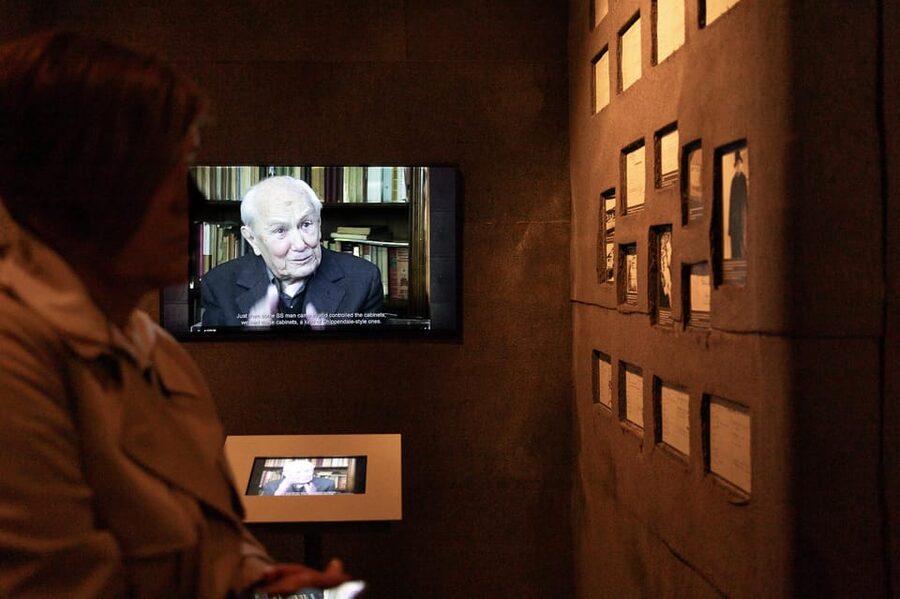
Schindler’s Factory is a museum experience, so plan like you’re walking. Wear comfortable shoes. You’ll want to move easily through exhibits without feeling rushed.
For your camera, you’re allowed to bring it, but you must follow the rule: flash photography is not allowed inside. That’s a big deal in museums, but it also helps you slow down. Low light can make photos harder anyway, so don’t rely on getting perfect shots. Think of the camera as optional support, not the main event.
Food and drinks are also not allowed inside. That means you’ll want to handle meals outside before or after. If you bring snacks just in case, plan to stow them.
One more practical point: the museum is not accessible for wheelchair users or people with mobility impairments. If you or someone in your group has mobility needs, you’ll want to reconsider. There’s no workaround mentioned in the provided details.
Price and value: is $42 fair for a 1.5-hour guided tour
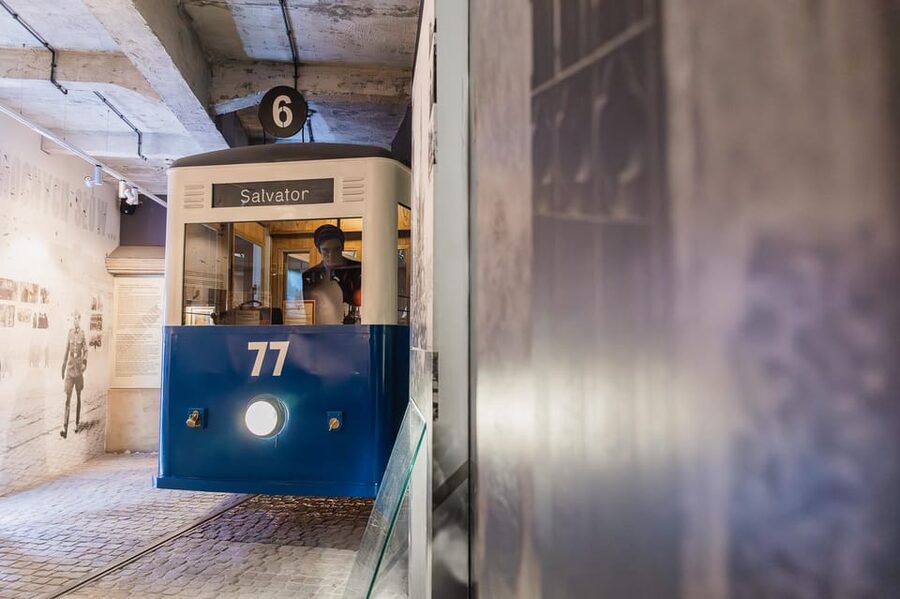
For many tours, $42 can sound like a coin-flip. Here, it’s easier to judge because the inclusions are straightforward. You get:
- Entry to Schindler’s Factory
- A live guide
- Skip-the-ticket-line access
- A set visit length of about 1.5 hours
So your money goes mostly toward guidance. That matters because the museum’s story isn’t just visual; it’s historical and interpretive. Without a guide, you can still learn, but you’re more likely to miss the links the museum is trying to make between Nazi-occupied Krakow and Schindler’s industrial choices.
If you’re the kind of traveler who reads quietly and self-explains, you might spend less by going on your own. But if you want your time in the museum to feel organized and understandable, this is a good trade: pay for the direction, then absorb the exhibits with context.
Also, skip-the-line is not a gimmick. In places like this, time feels heavier. Getting in smoothly helps you start the visit on the right footing.
A note on meeting your guide: avoid the common failure point
One caution I’d give you, based on a reported issue from a previous booking: sometimes people can end up waiting at the meeting point if a guide doesn’t show up as expected. The fix isn’t panic. It’s prevention.
Do this before you go:
- Confirm your exact start location details for your time slot
- Have a way to contact the tour provider the day of the visit
That kind of prep takes five minutes and can save a whole chunk of your day.
Who this tour suits best in Krakow
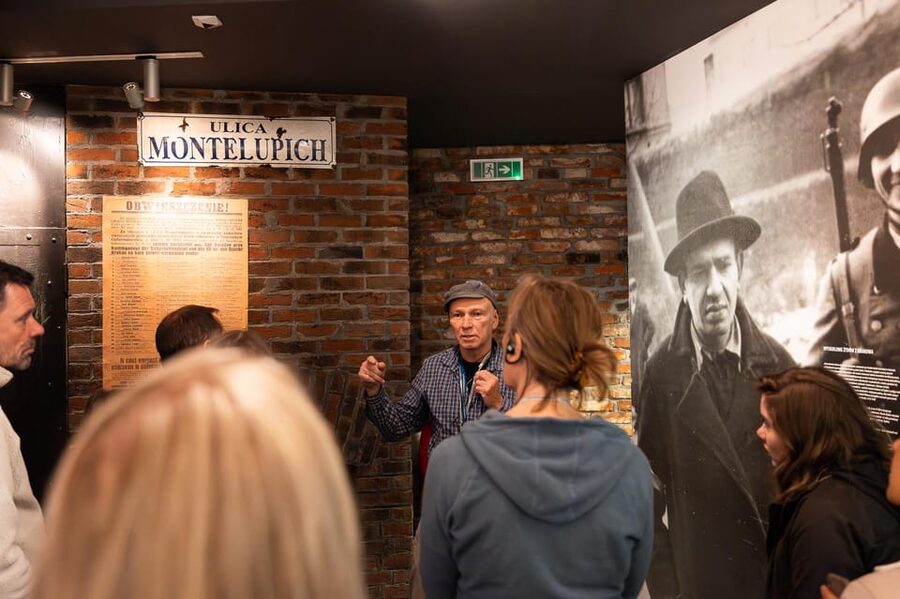
This tour fits you if you want a structured, guided understanding of Schindler’s Factory and what it represented during Krakow under Nazi occupation. It’s also a good choice if your interest goes beyond the film and you want the real-world context of how Schindler’s factory functioned as a way to save lives.
You’ll likely enjoy it if:
- You prefer a live guide to explain exhibits
- You want to connect the story of Schindler to the broader occupation history
- You’ve got limited time and want the visit to feel complete in 1.5 hours
If you need wheelchair accessibility, or you have mobility impairments that would make the museum difficult to navigate, you’ll want to skip this option based on the accessibility notes.
Should you book Schindler’s Factory with a skip-the-line guided tour?
I think you should book it if you care about understanding the story, not just seeing the walls. The combination of skip-the-line entry and a live English guide makes the experience easier to follow, and the factory setting gives the history a grounded sense of place.
I’d book with extra care if your travel style is rigid about timing, since the experience is tied to starting times. And I’d plan to verify the meeting details ahead of day, just to reduce the odds of a bad start.
If you’re sensitive to heavy subject matter, go in with the right expectations. This is a somber museum. But it’s also one of Krakow’s most important experiences for understanding how choices in a Nazi-occupied city could still mean life instead of death.
FAQ
How long is Schindler’s Factory on this tour?
The guided tour lasts about 1.5 hours. Starting times depend on availability, so you’ll want to check the schedule when you book.
What’s included in the ticket price?
You get entry to Schindler’s Factory and a live guide. That’s the core of what you pay for.
Is the tour offered in English?
Yes. The live tour guide is listed as English.
Where does the tour start?
The tour starts at Oskar Schindler’s Enamel Factory.
Are flash photos allowed inside?
No. Flash photography is not allowed inside the museum.
Is food or drinks allowed during the visit?
No. Food and drinks are not allowed inside the museum.
Is the museum accessible for wheelchair users?
No. The museum is listed as not accessible for wheelchair users or people with mobility impairments.
More Tours in Krakow
More Tour Reviews in Krakow

Krakow in Wartime: More Reviews


Just added: fresh Krakow reviews

Schindler's Factory & WWII Tours, compared.
 ★ 4.3Schindler’s Factory Ticket and Guided Tour OptionFrom $254,306 reviews
 ★ 4.5Schindler’s Factory Tour with Entrance TicketFrom $493,182 reviews
 ★ 4.4Schindler’s Factory Skip-the-Line TicketFrom $253,105 reviews
★ 4.6Schindler’s Factory Tour with Entrance TicketFrom $401,737 reviews
★ 4.4Schindler’s Factory Skip-the-Line TicketFrom $253,105 reviews
★ 4.6Schindler’s Factory Tour with Entrance TicketFrom $401,737 reviews
 ★ 4.5Schindler’s Factory in Krakow: Guided Tour & Skip the Line TicketFrom $351,714 reviews
 ★ 4.7Schindler’s Factory & Ghetto Guided TourFrom $571,694 reviews
 ★ 4.3Schindler’s Factory Ticket with Guided Tour OptionFrom $421,485 reviews
 ★ 4.0Krakow Schindler’s Factory Guided Tour with Admission TicketFrom $351,156 reviews
Browse the lists this tour appears in